
Review · HO CHI MINH CITY
Farm-To-Table Healthy Cooking Class: Half-Day Tour
The best part of this six-hour outing is the direct path from garden to cooking table. You walk through a medicine garden, pick herbs and vegetables, inspect a mushroom house, then use those ingredients in a traditional Vietnamese meal. I like that the class teaches cooking judgment, not only fixed recipes. I also like the mix of food, farming, and local plant knowledge.
The main drawback is the distance from central Ho Chi Minh City. The trip can take about an hour to an hour and a half in traffic, so this is a full day outside the city rather than a quick cooking lesson. The class also suits people who enjoy hands-on work more than a polished restaurant-style demonstration.
Key points at a glance
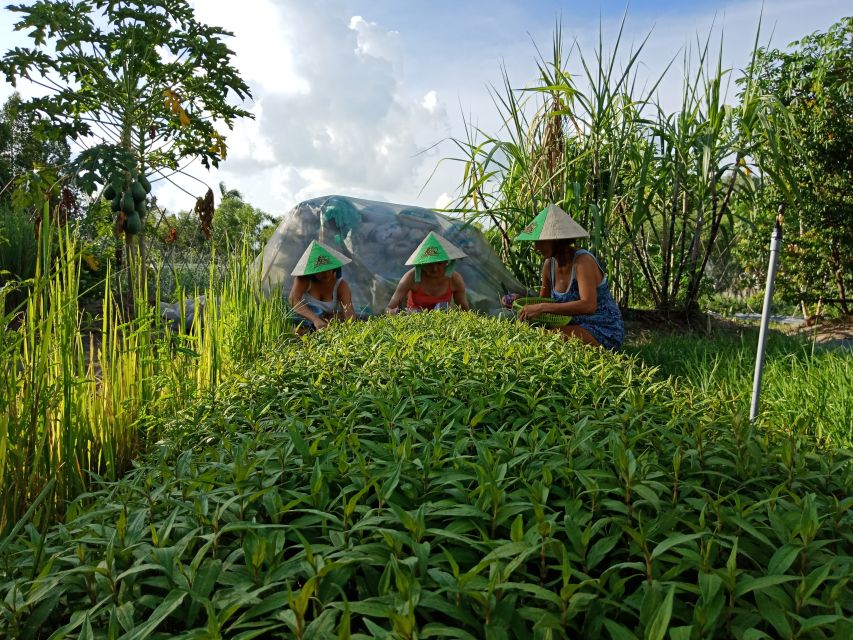
- Pick the ingredients yourself: Select herbs and vegetables in the organic medicine garden before cooking.
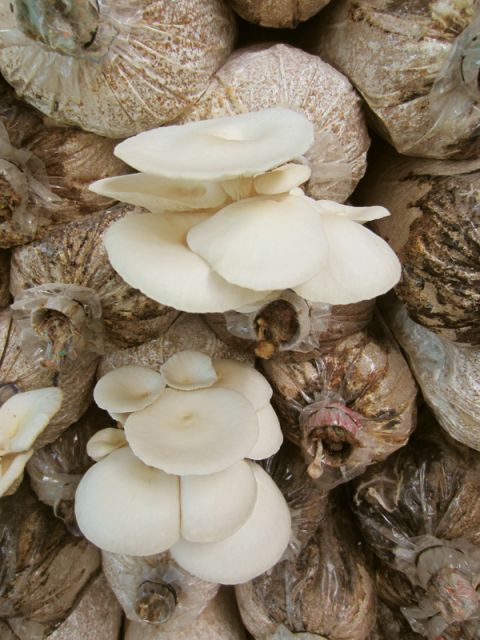
- Visit the mushroom house: See how different varieties of mushrooms are cultivated.
- Learn a cooking philosophy: The chef explains how to work with the ingredients you have, rather than simply handing you recipes.
- Explore unusual Vietnamese produce: Morning glory, jackfruit, banana flowers, okra, peanuts, and local herbs may appear during the farm visit.
- Allow a full six hours: Pickup is included, but traffic between Ho Chi Minh City and the farm can add time.
- Best for food-minded visitors: The class works for confident cooks, beginners, and anyone curious about Vietnamese agriculture.
From Ho Chi Minh City to the farm
This is not a cooking class tucked into a city restaurant. You leave Ho Chi Minh City and head into the countryside, where the food lesson begins in the fields.
Pickup is included from hotels in Ho Chi Minh City or from the airport. The transport description lists a car or bus, and the trip can take around one hour to one hour and thirty minutes depending on traffic. One account also describes a motorbike ride, so confirm the pickup vehicle and meeting point when you book.
That travel time matters. You are paying for a six-hour outing, not just a short kitchen session, and the farm setting is a large part of what gives the class its character. If your schedule is tight, an urban cooking school may be more convenient. If you want to see where ingredients come from, the drive earns its place.
You can choose a morning or afternoon class, subject to availability. The schedule should shape your food plans for the rest of the day, since lunch is included and the class finishes with a shared meal.
More Farm Cooking Classes in Vietnam
- Cocolocal Farm Cooking Class with market tour and basket boat
★ 5.0 · 231 reviews - Rural Hoi An Cycling, Cooking Class at Organic Farm
★ 5.0 · 72 reviews - Rural Cycle, Market Tour, Basket Boat & Organic Farm Cooking
★ 5.0 · 64 reviews
A medicine garden with edible lessons
The farm visit begins with plants. A guide leads you through the medicine garden and explains how Vietnamese herbs are used in both cooking and traditional health practices.
The point is not simply to memorize plant names. You learn that many ingredients have more than one role in daily life. A leafy herb can add fragrance to a dish, while another plant may be associated with a traditional remedy. The class also discusses the possible benefits and disadvantages of plants, which gives the lesson more balance than a simple list of healthy ingredients.
Linh is one guide named in the feedback, and Alice is another host associated with the farm and kitchen portions. The guide’s role is important here because the garden contains unfamiliar plants. You will get more from the walk if you ask questions about how each ingredient is cooked, not only what it is called.
The garden may include morning glory, okra, peanuts, jackfruit, banana flowers, herbs, and other vegetables. Some of these are familiar to regular Asian-food fans. Others can look unusual if you mainly shop in Western supermarkets. Banana flowers, for example, are not an everyday ingredient for many visitors, and their preparation is part of the fun.
You should wear comfortable shoes. This is an outdoor farm visit, followed by kitchen work, so sunglasses and a camera are useful too. The organizers ask you to report dietary requirements and allergies in advance, which is especially important when the menu is built around fresh plants and herbs.
Choosing vegetables like a Vietnamese farmer
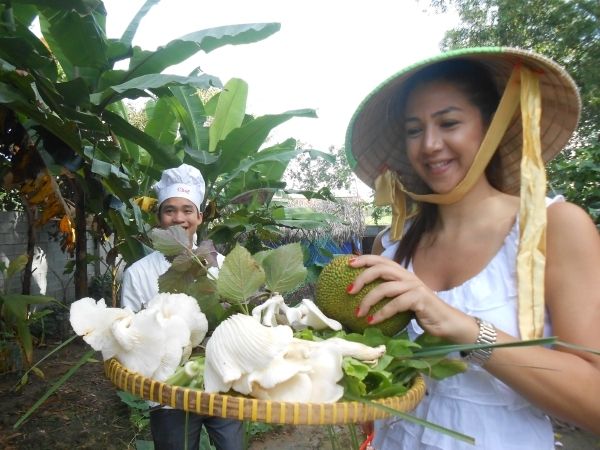
After learning about the plants, you select ingredients for the cooking session. This is a small but meaningful change from a standard class, where every item is already washed, measured, and waiting on a counter.
You walk through the garden, identify the vegetables, and pick the herbs that will go into your meal. The activity helps you see Vietnamese cooking as a flexible way of combining what is fresh and available. One of the most useful lessons is that you do not always need an exact shopping list to make a good dish.
That idea came through strongly in the way the cooking was taught. Instead of focusing only on four named recipes, the instruction included how to think when cooking at home with the ingredients on hand. I find that more useful than a recipe card alone, especially if you live somewhere with limited access to Vietnamese produce.
The selection also gives you a better sense of seasonality. You see the plants before they are chopped and seasoned, so the final meal has a clear connection to the farm. It is a simple way to understand why Vietnamese food often tastes fresh and herb-led rather than heavy.
Inside the mushroom house
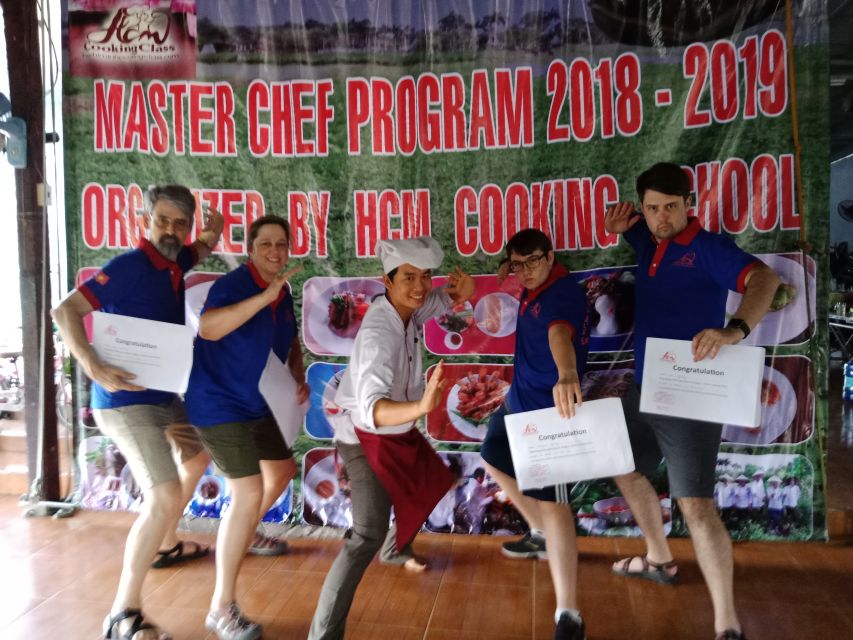
The mushroom house adds another layer to the farm visit. You see different varieties of mushrooms and learn how they are cultivated in a controlled growing space.
This stop is particularly useful if your knowledge of mushrooms begins and ends with the few types sold at home. The class presents mushrooms as a crop with its own growing process, not just another item in a market basket. You can ask about the varieties you see and how they are used in Vietnamese food.
The mushroom visit is short compared with the cooking session, but it helps broaden the food lesson. Vietnamese cuisine depends on a wide range of plants and fungi, and the farm shows how several parts of that food system fit together.
You also hear about rice cultivation. The information provided does not promise a full rice-farming workshop, so think of this as an explanation of how rice is grown rather than a separate practical activity. Still, it gives useful context: the meal is connected not only to garden vegetables but also to one of Vietnam’s central food crops.
More Farm Cooking Classes in Ho Chi Minh City:
- Half-Day Thai Cooking Class at Organic Farm in Chiang Mai
★ 5.0 · 19,087 reviews - Cooking Class and Lunch at a Tuscan Farmhouse with Local Market Tour from Florence
★ 5.0 · 4,831 reviews - Chiang Mai: Cooking Class, Market & Thai Herbs Garden Tour
★ 4.9 · 4,824 reviews - Chiang Mai: Authentic Cooking Class with Market & Farm Visit
★ 4.9 · 4,546 reviews
Cooking four or more traditional dishes
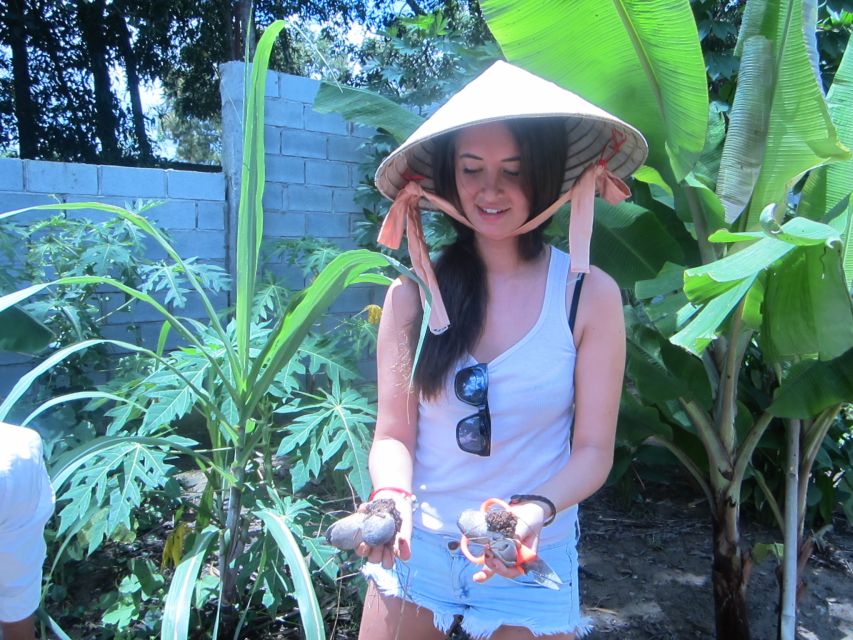
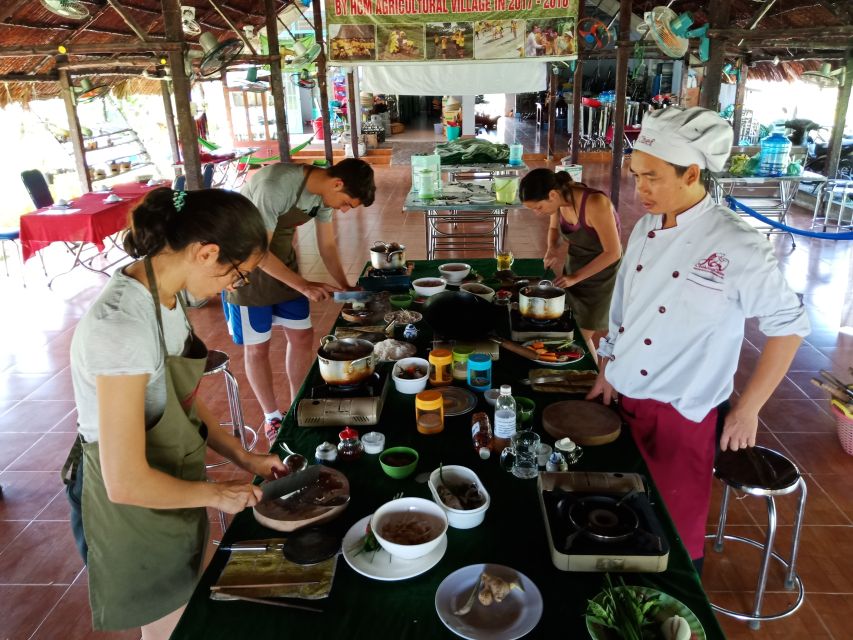
Once you have gathered the ingredients, you move into the kitchen. The chefs provide hands-on instruction as you prepare and cook a traditional Vietnamese meal.
The class may involve four dishes, and another account describes five people preparing different but similar dishes at the same time. That suggests a shared teaching format, with several participants working on related recipes and extra staff helping when needed. You should expect active participation, not a seat at the back while someone else does all the work.
The strongest feature is the practical approach. You learn how to prepare vegetables, combine herbs, and handle the ingredients you just picked. The chef explains the process as you cook, so the lesson remains connected to the farm walk rather than feeling like two unrelated activities.
The class is suitable for beginners because the chefs guide you through each stage. It also has something to offer confident home cooks, since the focus includes adapting to available ingredients and understanding how the parts of a Vietnamese meal work together.
Do not expect a formal culinary-school session with technical measurements for every step. The value is in learning a way of cooking: fresh produce, herbs, simple preparation, and attention to balance. Recipes are provided afterward, but the broader lesson is how to make sensible choices with what is in front of you.
Food allergies and dietary needs should be shared before the class. The meal is based on Vietnamese dishes and garden produce, so early notice gives the kitchen a chance to plan.
Lunch with the food you prepared
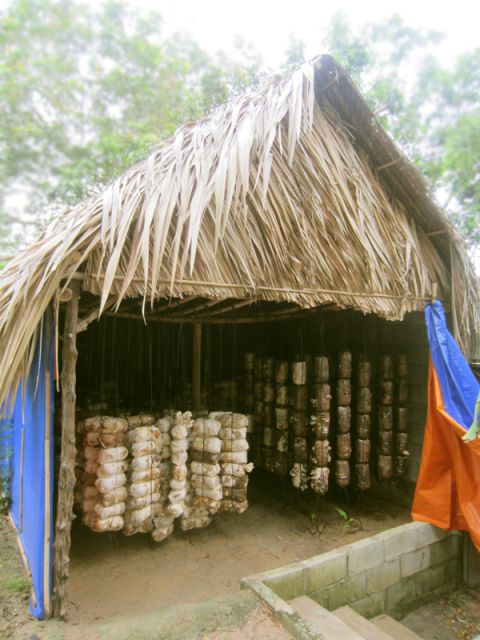
At the end, you sit down and eat the dishes you made. Lunch and iced tea are included, as are napkins and the basic meal service.
This shared table is one of the more pleasant parts of the day. You eat with the people from your class, compare the dishes, and see how the same basic ingredients can produce different results. The setting is a natural finish to the farm visit: you have picked the produce, prepared it, and now taste the result.
The food is described as fresh and simple, with dishes that are satisfying without relying on complicated techniques. The experience is not designed around a luxury meal. Its appeal is the connection between the ingredients and the plate, plus the satisfaction of eating food you helped prepare.
You receive recipes, a certificate, and souvenirs from the cooking school. These are modest extras, but the recipes are the most useful item if you want to repeat the meal at home. Take notes during the class as well, since the instructor’s advice about substitutions and cooking decisions may be more valuable than the printed instructions.
What the $70 price gets you
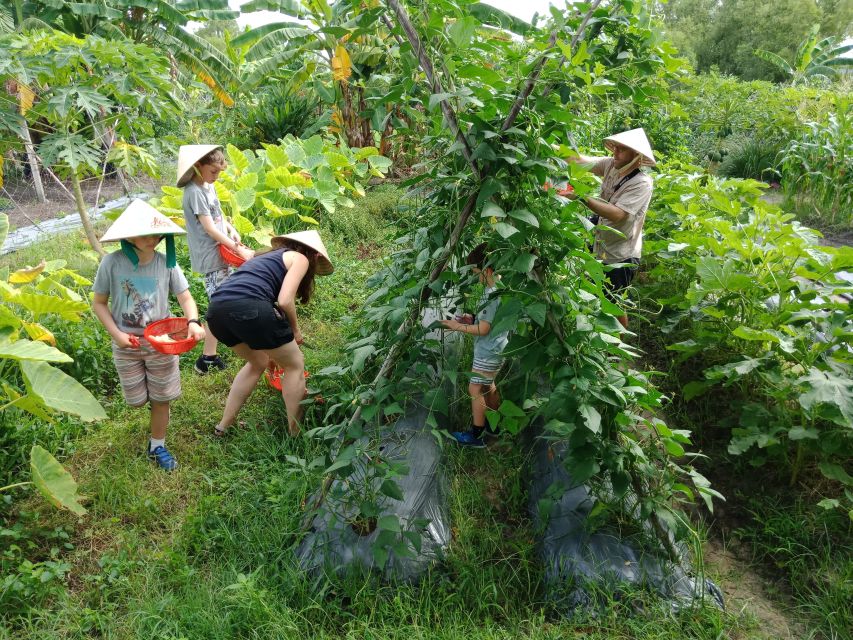
At $70 per person, this costs more than a basic city cooking lesson. The price includes transport, a local guide, the farm visit, the mushroom house, the cooking class, lunch, iced tea, recipes, a certificate, and souvenirs.
The value depends on what you want from the day. If your goal is simply to learn one Vietnamese dish as cheaply as possible, you can find more focused options. Here, you are also paying for the countryside transfer, the garden tour, the plant explanations, the ingredient-picking activity, and the time with the chef.
The included pickup matters. A separate ride to a rural farm could add cost and planning, and traffic in the Ho Chi Minh City area can be tiring if you arrange everything yourself. The package also reduces the need to find lunch after the class.
A rating of 4.8 from 41 ratings suggests a strong level of satisfaction, and the praised features are consistent: the guides, the farm walk, the fresh ingredients, the small-group feel, and the practical instruction. The experience is at its best when you treat it as a food and countryside day trip, not merely a recipe lesson.
Timing, comfort, and accessibility
The activity lasts six hours, with morning and afternoon departures available when scheduled. Because the transfer can take up to an hour and a half in traffic, avoid placing a tightly timed city appointment immediately afterward.
Wear comfortable shoes for the garden and bring sunglasses. A camera is welcome, and the farm offers plenty to photograph, from unusual plants to the mushroom-growing area and the surrounding countryside.
Wheelchair access is listed, but the experience includes an outdoor garden visit and cooking work. If you use a wheelchair or have mobility concerns, ask the operator how the current farm route is arranged before booking.
Pets are not allowed. The tour is offered in Vietnamese and English, and a live English-speaking guide is available.
Who will enjoy this class most?
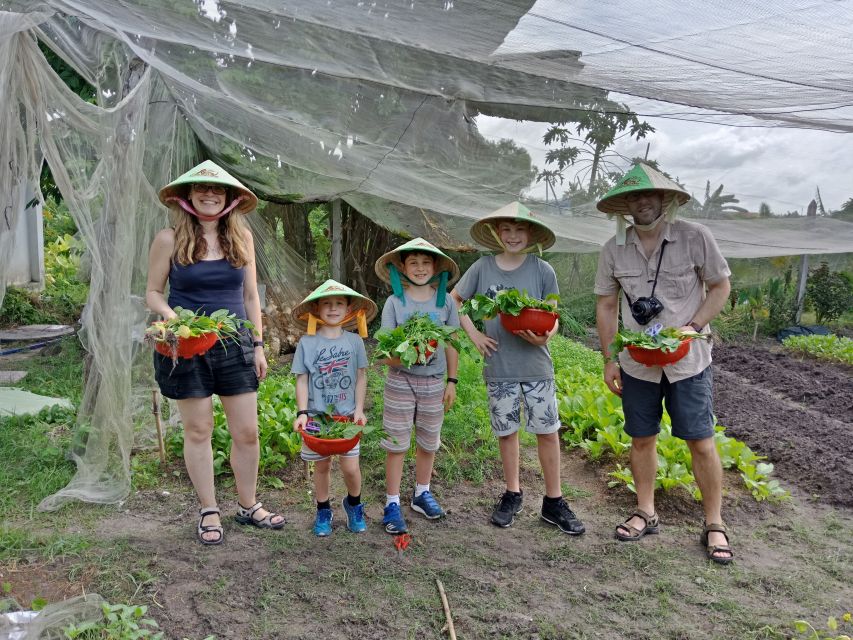
I would recommend this to people who want food with a sense of place. You see the produce, learn how it is grown, and use it in a meal rather than receiving ingredients from an unseen kitchen.
It is a good fit for couples, small groups, solo food fans, and families with older children who can take part in garden and kitchen activities. Beginners should feel comfortable, while experienced cooks can focus on the ideas behind the recipes.
It may be less suitable if you dislike long transfers, outdoor walking, unfamiliar vegetables, or shared cooking tasks. It also may not suit someone looking for a quiet luxury outing. This is a practical, social class with dirt, chopping, questions, and plenty of food.
Should you book the farm cooking class?
Book it if you want to connect Vietnamese food with farming, herbs, mushrooms, and traditional cooking. The best reasons are the ingredient picking, the medicine garden, the flexible cooking advice, and the chance to eat a meal made with produce you selected yourself.
Think twice if you have only a few hours in Ho Chi Minh City or if you want a class within the city center. The drive takes time, and the value comes from the complete farm-to-table day.
For most food-focused visitors with a free half-day plus transfer time, the $70 price is fair. Confirm pickup details, departure time, and dietary needs in advance, then arrive ready to work with your hands.
FAQ
How long does the activity last?
The activity lasts six hours. Morning and afternoon starting times are available based on the schedule at the time of booking.
Where does pickup take place?
Pickup is included from hotels in Ho Chi Minh City or from the airport. The transport information lists pickup by car or bus.
How long does it take to reach the farm?
The trip can take about one hour to one hour and thirty minutes from Ho Chi Minh City, depending on traffic.
What languages are available?
The activity is offered in Vietnamese and English, with a live tour guide.
Is lunch included?
Yes. Lunch and iced tea are included, along with napkins.
What will I do at the farm?
You will explore the medicine garden, learn about herbs and plants, visit a mushroom house, hear about rice cultivation, and select vegetables and herbs for the cooking class.
Can I share dietary requirements or allergies?
Yes. You should advise the operator of any special dietary requirements or allergies before the activity.
What should I bring?
Bring comfortable shoes, sunglasses, and a camera. Pets are not allowed.
More half-day classes around Ho Chi Minh City
- Bangkok: Tingly Thai Cooking School Half-Day Cooking Class
★ 4.9 · 1,191 reviews - Half-Day Cooking Class with Local Chef Laila in Marrakech
★ 5.0 · 952 reviews - Naxos: Half-Day Cooking Class at Basiliko Family Tavern
★ 5.0 · 887 reviews - Chiang Mai: HALF-DAY COOKING COURSE at a Thai Cooking Farm
★ 4.9 · 705 reviews
New cooking classes around Ho Chi Minh City
- M.O.M COOKING CLASS★ 4.8 · 6 reviews
- Mama Lan’s Home Cooking Class with 30+ Years of Experience★ 5.0 · 3 reviews
- MY Kitchen – Vietnamese Home Cooking Class in Hoi An★ 5.0 · 6 reviews
- Ho Chi Minh: Local Cooking Class At Auntie’s Home★ 4.9 · 14 reviews
- Ho Chi Minh City: Vietnamese Homestyle Cooking Class★ 4.9 · 91 reviews
- HCM: 2-Day Mekong Floating Market with Cooking & Bike Ride★ 4.6 · 68 reviews
- HCMc:Vietnamese Cooking Class with Local market tour & Meal★ 5.0 · 8 reviews
- HCMc:Authentic Vietnam Cooking Class with local market visit★ 5.0 · 2 reviews
Ho Chi Minh City Cooking Classes, side by side.
Cai Be Mekong Delta Tour: Cooking Class, Cycling & Craft Villages
Read our review →
Mekong Delta 4 Islands, TukTuk, Boat, Try Khot Cake Local Cooking
Read our review →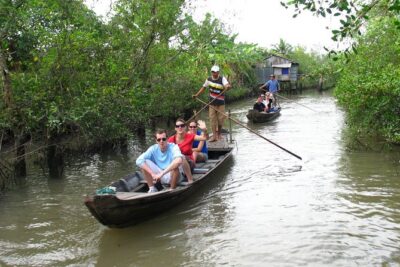
Small-group Mekong Floating Market Day Trip from Ho Chi Minh City
Read our review →
Mekong Day Trip Explore Village Bicycle CookingClass Group 12 Pax
Read our review →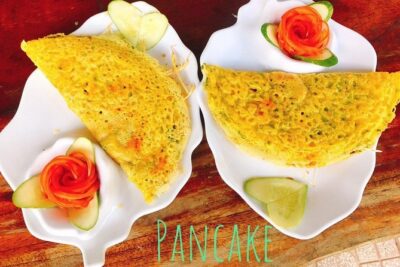
Chef Vu Cooking Class Plus Market Trip in Saigon Center (Pick up by Cyclo)
Read our review →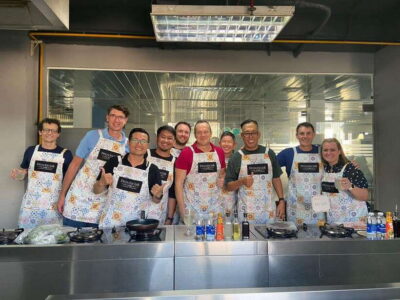
Immersive Cooking Class & Market Tour By Local Chef+Cookbook
Read our review →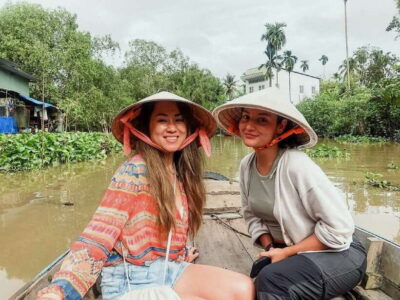
Ho Chi Minh City: Mekong Delta Tour with Sampan Journey
Read our review →
VIP Mekong Delta Adventure Cycling & Kayaking – Private Day Trip
Read our review →This kitchen also appears in