Review · RHODES
Rhodes: Winery Tour, Tasting and cooking with the Winemaker
Rhodes is more than beaches and medieval streets. This three-hour visit takes you into the island’s wine country, where you walk among the vines, taste five local wines with winemaker Jason, and help prepare a Greek meal. The most appealing part is the full path from grape to glass to table, with tsipouro at the end.
I like the hands-on cooking session, since you do more than sit through a tasting. I also like the generous mezedes meal, with dishes such as tzatziki, tirokafteri, eggplant salad, Greek salad, bread, and dolmades. The main consideration is that groups can feel large, and you must arrange your own transport to the winery.
Key points to know before booking
- Jason leads a lively, practical visit: Expect clear explanations, storytelling, sarcasm, and a good deal of group participation.
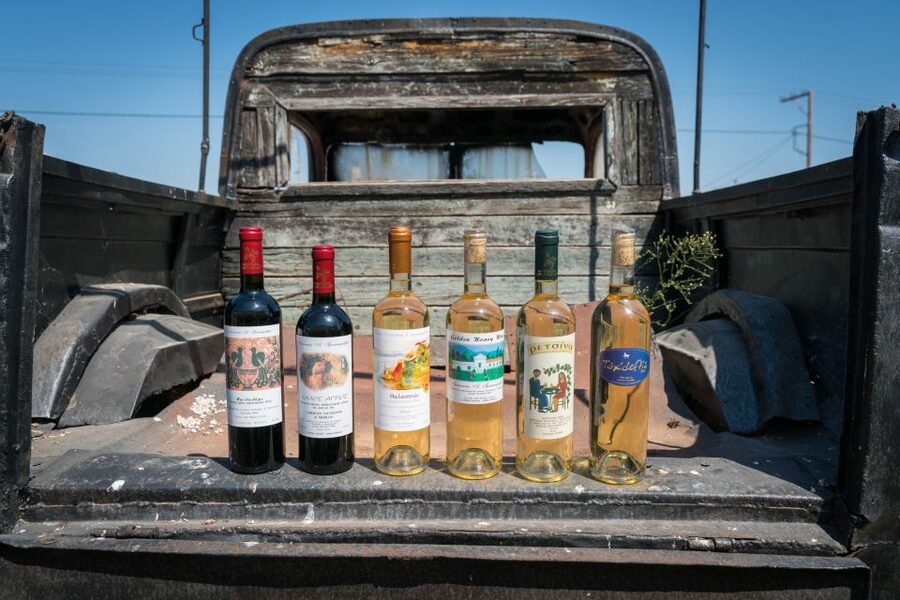
- Five wines are included: You taste a selection while learning about grape growing, fermentation, aging, and wine-making choices.
- The cooking is genuinely hands-on: You may help prepare dishes such as tzatziki, eggplant salad, and dolmades.
- The meal is mostly vegetarian: The mezedes arrive as several small courses, made for sharing and pairing with wine.
- Tsipouro finishes the visit: You learn about local distillation and sample the grape spirit as a digestive.
- Transport is not included: Use the supplied Google Maps location rather than Apple Maps, and plan a taxi or other ride in advance.
A Rhodian winery visit built around the whole food chain

Many winery visits stop at the cellar door. This one keeps going. You begin with grapevines, move to wine tasting, then take part in cooking before sitting down to eat. That structure gives the afternoon a natural rhythm, and it helps you understand Greek food and wine as parts of the same tradition.
The setting matters, too. The meal is served in a restaurant area overlooking the vineyards, so you are not simply tasting in an indoor room. You can connect the wine in your glass with the rows of vines that produced it, then taste local dishes designed to work alongside it.
At $93 per person, the price is not just for five pours. It also covers a guided vineyard tour, a cooking class, a multi-course meal, and tsipouro. If you would otherwise pay separately for lunch and a wine tasting, the package offers fair value. It makes less sense for you if you want a quick tasting with little food or prefer to explore without a set schedule.
More Cooking Classes with Wine Tasting in Greece
- Athens: Classic Cooking Class with Market Visit and Wine
★ 5.0 · 1,101 reviews - Athens: Food Market Visit and Cooking Class with Wine
★ 4.9 · 1,087 reviews - Greek Cuisine Cooking Class in Santorini with Recipes and Wine
★ 5.0 · 969 reviews
Walking the vines and learning how Rhodes makes wine
The visit starts outdoors with a guided walk through the vineyard. This is the part that gives the rest of the experience context. You learn about local grape varieties, sustainable viticulture, and the work involved in growing grapes in Rhodes.
The host explains the process from cultivation through fermentation and aging. That includes practical matters such as grape growing, pruning, and cultivation, along with the challenges caused by climate and commercial pressures. You are not just hearing that wine comes from grapes. You are shown the decisions and problems that shape the final bottle.
This is especially useful if wine terms usually feel vague. The vineyard walk connects the technical side of wine-making to something you can see. It also gives you a better reason to pay attention during the tasting that follows.
Expect the walk to be outdoors, so sensible shoes and protection from the sun are wise choices. The supplied information does not give a precise walking distance or terrain details, so you should not assume this is a fully accessible stroll. If mobility is a concern, ask the provider before booking.
Five wines at the outdoor bar

After the vineyard, you settle in at the outdoor wine bar for a guided tasting of five labels. Jason explains the oenological choices behind each wine, including the methods that influence aroma, flavor, and style.
The tasting is not presented as a formal wine exam. You can learn at your own level. If you already enjoy wine, the discussion gives you a closer look at local production. If you are new to wine, the relaxed setting makes it easier to ask questions without feeling out of place.
The wines are served before the cooking and meal, which is a sensible order. You get to taste them without a table crowded with food, then see how they behave with Greek ingredients later. You can think of the first tasting as orientation and the meal as the practical test.
One useful detail is that the wine labels feature selected paintings. That small design choice adds character to the bottles and gives you another way to remember the wines after the visit.
You should also understand what is not promised. Five labels are included, but the exact wines are not listed, and there is no stated option to customize the tasting. The focus is on the winery’s own selection and on learning how it is made.
Cooking Greek dishes with the group
The cooking session is optional, but I would take part. It changes the visit from a seated tasting into a shared activity, and it gives you a better feel for the food that arrives at lunch.
The dishes mentioned include tzatziki, eggplant salad, and dolmades, along with other traditional specialties. You work through the preparation with the host, who explains each step. The emphasis is on participation and enjoyment rather than professional technique.
That makes this a good fit for you if you like food but do not want a serious cooking school. You can join in, ask questions, and learn the basic logic behind familiar Greek dishes. You also get to eat what the group has helped prepare.
The social side is part of the appeal. Cooking gives people an easy reason to talk, and the group activity helps avoid the stiff feeling that can come with a formal tasting. Jason’s style, as described in the supplied details, combines clear explanations with wit and sarcasm. That can make the session lively, though visitors who prefer a quiet, highly structured class may find the atmosphere more casual than expected.
Same kitchen, a different dish:
- Naxos: Half-Day Cooking Class at Basiliko Family Tavern
★ 5.0 · 887 reviews - Greek Cooking Class in Athens Including Rooftop Dinner with Acropolis View
★ 5.0 · 826 reviews - Greek Small-Group Athens Cooking Class & Dinner
★ 5.0 · 574 reviews - Exclusive Cooking Experience in our Cave Home by Petra Kouzina
★ 5.0 · 572 reviews
Mezedes with views across the vineyard
The meal is the heart of the experience for anyone who enjoys Greek food. Mezedes are small dishes served for sharing, so you get variety rather than one large main course. The menu is mostly vegetarian and includes local bread, Greek salad, tzatziki, tirokafteri, eggplant salad, and other traditional dishes.
This is a smart format for a winery. Small plates let you compare the wines with different flavors, textures, herbs, spices, and creamy dips. A crisp wine may work differently with salad than with a hot pepper and cheese spread. The meal makes the tasting more memorable because you are not judging wine in isolation.
The quantity also appears to be a strength. One account describes an eleven-course meal, while the official details call it a multi-course meze meal. The exact number may vary, but you should expect much more than a token plate of snacks.
The food is prepared with the cooking session in mind, and the meal is served in a restaurant area overlooking the vines. I like that combination of setting and substance. You get a proper meal, not just something to keep you standing during the tasting.
The mostly vegetarian menu is worth noting before you book. It should suit people who enjoy vegetables, dips, salads, bread, and shared plates. If you need meat-heavy food or have strict dietary requirements, ask for clarification before paying, since the full menu and accommodation details are not provided.
Additional food and drinks may be available for purchase at the venue, but only the listed wine tasting, meal, and tsipouro tasting are included in the price. Do not assume every extra item is covered.
Tsipouro and the final lesson in local distilling
The final stop takes you into the distillery area. Here you learn how grape distillate is produced before tasting local tsipouro, traditionally served as a digestive.
This is a worthwhile finish because it shows another use for the grape beyond wine. You move from fermentation and aging to distillation, gaining a wider view of the local drinks tradition. It also gives the experience a clear ending rather than stopping after lunch.
Tsipouro can be strong, so pace yourself. You have already tasted five wines and may have enjoyed several courses of food. The sample is intended as a tasting, not a drinking session, and you should plan your return journey with that in mind.
Jason’s hosting style and group atmosphere

Jason is the named host associated with the experience, and his personality seems central to its character. He combines wine-making knowledge with storytelling, humor, and a relaxed way of involving the group. You should expect a host-led visit rather than an audio guide or a purely self-directed tasting.
That style works best if you enjoy conversation and do not mind some playful sarcasm. The cooking and tasting both depend on group participation, so the atmosphere is likely to feel social.
There is one tradeoff. The activity can attract large groups, which may mean less individual attention at the bar or during the cooking. If you want a quiet private tasting, this is probably not the right format. If you like meeting people and sharing food, the group setup can add to the fun.
The host or greeter speaks English and French. That makes the experience practical for visitors who prefer either language, but the available information does not specify whether every part is offered separately in both languages or how the group is divided.
Getting to the winery from Rhodes
Transportation is not included, so reaching the meeting point is your responsibility. The directions specifically advise you to copy and paste the supplied location into Google Maps rather than Apple Maps. That is a small but important detail, since a wrong pin can turn a relaxed wine visit into a stressful search.
A taxi from Ixia was reported at about 40 euros, giving you a useful planning figure for one route. Your own fare may differ depending on where you stay and the time of day. Arrange the ride with enough time to spare, since the experience lasts three hours and begins at a set starting time.
Do not plan to drive after the tasting. Five wines, a meal, and tsipouro are part of the visit. A taxi or another prearranged ride is the sensible choice.
Starting times vary, so check availability for your chosen date. The activity allows free cancellation up to 24 hours before the start time, and you can reserve now and pay later. Those terms help if your Rhodes plans are still shifting, but they do not remove the need to arrange transport.
Who will enjoy this three-hour experience
I would recommend this for you if you want several pieces of Rhodes in one outing: local wine, food, agriculture, distilling, and conversation. It suits couples, friends, and solo visitors who enjoy joining a group activity.
Food-focused visitors will get the most from it. The cooking and mezedes are not side notes. They take up a major part of the visit and help explain how the wines fit into everyday Greek eating.
It also works for wine beginners. You do not need to arrive with tasting vocabulary or technical knowledge. The vineyard walk gives you the basics, and the outdoor bar provides a comfortable place to ask questions.
Families with children should check the arrangements directly, since the supplied details do not state age requirements or child pricing. People with allergies, dietary restrictions, or mobility concerns should also contact the provider in advance because the menu and access information are limited.
Is the Rhodes winery experience worth $93?
For the right person, yes. The cost includes five wines, a guided vineyard visit, a cooking class, a substantial meze meal, and tsipouro. That is a full three-hour program rather than a short tasting with a few olives.
The strongest value comes from the combination. You learn about local grapes, see how wine is made, participate in cooking, eat several dishes, and sample a traditional spirit. Each part supports the next, so the experience feels like one connected visit.
The drawbacks are clear. You pay extra for transport, the group may be large, the menu is mostly vegetarian, and the wines and exact meal courses are not specified in advance. You also need to be comfortable with alcohol and a social format.
Should you book it?
Book this experience if you want a friendly, food-centered introduction to Rhodian wine and enjoy taking part rather than simply watching. Jason’s humor, the vineyard setting, hands-on dishes, five-wine tasting, and generous mezedes meal make it a strong choice for a relaxed afternoon outside the main tourist circuit.
Skip it if you want a private tasting, a short visit, a meat-focused meal, or a fully arranged transfer. Before booking, confirm the meeting point in Google Maps, price your taxi, and tell the provider about dietary or mobility needs. For most food and wine lovers, the mix of vineyard, kitchen, table, and distillery gives the $93 price solid value.
FAQ
How long does the Rhodes winery experience last?
The experience lasts three hours. Check the available starting times when selecting your date.
How much does the experience cost?
The listed price is $93 per person.
What is included in the price?
The price includes a guided vineyard tour, a tasting of five wines, a Greek cooking class, a multi-course Greek meze meal, and a tsipouro tasting.
Is transportation included?
No. You must arrange your own transportation to and from the winery.
How do I find the meeting point?
Copy and paste the supplied location into Google Maps. The directions specifically advise against using Apple Maps for this meeting point.
Which languages are available?
The host or greeter languages are English and French.
Who leads the experience?
Jason is the host associated with the vineyard visit, tasting, cooking session, and meal.
Is the cooking class optional?
Yes. Participation is optional, but the activity encourages you to join the hands-on session.
What food is served?
The mostly vegetarian meze meal can include local bread, Greek salad, tzatziki, tirokafteri, eggplant salad, and other traditional specialties.
Can I cancel for a full refund?
Yes. You can cancel up to 24 hours in advance for a full refund. You can also reserve now and pay later.
New cooking classes around Greece
- Savor Rhodes: 11-Dish Wine Pairing and Cooking Adventure★ 4.4 · 12 reviews
- Santorini: Hands on Cooking Class with a Chef★ 4.7 · 16 reviews
- Santorini: Cooking Class with a Professional incl. Full Meal★ 5.0 · 2 reviews
- Santorini: Greek Cooking Class with Wine Tasting★ 5.0 · 7 reviews
- Santorini: Vineyard and Winery Tour with Cooking Class★ 4.9 · 5 reviews
- Santorini Cooking Class with Wine Tasting & Lunch★ 4.9 · 36 reviews
- Santorini: Cooking Class with a Chef at the Ftelos Brewery★ 4.8 · 33 reviews
- Rethymno: Chrysoula’s Cretan Home Cooking Lessons★ 5.0 · 98 reviews
Rhodes Cooking Classes, side by side.

Rhodes Wine & Food Tour: 10 Meal Course Lunch, Wine Tasting, Cooking Class
Read our review →
Rhodes: 1952 Farmhouse Cooking & Lunch with Unlimited Wine
Read our review →
Rhodes: Cooking Lesson and Wine Tasting with Lunch
Read our review →