Review · BARCELONA
Barcelona: Spanish Tapas Cooking Class with Wine
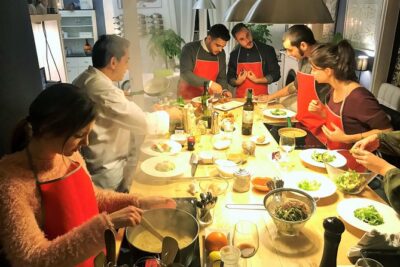
Barcelona’s tapas tradition makes a fine cooking lesson because the food is social, practical, and built around a few good ingredients. In this class, you work beside a local chef to prepare croquetas and the city-favorite tortilla omelette, then sit down to taste what you have made with Spanish wine.
I like the useful balance here: you get hands-on work in a professional kitchen, not just a demonstration, and the chef explains why certain wines pair with tapas. I also like that the class sends you home with recipes and techniques you can actually repeat. The main drawback is the setting: the meeting point is inside an industrial building, so you will need to follow the address carefully, and the class may feel less polished than a restaurant meal.
Key points to know before booking
- Croquetas and tortilla take center stage: You learn two classic Spanish dishes rather than a long list of unrelated recipes.
- The chef teaches by doing: You take part in the preparation and get professional cooking tips along the way.
- Spanish wine is included: Wine is served during the workshop, with guidance on how it works with tapas.
- The class lasts 2.5 hours: That gives you enough time to cook, listen, taste, and collect recipes without taking up an entire day.
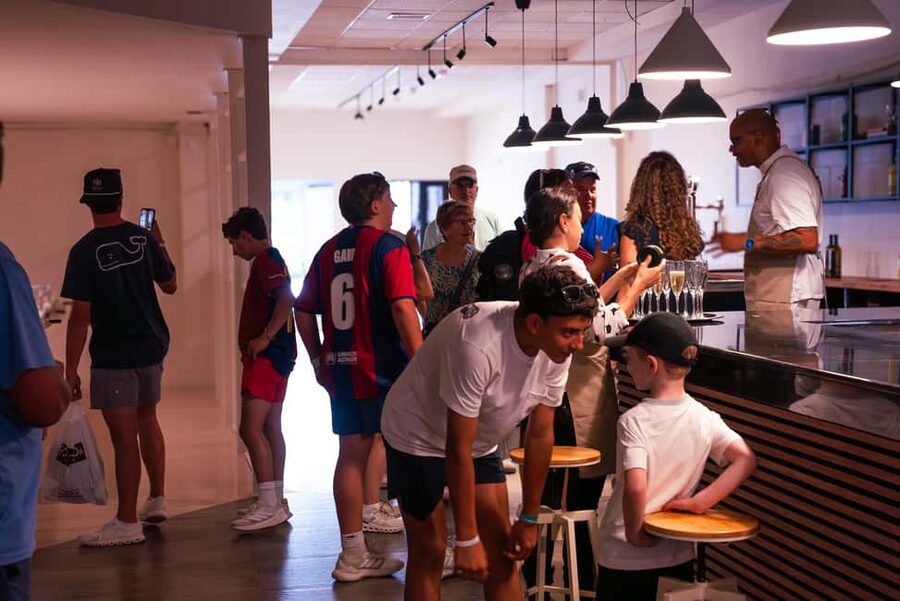
- The meeting point is practical but easy to miss: Look for C/ Badajoz 115, in an industrial building, and arrive about five minutes early.
- It suits beginners and food fans: Instruction is available in English or Spanish, but children under six cannot join.
Cooking Barcelona through croquetas and tortilla
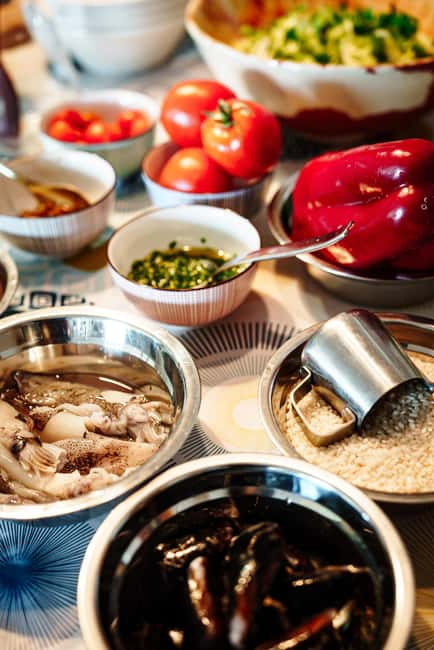
This class focuses on food you will see all over Spain. Croquetas are small, crisp bites with a soft filling, while tortilla is the thick Spanish omelette that appears on tapas menus, in bars, and at family tables. Learning both gives you a useful introduction to two different skills: shaping and frying one dish, then managing eggs, potatoes, and timing in the other.
I like this pairing because it is more useful than preparing one fancy dish that you will never make again. Croquetas teach patience and careful handling. Tortilla teaches restraint. You need to know when to stop cooking so the omelette stays tender rather than turning dry.
The class also explains the stories behind important ingredients and Spanish dishes. That context matters. Food makes more sense when you understand how a simple omelette became such a common part of daily Spanish eating, or why small portions work so well with a glass of wine.
You should expect to be involved. This is not a chef’s demonstration where you sit back and take notes. The format calls for an interactive workshop, so you will practice techniques and follow the chef’s guidance in the kitchen. If you like learning by watching first and trying next, the setup should feel comfortable.
More Cooking Classes with Wine Tasting in Spain
- Interactive Paella & Market: Bottomless Wine & Rambla Views
★ 5.0 · 376 reviews - Barcelona: Tortilla de Patata Cooking Class & Unlimited Wine
★ 5.0 · 2 reviews - Paella Cooking Class, Wine Tasting & Central Market in Valencia
★ 5.0 · 1,150 reviews
A chef-led class with room to ask questions
The session is led by a chef from one of Barcelona’s popular restaurants. No individual chef’s name is provided, so you should not book this expecting a particular personality or celebrity instructor. You can expect professional guidance, practical advice, and instruction in either English or Spanish.
That language choice is helpful for an international audience. You can ask about ingredients, methods, and wine without trying to follow a fast Spanish-only lesson. If you speak Spanish, you can also use the class as a low-pressure chance to practice food vocabulary.
The best cooking teachers explain not only what to do, but why. Here, the focus is on Spanish cooking techniques and tips you can use back home. Pay attention to the small corrections: how ingredients are handled, how a mixture is prepared, and how cooking time affects the final texture.
The class is suitable for beginners and more experienced home cooks. Beginners get a clear introduction to familiar Spanish foods. If you already cook, you may appreciate the chance to compare your own methods with those used by a professional chef.
Still, a class is not a private lesson. You will be sharing the kitchen and the pace with other people, and some parts may move faster or slower than you prefer. That is normal for a group workshop, so come ready to participate rather than control every step.
What the 2.5-hour workshop feels like
The class runs for two and a half hours, a sensible length for this kind of activity. A shorter session could leave you rushing through the cooking. A much longer one might feel heavy after a full day of sightseeing. This format leaves time for preparation, instruction, wine, tasting, and questions.
You begin at the cooking school, where the chef introduces the food and the ingredients. The class then moves into hands-on preparation. You learn how the dishes are made while hearing the background behind them, rather than treating the recipes as a list of steps without context.
As the food comes together, Spanish wine is served. Wine is included in the activity, and the chef discusses pairings with tapas. This is a useful part of the lesson because pairing is often treated as a matter of taste alone. Here, you get a chance to understand why a particular Spanish wine works with salty, crisp, creamy, or egg-based food.
The final stage is the tasting. You sample the tapas you helped prepare and enjoy the wine in the same setting. One particularly positive response singled out the food, cava, and chef, so the sparkling wine element may be part of the offering, although the activity information formally promises Spanish wine rather than a specific bottle or style.
You also receive recipes for Spanish dishes. That may be the most valuable souvenir of the afternoon. Photos fade, and restaurant menus can be hard to recreate. A recipe gives you a way to bring the lesson into your own kitchen, especially if you want to make tapas for friends.
Why the wine pairing matters
Spanish wine is not simply a drink added to the class. It helps explain how tapas are enjoyed. Small portions encourage conversation, and wine gives you another way to compare flavors as you taste.
The class promises guidance on why wine pairs well with tapas, which makes this more useful than an ordinary tasting. You can pay attention to how the wine changes the impression of a croqueta or tortilla, then use that idea when choosing drinks for a meal at home.
Do not expect a full wine course. The focus remains cooking, and the activity includes Spanish wine tasting as one part of the workshop. The exact wines and number of pours are not specified, so you should treat this as a cooking class with wine rather than a dedicated winery experience.
That distinction helps set the right expectations. If your main interest is learning about Spanish wine regions, this will not replace a specialist tasting. If you want to cook tapas while enjoying an informed introduction to pairing, the balance is appealing.
More Spanish Cooking Classes around Barcelona:
- Barcelona: Paella Cooking Experience & Boqueria Market Tour
★ 4.8 · 3,661 reviews - Barcelona Paella Cooking Class with Market Visit, Tapas & Sangria
★ 5.0 · 2,531 reviews - Barcelona Interactive Spanish Cooking Experience
★ 4.5 · 2,155 reviews - Barcelona: Paella Cooking Class with Market Visit and More
★ 4.9 · 711 reviews
Finding C/ Badajoz 115 without a last-minute scramble
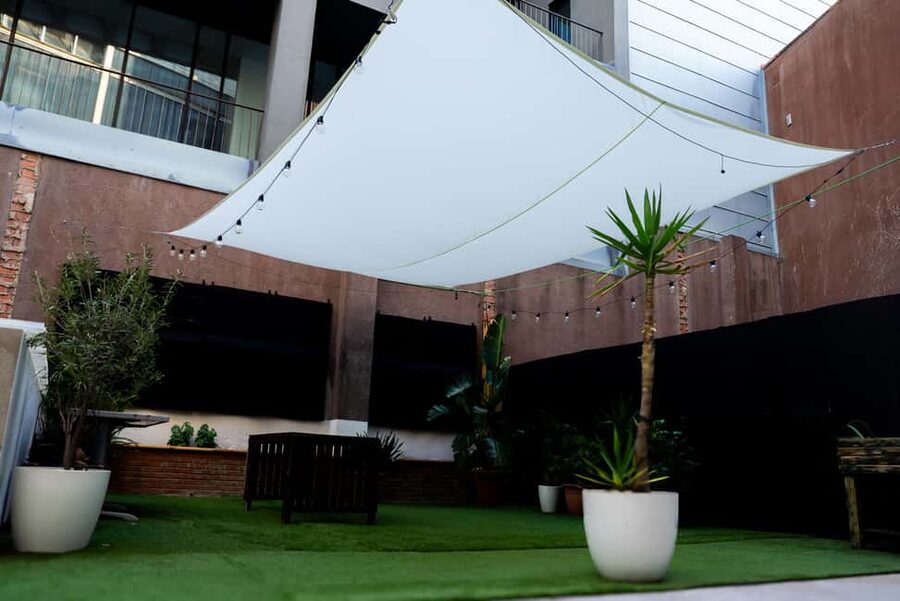
The meeting point is C/ Badajoz 115, postal code 08018, in an industrial building. The directions specifically advise arriving at the building door about five minutes before the masterclass begins.
This is the sort of detail worth taking seriously. An industrial address may not look like a restaurant or a conventional school from the street. If you take a taxi, give the driver the full street address, C/ Badajoz 115, rather than simply naming the cooking class. Allow enough time to identify the correct entrance.
Arriving early also helps you settle in before the chef starts. A cooking class has a fixed rhythm, and being late can mean missing the introduction or the first preparation steps. If you are coming from another Barcelona sight, check the route and starting time in advance.
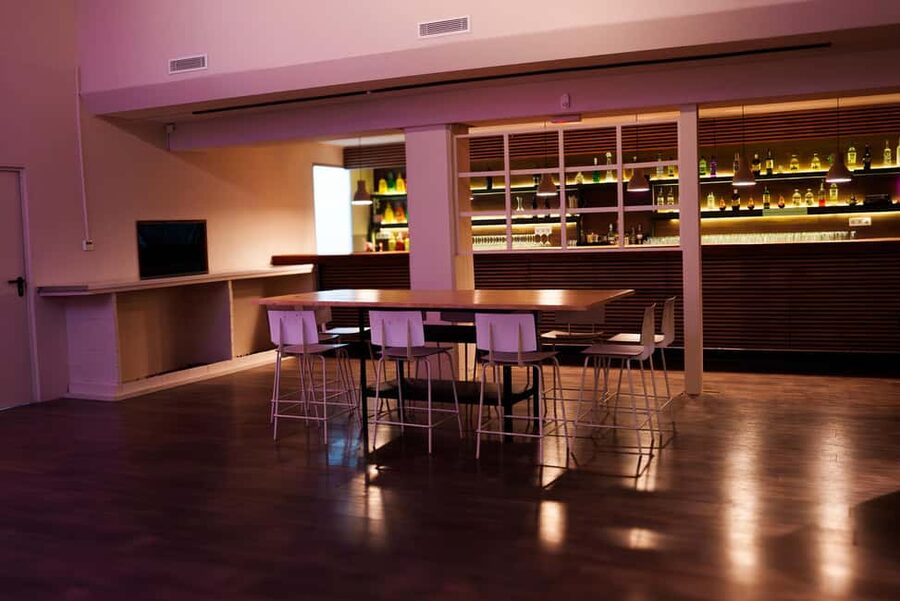
The location may be less charming than a class in a market or historic restaurant. That is the tradeoff. An industrial space can be practical for a working kitchen, but it may not provide the postcard setting some people expect from a Barcelona food activity.
Is $94 a fair price?
At $94 per person, this is not the cheapest way to eat tapas in Barcelona. You could spend less on a casual plate of tortilla and a drink. But that comparison misses the point. You are paying for instruction, hands-on kitchen time, a professional chef, Spanish wine, tasting, and recipes to take home.
The price makes the most sense if you value participation. A restaurant meal gives you food. This class gives you food plus a repeatable skill. If you use the recipes even once after returning home, the value improves.
It also combines several paid activities into one appointment. You get a cooking lesson, a meal-sized tasting, and a wine introduction without booking separate experiences. The 2.5-hour length is long enough to feel substantial but short enough to fit beside other Barcelona plans.
I would be more cautious if you are mainly looking for a large meal or a serious wine education. The food portions are not described, and the class is centered on tapas, not a full multi-course dinner. The wine element is included, but no detailed list of labels or pours is provided.
For food-minded visitors, couples, families with older children, and friends who enjoy doing things together, $94 can be reasonable. For someone who dislikes group cooking or already knows these dishes well, the price may be harder to justify.
Who will get the most from this class
This is a good choice for first-time visitors who want food to explain part of Barcelona’s culture. You learn dishes that connect directly with everyday Spanish eating, rather than preparing food with no link to the place you are visiting.
It also suits people who enjoy practical souvenirs. The recipes and techniques can become part of your regular cooking. You can make croquetas for a gathering, try tortilla for a relaxed meal, or use the pairing ideas when serving Spanish wine at home.
Beginners should feel welcome. The class is described as suitable for both beginners and enthusiasts, and the chef provides professional guidance. You do not need to arrive with advanced knife skills or a background in Spanish cuisine.
Families need to note the age rule. Children under six are not permitted. Older children may enjoy the hands-on format, but the supplied information does not give a specific minimum age beyond that restriction, so check the booking details if you are planning a family outing.
The class may also suit visitors who prefer a social activity to a passive tour. You are working, tasting, and listening together. If you would rather spend the afternoon moving between landmarks, this fixed two-and-a-half-hour appointment may feel like a commitment.
Small practical points that improve the day
Wear comfortable clothes that can get dirty. Cooking involves spills, flour, oil, and food preparation, so your best Barcelona outfit is not the right choice here.
Spanish and English are the available teaching languages. Choose the language that lets you ask questions easily. Food words can be surprisingly specific, and understanding the chef’s instructions matters when you are working with timing and texture.
Plan the class as a meal-related activity, not necessarily as your only meal of the day. The activity includes tasting what you prepare, but it does not state how much food is served. If you need a large lunch or dinner, keep another option in mind.
Also, remember that the space is in an industrial building. The setting may not provide the atmosphere of a traditional tapas bar, but the professional kitchen is likely more useful for learning. You are there to cook, not simply take pictures of a pretty dining room.
Free cancellation is available up to 24 hours before the start time, and you can reserve while paying later. Those terms are useful if your Barcelona schedule is still shifting, but you should still check the exact start time and availability before planning the rest of the day.
Should you book the Barcelona tapas cooking class?
Book it if you want to do more than eat tapas. You will prepare croquetas and tortilla, learn from a restaurant chef, taste Spanish wine, and leave with recipes that can serve you long after Barcelona.
I especially recommend it for beginners, food-focused couples, and friends who like a shared activity with a clear result. The strong points are the hands-on format, the practical recipes, and the combination of cooking with wine pairing.
Skip it if you want a long restaurant meal, a formal wine seminar, or a class in a picturesque historic setting. The industrial meeting point is functional, and the exact wine selection and food quantity are not specified.
For most people who want a useful and social introduction to Spanish cooking, the $94 price is fair. Arrive early at C/ Badajoz 115, wear clothes that can handle a spill, and come ready to work for your tapas.
FAQ
How long does the Barcelona tapas cooking class last?
The class lasts 2.5 hours. That includes the interactive cooking workshop, chef instruction, Spanish wine tasting, food tasting, and time to learn the recipes.
What dishes will I learn to make?
The class teaches you how to prepare traditional Spanish croquetas and tortilla, the local Spanish omelette. You also learn Spanish cooking techniques and hear stories about the ingredients and dishes.
Is wine included in the class?
Yes. Spanish wine tasting is included, and the chef explains why it pairs well with tapas. The specific wines and number of pours are not stated.
What language is the class taught in?
Instruction is available in English and Spanish.
Where is the meeting point?
Meet at C/ Badajoz 115, postal code 08018, in an industrial building. The directions recommend arriving at the building door five minutes before the class begins.
Can children attend the cooking class?
Children under six cannot attend. The provided information does not specify a maximum age or a more detailed child policy.
More Cooking Classes with Wine Tasting in Barcelona
- Florence: Pasta Cooking Class with Unlimited Wine
★ 4.9 · 10,285 reviews - Florence: Pasta & Tiramisu Cooking Class with Unlimited Wine
★ 4.9 · 6,708 reviews - Florence: Pasta Cooking Class with Unlimited Wine
★ 5.0 · 6,413 reviews - Rome: Pasta Making Class with Wine, Limoncello, and Dessert
★ 4.9 · 3,177 reviews
New cooking classes around Barcelona
- Barcelona: Paella Seafood Master Cooking Class with Sangria★ 5.0 · 73 reviews
- Barcelona: Tortilla de Patata Cooking Class & Unlimited Wine★ 5.0 · 2 reviews
- Barcelona: Paella Cooking Workshop and Market Tour★ 4.9 · 19 reviews
- Barcelona: Seafood Paella Cooking Class & Boqueria market★ 4.5 · 2 reviews
- Barcelona: Rooftop Paella Cooking Class with Sangria★ 4.9 · 76 reviews
- Barcelona Evening Cooking Class: 5-Course, 3 Paellas & Cava★ 3.8 · 5 reviews
- Barcelona: Paella & Tapas Cooking Class with Sangria★ 4.9 · 122 reviews
- Barcelona: Catalan Cuisine cooking course 100% vegan★ 5.0 · 4 reviews
Barcelona Cooking Classes, side by side.
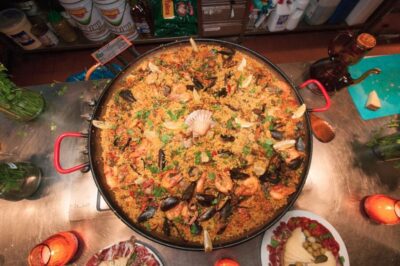
Barcelona: Paella Cooking Experience & Boqueria Market Tour
Read our review →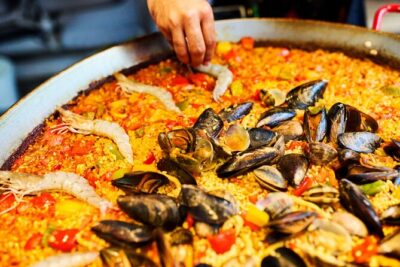
Barcelona Paella Cooking Class with Market Visit, Tapas & Sangria
Read our review →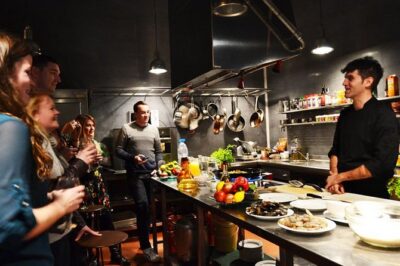
Barcelona Interactive Spanish Cooking Experience
Read our review →
Barcelona: Paella Cooking Class with Market Visit and More
Read our review →
Paella Cooking Class with Professional Chef: Four Course Dinner
Read our review →
Half-Day Spanish Cooking Class & Boqueria Market Tour
Read our review →
Interactive Paella & Market: Bottomless Wine & Rambla Views
Read our review →