
Review · FLORENCE
Cooking Art Brunelleschi
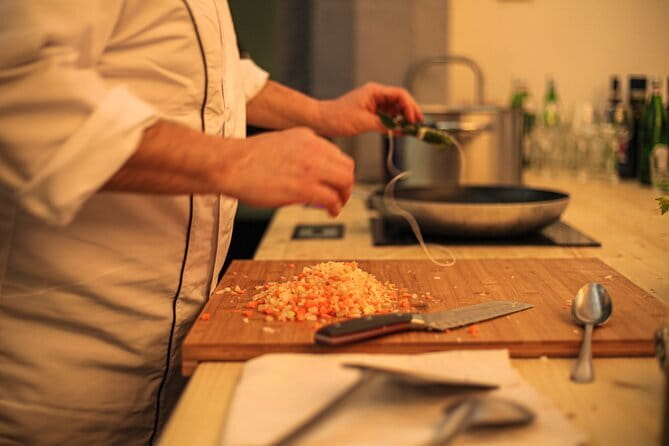
Making pasta in a 1200s medieval tower near Brunelleschi’s Dome is the memorable part of this Florence experience. You work with flour, eggs, fillings, and sauces, then sit down to eat three kinds of fresh pasta with Tuscan wine or soft drinks.
I like the clear hands-on format, especially the chance to make ravioli, tortelli, and pappardelle in one class. I also like the lively chefs, including Valentino, Lorenzo, Eno, Jacob, and others who keep the pace moving while helping at the tables. The main drawback is that the finished pasta may be combined in shared pots, rather than cooked and served as your own individual batch.
Key points at a glance
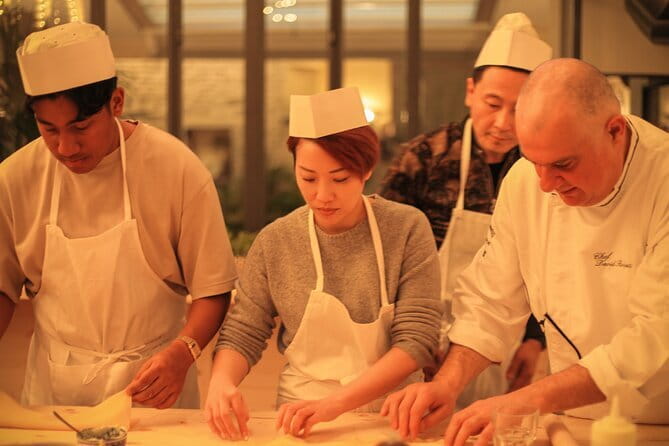
- Three pasta shapes in three hours: Make ravioli, tortelli, and pappardelle from scratch, then pair them with butter and sage, arrabbiata, and Tuscan ragù.
- A striking cooking room: The class takes place inside a medieval tower from the 1200s, just a short walk from Brunelleschi’s Dome.
- Strong chef-led teaching: Instructors such as Valentino, Lorenzo, Eno, Jacob, Arturo, Sal, and Victoria are praised for energy, patience, and hands-on help.
- A full meal, not just a lesson: Your pasta becomes lunch, with Tuscan wine and unlimited soft drinks included.
- A social group setting: The class can include up to 19 people, and the wider venue may feel busy and noisy during popular sessions.
- Good value at $39.92: Ingredients, equipment, instruction, lunch, wine, and soft drinks are included, though private transportation is not.
Cooking pasta inside a Florentine medieval tower
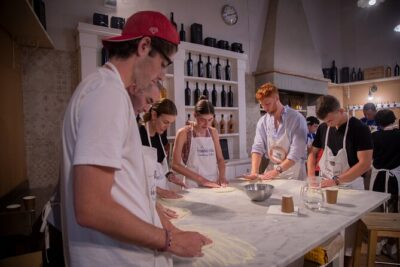
The setting gives this class its sense of place. The cooking school sits inside a stone tower dating from the 1200s, very close to the Duomo. The building is linked with the family of Dante Alighieri’s wife, adding a literary and medieval thread to what could otherwise be a standard pasta lesson.
You are not cooking in a modern suburban kitchen or a distant countryside farmhouse. You are preparing food in the heart of Florence, surrounded by old stone and Renaissance-era streets. That makes the class easy to fit into a sightseeing day, especially if you want a break from museums and church interiors.
The meeting point is Via de’ Bardi, 23 r. The activity ends at the same location, and public transportation is nearby. You do not need to bring equipment. The school provides the tools, ingredients, and cooking setup.
The room can feel warm, particularly during a busy class. Light clothing is a sensible choice. Smooth floor tiles have also been noted, so take care if you have limited mobility or feel unsteady on polished surfaces.
More cooking classes around Florence:
- Florence: Pasta Cooking Class with Unlimited Wine
★ 4.9 · 10,285 reviews - Florence: Pasta & Tiramisu Cooking Class with Unlimited Wine
★ 4.9 · 6,708 reviews - Florence: Pasta Cooking Class with Unlimited Wine
★ 5.0 · 6,413 reviews
The first lesson: flour, dough, and fresh pasta
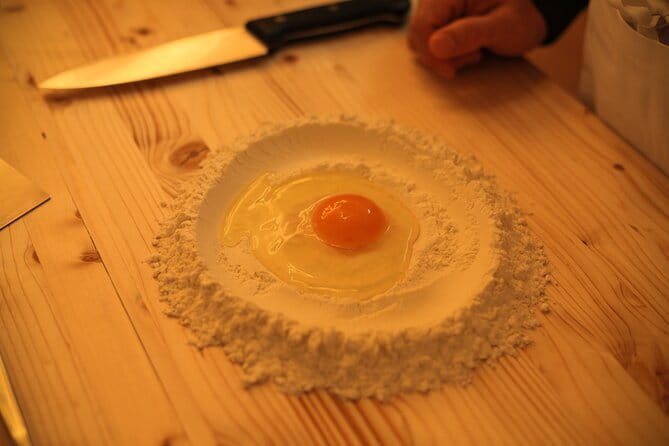
The class begins with the basic dough. The chef walks you through the process rather than handing you a finished mixture. You work from flour to pasta, learning the key stages that make fresh dough useful for several shapes.
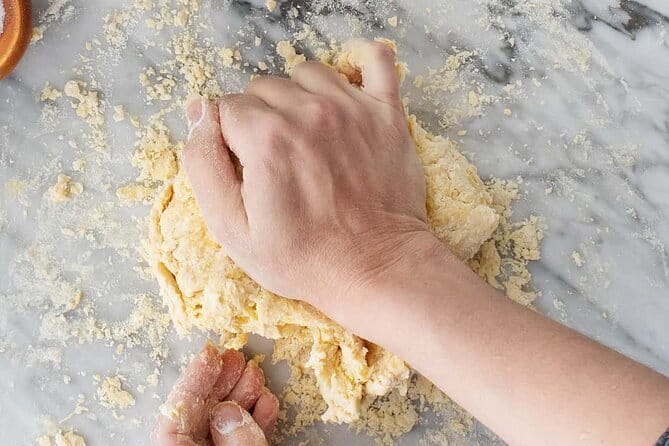
This is where the teaching quality matters most. A good instructor does more than list ingredients. Jacob, for example, is praised for giving individual help with kneading and rolling, while Eno is noted for moving around the group and assisting people who needed extra guidance. You should expect a demonstration followed by your own hands-on work at the table.
The pace is active, but the class is designed for beginners. You do not need prior pasta-making experience. The chefs explain the techniques as they go, and the format suits families, couples, solo participants, and groups of friends.
The room is organized into smaller working groups, even when several classes are running in the venue. This helps keep the lesson manageable. Still, you should not expect a private cooking session. With as many as 19 people in the activity, some table-side waiting and shared attention are part of the deal.
Ravioli and tortelli: filled pasta with different sauces
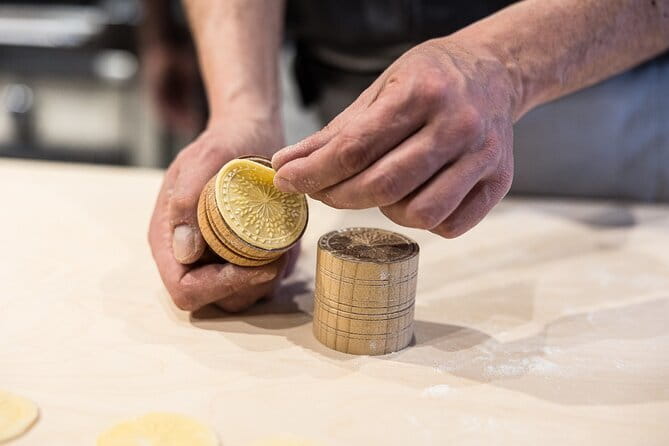
The filled pastas are the most detailed part of the lesson. Ravioli and tortelli require you to work with thin sheets, filling, spacing, and sealing. The chef shows you how to handle the dough so it stays thin without tearing, then how to close the pieces properly.
This section offers a useful lesson you can take home. Many people can follow a recipe for pasta dough, but shaping filled pasta requires a little feel. You learn how much filling to use and how to avoid trapping too much air inside.
The sample meal includes ravioli with butter and sage. It is a simple pairing, but that is part of its appeal. Butter and sage let the pasta and filling do most of the work. The sauce also gives you a practical example of how a delicate filled pasta should be treated.
Tortelli is paired with arrabbiata sauce, a tomato sauce with heat. The contrast helps show why sauce choice matters. A stronger sauce can give a different character to the same basic dough, while butter and sage provide a gentler finish.
The chef prepares the sauces while you work on the pasta. This means you are learning both the pasta shapes and the logic behind matching sauces to them, rather than leaving with a single recipe that only works one way.
Pappardelle and Tuscan ragù
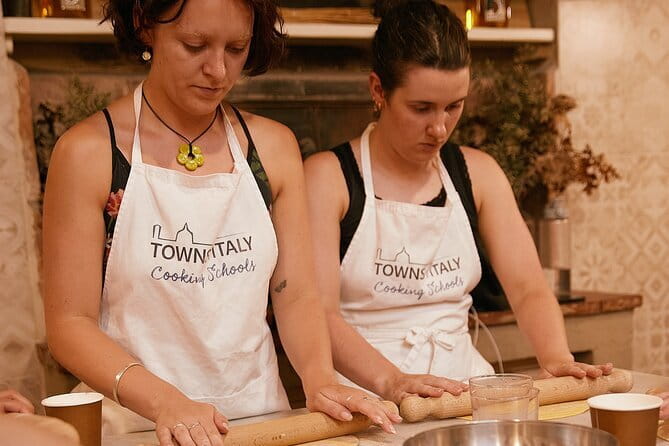
Pappardelle is the broad, ribbon-like pasta in the meal. Compared with filled pasta, it is less fiddly and gives you a chance to work on cutting and portioning wide strips.
The class serves it with old-fashioned Tuscan ragù. This is the heartiest of the three pairings and the dish most likely to feel like a full Florentine meal. The sauce gives the broad noodles something substantial to hold, while the wider shape makes the ragù easy to taste in every bite.
The three dishes are not simply three versions of the same meal. You move from filled pasta with butter and sage, to tortelli with arrabbiata, to pappardelle with Tuscan ragù. That variety keeps the lesson interesting and gives you several ideas to recreate at home.
The ingredients are described as seasonal vegetables and products from across Italy. Exact ingredients can change, so do not book this expecting a fixed menu beyond the listed pasta and sauce examples. If you do not eat meat, tell the chef. At least one class has accommodated non-meat eaters, but the exact alternative should be confirmed during the session.
Same kitchen, a different dish:
- Cooking Class and Lunch at a Tuscan Farmhouse with Local Market Tour from Florence
★ 5.0 · 4,831 reviews - Pastamania – Florence Pasta Making Class
★ 5.0 · 3,050 reviews - Florence: Cooking Class Pasta & Tiramisu Making Unlimited Wine
★ 5.0 · 2,234 reviews - Florence Cooking Class The Art of Making Gelato & Authentic Pizza
★ 5.0 · 2,053 reviews
Eating what the class prepares
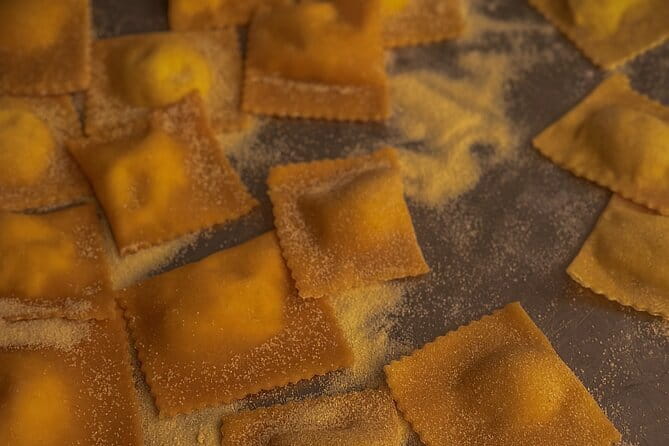
At the end, the pasta becomes your lunch. The meal is generous enough that it may replace dinner as well, especially if you are not planning another full meal soon.
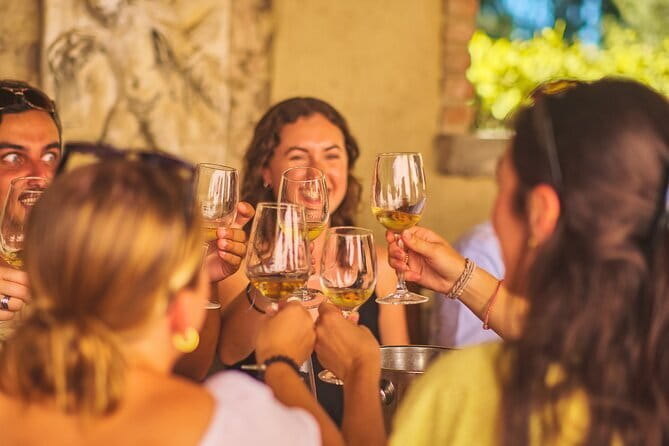
Tuscan wine and unlimited soft drinks are included. Alcohol is available only to people aged 18 and over. Water is also available, and both red and white wine are served.
The communal cooking format affects the meal. The pasta prepared by the group may be put into shared pots, so you may not eat only the pieces you personally shaped. Most people will see this as part of the social nature of the class, but it matters if you strongly prefer an individual portion prepared only by you.
That point is worth considering before booking. You are learning in a group kitchen, not taking part in a private chef lesson. If the idea of shared food bothers you, choose a smaller class elsewhere. If you enjoy sitting with new people and comparing your pasta-making efforts, the shared meal is part of the fun.
The food itself is a strong part of the value. You receive three pasta dishes, not just a small tasting plate. The wine and soft drinks also reduce the extra cost of lunch in central Florence.
The chefs make the difference
The format is structured, but the chef at your table shapes the mood. The strongest sessions are led by instructors who mix clear demonstrations with humor and one-to-one help.
Valentino is praised for his energy and for keeping families engaged. Lorenzo is repeatedly described as both fun and helpful, while Eno is noted for his passion and for checking on people who need extra help. Jacob receives particular praise for teaching practical skills that participants could use at home.
Other named instructors include Arturo, Sal, Victoria, Andrea, Francesca, Giordano, and Eod. The names matter because the experience can vary with the person leading your group. The school uses several chefs, so you usually cannot request a specific instructor unless the provider confirms that option.
The best approach is to arrive ready to take part. Ask questions, let the chef correct your technique, and do not worry if your first pasta sheet looks uneven. The class is built around learning by doing, not producing restaurant-perfect pieces on the first attempt.
A social class with a lively atmosphere
This is not a quiet culinary seminar. People are working with dough, pouring wine, asking questions, and meeting others from different places. That creates a friendly mood, but it can also mean noise.
The venue may run several groups at the same time. One class can feel calm and well organized, while another group in the building may be louder. A large party drinking heavily can affect the atmosphere for everyone nearby, although that is not the normal focus of the activity.
The cooking space has been described as somewhat tight during busy sessions. The school makes the layout work, but you should expect shared tables and close quarters rather than lots of personal room.
Families with teenagers have found the class especially suitable. The recipes are approachable, the lesson has a clear beginning and end, and there is enough activity to keep younger participants involved. Children under 18 can join, but they cannot drink the included wine.
Couples and solo participants also fit easily into the format. You will likely share a table with other people, which can make the meal more social. If you want a private date-night experience, this is probably not the right choice.
What $39.92 really buys you
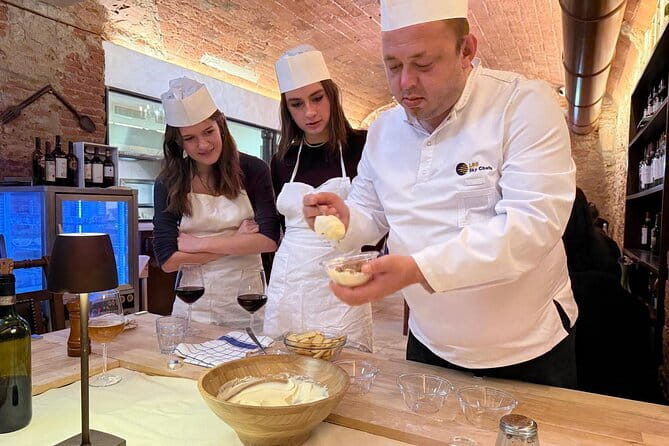
At $39.92 per person, the class offers solid value for a central Florence activity. The price includes a professional chef, all ingredients, equipment, lunch, Tuscan wine, and unlimited soft drinks.
A typical pasta meal in Florence can use much of that budget by itself, especially near the Duomo. Here, you get a meal plus a three-hour activity and skills you can reuse at home. The value is strongest if you would otherwise pay separately for lunch and a sightseeing activity.
The price is less attractive if you mainly want a polished restaurant meal. You will spend time kneading, rolling, shaping, and waiting for food to cook. That is the point of the experience, but it means the class is best treated as both lunch and entertainment.
Private transportation is not included. The meeting point is central and near public transportation, so arranging your own way there should be straightforward. Plan to arrive at the stated start time, since the group begins together.
Some sessions have also included a free gelato coupon at another establishment, roughly a 15-minute walk away. Treat that as an extra rather than a guaranteed part of the core package, since lunch, wine, soft drinks, ingredients, equipment, and the chef are the clearly stated inclusions.
Practical advice before you book
Book ahead if your schedule is fixed. The experience is often reserved several weeks in advance, with an average booking lead time of about 26 days.
Wear light clothing because the kitchen can get hot. Comfortable footwear is also sensible, particularly since the room may have smooth tiles and you will be standing and working for much of the class.
Do not plan a large meal immediately afterward. The three pasta dishes provide plenty of food, and the wine adds to the feeling of a long lunch.
If you have dietary restrictions, raise them when booking or at the start. The available information confirms that non-meat preferences have been accommodated, but it does not provide a full allergy or vegetarian menu.
The activity is offered in English. Confirmation is provided at booking, and free cancellation is available up to 24 hours before the start time. Cancellations or changes made within 24 hours are not refunded or accepted.
Who should choose this pasta class?
I would choose Cooking Art Brunelleschi if you want an active Florence experience that combines food, local history, and a central location. It suits first-time pasta makers, families with older children, couples who enjoy group activities, and anyone who wants more than another restaurant meal.
It is especially good for people who like practical souvenirs. You do not take home a box of pasta, but you do leave with methods for making three shapes and several sauces.
I would look elsewhere if you want a quiet, private lesson, a fully individual meal, or exact control over every ingredient and portion. The shared pots, warm room, busy setting, and occasional noise are real considerations.
Should you book Cooking Art Brunelleschi?
Yes, if you can accept the group format. For $39.92, you receive a three-hour lesson, three pasta dishes, professional instruction, drinks, and a memorable setting near the Duomo. That is a strong deal in central Florence.
Book it for the chance to learn a skill while eating lunch, not for a private chef experience. If you arrive ready to share the table, work with your hands, and accept that the group may cook the pasta together, this is a practical and enjoyable addition to a Florence itinerary.
FAQ
Where does the cooking class meet?
The meeting point is Via de’ Bardi, 23 r, 50100 Firenze FI, Italy. The activity ends back at the meeting point.
How long does the experience last?
The cooking class lasts approximately three hours.
What types of pasta will I make?
You will prepare three types of fresh pasta, including ravioli, tortelli, and pappardelle.
What sauces are served with the pasta?
The sample menu includes ravioli with butter and sage, tortelli with arrabbiata, and pappardelle with Tuscan ragù.
Are food, equipment, and drinks included?
Yes. The price includes lunch, ingredients, cooking equipment, a professional chef, Tuscan wine, and unlimited soft drinks.
Is wine available to everyone?
Alcoholic drinks are available only to people aged 18 and over. Water and soft drinks are also included.
Can I cancel for a full refund?
Yes. You can cancel at least 24 hours before the experience start time for a full refund. Cancellations or changes made less than 24 hours in advance are not accepted or refunded.
New cooking classes around Florence
- Pasta Cooking Experience in Florence★ 4.8 · 139 reviews
- MasterSteak: Tuscan Steak Cooking Class with Unlimited Wine★ 5.0 · 2 reviews
- Florence: Market Visit and Cooking Class★ 4.4 · 16 reviews
- From Livorno: Authentic italian Pasta Cooking Class★ 5.0 · 3 reviews
- Florence: Traditional Pizza and Gelato Cooking Class + Wine★ 5.0 · 2 reviews
- Florence:Dolce Vita by Day Market Tour & Pasta Making Class★ 5.0 · 2 reviews
- Florence: Small Group Cooking Class at a Local’s Home★ 5.0 · 10 reviews
- Florence Cooking Class: Ravioli & Pasta & Wine + Gift Apron★ 5.0 · 5 reviews
Florence Cooking Classes, side by side.
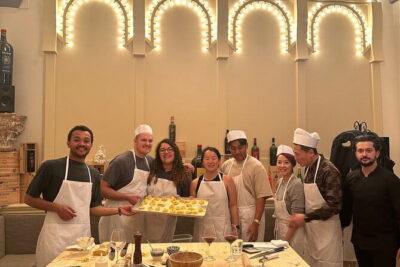
Florence: Pasta Cooking Class with Unlimited Wine
Read our review →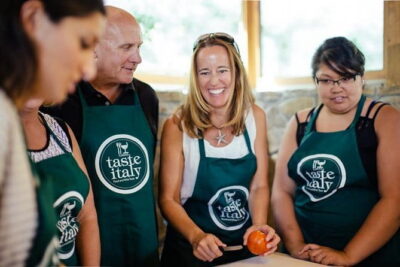
Cooking Class and Lunch at a Tuscan Farmhouse with Local Market Tour from Florence
Read our review →
Florence Cooking Class The Art of Making Gelato & Authentic Pizza
Read our review →
Small Group Cooking Class & Market Food Tour in Florence
Read our review →
Florence: Premium Pasta and Gelato Cooking Class
Read our review →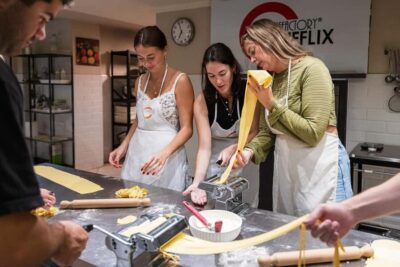
Florence: Handmade Pasta & Dessert Class with Unlimited Wine
Read our review →
Tuscany Day Trip: Chianti & Cooking Class Small Group
Read our review →This kitchen also appears in