Review · HOI AN
From Hoi An: Cooking Class at Organic Farm
Tra Que’s organic farm setting gives this cooking class more character than a standard kitchen lesson. You start among herbs and vegetables, learn how the family grows its produce, then move into an outdoor cooking area to prepare four Vietnamese dishes with an English-speaking chef such as Min or Jessica. I like the direct connection between the garden and the plate, and I like the warm, family-run feel.
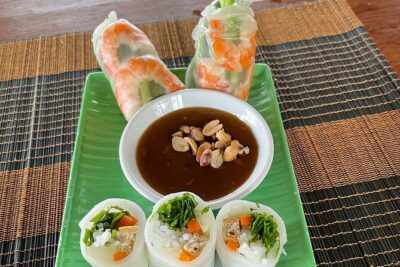
The menu offers a generous meal for $27, with spring rolls, green papaya salad, fish in clay pot, and bánh xèo. The main consideration is transport: you must make your own way to Lemon Basil Cookery and Restaurant, and the session can run closer to three and a half hours than three.
Key points to know before booking
- Farm work comes first: You may tour the crops, taste herbs, water plants, or help plant greens with Min’s family.
- Four dishes fill the class: You prepare spring rolls, papaya salad, fish in clay pot, and Vietnamese crispy pancakes.
- Min brings the humor: Her teaching style is friendly, playful, and easy to follow.
- Small groups feel personal: Numbers are limited to 10, with some sessions running with only six people.
- Dietary requests are welcome: Tell the team about allergies, intolerances, or food preferences ahead of time.
- Plan your own arrival: Pick-up is not included, so allow time to reach Tra Que vegetable village.
A farm visit before the cooking begins
Lemon Basil Cookery and Restaurant sits in Tra Que vegetable village, a short trip from Hoi An’s old center, and the setting shapes the whole experience. Instead of meeting in a city restaurant, you arrive at a working family farm surrounded by growing herbs and vegetables.
The first part is a guided farm walk. Min, Jessica, or another member of the family introduces you to the crops used in Vietnamese cooking. You may see and taste different herbs, learn how the soil is prepared, or help with simple jobs such as planting spinach and watering the beds.
That practical start matters. Vietnamese food depends on fresh herbs, crisp greens, and careful balance, yet a restaurant menu rarely explains where those ingredients begin. Here, you get a clearer sense of why herbs matter and how much care goes into the produce.
The farm visit also makes the class feel personal. Several sessions have included Min’s aunt and uncle, with the family explaining their growing methods and welcoming the group into their home and work space. This is not a polished cooking show with a chef performing at a distance. You are expected to take part.
The farm section can vary slightly depending on the day. You might help prepare soil, plant new greens, or sample herbs. The activity information promises access to the organic farm, but it does not set out a fixed list of farm tasks, so arrive ready for a hands-on introduction rather than a formal agricultural tour.
More Farm Cooking Classes in Hoi An
- Cocolocal Farm Cooking Class with market tour and basket boat
★ 5.0 · 231 reviews - Rural Hoi An Cycling, Cooking Class at Organic Farm
★ 5.0 · 72 reviews - Rural Cycle, Market Tour, Basket Boat & Organic Farm Cooking
★ 5.0 · 64 reviews
Four Vietnamese dishes, prepared from scratch
After the farm visit, the group moves to the cooking area. The listed dishes are Tra Que spring rolls, green papaya salad, fish in clay pot, and Vietnamese crispy pancake, known as bánh xèo.
The exact filling or protein can be adjusted. One session included chicken papaya salad and basa fillet in the clay pot, while another included crispy spring rolls and fresh fruit at the end. These changes appear to reflect food preferences and available ingredients, so you should think of the menu as a set of Vietnamese cooking lessons rather than a rigid restaurant order.
Tra Que spring rolls
The spring rolls connect the farm visit to the cooking table. You work with fresh produce and learn how the ingredients are combined and handled. The class is hands-on, so you are not simply watching Min prepare a finished plate.
Spring rolls are a useful first dish because they introduce the basic rhythm of the class: listen to a short explanation, prepare ingredients, assemble the dish, and then move on to the next recipe. If shaping food neatly is not your strength, do not worry too much. One participant admitted to struggling with shapes, but the point is to learn the method and enjoy the process.
Green papaya salad
The papaya salad shows how Vietnamese food can balance fresh, sharp, sweet, and savory notes. The lesson focuses on combining flavors rather than following a complicated set of restaurant tricks.
Dietary flexibility is useful here. The class has accommodated requests such as no pork, and the team asks about allergies and intolerances before cooking. Tell the instructors about your needs in advance so they can plan suitable ingredients. The activity is suitable for beginners, and you do not need previous cooking experience.
More Farm Cooking Classes in Vietnam
- Cooking Class Hoi An – Organic Garden – Farming Tour-Handicrafts
★ 5.0 · 56 reviews - Hoi An countryside biking – Basket Boat – Vegetable village – Local home Cooking
★ 5.0 · 37 reviews - Hoi An: Authentic Cooking class in organic Herb Village
★ 4.9 · 16 reviews - Cooking Class in Tra Que Organic Vegetable Village
★ 5.0 · 6 reviews
Fish in a clay pot
Fish cooked in a clay pot gives the class a slower, more savory dish to balance the fresh salads and rolls. The listed menu specifies fish, with basa fillet mentioned in one session. If you do not eat fish or need another adjustment, ask before booking or at the start of the class.
The dish also offers a small lesson in Vietnamese home cooking. Rather than focusing only on restaurant presentation, the class introduces food commonly prepared and eaten in Vietnam. That makes the experience useful for anyone who wants to understand everyday dishes, not just famous street-food snacks.
Bánh xèo
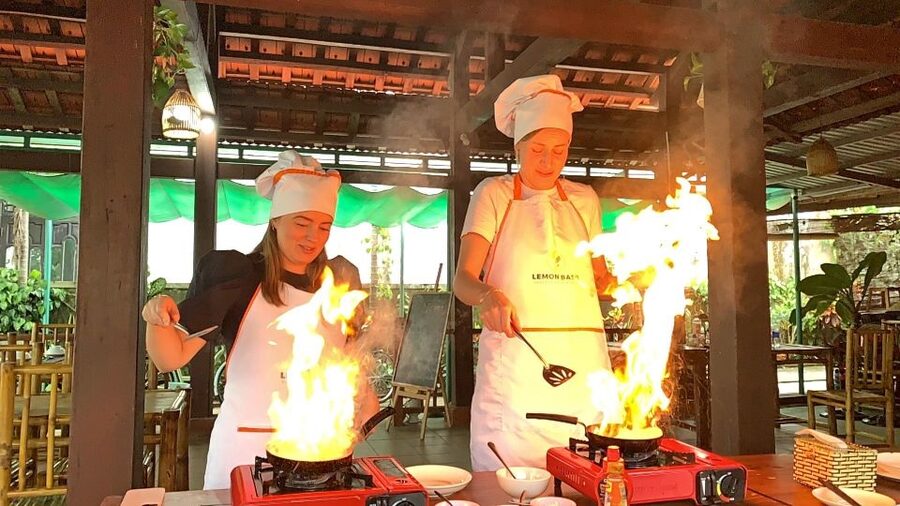
The crispy Vietnamese pancake is likely to be the most playful part of the cooking session. You learn to prepare the batter and cook the pancake until crisp, then deal with the practical challenge of shaping or flipping it.
The instructors demonstrate the technique and help you along, so you are not left alone with a hot pan. Still, expect a little trial and error. That is part of the fun, and the class has been designed for all skill levels rather than trained cooks.
Min’s teaching style makes the difference
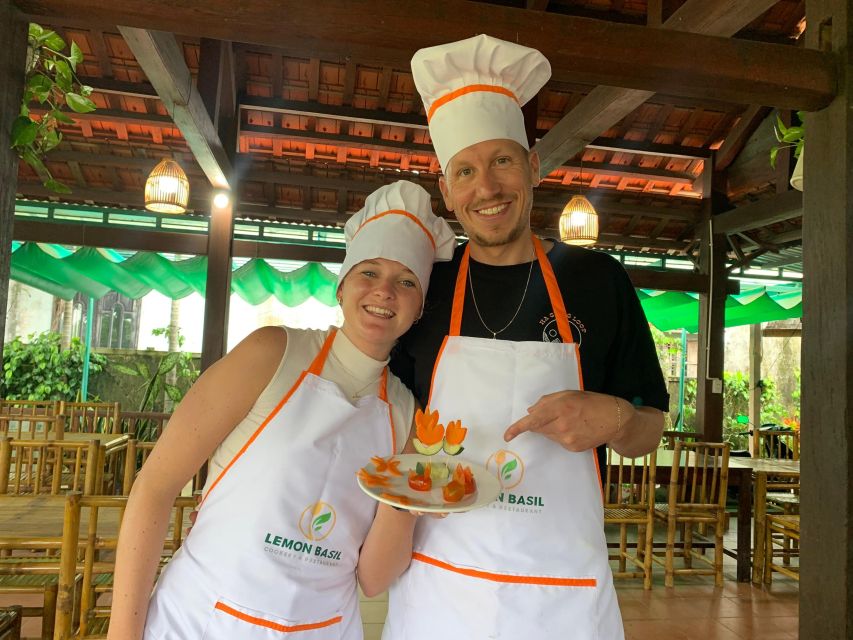
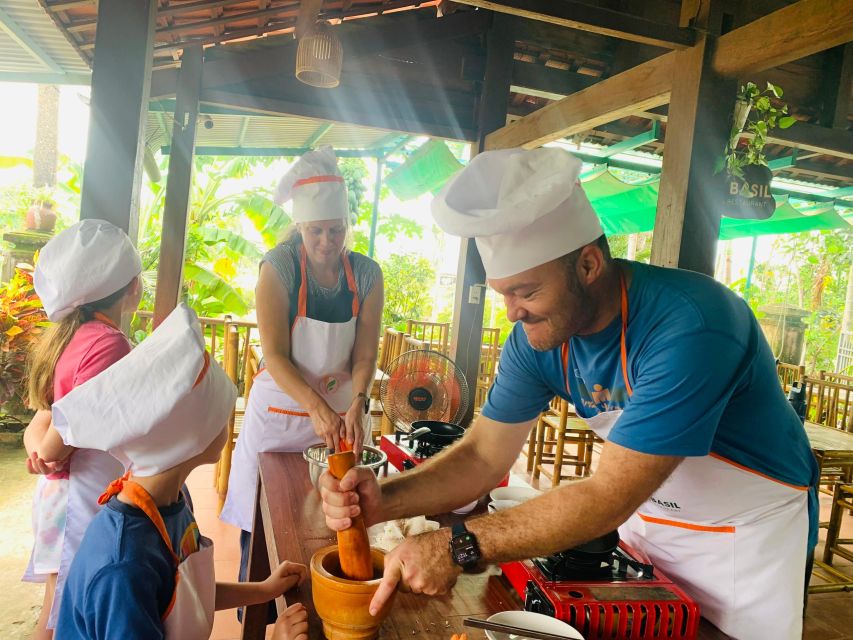
The food matters, but the instructor can make or break a cooking class. Here, Min is repeatedly described as funny, friendly, and clear in her explanations. Her jokes help keep the session relaxed, especially when a pancake lands imperfectly or a spring roll looks less tidy than planned.
Jessica also leads sessions, and the family may include Min’s aunt and uncle. The teaching is in English, and communication has been easy for the groups described in the supplied information. You should expect practical instruction rather than a technical chef’s lecture.
Min also takes photos and videos during some classes. That is a nice extra if you want a record of the farm visit and cooking, though it is not listed as a formal inclusion. The official inclusions are the class, ingredients, communal meal, farm tour, and completion certificate.
Group size is limited to 10. That is small enough for the instructor to give help at the cooking stations, while still offering the social feel of a shared activity. Some sessions have had only six people, which can make the family welcome feel even more direct.
Eating together at the end
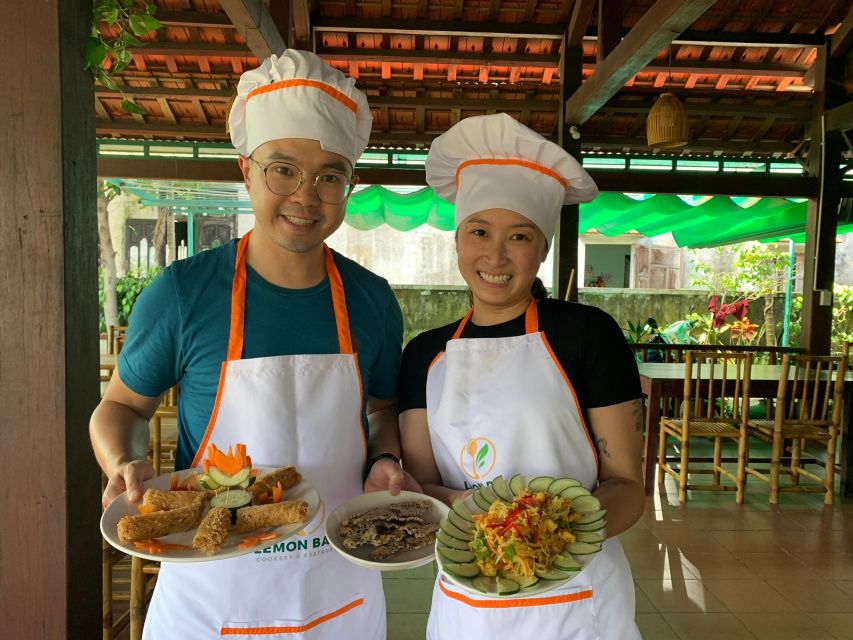
The class ends around a communal table with the dishes you prepared. This is more than a quick taste of one recipe. You sit down to eat the spring rolls, papaya salad, clay-pot fish, and bánh xèo as a complete meal.
That meal is a strong part of the value. At $27 per person, you are paying for several hours of instruction, a farm visit, ingredients, and enough food to replace a meal. Some people have found themselves very full by the end, and one session finished with mango, pink jackfruit, lychees, and other fresh fruit.
The communal format also gives you time to talk with the other people in the group. If you enjoy meeting people through food, this is better suited to you than a private lesson where you leave as soon as the cooking ends.
Do keep expectations sensible. This is not a fine-dining tasting menu, and additional drinks or food are not included. The value comes from participation, the family setting, and the quantity of food you make, rather than from restaurant-style service.
Timing, meeting point, and getting there
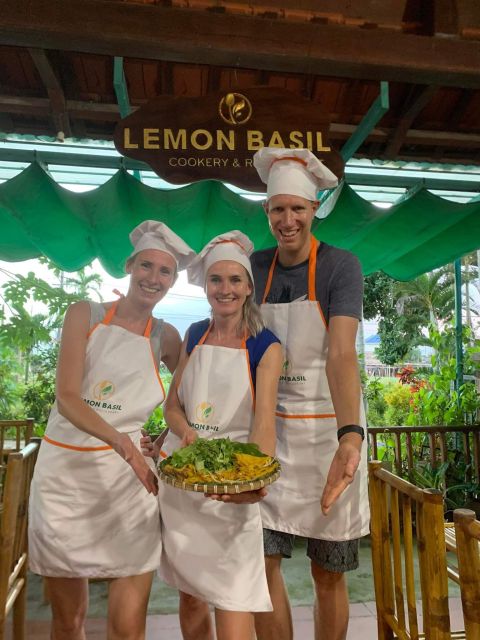
The class lasts about three hours, though the practical guidance allows roughly three to three and a half hours. Check the available start times when booking and arrive 5 to 10 minutes early.
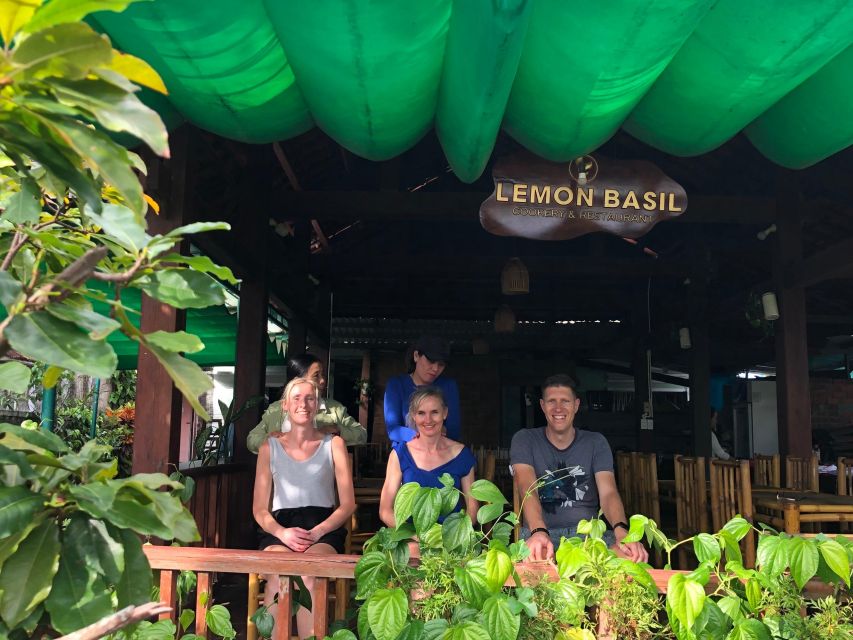
The meeting point is Lemon Basil Cookery and Restaurant in the heart of Tra Que vegetable village. Look for the Lemon Basil sign and restaurant entrance. The location is also useful if you want to spend more time around Tra Que afterward, perhaps by cycling around the village or stopping for a coffee.
Pick-up and drop-off are not included. You need to arrange your own transport from Hoi An and return afterward. This is the main logistical drawback, particularly if you are trying to fit the class between other fixed activities.
On the other hand, independent arrival gives you flexibility. You can make the class part of a wider visit to Tra Que rather than treating it as a quick stop from a tour bus. Give yourself enough time to find the restaurant, and do not plan a tight appointment immediately afterward because the session may stretch beyond three hours.
The class offers free cancellation up to 24 hours before the start, and you can reserve now and pay later. Those terms are useful if your Hoi An schedule depends on weather or changing plans.
Dietary needs and cooking ability
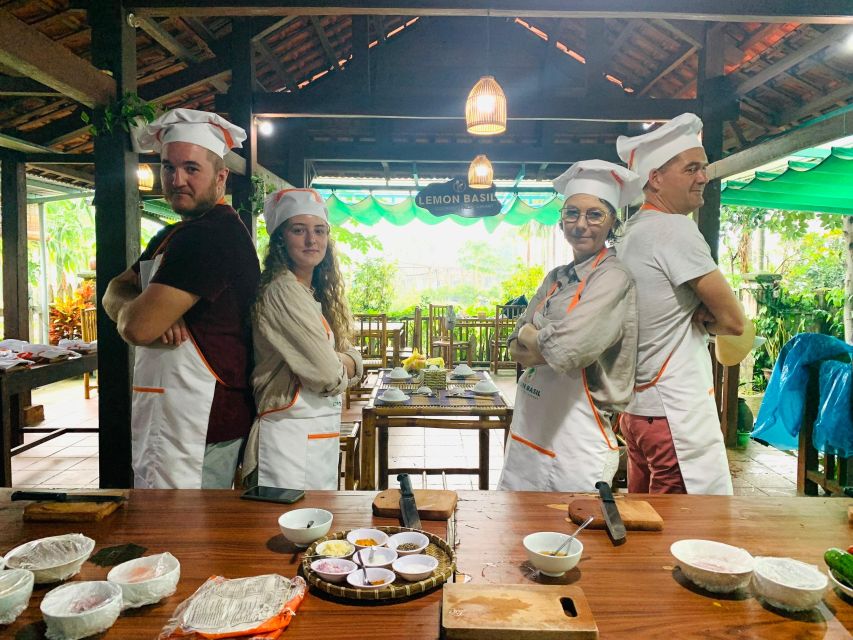
The class is suitable for beginners. You do not need to know how to use Vietnamese cooking equipment, and the instructors guide you through each stage.
Dietary requests have been handled well, including no-pork preferences and allergies or intolerances. The team asks about these needs before cooking, but you should still provide the information in advance. The listed menu includes fish, so anyone avoiding seafood should confirm the available substitution before paying.
The food is flexible, but the activity data does not promise every possible dietary option. If you are vegan, have a serious allergy, or avoid several ingredients, contact Lemon Basil Cookery before booking rather than assuming the standard menu can be changed.
Who will enjoy this class most
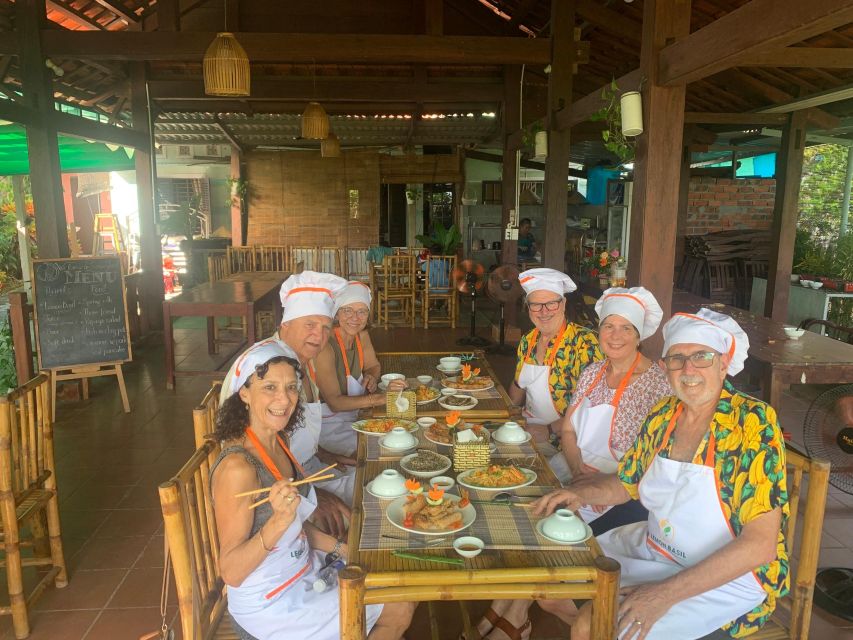
I would choose this for you if you want a social food activity with a real sense of place. The farm visit adds something that a city cooking studio cannot offer, and the family involvement gives the afternoon a more personal tone.
It works especially well for:
- First-time visitors who want an introduction to Vietnamese food
- Couples and friends looking for a shared activity
- Families with older children who enjoy practical tasks
- Beginner cooks who want clear guidance
- People interested in herbs, farming, and local ingredients
- Anyone who wants a substantial meal as part of the experience
It may be less suitable if you want a quiet, private lesson, a strict professional kitchen, or a class with no fish or animal products unless your dietary needs are confirmed in advance. It is also not the best choice if you need a centrally located activity with included transport.
The tone is friendly and informal. Min’s joking style is a plus for most people, but if you prefer a very formal cooking demonstration, this family-run approach may feel loose.
What the $27 price delivers
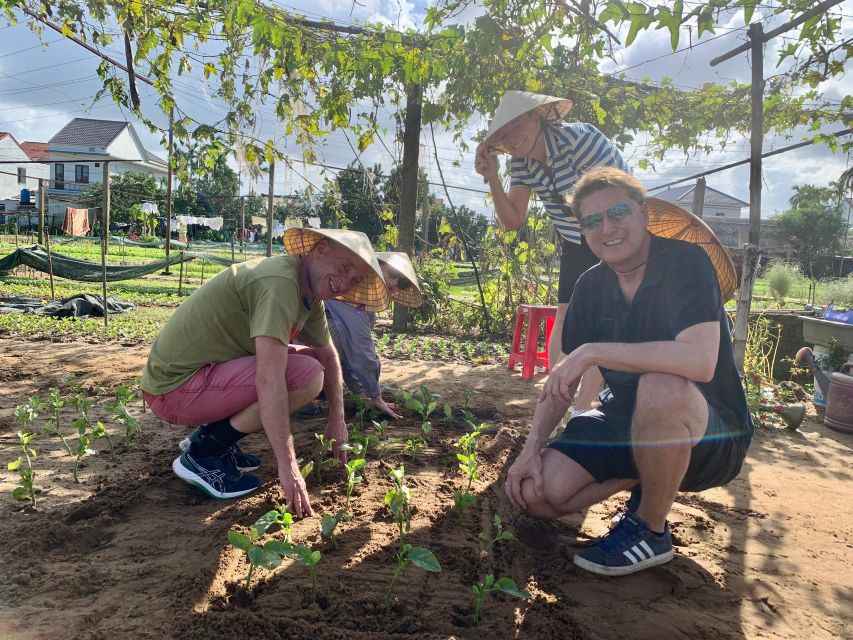
At $27, the class offers strong value for a three-hour activity. You receive a farm tour, instruction from English-speaking chefs, ingredients for four dishes, a shared meal, and a completion certificate.
The value is not only in the amount of food. You also get context about Vietnamese herbs and farming, practical cooking skills, and a chance to meet the family behind the restaurant. Compared with paying separately for a meal and a short sightseeing stop, the package makes good sense.
The limits are clear. Transport is not included, nor are insurance, extra drinks, or anything not specifically listed. You also need to make your own way to Tra Que. Add those costs when comparing it with a class that includes hotel collection.
The certificate is a pleasant finishing touch, though the more useful souvenir is the ability to repeat some of the recipes at home. The instructors focus on flavor balance and preparation, not just on getting food onto the plate.
Should you book the Lemon Basil farm class?
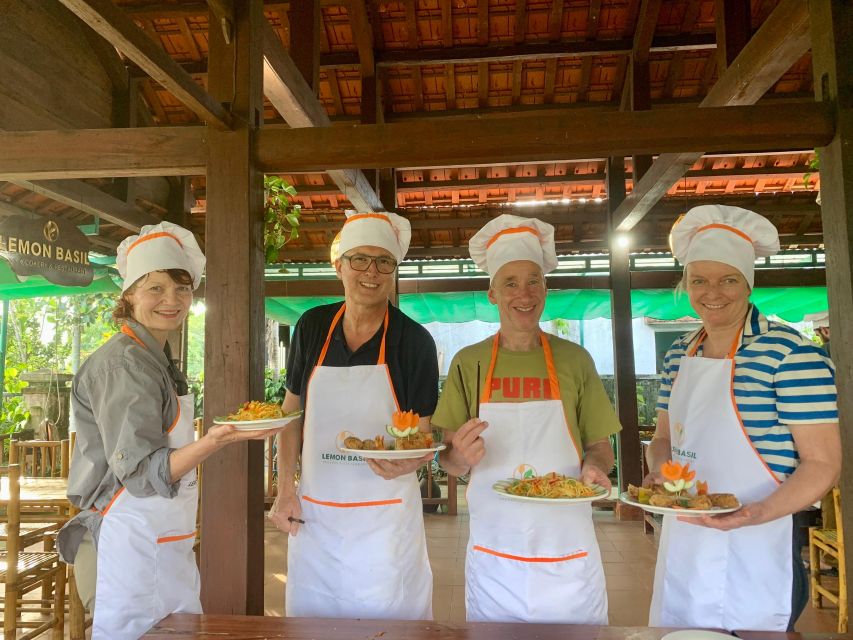
Book it if you want hands-on cooking, a family welcome, and a working farm setting rather than a polished tourist kitchen. The strongest parts are the farm introduction, Min’s lively teaching, the four-dish meal, and the willingness to handle reasonable dietary requests.
Before booking, confirm your food restrictions and plan your route to Tra Que. If you do that, this is an easy choice for a relaxed Hoi An day, especially when you want a meal, a cultural activity, and a little laughter in the same three-hour visit.
FAQ
How long does the Lemon Basil cooking class last?
The class is scheduled for about three hours, though you should allow approximately three to three and a half hours.
Where does the cooking class meet?
It meets at Lemon Basil Cookery and Restaurant in Tra Que vegetable village near Hoi An. Look for the Lemon Basil signage.
Is hotel pick-up included?
No. Transportation to and from the restaurant is not included, so you must arrive independently.
What dishes will I cook?
The listed dishes are Tra Que spring rolls, green papaya salad, fish in clay pot, and Vietnamese crispy pancake, or bánh xèo.
Can the class accommodate dietary restrictions?
Yes. You should tell the team about allergies, intolerances, or dietary preferences in advance. Requests such as avoiding pork have been accommodated, but confirm more complex restrictions before booking.
Is the class suitable for beginners?
Yes. No previous cooking experience is required, and the English-speaking instructors guide you through the recipes and techniques.
New cooking classes around Hoi An
- Private cooking class tour with Master Chef★ 5.0 · 5 reviews
- Market Tour – Cooking Class – Coconut Boat Riding★ 4.4 · 43 reviews
- Mad Monkey Hoi An Cooking Class & Bamboo Boats★ 4.5 · 6 reviews
- Hoi An :Lantern Making – Cooking Class -Coconut Basket Boat★ 4.9 · 17 reviews
- Hoi An : Lantern Making & Cooking Class With Local Family★ 5.0 · 3 reviews
- Hoian/Da Nang: Fishing, basket riding and cooking class★ 3.3 · 5 reviews
- Hoian/Danang: Eco Cooking Class, Cruise Trip, Basket Boat★ 4.9 · 46 reviews
- Hoi An : Vietnamese Cooking Class with Phở and Eco Tour★ 5.0 · 3 reviews
Hoi An Cooking Classes, side by side.
Cooking Class Hoi An:Local Market, Basket Boat, Fishing & Cooking
Read our review →
Hoi An Cooking Class(Market,BasketBoat Crabfishing&Cooking Class)
Read our review →
From Hoi An: Market Tour, Basket Boat Ride and Cooking Class
Read our review →
Hoi An: Basket Boat with Lantern-Making & Cooking Class Tour
Read our review →
Hoi An: Market Experience with Optional Fishing and Cooking
Read our review →
Hoi An: Basket Boat Ride, Cooking Class by Hangcoconut
Read our review →
Hoi An Eco Tour Cooking Class & Fishing (Local market,basket boat,learn cooking)
Read our review →