
Review · PALERMO
Sicilian Cooking Class
Palermo’s best cooking lesson begins before anyone turns on a stove. You meet near Porta Carini, enter the Capo market, and help choose the ingredients for a four-course Sicilian meal. I like the market visit because it gives the food a place and a story. I also like that Michael teaches the reasons behind each dish, not just the steps.
The class is small, practical, and held in an air-conditioned kitchen, a welcome break from Palermo’s heat. The main consideration is the price, about $118.56 per person, and the cooking studio has a steep flight of stairs, so this is not ideal for anyone with serious mobility limits. Menu choices also change with the season, and severe food allergies may be difficult to accommodate.
Key points at a glance
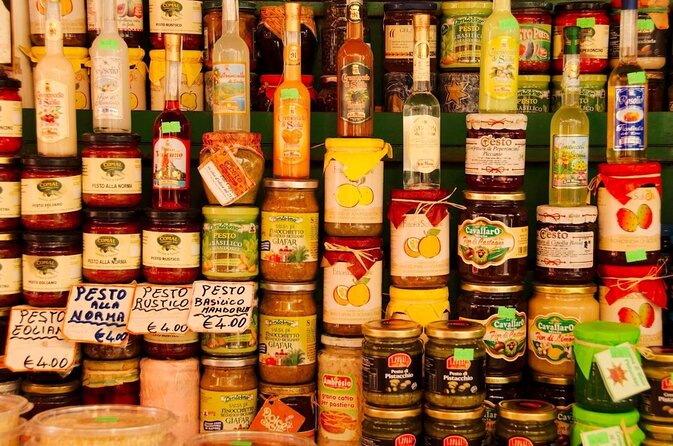
- Capo market shopping: Begin near Porta Carini and select fresh ingredients in Palermo’s old town.
- Four-course meal: Prepare a starter, pasta, main course, and dessert, then eat what you made.
- Small-group teaching: The class has a maximum of eight people, with Michael leading in English.
- Proper Sicilian dishes: Expect foods such as panelle, pasta con le sarde, involtini, swordfish, cannoli, or almond granita.
- Wine and homemade finishes: Sicilian wines accompany the meal, followed by coffee and homemade liqueurs.
- Useful practical note: The studio is air-conditioned, but reaching it involves a steep staircase.
Why the Capo market makes the class better
Many cooking classes start with ingredients already measured and waiting in bowls. This one begins in Palermo’s Capo market, where you see the raw materials before they become lunch. That small change matters. You begin to understand why fresh sardines, wild fennel, artichokes, almonds, citrus, and ricotta appear so often in Sicilian food.
The meeting point is near the entrance to Mercato del Capo, at Parcheggio Orlando on Piazza Vittorio Emanuele Orlando. The stated start time is 10:00 a.m., and the market visit is the first part of the roughly four-and-a-half-hour experience.
Michael leads the shopping walk and explains what to look for. You are not simply passing through while he buys everything alone. The group helps select what will be used in the kitchen, and the menu is shaped by what is fresh and available. That seasonal approach means the dishes can change, so do not book expecting one fixed recipe list.
The market itself is also a useful introduction to Palermo. Capo is one of the city’s old food markets, and its stalls provide a sharper sense of local cooking than a quick stop at a restaurant. You may see ingredients familiar from Italian menus, but here they are tied to everyday Sicilian food: chickpeas for panelle, sardines for a sweet and savory pasta, and almonds for granita or pastry.
There is one practical caveat. Market conditions can vary with the weather and the day. A rainy morning may mean fewer open stalls, and the full market experience cannot be guaranteed in exactly the same form every time. Even so, Michael uses the walk to explain ingredients, shopping habits, and Palermo’s food culture.
More Italian Cooking Classes around Palermo:
- Palermo: Market Tour and Sicilian Cooking Class with Lunch
★ 4.9 · 229 reviews - Palermo: Exclusive Sicilian cooking class at the home of a well-known Italian chef
★ 5.0 · 75 reviews - Palermo: Authentic Italian Cooking Class
★ 4.6 · 15 reviews
Cooking with Michael in an air-conditioned studio
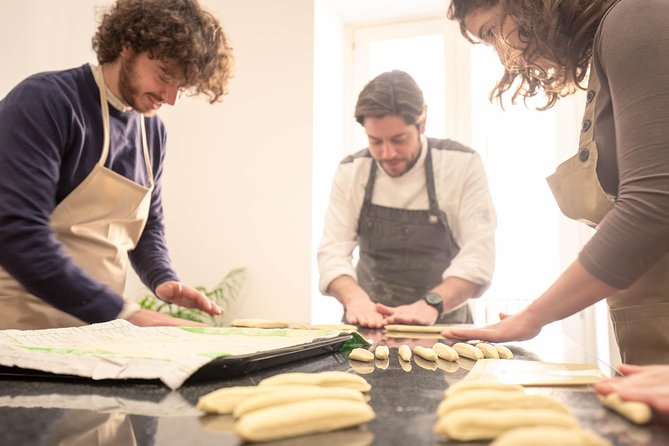
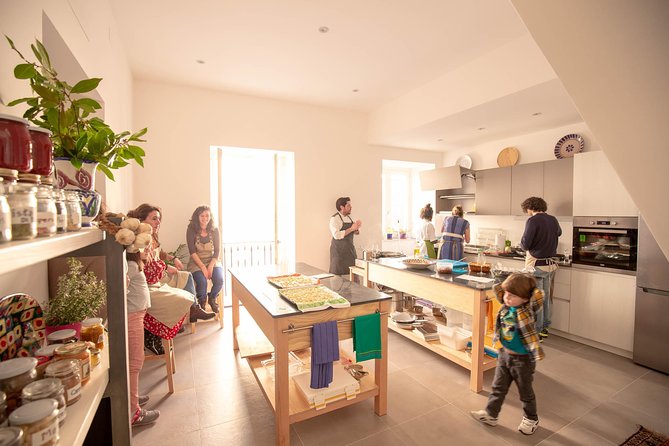
After the market, you walk a short distance to the cooking school. The kitchen is air-conditioned, which is more than a comfort in Palermo during hot weather. You will be handling hot pans, frying food, and working through several courses, so a cool room makes the lesson easier to follow.
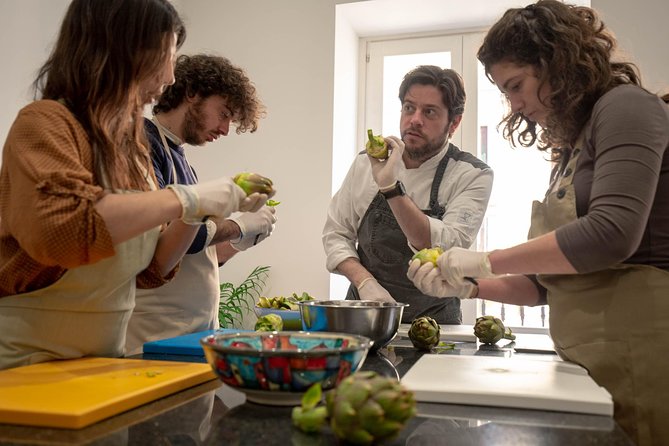
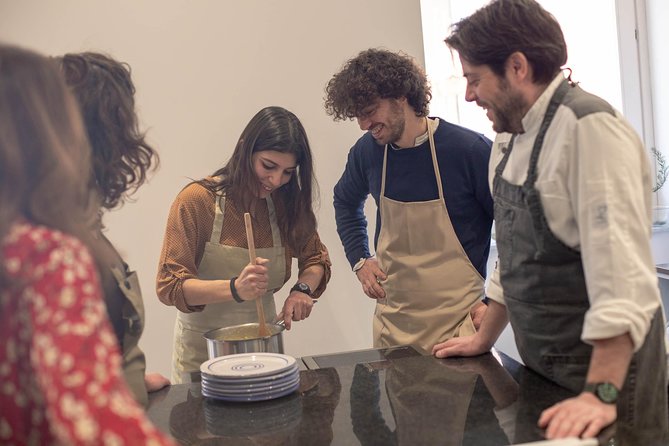
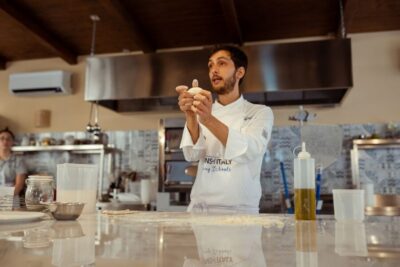
The class is capped at eight people. That size allows you to take part without turning the lesson into a crowded demonstration. Michael organizes the work so everyone can help with preparation, from cleaning vegetables to shaping pasta and assembling dishes. Elena or another assistant may also help guide the group.
Michael’s English is strong, and the teaching is clear. He explains what you are doing, why a technique matters, and how Sicilian cooks adjust recipes to the season. This is especially useful if you want to recreate the food at home. You are not left with a vague memory of a delicious lunch. You leave with practical tips about knives, a scraper tool, fresh pasta, frying, sauces, and timing.
The tone is friendly rather than formal. You should expect plenty of conversation as the group cooks, and Michael shares stories about Sicilian food and his life in Palermo. The class has enough structure to keep the meal moving, but it does not feel like a test. If you are a nervous cook, that balance is important.
The lesson works well for a mixed group. One person can take on a more active preparation task while another watches part of the process. A 13-year-old participant was also able to enjoy the experience, so this is not limited to serious adult cooks. Still, younger children may find four and a half hours of market shopping, preparation, and dining too long. No specific minimum age is provided.
The four courses you may prepare
The sample menu covers the main flavors of Palermo: fried street food, fresh pasta, fish, meat, nuts, citrus, sweet ricotta, and vegetables. Since the menu follows the season, these dishes are examples rather than a promise of the exact meal on your date.
Starters: panelle, arancine, and fried artichokes
Panelle are fried chickpea fritters, usually served with lemon. They are a classic Palermo street food and a good first lesson in how a few basic ingredients can produce something deeply satisfying. You learn to prepare and fry them, then eat them fresh rather than from a display counter.
Arancine al burro are saffron-colored rice balls filled with ham and cheese, breaded, and fried. They show a different side of Sicilian cooking, one built around rice, rich filling, and careful shaping.
Fried artichokes provide a seasonal vegetable option. You clean and quarter the artichokes, bread them, and fry them. This is hands-on work, and it gives you a practical lesson in preparing an ingredient that many home cooks avoid because it takes time.
These starters also set the pace for the class. You are not making one dish and waiting around. Several elements need to be prepared at different moments, so Michael can show you how a Sicilian cook manages a meal with multiple courses.
More cooking classes around Palermo:
- Palermo: Pizza and Gelato Cooking Class with Dinner and Wine
★ 4.9 · 951 reviews - Palermo: Pasta & Tiramisu Cooking Class with Flowing Wine
★ 4.8 · 405 reviews - Palermo: Pasta & Tiramisu Cooking Class at a Local’s Home
★ 4.9 · 74 reviews - Palermo: Half-Day Cooking Class & Market Tour
★ 4.9 · 60 reviews
Pasta: fresh dough and pasta con le sarde
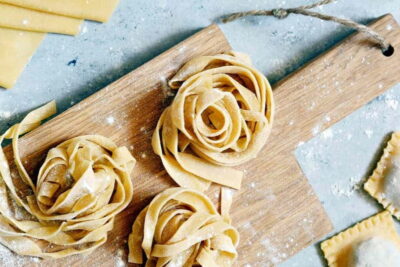
Making fresh pasta is one of the most satisfying parts of the class. You work the dough by hand and learn how to shape it, then pair it with a fresh tomato sauce. It is a straightforward southern Italian preparation, but the value is in learning the feel of the dough and the right way to handle it.
Pasta con le sarde is a Palermitan classic with a more unusual flavor profile. Fresh sardines are combined with wild fennel, saffron, currants, and pine nuts, then finished with toasted breadcrumbs. The dish is a good reminder that Sicilian food is not simply a lighter version of northern Italian cooking. It has sweet, salty, herbal, and nutty notes in the same bowl.
You may not prepare every pasta dish listed in the sample menu. The point is the method and the local context. If you enjoy bringing recipes home, ask questions as you work and take notes. Some cooking tips are easy to forget after a long lunch and a glass of wine.
Main courses: meat or swordfish
The sample mains include involtini di carne and breaded swordfish. The meat rolls are filled with cheese, breadcrumbs, currants, and almonds, then skewered, breaded, and roasted. This is a family-style dish, and the combination of dried fruit and nuts gives it a distinctly Sicilian character.
Pesce spada panato uses slices of swordfish coated in breadcrumbs seasoned with parsley, mint, and lemon zest. The fish is first dipped in extra-virgin olive oil, then covered with the herb mixture. It is a useful lesson in building flavor without a complicated sauce.
The menu can be adjusted for dietary needs in some cases. A vegetarian participant was given a different preparation without forcing the rest of the group to change its meal. You should contact the provider in advance about any dietary requirement. Severe food allergies are specifically discouraged, since the class uses many ingredients and takes place in a shared kitchen.
Desserts: cannoli, cassata, or almond granita
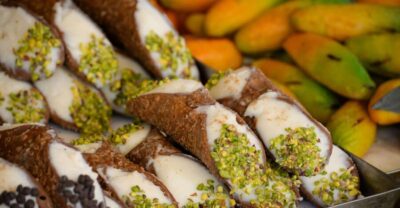
Cannoli need little introduction: crisp fried pastry tubes filled with sweet ricotta cream, then decorated with candied orange peel and Bronte pistachios. Preparing them helps you see the dessert as a combination of texture, filling, citrus, and nuts rather than just a finished pastry in a bakery window.
Cassata is another famous Sicilian sweet, built from sponge cake, almond paste, sweet ricotta, and candied fruit. It is more elaborate and rich than granita, and its decorative finish is part of the appeal.
Granita di mandorle is the simplest of the three. It uses water, sugar, and almonds to make a frozen dessert with a clean, nutty flavor. It also gives you a good sense of how Sicilian cooks use almonds beyond pastry.
Again, the exact dessert depends on the class menu and the season. That is worth accepting. A seasonal class is more likely to reflect what is available in Palermo than one locked into the same dishes every day.
Sitting down to the meal you prepared
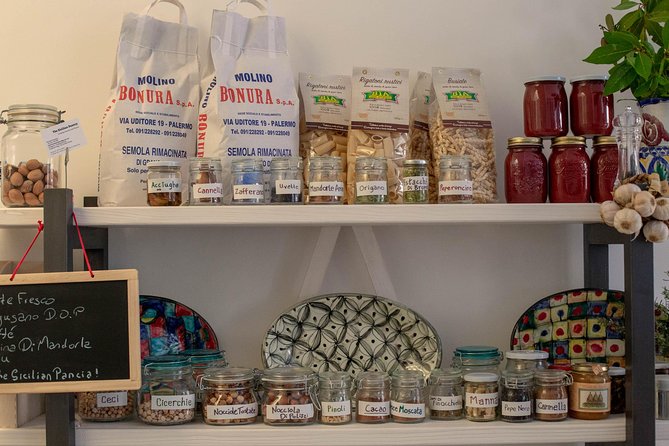
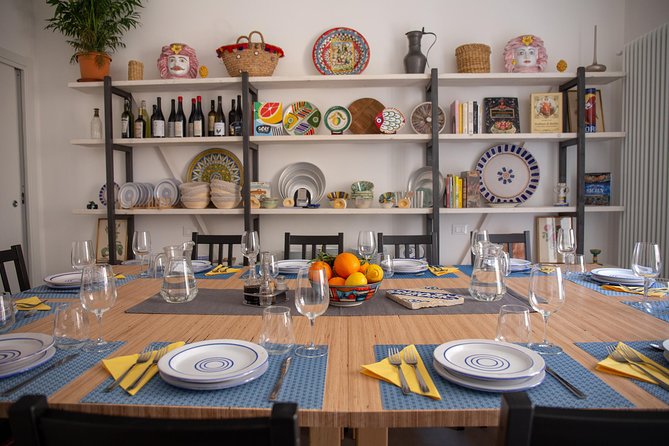
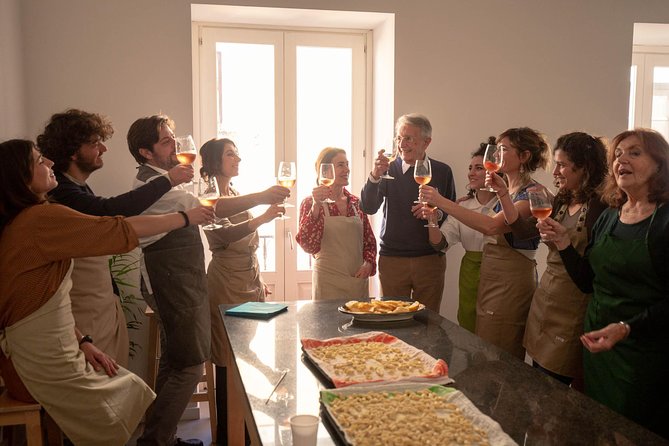
Once the cooking is done, everyone sits down together to eat. This is not a quick tasting at the counter. The experience ends with a proper four-course meal, including a starter, pasta, main course, and dessert.
Sicilian wines are served with the food. Water is also available, and the meal finishes with coffee and homemade liqueurs, including an orange liqueur on some occasions. The final part feels more like a relaxed meal with new friends than a formal classroom. That social time is one of the strongest reasons to choose a cooking class instead of a standard restaurant lunch.
The portion of food is described as generous but not overwhelming. That matters because a menu with four courses can easily become too much, especially when you have been tasting as you cook. Here, the meal is paced across the afternoon, with the wine and conversation making it feel unhurried.
Michael’s teaching continues at the table. You can ask about ingredients, methods, and how to prepare the dishes at home. A cookbook has also been provided to some groups, which is useful if you want a written reminder of the recipes.
Is $118.56 a fair price?
At about $118.56 per person, this is not a budget lunch. I would judge the price against what is included rather than comparing it with the cost of a simple Palermo meal.
You receive a market visit, ingredient instruction, hands-on cooking, a four-course meal, wine, coffee, and homemade liqueurs. The class also lasts about four and a half hours and is limited to eight people. If you value personal instruction and want to understand Sicilian food beyond eating it, the package offers solid value.
The price is less appealing if you mainly want a cheap meal or a short demonstration. You are paying for the time, the teaching, the small group, and the chance to prepare the food yourself. A restaurant will usually cost less for the meal alone, but it will not show you how panelle are made, how to handle fresh pasta, or why pasta con le sarde tastes the way it does.
The class is also a sensible choice for a first day or second day in Palermo because it helps you recognize ingredients and dishes for the rest of your visit. You may see panelle in a street-food shop later and understand exactly what you are ordering.
Who will enjoy this class most?
I would choose this experience if you meet any of these descriptions:
- You want local food rather than a generic pasta-and-pizza lesson.
- You enjoy taking part instead of watching a chef do everything.
- You want an English-speaking guide who explains Sicilian food culture.
- You are comfortable sharing a kitchen and meal with a small group.
- You like the idea of buying ingredients in a market before cooking.
- You want recipes and techniques you can use after returning home.
It also suits couples, friends, and families with older children. The small group makes it easier to ask questions, while the meal gives everyone time to relax.
I would think twice if you have a severe food allergy, need step-free access, or dislike fried food, fish, nuts, or sweet ricotta desserts. The sample dishes use many of those ingredients, and the cooking school has a steep staircase. Service animals are allowed, and the meeting point is near public transportation, but the physical layout remains an important consideration.
Timing and meeting details worth knowing
The experience begins at 10:00 a.m. near Parcheggio Orlando, at Piazza Vittorio Emanuele Orlando 49, close to Porta Carini. Since the first portion takes place in the Capo market, arrive ready to walk and stand for part of the morning.
The activity returns to the meeting point at the end. It is offered in English, includes a mobile ticket, and has a maximum of eight participants. Confirmation is provided when you book.
Free cancellation is available if you cancel at least 24 hours before the local start time. Changes or cancellations made inside that window are not accepted for a refund.
Should you book the Sicilian Cooking Class?
I would book this if you want a real connection between Palermo’s market food and its home cooking. The strongest parts are the small group, Michael’s clear English instruction, the market shopping, and the chance to sit down with the food you helped make.
Book well ahead if your dates are fixed. The experience is booked an average of 77 days in advance, which suggests that popular dates can fill early. Choose it for the food culture and hands-on work, not simply for lunch. If you can manage the stairs, have no serious allergy concerns, and enjoy a long social meal, this is one of the more useful ways to spend a morning in Palermo.
FAQ
Where does the Sicilian cooking class meet?
Meet at Parcheggio Orlando, Piazza Vittorio Emanuele Orlando 49, Palermo, near Porta Carini and the entrance to Mercato del Capo.
What time does the class begin?
The stated start time is 10:00 a.m.
How long does the experience last?
The activity lasts approximately four hours and 30 minutes and ends back at the meeting point.
Is the class taught in English?
Yes. The class is offered in English, and Michael leads the instruction.
What food is included?
You prepare and eat a four-course Sicilian meal consisting of a starter, pasta, main course, and dessert. The sample dishes include panelle, arancine, fresh pasta, pasta con le sarde, meat rolls, swordfish, cannoli, cassata, and almond granita. The menu changes with the season.
Can the class accommodate dietary needs?
You should contact the provider in advance about dietary requirements. Vegetarian adjustments may be possible, but the activity is not recommended for people with severe food allergies.
New cooking classes around Palermo
- Palermo: Sicilian Cuisine Social Cooking Class & Dinner★ 5.0 · 4 reviews
- Palermo: Shopping at Capo Market and Sicilian Cooking Class★ 5.0 · 2 reviews
- Palermo: Pasta & Tiramisu Cooking Class at a Local’s Home★ 4.9 · 74 reviews
- Palermo: Exclusive Sicilian cooking class at the home of a well-known Italian chef★ 5.0 · 75 reviews
- Palermo: Italian Cooking MasterClass with Food & Wine★ 5.0 · 2 reviews
- Palermo: Sapore di Strada Cooking Class★ 4.7 · 22 reviews
- Palermo: Half-Day Cooking Class & Market Tour★ 4.9 · 60 reviews
- Palermo: Cooking and Limoncello Class★ 4.6 · 14 reviews
Palermo Cooking Classes, side by side.
Palermo: Pizza and Gelato Cooking Class with Dinner and Wine
Read our review →Palermo: Pasta & Tiramisu Cooking Class with Flowing Wine
Read our review →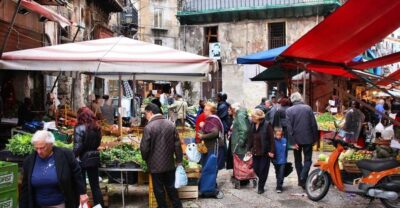
Palermo: Market Tour and Sicilian Cooking Class with Lunch
Read our review →
Palermo: Exclusive Sicilian cooking class at the home of a well-known Italian chef
Read our review →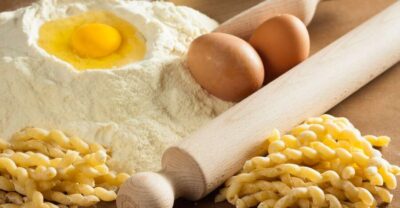
Palermo: Pasta & Tiramisu Cooking Class at a Local’s Home
Read our review →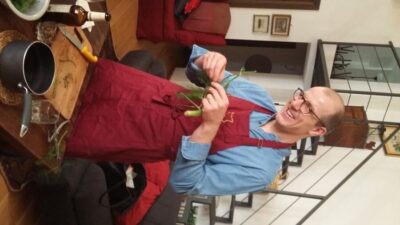
This kitchen also appears in