
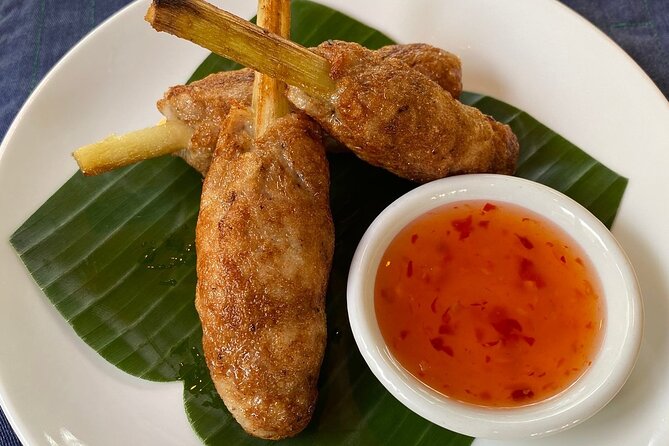
Review · SIEM REAP
Cambodian Village Cooking Class
The best part of this Siem Reap cooking class happens before you reach the kitchen. Sophia guides you through Psar Chaa, the Old Market, explaining Cambodian herbs, fruit, fish, meat, and everyday cooking ingredients before you head by tuk-tuk to a peaceful open-air pavilion outside town. You shop, chop, cook, and eat, rather than simply watch a chef work.
I like the small groups of up to eight, which give you real time with the cooking teacher. I also like the setting: an airy kitchen beside a lake, far removed from Siem Reap’s busy center. The main thing to consider is timing. One late party reportedly held up the market visit, so be ready at your pickup point and expect the full experience to take about three hours, sometimes closer to four.
Key points at a glance
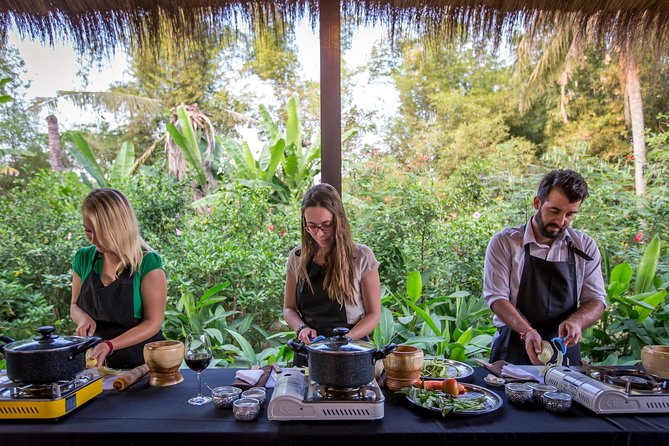
- A real market visit: Explore Psar Chaa with a local guide and learn how Cambodian ingredients are used at home.
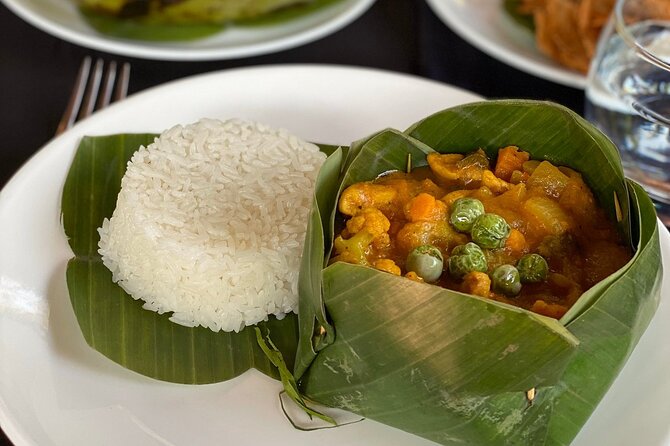
- Three dishes from start to finish: Prepare fresh rice paper spring rolls, Cambodian curry, and bananas in palm sugar.
- A calm rural setting: Cook and eat in an open-air pavilion overlooking water.
- Tuk-tuk transport included: Hotel pickup and drop-off are part of the $32 price.
- Personal instruction: Groups are capped at eight, with hands-on help from a local chef.
- Useful souvenir: Take home a recipe book so the meal does not end when you leave Cambodia.
Why this cooking class feels more personal than a standard food tour
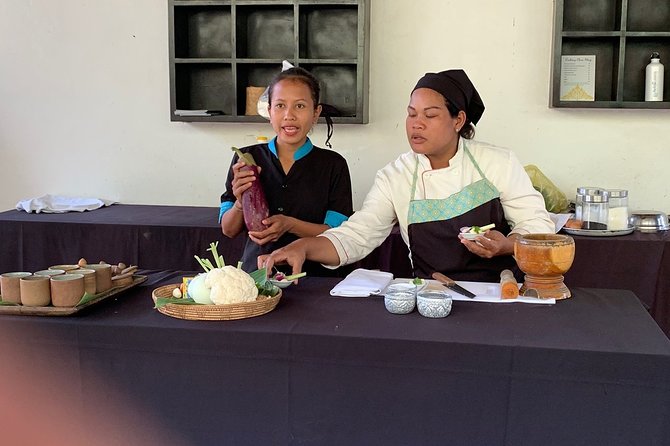
A good cooking class should help you understand a place, not just fill three hours. This one begins with the ingredients and the people who sell them. That makes the food lesson more useful because you see what Cambodian cooks actually buy before you are asked to prepare it.
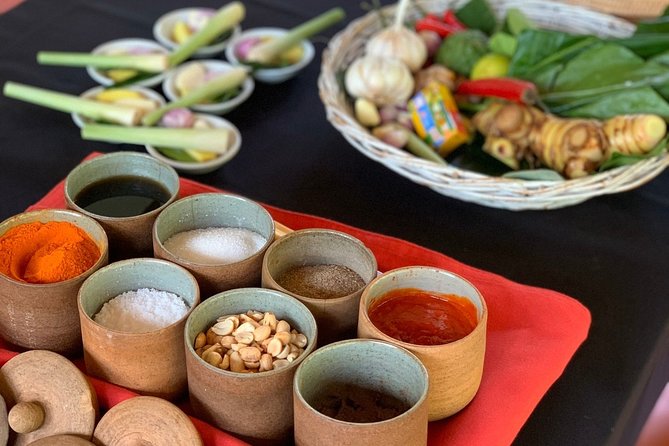
You meet your guide at the Old Market, also called Psar Chaa. This is a working local market, not just a row of stalls arranged for sightseeing. Your guide walks you through the produce, fruit, herbs, meat, fish, and other ingredients used in Khmer kitchens. You may also sample local items during the walk.
I like this opening because it gives context to dishes that can otherwise seem mysterious. Cambodian cooking often depends on fresh herbs, aromatic vegetables, palm sugar, and carefully balanced sauces. Seeing those ingredients in their raw form helps you understand what goes into the finished meal.
The market visit lasts about 45 minutes according to the timing described by past participants. Wear comfortable shoes and expect a warm, active start. If you prefer a quiet, air-conditioned introduction to Cambodian food, this is not that. The market is part of the lesson, and it can be lively, crowded, and full of unfamiliar sights and smells.
More cooking classes around Cambodia:
- Khmer Cooking Class at a Local’s Home in Krong Siem Reap
★ 5.0 · 2,731 reviews - Siem Reap: Khmer Cooking Class at a Local’s Home
★ 5.0 · 1,108 reviews - Award-Winning Cooking Class Experience with Professional Teacher
★ 5.0 · 745 reviews
From the Old Market to a lakeside cooking pavilion
After the market, you ride by tuk-tuk to the cooking site outside central Siem Reap. Hotel pickup and drop-off are included, which is useful in a city where a short ride can feel complicated if you have not arranged local transport.
The cooking area is described as a purpose-built garden pavilion and an open-air kitchen beside a lake. You are not cooking in a cramped restaurant back room. The setting gives the class room to breathe, and the water view makes the final meal feel like part of the outing rather than a quick lunch between activities.
Several participants particularly appreciated the clean, modern facilities and the peaceful setting. The class still has a practical feel, though. You are there to work with ingredients, learn cooking methods, and produce the meal yourself. The pretty view is a bonus, not a substitute for instruction.
Heat is a reasonable concern in Cambodia, especially for a midday activity. The open-air design may help, and the class includes bottled water and a cold towel. Past participants specifically found the heat manageable, but conditions vary by season and time of day. If you have a choice, the morning session may feel more comfortable.
The three-dish menu and what you actually do
The menu is short and sensible:
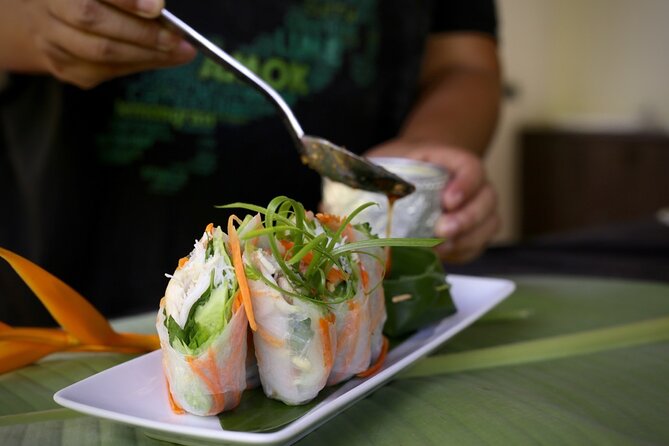
- Fresh rice paper spring rolls
- Cambodian curry
- Bananas in palm sugar
Three dishes are enough for a satisfying meal without turning the class into a race. Each one also gives you a different type of cooking task. You work with fresh ingredients for the spring rolls, build the flavors of a curry, and finish with a simple Cambodian-style dessert.
The spring rolls are a good first dish because they introduce ingredients and assembly without requiring complicated equipment. You learn how the components fit together and how to handle rice paper. The activity is hands-on, so you are not simply watching the chef fold one perfect roll while you stand nearby.
The Cambodian curry gives the class its main cooking project. Your chef guides you through the ingredients and the order in which they are used. This is where the class is most valuable for anyone who wants to cook Khmer food at home, since the recipe book gives you a way to repeat the process later.
Dessert is bananas in palm sugar. It is simple, but it shows how Cambodian cooking can turn a familiar fruit into something warm, sweet, and distinctly local. The three courses also make sense together: fresh starter, savory main dish, and sweet finish.
You should not expect advanced culinary training or a professional qualification. You will learn useful basic techniques, ingredient names, and cooking steps under supervision. The chef and assistant help with knife skills and preparation, making the class approachable even if you are not confident in the kitchen.
Sophia, the guides, and the level of help
Sophia is the guide named most often in the feedback supplied for this experience. She leads the market walk, explains local food, and helps connect what you see at the stalls with what you cook later.
The chef is described as patient, friendly, and attentive. Names appear in several forms, including Sinat, Sunat, Prey, and Pry, so the exact chef assigned can vary or may be spelled differently. The important point for planning is that you receive direct guidance rather than being left alone with a printed recipe.
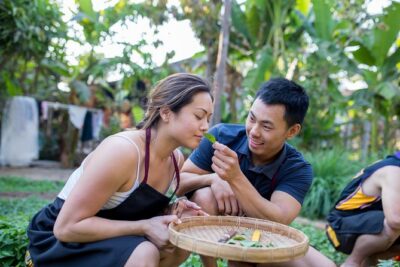
The small-group limit matters here. With no more than eight people, the chef can watch your preparation and correct mistakes before they reach the pan. That is especially helpful when you are handling rice paper, cutting ingredients, or working through a curry recipe for the first time.
Families can take part, and the class is not aimed only at serious food enthusiasts. The instructions are clear enough for beginners, while home cooks should still find value in the market explanations, knife work, and traditional ingredients.
Dietary needs and most allergies can be accommodated if you provide the information when booking. Do not wait until you arrive. The kitchen needs notice so the staff can plan suitable ingredients.
Same kitchen, a different dish:
- Khmer Cooking Class Half Day (AM or PM)
★ 5.0 · 316 reviews - Cambodian Cooking Class from Siem Reap
★ 4.9 · 190 reviews - Battambang: Cooking Class and Market Touring
★ 4.8 · 80 reviews - Phnom Penh’s Hands-On Khmer Cooking Class in the Countryside
★ 4.9 · 33 reviews
The meal you prepare is the reward
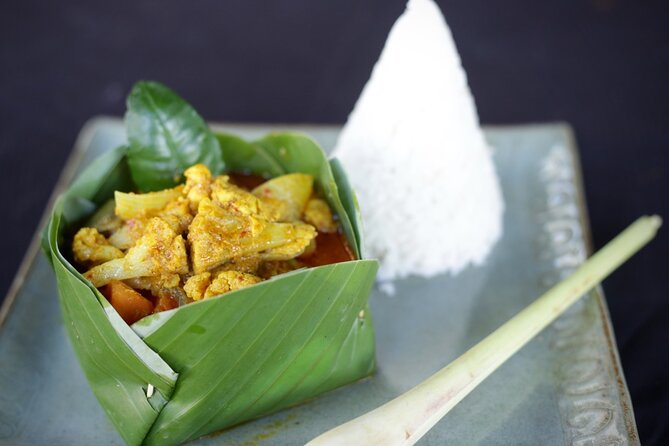
Once the three dishes are ready, you sit down and eat what you made. That simple detail changes the whole experience. Lunch feels earned, and you have a better sense of how each ingredient moved from market stall to plate.
A local beer or soft drink is included with the meal. Bottled water and a cold towel are also provided, useful touches in Cambodia’s warm weather. The meal takes place in the lakeside setting, so you get time to relax after the chopping and cooking.
The food has received especially strong praise for its flavor, but keep expectations sensible. You are preparing food in a group class, not ordering from a fine-dining kitchen. The value comes from learning the process and then eating a fresh three-course meal in a pleasant place.
The recipe book is one of the most useful inclusions. Many cooking classes end with a meal and a vague promise that you can remember what happened. Here, you have written recipes to take home, which gives you a fair chance of making the dishes again.
Is $32 a good value in Siem Reap?
At $32 per person, this is a strong package if you want more than a meal. The price includes hotel tuk-tuk transport in both directions, the market visit, a local guide, cooking instruction, the three-course lunch, a drink, water, a cold towel, and the recipe book.
You would pay separately for transport and lunch on many half-day outings. Add the teaching and market walk, and the price becomes easier to justify. I especially like that the activity does not charge you extra for the meal you prepare, since that is the central part of the experience.
The value depends on your interests. If you only want to taste Cambodian food, a market tour or restaurant meal may cost less and require less time. If you enjoy cooking, want contact with local food culture, or hope to recreate Khmer dishes at home, $32 is reasonable.
The 4.9 rating from 265 ratings and 99 percent recommendation figure also suggest a consistently strong experience. Those numbers cannot predict every departure, but they match the most repeated strengths: friendly staff, a well-run class, good food, and the attractive lakeside setting.
Timing, pickup, and small practical details
The experience lasts about three hours, with morning and afternoon departures. Some accounts describe closer to four hours, likely depending on pickup, the pace of the market visit, and group timing. Keep part of your schedule open rather than booking a temple tour or flight immediately afterward.
Hotel pickup and drop-off are by tuk-tuk. Confirm your hotel details when booking and be ready at the agreed time. The one clear operational weakness in the supplied feedback involved waiting for late arrivals at the meeting point. You can help yourself and the group by arriving early.
The activity offers a mobile ticket, so you can keep the booking details on your phone. Confirmation is provided at booking. Service animals are allowed, though you should still notify the operator in advance if you have any special needs.
Free cancellation applies if you cancel at least 24 hours before the start time. Changes or cancellations made within 24 hours are not refunded, and the cutoff uses local Siem Reap time. That policy is ordinary for a small-group activity, but it matters if your temple plans or transport schedule may change.
Who should book this Cambodian cooking class?
I would point food lovers toward this class first. You get a market visit, direct cooking practice, and a recipe book, so the experience continues after your holiday.
It also suits couples, families, and solo visitors who like small groups. One solo participant received the class even when only one person had booked, which suggests the operator may run the activity rather than cancel simply because numbers are low. That is not guaranteed for every date, but it is a reassuring sign.
Beginners should feel comfortable joining. You do not need professional knife skills or prior Cambodian cooking experience. The staff guides you through each dish and helps you along the way.
You may want to skip it if your schedule is tightly packed, you dislike open-air cooking, or you want a fast market stop with no hands-on work. This is a half-day activity with a warm market, tuk-tuk transport, preparation time, and a sit-down meal. It rewards a relaxed pace.
Should you book it?
Yes, if you want a practical introduction to Khmer food rather than a quick tasting. The market visit gives the class a local starting point, the small group keeps the instruction personal, and the lakeside pavilion gives you a pleasant place to eat what you have prepared.
My main advice is to choose a time that suits the heat, tell the operator about allergies in advance, and leave extra room in your schedule. For $32, the combination of transport, food, instruction, and recipes is good value. It is especially worthwhile for anyone who wants to bring a little Cambodian cooking home.
FAQ
How long does the Cambodian Village Cooking Class last?
The class lasts about three hours. Some participants found that the full outing took closer to four hours, so leave extra time around the scheduled activity.
What dishes will I cook?
You will prepare fresh rice paper spring rolls, Cambodian curry, and bananas in palm sugar.
Is hotel transportation included?
Yes. Hotel pickup and drop-off by tuk-tuk are included.
How large is the group?
The maximum group size is eight people. This allows for direct help from the guide and chef during the cooking session.
Can dietary requirements and allergies be accommodated?
Most dietary needs and allergies can be catered for. You need to provide the details when booking.
What happens if I need to cancel?
You receive a full refund if you cancel at least 24 hours before the start time. Cancellations or changes made within 24 hours are not refunded.
New cooking classes around Cambodia
- Sambo cooking class★ 5.0 · 3 reviews
- Phnom Penh’s Hands-On Khmer Cooking Class in the Countryside★ 4.9 · 33 reviews
- Khmer Food Culture Cooking Class in Kampot★ 5.0 · 7 reviews
- Kampot Countryside: Authentic Khmer Cooking Class★ 4.8 · 21 reviews
- Kampot : Cooking Class in a Local Chef with Market Tour★ 5.0 · 2 reviews
- Cambodian Cooking Class★ 4.9 · 25 reviews
- Cambodian Cooking Class from Siem Reap★ 4.9 · 190 reviews
- Battambang: Cooking Class and Market Touring★ 4.8 · 80 reviews
Siem Reap Cooking Classes, side by side.
Khmer Cooking Class at a Local’s Home in Krong Siem Reap
Read our review →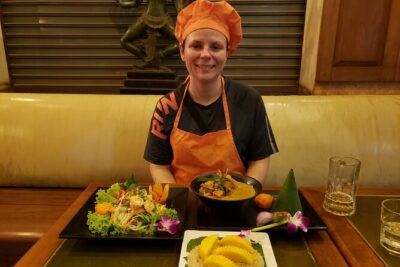
Award-Winning Cooking Class Experience with Professional Teacher
Read our review →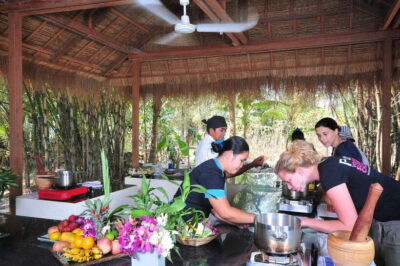
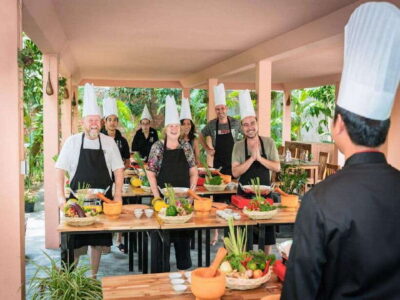
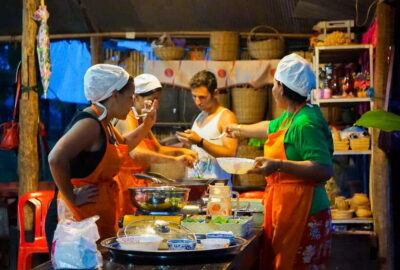
Siem Reap: Afternoon Cooking Class & Village Tour
Read our review →This kitchen also appears in