
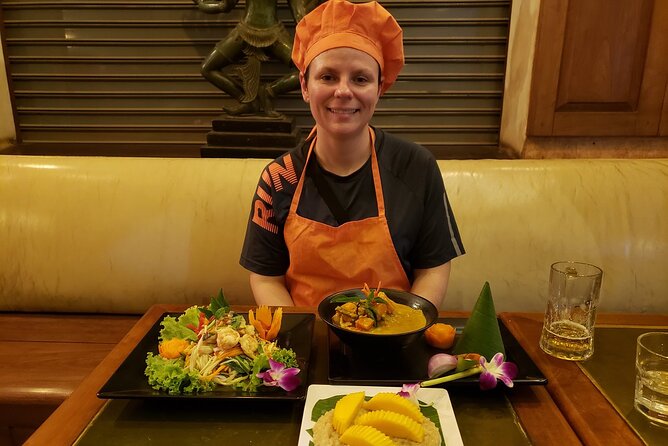
Review · SIEM REAP
Award-Winning Cooking Class Experience with Professional Teacher
Siem Reap’s Paper Tiger Cooking Class turns a meal into a practical introduction to Cambodia. You start with a short market visit, then return to the kitchen to prepare a starter, main course, and dessert before sitting down to eat what you made.
I like the freedom to choose dishes, including vegetarian options, and the patient teaching style repeatedly associated with instructors such as Sopheap and Sinuon. I also like the generous portions and the chance to make curry paste, chop local produce, and handle the cooking yourself.
The main caution is heat. The open-air kitchen can become very hot, especially in the afternoon, and one poor experience raised concerns about cleanliness, water charges, and missing recipes. Most of the feedback is highly positive, but you should bring extra water and confirm the class details at booking.
Key Points to Know Before You Book
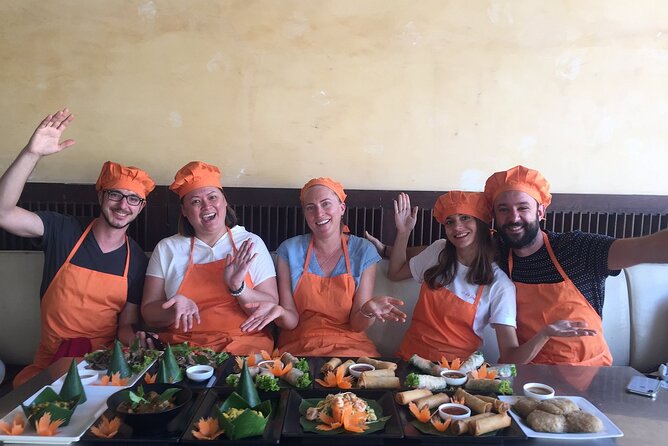
- Market visit first: Walk through a nearby historic market and learn about Cambodian produce, herbs, spices, and meats before cooking.
- Three-course meal: You generally prepare one starter, one main dish, and one dessert, then eat the meal at the end.
- Choose your dishes: Popular choices include fish amok, chicken curry, beef loc lac, green mango salad, and flambéed bananas.
- Small-group setting: The advertised maximum is 20 people, though some sessions may have only a few participants.
- Strong value at $22: The price covers the class, meal, professional teacher, and market tour, with digital recipes supplied afterward.
- Come prepared for heat: The cooking area is open to the outside, and you may be working over an open flame.
A Khmer Food Lesson in the Heart of Siem Reap
The class meets at Paper Tiger Cooking Class, at 59 Street 08, near the center of Siem Reap and within easy reach of Pub Street. That location matters. You do not need private transportation, and the meeting point is close to public transportation and the town’s main evening area.
Paper Tiger has been teaching visitors since 2001, so the class is not a one-off demonstration created for passing tourists. The stated age range is 8 to 70, which makes it suitable for families, couples, older children, and adults who want something more active than another restaurant meal.
The pace is designed for about three hours. That gives you enough time to see ingredients at the market, prepare several dishes, cook, and sit down to eat. You are not simply watching a chef work from a distance. You chop vegetables, mix seasonings, prepare curry paste, and take part in the cooking under instruction.
That hands-on element is the real reason to book. Khmer food can look simple on the plate, but its flavor depends on the balance of herbs, aromatics, spices, sweetness, and heat. Learning how those parts come together gives you a better understanding of Cambodian cooking than ordering a dish and guessing what is in it.
More cooking classes around Cambodia:
- Khmer Cooking Class at a Local’s Home in Krong Siem Reap
★ 5.0 · 2,731 reviews - Siem Reap: Khmer Cooking Class at a Local’s Home
★ 5.0 · 1,108 reviews - Khmer Cooking Class Half Day (AM or PM)
★ 5.0 · 316 reviews
The Market Walk Before the Knives Come Out
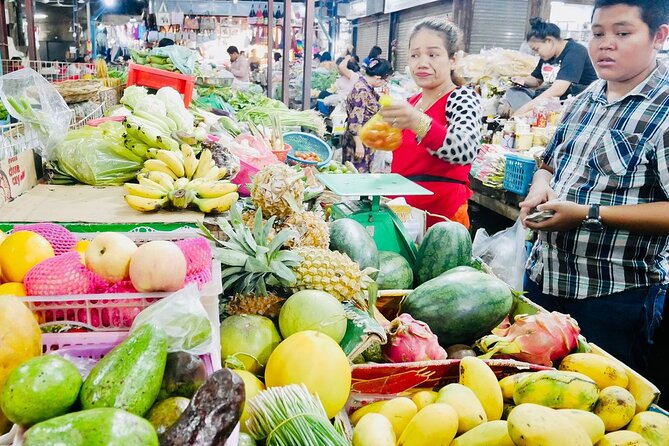
The market visit is a useful first step. You walk through local stalls and see the raw materials that shape everyday Khmer meals. Depending on the day and the dishes selected, you might encounter fresh vegetables, herbs, spices, fruit, and meat.
The value is not only visual. Your teacher explains what the produce is and how it is used. This is a good chance to ask about ingredients you may have seen in Cambodian food without recognizing them. One class participant particularly enjoyed identifying local produce, including dragon fruit, before it became part of the meal.
The market also gives you context for the recipes. Fish amok, curry, salads, and loc lac are not just restaurant names. They are combinations built from ingredients found in the local food system. Seeing those ingredients in their everyday setting helps you understand why the finished dishes taste the way they do.
Do not expect a long food tour through Siem Reap. The market is nearby, and the visit is a short introduction before the cooking begins. That is a sensible arrangement for a three-hour class, though anyone hoping for an extended market excursion may find this part brief.
Choosing Between Fish Amok, Curry, Loc Lac, and Salad
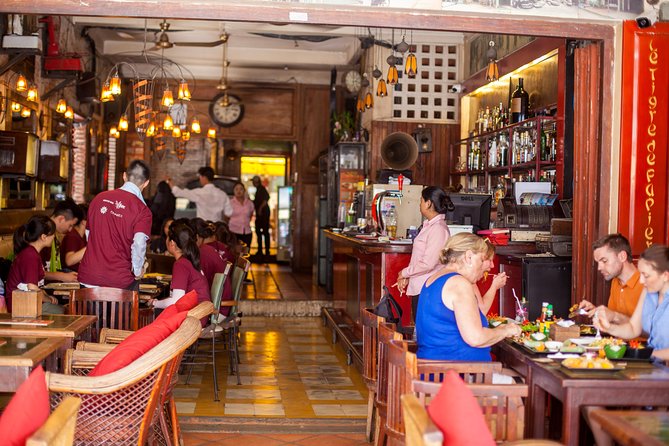
A strong feature of the class is dish selection. The exact menu can vary, but the available choices have included fish amok, chicken curry, beef loc lac, green mango salad, and other Khmer favorites. Vegetarian dishes are also available.
The usual format is one starter, one main dish, and one dessert. You may be able to choose different dishes from another person in your group, which lets you learn more than one recipe. For example, one person might make a vegetarian appetizer and chicken main while another prepares a different combination.
Fish amok is a natural choice if you want one of Cambodia’s best-known dishes. It gives you a chance to work with the fragrant paste and the creamy, gently spiced sauce associated with this classic. Chicken curry offers another look at Khmer seasoning, while beef loc lac is a hearty option with a different texture and flavor profile.
Green mango salad brings freshness and crunch to the meal. It is also a useful dish for learning how sour, sweet, salty, and spicy notes are balanced. Dessert has included flambéed bananas, which provide a fun finish and help make the meal feel like a full restaurant-style course.
The choice matters for vegetarians and cautious eaters. You should tell the teacher what you want before preparation begins, because the group’s selections shape the cooking plan. The provided information confirms vegetarian options, but it does not promise that every dietary restriction can be accommodated.
Sopheap, Sinuon, Channy, and the Teaching Style
The instructor can make or break a cooking class, and this experience has several teachers who receive especially strong praise. Sopheap is repeatedly described as patient, clear, cheerful, and skilled. One family found her particularly good with a child, offering careful help without taking over the cooking.
Sinuon is another frequently named instructor. Her teaching style includes a market walk, clear demonstrations, and hands-on coaching as you try each step. She has also been praised for flexibility when a participant misunderstood the number of dishes included.
Channy is associated with an enthusiastic market tour and a good sense of how much help each person needs. Rith is also named as a guide, although the available comments connect that name with a temple-focused experience as well as cooking, so you should not assume which instructor you will receive.
The individual teacher matters because this is a participatory class. You want someone who explains what to do, watches your technique, and lets you work rather than rushing through a demonstration. The strongest experiences described here include plenty of questions, laughter, and direct guidance.
There is one important qualification. A single participant reported a rushed, unsatisfactory session with poor communication and concerns about food handling, equipment, and recipe accuracy. That account differs sharply from the many positive experiences, but it is still worth taking seriously. If the class feels rushed or something seems unclear, speak up during the session instead of waiting until it ends.
Same kitchen, a different dish:
- Cambodian Village Cooking Class
★ 5.0 · 265 reviews - Cambodian Cooking Class from Siem Reap
★ 4.9 · 190 reviews - Battambang: Cooking Class and Market Touring
★ 4.8 · 80 reviews - Phnom Penh’s Hands-On Khmer Cooking Class in the Countryside
★ 4.9 · 33 reviews
Cooking Outdoors Over an Open Flame
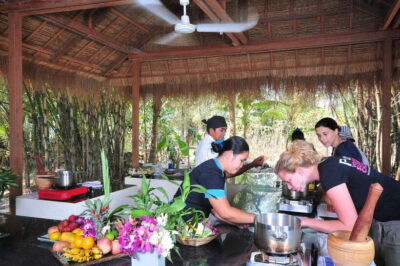
The cooking area is open to the outside and may use an open flame. That setup can feel more connected to everyday Cambodian cooking than a polished indoor demonstration kitchen, but it has practical drawbacks.
Afternoon temperatures can make the space uncomfortable. One participant described the kitchen as extremely hot, with only a fan and no air conditioning. Even a morning class can feel warm once several burners are working, so bring water and wear light, comfortable clothing.
Water deserves special attention. A drink may be offered, but it is not clearly included in the listed price, and one participant was charged extra for a bottle without being told in advance. The safest approach is to bring your own water or ask directly about drink costs when you arrive.
The available information also includes one serious complaint about cleanliness and worn cookware. This is not reflected in the large number of positive accounts, some of which describe the place as clean, but it is a useful reminder to pay attention to basic kitchen hygiene. Wash your hands, use the utensils as instructed, and ask for clarification if you are uncomfortable with how ingredients or tools are handled.
Sitting Down to Eat What You Prepared
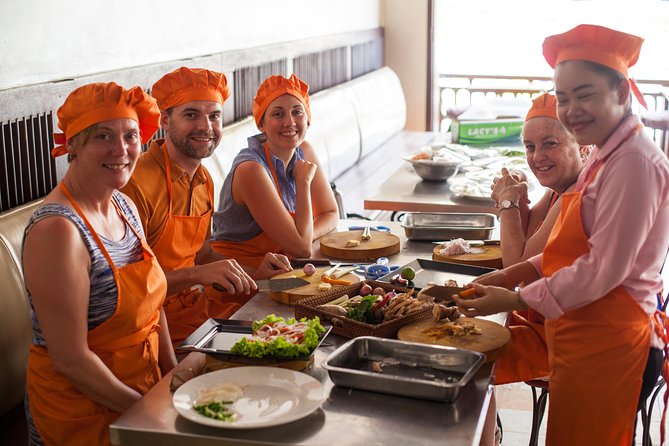
At the end, you sit down for lunch or dinner and eat the dishes made during the class. This is more satisfying than receiving a small tasting plate because the meal is the result of your own preparation.
Portions are often described as generous, with some people unable to finish everything. That gives the $22 price real weight. You are receiving instruction, a market visit, ingredients, a three-course meal, and recipe material, rather than paying only for a short cooking demonstration.
The meal also lets you judge your work. If the curry is too mild, the salad too sour, or the loc lac needs more seasoning, you can ask the teacher what happened. Those final questions are often where the most useful cooking lessons occur.
The class is social by design, with a maximum of 20 people. That is not a tiny private lesson, but it is still limited enough for the teacher to move between participants. Some sessions may be much smaller. Several people booked a group class and found themselves cooking with only one other person, or even alone with the teacher. That can provide extra attention, though it may feel less social than expected.
Recipes You Can Take Home
A digital recipe book is included, allowing you to try the dishes again after leaving Cambodia. This is one of the most useful parts of the experience because a cooking class has limited value if everything disappears once the meal is over.
You should check the recipe material before you leave or confirm how it will be sent. One participant reported receiving recipes that did not match the dishes prepared and having difficulty getting the correct versions afterward. That appears to be an isolated complaint among many people who valued the recipes, but it is worth making sure you have the right dishes recorded.
Take notes during the class if you want to recreate the food accurately. Write down which ingredients you selected, how much paste was used, and any adjustments your teacher made. Digital recipes are helpful, but your own notes can capture the small details that make the meal taste right at home.
Is $22 Good Value in Siem Reap?
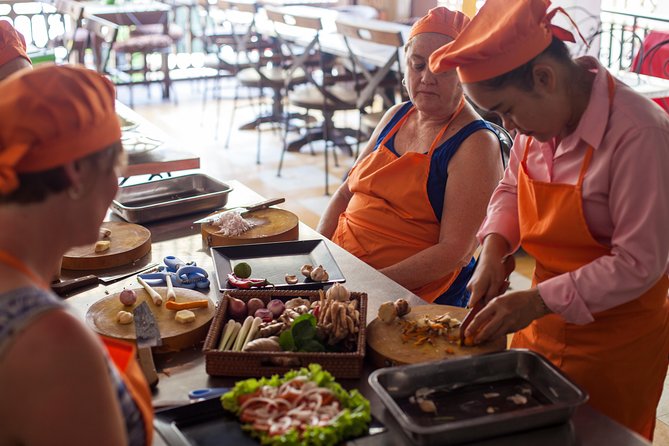
At $22 per person, this is a strong-value activity if you want a meal and a cultural lesson in one outing. The price includes the professional cooking class, the ingredients and food you prepare, lunch or dinner, and a market tour. Private transportation is not included, but the central location keeps that from being a major problem for most people staying in central Siem Reap.
The value improves if you are interested in cooking after the trip. You get practical skills rather than a passive food presentation, plus recipes to use later. Families may also find the class useful because children can take part, provided they fall within the stated age range and can manage knives, heat, and kitchen instructions safely.
It is less compelling if you dislike hot kitchens, open flames, group activities, or hands-on food preparation. You should also avoid booking it as a substitute for a long market tour, since the market portion is short and focused on ingredients for the class.
The experience has a 5 out of 5 rating from 745 reviews and a 99 percent recommendation rate, but the two one-star accounts should not be ignored. Most sessions appear to deliver excellent value, yet service consistency and communication are still worth checking on the day.
Who Should Book This Class?
I would recommend it to first-time visitors who want a quick introduction to Khmer food. It works particularly well early in your stay, since the market walk and ingredient lesson can help you recognize dishes and produce during the rest of your time in Cambodia.
It also suits couples and families. Children from age 8 can take part, and one particularly positive experience involved an instructor patiently teaching a child how to prepare the dishes. Couples can choose different recipes and share the final meal, while solo participants can still benefit from the group setting.
Vegetarians have a reasonable basis to consider the class because vegetarian choices are available. Still, tell the provider your needs clearly before booking, since the available information does not detail vegan, allergy, or cross-contamination arrangements.
The class is not ideal for someone seeking luxury. The cooking space is open-air, the conditions may be hot, and the equipment may be basic. Think of it as a practical local kitchen lesson, not a polished culinary school.
Free cancellation is available if you cancel at least 24 hours before the start time. Changes or cancellations inside that window are not accepted for a refund, so check your schedule before committing.
My Booking Verdict for Paper Tiger
Book this class if you want to cook Khmer food, not simply eat it. The market visit, choice of dishes, patient instructors such as Sopheap and Sinuon, generous meal, and $22 price make it one of the better low-cost food activities in Siem Reap.
Choose a morning session if you want to reduce the risk of excessive heat, and bring water. At the meeting point, confirm the menu, drink arrangements, and how you will receive the recipes. With those small precautions, this is a practical and enjoyable way to take a piece of Cambodian cooking home with you.
FAQ
How long does the cooking class last?
The experience lasts approximately three hours, including the market visit, cooking lesson, and meal.
Where does the class meet?
It meets at Paper Tiger Cooking Class at 9V33+XWF, 59 Street 08, Krong Siem Reap 171000, Cambodia. The activity ends back at the same meeting point.
What dishes can I learn to cook?
Possible dishes include fish amok, chicken curry, beef loc lac, green mango salad, and flambéed bananas. The exact selection can vary, and you generally prepare one starter, one main course, and one dessert.
Are vegetarian options available?
Yes. Vegetarian dishes are available, though the provided information does not specify arrangements for every allergy or dietary restriction.
How many people can join the class?
The maximum group size is 20 people. Some sessions may have fewer participants, depending on bookings.
What does the $22 price include?
The price includes the cooking class with a professional chef, the lunch or dinner prepared during the class, and the historic market tour. Private transportation is not included.
New cooking classes around Cambodia
- Sambo cooking class★ 5.0 · 3 reviews
- Phnom Penh’s Hands-On Khmer Cooking Class in the Countryside★ 4.9 · 33 reviews
- Khmer Food Culture Cooking Class in Kampot★ 5.0 · 7 reviews
- Kampot Countryside: Authentic Khmer Cooking Class★ 4.8 · 21 reviews
- Kampot : Cooking Class in a Local Chef with Market Tour★ 5.0 · 2 reviews
- Cambodian Cooking Class★ 4.9 · 25 reviews
- Cambodian Cooking Class from Siem Reap★ 4.9 · 190 reviews
- Battambang: Cooking Class and Market Touring★ 4.8 · 80 reviews
Siem Reap Cooking Classes, side by side.
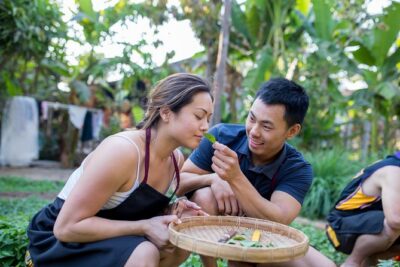
Khmer Cooking Class at a Local’s Home in Krong Siem Reap
Read our review →
Siem Reap: Afternoon Cooking Class & Village Tour
Read our review →This kitchen also appears in