
Review · ATHENS
Athens: Greek Cooking Class with Meal and Drinks
Greek food gets a clever plant-based makeover in this hands-on Athens class. You’ll work in small teams at Soybird Studio in Koukaki, preparing moussaka with cashew béchamel, spanakopita, almond feta, fava, tzatziki, dakos, and dessert before sitting down to a large shared meal.
I especially like the friendly, hands-on format and the chance to make several dishes rather than watch a chef cook one recipe. I also like the small group size, which gives you room to ask questions and handle the food yourself. The main consideration is that the class is vegan, and your team will prepare only some of the dishes, not every recipe from start to finish.
Key points to know before booking
- A full Greek feast: Prepare moussaka, spanakopita, fava, tzatziki, almond feta, dakos, koulouri, and ekmek.
- Vegan by design: The class uses plant-based ingredients, including cashew béchamel and almond feta.
- Real participation: You cook in two small teams instead of simply watching a demonstration.
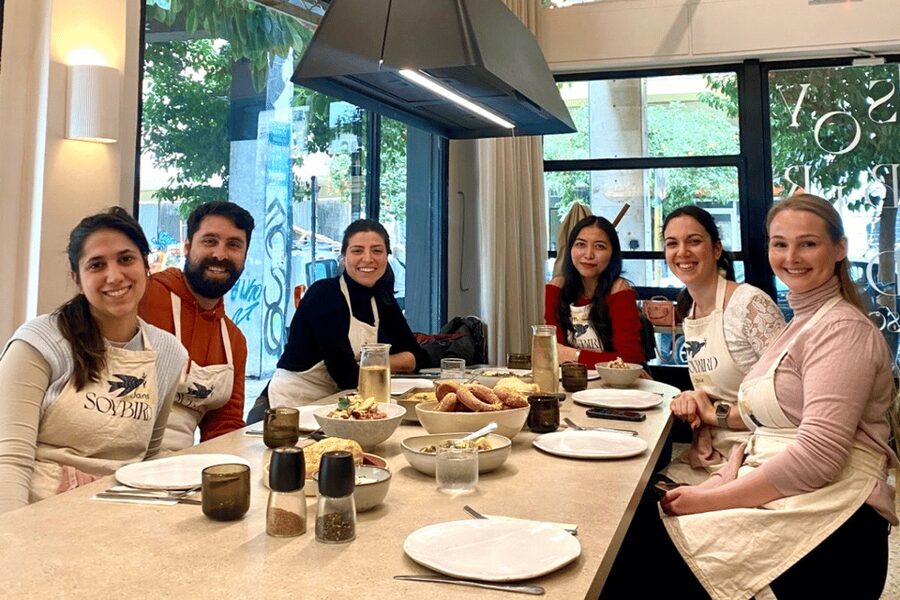
- Social finish: Everyone puts the food on one table and eats together with included drinks.
- Useful take-home gift: An English digital recipe book helps you repeat the dishes at home.
- Good practical fit: The class lasts 3.5 hours, welcomes beginners, and is wheelchair accessible.
Greek cooking near the Acropolis, with a vegan twist
This is not a quick lesson in making one familiar Greek dish. Over three and a half hours, you’ll help create a wide spread of food, then eat the results with the people in your group.
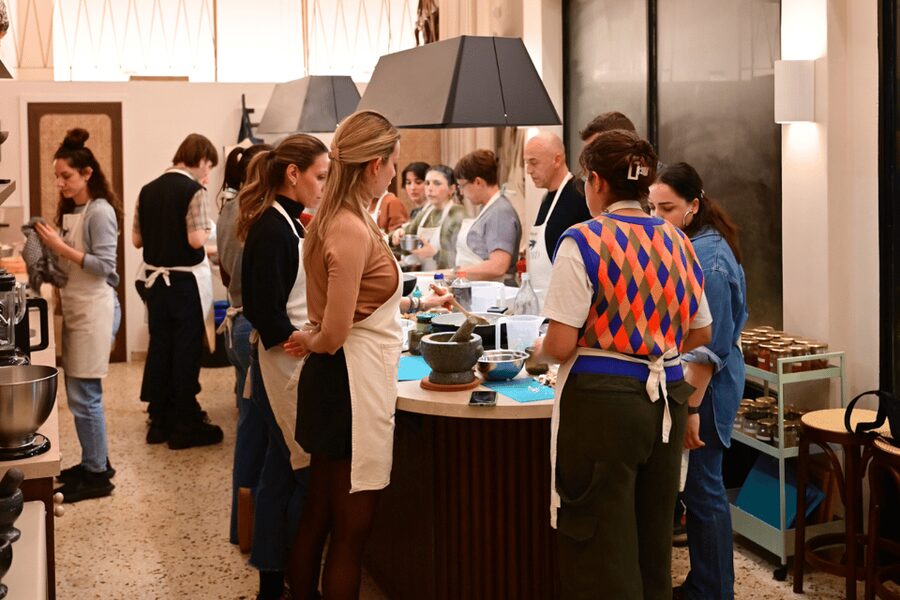
The setting is Soybird Studio in Koukaki, a central Athens neighborhood near the Acropolis. The studio is a modern cooking space with a creative feel, rather than a formal restaurant kitchen. That matters because the class is built around doing, talking, and sharing work.
The food is entirely vegan. That is important to understand before you book. Moussaka arrives with cashew béchamel instead of dairy, feta is made from almonds, and the tzatziki uses a plant-based yogurt-style base. If you are vegan, this is an easy choice. If you are not, you’ll be trying Greek flavors through a different set of ingredients.
The class also suits curious omnivores. Several people who expected to miss meat or dairy found the food satisfying, and some later adapted the recipes at home with regular ingredients. You get to focus on Greek herbs, vegetables, pastry, pulses, nuts, olive oil, and seasoning instead of treating meat or cheese as the center of the meal.
More Greek Cooking Classes around Athens:
- Greek Cooking Class in Athens Including Rooftop Dinner with Acropolis View
★ 5.0 · 826 reviews - Greek Small-Group Athens Cooking Class & Dinner
★ 5.0 · 574 reviews - Athens: Greek Cooking Class & Dinner on a Rooftop
★ 5.0 · 383 reviews
Arriving at Soybird Studio in Koukaki
The meeting point is the Soybird cooking school. Search for SOYBIRD in Google Maps, and arrive 10 minutes early. The school is on the ground floor, at the far right-hand side of the building you see in front of you.
There is no hotel transfer, so you’ll need to make your own way there. Since the studio is in central Athens near the Acropolis, it works well as part of a day in the historic center, but leave enough time to find the entrance without rushing.
Wear comfortable clothes. Cooking means standing, reaching, mixing, and working with pastry, so this is not the place for restrictive outfits or fancy evening clothes. The studio supplies aprons and all cooking tools.
The maximum group size is 14, and classes normally need at least six participants to run. That gives the class enough people for a social meal without turning it into a large crowd. The format is especially useful if you are traveling alone, since the team setup gives you an easy way to meet people.
The opening lesson and two-team setup
The class begins with a short introduction, then the group splits into two teams. Each team helps prepare two dishes, with the hosts moving between the work areas to explain methods, answer questions, and keep the cooking on track.
This arrangement is both a strength and a small limitation. You get genuine responsibility rather than standing behind a counter while someone else does the work. You may roll filo, mix fillings, prepare dips, shape bread, or assemble a dish, depending on your team’s assignment.
The tradeoff is that you will not personally make every recipe from beginning to end. One group might be working on moussaka while another handles spanakopita or dessert. You can see the whole buffet come together, but your own hands will touch only part of it.
That is why the digital recipe book matters. You receive the recipes in English after the class, so you can recreate dishes you did not prepare directly. For a cooking lesson, this is more useful than a souvenir that sits on a shelf.
Hosts have included Alexandra, Dimitra, Dimi, Mirka, Konstantinos, Fotini, Dina, and other English-speaking instructors. The strongest part of the teaching style is patient guidance. You are shown what to do, then encouraged to do it yourself, with help when needed.
What you actually cook during the 3.5 hours
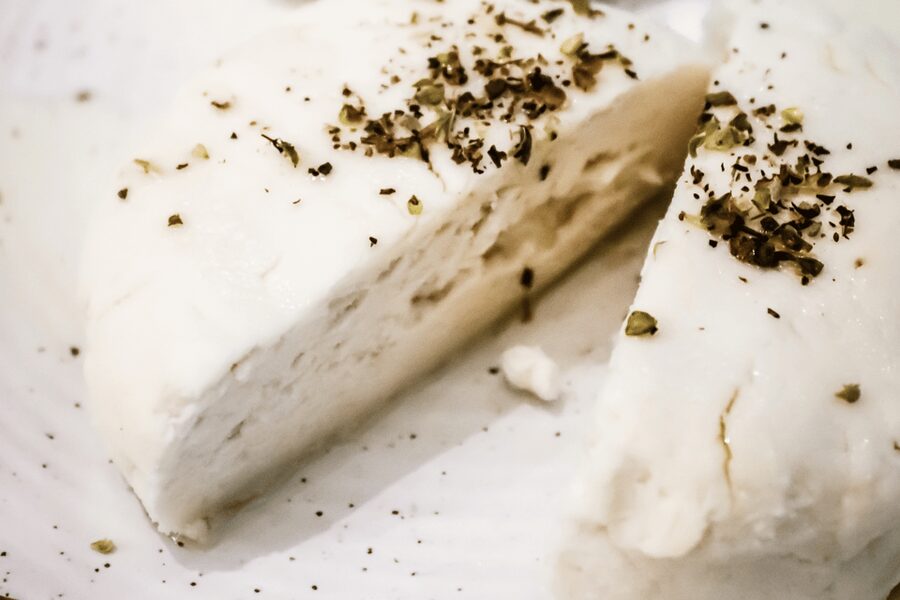
The menu changes slightly in presentation, but the planned spread covers starters, main dishes, bread, dips, and dessert. You should arrive hungry, because the final table can hold far more food than one person expects.
More cooking classes around Athens:
- Athens: Classic Cooking Class with Market Visit and Wine
★ 5.0 · 1,101 reviews - Athens: Food Market Visit and Cooking Class with Wine
★ 4.9 · 1,087 reviews - Athens: Greek Cuisine Cooking Class and 3-Course Dinner
★ 4.8 · 270 reviews - Athens: Kerameikos Stone House Cooking Class
★ 5.0 · 165 reviews
Moussaka with cashew béchamel
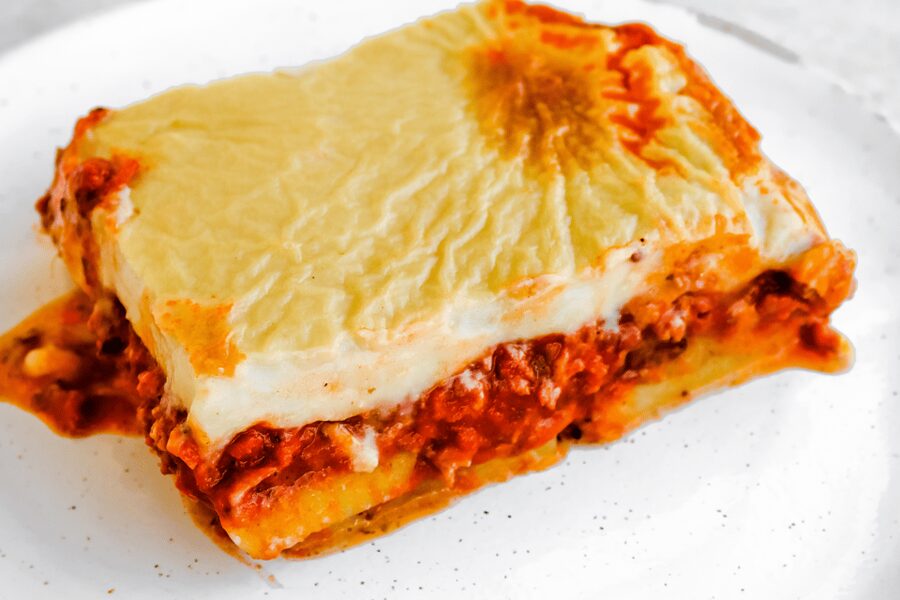
Moussaka is one of Greece’s best-known comfort foods, usually built with layered vegetables, savory filling, and a creamy topping. Here, the béchamel is made with cashews, keeping the dish vegan while preserving its rich texture.
This is one of the best dishes for seeing how plant-based cooking works. The satisfaction comes from layering, seasoning, and oven preparation, not from simply replacing meat with a packaged substitute.
Spanakopita
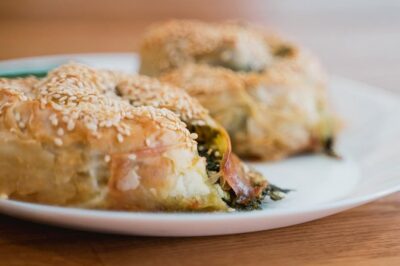
Spanakopita is a spinach pie made with filo pastry. The pastry work adds a practical skill to the class, and one session even included making filo from scratch, which turned out to be a surprisingly enjoyable group task.
Do not expect perfect pastry on your first try. That is part of the point. You get a feel for handling delicate dough, spreading filling, and working with care instead of treating cooking as a set of instant steps.
Almond feta
The almond-based feta is one of the more unusual items on the menu. It gives you a new way to think about a familiar Greek ingredient, with nuts providing body and flavor in place of dairy.
This dish is especially useful if you want to bring home one recipe that will spark conversation. It is also a good example of the class’s approach: keep the character of Greek food while changing the ingredients.
Fava and tzatziki
Fava is a smooth yellow split-pea dip often served as a simple Greek meze. Tzatziki brings cucumber, herbs, and cool creaminess to the table through a vegan yogurt-style mixture.
These are approachable recipes for beginners and useful additions to a home kitchen. They also give the meal contrast, since the final table includes soft dips alongside baked dishes, pastry, bread, and dessert.
Dakos, koulouri, and ekmek
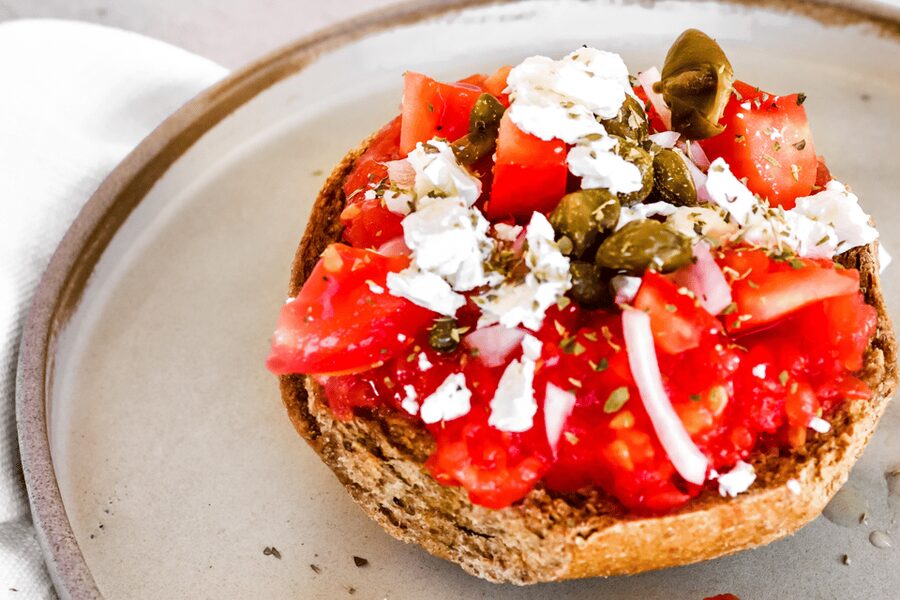
Dakos is a Greek preparation built around crisp bread, tomatoes, and toppings. Koulouri refers to sesame rings, giving you a chance to work with a Greek bread-style snack. Ekmek is a dessert specialty and provides the sweet finish.
The result is more than a single plate. You get a sequence of textures and flavors, from crisp sesame bread to creamy dips, layered moussaka, flaky pastry, and dessert.
The shared buffet is the best part of the timing
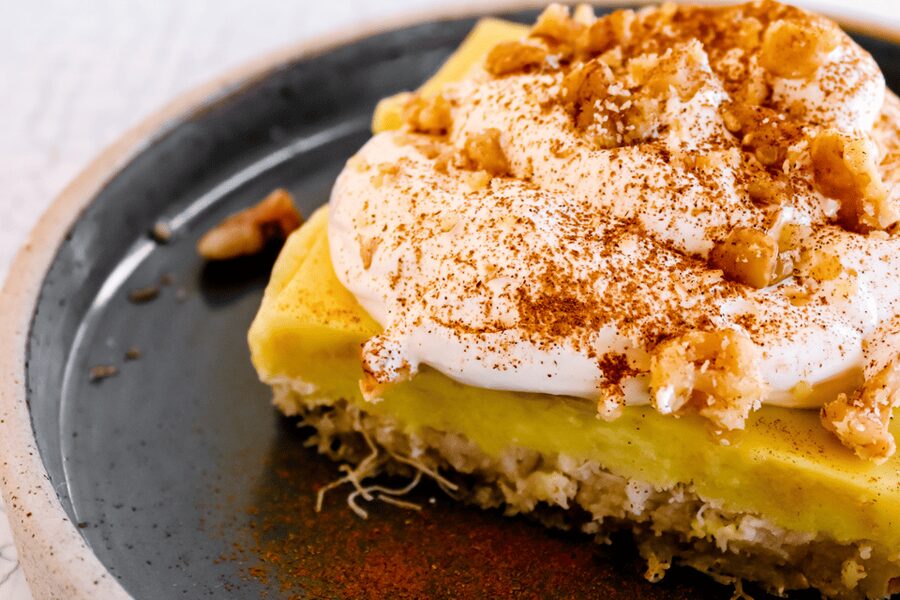
Once the cooking is finished, the class sits down together and eats the food prepared by both teams. This is not a small tasting portion. The amount is generous, and the table may hold eight or nine different plates.
Wine, beer, ouzo, infused water, water, and coffee are included. The information specifies one glass of wine or beer among the included provisions, so you should think of the drinks as a pleasant addition to the meal rather than an open bar.
The shared buffet changes the mood of the class. During the cooking, you are focused on tasks and instructions. At the table, you can compare dishes, talk with the other participants, and enjoy the payoff together.
I like this format more than a class where everyone cooks one individual serving and leaves. Here, your meal depends partly on the work of your team and partly on the work of everyone else. It creates a small sense of cooperation, and it means you get to taste a broader range of food.
Teaching style and group atmosphere
The instructors are the main reason this class works for beginners. The teaching is designed to let you take over the work while still providing support. You can ask for help, learn new techniques, and make mistakes without being left on your own.
The atmosphere is informal. People who arrive alone can join a team easily, and groups of friends can share the activity without needing advanced cooking skills. Some sessions have felt more like cooking with friends than attending a formal lesson.
The hosts also explain how to adapt the recipes. That is valuable if you are not vegan but want to use the methods with dairy, eggs, or other ingredients at home. You can learn the plant-based version first, then decide which parts to keep or change in your own kitchen.
The social side is strong, but it is not forced. You’ll work together because the class is organized that way, then share a table at the end. If you want a quiet, private lesson with individual attention from one chef, this may not be the right fit. If you enjoy meeting people while doing something practical, the format makes sense.
Is the $93 price good value?
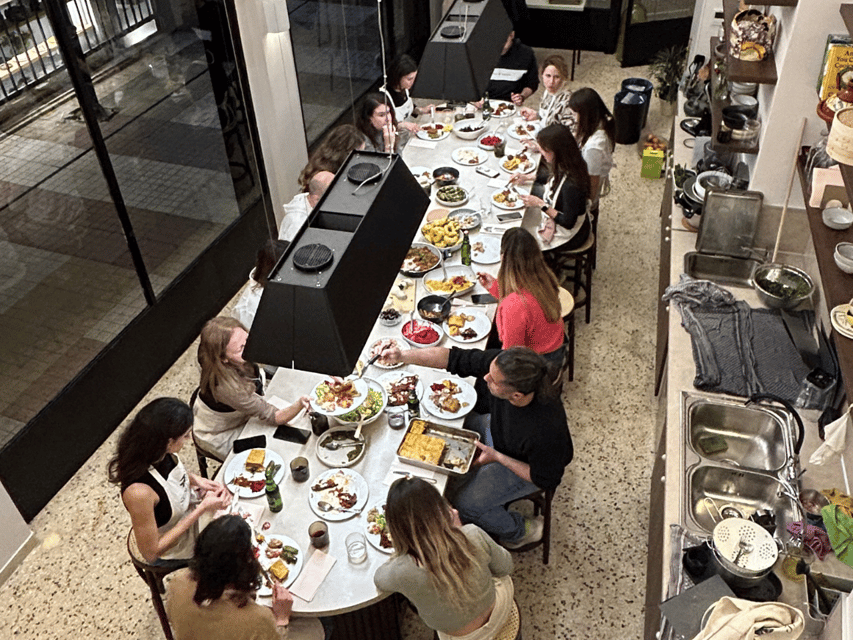
At $93 per person, this is not the cheapest meal in Athens. You can eat Greek food for much less at a taverna. The value comes from the amount of food, the 3.5-hour activity, the instruction, the drinks, the ingredients, the apron, the studio, and the recipe book.
You are also getting a full meal rather than a small sample. With several dishes on the table, most people will leave well fed. The digital recipes add lasting value, especially if you plan to cook Greek food after returning home.
For a visitor who wants only dinner, the price is high. For someone comparing it with a guided food activity, a craft workshop, or a long restaurant meal, the cost is more reasonable. You spend the evening learning techniques and eating what you helped prepare.
I would call it good value for solo visitors, couples, food-minded families with older children, and anyone who wants a social activity near the Acropolis. Children under eight are not accepted, so families with younger children should choose another plan.
Who should book this Greek cooking class?
Book it if you want to participate rather than watch. The work is shared, but you will still chop, mix, shape, assemble, and cook under guidance.
It is also a strong choice if you are vegan or interested in reducing meat and dairy. The menu proves that Greek cooking has plenty to offer through vegetables, grains, beans, nuts, herbs, pastry, and olive oil.
Non-vegans should not assume the class will feel like a compromise. The dishes are designed as vegan food from the start, and the recipes focus on flavor and texture rather than trying to disguise every ingredient.
Solo visitors can also book with confidence. The two-team format gives you a natural place in the group, and the shared meal creates time to talk. Couples and friends will enjoy it too, though you may be assigned to different dishes.
I would skip it if you need a private class, dislike group cooking, or want to learn every dish in equal detail. You should also read the vegan menu carefully if you are specifically looking for meat-based Greek recipes or classic dairy feta.
Practical details that affect your decision
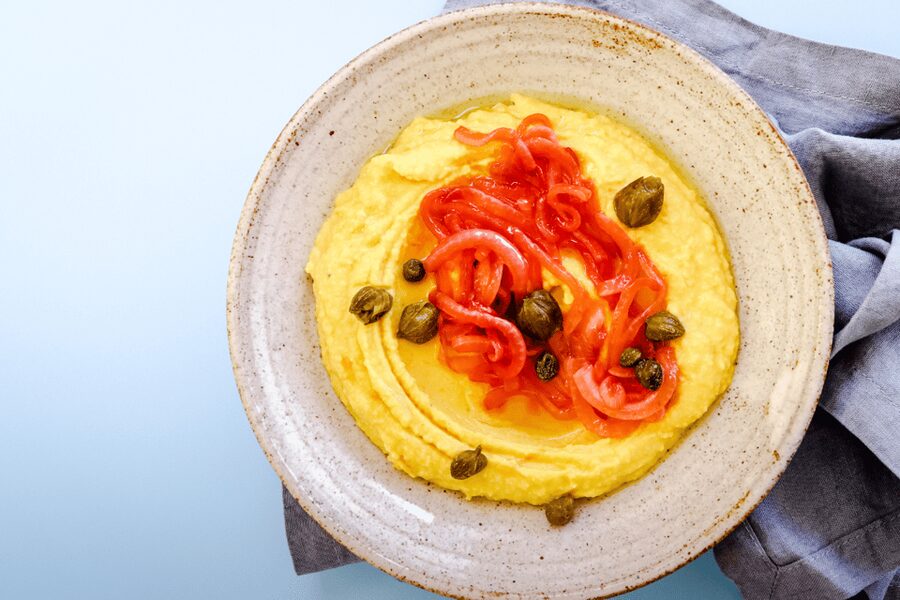
The class is conducted in English, with English and Greek-speaking hosts. It is wheelchair accessible, and the school provides the equipment and apron.
Free cancellation is available up to 24 hours before the activity for a full refund. You can also reserve now and pay later, which helps if your Athens schedule is still changing.
Plan to arrive 10 minutes before the start. Bring comfortable clothes, and do not eat a large meal beforehand. The final buffet is generous, and arriving hungry is one of the few pieces of advice I would give without hesitation.
Should you book it?
I would book this class if you want a relaxed Athens evening built around food, conversation, and practical skills. The strongest reasons are the large shared feast, the patient instructors, the unusual vegan versions of classic dishes, and the recipe book you can use at home.
The main compromise is the team structure. You will cook several dishes, but not every dish yourself. At $93, that makes the class best for someone who values the full experience, not just the meal.
For vegan cooks, curious food lovers, solo visitors, and anyone wanting a break from sightseeing, this is a very good fit. Arrive early, wear comfortable clothes, and save room for ekmek.
FAQ
Where does the cooking class take place?
It takes place at Soybird Studio in Koukaki, central Athens, near the Acropolis. Search for SOYBIRD in Google for directions. The school is on the ground floor at the far right-hand side of the building in front of you.
How long does the class last?
The cooking class lasts 3.5 hours. Starting times vary, so check availability when booking.
Is the food fully vegan?
Yes. The class prepares vegan versions of Greek dishes, including moussaka with cashew béchamel, almond feta, vegan tzatziki, fava, spanakopita, dakos, koulouri, and ekmek.
What drinks are included?
Included drinks include water, infused water, coffee, white wine, beer, and ouzo. The activity information specifies one glass of wine or beer as part of the included provisions.
Do I receive the recipes?
Yes. You receive a digital recipe book in English so you can prepare the dishes at home.
Can children join the class?
Children under eight are not permitted. The activity is wheelchair accessible, and comfortable clothing is recommended.
New cooking classes around Athens
- Greek Phyllo and Pie Cooking Class in Athens★ 5.0 · 4 reviews
- Greek Cooking Class with Acropolis View★ 4.9 · 51 reviews
- Athens: Cooking Class, Market Visit & Lunch at Local Tavern★ 4.9 · 27 reviews
- Cook like a Greek in a cooking Class in the heart of Athens★ 5.0 · 12 reviews
- Athens Market Tour and Cooking Class in a Beautiful Garden★ 5.0 · 8 reviews
- Athens: Traditional Greek Cooking Class with Full Meal★ 4.8 · 26 reviews
- Athens: Greek Souvlaki Pita Gyros Cooking Class with a Local★ 5.0 · 38 reviews
- Athens: Kerameikos Stone House Cooking Class★ 5.0 · 165 reviews
Athens Cooking Classes, side by side.
Athens: Classic Cooking Class with Market Visit and Wine
Read our review →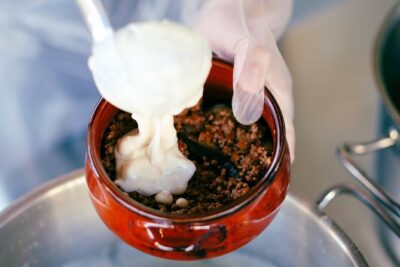
Greek Cooking Class in Athens Including Rooftop Dinner with Acropolis View
Read our review →
Greek Small-Group Athens Cooking Class & Dinner
Read our review →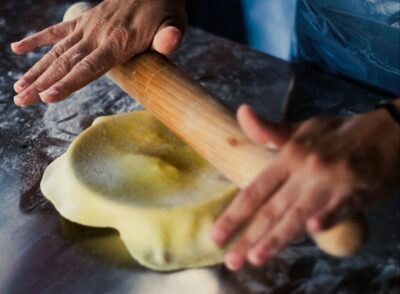
Athens: Greek Cooking Class & Dinner on a Rooftop
Read our review →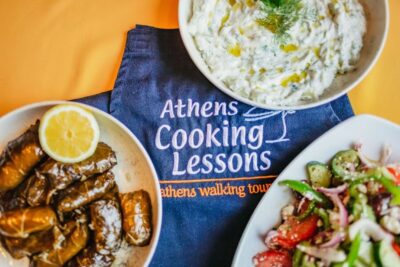
Athens: Greek Cuisine Cooking Class and 3-Course Dinner
Read our review →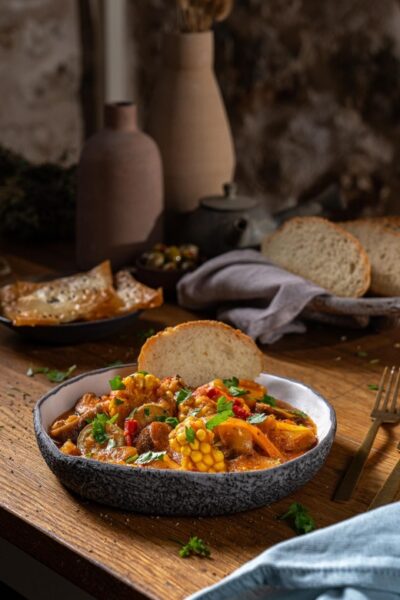
Athens Cooking Class and Lunch in our beautiful garden in Greece
Read our review →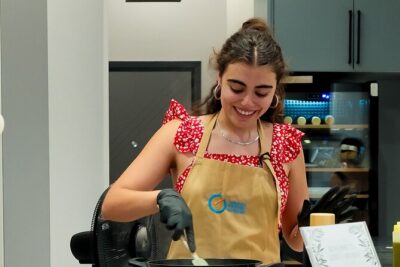
Athens Market Tour and Cooking Class in a Beautiful Garden
Read our review →This kitchen also appears in