
Review · NAPLES
Cooking Lesson: Neapolitan pasta homemade
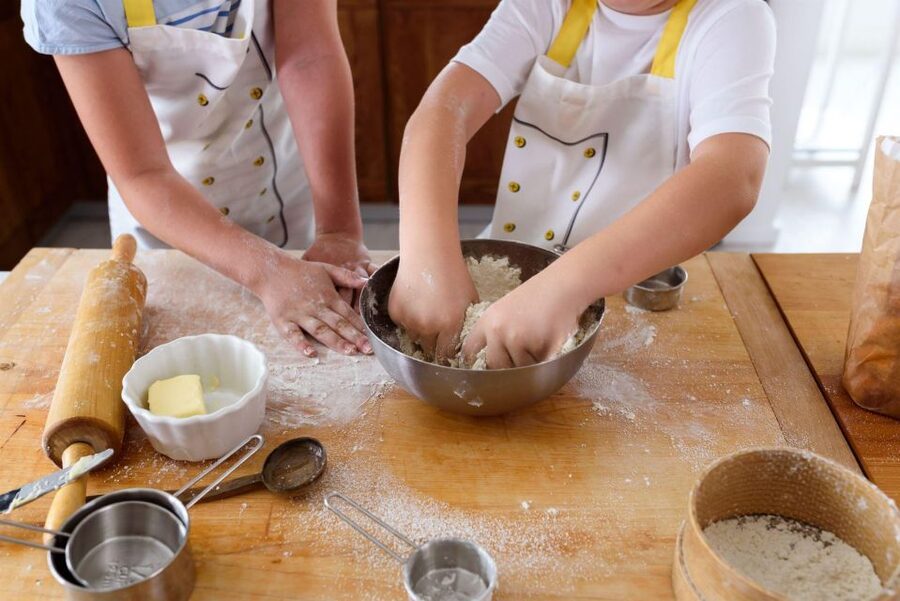
The best part of this two-hour Naples cooking class is its old-fashioned method. You knead egg dough, roll it with a pin, and cut it by hand, without a pasta machine. That gives the lesson a useful connection to the way Neapolitan families once made fresh pasta at home.
I like the pause while the dough rests, when you taste Vesuvian tomatoes, homemade bread, and other organic local products. I also like the practical finish: you eat the pasta you made, including fettuccine with Neapolitan sauce and ravioli with ragù. The main drawback is clear: this is not suitable for anyone with gluten intolerance, and two hours leaves little room for a slow, leisurely class.
Key points
- Hand-rolled dough: Learn the traditional method with a rolling pin rather than a pasta machine.
- Several pasta shapes: Make fettuccine and ravioli, with demonstrations of tagliolini and pappardelle.
- Chef Amos leads the lesson: He explains the family recipe, dough ingredients, fillings, and sauces.
- Local tasting included: Try Vesuvian tomatoes, homemade bread, and organic products during the dough’s resting time.
- A complete meal follows: Eat the fresh pasta with two sauces, plus one alcoholic or non-alcoholic drink.
- Central Naples setting: Meet at Naples Cooking Lab on Spaccanapoli, with occasional classes held at Pizzeria Mammina in Galleria Umberto I.
Why hand-rolled pasta makes this Naples class different
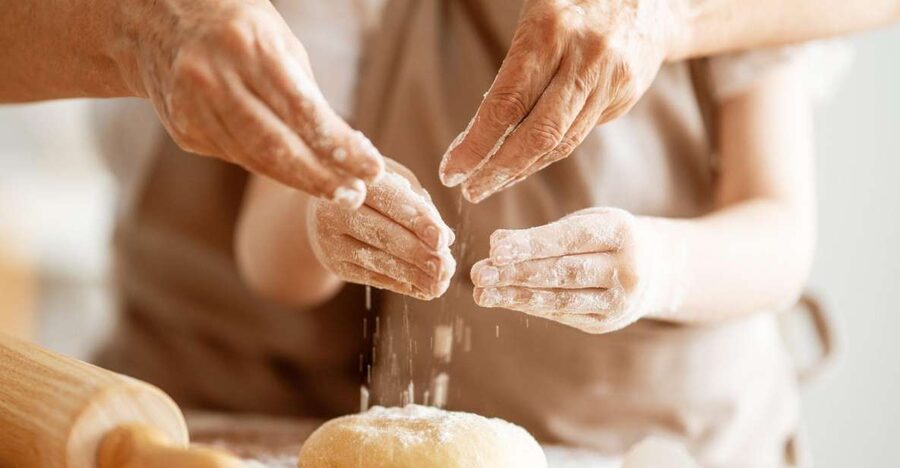
Many pasta lessons rely on a machine to flatten the dough. That is efficient, but it can make the process feel a bit like a small factory line. Here, the rolling pin stays in your hands. You feel the dough change as you work it, and you learn a method tied to home cooking rather than restaurant equipment.
The lesson begins with an explanation of the main pasta types. You then move on to egg pasta made from a family recipe. The instructor explains the ingredients before you start, so you are not simply copying motions without knowing what each part does.
That practical context matters. Fresh pasta is not just flour, eggs, and a quick stir. The dough needs kneading, resting, rolling, and cutting. In a short class, you get a clear view of the whole process, from raw ingredients to a plated meal.
Chef Amos is the named instructor in the available class feedback. He is described as friendly and ready to explain each step during the activity. The teaching languages are English, Italian, French, and Spanish, which gives you a fair chance of following the lesson even if Italian is not your first language.
More Pasta Making Classes in Naples:
- Naples: Pasta Making Class with Starter and Drink
★ 4.9 · 1,060 reviews - Naples: Pasta Cooking Class with Tiramisù and a Drink
★ 4.6 · 415 reviews - Naples: Fresh Pasta Cooking Class and Dinner with a Local
★ 4.9 · 69 reviews
Arriving at Naples Cooking Lab on Spaccanapoli
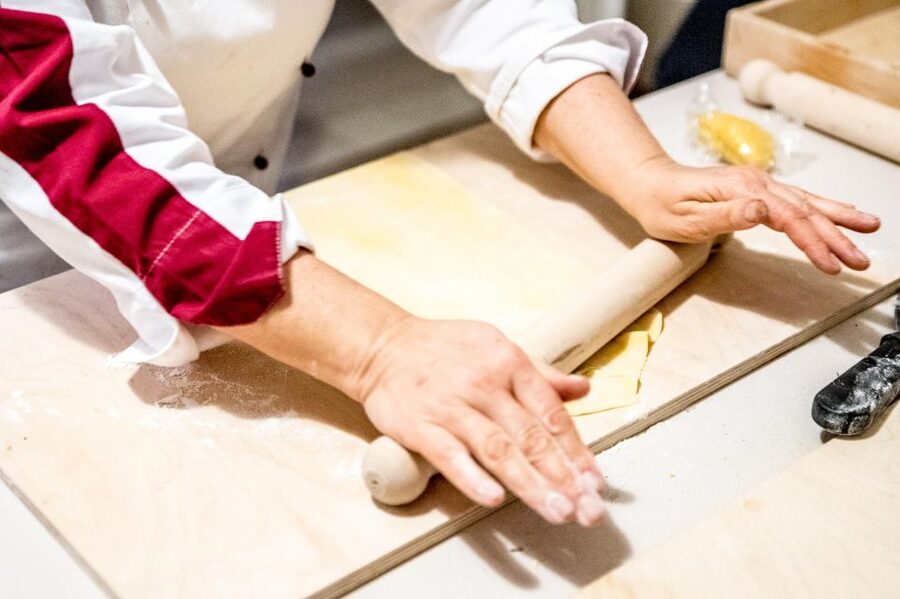
The usual meeting point is Naples Cooking Lab on Spaccanapoli, in the heart of Naples’ historic center. This is a handy location if you are already exploring central Naples, since you will not need a separate trip out to the suburbs or countryside for the class.
Spaccanapoli is one of the city’s best-known old streets, so allow enough time to find the meeting point. The exact starting time depends on the schedule, and you should check availability when booking. The class lasts two hours, so arriving promptly matters. A late start would cut into the hands-on work and the meal at the end.
The class may sometimes take place at Pizzeria Mammina in Galleria Umberto I instead. You are told in advance if the venue changes. Check your final meeting details before setting off, especially if you are planning the class around a museum visit, a train, or dinner.
The location also shapes the feel of the experience. This is not a countryside farm visit or a long food tour. It is a focused city-center lesson that fits neatly into a day of seeing Naples on foot.
The dough lesson starts with family methods
The first stage covers the differences between types of pasta. That may sound basic, but it gives you a useful framework for the rest of the class. Fettuccine, tagliolini, pappardelle, and ravioli are not simply different names for the same thing. They vary in width, shape, and how they hold sauce or filling.
You then make egg pasta following the instructor’s family recipe. The dough is kneaded by hand, and the ingredients are explained as you go. The phrase dough of the 1800s points to the class’s focus on older methods, although you should think of this as a traditional recipe and technique lesson rather than a museum demonstration.
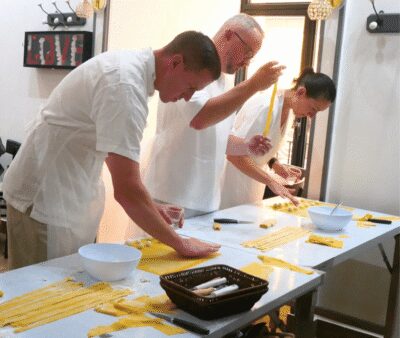
The hands-on part is the reason to book this class. You are not just watching an instructor make pasta while you take a few photographs. You knead the dough yourself, help roll it out, and cut it into pasta shapes.
The rolling is done with a pin, not machinery. This takes more effort and may produce less uniform pasta than a machine, but that is part of the point. You get a better feel for the texture and thickness, and you learn a method you can repeat in a home kitchen without special equipment.
Vesuvian tomatoes and homemade bread during the rest
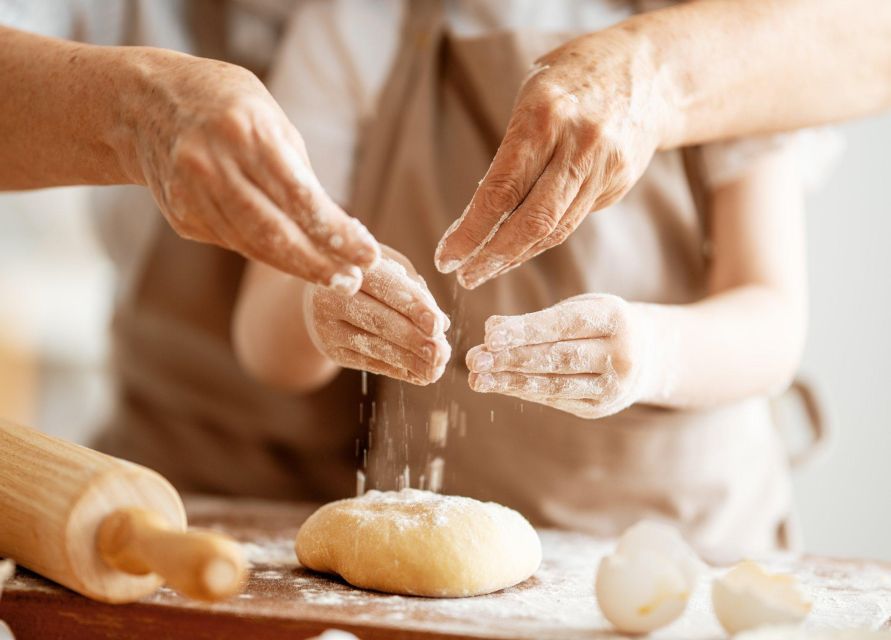
While the dough rests, the lesson includes a local starter. You taste organic products, tomatoes from Vesuvius, and homemade bread. This pause gives you a break from the work, but it also explains why ingredient quality matters in southern Italian cooking.
The tomato tasting is especially relevant to the final meal. Neapolitan pasta does not need a long list of complicated additions when the basic ingredients are good. Local tomatoes, bread, pasta, and sauce carry much of the flavor.
I like this part because it connects the cooking task with the food on the table. You are not treating pasta as an isolated craft project. You are also learning how the ingredients around it affect the meal.
Keep in mind that the class includes a local appetizer, but the supplied details do not specify every item served. The ingredients may vary. What is fixed is the inclusion of the starter, the Vesuvian tomato tasting, homemade bread, and one alcoholic or non-alcoholic drink.
More Italian Cooking Classes around Naples:
- Naples: Neapolitan Pizza and Tiramisu Cooking Class
★ 4.9 · 258 reviews - Naples: Traditional Italian Food Cooking Class at Restaurant
★ 4.8 · 106 reviews - Cooking Class – Gnocchi like an Italian Grandma
★ 4.9 · 20 reviews - Cooking Class and Lunch at a Tuscan Farmhouse with Local Market Tour from Florence
★ 5.0 · 4,831 reviews
Cutting fettuccine, ravioli, and other shapes
Once the dough has rested, you roll it out with the traditional pin. The instructor then shows you how to cut fettuccine and shape ravioli. You also see how tagliolini and pappardelle are prepared.
This is a useful range for a short lesson. Fettuccine gives you a familiar long pasta shape. Ravioli adds a filled pasta, which requires more care because the dough must seal around its filling. Tagliolini and pappardelle show how changing the width alters the finished pasta.
The class includes mixing the ingredients for the ravioli filling and combining the filling with the pasta. The information provided does not name the exact ingredients, so do not book this expecting a particular filling. The important point is that you take part in the filling process rather than only learning plain pasta.
The shape-making stage can be the most fiddly part. Ravioli must be handled carefully, and hand-cut strips may not all look identical. That is not a flaw. It is the normal result of learning an old technique, and it gives your meal a handmade character.
From worktable to Neapolitan lunch or dinner
When the pasta is ready, it is cooked in water for a few minutes and served with two different sauces. The stated meal includes tagliatelle with Neapolitan sauce and ravioli with ragù. The activity description also refers to fettuccine, so the exact naming of the long pasta may vary during the class, but you should expect fresh long pasta and filled pasta as the main dishes.
This is where the $92 price begins to make more sense. You are paying for the instruction, the kitchen tools, the apron, the ingredients, the appetizer, the meal, and one drink. You also receive a chef diploma at the end. It is not a bargain meal if you judge the cost only by the amount of food, but it is a reasonable package if you want a short cooking lesson and lunch or dinner in one sitting.
The sauces also let you taste the difference between the pasta shapes. A simple Neapolitan sauce works with long strands, while ragù gives the ravioli a fuller, heavier finish. You get to eat the results while the process is still fresh in your mind.
The class is designed for a shared meal with the people in your work group. That makes it suitable for couples, friends, families, or a small celebration. One class was organized for a bachelorette party, and the format worked well for a group looking for a hands-on activity rather than another bar or restaurant stop.
What the reviews reveal about the teaching style
The strongest praise centers on three things: learning pasta from scratch, using traditional hand-rolling, and enjoying the final food. One participant specifically appreciated making pasta without a machine and found the finished meal delicious. Another said the class was fun and useful enough to inspire cooking the recipes at home.
That is a good sign for anyone who wants a skill rather than a staged food presentation. The class appears to give you enough explanation to understand the basic process, while keeping the pace active.
Chef Amos received particular praise for being friendly and willing to explain each step throughout the activity. That matters in a short class. If the instructor rushed through the dough or left you guessing about the ravioli, the two-hour schedule would feel tight. Clear instruction helps the lesson stay practical.
Still, keep your expectations realistic. Two hours is enough to learn the sequence and make a meal, but not enough to master every pasta shape. You will leave with a working introduction to egg pasta, not professional-level technique.
Is $92 a fair price for two hours?
At $92 per person, this is priced as a full activity rather than a cheap cooking demonstration. The value depends on what you want from your Naples food experience.
The price includes:
- Kitchen tools and an apron
- Instruction with the chef
- A local appetizer
- Fresh pasta for lunch or dinner
- One alcoholic or non-alcoholic drink
- A chef diploma
You pay extra for later drinks, since only the first drink is included. That is a small detail, but it is worth knowing if you expect to linger over the meal.
Compared with simply ordering pasta in Naples, the class costs more. You are paying for the time, teaching, ingredients, and chance to make the food yourself. Compared with a longer cooking course, it is a compact option that fits into a busy sightseeing schedule.
I would call it good value for people who care about the activity as much as the meal. If you only want an inexpensive plate of pasta, choose a restaurant instead. If you want to learn a traditional method and eat the result, the price is easier to justify.
Who should book this cooking lesson?
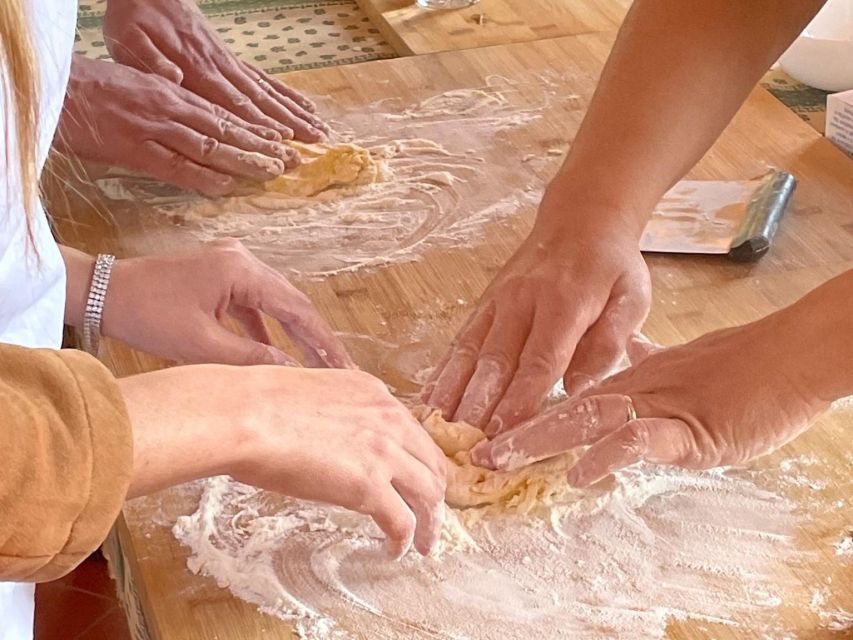
This class suits first-time pasta makers, food-focused visitors, and people who like practical activities. You do not need a pasta machine at home to repeat the basic rolling and cutting method, which makes the lesson especially useful for home cooks.
It also suits groups. The shared meal gives the class a social finish, and the bachelorette-party booking shows that the format can work for a celebration. The available teaching languages are English, Italian, French, and Spanish.
Families may also appreciate the activity, though the supplied information does not state a minimum age. If you are booking for children, confirm the age rules before paying.
People with gluten intolerance should not book this activity. The class is based on wheat pasta, and it is specifically listed as unsuitable for gluten intolerance.
The venue is wheelchair accessible, but the activity still involves working at a kitchen station and handling dough. If you have specific access needs, confirm the arrangements with the provider before booking.
Practical details before you reserve
You can cancel up to 24 hours before the activity for a full refund. The reserve-now, pay-later option lets you hold a place without paying at the time of booking, which is useful when your Naples plans are still shifting.
The meeting point is normally Naples Cooking Lab on Spaccanapoli. On some dates, the venue changes to Pizzeria Mammina in Galleria Umberto I, and you are informed in advance. Check the location carefully so you do not walk to the wrong end of central Naples.
The class lasts two hours, with starting times shown according to availability. Since the lesson includes kneading, resting, rolling, filling, cooking, and eating, it is best treated as a complete block of time rather than something you can squeeze between two tightly timed attractions.
A separate entrance is available for the activity, so you should not need to wait in a general line at the venue. Tools and aprons are provided, which means you do not need to bring kitchen equipment.
Should you book the Neapolitan pasta lesson?
Book it if you want to make fresh pasta by hand, learn a family-style method, and eat a proper meal in central Naples. The combination of rolling-pin technique, Vesuvian tomatoes, ravioli filling, two sauces, and a chef-led lesson gives the experience more substance than a quick pasta demonstration.
Skip it if you are gluten intolerant, if you want a low-cost meal, or if you prefer a long, relaxed cooking course with time to perfect each shape. Two hours moves at a useful but brisk pace.
For most food-focused visitors, this is a solid choice, especially if you value the memory of making your own lunch or dinner. You will not leave as a pasta expert, but you should leave knowing how the dough is made, how several shapes are cut, and why simple Neapolitan ingredients matter.
FAQ
Where does the cooking lesson take place?
The usual meeting point is Naples Cooking Lab on Spaccanapoli, in the heart of Naples’ historic center. The class may sometimes be held at Pizzeria Mammina in Galleria Umberto I, and you will be informed in advance if the venue changes.
How long does the activity last?
The cooking lesson lasts two hours.
How much does the experience cost?
The listed price is $92 per person.
Which pasta shapes will I learn to make?
You will make fettuccine and ravioli. The chef also shows you how to prepare tagliolini and pappardelle.
Do we use a pasta machine?
No. The dough is rolled with a rolling pin using traditional methods.
Is a meal included?
Yes. The experience includes a meal of fresh pasta, including long pasta with Neapolitan sauce and ravioli with ragù.
Is a drink included?
One alcoholic or non-alcoholic drink is included. Additional drinks after the first one are not included.
Are kitchen tools and aprons provided?
Yes. Kitchen tools and aprons are included.
Is the activity suitable for someone with gluten intolerance?
No. The activity is specifically listed as unsuitable for people with gluten intolerance.
Which languages are available?
The instructor can teach in English, Italian, French, and Spanish.
New cooking classes around Naples
- Naples: Hands-On Pasta Class Making Gnocchi & Tagliatelle★ 5.0 · 18 reviews
- Naples: Traditional Italian Food Cooking Class at Restaurant★ 4.8 · 106 reviews
- Naples: 3 Recipes Cooking Class at Local’s Home★ 4.8 · 5 reviews
- Naples: Pasta and Gelato Cooking Class★ 4.9 · 8 reviews
- Naples: Pasta and Tiramisu Cooking Class with Local Chef★ 4.9 · 50 reviews
- Naples: Fresh Pasta Cooking Class and Dinner with a Local★ 4.9 · 69 reviews
- Naples: Markets and Cooking Class at Local’s Home★ 4.7 · 3 reviews
- Cooking Class with Chef Alfio★ 5.0 · 3 reviews
Naples Cooking Classes, side by side.
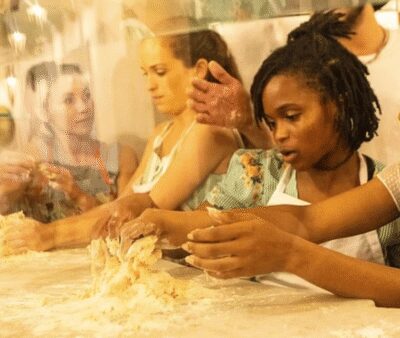
Naples: Pasta Making Class with Starter and Drink
Read our review →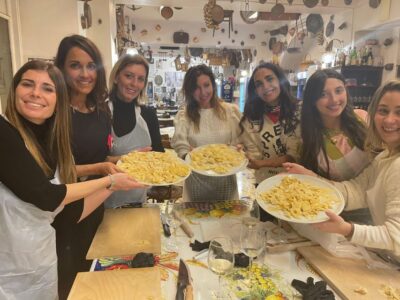
Naples: Pasta Cooking Class with Tiramisù and a Drink
Read our review →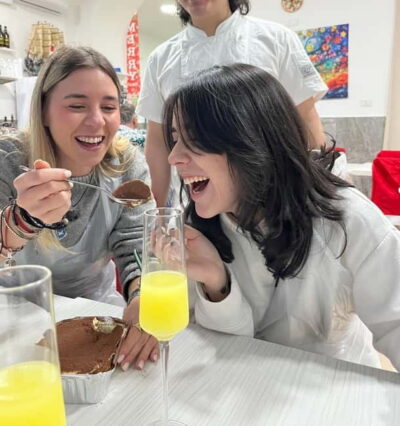
Naples: Neapolitan Pizza and Tiramisu Cooking Class
Read our review →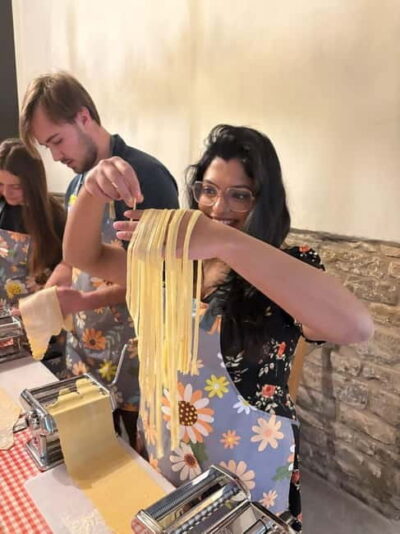
Naples: Traditional Italian Food Cooking Class at Restaurant
Read our review →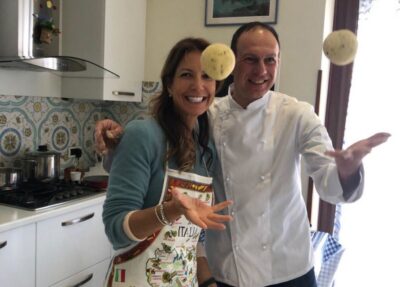
Naples: Fresh Pasta Cooking Class and Dinner with a Local
Read our review →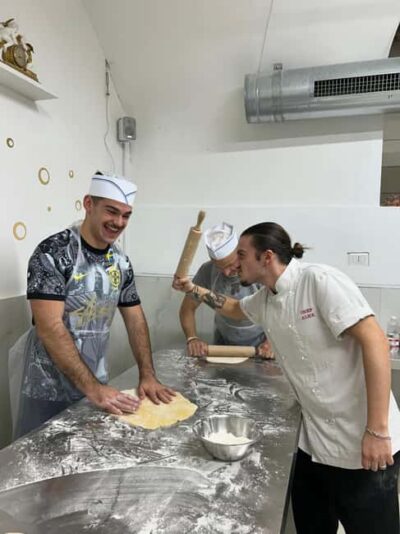
Naples: Pasta and Tiramisu Cooking Class with Local Chef
Read our review →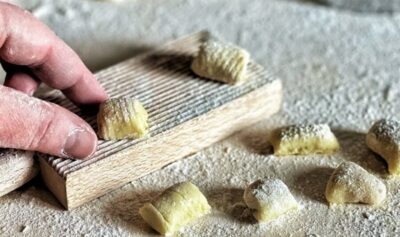
Naples: Hands-On Pasta Class Making Gnocchi & Tagliatelle
Read our review →This kitchen also appears in