
Review · DA NANG
Da Nang: Coffee Making And Cooking Class
Vietnamese coffee is not a quick cup grabbed on the way to the beach. It is a slow ritual built around strong Robusta beans, a small metal phin filter, and plenty of patience. At Jolie Cooking Class, you learn that ritual, then put your energy to work preparing traditional Da Nang food.
I like the small-group format, which gives you room to ask questions and repeat a recipe if something goes wrong. I also like the range of tastes: egg, salt, and coconut coffee show three very different sides of Vietnamese café culture. The main caution is the caffeine. Four coffee preparations, plus a full cooking session, can leave you feeling highly energized, so eat something beforehand and go easy on caffeine earlier in the day.
Key points at a glance
- Four and a half hours near Dragon Bridge: The class combines coffee instruction, cooking, and a sit-down meal at 14 An Trung Dong 6.
- Three famous Vietnamese coffee styles: You learn phin brewing and taste egg coffee, salt coffee, and coconut coffee.
- English-speaking instructors: Rosie, Nhan, and Kate have been praised for clear explanations, patience, and a good sense of humor.
- Hands-on cooking: You chop ingredients and prepare traditional Da Nang dishes yourself, rather than simply watching a demonstration.
- Small-group attention: The setting suits beginners and lets you ask questions as you work.
- Morning or afternoon start: Choose 8:30 AM or 2:00 PM, with the meal served around 1:00 PM or 6:30 PM.
Why Vietnamese coffee makes a good Da Nang class
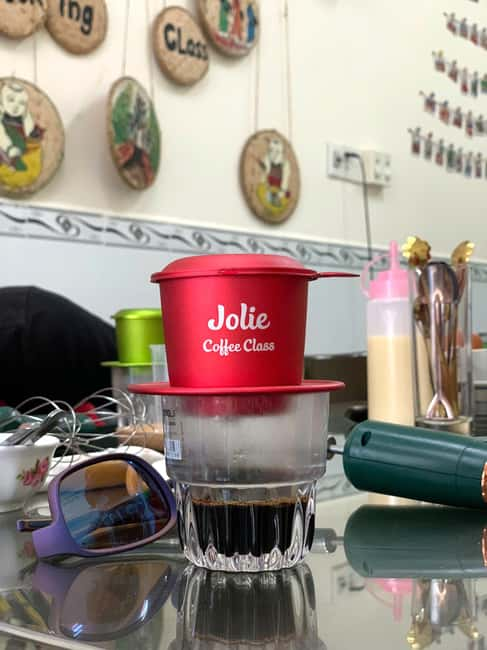
Vietnamese coffee is a lesson in method as much as flavor. The phin filter sits directly over your glass or cup, allowing water to pass slowly through finely ground coffee. You watch the brew form drop by drop, rather than pressing a button and walking away.
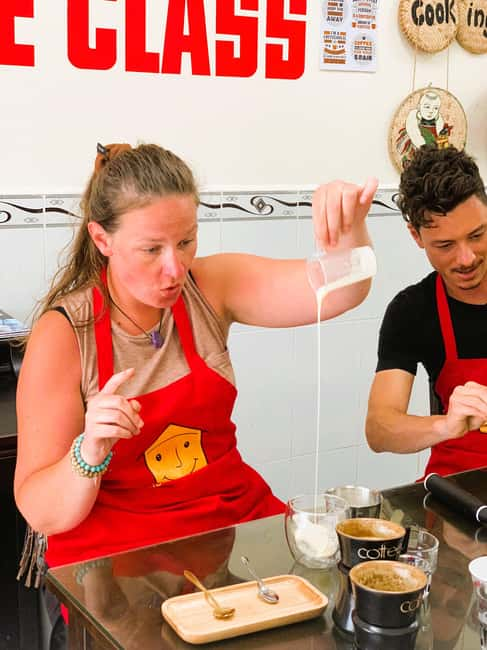
The class also explains why Robusta beans matter. Vietnam is closely associated with Robusta, a bean known for a firm, powerful taste. That strength helps coffee stand up to sweetened condensed milk, whipped egg, coconut, or salt. You are not just mixing toppings into a drink. You are learning why the base coffee needs that punch.
That context gives the tasting more value. Egg coffee is creamy and dessert-like. Coconut coffee brings a cool, sweet contrast to the dark brew. Salt coffee may sound odd before you taste it, but a small amount of salt can soften bitterness and bring out the coffee’s sweeter side. The workshop connects each drink to local café habits and the wider coffee culture of Da Nang.
More coffee to brew around Da Nang:
- Da Nang Cooking Class with Coffee Tasting and Market Visit
★ 5.0 · 310 reviews - Da Nang Vegetarian Cooking and coffee Class
★ 4.6 · 11 reviews - Hanoi Cooking Class: Pho/Bun Cha/Banh Xeo…+Free Egg/Salt Coffee
★ 5.0 · 267 reviews
Meeting Rosie, Nhan, or Kate near Dragon Bridge
The meeting point is Jolie Cooking Class at 14 An Trung Dong 6, close to Dragon Bridge. The location is convenient if you are staying in central Da Nang, and the activity does not require a long transfer out of town.
Your session begins with a local snack and an introduction to Vietnamese coffee culture. That snack is useful, not just welcoming. You will be tasting several strong drinks, and starting on an empty stomach is not the best plan. One participant specifically wished they had eaten breakfast first, so take that advice seriously.
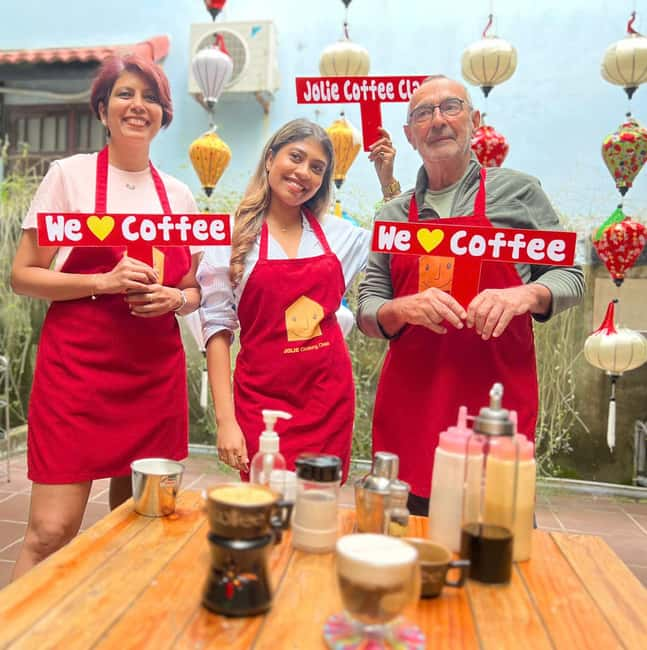
The instructors teach in English. Rosie has been praised for her enthusiasm, humor, and clear explanations, while Nhan and Kate have also been noted for speaking English well and taking time with beginners. The exact instructor depends on the session, but you can expect a friendly, hands-on teaching style rather than a formal lecture.
The small-group setup matters here. Coffee making involves timing, pouring, whisking, and tasting, so you benefit from having an instructor close by. If your egg topping goes wrong or your phin drips too quickly, you can ask for help and try again. This is more useful than watching a large demonstration from the back of a room.
The slow phin-brewing ritual
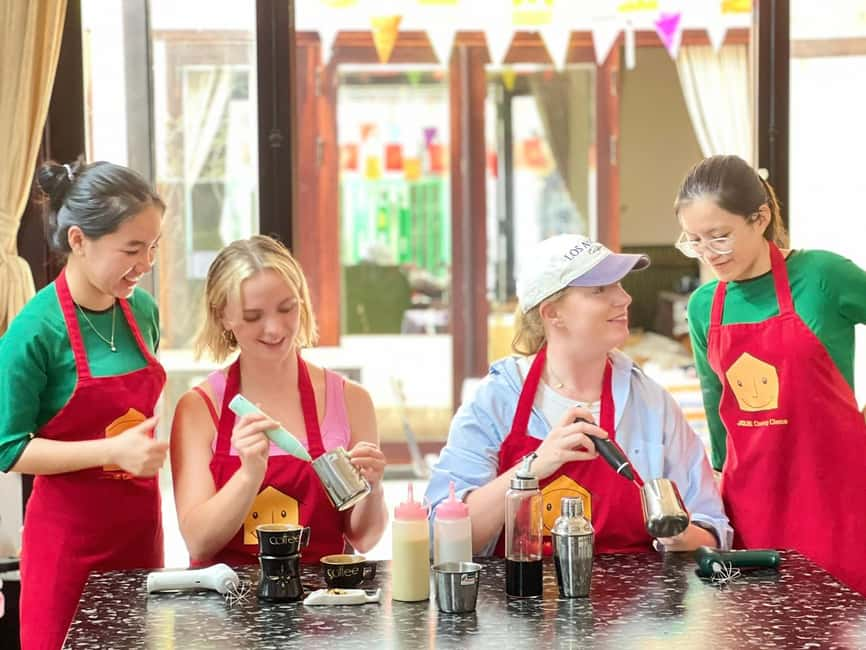
The coffee workshop starts with the traditional phin filter. You learn how to set it up, add the coffee, control the water, and wait for the slow extraction. The waiting is part of the experience. Vietnamese coffee is meant to be enjoyed at an unhurried pace, often while sitting and talking in a café.
You taste the coffee in several forms, including the three headline styles:
- Egg coffee
- Salt coffee
- Coconut coffee
The session explains the story and character of each drink as you make it. You are not handed three finished cups with no explanation. The point is to understand the basic technique well enough to repeat it at home.
Feedback from the class suggests that some participants make four coffees in total, including the three named specialties. The exact fourth preparation is not specified, so you should expect the three featured styles but not rely on a particular extra drink.
The tasting can be the most enjoyable part of the morning, but it is also the part that needs the most restraint. If you are sensitive to caffeine, you may want to sample smaller amounts rather than finish every cup. The activity specifically advises people with heart problems not to take part, and anyone concerned about caffeine should plan accordingly.
From coffee cups to a Da Nang cooking lesson
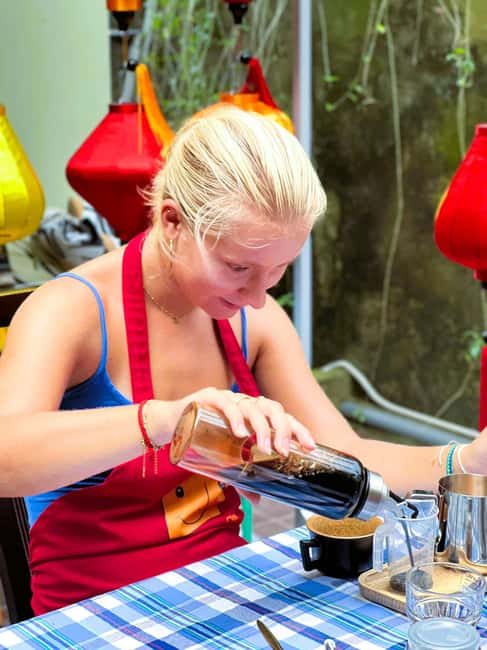
At about 10:30 AM for the morning session, or 4:00 PM for the afternoon session, the focus shifts to food. You move into the cooking portion and prepare traditional Da Nang dishes in a welcoming, home-style setting.
The available information does not name the individual dishes, so do not book this expecting a specific menu. What is clear is that the cooking is practical. You chop the ingredients and take part in the preparation from start to finish. One participant described making four different dishes, including the chopping, which gives you a better feel for the work behind a Vietnamese meal.
That hands-on approach is the right fit for you if you want more than a tasting. You learn how ingredients are handled and how the meal comes together, instead of simply watching someone else cook. It also gives the class a nice change of pace: coffee requires patience and close attention, while cooking keeps you moving.
The class is described as child-friendly, though children and adults may have different caffeine needs. Parents should consider how much coffee a child should taste and whether the full 4.5-hour schedule suits them.
More cooking classes around Da Nang:
- 5 Dishes Cooking Class with Market Trip in Da Nang
★ 5.0 · 466 reviews - Da Nang Authentic Home Cooking Class
★ 5.0 · 354 reviews - 5 traditional dishes Da Nang cooking class with market trip
★ 5.0 · 331 reviews - Hoi An: Lantern Making, Basket Boat, and Cooking Class
★ 4.9 · 233 reviews
Eating the food you prepared
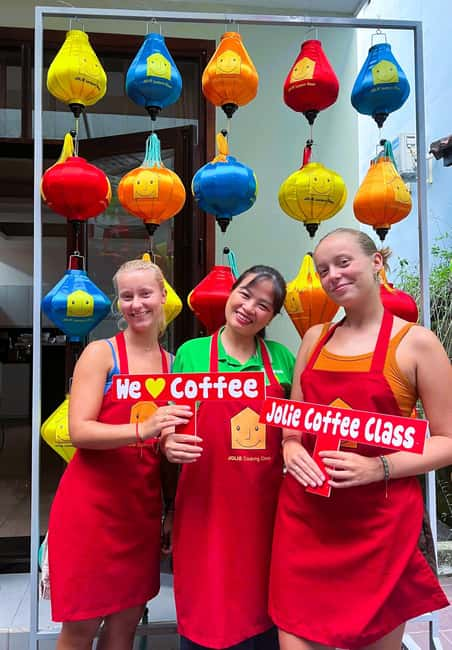
The final part is the reward. Around 1:00 PM in the morning session, or 6:30 PM in the afternoon session, you sit down and eat the dishes you prepared.
This meal makes the class feel complete. You have handled the ingredients, learned the coffee methods, and then get to see the results on the table. For many people, this is more satisfying than a standard restaurant meal because you understand the work behind it.
There is also time to play guitar or piano if you can. That detail suggests a relaxed, social finish rather than a rushed exit. Do not count on a concert or a formal music program, but you may have a chance to add a little music after the meal.
Once the meal is finished, you return to your accommodation independently. The experience does not list hotel pickup, so arrange your own way to Jolie Cooking Class and back.
Is $50 a fair price?
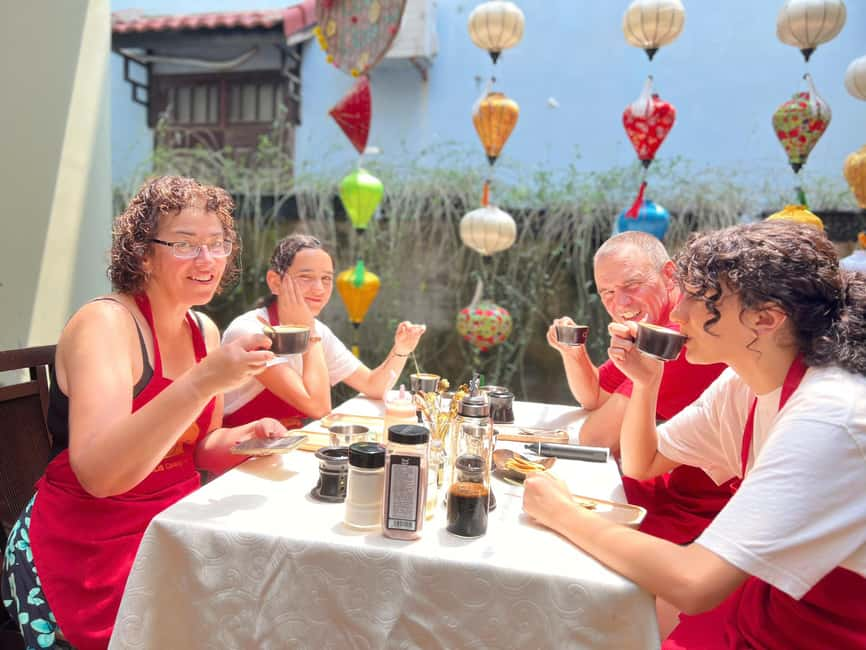
The cost is $50 per person for 4.5 hours. That is more than you would spend on a few coffees or a single inexpensive meal in Da Nang, so the value depends on what you want from the activity.
If you only want to taste Vietnamese coffee, this is not the cheapest route. You can order egg, salt, or coconut coffee at cafés around the city for much less. The class earns its price through the instruction, the cooking lesson, the ingredients, the small-group attention, and the meal you prepare yourself.
I think the price makes the most sense for a first-time visitor who wants one organized experience combining food and drink. It can also be a good choice early in your trip, since you leave with techniques you may be able to repeat at home and a clearer sense of how Vietnamese cafés use coffee.
The value is less obvious if you already know how to brew with a phin and regularly cook Vietnamese food. In that case, the social setting and the chance to try several styles may still appeal, but the teaching element will feel less essential.
Choosing morning or afternoon
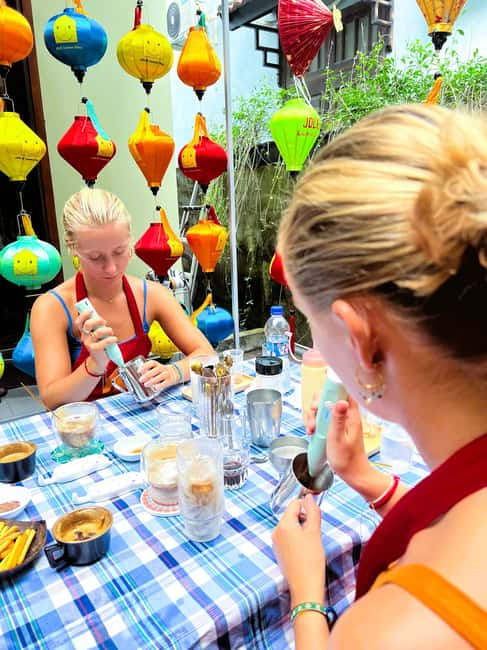
The morning class meets at 8:30 AM. Coffee begins soon after, and the meal is served around 1:00 PM. This option works well if you want to make the class part of your breakfast-to-lunch plan, but eat a little beforehand because the first coffee comes early.
The afternoon class meets at 2:00 PM, with coffee at about 2:15 PM, cooking around 4:00 PM, and dinner around 6:30 PM. This timing leaves the morning open for sightseeing and turns the class into an afternoon and evening activity.
Both versions last 4.5 hours. That is long enough to feel substantial, but you should not schedule another fixed activity too tightly afterward. Cooking times can vary, and you will want some breathing room after a caffeine-heavy session and a full meal.
Wear comfortable clothing. You will be handling ingredients and spending several hours in the class setting, so this is not the place for formal clothes or anything you do not want near food.
Who will enjoy this class most?
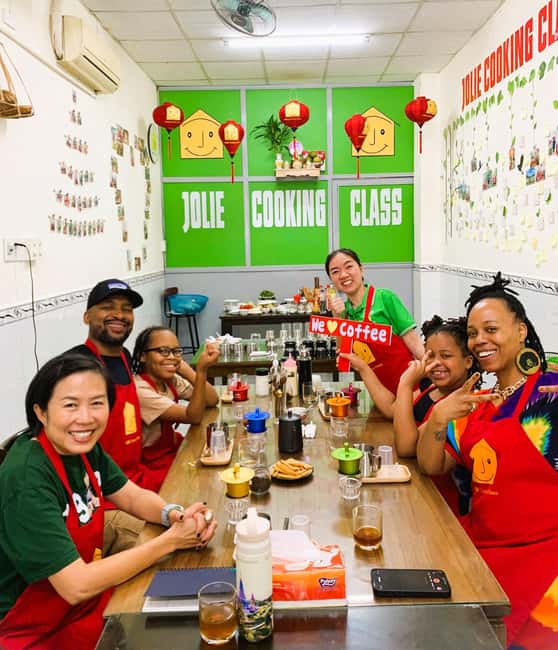
This activity suits you if you like learning by doing. Beginners can ask questions, practice the brewing process, and get help with recipes. Coffee enthusiasts will appreciate the chance to compare three distinct styles and learn about Robusta beans and the phin method.
It is also a good option for couples, small groups of friends, and families looking for a break from sightseeing. The cooking portion gives the experience more substance than a short coffee tasting, while the friendly setting keeps it from feeling like a technical course.
You may want to skip it if you have heart problems or need to avoid caffeine. It may also be a poor match if you prefer a quick activity, dislike group instruction, or want a guaranteed list of named dishes before booking. The menu details provided are limited, so contact the provider if a particular dish is important to you.
The class is wheelchair accessible, and instruction is in English. Those details make it easier to fit into a central Da Nang schedule, though you should still confirm any personal access needs when booking.
Booking details worth knowing
You can cancel up to 24 hours before the activity for a full refund. You can also reserve now and pay later, which helps if your Da Nang plans are still shifting.
Bring a camera if you want to record the coffee process and the food you prepare. More important, arrive ready to eat, wear comfortable clothing, and avoid consuming too much caffeine before the session.
The activity has a rating of 5 from seven listed reviews, with repeated praise for the instructors, English communication, convenient location, relaxed mood, and hands-on format. The most consistent practical point is the same one I would give you: do not treat this as a quick coffee stop. Allow the full afternoon or morning, and arrive with room for both food and caffeine.
Should you book the Jolie Cooking Class?
Book it if you want to understand Vietnamese coffee instead of simply photographing it, and if cooking a Da Nang meal sounds as appealing as eating one. The combination of phin brewing, egg coffee, salt coffee, coconut coffee, and hands-on food preparation gives you a well-rounded half-day near the city center.
I would be especially inclined to book if you are new to Vietnamese coffee, since Rosie, Nhan, and Kate are praised for patience and clear English. I would think twice if caffeine is a concern, if you need a named menu in advance, or if you already have strong coffee and cooking skills.
For most visitors, the best reason to go is the balance: you learn a local ritual, work with food, and sit down to enjoy the results. Just eat first, pace yourself with the coffee, and leave enough time for the class to unfold.
FAQ
Where does the Da Nang coffee and cooking class meet?
The class meets at Jolie Cooking Class, 14 An Trung Dong 6, Da Nang, near Dragon Bridge.
How long does the activity last?
The full activity lasts 4.5 hours.
What coffee styles will I learn to make?
The class includes Vietnamese phin brewing and tasting or preparing egg coffee, salt coffee, and coconut coffee.
What time does the class start?
You can choose an 8:30 AM start or a 2:00 PM start, subject to availability.
Is the class taught in English?
Yes. The listed language for the instructor is English.
Is the activity suitable for children?
The class is described as child-friendly. However, parents should consider how much caffeine a child should consume.
Can I cancel for a refund?
Yes. You can cancel up to 24 hours in advance for a full refund.
New cooking classes around Da Nang
- Market Tour, Basket Boat Ride & Cooking Class by Hangcoconut★ 4.8 · 95 reviews
- HOI AN Cooking Class and Lantern Workshop★ 4.7 · 6 reviews
- Da Nang Vegetarian Cooking and coffee Class★ 4.6 · 11 reviews
- Da Nang: Cooking Pho & Vietnamese Dishes With Local Chef★ 5.0 · 5 reviews
- Da Nang Family Cooking Class – with Local Family in Da Nang★ 4.3 · 4 reviews
- Da Nang: Cooking Class and tasting Pho with Local Girl★ 5.0 · 6 reviews
- Da Nang Cooking: Market tour, farming, and cooking class★ 4.8 · 13 reviews
- Hoi An: Lantern Making, Basket Boat, and Cooking Class★ 4.9 · 233 reviews
Da Nang Cooking Classes, side by side.
5 Dishes Cooking Class with Market Trip in Da Nang
Read our review →
Da Nang Cooking Class with Coffee Tasting and Market Visit
Read our review →
Hoi An: Lantern Making, Basket Boat, and Cooking Class
Read our review →
Market Tour, Basket Boat Ride & Cooking Class by Hangcoconut
Read our review →
Da Nang Cooking: Market tour, farming, and cooking class
Read our review →
Da Nang: Cooking Class and tasting Pho with Local Girl
Read our review →This kitchen also appears in