
Review · HO CHI MINH CITY
Hands-On Vietnamese Cooking Lesson in Small Group
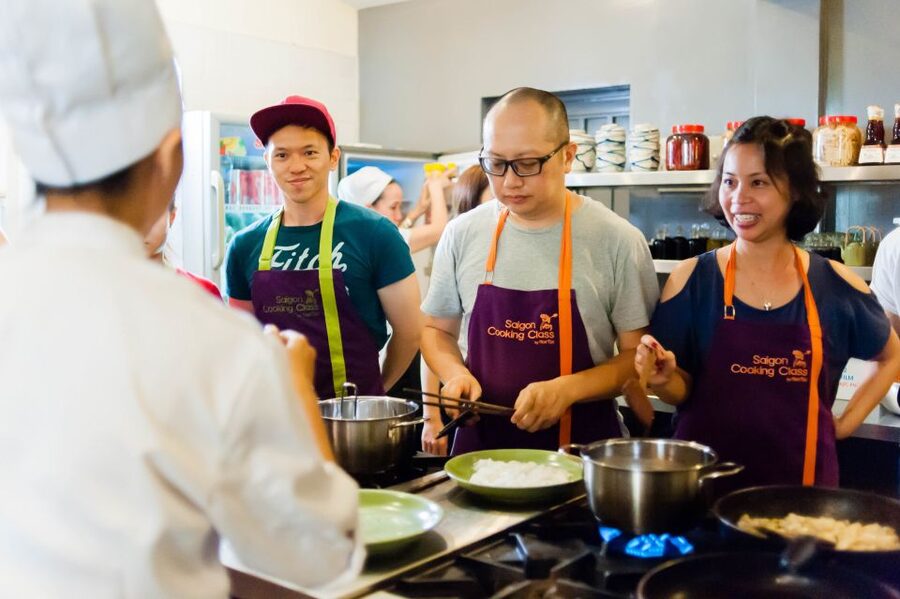
The best part of this Ho Chi Minh City cooking class is that you do not simply watch a chef work. Each participant receives their own ingredients and equipment, then follows the demonstration one step at a time. You make three Vietnamese dishes, eat them as you go, and finish with recipes for home.
I like the small-group format, which gives you room to ask questions, and the way the class explains Vietnamese herbs, ingredients, and kitchen tools rather than treating cooking as a quick show. I also like the practical meal structure: you learn, cook, and eat in the same three-hour session.
One consideration is that some ingredients are prepared before you arrive. That keeps the class moving, but if you want to chop every clove of garlic or weigh every portion yourself, this may feel a little streamlined.
Key points at a glance
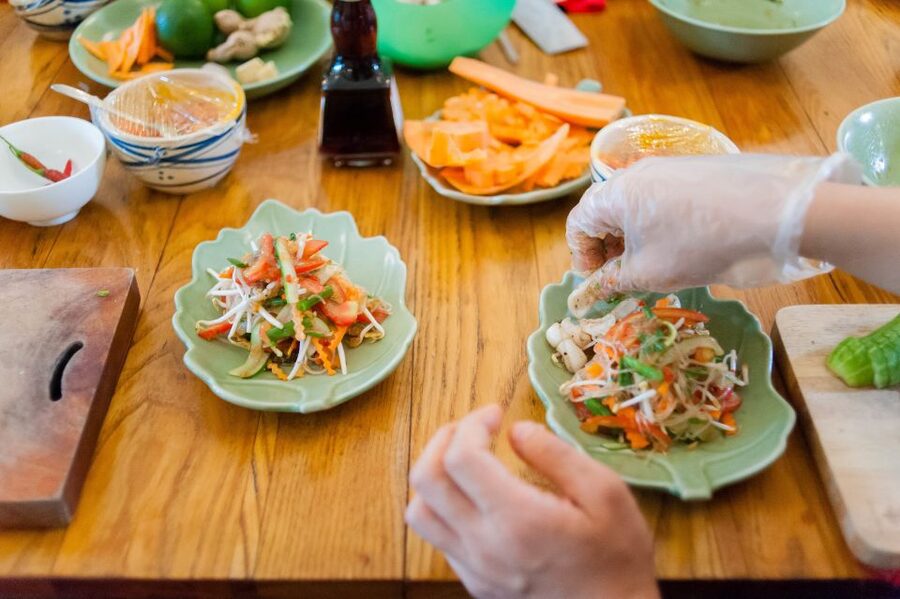
- Three dishes in three hours: Prepare and eat a Vietnamese meal during the class, rather than waiting until the end.
- Your own cooking setup: Each participant has separate ingredients and equipment for clearer hands-on practice.
- English-speaking instruction: Chefs including Vivian, Vy, Wan, Oanh, and Lei have led sessions, though your teacher will depend on the date.
- Fresh herbs and natural ingredients: The class focuses on familiar Vietnamese flavors and traditional kitchen items.
- Flexible menu: Vegetarian, vegan, and allergy-related requests can be arranged if you note them when booking.
- Recipes for later: Digital recipes let you repeat the dishes after returning home.
Cooking Vietnamese food instead of watching it
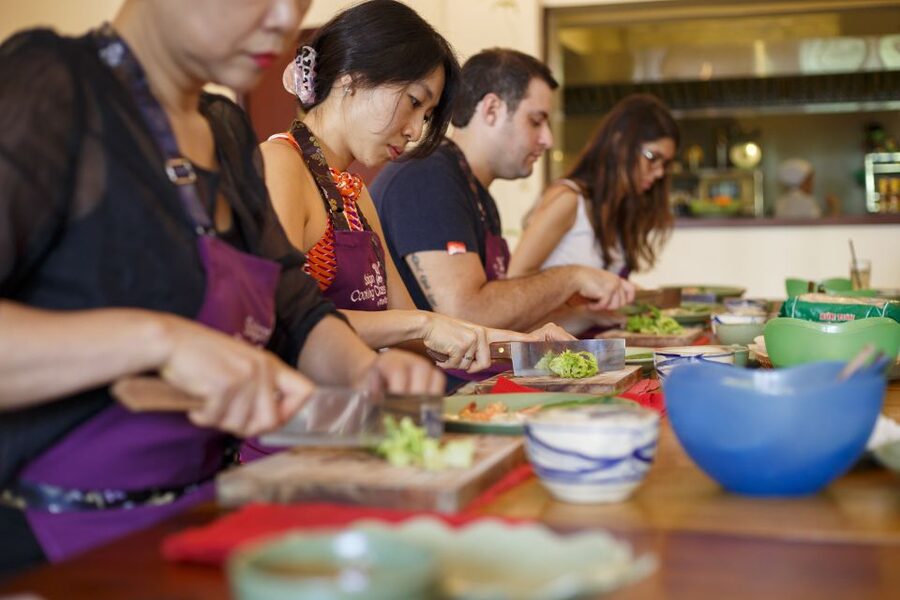
A cooking class can be one of the best ways to understand a cuisine, but only if you get to do more than stand near a demonstration table. This class puts you to work. The chef shows a technique, explains the ingredients, and gives you time to repeat it at your own station.
That arrangement matters for beginners. You can see the correct texture, seasoning, and order of preparation before trying it yourself. If you are already comfortable in the kitchen, you can use the chef’s explanations to compare Vietnamese methods with your own.
The setting is designed for a small group, with eight people described as a comfortable maximum in one session. The class can also run with only one or two participants. That makes the experience more personal, although the atmosphere will change depending on how many people book that morning.
The English instruction is another practical advantage. Chefs such as Vivian, Vy, Wan, Oanh, and Lei have been praised for clear explanations, patience, humor, and good English. Your instructor may be someone else from the team, but the teaching style is built around direct guidance rather than a formal lecture.
More Vietnamese Cooking Classes around Ho Chi Minh City:
- Ho Chi Minh City: Vietnamese Homestyle Cooking Class
★ 4.9 · 91 reviews - HCMc:Vietnamese Cooking Class with Local market tour & Meal
★ 5.0 · 8 reviews - MY Kitchen – Vietnamese Home Cooking Class in Hoi An
★ 5.0 · 6 reviews
Finding the kitchen on Nguyen Trai Street
The meeting point is at 80 Nguyen Trai Street in District 1. Look for the small alley at that address, then turn in and find the cooking venue on your left.
This is not a hotel lobby or a large commercial food hall, so pay attention to the address and alley instruction. Give yourself enough time to find the entrance, especially if you are navigating Ho Chi Minh City for the first time.
The class runs from 10 am to 1 pm. A morning schedule works well with a city sightseeing plan: you can cook before the hottest part of the day and still have the afternoon free. You should arrive ready to eat, since the food you prepare forms your lunch.
The venue has been described as clean, modern, spacious, and comfortable. That matters during a hands-on class, since cramped counters and poor organization can quickly turn cooking into a chore. Here, the preparation area and kitchen are arranged for group work, with separate materials for each participant.
The first stage: ingredients, equipment, and Vietnamese flavor
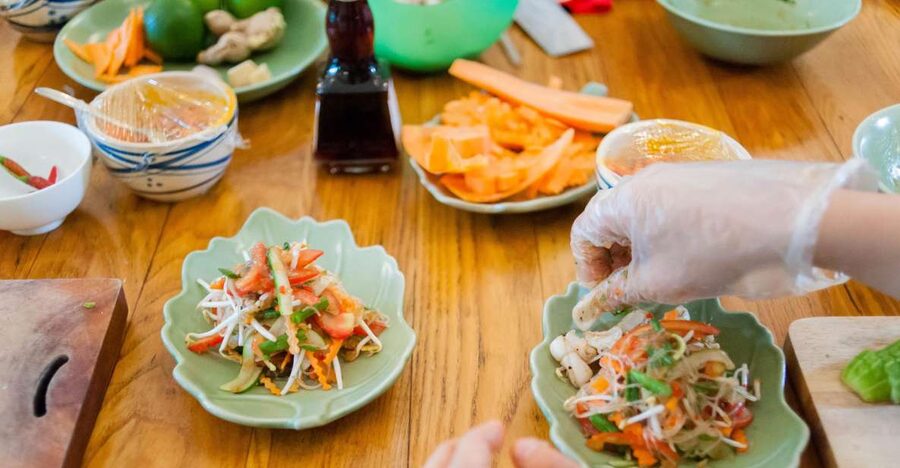
The class begins with an introduction to the ingredients and cooking tools. This is where you get useful context about how Vietnamese food gains its balance from herbs, fresh vegetables, sauces, and careful preparation.
The emphasis is on natural ingredients and herbs. You may work with flavors that are familiar from Vietnamese restaurants, but the class helps you understand how they fit together. The chef also introduces Vietnamese kitchenware used during the cooking process.
This part is valuable because recipes alone rarely explain what an ingredient should look or smell like. A teacher can show you how a herb is handled, how a mixture should feel, or how much seasoning is enough. Those small judgments are often what determine whether a dish tastes right at home.
Some items are prepared before the class. That is useful for keeping a three-hour session manageable, particularly when several dishes are involved. It also means you will spend more time cooking the key components instead of losing the morning to repetitive chopping and measuring.
Still, this is the main limitation for people who want a full kitchen apprenticeship. One participant would have preferred to mince the garlic and measure the meat personally. If that level of preparation is important to you, ask what will be ready in advance before booking.
Cooking spring rolls, salad, and pho
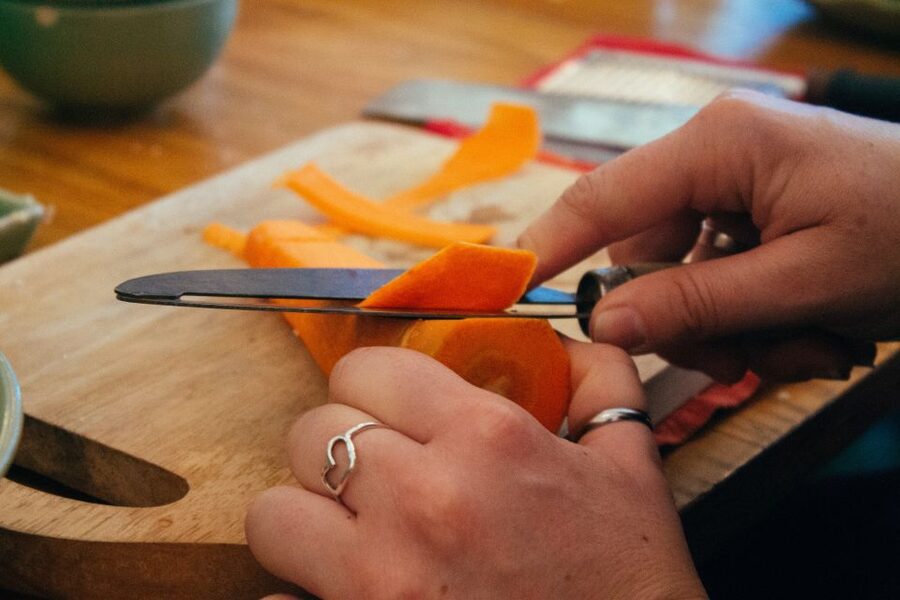
The exact menu can vary, but dishes named in past sessions include spring rolls, salad, pho, banh xeo, mango salad, and bun cha. You should expect a three-dish meal, not a fixed menu that is guaranteed for every date.
That variation can be a plus. Vietnamese cooking covers much more than one famous soup, and different combinations let you encounter several textures and cooking methods in one morning. You might roll, mix, simmer, and assemble food rather than repeating one technique three times.
Spring rolls offer a good introduction to careful preparation. You learn how fillings are combined and how the wrapper is handled, then see how a small change in shape or moisture can affect the finished result. The process is practical and easy to repeat at home.
Pho gives the class a chance to explain a more layered Vietnamese dish. Even if you have eaten pho many times, preparing it yourself helps you pay attention to the balance between broth, noodles, herbs, and garnishes. The class does not promise a long market visit or a full stock-making workshop, so do not book it expecting an all-day study of pho broth.
A salad or mango salad adds a cool, fresh contrast to cooked dishes. It also shows how herbs and dressing can carry much of the flavor. Banh xeo brings a different lesson, with a crisp exterior and a filling that needs careful handling. Bun cha offers another route into Vietnamese food, with grilled meat and accompaniments that are easy to recognize once you know the basic method.
The menu is best understood as a sample of Vietnamese home cooking, not a complete course in every regional style. You will leave with useful recipes and more confidence, but not with a professional chef qualification.
More cooking classes around Ho Chi Minh City:
- Cai Be Mekong Delta Tour: Cooking Class, Cycling & Craft Villages
★ 5.0 · 1,881 reviews - Mekong Delta 4 Islands, TukTuk, Boat, Try Khot Cake Local Cooking
★ 5.0 · 1,148 reviews - Mekong Day Trip Explore Village Bicycle CookingClass Group 12 Pax
★ 5.0 · 705 reviews - Chef Vu Cooking Class Plus Market Trip in Saigon Center (Pick up by Cyclo)
★ 5.0 · 477 reviews
Cooking and eating each course as you go
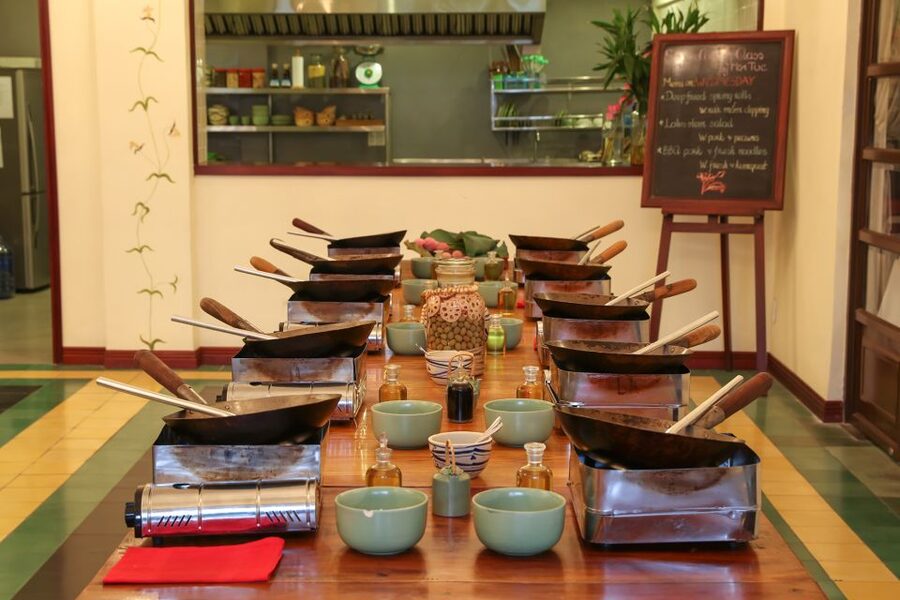
One of the strongest features is the rhythm of the class. You prepare a course, eat it, then move on to the next dish. This is more comfortable than cooking everything at once and allowing the food to sit while you finish.
It also lets you correct your work while the chef is nearby. If a sauce needs more balance or a wrapper needs a different touch, you can ask at the moment it matters. The meal becomes part of the lesson rather than a reward separated from the cooking.
You cook together with the rest of the group, but you have your own ingredients and materials. That is a useful middle ground. You get the social feel of a group activity without having to share every cutting board or wait for one person to finish a task.
The food portions are intended to make up a meal, so arrive hungry. The three-course wording is the clearest guide to what is included, even though the longer description uses the phrase four-course meal in one place. The included details specify three dishes, and the class length is three hours.
Water and iced tea are included. They are simple additions, but welcome in a warm cooking environment.
What you take home besides a full stomach
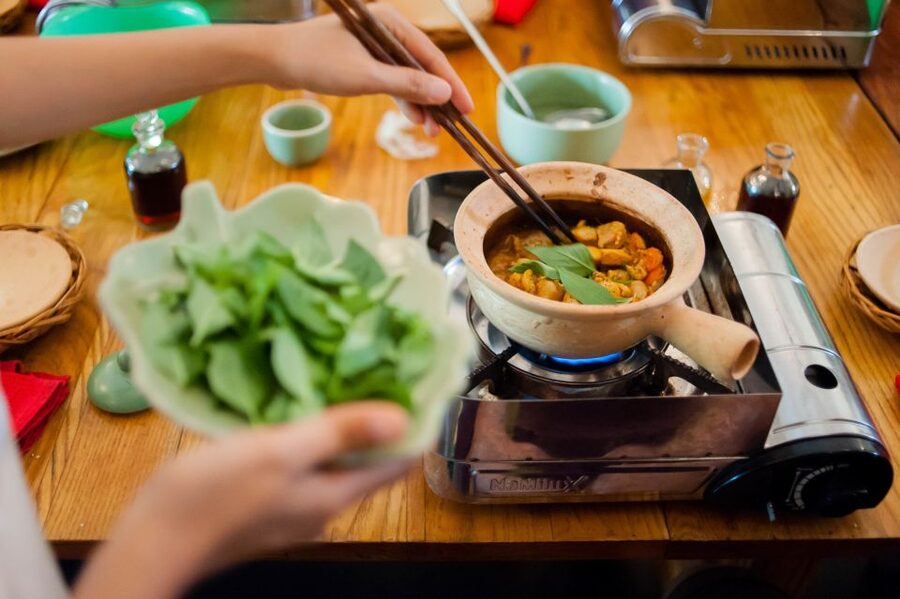
The digital recipes are one of the most useful parts of the package. A cooking class can be enjoyable on the day and still fade from memory once you return home. Written recipes give you a way to repeat the dishes while the techniques are fresh.
The recipes cover the three dishes prepared in your session. One participant hoped for a larger collection of Vietnamese recipes, so keep your expectations sensible. You receive a practical record of the class, not an entire cookbook.
I would save the recipes in two places before leaving Vietnam. Digital files are convenient, but having them available offline is helpful when you are shopping for ingredients at home. The chef may also explain alternatives for vegetables or herbs that are harder to find outside Vietnam, which can make the recipes more realistic for your own kitchen.
The class is especially useful for people who enjoy food but lack confidence with Vietnamese flavors. You do not need to arrive with advanced knife skills or a detailed understanding of local ingredients. The format is friendly to beginners and still gives experienced home cooks enough room to ask about substitutions and methods.
Price, group size, and overall value
At $33 per person, this is a good-value half-day activity in Ho Chi Minh City. You are paying for three hours of instruction, a three-dish meal, water, iced tea, ingredients, equipment, and digital recipes.
The value is strongest if you would otherwise pay for lunch and want a structured activity at the same time. You are not just eating a meal. You are learning how it comes together and leaving with something you can use again.
The price is less compelling if you want a market tour, a farm visit, or a long lesson focused on one difficult dish. None of those are included. This is a focused kitchen class in District 1, with the emphasis on hands-on cooking and eating.
Group size has a real effect on value. A class of around eight gives you a social setting while keeping the chef accessible. A very small class may offer more individual attention, and sessions have taken place with only one or two participants. If you prefer meeting other people, a fuller class may be more fun. If you want repeated one-to-one help, a quieter date may suit you better.
The experience has a 4.9 rating from 102 reviews, with praise centered on friendly instruction, tasty food, clear organization, and the intimate group size. The most consistent strength is not a fancy setting or a long list of dishes. It is the combination of patient teaching and food you actually prepare yourself.
Who should book this class
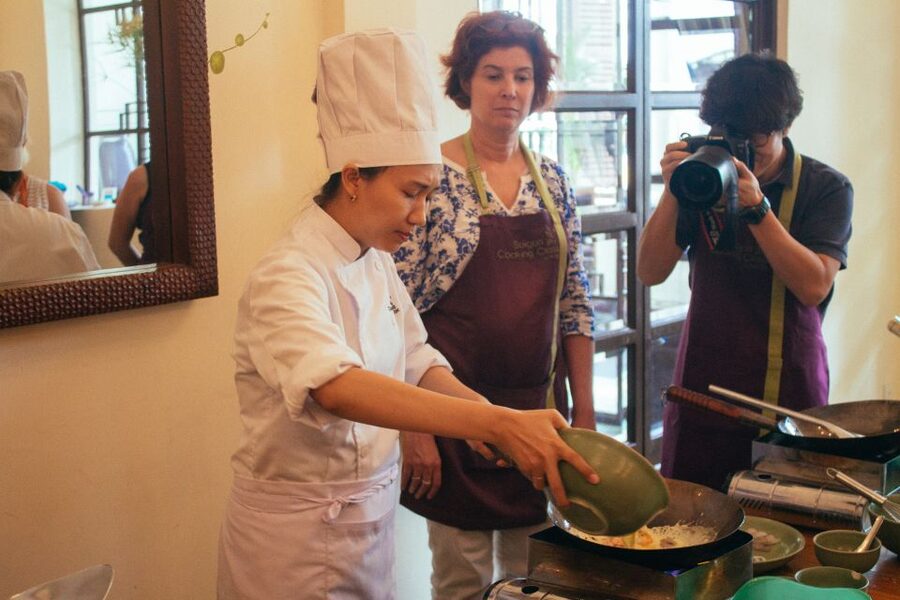
I would recommend it to first-time visitors who want a useful cultural activity without giving up an entire day. Three hours is long enough to learn several techniques but short enough to fit around other plans.
It suits families particularly well. Children or teenagers who enjoy making things with their hands can take part, and the meal gives the class a clear purpose. Adults who are nervous in a kitchen should also feel comfortable, since the chef guides the group step by step.
It is a good choice for couples and solo visitors who want a social morning. A one-person booking can still go ahead, according to the provided details, so you do not need a large party to make it work.
Vegetarians, vegans, and people with food allergies can request adjustments. Do not leave this until the morning of the class. Put the request in your booking so the team can plan the ingredients.
You may want to choose another activity if you are looking for a market visit, a street-food tour, or extensive instruction in traditional preparation from start to finish. You may also find the pre-prepared ingredients limiting if your main goal is knife practice and detailed food preparation.
Should you book the Saigon Cooking Class?
Book it if you want to cook three Vietnamese dishes in a clean, small-group setting, eat what you make, and take the recipes home. The $33 price is fair, the three-hour schedule is easy to fit into a Ho Chi Minh City itinerary, and the English instruction makes the process approachable.
Before paying, note your allergies or dietary needs and check the menu for your chosen date. If you want a full market-to-table experience or a larger recipe collection, this class may feel too focused. For a practical morning built around fresh herbs, local techniques, friendly instruction, and a proper meal, it is a sensible choice.
FAQ
How long does the Vietnamese cooking class last?
The class lasts three hours, from 10 am to 1 pm.
How much does the cooking class cost?
The price is $33 per person.
Where is the meeting point?
Meet at 80 Nguyen Trai Street in District 1. Enter the small alley at that address and look for the venue on the left.
How many dishes will I prepare?
You will prepare and eat a meal of three dishes.
Is the class taught in English?
Yes. The instructor language is English.
Do I cook the food myself?
Yes. The class is hands-on. You follow the chef’s demonstration and instructions, and each participant has their own ingredients and cooking materials.
What drinks are included?
Water and iced tea are included.
Are recipes provided after the class?
Yes. Digital recipes are provided so you can continue cooking the dishes at home.
Can vegetarian or vegan requests be accommodated?
Vegetarian and vegan menus can be arranged. You should specify your request when booking.
Can the class handle food allergies?
Food allergies can be addressed if you provide the details during booking. Free cancellation is available up to 24 hours before the class for a full refund.
New cooking classes around Ho Chi Minh City
- M.O.M COOKING CLASS★ 4.8 · 6 reviews
- Mama Lan’s Home Cooking Class with 30+ Years of Experience★ 5.0 · 3 reviews
- MY Kitchen – Vietnamese Home Cooking Class in Hoi An★ 5.0 · 6 reviews
- Farm-To-Table Healthy Cooking Class: Half-Day Tour★ 4.8 · 41 reviews
- Ho Chi Minh: Local Cooking Class At Auntie’s Home★ 4.9 · 14 reviews
- Ho Chi Minh City: Vietnamese Homestyle Cooking Class★ 4.9 · 91 reviews
- HCM: 2-Day Mekong Floating Market with Cooking & Bike Ride★ 4.6 · 68 reviews
- HCMc:Vietnamese Cooking Class with Local market tour & Meal★ 5.0 · 8 reviews
Ho Chi Minh City Cooking Classes, side by side.
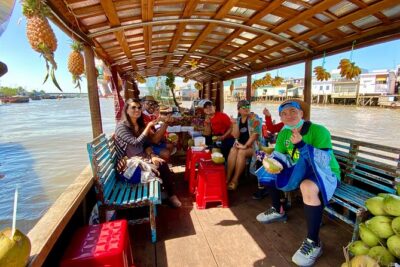
Cai Be Mekong Delta Tour: Cooking Class, Cycling & Craft Villages
Read our review →
Mekong Delta 4 Islands, TukTuk, Boat, Try Khot Cake Local Cooking
Read our review →
Small-group Mekong Floating Market Day Trip from Ho Chi Minh City
Read our review →
Mekong Day Trip Explore Village Bicycle CookingClass Group 12 Pax
Read our review →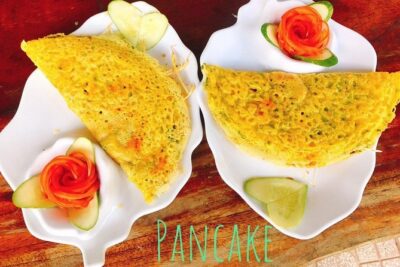
Chef Vu Cooking Class Plus Market Trip in Saigon Center (Pick up by Cyclo)
Read our review →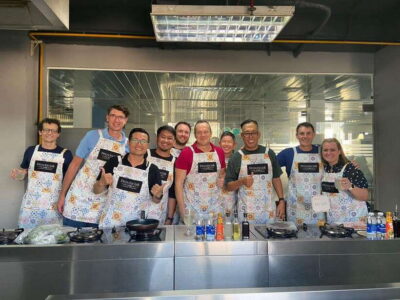
Immersive Cooking Class & Market Tour By Local Chef+Cookbook
Read our review →
Ho Chi Minh City: Mekong Delta Tour with Sampan Journey
Read our review →
VIP Mekong Delta Adventure Cycling & Kayaking – Private Day Trip
Read our review →This kitchen also appears in