
Review · LISBON
Lisbon: Traditional Portuguese Cooking Class
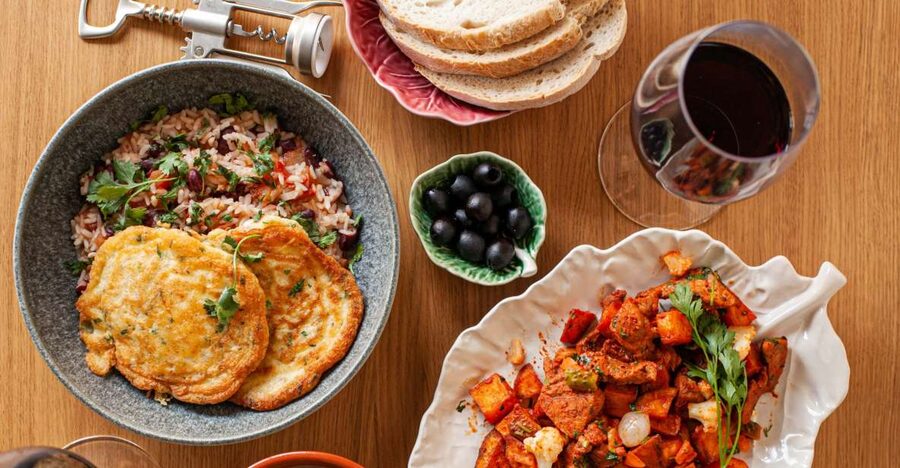
Lisbon’s food culture makes the most sense when you are holding a knife, stirring a pot, and asking why a dish is prepared a certain way. This three-hour class at Homecooking Lisbon HUB turns Portuguese cooking into a shared meal, with snacks, wine, beer, and a four-course menu prepared by the group.
I like the hands-on format and the way the class links recipes with Portuguese customs and family cooking. I also like the social setup: with no more than 10 participants, you cook in pairs, share jobs, and sit down together at the end. The main consideration is that the menu changes with the season, and at least one participant found the pork ribs tough, so you should not expect every dish to match your taste.
Key points to know
- Four-course meal: You prepare and eat a full Portuguese meal, including dessert on some menus, rather than simply watching a demonstration.
- A social kitchen: The class is limited to 10 people, with drinks and shared cooking designed to get everyone talking.
- English-speaking chefs: Instructors such as Miguel, Theresa, Beatriz, Pedro, Bee, Tereza, and Miyuki have guided recent classes.
- Drinks are included: Wine, beer, homemade juice, coffee, water, snacks, and finger food are part of the price.
- Come hungry: The portions can be generous, and the food begins before the cooking starts.
- Good for beginners: The chefs explain each step and help you along, but the class is not suitable for children under six or people with mobility impairments.
Walking Into the Homecooking Lisbon Kitchen
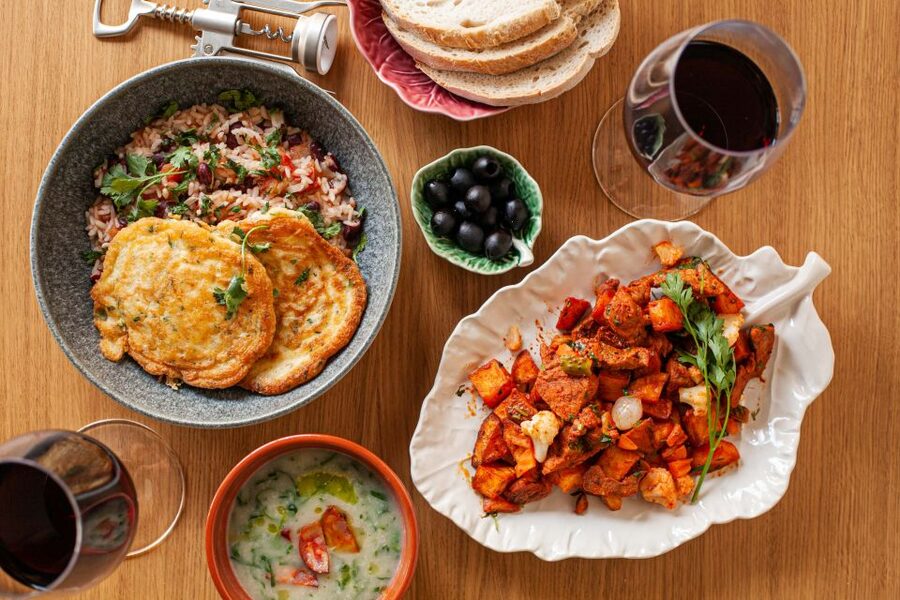
You meet at Homecooking Lisbon HUB in the Lisbon District, not at a hotel. Hotel pickup and drop-off are not included, so plan your own route and allow time to arrive before the class begins.
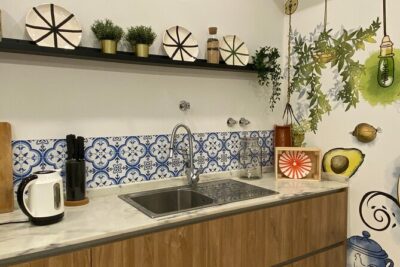
The setting is described as a cozy, inviting kitchen rather than a formal restaurant classroom. That matters. You are not sitting in rows while someone cooks at a distance. You handle the ingredients, work with the other participants, and help create the meal you later eat.
One person found that a bus from central Lisbon stopped right outside the venue. That may make the trip simple, but you should check the current route and stop before setting out. The activity information does not give a fixed travel time from central Lisbon.
The class lasts about three hours. That is long enough for a proper meal and a useful cooking lesson, but short enough to fit into a busy Lisbon schedule. I would place it on a day when you can enjoy the meal afterward without racing to another appointment.
More cooking classes around Lisbon:
- Lisbon: Pastel de Nata Baking Class
★ 4.9 · 2,106 reviews - Lisbon: 2-Hour Pastel de Nata Cooking Class
★ 4.8 · 461 reviews - Lisbon Portuguese Cooking Class with 3-Course Dinner
★ 5.0 · 445 reviews
Snacks, Wine, and the First Taste of Portugal
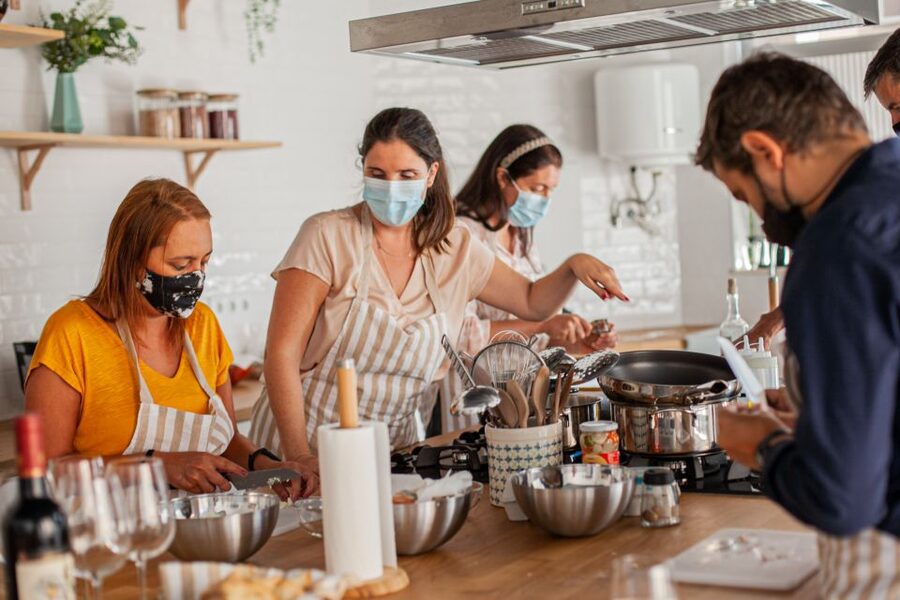
The evening starts with drinks and finger food. Wine, beer, homemade juice, coffee, and water are included, so the first part feels more like being welcomed into a home than checking into a lesson.
You may also sample Portuguese drinks during the meal or at the end. Past sessions have included ginja, port wine, and a sweet almond liqueur. These details help you connect the cooking to Portugal’s wider food culture, though the exact drinks can vary.
Do not arrive after a heavy lunch. Several participants found there was a great deal of food, and one specifically advised coming completely hungry. The snacks arrive before the four-course meal, so pace yourself early.
This opening also gives you time to meet the group. The class works best if you enjoy a social meal with people from different countries. It is not designed as a quiet private lesson. You will likely share work surfaces, ingredients, conversation, and a table.
Four Courses, Prepared Step by Step
After the welcome, the chef explains the dishes, ingredients, spices, and basic techniques. The menu is seasonal, so you should not book expecting a fixed list of recipes. That flexibility can be a strength, since Portuguese cooking changes with the time of year, but it also means you cannot guarantee a specific favorite dish.
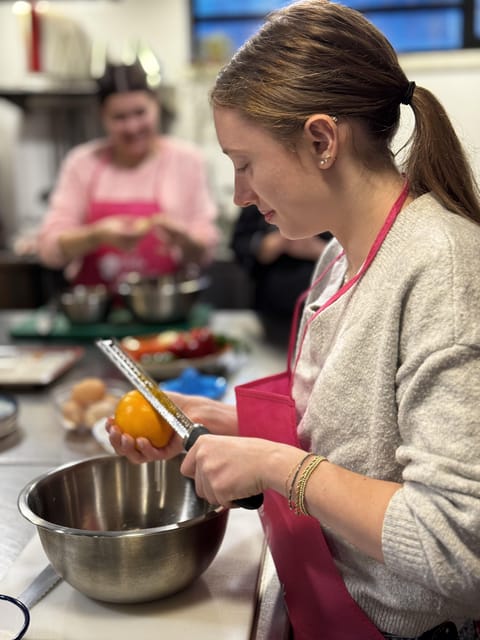
The group prepares four dishes with guidance from the chef and assistants. You may work in pairs or small teams, with each person taking part in chopping, mixing, seasoning, cooking, or assembling. The instructors explain the process as you go instead of handing you a recipe and leaving you to guess.
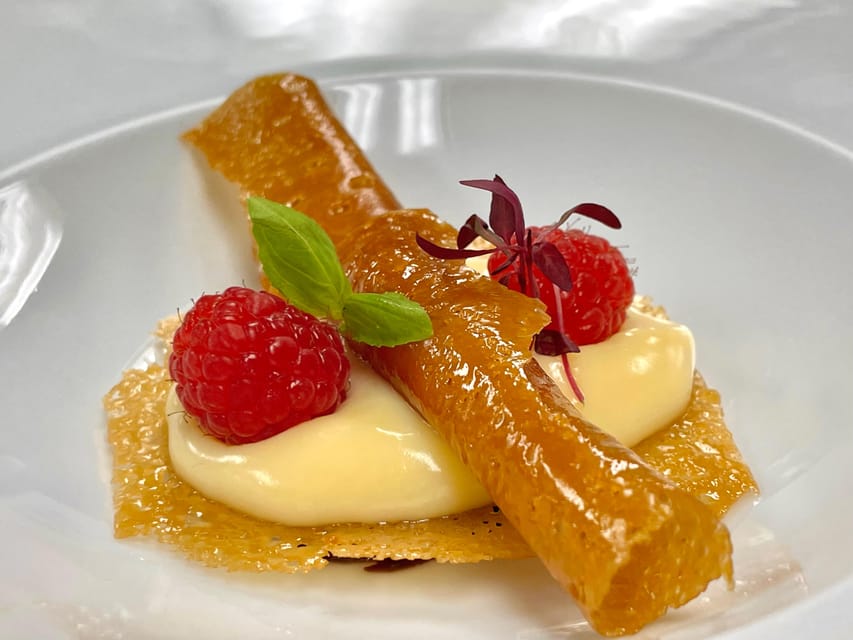
The classes have included traditional local dishes and dessert. Past menus have featured pastel de nata, Portugal’s famous custard tart, and pork ribs. The precise menu is not supplied in advance, so ask about current dishes if you have a strong preference or dietary concern.
The cooking style is practical. You learn not only what goes into a dish, but also why a particular ingredient or method is used. One chef demonstrated a traditional chorizo grill, which became a memorable part of the class for one participant. Small details like this can give you more useful knowledge than a polished restaurant meal, because you see how familiar ingredients are handled at home.
The instructors also offer substitutions and suggestions in some classes. One chef helped participants with food preferences and allergies and made sure there were enough choices for everyone. Still, you should tell the provider about dietary needs before booking and confirm what can be accommodated. The supplied information does not promise a specific allergy-free menu.
The Chefs Make the Difference

The strongest part of this experience is the teaching. Recent instructors have included Pedro, Miguel, Theresa, Beatriz, Tereza, Bee, Miyuki, and Kriszti. Each class may have a different chef, so your experience can vary in personality and teaching style.
Pedro was praised for being attentive and willing to help. Miguel has been described as clear, friendly, and engaged throughout the class. Theresa has guided participants patiently, shared recipes, and offered other ways to use the ingredients. Beatriz has been noted for her humor, clear instructions, and care for each person in the kitchen.
Miyuki was especially thorough and patient in one class, while Bee explained the reasons behind the cooking methods and kept the atmosphere easygoing. These details point to a consistent teaching approach: you should receive help when needed, but still have room to cook for yourself.
The chefs also connect food with Portuguese culture and personal stories. One instructor blended Lisbon history with family cooking lessons learned from her mother. That kind of storytelling gives the recipes a human setting. You learn how food fits into family life, not just how many minutes to cook an ingredient.
This class should suit you if you have little or no cooking experience. The instructions are clear, and the chef or assistant stays available. It also works for confident home cooks who want to compare Portuguese tools, flavors, and methods with their own cooking traditions.
Same kitchen, a different dish:
- Traditional Portuguese Cooking Class in Lisbon
★ 5.0 · 287 reviews - Lisbon: Pasteis de Nata Baking Class
★ 5.0 · 134 reviews - Lisbon Market and Food Tour with Cooking Class and Lunch
★ 5.0 · 117 reviews - Private Lisbon Market Tour & Portuguese Cooking Class with Paula
★ 5.0 · 89 reviews
A Shared Meal Instead of a Quick Tasting
Once the cooking is finished, you sit down and eat the food made by the group. This is the payoff, but it is also part of the lesson. You can taste how the ingredients, seasoning, and cooking methods came together, then talk about the results with the people who helped prepare them.
The meal can be generous. Participants have described leaving with full stomachs, and some have taken home Portuguese tarts or recipes to try later. Since snacks and drinks come before the meal, you should treat this as a substantial food event, not a light activity between meals.
The social side is a major part of the value. You cook alongside other visitors, share jokes, and divide the work. Several people compared the atmosphere to a family dinner, with plenty of conversation and laughter. If you enjoy meeting people while you eat, this setup adds a lot.
If you prefer a private class or want a chef focused only on your own cooking, this may feel too communal. The small group limit helps, but you are still part of a collaborative kitchen. Some people will be more active than others, and the pace may depend on the group.
What You Actually Learn

A good cooking class should leave you with more than a full stomach. Here, you learn about Portuguese ingredients, seasonal dishes, traditional techniques, and the cultural background of the food.
You also learn by watching how the chef organizes the kitchen. Ingredients are prepared before you arrive, so the class can focus on cooking rather than spending the first hour measuring everything. That makes the three-hour schedule efficient, though it means you may not handle every single preparation step from start to finish.
The recipes are shared, giving you a chance to repeat the dishes at home. Several participants were excited to take the recipes back to their own kitchens. You also receive practical suggestions for using ingredients in other ways, which can be more useful than a strict recipe with no explanation.
The cultural detail is not limited to formal facts. You may hear stories about family traditions, Lisbon, local drinks, and why dishes are prepared in a particular way. For me, that is where the activity gains value over simply ordering Portuguese food at a restaurant.
Is $100 a Fair Price?
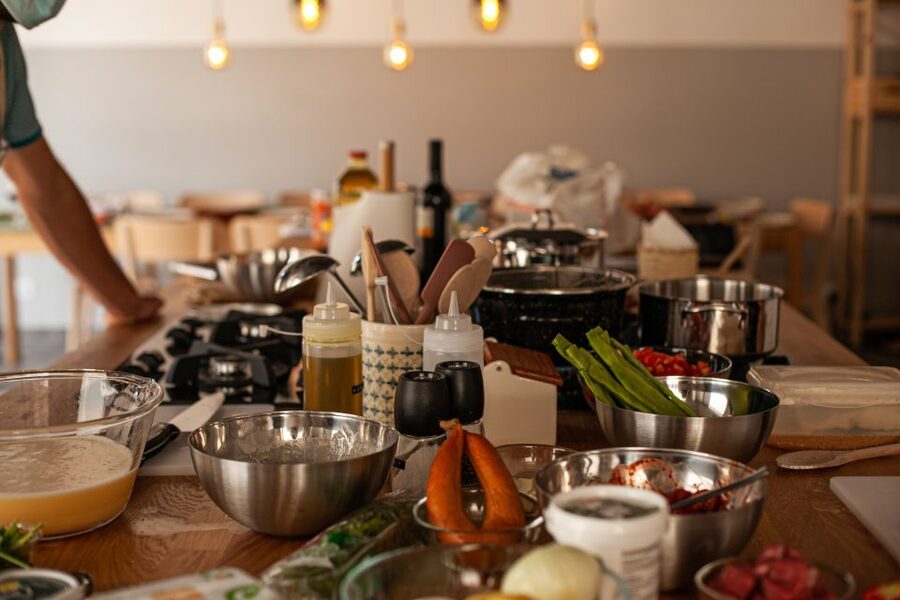
At $100 per person, this is not the cheapest meal in Lisbon. But the price includes a three-hour class, all ingredients, cooking equipment, instruction, snacks, finger food, wine, beer, homemade juice, coffee, water, and insurance.
You are paying for both a meal and an activity. If you would otherwise book a cooking lesson, buy several drinks, and eat a four-course dinner, the combined value is reasonable. The price also covers the social experience and the chance to leave with recipes and techniques.
The value is strongest if you take part fully. If you stand back and let others do the cooking, you may find the cost high for what becomes mainly a meal. Ask questions, volunteer for tasks, and pay attention to how the chef handles the ingredients.
The price does not include transport to the Homecooking Lisbon HUB. That is a small but important extra when planning your budget. You also need to account for the time spent getting to the meeting point.
Who Should Book This Lisbon Cooking Class?
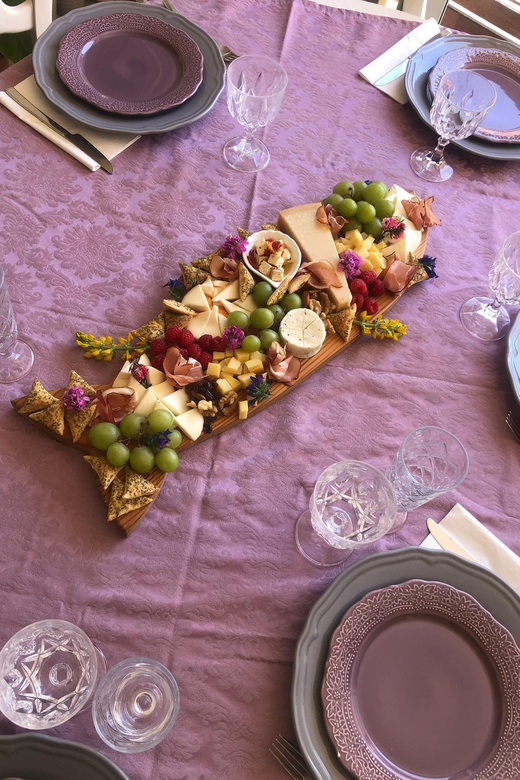
I would recommend this class to food-focused visitors who want a friendly introduction to Portuguese home cooking. It is especially suitable for couples, solo visitors, families with older children, and small groups of friends.
It can also be a good first or second-day activity. You get an early lesson in local flavors, ingredients, and drinks, then have the rest of your stay to notice those things in restaurants and markets. One participant enjoyed taking the class at the start of a Lisbon visit for exactly that reason.
Families should note the age rule. Children under six are not suitable for the activity, while an 11-year-old was able to enjoy a class with family members. The experience can work well for older children, but the cooking area still requires attention and participation.
The activity is not suitable for people with mobility impairments. The supplied information does not describe seating, step-free access, or kitchen layout, so ask the provider directly if you need specific accessibility arrangements.
Small Drawbacks to Keep in Mind
The menu is seasonal and not fully specified, so you cannot be certain which four dishes you will prepare. That is part of the appeal for some people, but a drawback if you need a particular dish or have strict dietary requirements.
The food is prepared collaboratively, which means the pace and workload depend partly on the group. You will have guidance, but this is not a private chef experience.
The pork ribs have not pleased everyone. One participant found the cut tough and unappealing. That does not define the whole menu, but it is a useful reminder that a cooking class can produce a less-than-perfect dish, especially when different people share the work.
Finally, three hours can pass quickly. You receive a lot of food and information, but you will not become an expert in Portuguese cooking in one session. Think of it as a strong introduction with recipes and ideas to continue at home.
Should You Book It?
Book this experience if you want to cook rather than simply eat, enjoy meeting people, and value the connection between food and culture. The English-speaking chefs provide clear guidance, the small group keeps the class manageable, and the included drinks and meal make the $100 price easier to justify.
Skip it if you want a fixed menu, a private lesson, or a short tasting with no hands-on work. Also check the current menu before booking if you have allergies or strong food preferences.
For most food-minded visitors, this is a worthwhile Lisbon activity. Come hungry, arrive ready to participate, and expect a generous, social meal rather than a quiet demonstration.
FAQ
Where does the Portuguese cooking class take place?
The meeting point is Homecooking Lisbon HUB in the Lisbon District, Portugal.
How long does the class last?
The class lasts three hours.
How much does the class cost?
The listed price is $100 per person.
What language is the class taught in?
The instructor teaches in English.
How many people are in the group?
The class is limited to 10 participants.
What food and drinks are included?
The price includes all ingredients and cooking equipment for a four-course meal, plus snacks, finger food, wine, beer, homemade juice, coffee, and water.
Is hotel pickup included?
No. Hotel pickup and drop-off are not included, so you must make your own way to Homecooking Lisbon HUB.
Can children join the class?
Children under six are not suitable for this activity. The supplied information does not set a maximum age.
Can I cancel the booking?
You can cancel up to 24 hours in advance for a full refund. The activity also offers reserve now and pay later booking.
New cooking classes around Lisbon
- Lisbon: Setúbal Market and Wine tour with Cooking class★ 5.0 · 4 reviews
- Lisbon: Traditional Portuguese Cooking Class★ 5.0 · 41 reviews
- Lisbon: Portuguese Cooking Class with Wine Tasting★ 5.0 · 4 reviews
- Lisbon: Portuguese street food cooking class with Drinks★ 4.9 · 37 reviews
- Lisbon: Pasteis de Nata Baking Class★ 5.0 · 134 reviews
- Lisbon: Portuguese Petiscos Cooking Class★ 4.7 · 6 reviews
- Lisbon: Portuguese Cooking Class for Beginners★ 4.9 · 78 reviews
- Lisbon Market and Food Tour with Cooking Class and Lunch★ 5.0 · 117 reviews
Lisbon Cooking Classes, side by side.

Lisbon Portuguese Cooking Class with 3-Course Dinner
Read our review →
Traditional Portuguese Cooking Class in Lisbon
Read our review →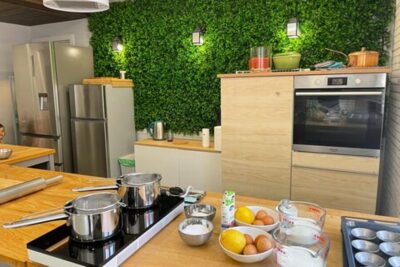
Lisbon Market and Food Tour with Cooking Class and Lunch
Read our review →
Private Lisbon Market Tour & Portuguese Cooking Class with Paula
Read our review →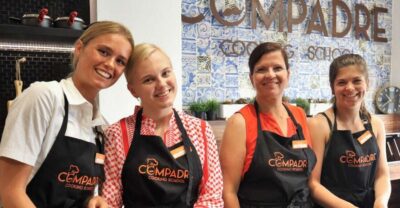
This kitchen also appears in