
Review · CAMBODIA
Kampot : Cooking Class in a Local Chef with Market Tour
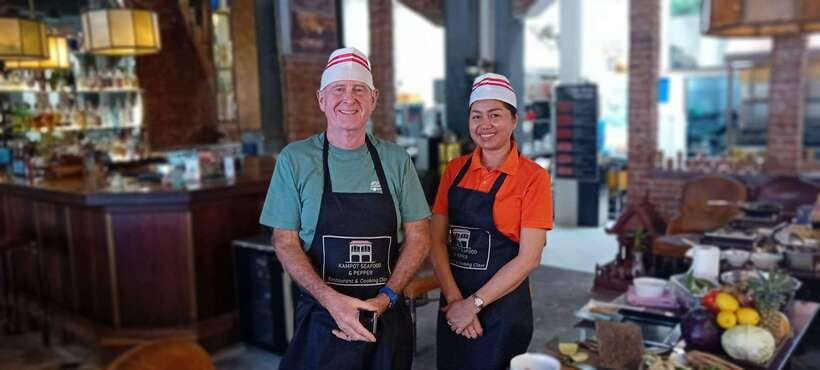
Kampot’s best food lesson begins before you reach the stove. You’ll walk through a local Khmer market with a chef, see the ingredients up close, then return to a colonial residence near the river to cook three dishes of your choice. I like that the meal is not fixed: you choose a starter, main, and dessert. I also like the focus on Kampot Pepper, the province’s signature ingredient.
The four-hour format gives you time to cook and eat without rushing. The main consideration is that only extra drinks and water are included, so budget separately for soft drinks or alcohol. The class has just two published ratings, both giving it five stars, with special praise for its warm welcome, attentive service, and friendly, professional approach.
Key points at a glance
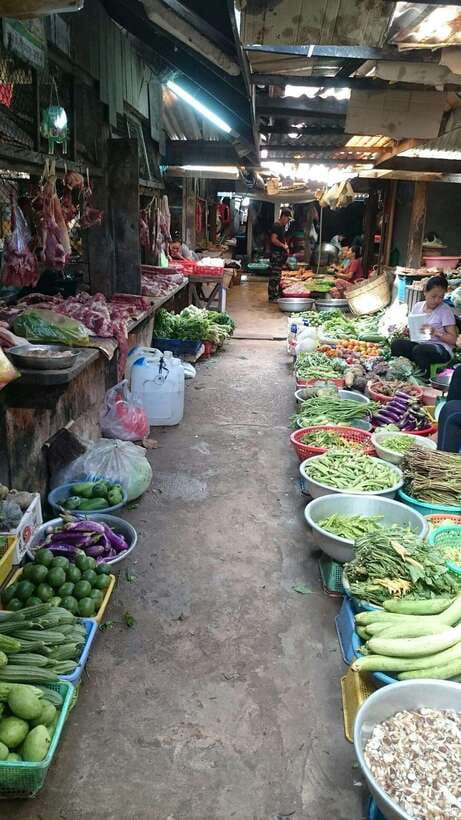
- A market visit comes first: Learn about Khmer ingredients before handling them in the kitchen.
- You choose three dishes: Select a starter, main course, and dessert rather than following one fixed menu.
- Kampot Pepper gets proper attention: Use the local spice in traditional Cambodian dishes.
- The class is held in a colonial home: The setting is close to the river in central Kampot.
- Private format: You receive instruction in an English-speaking private group rather than a large shared class.
- $42 covers the essentials: Round-trip transfer, ingredients, food, water, Wi-Fi, market visit, and VAT are included.
Why this Kampot cooking class works
Many cooking classes begin with a prepared basket of ingredients. This one starts at the market, which gives the food a useful sense of place. You do not simply hear that Cambodian cooking uses herbs, vegetables, spices, and fresh produce. You first see the kinds of ingredients sold in Kampot, then use them in the kitchen.
I like this order. It connects the finished dish to everyday Cambodian food rather than treating the cuisine as a set of restaurant recipes. The chef’s guidance matters here, since a market can be confusing if you do not know what you are looking at or how an ingredient will be used.
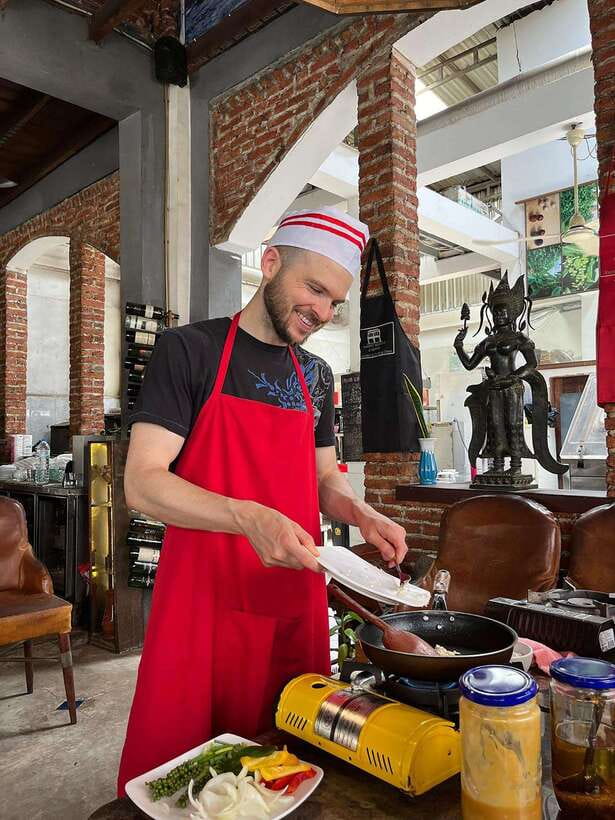
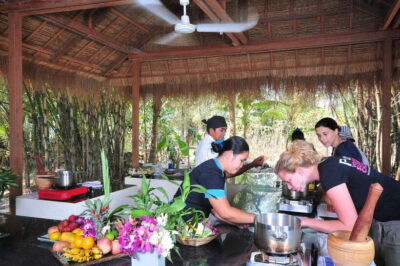
The setting adds another layer. The class takes place inside a classic colonial residence near the river, not in a purpose-built cooking school described in generic terms. That makes the experience feel tied to Kampot’s old town character. You will spend part of the morning or afternoon walking through the market and part of it cooking indoors, with time to sit down and eat what you prepare.
The private-group format should suit you if you prefer asking questions as you go. It also makes the class a more natural choice for couples, families, or a small group of friends who want the pace to fit them. The supplied details do not state the maximum number of people, so you should confirm the group size when booking if that matters to you.
More Cooking Classes with a Market Tour in Cambodia:
- Battambang: Cooking Class and Market Touring
★ 4.8 · 80 reviews - Hanoi Cooking Class: Culture, Local Market & Meaning CSR Impact
★ 5.0 · 5,147 reviews - 5 Traditional Dishes Hanoi Cooking Class with Market Trip
★ 5.0 · 4,890 reviews
The market walk before the cooking begins
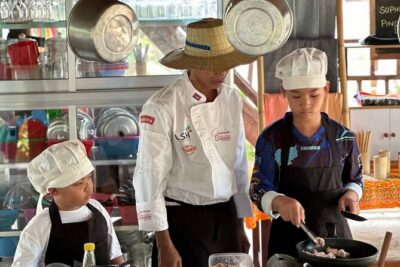
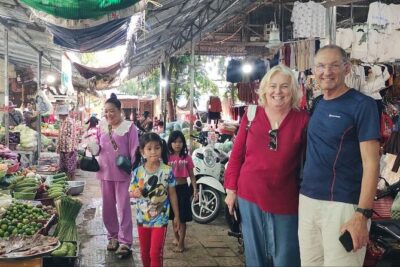
The market visit is not just a quick stop for a few vegetables. It is the part of the experience that introduces the raw materials behind Khmer food. You will explore the market with an English-speaking chef, who can explain what to look for and how the ingredients fit into the dishes you will prepare later.
That guidance is especially useful if you are unfamiliar with Cambodian cooking. Ingredients can look ordinary on a market table but behave very differently in a recipe. A chef can help you understand which items provide heat, sourness, sweetness, fragrance, or texture.
The market also gives you a better sense of local food habits than a kitchen lesson alone. You may find the produce more interesting than the polished final plate, because this is where you see the ingredients in their everyday setting. Still, the exact market route and selection of produce are not specified, so I would not book this expecting a long food tour with tastings at every stall.
The visit takes place as part of a four-hour activity. That time includes the cooking and meal, so the market portion is likely designed as a practical introduction rather than a full morning market expedition. If you want several hours devoted only to shopping and food sampling, this is not the right format.
Choosing your starter, main, and dessert
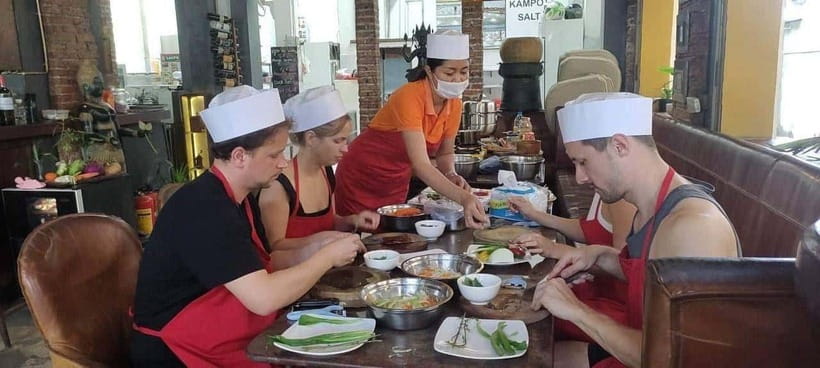
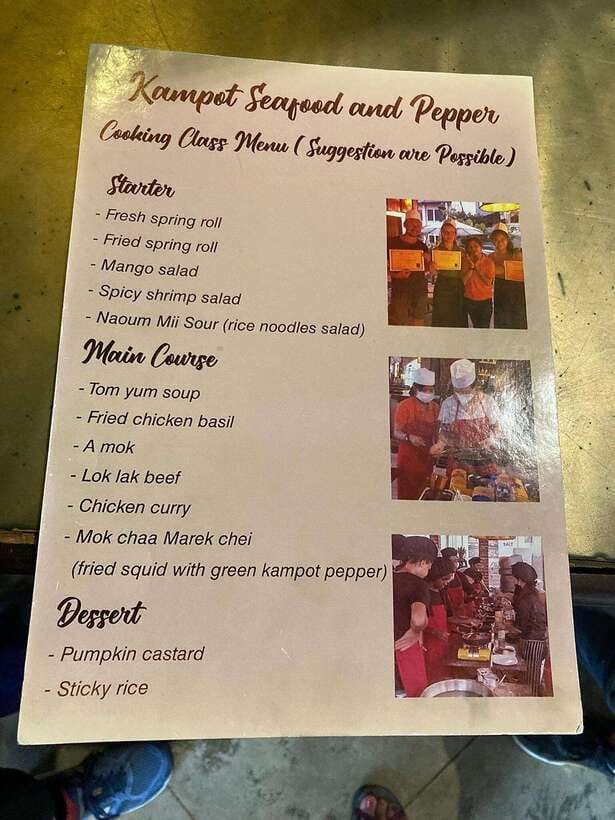
A strong feature of the class is the choice of three Khmer dishes, one from each course. You are not locked into a single menu. That lets you choose food you already enjoy, try something new, or build a meal around a particular ingredient.
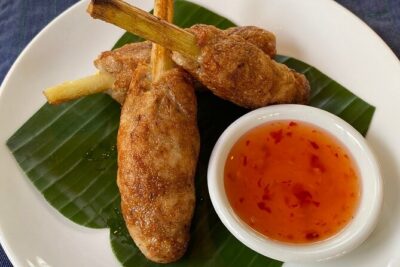
Possible dishes named for the class include larb, papaya salad, and amok. These give you a useful range of techniques and flavors. Papaya salad can show you how raw ingredients, dressing, and texture work together. Larb offers another style of seasoned mixture. Amok introduces one of Cambodia’s best-known dishes and the gentle, fragrant side of Khmer cooking.
The final menu is not specified in the information provided, so you should ask what dishes are available on your chosen date. That is worth doing if you have strong preferences or dietary limits. The class promises a starter, main, and dessert, but it does not state that every named example will be available each day.
The choice also makes this a better repeat activity for people staying in Kampot for several nights. If you have already sampled amok in a restaurant, you can focus on another dish. If Cambodian food is new to you, you can pick familiar ingredients for one course and use the other two to stretch a little.
Cooking with Kampot Pepper
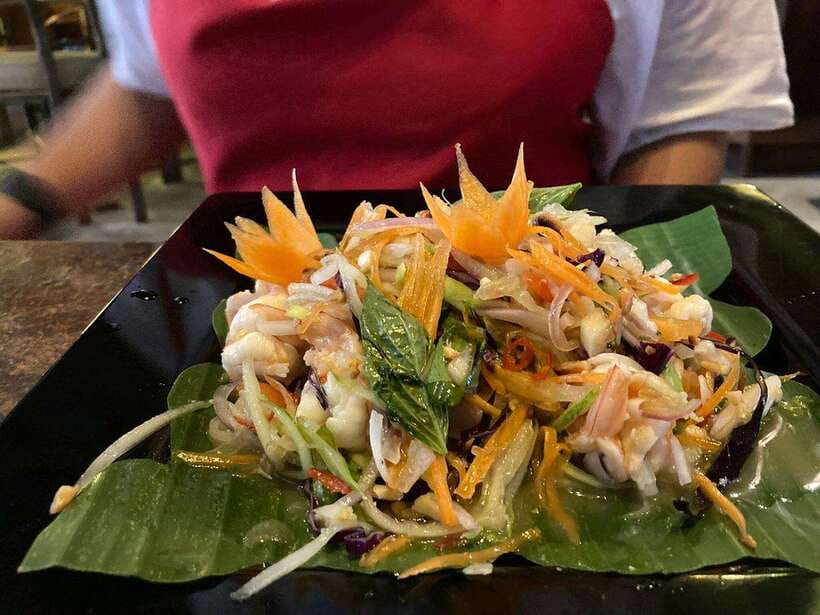
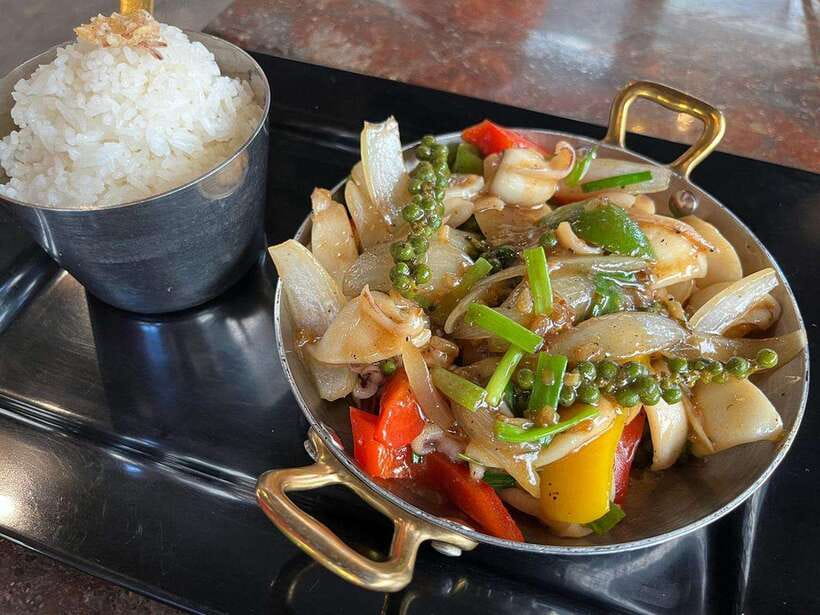
Kampot Pepper is one of the clearest local links in this experience. The class specifically includes instruction in preparing Cambodian meals with the province’s famous pepper, so you are not merely passing through Kampot while eating a generic Southeast Asian menu.
The value is practical. You learn where a local ingredient fits in a dish, rather than buying a small packet at a shop without knowing how to use it. The lesson is meant to help you reproduce the flavors at home after your trip, which makes the cooking more useful than a meal you simply eat and forget.
Do not expect the class to turn you into a professional chef in four hours. You will learn selected techniques and recipes under the chef’s direction, not complete training in Cambodian cuisine. But a focused lesson can give you enough confidence to make one or more familiar dishes again.
The supplied details do not say which form of Kampot Pepper you will use or how much time is devoted to it. If pepper is the main reason you are interested, ask how it features in the menu. The class does promise that you will prepare Cambodian food using the ingredient, so it is a real part of the experience rather than a decorative mention.
More cooking classes around Cambodia:
- Khmer Cooking Class at a Local’s Home in Krong Siem Reap
★ 5.0 · 2,731 reviews - Siem Reap: Khmer Cooking Class at a Local’s Home
★ 5.0 · 1,108 reviews - Award-Winning Cooking Class Experience with Professional Teacher
★ 5.0 · 745 reviews - Khmer Cooking Class Half Day (AM or PM)
★ 5.0 · 316 reviews
Inside the colonial residence near the river
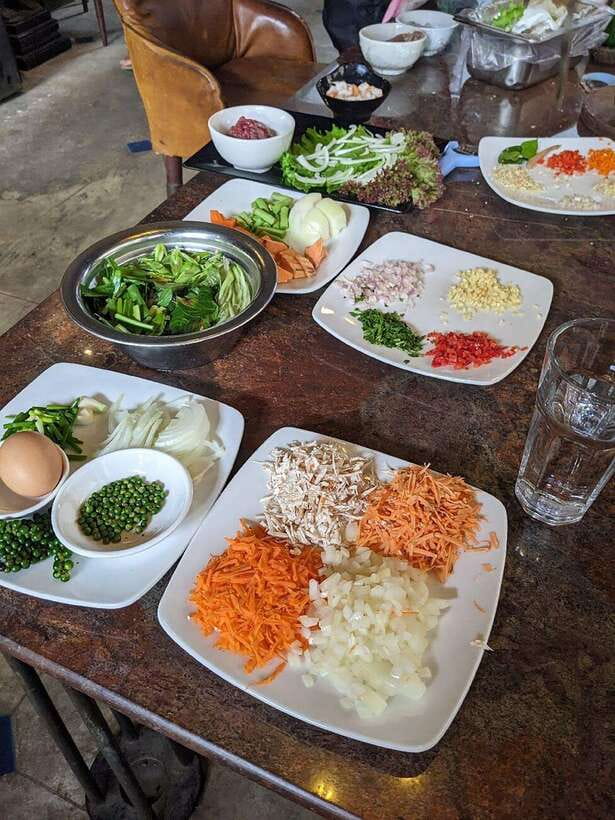
The class is held in a classic colonial residence in the heart of Kampot, close to the river. Location matters here. You are not being sent far outside town for a cooking lesson, and the setting gives the activity a link to Kampot’s recognizable town center.
The house should make the class feel more personal than a large commercial kitchen. You will cook, eat, and spend time with the chef in one place, with a private group and English instruction. The available information does not identify the chef by name, so you should not expect a named instructor to be guaranteed when booking.
The atmosphere may appeal to you if you like food experiences with a sense of place. At the same time, a historic home may not provide the same modern, classroom-style setup as a purpose-built culinary studio. Details about the kitchen layout, seating, and equipment are not supplied, so anyone with specific comfort or mobility needs should ask ahead.
Free Wi-Fi is included, though it is not the reason to choose this activity. It is a small convenience if you need to check transport, message someone, or share a photo while you are there.
What the four hours feel like

The experience is built around a simple rhythm. Round-trip transfer gets you to the activity, the chef leads you through the market, and you return to the residence to cook your selected dishes. You then eat the food you have prepared.
The four-hour length is sensible for this format. A shorter class might squeeze the market walk or rush the meal. A much longer one could feel repetitive unless it included several cooking stations or a larger menu. Here, the three-course structure gives the time a clear purpose.
Starting times vary, so you need to check availability rather than assume it begins in the morning. The wording describes a great morning from one participant, but the activity also allows other starting times. If you have a bus, train, or afternoon plan, match the class time carefully with your schedule.
The round-trip transfer is included, which improves the value and removes one small transport problem. The exact pickup area and vehicle details are not provided, so confirm where the transfer meets you. You should also allow some flexibility around the four-hour duration if you have a fixed appointment afterward.
How much value you get for $42
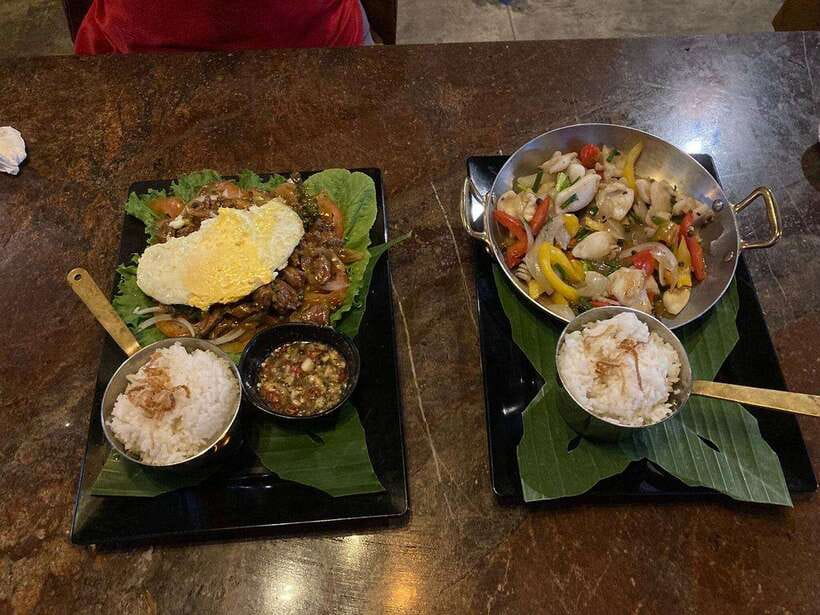
At $42 per person, this is not simply the price of a restaurant meal. It includes a market visit, an English-speaking chef, all cooking ingredients, the food you prepare, water, round-trip transfer, Wi-Fi, VAT, and a private-group format.
That package makes the price reasonable for you if you value instruction and local context. You are paying for the activity as well as the meal. The chance to choose three dishes and repeat the recipes at home adds more value than a one-time tasting.
The price is less compelling if your only goal is to eat Cambodian food cheaply. Kampot has restaurants where you can order a meal without spending four hours in a class. The fee makes sense when you want to learn, ask questions, visit a market, and take home a skill.
Extra drinks are not included. Alcoholic drinks can be bought separately, but you should expect to pay for them in addition to the advertised price. Water is included, which covers the basic need during the class.
The human side of the lesson
The strongest praise attached to this experience concerns the welcome and the service. The available feedback describes a great welcome, attentive treatment, and a friendly, professional approach. One comment also says the class allowed the participant to feel at ease and be himself, which is a useful clue about the tone.
That matters in a cooking class. You need to be comfortable making mistakes, asking basic questions, and working at your own speed. A cold or hurried instructor can make even a good recipe feel like an exam. The positive comments suggest that the people running this experience place real value on hospitality.
I would keep the praise in proportion. There are only two published ratings, so they provide a positive early signal rather than a large body of evidence. Also, no instructor names are supplied, so the quality may depend on the chef assigned to your booking.
Still, the repeated themes are specific enough to be useful: welcome, attention, friendliness, professionalism, and a relaxed atmosphere. If you want a strict technical cooking course, ask about the level of instruction. If you want an approachable introduction to Khmer food, these qualities are a good fit.
Who should book this experience
I would recommend this class to food-focused visitors staying in Kampot who want more than a restaurant meal. It is especially suitable if you enjoy learning by doing, want to understand local ingredients, and would like to recreate Cambodian dishes after returning home.
It also works well for a private group that prefers not to cook beside strangers. Families may appreciate the choice of dishes, though the supplied information does not state a minimum age or child policy. Ask before booking if you are traveling with children.
The class can suit vegetarians or people with food restrictions only if the menu can be adjusted. The details do not state how allergies, religious restrictions, or dietary preferences are handled. Tell the provider before confirming and ask which dishes can be adapted.
You may want to skip it if you dislike markets, have no interest in cooking, or need a tightly timed activity. The class depends on participation, and the four hours are best used by people who want to take part rather than sit back and watch.
Booking advice and practical limits
Free cancellation is available up to 24 hours before the activity for a full refund. You can also reserve now and pay later, which helps if your Kampot plans are still shifting.
The class is conducted in English. The private-group setup is useful if clear communication matters to you, but the available information does not identify the chef or give a detailed language list beyond English.
Check the starting time, pickup arrangements, dish choices, and any dietary requests before you pay. These are the details most likely to affect whether the class fits your day. There is no need to bring ingredients, since they are included.
Should you book the Kampot cooking class?
Book it if you want a hands-on introduction to Khmer food with a market visit, a private group, and three dishes you can choose yourself. The combination of local ingredients, Kampot Pepper, a central colonial setting, and round-trip transfer gives you a solid package for $42.
I would be cautious only if you want a detailed chef-training course, a long market tour, or a guaranteed named instructor. For most food-loving visitors, the relaxed welcome and practical recipes make this one of the more useful ways to spend four hours in Kampot.
FAQ
Where does the cooking class take place?
The class takes place in a classic colonial residence in the heart of Kampot, close to the river.
How long does the experience last?
The activity lasts four hours. Starting times vary, so check availability for the date you want.
What does the market tour include?
You visit a Khmer local market with guidance from an English-speaking professional chef before beginning the cooking lesson.
How many dishes will I cook?
You choose three Khmer dishes: one starter, one main course, and one dessert.
Which Cambodian dishes may be available?
Examples named for the experience include larb, papaya salad, and amok. The available menu can vary, so confirm the choices when booking.
Is Kampot Pepper part of the class?
Yes. The class includes instruction on preparing Cambodian meals with Kampot Pepper.
Is transportation included?
Yes. Round-trip transfer is included in the price. The exact pickup details are not specified, so confirm them before the activity.
Are drinks included?
Water is included. Extra drinks and alcoholic drinks are not included, although alcoholic drinks are available for purchase.
Can I cancel the booking?
You can cancel up to 24 hours in advance for a full refund. The activity also offers a reserve-now, pay-later option.
New cooking classes around Cambodia
- Sambo cooking class★ 5.0 · 3 reviews
- Phnom Penh’s Hands-On Khmer Cooking Class in the Countryside★ 4.9 · 33 reviews
- Khmer Food Culture Cooking Class in Kampot★ 5.0 · 7 reviews
- Kampot Countryside: Authentic Khmer Cooking Class★ 4.8 · 21 reviews
- Cambodian Cooking Class★ 4.9 · 25 reviews
- Cambodian Cooking Class from Siem Reap★ 4.9 · 190 reviews
- Battambang: Cooking Class and Market Touring★ 4.8 · 80 reviews
- Siem Reap: Afternoon Cooking Class & Village Tour★ 5.0 · 5 reviews
Cambodia Cooking Classes, side by side.
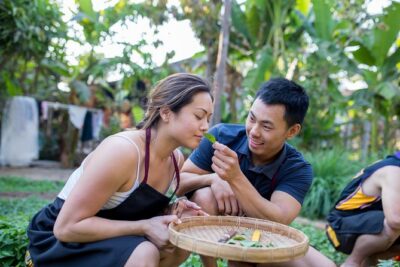
Khmer Cooking Class at a Local’s Home in Krong Siem Reap
Read our review →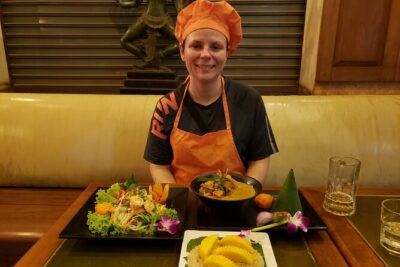
Award-Winning Cooking Class Experience with Professional Teacher
Read our review →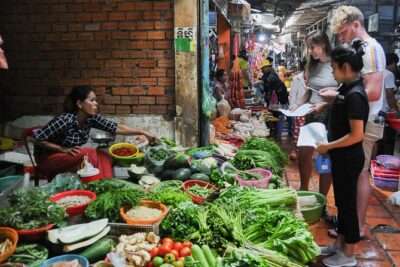
Phnom Penh’s Hands-On Khmer Cooking Class in the Countryside
Read our review →
Kampot Countryside: Authentic Khmer Cooking Class
Read our review →This kitchen also appears in