
Review · ATHENS
Athens: Greek Souvlaki Pita Gyros Cooking Class with a Local
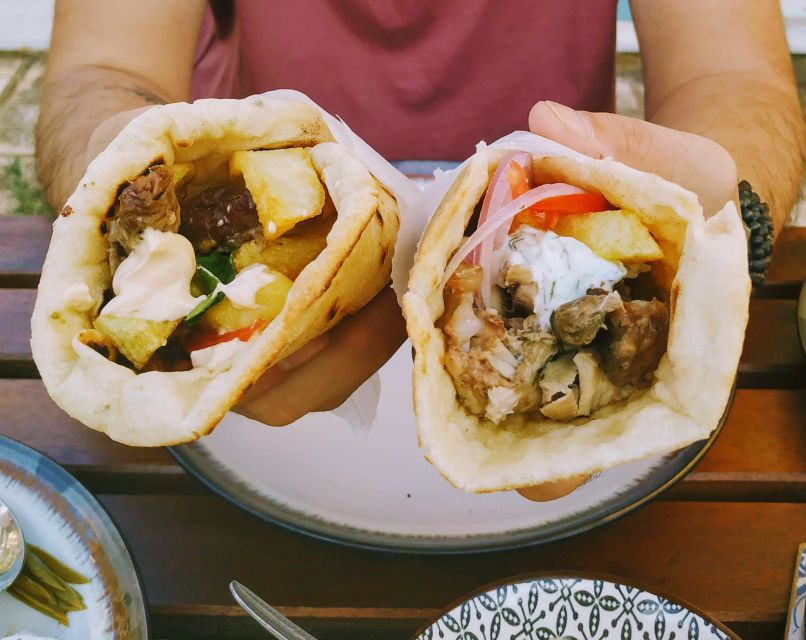
Making gyros from scratch is the heart of this three-hour Athens cooking class. With Dionysia, her husband, and sometimes other family members, you prepare the pita dough, build the fillings, cook gyros five ways, and sit down to eat everything together. It feels less like a formal lesson and more like being welcomed into a Greek kitchen.
I especially like the hands-on format and the zero-waste approach. You do not simply watch someone assemble a plate. You work with fresh ingredients, choose how to build your pita, and take home recipes so the meal can live beyond Athens. Any food you cannot finish can be taken with you, donated, or used by the family.
The main consideration is that this is a food-heavy, social activity rather than a quick demonstration. You need to arrive hungry, and the class is not suitable for people with mobility impairments. At $129 per person, it costs more than a casual souvlaki lunch, but it includes three hours of instruction, unlimited food and drinks, and a full meal.
Key points about the Athens gyros class
- Pita made from scratch: Prepare the dough for soft, pillowy Greek flatbread rather than relying on packaged bread.
- Five gyros cooking styles: Learn several ways to season and cook the meat, then build the pita to your taste.
- Dionysia and her family host: The relaxed family setting is central to the experience, with stories and conversation alongside the cooking.
- Greek food beyond the plate: Hear about family recipes, Greek food traditions, and the local zero-waste approach.
- Unlimited food and drinks: Beer, wine, and the meal are included, so you can settle in rather than watch the clock.
- Recipes to take home: You leave with instructions for recreating the pita, gyros, dips, and dessert.
A family kitchen in central Athens
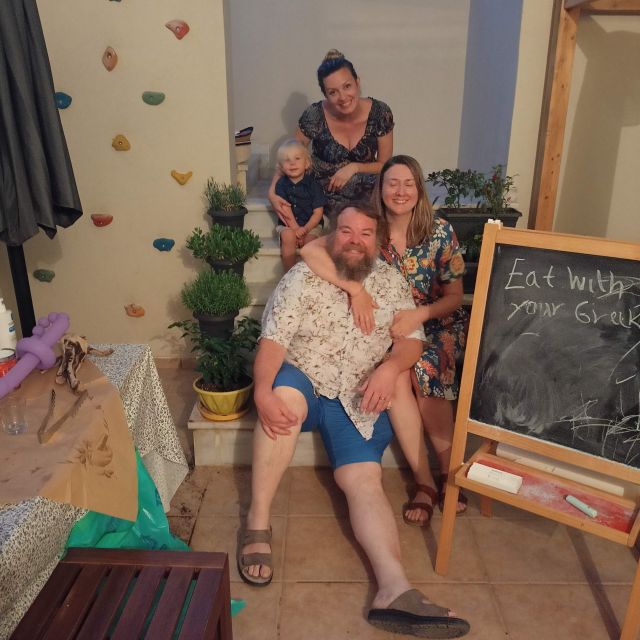
The class takes place in a cozy kitchen in central Athens, designed to feel like the hosts’ own home rather than a restaurant classroom. That choice sets the mood right away. You are not being processed through a large cooking demonstration with a chef at the front. You are sharing a working kitchen with Dionysia and her family.
Dionysia is the main instructor, and her husband helps keep the class moving. Their style is casual and friendly. You can expect conversation about food, travel, Greek customs, recipes, and daily life while your hands are busy with the meal.
This matters because cooking classes can go one of two ways. Some are polished but impersonal. Others feel warm but lack structure. This one aims for a middle ground. The hosts keep the steps understandable and organized, but the setting remains informal. You can grab a beer or wine from the fridge, ask questions, and talk as you cook.
English is the teaching language. The available information does not specify a fixed group size, so I would not book this expecting either a private class or a large school-style session. The family atmosphere is the important part, not a particular number of participants.
More Greek Cooking Classes around Athens:
- Greek Cooking Class in Athens Including Rooftop Dinner with Acropolis View
★ 5.0 · 826 reviews - Greek Small-Group Athens Cooking Class & Dinner
★ 5.0 · 574 reviews - Athens: Greek Cooking Class & Dinner on a Rooftop
★ 5.0 · 383 reviews
Starting with Greek street food
Gyros and souvlaki are among Greece’s best-known casual foods, but eating one from a paper wrapper tells you only part of the story. In this class, you work through the parts that are easy to overlook: the bread, seasoning, cooking method, sauces, and balance between filling and garnish.
The first major task is the pita. You prepare the dough yourself and learn how it becomes the soft, flexible bread needed to hold the filling. This is one of the strongest reasons to choose the class. A ready-made pita can be tasty, but making the bread gives you a better sense of what makes a good gyro work.
The lesson is practical rather than overly formal. You should expect instructions that are easy to follow, with Dionysia helping as needed. The setting is suitable for families, and one family of five found that the hands-on work kept everyone involved. Children and adults can share tasks, though the listing does not give a specific minimum age.
Do not expect every step to feel like a separate restaurant course. The class is built around a generous communal meal, and the cooking flows from one task to the next. That makes it enjoyable for people who like conversation and participation, but less ideal if you want a tightly timed technical workshop.
Five ways to prepare the gyros
The class teaches five different ways to season and cook gyros. That variety gives the session more value than a lesson focused on one fixed recipe. You can compare approaches, notice how seasonings change the finished filling, and decide which version you would make at home.
You also get room to assemble the food to your own liking. This is useful because a gyro is personal food. Some people want more sauce, others want more filling, and some prefer to keep certain ingredients separate. The class lets you eat what you prepare in the way that suits you.
The exact five recipes are not specified in the available information, so you should not book expecting a named list of meat or vegetarian options. The description centers on traditional gyros, and the hosts focus on seasoning, cooking, and assembling the dish from fresh ingredients.
The practical lesson here is balance. You learn that the pita is not just a wrapper and the filling is not the whole meal. The bread, sauces, seasoning, and final assembly all matter. That is the kind of knowledge you can use when cooking at home, even if your kitchen does not look much like a Greek one.
Dips, dessert, and the meal afterward
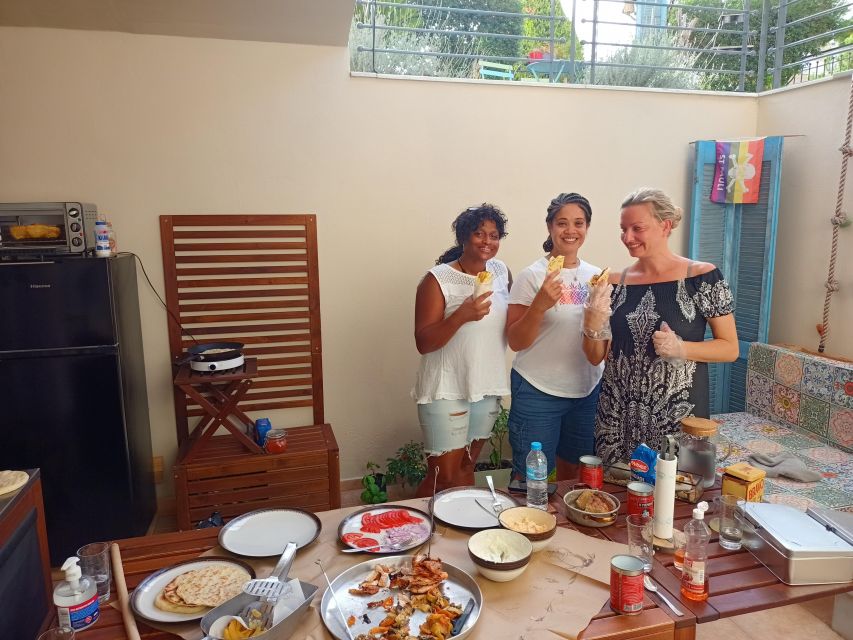
The cooking does not end with the gyro filling. You also prepare the supporting parts of the meal, including dips, and finish with a traditional Greek sweet. Dessert is either patsabouropita or a Greek-style cheesecake.
Patsabouropita is a useful detail for anyone who wants to try something less familiar than baklava. The name refers to a Greek pastry made with crumpled phyllo, and the class presents it as one of Dionysia’s favorite sweets. The alternative is a Greek-style cheesecake, so the exact ending may vary.
Some sessions have also included a Greek breakfast before the gyros preparation. That does not appear as a guaranteed part of the listed package, so I would treat it as a possible extra rather than plan your day around it.
Once the cooking is complete, you sit down and eat the food prepared together. The meal is included, and food and drinks are unlimited. This is why arriving hungry is not a joke. A light breakfast or lunch before the class is sensible if you are taking the activity early, but you should leave plenty of appetite for the main meal.
The food is intended to be eaten in a relaxed setting, not rushed between sightseeing stops. Allow the full three hours. Even if you finish the cooking quickly, the value comes from sitting down, talking, and learning about the recipes and traditions behind the dishes.
More cooking classes around Athens:
- Athens: Classic Cooking Class with Market Visit and Wine
★ 5.0 · 1,101 reviews - Athens: Food Market Visit and Cooking Class with Wine
★ 4.9 · 1,087 reviews - Athens: Greek Cuisine Cooking Class and 3-Course Dinner
★ 4.8 · 270 reviews - Athens: Greek Cooking Class with Meal and Drinks
★ 4.9 · 171 reviews
Stories, recipes, and Greek zero-waste habits
Dionysia does more than explain measurements and cooking steps. She shares family recipes, stories about Greek food traditions, and personal suggestions for enjoying Athens. That gives the class a local point of view without turning it into a general city tour.
The zero-waste element is especially practical. If you do not eat something, or cannot finish the meal, you can take it with you. The family may also donate the food or use it themselves. This is a small detail, but it shows that the meal is treated as real food rather than a disposable display created only for an activity.
You also receive the recipes. That changes the value of the class. A meal disappears quickly, but written instructions give you a way to repeat the experience at home. You can make pita for friends, try the gyros again, and use the dessert recipe as a reminder of the evening.
Keep in mind that a recipe is not the same as a full culinary course. The class is designed around enjoying food and learning approachable methods. If you want professional knife skills, detailed nutrition information, or advanced restaurant techniques, this is probably not the right fit.
What the three hours feel like
The experience has a clear but relaxed rhythm:
- You meet at the central Athens kitchen. Pickup can be arranged if you need it, but the available details do not specify the pickup area or cost.
- Dionysia introduces the kitchen, the ingredients, and the food traditions connected with the meal.
- You prepare the pita dough from scratch.
- You work through the gyros, including five seasoning and cooking approaches.
- You prepare dips and other meal components.
- You make either patsabouropita or Greek-style cheesecake.
- You sit down to eat, drink, and talk about Greek food and Athens.
- You receive the recipes for home use.
The sequence may shift depending on the day and the kitchen, but the important point is that cooking and eating are both central. You are not simply watching a cook prepare lunch for you.
The pace appears suited to ordinary visitors, not only confident home cooks. Clear instructions and help from the hosts keep the work approachable. At the same time, you should be comfortable standing and moving around a kitchen for part of the session. Since the activity is not suitable for people with mobility impairments, ask the provider about your needs before booking if you have any concern.
Is $129 a fair price?
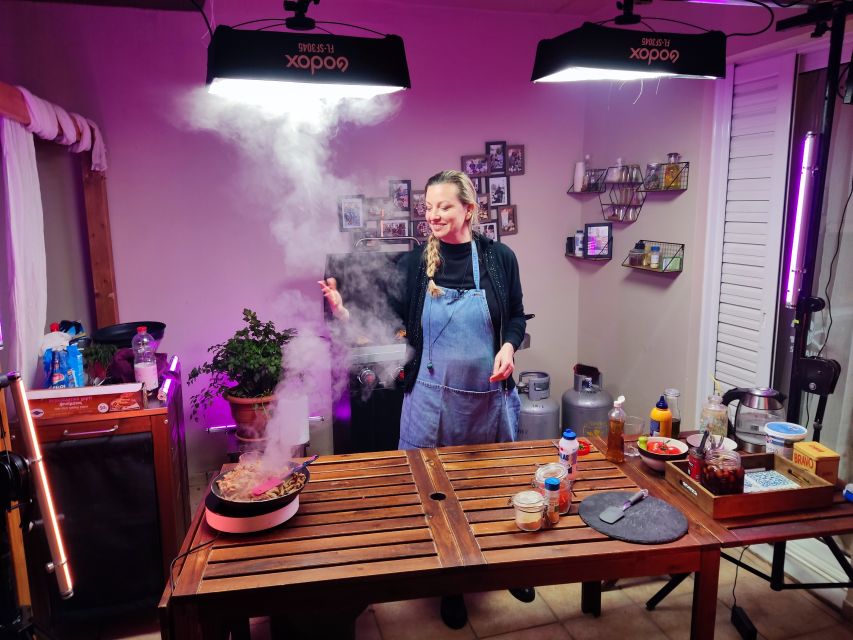
At $129 per person, this is a premium food activity. You can buy a gyro in Athens for a small fraction of that price, so the cost makes sense only if you want more than the finished sandwich.
The fee includes the instructor, cooking equipment, unlimited food, unlimited drinks, and recipes. You are also paying for three hours of hosted time, hands-on instruction, a sit-down meal, and the chance to spend an evening with a local family. For a couple or family that values shared activities, that can be good value.
The class is less attractive for someone who simply wants to sample Greek street food. Athens has plenty of inexpensive ways to eat souvlaki, gyros, and other local dishes. You should choose this experience for the process, conversation, and recipes, not as the cheapest way to get dinner.
The strongest value comes when you cook at home after the trip. The pita recipe alone gives you a useful skill, and the five gyros methods let you repeat the meal in different ways. If you know you will never cook the recipes, the price may feel high.
Who will enjoy this most?
I would recommend the class to couples, families, and food-focused visitors who like to take part rather than sit back. It works particularly well as a break from museums and archaeological sites. After several days of looking at Athens, making lunch or dinner with your hands gives you a different connection to the city.
It is also a good choice for visitors who want a personal, family-run setting. Dionysia’s warmth and the presence of her husband and family are not side details. They shape the activity. The strongest praise focuses on how welcome and comfortable the hosts make people feel, as well as how easy they make the cooking.
You should be ready for a social class. If you prefer a quiet private meal, strict culinary instruction, or a short activity that ends quickly, this may not suit you. The experience is built around chatting, eating, and sharing the kitchen.
Come especially hungry if you book it. The food is plentiful, drinks are included, and the class ends with a full meal. If you have dietary restrictions or avoid particular ingredients, ask the provider before booking, since the supplied information does not list specific substitutions.
Booking and practical details
The activity lasts three hours, with starting times depending on availability. English is the stated language. The meeting point is in central Athens, and pickup may be arranged if needed, but you should confirm the details before relying on that option.
Free cancellation is available up to 24 hours before the activity for a full refund. You can also reserve now and pay later, which helps if your Athens schedule is still changing.
The experience has a 5 out of 5 rating based on 38 reviews, with repeated praise for the food, the friendly family atmosphere, the clear instruction, and the hands-on work. The most consistent strength is the combination of a real meal and real participation. You are not just told about Greek food. You help make it, then eat it.
Should you book the Athens gyros cooking class?
Book it if you want a warm, informal food experience with enough substance to remember and repeat at home. The scratch-made pita, five gyros styles, unlimited food and drinks, family stories, and recipes make it much more than a restaurant meal.
Skip it if your main goal is cheap street food, if you dislike group cooking, or if three hours in a kitchen sounds tiring. At $129, the experience needs to fit your interests.
For most food-loving visitors, I think the class is a strong Athens choice. Dionysia and her family bring the personal touch, while the cooking gives the evening a clear purpose. Arrive hungry, leave room for dessert, and expect to carry home more than a recipe: you will have a better sense of how Greek food fits into family life.
FAQ
How long does the Greek gyros cooking class last?
The class lasts three hours.
Where does the cooking class take place?
It takes place in a cozy kitchen in central Athens, Greece.
Who teaches the class?
Dionysia is the main instructor, and her husband and family may also take part in hosting the experience.
What will I cook?
You will prepare pita dough from scratch, make gyros in five different styles, prepare meal components such as dips, and make either patsabouropita or Greek-style cheesecake for dessert.
Are food and drinks included?
Yes. Unlimited food and drinks are included, including beer and wine available during the relaxed cooking experience.
Do I receive the recipes?
Yes. Recipes are included so you can recreate the dishes at home.
Is the class taught in English?
Yes. English is the listed language for the instructor.
Can I cancel or pay later?
You can cancel up to 24 hours in advance for a full refund. Reserve now and pay later is also available.
New cooking classes around Athens
- Greek Phyllo and Pie Cooking Class in Athens★ 5.0 · 4 reviews
- Greek Cooking Class with Acropolis View★ 4.9 · 51 reviews
- Athens: Cooking Class, Market Visit & Lunch at Local Tavern★ 4.9 · 27 reviews
- Cook like a Greek in a cooking Class in the heart of Athens★ 5.0 · 12 reviews
- Athens Market Tour and Cooking Class in a Beautiful Garden★ 5.0 · 8 reviews
- Athens: Traditional Greek Cooking Class with Full Meal★ 4.8 · 26 reviews
- Athens: Greek Cooking Class with Meal and Drinks★ 4.9 · 171 reviews
- Athens: Kerameikos Stone House Cooking Class★ 5.0 · 165 reviews
Athens Cooking Classes, side by side.
Athens: Classic Cooking Class with Market Visit and Wine
Read our review →
Greek Cooking Class in Athens Including Rooftop Dinner with Acropolis View
Read our review →
Greek Small-Group Athens Cooking Class & Dinner
Read our review →
Athens: Greek Cooking Class & Dinner on a Rooftop
Read our review →
Athens: Greek Cuisine Cooking Class and 3-Course Dinner
Read our review →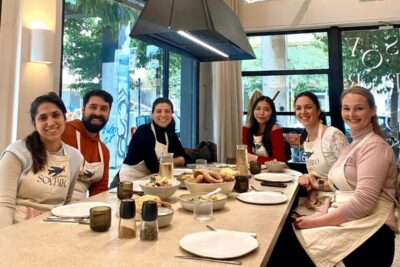
Athens: Greek Cooking Class with Meal and Drinks
Read our review →
Athens Cooking Class and Lunch in our beautiful garden in Greece
Read our review →This kitchen also appears in