
Review · LISBON
Lisbon: Portuguese street food cooking class with Drinks
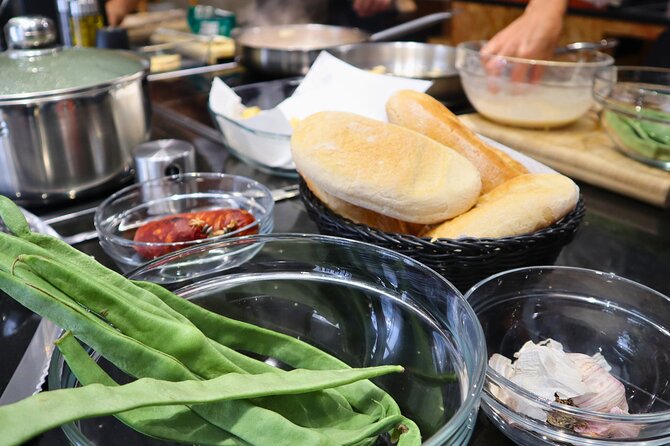
Portugal’s best food lesson may be found not in a formal restaurant, but around a shared kitchen table. At Compadre Cooking School, you prepare bifana pork sandwiches, caldo verde, and peixinhos da horta, the battered green beans that helped inspire tempura. I like that the menu reaches beyond the usual pastel de nata and codfish.
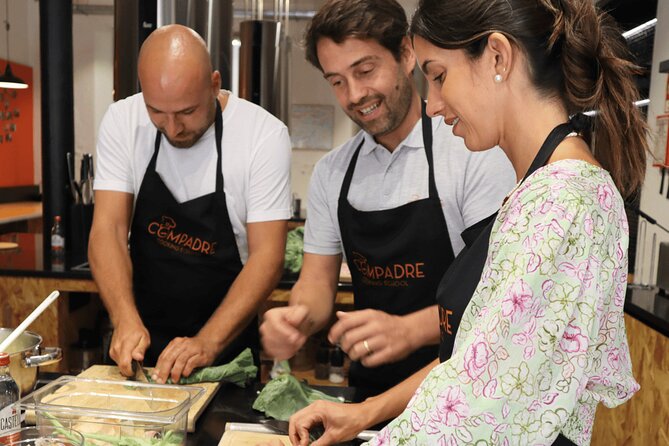
I also like the way the two-hour class turns food into a social meal. You work with others, hear why these dishes matter in Portuguese daily life, then sit down with wine and a taste of ginja. The main consideration is that the class is not suitable for wheelchair users, and extra drinks cost more.
Key points to know before booking
- Three classic street foods: Make bifana, caldo verde, and peixinhos da horta, each with a different place in Portuguese food culture.
- Local instruction: English-speaking chefs, including Marta and Anna in recent sessions, guide the cooking and explain each dish.
- A proper shared meal: The food you prepare becomes lunch or dinner, with a glass of red or white wine and ginja at the end.
- Beginner-friendly format: No previous cooking experience is needed, and the recipes are simple enough to repeat at home.
- Good value at $55: Ingredients, chef instruction, the meal, wine, and cherry liqueur are included.
- Come ready to cook: Wear comfortable clothes and shoes, arrive five minutes early, and contact the school about dietary needs.
Why this Lisbon food class feels different
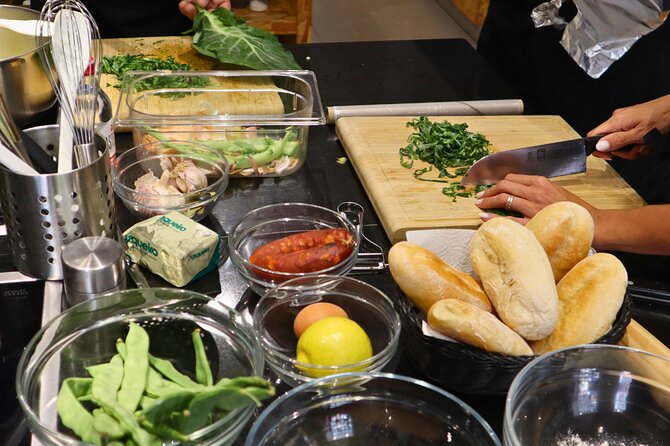
Many Portuguese cooking classes center on famous restaurant dishes. This one takes a more everyday route. Bifana, caldo verde, and peixinhos da horta are the sort of foods connected with snack bars, festivals, home kitchens, and quick meals shared with friends.
That choice gives you a useful look at Portugal beyond the postcard menu. You will not simply learn a recipe. You will see how a plain pork sandwich can become a national favorite, how a soup made with greens fits into Portuguese comfort cooking, and how a modest vegetable dish has a connection to Japanese tempura.
I especially like the balance of practical work and cultural background. The introduction is short, so you do not spend the whole class listening to a lecture. You hear where the dishes came from and how they fit into daily life, then you get to work.
The class is taught in English at the Compadre Cooking School kitchen. Recent sessions have been led by instructors including Marta and Anna, who are described as clear, friendly, and entertaining. The cooking stations are reported to be spacious and spotless, which matters when several people are chopping, stirring, and assembling food at once.
More cooking classes around Lisbon:
- Lisbon: Pastel de Nata Baking Class
★ 4.9 · 2,106 reviews - Lisbon: Traditional Portuguese Cooking Class
★ 4.9 · 592 reviews - Lisbon: 2-Hour Pastel de Nata Cooking Class
★ 4.8 · 461 reviews
Starting with the stories behind Portuguese street food
The class begins with an introduction to the dishes and their place in Portuguese culture. This opening helps you understand what you are about to make instead of treating each recipe as a random set of ingredients.
The food has a strong connection to casual eating. Bifana is a pork sandwich, usually served as a quick snack. Caldo verde is a traditional soup made with finely cut greens. Peixinhos da horta is a crisp, battered vegetable dish whose technique is linked to the origin of tempura.
That mix is smart. The three dishes are different in flavor, texture, and method, so the class does not feel repetitive. You move from soup to sandwich to fried vegetables, with enough variety to keep the cooking active.
The stories also make the meal easier to remember. You can return home and tell friends not only that you learned to make caldo verde, but also why these foods matter in Portugal. For a short class, that cultural framing adds real value.
Making bifana, Portugal’s pork sandwich
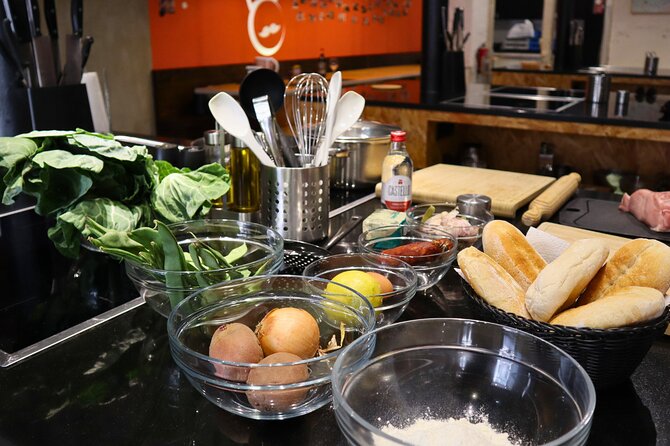
The bifana is likely to be the most familiar street-food idea in the class: seasoned pork served in bread. Its appeal is its simplicity. A few well-handled ingredients can make a satisfying sandwich, and the recipe is practical for a home kitchen.
The class lets you take part rather than watch a chef do everything. You work alongside the other participants, with guidance as the food comes together. One particularly useful detail is that the recipes are designed to be simple enough to repeat at home, so this is not just a one-time cooking display.
The bifana also gives you a feel for Portuguese snack-bar food. It is unfussy, filling, and meant to be eaten without ceremony. That makes it a good contrast to more formal Portuguese dishes you may encounter elsewhere in Lisbon.
Do not expect a private lesson devoted to perfecting one sandwich. You will be sharing the work with the group and preparing several dishes in two hours. That is part of the appeal for social diners, but less suitable if you want highly technical instruction or individual chef attention at every step.
Preparing caldo verde, the class favorite for many cooks
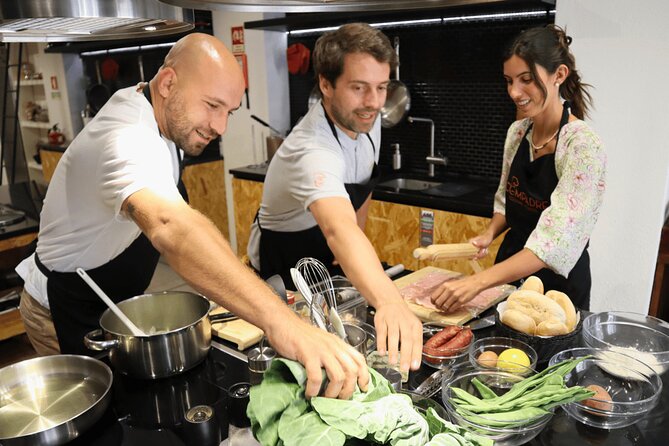
Caldo verde is the comforting centerpiece of the menu. The soup is traditional, popular, and built around simple ingredients, including finely sliced greens. It shows how Portuguese cooking can turn everyday produce into food with plenty of character.
Several participants have singled out the soup as their favorite dish. That makes sense for home cooks. Caldo verde is approachable, inexpensive to recreate, and useful in a normal weeknight kitchen. You do not need special equipment or advanced skills to make the basic method work.
The class also gives you a chance to see how texture and preparation matter. Greens cut too thickly can change the feel of the soup, while careful preparation keeps it light and easy to eat. The instructor’s job here is not only to give you a list of steps, but to show you what the finished dish should be like.
If you prefer hands-on cooking, this part of the class should suit you well. The structure gives participants enough tasks to stay involved through much of the process. A past participant felt that one instructor occasionally took over too much instead of teaching, so you should expect some variation in how closely the chef lets you handle each step.
Same kitchen, a different dish:
- Lisbon Portuguese Cooking Class with 3-Course Dinner
★ 5.0 · 445 reviews - Traditional Portuguese Cooking Class in Lisbon
★ 5.0 · 287 reviews - Lisbon: Pasteis de Nata Baking Class
★ 5.0 · 134 reviews - Lisbon Market and Food Tour with Cooking Class and Lunch
★ 5.0 · 117 reviews
Frying peixinhos da horta, the tempura connection
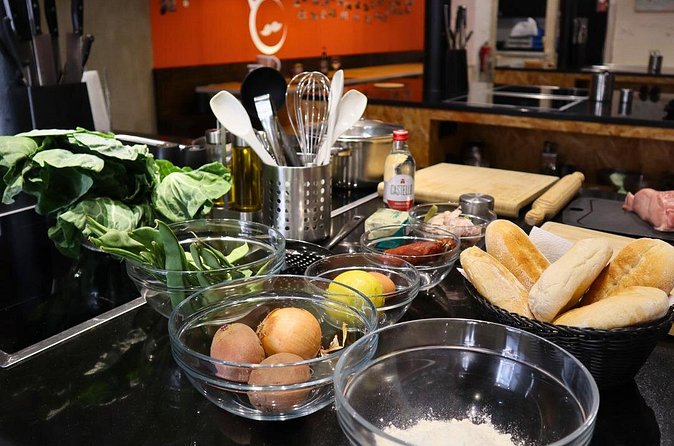
Peixinhos da horta means little fish from the garden, a playful name for battered and fried green beans. It is one of the most interesting choices on the menu because it connects Portuguese food with a cooking style now strongly associated with Japan.
The dish is a good lesson in how food traditions travel. You get a classic Portuguese snack, then learn about its link to tempura. That small historical thread gives the class a wider reach without pulling it away from local food.
The recipe also adds contrast to the soup and sandwich. You work with batter and frying rather than broth or bread, and the finished dish brings a crisp texture to the shared meal. One useful feature of the class is that every recipe is meant to be manageable at home, though you should still follow the school’s cooking guidance carefully when working with hot oil.
This is not a professional culinary course. The goal is to introduce you to the dish and give you the confidence to make it again, not to train you for restaurant service. For most people, that is the right level for a two-hour Lisbon activity.
Sitting down to eat what you made
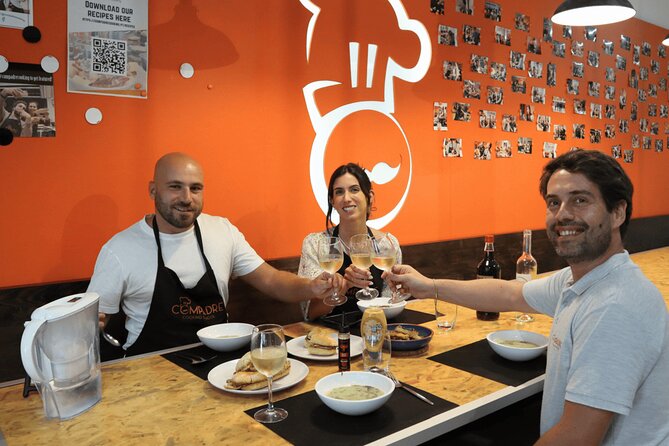
Once the cooking is finished, the group sits together and eats the prepared food. This is more than a final tasting. The class is designed as a full shared meal, which is an important part of the value.
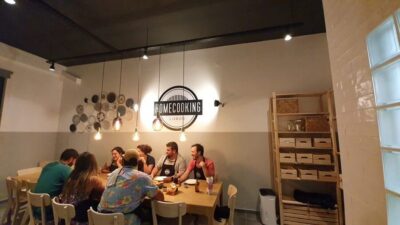
You get to compare the three dishes while they are fresh, talk with the people at your table, and enjoy the results of the work. The shared format is particularly good for solo visitors and couples who want a social activity without committing to a long evening event.
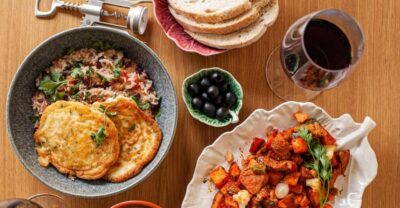
A glass of wine is included, and you can choose red or white. The class finishes with a taste of ginja, Portugal’s traditional cherry liqueur. Ginja gives the experience a distinctly local ending, especially if you have seen it served in Lisbon but never learned much about it.
Additional drinks are not included, so keep that in mind if you want to turn the meal into a longer drinking session. The included wine and ginja are enough to complete the experience, but this is not an open bar.
What the $55 price really includes
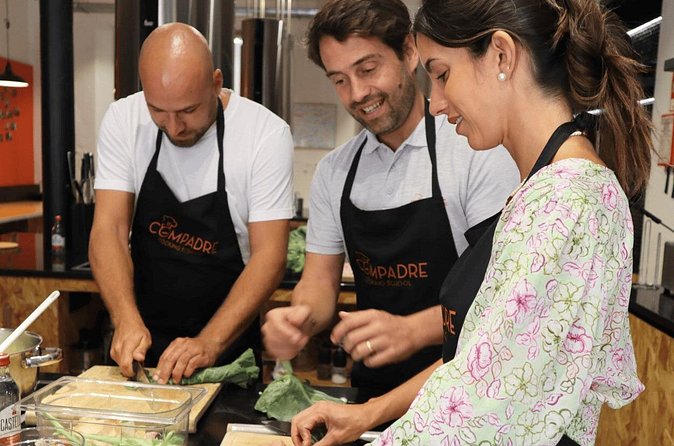
At $55 per person, this class sits in a sensible range for a short Lisbon food activity. The price includes the chef’s guidance, all ingredients, the dishes you prepare, a shared meal, one glass of wine, and a ginja tasting.
The strongest value comes from the fact that you are getting both instruction and lunch or dinner. A basic cooking demonstration might be cheaper, but it would not give you the same chance to handle the ingredients and eat a full selection of dishes afterward. A restaurant meal might also cost less, but it would not teach you how to recreate the food.
The recipes add value beyond the day itself. Bifana, caldo verde, and peixinhos da horta are not presented as difficult restaurant tricks. You can use what you learn when you return home, which makes the experience more useful than a meal that disappears as soon as the bill is paid.
The main limit is time. Two hours is enough for an introduction, hands-on cooking, and a shared meal, but not enough for a long culinary workshop. You will leave with a solid taste of the dishes, not a full course in Portuguese cooking.
Who will enjoy this class most
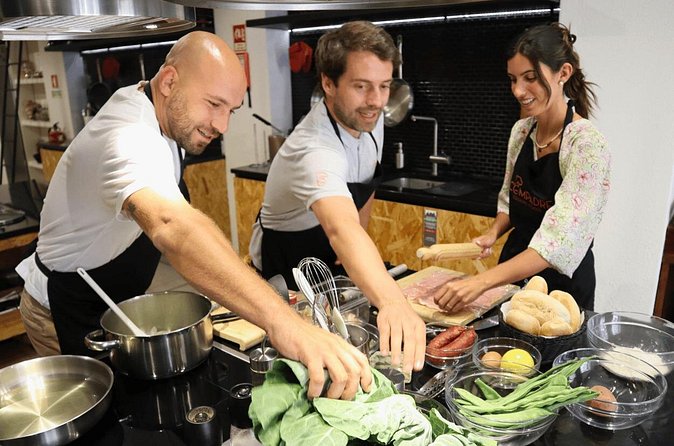
I would recommend this class to anyone who plans a Lisbon food experience but wants more than a tasting. It suits first-time cooks because no previous experience is required, and it suits experienced home cooks who want a few practical Portuguese recipes.
It is especially good for:
- Couples looking for a relaxed shared activity
- Solo visitors who enjoy meeting people around a table
- Families with participants who are comfortable working in a kitchen
- Food lovers interested in everyday Portuguese cooking
- People who want recipes they can make at home
- Visitors who prefer local snacks and comfort food to formal dishes
You should think twice if you want a private lesson, advanced knife skills, or a long chef-led workshop. The group format means the experience depends partly on how many people attend and how the tasks are shared.
The activity is also not suitable for wheelchair users. Comfortable clothing and shoes are required, and smoking, alcohol, and drugs outside the provided tasting are not allowed.
Practical tips for a smooth class
Arrive five minutes early. That gives you time to settle in, find your station, and listen to the opening explanation without rushing.
Wear comfortable shoes and clothing suitable for cooking. You will be standing and working with food, so this is not the place for delicate shoes or anything you need to keep spotless.
If you have a specific dietary requirement, contact the school before booking. The recipes can be adapted, but you should arrange that in advance rather than waiting until the class begins.
Transportation to and from the Compadre Cooking School kitchen is not included. Check your route before leaving, since the class itself lasts only two hours and late arrival can cut into your cooking time.
The class is taught in English. That makes it a straightforward choice for English-speaking visitors, particularly because the instructor explains both the practical steps and the background of the dishes.
Free cancellation is available up to 24 hours before the activity for a full refund, and you can reserve now and pay later. Those terms are useful if your Lisbon schedule is still changing.
Should you book the Compadre Cooking School class?
Book it if you want a friendly, practical introduction to Portuguese food and you like the idea of eating with the people who cooked beside you. The combination of bifana, caldo verde, peixinhos da horta, wine, and ginja gives you a broad taste of local snack food in a short time.
I find the menu more interesting than a standard class built around only the most famous Portuguese sweets or cod dishes. The recipes are simple, the cultural stories give them meaning, and the shared meal makes the $55 price reasonable.
Skip it if you need wheelchair access, dislike group cooking, or want a private chef to focus on your technique. For everyone else, this is a warm and useful way to spend two hours in Lisbon, with food you can carry home in your memory and kitchen.
FAQ
How long does the Portuguese street food cooking class last?
The class lasts two hours.
Where does the cooking class take place?
It takes place at the Compadre Cooking School kitchen in Lisbon District, Portugal.
How much does the activity cost?
The listed price is $55 per person.
What dishes will I learn to prepare?
You will learn to prepare bifana, a Portuguese pork sandwich, caldo verde, a traditional greens soup, and peixinhos da horta, battered green beans.
Is previous cooking experience required?
No. The class is suitable for beginners and does not require prior cooking experience.
Is the class taught in English?
Yes. The instructor language is English.
Is food included in the price?
Yes. You eat a shared meal made from the dishes prepared during the class.
Are drinks included?
The price includes one glass of red or white wine and a tasting of ginja, a traditional Portuguese cherry liqueur. Additional drinks are not included.
Can dietary requirements be accommodated?
The recipes can be adapted for specific dietary needs. Contact the school before the class to discuss your requirements.
Is the class suitable for wheelchair users?
No. The activity is not suitable for wheelchair users.
What should I wear or bring?
Wear comfortable clothing and shoes suitable for cooking. Comfortable shoes are specifically recommended, and you should arrive five minutes early.
Can I cancel the booking?
You can cancel up to 24 hours in advance for a full refund. Reserve now and pay later is also available.
New cooking classes around Lisbon
- Lisbon: Traditional Portuguese Cooking Class★ 5.0 · 41 reviews
- Lisbon: Setúbal Market and Wine tour with Cooking class★ 5.0 · 4 reviews
- Lisbon: Portuguese Cooking Class with Wine Tasting★ 5.0 · 4 reviews
- Lisbon: Portuguese Cooking Class for Beginners★ 4.9 · 78 reviews
- Lisbon: Pasteis de Nata Baking Class★ 5.0 · 134 reviews
- Lisbon: Portuguese Petiscos Cooking Class★ 4.7 · 6 reviews
- Lisbon Market and Food Tour with Cooking Class and Lunch★ 5.0 · 117 reviews
- Private Lisbon Market Tour & Portuguese Cooking Class with Paula★ 5.0 · 89 reviews
Lisbon Cooking Classes, side by side.

Lisbon Portuguese Cooking Class with 3-Course Dinner
Read our review →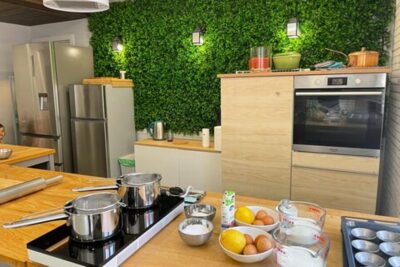
Lisbon Market and Food Tour with Cooking Class and Lunch
Read our review →
Private Lisbon Market Tour & Portuguese Cooking Class with Paula
Read our review →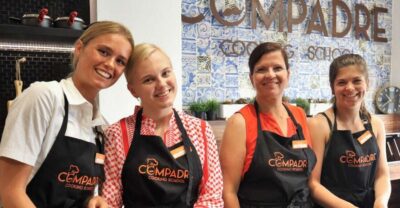
This kitchen also appears in