Review · MILAN
Milan: Italian Cooking Class with Food and Wine
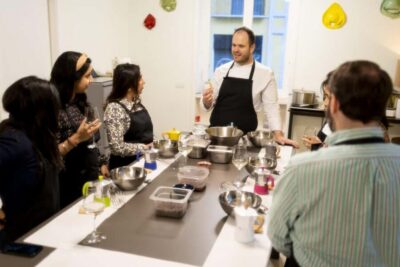
The best part of this Milan cooking class is that you do not simply watch a chef work. You make fresh pasta, shape dishes, and sit down to eat the results with wine. Chef Ilaria leads many sessions with warmth, humor, and clear instruction, while assistants such as Fernando help keep the workstations moving.
I like the hands-on pasta making and the useful recipes you can repeat at home. I also like the relaxed social meal at the end, with both red and white wine included. One thing to keep in mind: the exact menu can change, and some long-cooking sauces may be prepared ahead of time rather than made from start to finish during your three hours.
Key points at a glance
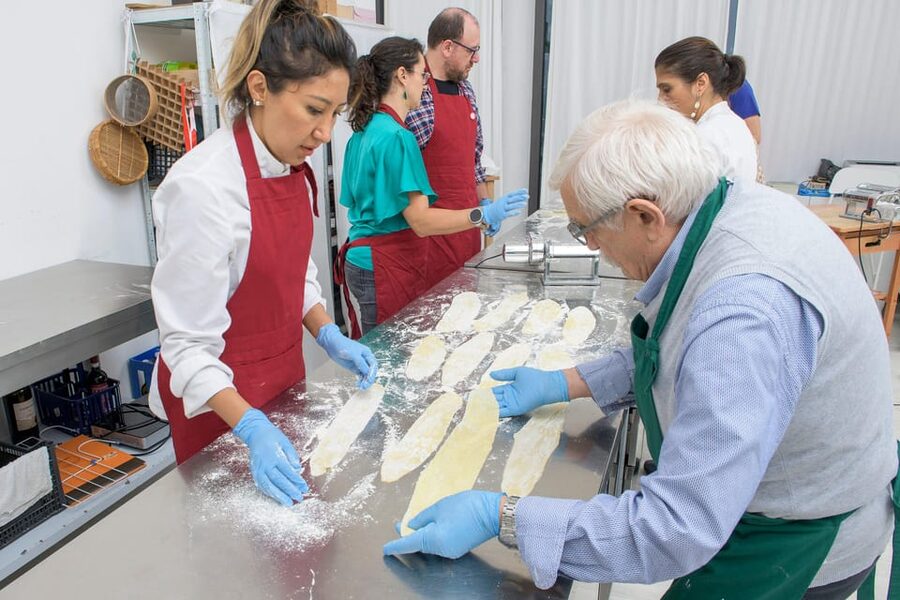
- Fresh pasta is the main event: You may make tagliatelle, ravioli, or another pasta shape from scratch, often using a pasta machine.
- Three dishes in three hours: Classes can include bruschetta, gnocchi, pasta, tiramisù, biscotti, strudel, or other Italian favorites.
- Chef Ilaria teaches with personality: Her instruction mixes cooking technique, Italian food customs, jokes, and stories.
- The meal is part of the class: After cooking, you sit together and eat the dishes with wine.
- Useful for beginners: You receive the recipes, and the workstations, tools, aprons, and ingredients are supplied.
- Check the practical limits: Children under 10, people with mobility impairments, pets, smoking, and large bags are not permitted.
A three-hour taste of Italian cooking in Milan
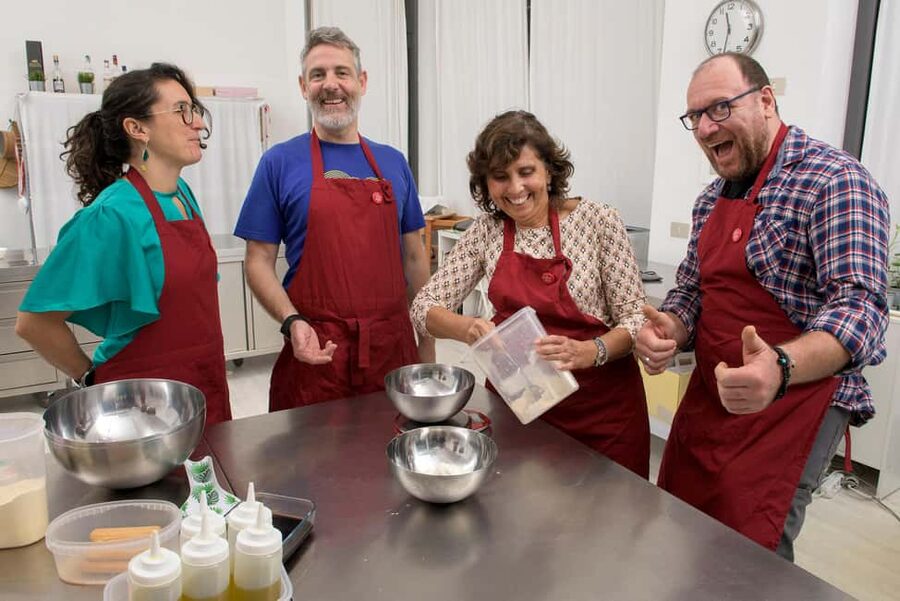
This class at Chef and the City is built around a simple idea: learn a few dishes, then enjoy them together. At $80 per person, the price covers food, drinks, wine, kitchen equipment, gloves, aprons, and instruction. That makes it more than a demonstration and less costly than a full private chef experience.
You work at your own personal station in a professional cooking lab. The setup is practical rather than theatrical. You have the tools in front of you, follow the chef’s instructions, and take part in the preparation instead of sitting at the back of a room.
The format suits people who want a social activity in Milan but do not want to spend an entire day cooking. Three hours gives you enough time to learn a few basic methods, ask questions, and eat a proper meal without taking over your whole afternoon or evening.
The class is offered in Italian and English. English-language instruction is a key point for international visitors, and the available feedback describes the English explanations as clear and easy to follow.
More Cooking Classes with Wine Tasting in Italy
- Milan: Pasta and Tiramisu Cooking Class with Wine
★ 4.8 · 1,106 reviews - Milan: Pasta and Tiramisu Small Group Cooking Class with Wine
★ 5.0 · 660 reviews - Milan: Pasta, Gnocchi and Tiramisù Cooking Class with Wine
★ 5.0 · 117 reviews
Finding Chef and the City
The meeting point is a street-level shop called Chef and the City. Look for three large windows and three red signs above them bearing the business name. When you arrive, ring the bell at the main window door.
That description matters because the shop is not presented as a major landmark or a large restaurant entrance. Give yourself a moment to check the windows and signs rather than walking past in search of a grand cooking school facade.
Large bags and luggage are not allowed inside. If you are coming directly from a train station or hotel, plan around that restriction. There is no luggage storage provided as part of the activity, and private transportation is not included.
The kitchen is a working space, so wear something comfortable and practical. Long hair must be tied back. Smoking and pets are not allowed.
Starting with snacks, tools, and kitchen rules
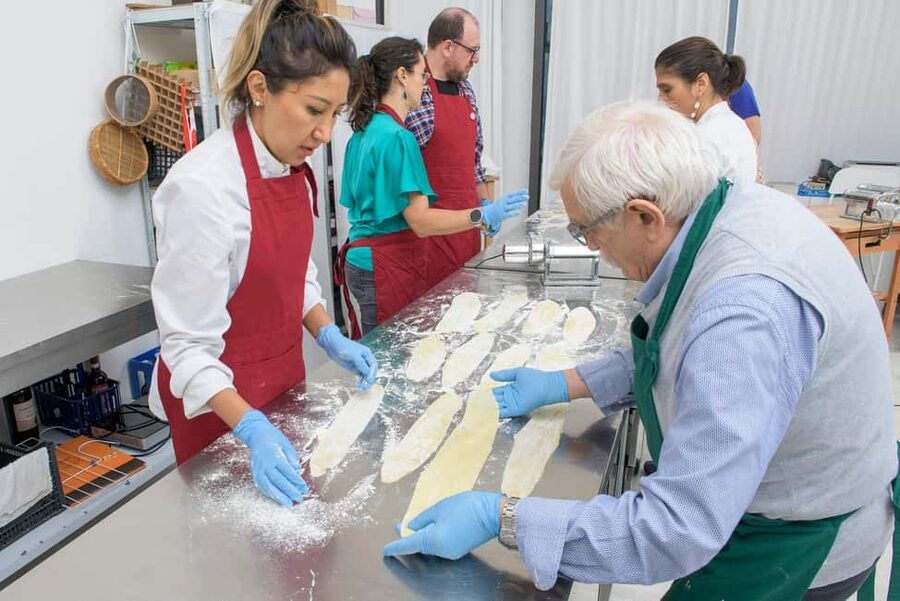
Once the session begins, the equipment is ready for you. Cooking tools, gloves, and aprons are included, which is useful if you are visiting Milan with only a small suitcase or do not want to carry cooking gear.
Light snacks are available during the class. These can include cheese, sun-dried tomatoes, mortadella, olives, cookies, biscuits, and candies, along with coffee, tea, infusions, and water. These extras help make the waiting periods more pleasant, especially when dough needs time or the chef is demonstrating a technique.
There are a few kitchen rules to follow. You cannot eat or drink while cooking, and tasting during the preparation stage is not allowed. That may feel strict to anyone used to nibbling as they cook, but it makes sense in a professional lab where hygiene and concentration matter.
You should also keep your work area orderly and follow the chef’s directions. The point is not only to get food on a plate. You are learning how a professional kitchen handles preparation, timing, and cleanliness.
Making pasta from flour to finished shape
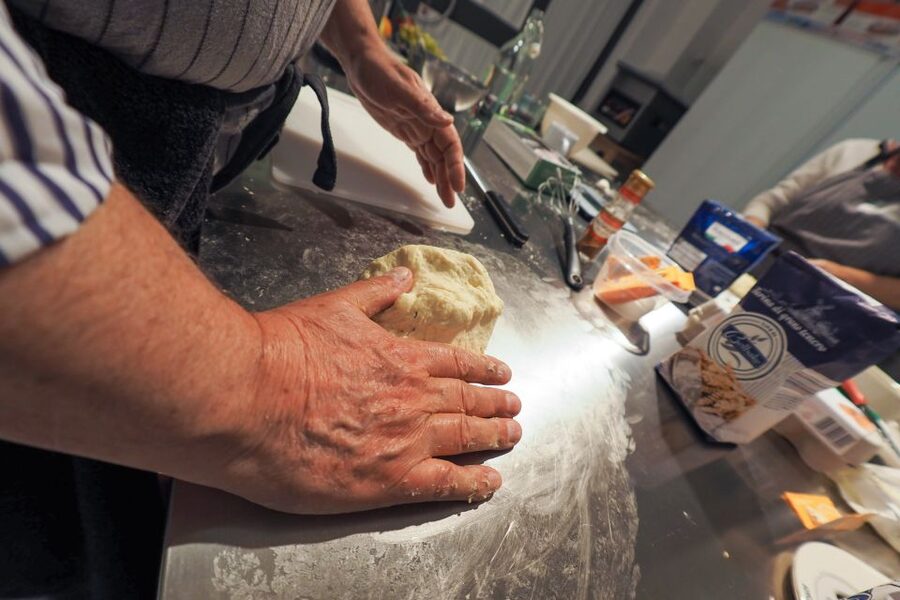
Fresh pasta is the part I would value most if you want a skill to take home. Depending on the session, you might make tagliatelle, ravioli, or another pasta shape. Several classes have included hands-on work with a pasta machine, and the instruction focuses on how the dough should feel, how to roll it, and how to form the finished pasta.
This is useful because fresh pasta can look easier on television than it feels on a first attempt. The chef can correct small mistakes as you work, such as dough that is too dry, sheets that are too thick, or pieces that are not sealed properly.
The shape may vary from one class to another. Some sessions have featured tagliatelle, while others have included ravioli or gnocchi. If one particular dish is the reason you are booking, check the current menu rather than assuming every class includes it.
The cooking process also brings out regional and cultural details. Italian pasta is not one single recipe, and the shape, sauce, and method all matter. Chef Ilaria is known for explaining not just what to do, but why a step matters.
One example from the class material is the firm Italian view of carbonara: cream and bacon do not belong in an authentic version, even if home cooks adapt dishes to suit themselves. This sort of detail gives the lesson some cultural bite without turning it into a lecture.
More Italian Cooking Classes around Milan:
- only in ITALIAN – International aperitif + cooking class in Italian
★ 4.8 · 22 reviews - Cooking Class and Lunch at a Tuscan Farmhouse with Local Market Tour from Florence
★ 5.0 · 4,831 reviews - Tuscan Cooking Class and Dinner in Florence
★ 4.5 · 732 reviews - Rome Pasta Making Class with Italian Sauces and Wine Included
★ 5.0 · 645 reviews
Preparing the starter and dessert
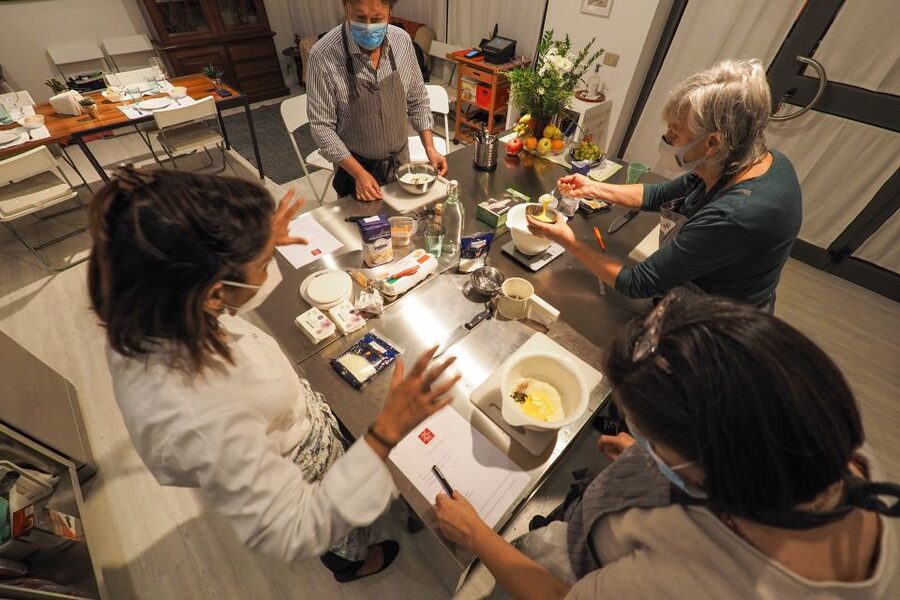
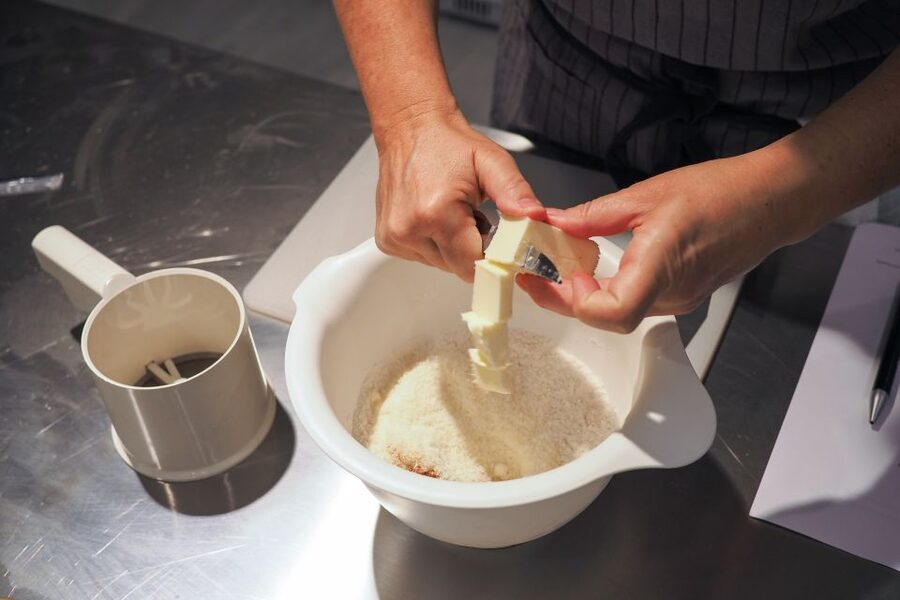
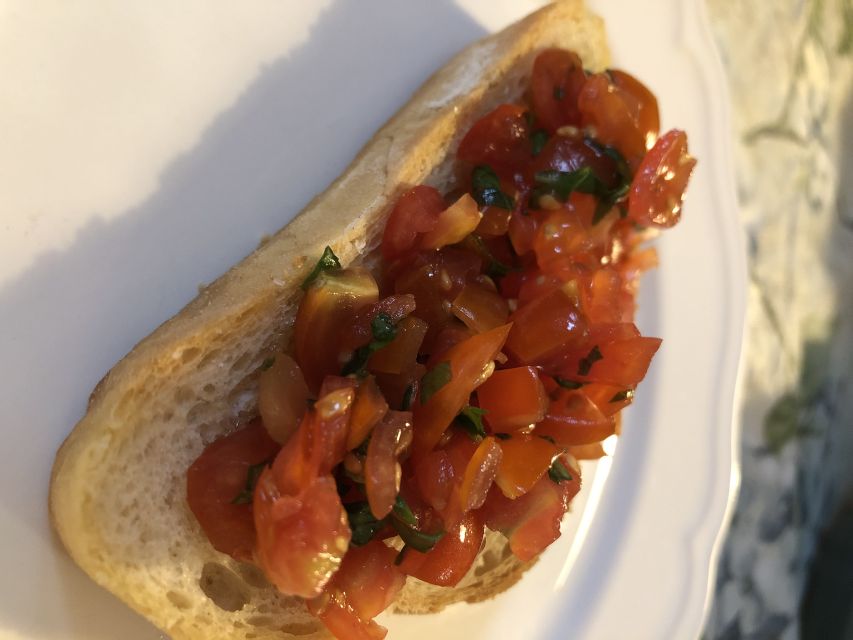
The first and third courses give the class balance. You may prepare bruschetta as an appetizer, then make a dessert such as tiramisù, biscotti, cantucci, apple strudel, or another sweet.
Bruschetta is a good teaching dish because it looks simple but depends on balance. The quality of the bread, the seasoning, the topping, and the timing all affect the result. It also gives you something familiar to prepare while the pasta work is underway.
Dessert choices can vary more than the pasta course. Tiramisù has appeared in some sessions, while others have included biscotti, cantucci, or strudel. One useful cultural detail is that traditional tiramisù does not need amaretto, despite its common use in some versions outside Italy.
This part of the class is especially friendly to beginners. You do not need advanced pastry skills to take part, and the chef can show you how to handle the mixture, shape the ingredients, and judge the texture.
The healthy, low-waste approach is another part of the teaching. The class presents Italian food as practical cooking, where ingredients are used carefully and leftovers need not be thrown away. That is helpful if you want to cook more economically at home rather than simply copy a restaurant plate.
Gnocchi, sauces, and the limits of three hours
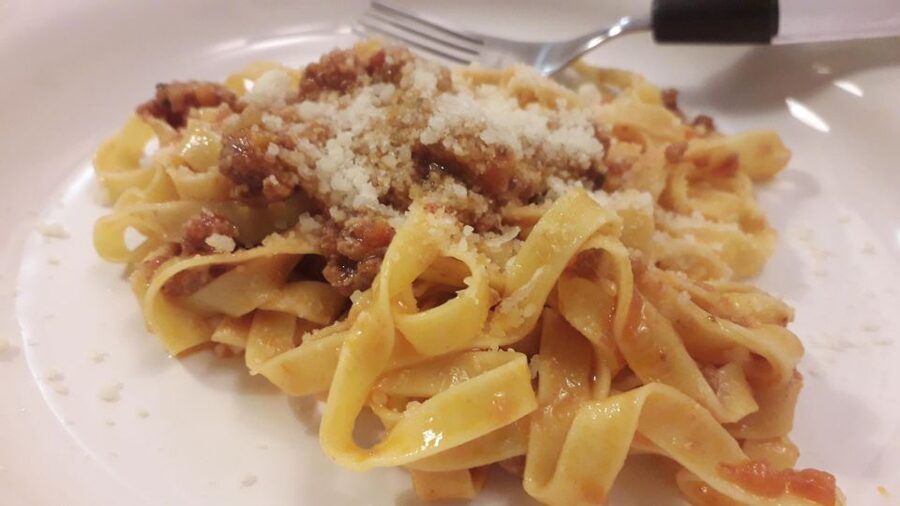
Some sessions include gnocchi, often served with butter and sage. This is a good example of a dish that rewards a light touch. Overworking the dough can make gnocchi heavy, so the chef’s guidance matters.
Sauces may include ragù or cacio e pepe. Here, you should understand the limits of the timetable. A traditional ragù takes longer than a three-hour workshop allows, so the chef may provide a sauce that has been prepared in advance. This lets you learn about the pasta and final assembly without pretending that a long simmer can be rushed.
That is not a flaw, but it does affect what you are buying. If your goal is to learn every part of a sauce from raw ingredients to finished plate, ask about the menu before booking. If your goal is to learn fresh pasta, kitchen technique, and the basic principles behind the food, the arrangement works well.
The same applies to any changing menu. The class may offer three dishes, but they are not fixed in every session. You might prepare bruschetta, pasta, and biscotti one day, then gnocchi, tiramisù, and another starter at another time.
Sitting down to eat what you prepared
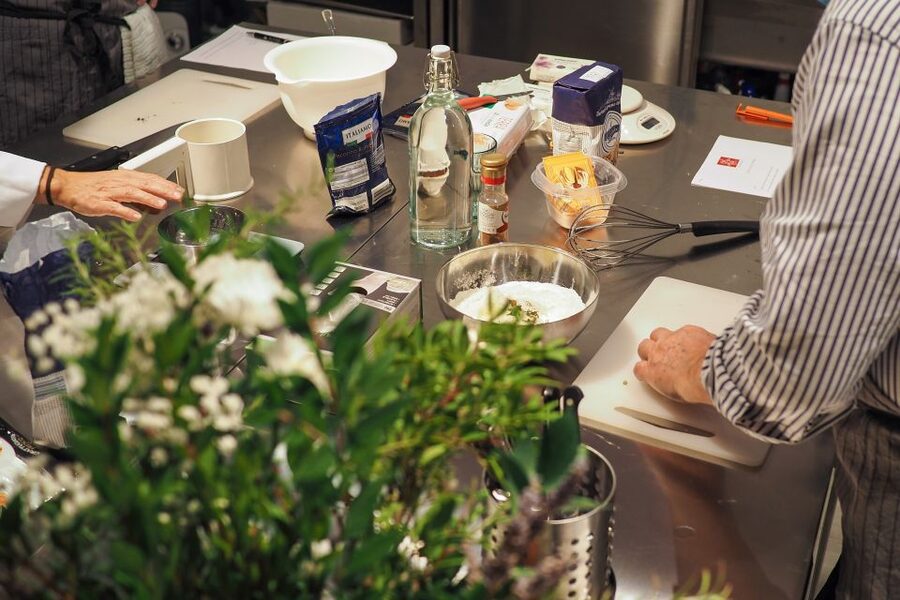
After the cooking, you leave the workstations and sit down together in the dining room. This shared meal is more than a reward. It gives you a chance to see how the dishes work as a complete meal and to compare the results with the chef’s guidance.
Wine is included, with red and white options available. Coffee, tea, infusions, and water are also part of the food and drink service. The wine makes the class feel social, but you should pace yourself. A cooking class still requires attention, and the kitchen rules continue to matter even if the mood becomes relaxed.
The dining table also changes the tone of the experience. You are not just collecting recipes and leaving. You can chat with people from different countries, ask the chef follow-up questions, and enjoy the dishes while they are fresh.
Some sessions have been very small, including one with only two participants. That can mean more direct help from the chef, but it may also feel quieter than a larger group meal. Group size is not fixed in the information provided, so expect the social atmosphere to depend on the date.
What Chef Ilaria adds to the class
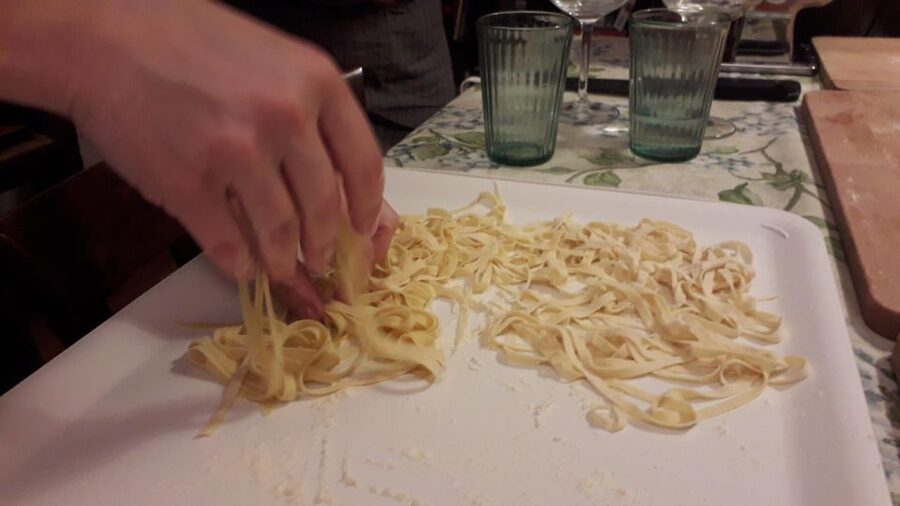
The strongest feature is the teaching style. Chef Ilaria is described as funny, energetic, patient, and passionate about Italian cooking. She explains techniques clearly and adds stories about the food, including the customs behind familiar dishes.
Her approach seems particularly useful for first-time cooks. You can ask questions as you work, and she can correct errors before they become part of the finished dish. That is far more useful than watching a polished demonstration where every step has already been done for you.
The team can also include Fernando, Klara, or an assistant who helps organize ingredients and utensils. One session included both Klara and Fernando, while other classes were led by Ilaria. If meeting a particular instructor matters to you, confirm the current staffing when you book.
The kitchen has also been described as clean and hygienic. That fits with the rules about food, drinks, hair, and workstations. The structure may feel formal for a casual activity, but it keeps the cooking organized.
How much value you get for $80
At $80, this is not the cheapest way to eat in Milan. You could buy a pasta dish, dessert, and wine for less at some restaurants. But that comparison misses the main value: you receive three hours of instruction, hands-on practice, a substantial meal, drinks, equipment, and recipes to take home.
I think the price is fair if you care about learning a repeatable skill. The recipes are provided after the class, and the dishes are designed to be manageable at home. You may need to buy a pasta machine for some shapes, but the class shows you how the process works before you spend money on one.
The value is weaker if you only want dinner. Much of the time is spent preparing food, following rules, and working at a station. Choose a restaurant instead if you want to relax from the first minute.
Dietary needs can sometimes be accommodated. One class handled gluten-free requirements and allergies without taking away from the participant’s involvement. Still, you should communicate restrictions in advance, since the available information does not promise that every dietary need can be covered.
Who should book this cooking class
I would recommend it to couples, solo visitors, families with older children, and small groups of friends who want a practical Milan activity. Solo participants can fit in well because the meal and shared work create easy opportunities to meet people.
It suits beginners especially well, but experienced home cooks can still pick up useful pasta methods, sauce tips, and Italian food customs. The pace is described as efficient, with enough time to make three courses without feeling dragged out.
Children under 10 are not permitted. The experience is also not suitable for people with mobility impairments, and the venue is not wheelchair accessible. If you have trouble standing or working at a kitchen station, this is not the right activity.
The class is also a poor match for anyone carrying luggage, looking for a private lesson, or expecting a fixed list of dishes. The setting is shared, the menu can change, and the focus is on group cooking followed by a communal meal.
Booking is flexible: you can reserve now and pay later, and cancellation is free up to 24 hours before the start for a full refund. Starting times vary, so check the available slot when choosing your date.
Should you book it?
Book this class if you want to make fresh pasta, learn practical Italian techniques, and eat a meal you helped prepare. Chef Ilaria’s friendly instruction, the recipe handouts, and the included wine make the $80 price reasonable for an active three-hour experience.
Skip it if you want a fixed menu, a fully private lesson, or a relaxed dinner with no kitchen work. Also check the menu first if gnocchi, tiramisù, or a particular sauce is essential to your plans.
For most visitors who want more than another restaurant meal, Chef and the City offers a useful and enjoyable slice of Milanese food culture. You leave with dinner in you, recipes in hand, and a fair chance of making fresh pasta again at home.
FAQ
How long does the Milan cooking class last?
The class lasts three hours.
How much does the cooking class cost?
The listed price is $80 per person.
What is included in the price?
Food, beverages, cooking tools, gloves, aprons, and wine are included.
Is wine included?
Yes. Wine is included, and both red and white wine may be available.
Which dishes will I prepare?
You will prepare three Italian dishes. Possible dishes include fresh tagliatelle, gnocchi, ravioli, bruschetta, tiramisù, biscotti, cantucci, apple strudel, and other traditional recipes. The exact menu can vary.
Will I make pasta from scratch?
Yes. The class can include fresh pasta made from scratch, including tagliatelle, ravioli, or other pasta shapes.
Are recipes provided after the class?
Yes. You receive copies of the recipes so you can make the dishes at home.
Is the class taught in English?
Yes. The activity is offered in Italian and English.
Where do I meet the chef?
Meet at Chef and the City, a street-level shop with three large windows and three red signs. Ring the bell at the main window door.
Can I bring luggage or a large bag?
No. Luggage and large bags are not allowed, and luggage storage is not provided.
Are children and pets allowed?
Children under 10 are not permitted, and pets are not allowed.
Is the activity wheelchair accessible?
No. The activity is not wheelchair accessible and is not suitable for people with mobility impairments.
More Cooking Classes with Wine Tasting in Milan
- Pizza and Tiramisu Cooking Class with Wine in Milan
★ 4.9 · 80 reviews - Milan: Hands-On Pasta & Dessert Cooking Class & Wine Pairing
★ 5.0 · 3 reviews - Florence: Pasta Cooking Class with Unlimited Wine
★ 4.9 · 10,285 reviews - Florence: Pasta & Tiramisu Cooking Class with Unlimited Wine
★ 4.9 · 6,708 reviews
New cooking classes around Milan
- Pizza and Tiramisu Cooking Class with Wine in Milan★ 4.9 · 80 reviews
- only in ITALIAN – International aperitif + cooking class in Italian★ 4.8 · 22 reviews
- Milan: Private Cooking Class at a Local’s Home★ 5.0 · 9 reviews
- Milan: Pasta & Tiramisu Cooking Class with Premium Products★ 5.0 · 255 reviews
- Milan: Pasta, Gnocchi and Tiramisù Cooking Class with Wine★ 5.0 · 117 reviews
- Milan: Pasta, Ravioli, and Gelato Class in a Glamorous Home★ 4.9 · 268 reviews
- Milan: Market and Cooking Class at a Local’s Home★ 4.0 · 5 reviews
- Milan: Cooking Class for Families with Children★ 5.0 · 5 reviews
Milan Cooking Classes, side by side.
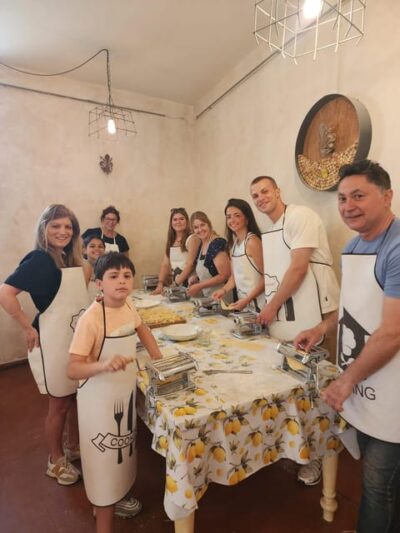
Milan: Pasta and Tiramisu Cooking Class with Wine
Read our review →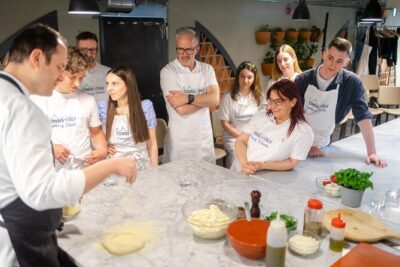
Milan Cooking Class: Authentic Pizza & Gelato Making
Read our review →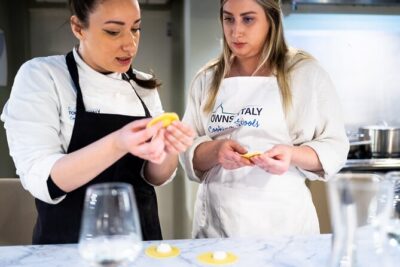
Milan Culinary Experience: Pasta & Gelato or Tiramisù Class
Read our review →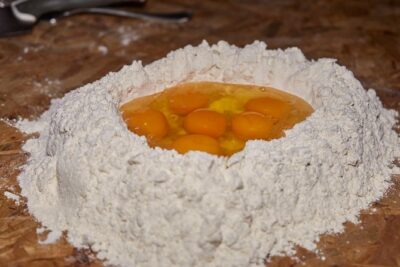
Small Group Cozy Cooking Class in a Typical Milanese Home.
Read our review →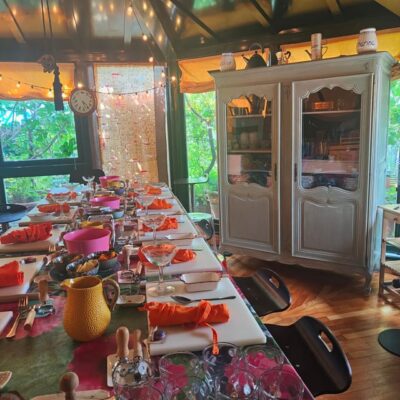
Milan: Pasta, Ravioli, and Gelato Class in a Glamorous Home
Read our review →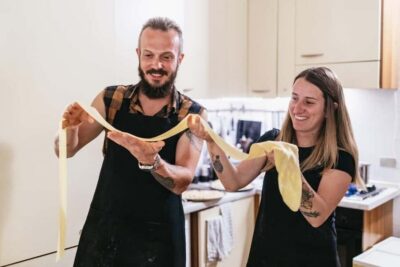
Milan: Pasta & Tiramisu Cooking Class with Premium Products
Read our review →
Milan: Pasta, Gnocchi and Tiramisù Cooking Class with Wine
Read our review →