Review · ROME
Rome Pasta Making Class with Italian Sauces and Wine Included
Fresh pasta is one of Rome’s best souvenirs, since you can take the skill home rather than squeeze another trinket into your luggage. In this roughly three-hour class, you shape ravioli, fettuccine, and spaghetti alla chitarra, then eat what you make with wine and coffee.
I like the small-group format, capped at 10 people, and the fact that you do the work yourself from dough to sauce. I also like the practical teaching style, with instructors such as William, Leo, and Riccardo explaining tools, technique, and why you cook by taste rather than by strict measurements.
The main consideration is the menu. The regular class follows a shared plan, while vegan, gluten-free, dairy-free, or special recipes such as gnocchi and tiramisu require a private booking. The meeting point is outside Rome’s main historic center, so allow time for the trip.
Key points at a glance
- Three pasta shapes in one class: Make ricotta ravioli, fresh fettuccine, and spaghetti alla chitarra by hand.
- Three Roman-style sauces: The menu can include carbonara, arrabbiata, butter and sage, cacio e pepe, or gricia-style sauce depending on the group.
- Teachers who keep the class active: William, Leo, Riccardo, and other instructors combine demonstrations with plenty of hands-on work.
- A meal you actually prepare: Sit down together to eat the pasta and sauces, with wine and coffee included.
- A useful class for mixed skill levels: Beginners get close instruction, while experienced home cooks can pick up new methods and tips.
- Private options for special diets: Custom menus are available for private classes, including vegetarian, vegan, gluten-free, and dairy-free choices.
What the Rome pasta class is really like
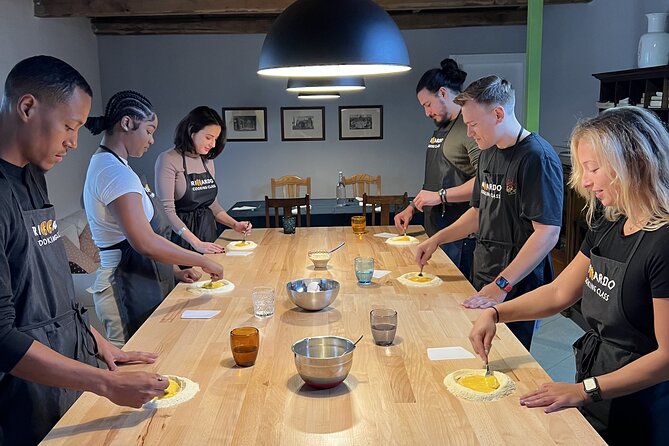
This is not a demonstration where you sit at a counter and watch a chef do all the work. You mix, roll, cut, fill, shape, and cook the pasta yourself.
The class takes place at Riccardo’s grandmother’s house or at The Cooking Lab, with the meeting point listed at Circonvallazione Gianicolense 418 in Rome. The setting is meant to feel like an Italian family kitchen, and the small format helps keep the class personal rather than turning it into a production line.
The experience lasts about three hours. That gives the instructors enough time to show each stage, let you repeat it, and serve the finished meal without rushing you out the door.
You should arrive ready to work with your hands. Pasta dough rewards touch and practice, not perfect measurements. One of the most useful lessons is learning to judge texture and consistency as you go.
More Cooking Classes with Wine Tasting in Italy
- Rome: Pasta Making Class with Wine, Limoncello, and Dessert
★ 4.9 · 3,177 reviews - Fettuccine & Tiramisù: Cooking Class with Wine & Limoncello
★ 4.9 · 2,103 reviews - Pasta Making & Wine Tasting with Dinner in Frascati from Rome
★ 5.0 · 1,326 reviews
Starting with dough, tools, and fresh pasta
The class begins with an introduction to the pasta-making process and the equipment. You then work through the dough before moving on to shaping.
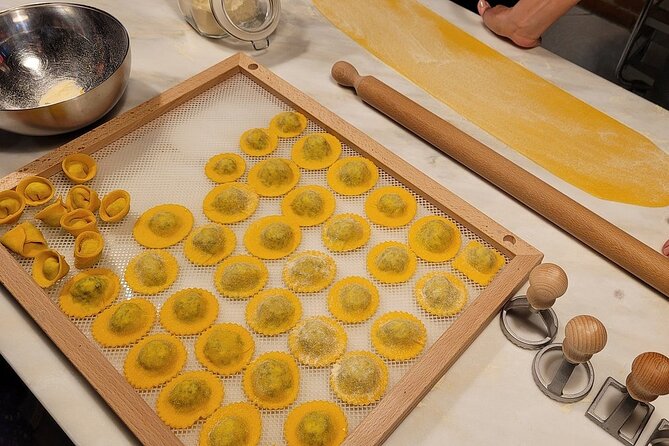
The exact selection can vary, but the advertised menu includes ricotta-filled ravioli, fettuccine, and spaghetti alla chitarra. The pasta shapes are a smart combination. Ravioli teaches filling and sealing. Fettuccine teaches rolling and cutting. Spaghetti alla chitarra introduces a different tool and a more rustic shape.
That variety gives you more than one recipe to remember at home. It also keeps the session moving, since you are not repeating the same motion for three hours.
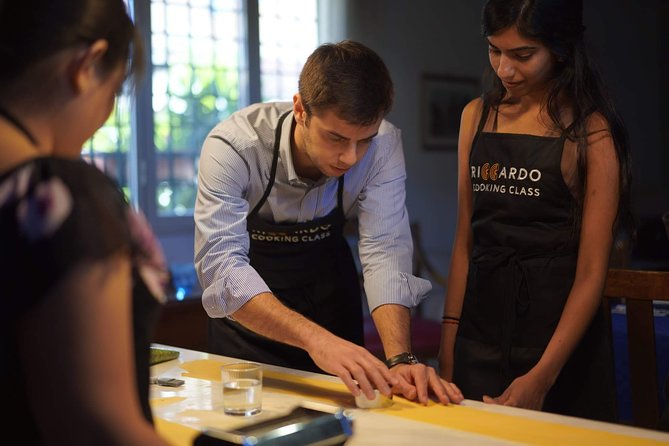
The instructors demonstrate each stage and then guide you while you try it. That matters if you have never made pasta. Dough can look simple, but thickness, moisture, and handling all affect the final dish.
If you already cook often, you should still find useful details here. The teaching includes advice about pasta tools, shaping, and cooking by taste instead of relying only on fixed quantities. That kind of guidance is more useful than leaving with a printed recipe and no sense of what the dough should feel like.
Ravioli, fettuccine, and spaghetti alla chitarra
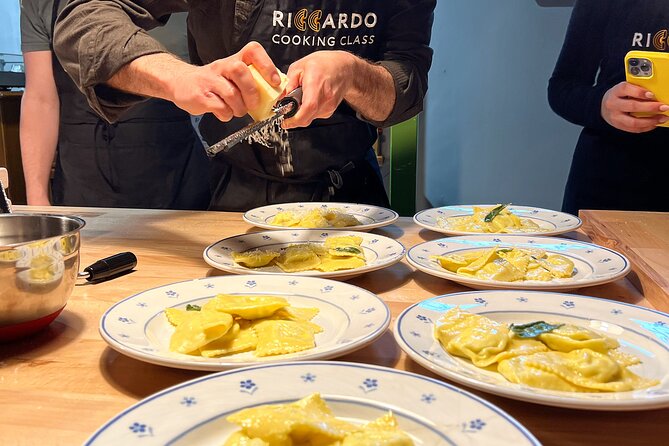
Ravioli is usually the most involved shape because you must add the ricotta filling, close the pasta neatly, and avoid trapped air. It is also one of the most satisfying pieces to make. You can see the result immediately, and the butter and sage sauce gives it a simple Roman treatment.
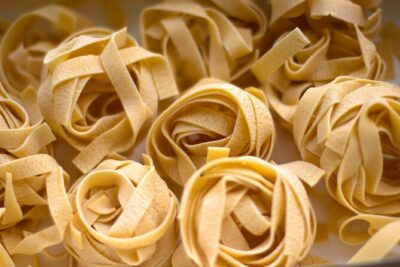
Fettuccine is more direct. You roll the dough, cut it into ribbons, and learn how width and thickness affect the bite. It is the kind of pasta you can reproduce at home without special equipment.
Spaghetti alla chitarra adds a little theatre to the session. The name refers to the wire cutter used to press pasta into square-edged strands. It gives you another way to work with dough and another texture for sauce.
The class may also include tortellini, cappelletti, or other pasta shapes. The specific mix can depend on the instructor and the group. If a particular shape matters to you, ask about it before booking rather than assuming it will appear in every session.
Three sauces, from butter and sage to arrabbiata
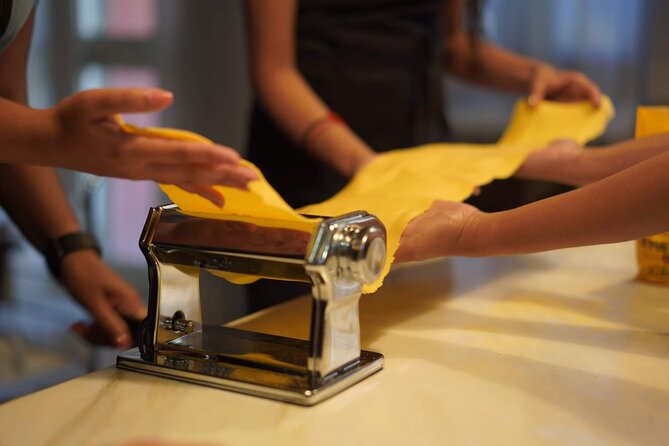
The sauces are a major part of the experience. You are not simply making plain pasta and adding a jarred topping at the end.
The sample menu includes carbonara, arrabbiata, butter and sage, plus fresh fettuccine and spaghetti alla chitarra. Some sessions may use cacio e pepe or a gricia-style sauce, with the choice adjusted for vegetarian diners and personal preference.
Each sauce teaches a different idea. Arrabbiata shows how tomato, garlic, and chili can build a bold sauce without much fuss. Butter and sage is restrained, which makes it a good match for delicate ravioli. Carbonara, cacio e pepe, and gricia teach you to work with cheese, heat, and pasta water so the sauce becomes smooth rather than heavy.
The most useful lesson is learning to taste and adjust. Italian sauces often use a short ingredient list, so timing and balance matter. A little too much heat or cheese can change the dish quickly.
The class also includes a cheese tasting and prosecco in at least some sessions, followed by wine with the meal. Wine is part of the social rhythm, but you can still focus on the cooking. Complimentary coffee rounds out the meal.
More Cooking Classes with Wine Tasting in Rome
- Rome Cooking Class: Make Pasta, Dine & Drink Wine With Local Chef
★ 5.0 · 1,263 reviews - Rome: Combo Pizza and Pasta Cooking Class with Wine
★ 4.6 · 1,180 reviews - Rome: Pasta Making with Wine Tasting and Dinner in Frascati
★ 4.9 · 979 reviews - Super Fun Pasta & Gelato Class by Vatican with Wine + Oil Tasting
★ 5.0 · 726 reviews
Eating what you made with the group
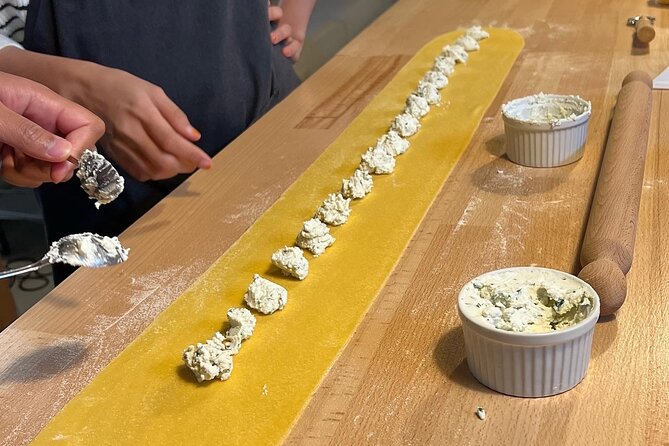
After the cooking comes the reward: you sit down and eat the pasta you prepared. This changes the feel of the class. Instead of leaving with a box of uncooked food, you finish with a shared Italian meal.
That meal also helps you understand the results of your work. You can compare the ravioli with the long pasta and see how each sauce works with a different shape.
The social side is strong. People who arrive as couples, families, or individuals can end up sharing a table and a few laughs. Several families have used the class as a break from sightseeing, and it works well for older children and teenagers who can take part in the shaping and cooking.
The wine makes this better suited to a relaxed meal than a quick morning activity. If you have a packed schedule afterward, remember that a three-hour class can easily feel longer once cooking, eating, and conversation are included.
The instructors and teaching style
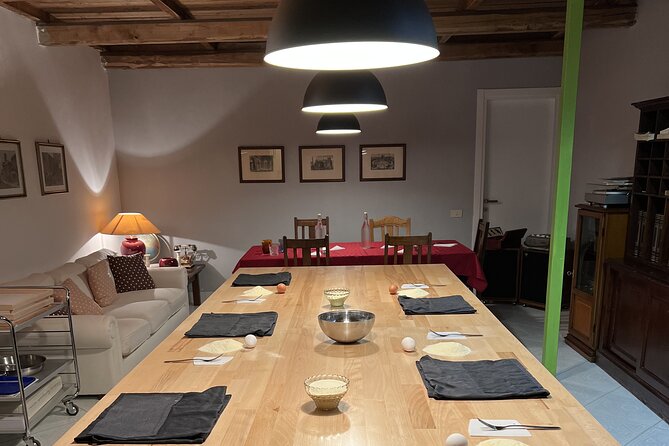
The teaching team includes Chef Riccardo, William, Leo, and other members of the cooking school. The style is warm, active, and informal, with humor used to help beginners relax.
William is especially associated with clear instruction and generous practical tips. Leo is described as patient, attentive, and engaging, qualities that help when someone is nervous about making dough for the first time. Riccardo brings the family-kitchen idea behind the experience and can be a strong choice for home cooks who want technique as well as entertainment.
The quality of the class can depend partly on which instructor leads your session. That is normal for a cooking school, but the feedback points to a consistent strength: the chefs do not leave beginners to struggle on their own.
The class suits a mixed group. A first-time pasta maker can follow along, while a confident home cook can ask about tools, sauce balance, and shaping. You do not need prior cooking experience.
Group size, private classes, and dietary needs
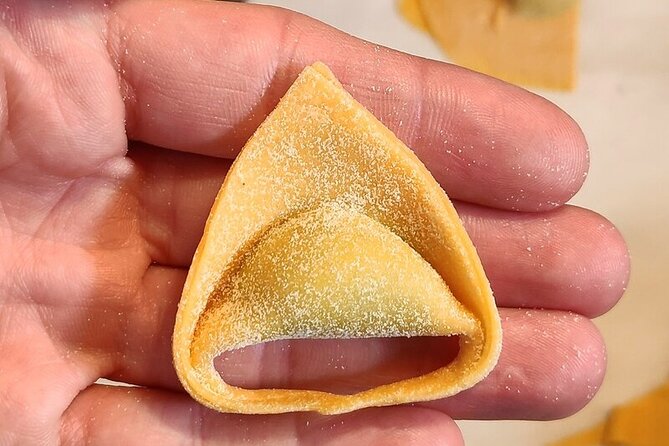
The advertised maximum is 10 people. That is small enough for direct help, though a full class will feel more social than private.
A private class is the better choice if you have firm dietary needs or want a customized menu. Options may include vegetarian, vegan, gluten-free, and dairy-free recipes, along with gnocchi, risotto, or tiramisu.
Do not wait until the class begins to mention an allergy. The provider asks you to share allergies and dietary restrictions in advance. A private booking is specifically recommended for special recipes and major changes to the standard menu.
A private session may also suit families or small groups that want a particular pace. Six people, for example, may end up having a private class depending on the booking arrangement. Confirm the exact terms before paying if privacy is important.
Location and practical planning
The meeting point is Circonvallazione Gianicolense 418, 00151 Rome. The activity ends back at the same meeting point.
The location is near public transportation, but it is not presented as a central landmark beside the Colosseum or Pantheon. Plan your route before class and leave enough time to arrive without stress. You may find the class easier to fit into a day when you are already spending time in this part of Rome.
The experience is offered in English and uses a mobile ticket. Confirmation arrives when you book. The schedule and meeting instructions should be checked carefully, especially if you are switching between sightseeing areas on the same day.
The three-hour length is useful because it allows real practice, but it also means this is not a quick add-on between major sights. Treat it as a main activity.
Is the $95.53 price good value?
At $95.53 per person, this is not the cheapest meal in Rome. You can eat a plate of pasta for far less, and you will not need to prepare it yourself.
The value comes from the combination of instruction, ingredients, a full meal, wine, coffee, and the chance to repeat the skills at home. You are paying for a cooking session and dinner in one booking.
I think the price is reasonable for anyone who wants an active food experience rather than another restaurant meal. It is especially useful for couples, families, and friends who want something everyone can do together.
It is less compelling if you dislike group activities, do not drink wine, or simply want to sample Roman pasta without cooking. In that case, a food tour or restaurant meal may suit you better.
Group discounts may be available, so check the booking options if you are arranging the class for several people.
Who should book this class?
I would recommend it to first-time pasta makers, home cooks, families with older children, and couples looking for a relaxed break from museums and churches.
It also works for experienced cooks who enjoy learning small technique changes. The best take-home lesson is not only the recipe. It is learning how dough should feel, how to shape pasta cleanly, and how to adjust sauce by taste.
You should think twice if you have serious dietary restrictions but do not want to pay for a private class. You should also avoid booking it immediately before an important timed attraction, since the class lasts about three hours and includes a sit-down meal.
The class has earned a perfect rating from 646 reviews, with 100 percent recommending it. That is unusually strong feedback, and the repeated praise focuses on the same things: hands-on work, warm instructors, delicious food, small groups, and practical advice you can use at home.
Cancellation and booking advice
You can cancel for a full refund up to 24 hours before the start time. Cancellations or changes made less than 24 hours ahead are not accepted for a refund, and cut-off times follow Rome’s local time.
Because the class is often booked about 44 days ahead, popular dates may fill early. That is worth noting if your Rome visit falls during a busy season or if you need a private menu.
Should you book the Rome pasta class?
Book it if you want to spend an evening or morning making three kinds of pasta, learning three sauces, and eating a meal with the people at your table. The strongest reason to choose it is the balance of instruction and fun. You do real work, but the tone stays relaxed.
I would choose the private option for vegan, gluten-free, dairy-free, or highly customized menus. For everyone else, the regular small-group class offers the better value and the more social experience.
Come hungry, arrive with your route planned, and expect to leave with flour on your hands and recipes you can actually repeat.
FAQ
How long does the pasta-making class last?
The class lasts approximately three hours, including the cooking lesson and the shared meal.
Where does the class meet?
The listed meeting point is Circonvallazione Gianicolense 418, 00151 Rome, Italy. The activity ends back at the meeting point.
Which pasta shapes will I make?
The sample menu includes ricotta-filled ravioli, fresh fettuccine, and spaghetti alla chitarra. Other possible shapes include tortellini and cappelletti.
Which sauces are included?
The sample menu includes carbonara, arrabbiata, and butter and sage. Depending on the group and dietary preferences, the class may also use cacio e pepe or a gricia-style sauce.
Are wine and coffee included?
Yes. The experience includes complimentary wine with the meal and coffee.
Can I request a vegan or gluten-free menu?
Special menus, including vegetarian, vegan, gluten-free, and dairy-free options, can be arranged for a private class. Tell the provider about allergies or dietary restrictions before the class.
More Italian Cooking Classes around Rome
- Rome Small Group Pasta Making Class with Wine and Italian Chef
★ 5.0 · 295 reviews - Rome: Neapolitan Pizza Cooking Class in Front of the Vatican
★ 4.8 · 137 reviews - Cooking Class: Pasta & Tiramisu with a Private Italian Chef
★ 5.0 · 46 reviews - Rome: Cooking Class with a Master Neapolitan Pizzaiolo
★ 4.0 · 16 reviews
More Pasta Making Classes in Rome
- 3 in 1 Cooking Class near Navona: Fettuccine, Ravioli & Tiramisu
★ 5.0 · 7,376 reviews - Rome Cooking Class: Make Pasta and 3 Spritz Cocktails
★ 5.0 · 2,937 reviews - Rome: 3-in-1 Fettuccine, Ravioli, and Tiramisu Cooking Class
★ 4.9 · 2,704 reviews - Rome: Fettuccine Pasta Cooking Class in Rome’s City Center
★ 4.8 · 2,414 reviews
New cooking classes around Rome
- ROME:Hands-On Lasagna & Marsala Tiramisu Cooking Experience”★ 5.0 · 3 reviews
- Rome: Vatican Food Tours, Cooking classes & Free Tours★ 4.9 · 11 reviews
- Rome: Traditional Pasta, Spritz & Tiramisu Cooking Class★ 4.9 · 279 reviews
- Rome: Trastevere Pasta Making Class★ 4.9 · 33 reviews
- Rome: Traditional Pasta and Tiramisu Cooking Class★ 5.0 · 4 reviews
- Rome: Traditional Cooking Class in the Jewish Ghetto★ 4.9 · 75 reviews
- Rome: Small Group Pasta cooking class near Piazza Navona★ 4.9 · 8 reviews
- Rome: “Rooftop Pasta and Cocktails Cooking Class”★ 5.0 · 12 reviews
Rome Cooking Classes, side by side.
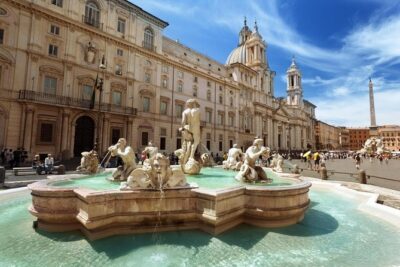
3 in 1 Cooking Class near Navona: Fettuccine, Ravioli & Tiramisu
Read our review →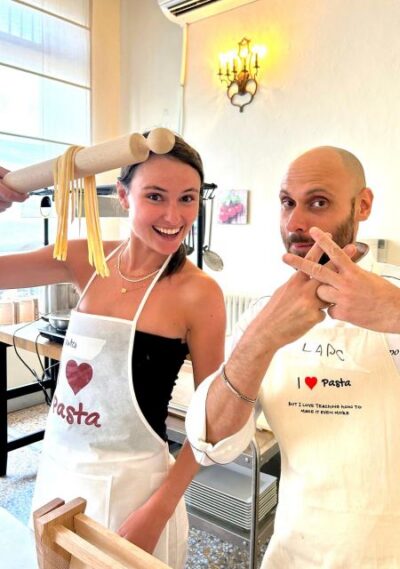
Rome: Pasta Making Class with Wine, Limoncello, and Dessert
Read our review →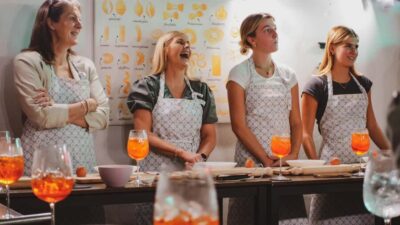
Rome Cooking Class: Make Pasta and 3 Spritz Cocktails
Read our review →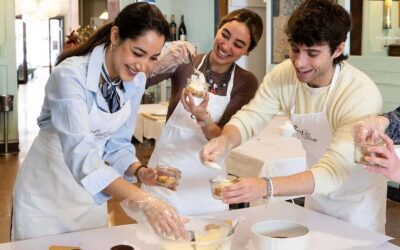
Rome: 3-in-1 Fettuccine, Ravioli, and Tiramisu Cooking Class
Read our review →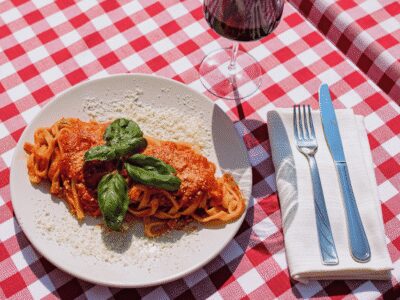
Rome: Fettuccine Pasta Cooking Class in Rome’s City Center
Read our review →
Fettuccine & Tiramisù: Cooking Class with Wine & Limoncello
Read our review →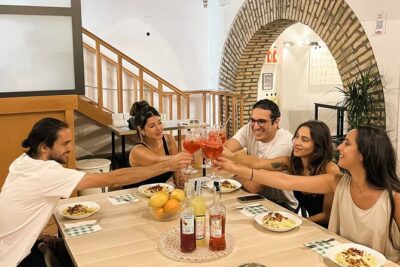
Pasta Cooking Class Near the Colosseum with 3 Spritz Cocktails
Read our review →