
Review · SALERNO
Salerno: Private Cooking Class at a Local’s Home
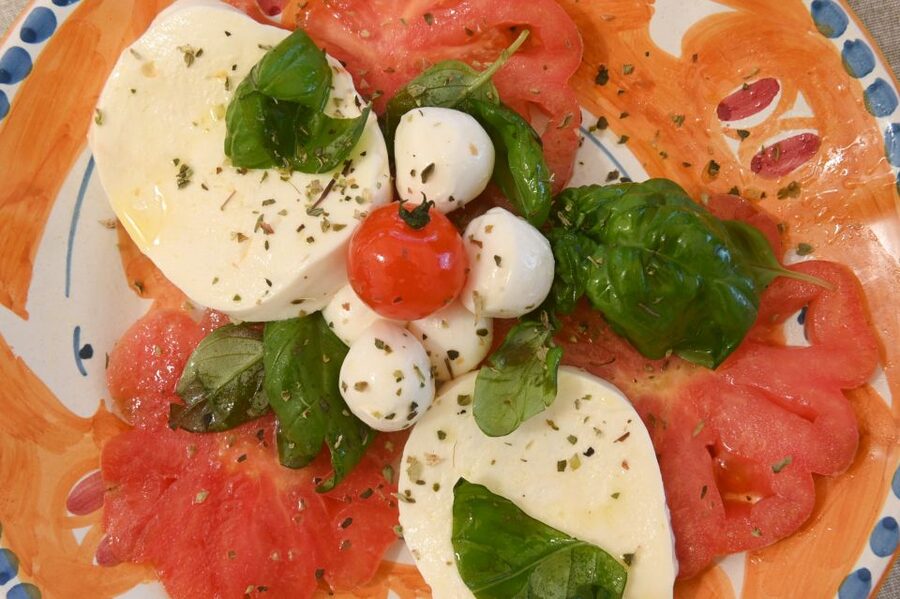
The best part of this Salerno experience is the setting: you cook in a local home, not in a teaching kitchen built for tourists. You prepare a seasonal starter, fresh regional pasta, and a typical dessert, then sit down with your host to eat what you made.
I like the private format and the family connection. Hosts such as Sylvia, Carmen, and Antonia have created especially warm evenings, while Carmen’s daughter Francesca has helped with English when needed. The main drawback is that the host and exact address are assigned after booking, so you cannot choose your cook in advance or plan the route until the details arrive.
Key points to know before booking
- Three-course cooking session: Prepare a starter, fresh pasta, and a traditional dessert from family recipes.
- A real local home: Your class takes place in a private residence, with the full address sent after booking.
- Private group setting: You cook and eat with your own group rather than joining a large public class.
- Wine with the meal: Water, red and white local wines, and coffee are included.
- English or Italian instruction: Your host speaks Italian or English, though language support can vary by household.
- Three hours and $164.26 per person: The price makes the most sense if you value personal instruction, a home meal, and cultural conversation.
Cooking in a Salerno home, not a restaurant classroom
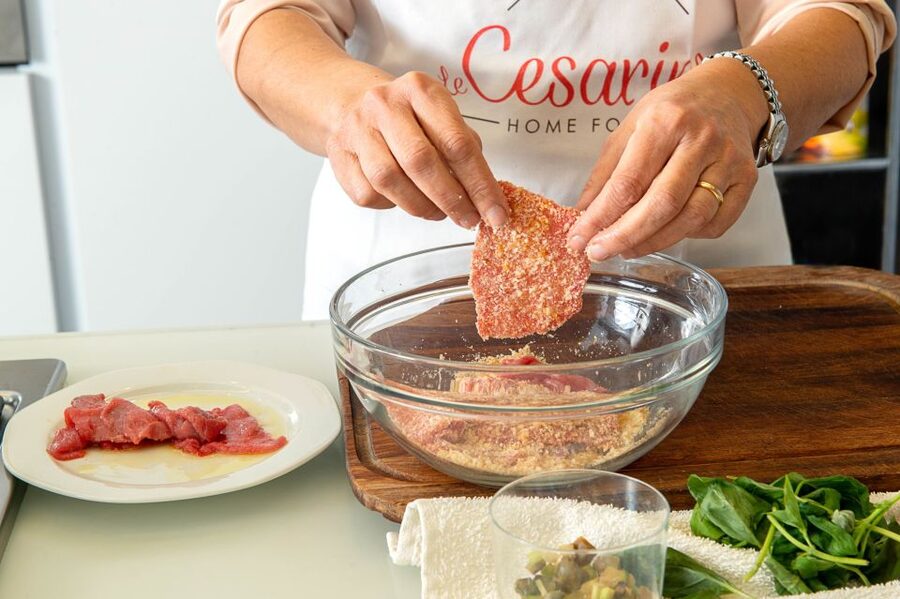
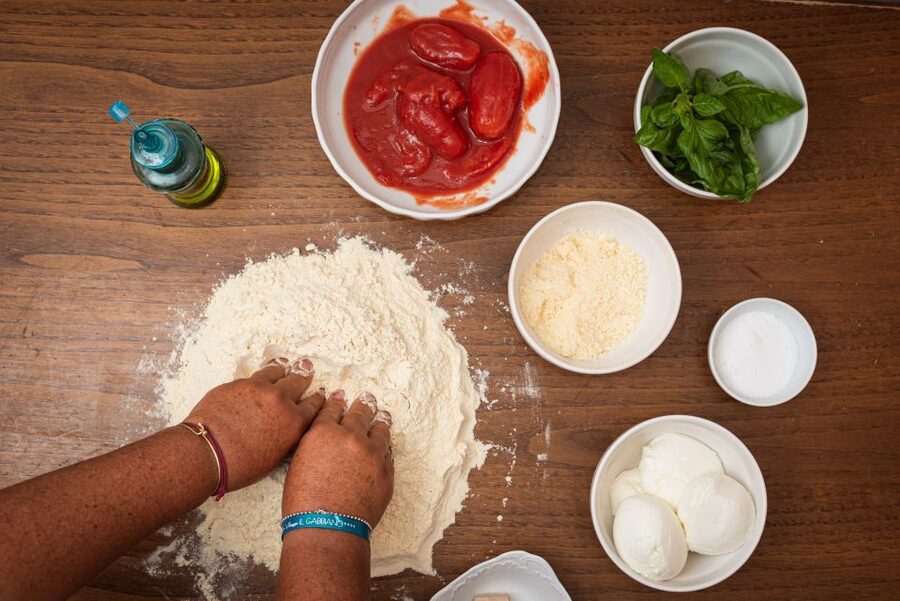
This class gives you a look at Campanian food through the people who cook it at home. You are not simply watching a chef plate a finished dish. You get a workstation, utensils, and ingredients, then work through three recipes with your host.
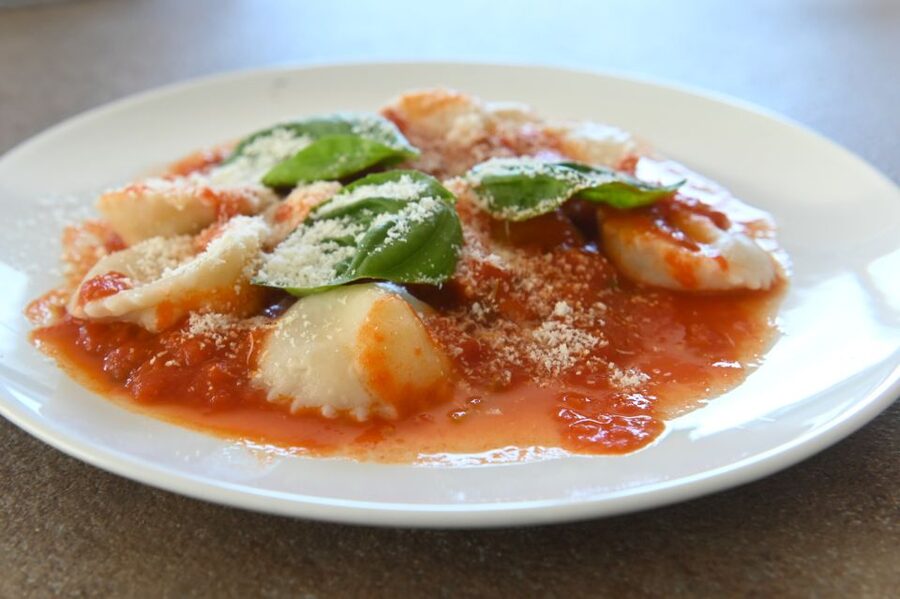
The menu is designed around the region and the season. A typical class includes a starter made with seasonal ingredients, fresh pasta associated with the area, and a local dessert. The exact dishes can change, which is part of the appeal. You are learning a family’s way of cooking rather than following a fixed restaurant menu.
I like this approach because Italian cooking often depends on small decisions that a printed recipe cannot explain. Your host can show you how a mixture should look, how dough should feel, or when an ingredient has cooked enough. Those practical details are the part most likely to help when you try the meal again at home.
The class is also private. That matters if you are traveling as a couple, family, or small group and want the evening to feel social without strangers sharing your table. One host has accommodated a group of 10, so the format can work for larger private parties too, although you should confirm the available arrangement for your booking.
More Home Cooking Classes in Italy
- Pasta Cooking Class: Mastering Nonna’s Recipes
★ 5.0 · 554 reviews - Pastamama, Home Cooking Classes at Grace’s Home
★ 5.0 · 521 reviews - Traditional Home Cooking Experience in Venice
★ 5.0 · 377 reviews
What you actually do during the three hours
The experience follows a simple rhythm, though the host will shape the pace.
First, you arrive at the assigned local home and meet your Cesarina, the name used for cooks in this home-host network. You receive a workstation with the tools and ingredients needed for the recipes. Since the home is selected after you provide your neighborhood, food restrictions, allergies, and intended transport method, the matching process is meant to take practical details into account.
You then work through the three dishes. Expect the starter to use seasonal produce or other ingredients typical of the area. The pasta course is the hands-on centerpiece, giving you the chance to practice the basic movements and techniques your host uses. Dessert finishes the cooking portion and gives the meal a proper Italian shape.
Your host also explains the tricks behind each recipe. Pay attention to the small adjustments, since these are often more useful than a long list of ingredients. A family cook may use different proportions, timing, or preparation methods from a cookbook version of the same dish.
Finally, you sit down and eat the food you prepared. Local red and white wines are served, along with water and coffee. The meal is not an extra stop after the class. It is the payoff, and it gives you time to talk with your host and family in a relaxed setting.
Allow the full three hours. This is not a quick pasta demonstration followed by a rushed tasting. The time covers instruction, preparation, cooking, and the meal itself.
The three dishes and why the menu matters
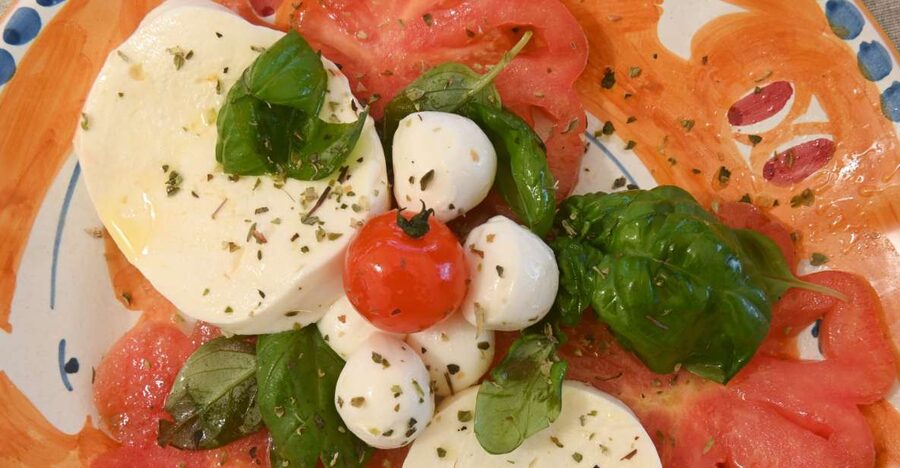
The starter gives you an early taste of the host’s regional style. Because it uses seasonal ingredients, it may be the part of the menu that changes most from one home to another. That keeps the food connected to the time of year, though it also means you should not book expecting a precise published menu.
Fresh pasta is the most useful course for many home cooks. It is easy to buy dried pasta in Italy, but making fresh pasta with someone who learned the method at home offers a different lesson. You see how the dough is handled, how the shape is formed, and how the finished pasta fits with the rest of the meal.
Dessert rounds out the menu and prevents the class from feeling like a single-skill workshop. You leave having handled several parts of an Italian meal, not just one pasta recipe.
The host’s family cookbook is central to the experience. You are not just preparing famous dishes in the abstract. You are hearing how recipes fit into a household and regional tradition. That personal link is valuable, but it also means the experience will vary from one Cesarina to another.
The people make or break a home cooking class
Your host is the key variable here. The network includes more than 1,000 home cooks in over 500 Italian cities, so no two classes will feel exactly alike.
Sylvia has been especially effective at making the class feel personal, with a warm family-style welcome and a broad selection of recipes. Carmen has hosted both small and larger groups, and her daughter Francesca can help with English. Antonia has also made a strong impression on returning visitors. These names may not be the person assigned to your booking, but they show the range of household hosts available through the network.
Language deserves a realistic note. The activity is offered in Italian and English, but individual hosts may be more comfortable in one language. Carmen, for example, speaks Italian while her daughter Francesca speaks English. Google Translate helped bridge the gap in that household.
I would not treat a language difference as an automatic problem. Cooking is hands-on, and gestures, demonstrations, and shared food do much of the work. Still, if clear English instruction is important to you, include that preference when you provide your details and confirm what is possible.
More Private Cooking Classes in Italy
- Rome: Pasta Making Class with Tiramisu & Wine PRIVATE OPTION
★ 4.8 · 404 reviews - Private Cooking Class in Rome with Chef Andrea Consoli
★ 5.0 · 150 reviews - Rialto Market Tour & Private Cooking Class in the Heart of Venice
★ 5.0 · 106 reviews - Private Cooking Classes in Rome!
★ 5.0 · 50 reviews
A private meal with wine is part of the value
The $164.26 per person price is not simply paying for three recipes. It covers a private class, ingredients, use of utensils and a workstation, the meal you prepare, wine, water, and coffee. You are also paying for time in a private home and direct contact with the host.
That is a substantial price for a meal if you are comparing it with a casual restaurant. The comparison changes if you would otherwise pay for a cooking lesson and a separate dinner. Here, the food, instruction, and social experience are combined.
The private format adds value for people who dislike large group classes. You can ask questions, work at your own pace, and focus on the dishes that interest you. It also suits families and groups celebrating a special occasion.
The value is weaker if you only want a quick demonstration or if cooking is not a major interest. You may find a restaurant meal cheaper and more efficient. This class is best seen as a three-hour cultural activity that happens to end with dinner.
Wine is included, but the details of the selection can vary by host. You should expect local red and white wines rather than a formal tasting. The focus is on enjoying them with your food and conversation.
Getting to the home requires a little patience
You do not receive the full address before booking. That protects the privacy of the host, but it means you cannot fully judge the location or route ahead of time.
After booking, you provide the neighborhood where you are staying and how you plan to travel to the home. The host details, telephone number, and complete address are then sent to you. This is useful if you are trying to fit the class around Salerno sightseeing, but leave enough room in your schedule for the journey.
The meeting point and end point are the same local home. There is no separate return transfer. You should be comfortable arranging your own way there and back.
The experience is not suitable for wheelchair users. If mobility is a concern, ask about the specific home before booking, since the activity’s stated accessibility information does not promise wheelchair access.
Food allergies and intolerances need early attention
The matching process asks for food intolerance and allergy information. Give accurate details when requested, rather than waiting until you meet the host.
That information helps the organizers pair you with a suitable home cook, but it does not mean every possible dietary need can be handled. If an allergy is serious, confirm the arrangements before relying on the class.
The menu is based on seasonal local cooking, so substitutions may affect the traditional recipes. You should be open to some flexibility while still making your requirements clear.
Who will enjoy this class most
I would recommend this experience to you if you want food to be the center of your time in Campania. It suits couples, families, and private groups who enjoy sitting down with local people rather than moving from sight to sight.
It is especially good for:
- Home cooks who want techniques they can repeat later
- Couples looking for a social evening with a meal included
- Families who want a hands-on activity in Salerno
- Groups that prefer a private class
- Food-focused visitors who value recipes with a family connection
It may be less suitable if you need a fixed menu, a guaranteed named chef, a highly formal cooking school, or step-free access. It is also not the right choice if you prefer to keep every hour of a short Salerno visit tightly scheduled.
Practical booking advice for a smoother evening
Choose a starting time that leaves room for the full three-hour session. The class includes cooking and eating, so it is better treated as an evening plan rather than a quick afternoon activity.
Provide your accommodation neighborhood and transport plan promptly. Those details help the organizers assign a home that makes sense for you. Once you receive the address, save the host’s telephone number and plan the route before setting out.
If you are traveling with a group, give the exact number of participants. One host handled 10 people well, but every home has a different layout and kitchen setup.
The experience allows cancellation up to 24 hours before the start for a full refund, and you can reserve now and pay later. Those policies help if your Campania schedule is still shifting.
Should you book the Salerno home cooking class?
Book it if you want a personal food experience, not just a meal. The strongest reasons are the private setting, the chance to make three dishes from scratch, and the unhurried meal with local wine and a family host.
I would book this for a honeymoon, a special evening, or the middle of a longer Italian trip when you want a change from churches, viewpoints, and restaurant tables. The personal welcome from hosts such as Sylvia, Carmen, and Antonia is exactly the sort of detail that can turn a cooking lesson into a memorable night.
Skip it if $164.26 feels high for dinner, if you require a fixed location before payment, or if wheelchair access and guaranteed English instruction are essential. For everyone else, this is a strong choice for meeting Campanian food at home, where the recipes come with a person and a story.
FAQ
Where does the cooking class take place?
The class takes place in a local host’s home in the Salerno area. The full address is provided after booking to protect the host’s privacy.
How long does the experience last?
The cooking class lasts three hours. Starting times depend on availability.
What dishes will I prepare?
The sample menu includes a seasonal starter, fresh pasta from the region, and a typical dessert. The exact recipes can vary by host and season.
Are drinks included?
Yes. Water, local red and white wines, and coffee are included with the meal.
Is the class private?
Yes. It is offered as a private group experience.
What languages are available?
The activity is offered in Italian and English. Individual hosts may have different levels of comfort with each language, so note your preference when providing your booking details.
Can I cancel the booking?
Yes. You can cancel up to 24 hours in advance for a full refund. You can also reserve now and pay later.
New cooking classes around Italy
- Sestri Levante: Pesto & Cooking Classes, Wine Tasting★ 4.9 · 56 reviews
- Sardinia Cooking Class: Fresh Handmade Pasta★ 5.0 · 53 reviews
- San Gimignano: Tuscan Cooking Class★ 5.0 · 2 reviews
- San Gimignano: Truffle Cooking Class with Wine Tasting★ 5.0 · 5 reviews
- San Gimignano: “Hands in dough” Cooking Class with Lunch★ 5.0 · 6 reviews
- Salento: Authentic Cooking Experience with Fresh Pasta and Local Products★ 5.0 · 8 reviews
- ROME:Hands-On Lasagna & Marsala Tiramisu Cooking Experience”★ 5.0 · 3 reviews
- Rome: Private Wine Tour and Pasta Making Class in a Winery★ 5.0 · 6 reviews
Salerno Cooking Classes, side by side.
Cortecorbo winery: Pizza Cooking class, lunch & wine tasting
Read our review →
Dining Experience at a local’s Home in Salerno with Show Cooking
Read our review →
This kitchen also appears in