
Review · ITALY
Sardinia Cooking Class: Fresh Handmade Pasta
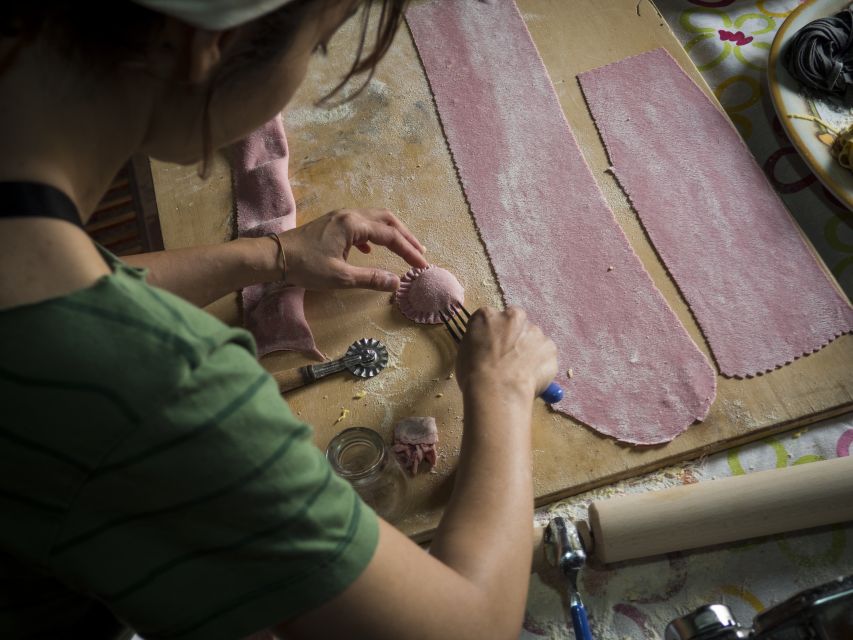
The best part of this Sardinia cooking class is the setting: you learn to make pasta inside a traditional home in Sinnai, a small town near Cagliari. Isabella and Valerio welcome you into a house with Campidanese-style mud-brick walls, wooden roofs, and the easygoing feel of a family kitchen.
I like the hands-on work, especially learning to shape malloreddus and culurgiones rather than simply watching a demonstration. I also like the shared meal afterward, with local wine, antipasti, and conversation. The main thing to consider is the price, $92 per person, which feels fair if you value a personal home visit and meal, but may seem high if you only want a short pasta lesson.
Key points before you book
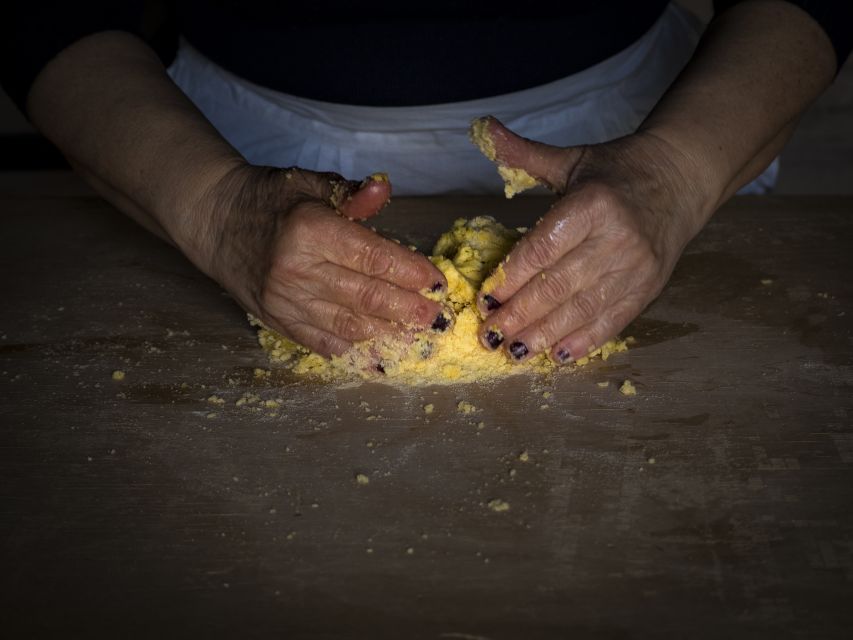
- Traditional home in Sinnai: Learn pasta-making in a historic Campidanese-style house near Cagliari.
- Two Sardinian specialties: Make malloreddus, often called Sardinian gnocchi, and culurgiones, a distinctive folded ravioli.
- Personal instruction: Isabella and Valerio guide you through the process in English, Italian, or Spanish.
- Food and conversation included: The pasta is cooked and shared with wine and other local products when the lunch option is selected.
- Small-group format: The class is limited to 10 people, allowing plenty of practical work.
- Pets are part of the setting: Cats and a dog live in the home, so this is not suitable for people with animal allergies.
A pasta lesson inside old Sinnai
Sinnai gives this experience a useful sense of place. It is close to Cagliari, but its historic center still has traditional Campidanese houses, built with mud-brick walls and wooden roofs. You are not being brought into a purpose-built cooking studio. You are entering the home of a local couple and learning in the kind of personal setting that makes food culture easier to understand.
That setting matters. Sardinian pasta is not just a list of ingredients and shapes. It is connected to family meals, local customs, and the careful handwork passed from one generation to the next. In a private home, you get a clearer sense of food as part of daily life rather than as a stage performance.
Isabella and Valerio are the hosts named most often in the experience details. Isabella leads the pasta instruction, while both hosts take part in the welcome, conversation, and meal. Their teaching style is patient and practical. You should expect to work with your hands, ask questions, and repeat the steps until the shape starts to make sense.
The group is limited to 10 people. That is large enough to create a sociable table but small enough for the hosts to watch what you are doing. The class lasts about three to five hours, depending on the selected option and the pace of the group.
More Pasta Making Classes in Italy:
- Florence: Pasta Cooking Class with Unlimited Wine
★ 4.9 · 10,285 reviews - 3 in 1 Cooking Class near Navona: Fettuccine, Ravioli & Tiramisu
★ 5.0 · 7,376 reviews - Florence: Pasta & Tiramisu Cooking Class with Unlimited Wine
★ 4.9 · 6,708 reviews
Making malloreddus, Sardinia’s small pasta shapes
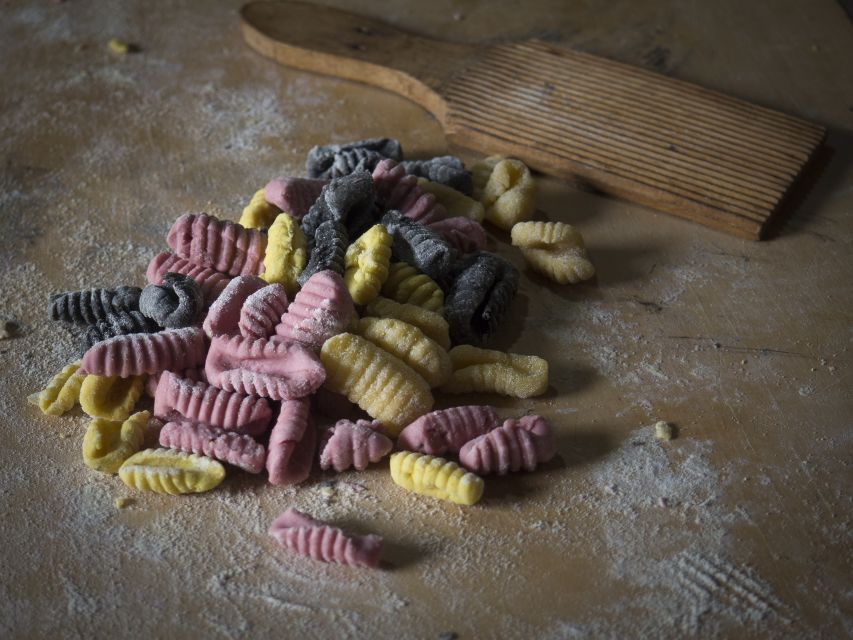
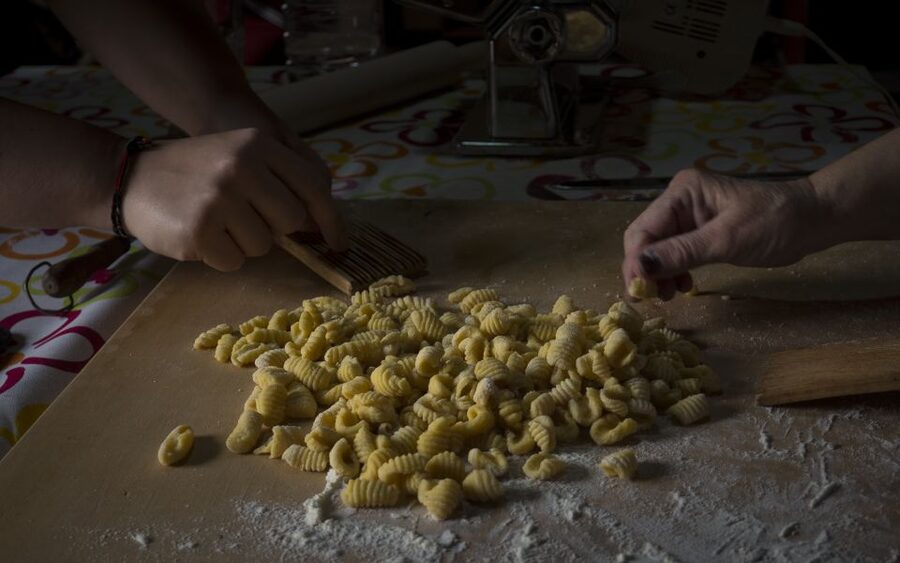
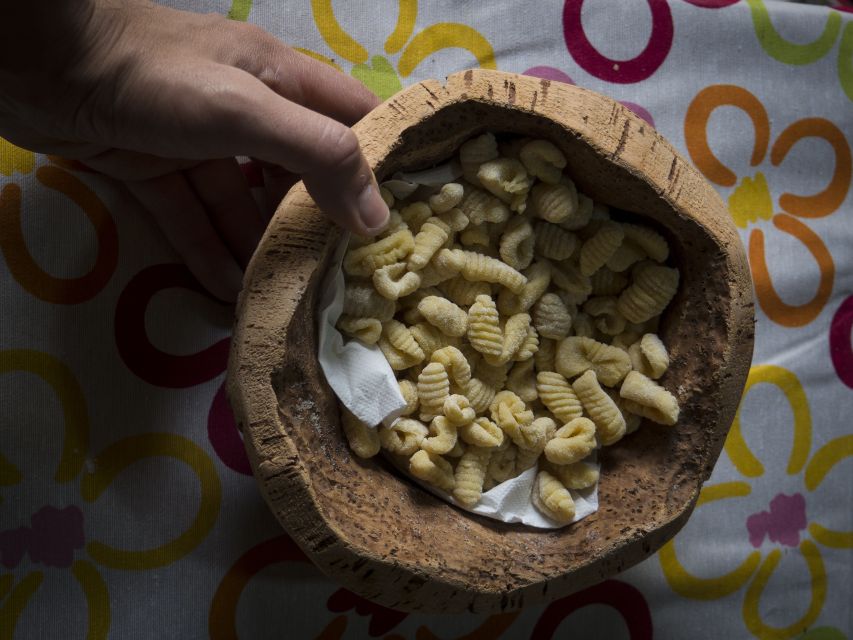
The class centers on malloreddus, also known as Sardinian gnocchi. These are small ridged pasta shapes, and the appeal is in the technique. You do not simply mix dough and hand it over to the hosts. You help form the pasta and learn how the shape is made.
The ridges are useful, not just decorative. They help hold sauce, which makes malloreddus a practical everyday pasta as well as a local specialty. For you, the important part is slowing down enough to get a feel for the dough and the shaping process.
The pace is likely to be steady rather than rushed. Several past sessions included hands-on preparation over a number of hours, with clear demonstrations before participants worked on their own. That makes the class a good fit if you enjoy learning by doing, but less suitable if you want a quick activity between major sightseeing stops.
Some earlier sessions involved three types of pasta, while the current description focuses on malloreddus and culurgiones. Treat those two as the reliable core of the experience. If a third shape appears, consider it a bonus rather than something to count on when booking.
Folding culurgiones like a Sardinian cook
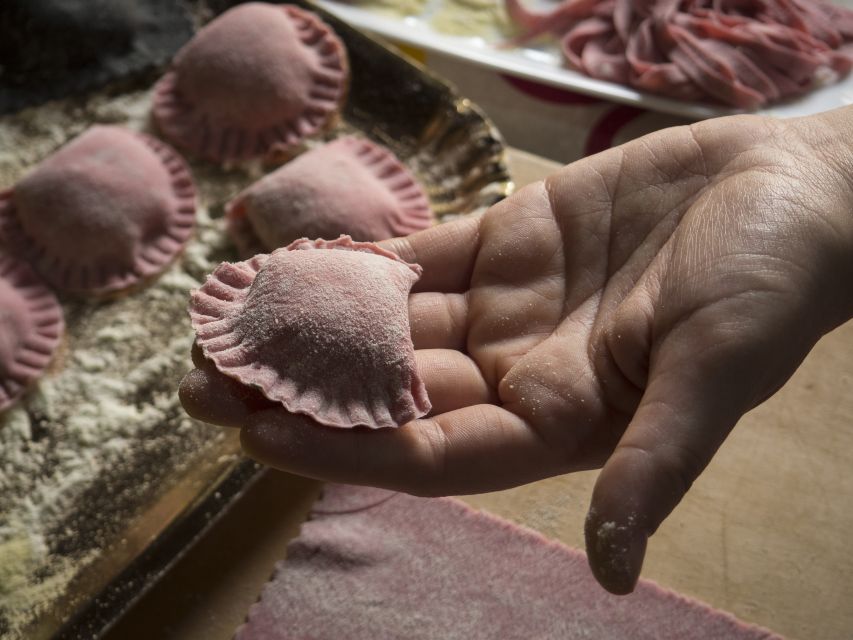
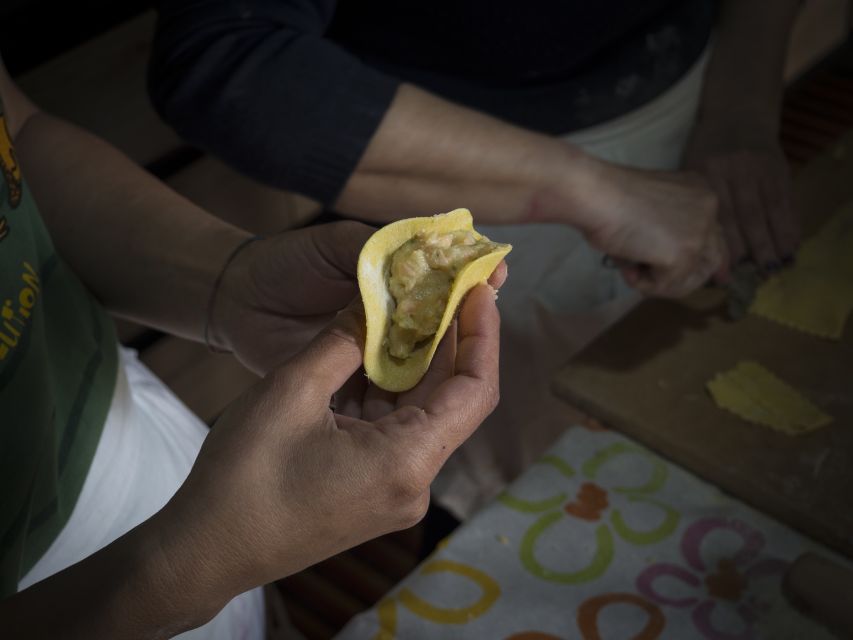
Culurgiones are Sardinian ravioli closed with a distinctive folded edge. This is the more unusual part of the lesson because the finished pasta has a recognizable braided or plaited appearance. It takes patience, and your first few pieces may look less tidy than the host’s.
That is part of the fun. A class like this is not about producing perfect restaurant pasta on the first try. It gives you a technique you can remember and attempt at home. Isabella’s patient approach is especially useful here, since the folding method can be difficult to follow if you only see it once.
The filling is prepared as part of the cooking process. One earlier class began with the filling before the group moved on to mixing and forming the pasta. You may also see different shapes and sauces during the meal, depending on the selected format and what the hosts prepare that day.
Pay attention to the practical details. Ask how thin the dough should be, how much filling belongs inside each piece, and how to keep the edges closed. These are the small lessons that make a cooking class useful after your holiday ends.
From kitchen work to a shared Sardinian meal
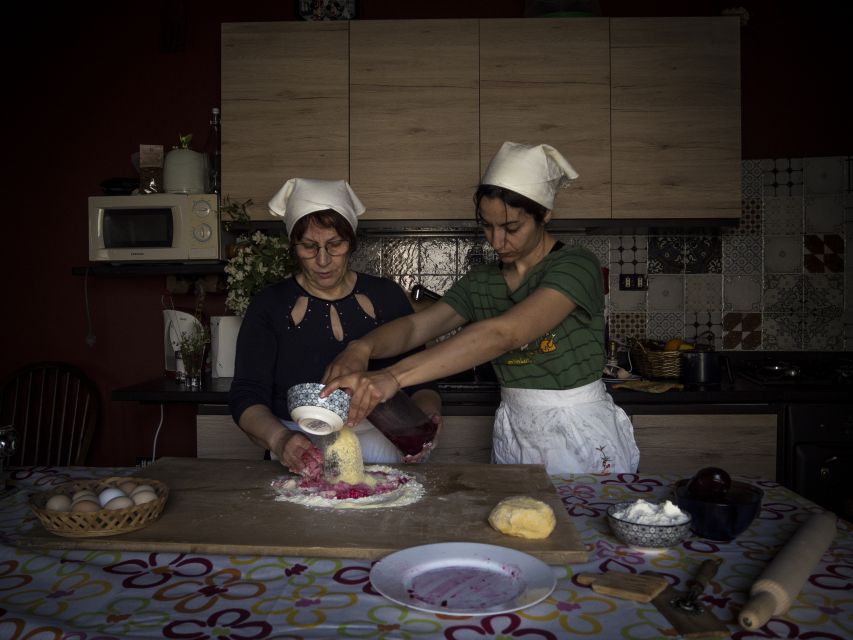
The pasta you make is cooked later, then eaten together with the hosts. This turns the class into more than a workshop. You get a meal built around the work you have just completed, along with local wine and other typical products.
The meal may include antipasti such as cheese, sausage, bread, and other regional foods. One earlier session included coffee and biscotti on arrival, followed by pasta preparation, wine, antipasti, and a long lunch with the family. Those details can vary, but they show the kind of generous home hospitality this experience aims to provide.
A garden or patio may be used for drinks and snacks before the main meal. That outdoor pause is a pleasant part of the day, especially in warm weather. It also gives you time to talk with the hosts and other people in the group instead of moving straight from preparation to eating.
One useful point is worth checking when you book: confirm whether the chosen option includes lunch and wine. These are listed as included when the lunch option is selected. The experience lasts three to five hours, so the meal is an important part of the value, not a minor extra.
There has been one practical criticism worth noting. One participant enjoyed the afternoon but suggested that the pasta prepared during the class should be the pasta served at the meal. That is a fair question to ask in advance. If eating your own batch matters to you, confirm how the cooking and serving are handled.
More cooking classes around Italy:
- Florence: Pasta Cooking Class with Unlimited Wine
★ 5.0 · 6,413 reviews - Cooking Class and Lunch at a Tuscan Farmhouse with Local Market Tour from Florence
★ 5.0 · 4,831 reviews - Rome: Pasta Making Class with Wine, Limoncello, and Dessert
★ 4.9 · 3,177 reviews - Pastamania – Florence Pasta Making Class
★ 5.0 · 3,050 reviews
What the home setting adds
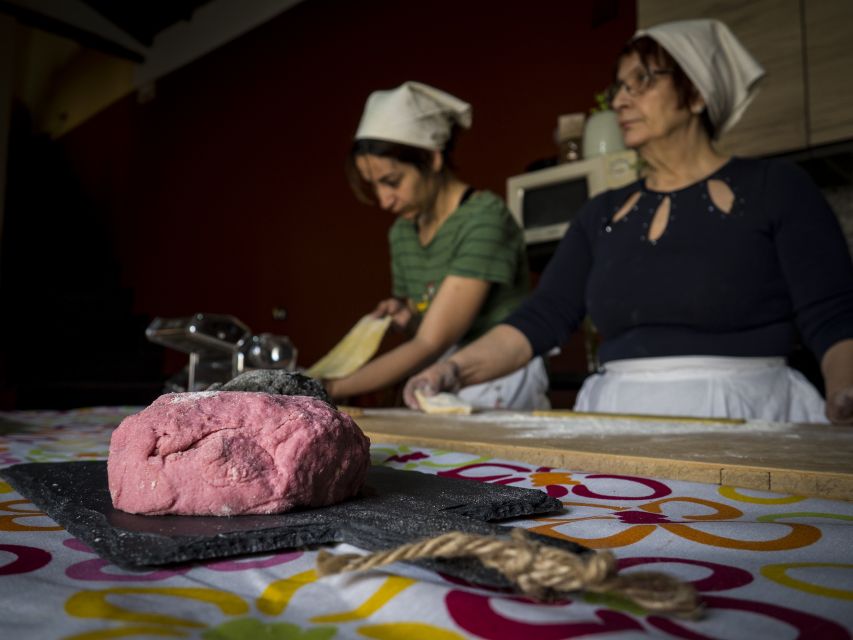
The house itself is a major part of the experience. You get to see a traditional Sardinian home rather than a generic classroom, and that makes the cultural side feel more direct. The hosts’ garden, family table, and local food help connect the pasta lesson to ordinary Sardinian life.
This is also an experience for animal lovers. Cats and a dog live in the house, and the animals are part of the home atmosphere. Several people enjoyed that informal touch, but it is not a minor detail if you have allergies or are uncomfortable around pets.
The house setting has a tradeoff. It may feel personal and authentic, but it will not have the polished equipment or formal organization of a professional cooking school. One person found the private-house format genuine but felt the experience was expensive for what it offered. I think that is the right way to assess it: you are paying not only for pasta instruction, but also for the meal, the host interaction, and the home visit.
Pickup from Cagliari and the practical details
Sinnai is near Cagliari, and free hotel pickup is available in the Cagliari area up to 20 kilometers, on request. This can make a real difference. If you do not have a car, door-to-door transport removes the need to work out the journey to Sinnai and back.
Pickup should be arranged when booking, rather than treated as automatic. Ask whether your hotel falls within the 20-kilometer area and confirm the meeting details before the day of the class.
The experience is offered in English, Italian, and Spanish. That makes it accessible to a wide range of visitors, though the exact language mix in a small group can vary. The group limit of 10 is helpful for instruction, particularly when several people are learning the culurgiones fold at the same time.
The advertised price is $92 per person. At that rate, I would judge the value by the full package:
- A three to five-hour activity
- Local instruction in a private home
- Hands-on pasta preparation
- A shared meal and wine when selected
- A chance to visit Sinnai rather than remain only in central Cagliari
- Hotel pickup when eligible and requested
If you only want to learn one pasta shape for an hour, the price may feel steep. If you want a half-day social experience with food, transport help, and personal contact with a Sardinian couple, it is easier to justify.
Who will enjoy this most
I would recommend this class to people who like food, conversation, and small-group activities. It is particularly good for couples, families, and friends who want an experience that feels connected to local life rather than another standard sightseeing stop.
It can also work well for solo visitors. The meal and small-group format give you a natural way to meet people, and the shared work keeps conversation moving. You do not need to be an experienced cook. The instruction is designed for participation, and a past seven-year-old joined in with the adults, although you should confirm the suitability of your own children when booking.
This is a good choice if you have already seen the main sights of Cagliari and want to spend part of a day in a nearby town. It offers a slower change of pace and a taste of Sardinian hospitality without requiring a full day trip across the island.
I would think twice if you have animal allergies. The cats and dog live in the house, and this is specifically not suitable for people with animal allergies. You should also share dietary requirements when booking. The hosts need that information before preparing the food.
How this compares with a restaurant meal
A restaurant can give you polished service and a wider menu. This class gives you participation. You see how the pasta is formed, make mistakes, get help, and then sit down with the people who taught you.
The cultural value is also different. Isabella and Valerio can explain the food while you are handling it, and the conversation can move toward Sardinian customs and family life. That direct contact is the reason to choose this over simply ordering culurgiones from a menu.
The downside is that a home visit is less predictable than a restaurant. Timing may depend on the group, the amount of pasta being made, and the hosts’ preparation. You should allow the full three to five hours and avoid scheduling a tightly timed activity immediately afterward.
Booking advice for a smoother day
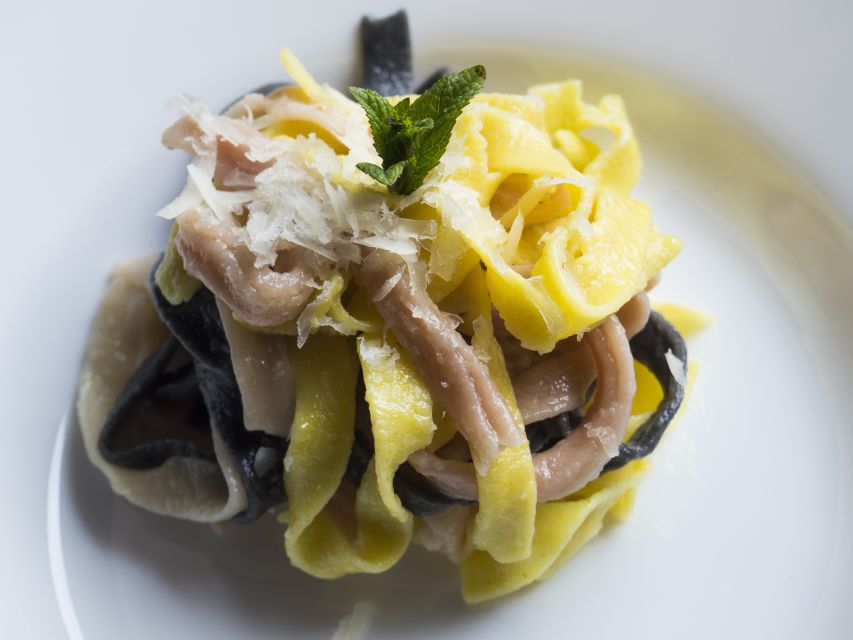
Tell the hosts about dietary requirements at the time of booking. This is especially important for a meal built around pasta, fillings, sauces, cheese, and other local products.
Request hotel pickup if you are staying within the eligible Cagliari area. Also confirm that lunch and wine are included in the option you choose, since those items depend on the selected package.
Bring a relaxed attitude and clothes suitable for kitchen work. The supplied information does not specify a dress code or equipment list, so you should not assume that every cooking tool or protective garment will be provided. The key preparation is simply to arrive ready to work at the table and spend time in a private home.
Cancellation is flexible up to 24 hours before the experience for a full refund, and you can reserve now and pay later. That is useful if your Cagliari plans may shift.
Should you book this Sardinia cooking class?
Book it if you want a personal, food-centered half-day with local hosts, a traditional home, and a meal at the end. The strongest reasons are the patient instruction, the chance to make malloreddus and culurgiones yourself, and the warm family setting created by Isabella and Valerio.
Skip it if your budget is tight, you prefer a formal cooking school, or you cannot be around cats and a dog. For everyone else, $92 is reasonable when lunch, wine, transport help, and several hours of personal hosting are included. I would confirm the lunch details and pickup before paying, then allow the class to take its full course. This is best enjoyed as a relaxed Sardinian afternoon, not as a quick lesson squeezed between appointments.
FAQ
Where does the cooking class take place?
The class takes place in Sinnai, a small town near Cagliari, inside a traditional Sardinian home with Campidanese-style features.
How much does the experience cost?
The listed price is $92 per person.
How long does the class last?
The experience lasts approximately three to five hours. Starting times depend on availability.
Which pasta will I make?
The class focuses on malloreddus, also known as Sardinian gnocchi, and culurgiones, a type of Sardinian ravioli with a distinctive folded closure.
Is lunch included?
Lunch and wine are included if you select the option that includes them. Check the specific option when booking.
Is hotel pickup available?
Free pickup is available on request from hotels in the Cagliari area up to 20 kilometers away.
What languages are available?
The live guide service is available in English, Italian, and Spanish.
Are pets present during the class?
Yes. Cats and a dog live in the house, so the experience is not suitable for people with animal allergies.
New cooking classes around Italy
- Sestri Levante: Pesto & Cooking Classes, Wine Tasting★ 4.9 · 56 reviews
- San Gimignano: Tuscan Cooking Class★ 5.0 · 2 reviews
- San Gimignano: Truffle Cooking Class with Wine Tasting★ 5.0 · 5 reviews
- San Gimignano: “Hands in dough” Cooking Class with Lunch★ 5.0 · 6 reviews
- Salento: Authentic Cooking Experience with Fresh Pasta and Local Products★ 5.0 · 8 reviews
- ROME:Hands-On Lasagna & Marsala Tiramisu Cooking Experience”★ 5.0 · 3 reviews
- Rome: Private Wine Tour and Pasta Making Class in a Winery★ 5.0 · 6 reviews
- Rome: Vatican Food Tours, Cooking classes & Free Tours★ 4.9 · 11 reviews
Italy Cooking Classes, side by side.
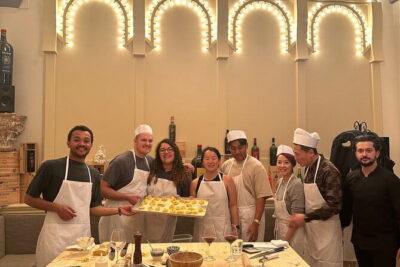
Florence: Pasta Cooking Class with Unlimited Wine
Read our review →
3 in 1 Cooking Class near Navona: Fettuccine, Ravioli & Tiramisu
Read our review →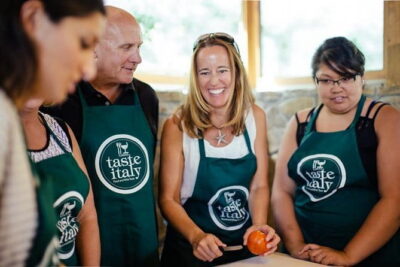
Cooking Class and Lunch at a Tuscan Farmhouse with Local Market Tour from Florence
Read our review →
Rome: Pasta Making Class with Wine, Limoncello, and Dessert
Read our review →

Rome Cooking Class: Make Pasta and 3 Spritz Cocktails
Read our review →
Rome: 3-in-1 Fettuccine, Ravioli, and Tiramisu Cooking Class
Read our review →
Rome: Fettuccine Pasta Cooking Class in Rome’s City Center
Read our review →This kitchen also appears in