
Review · CHIANG RAI
Chiangrai: Group Trekking with Bamboo Cooking
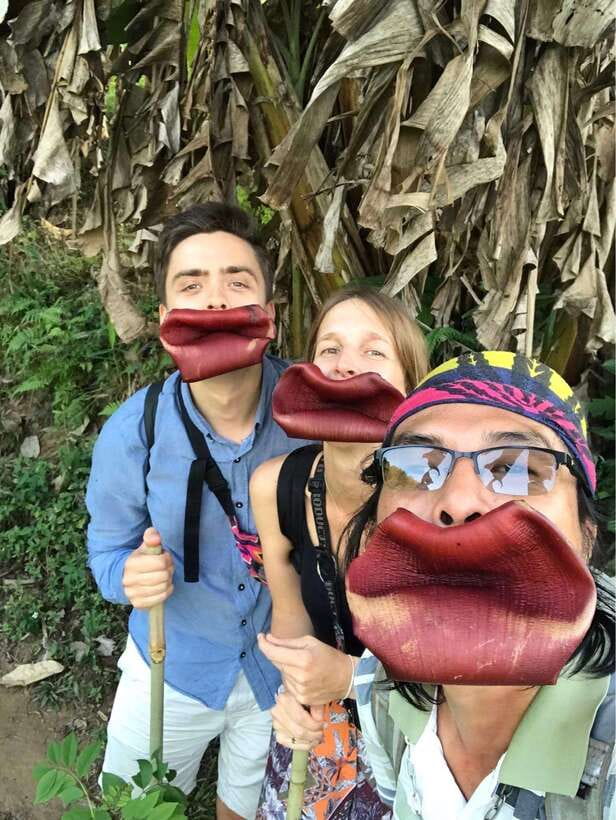
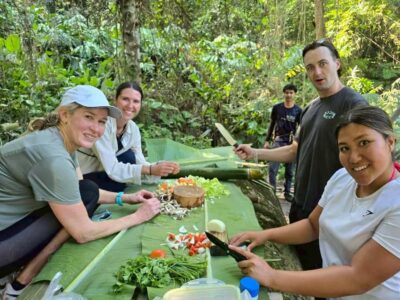
The best part of this Chiang Rai outing is the bamboo cooking lunch. You gather jungle bamboo, help prepare traditional Thai dishes, and eat the meal with handmade tools in a quiet forest setting. I also like the chance to visit several hill communities and tea plantations rather than spend the whole day on a standard sightseeing route.
I like the small group of up to 10 people, which should make the walking pace and cooking lesson easier to manage. The main caution is the trail itself: 10 to 12 kilometers over five to six hours is a real hike, with some slippery and physically demanding sections. Bring insect repellent, and do not book this as a gentle family stroll.
Key points at a glance
- Bamboo cooking in the jungle: Prepare and eat a Thai lunch using bamboo and simple handmade tools.
- Several distinct communities: Visit Lisu, Chinese, Akkha, and Lahu villages during the day.
- A long mountain walk: Expect roughly 10 to 12 kilometers and five to six hours on foot.
- Tea plantations and jungle scenery: Walk among tea plants and follow nature trails with a local guide.
- Waterfall and hot spring stops: Swimming at the waterfall and soaking at the hot spring are part of the plan, but conditions may affect what happens.
- Useful city pickup: Hotel pickup in Chiang Rai is scheduled between 9:00 and 9:15 in the morning, with a return to your hotel later in the day.
A full day beyond Chiang Rai’s usual sights
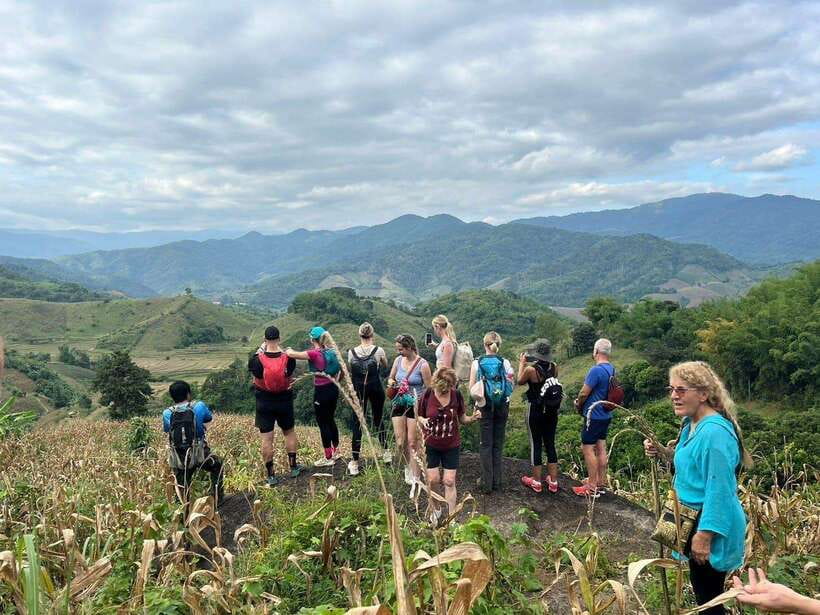
This is a countryside day for people who want to walk, eat, and meet local communities. The route combines several attractions, but the real point is the movement between them. You are not simply driven from one photo stop to another. You spend much of the day on foot, with the jungle, villages, farms, and hills forming the backdrop.
SoGood Travel limits the group to 10 people and provides a local English-speaking guide. Spanish is also listed as an available language, but one Spanish-speaking participant found that the activity was not conducted in Spanish. If language matters to you, confirm it before booking rather than assume it is guaranteed on every departure.
Pickup is from your hotel in Chiang Rai city, generally between 9:00 and 9:15 in the morning. The day ends with a return to the hotel. The information says transportation to the starting point is not included, so clarify this detail when booking. The city pickup is included, but the transfer beyond the normal pickup arrangement may involve an extra cost.
At $59 per person, the price is fair if you use the whole day. It covers the guide, hotel pickup and drop-off in Chiang Rai city, the bamboo cooking class and meal, drinking water, travel insurance, and the hot spring ticket. You are paying for a long guided outing rather than a short walk with one activity attached.
More walks before the kitchen around Thailand:
- Chiang Rai: Jungle Adventure-Group Trekking & Bamboo Cooking
★ 4.9 · 166 reviews - 1 Day Trekking Group Tour With Bamboo Cooking / Chiang Rai
★ 5.0 · 51 reviews - Chiang Rai Jungle Trek & Bamboo Tube Cooking Adventure
★ 5.0 · 5 reviews
Starting with Lisu and Chinese village life
The first cultural stops are a Lisu village and a Chinese village. These visits give the day some human interest before the trail becomes more rural and wooded. You will see two different parts of northern Thailand’s ethnic mix, with the guide providing context about local customs and daily life.
The value here depends on how the visit is handled. A respectful stop should give you a window into how people live, work, and maintain local traditions. It is not a museum display, and you should approach the villages as real communities rather than as photo scenery. Listen carefully, ask before taking photographs, and follow the guide’s lead.
The itinerary does not promise a long formal presentation or a scheduled cultural performance. That is worth knowing. This is a short visit as part of a wider walking day, not a dedicated village study tour. I would choose it for the chance to see a less commercial side of Chiang Rai, not for elaborate demonstrations.
Tea plantations on the walking route
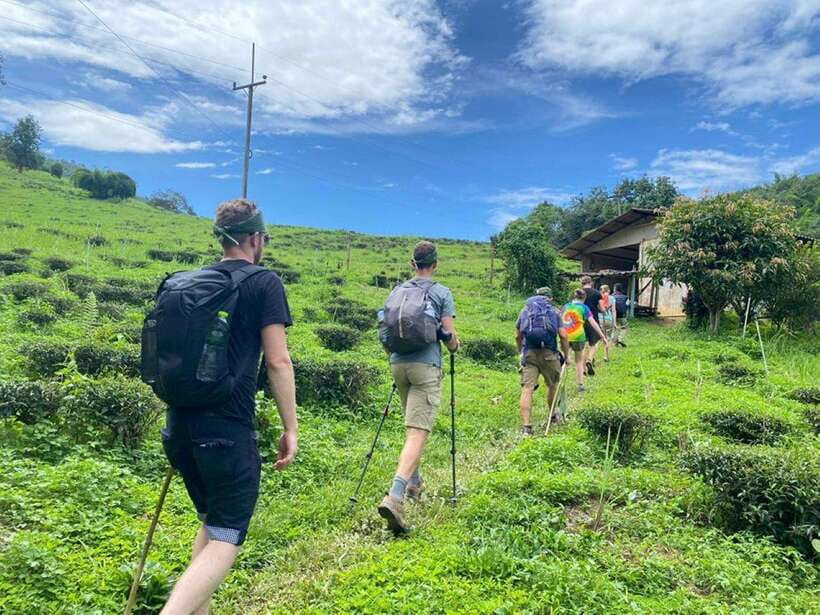
From the villages, the route continues toward tea plantations. Northern Thailand is well known for its cooler hill country and tea production, and walking through the plants gives you a different view of the region than a city tour or temple circuit.
The tea stop also breaks up the day nicely. You get open views, the smell of fresh leaves, and a change from village lanes to cultivated hillsides. The route is not presented as a tea tasting tour, so do not expect a detailed lesson on processing or a long sampling session. Think of the plantations as one part of a broader nature walk.
Bring shoes with a firm grip. The walk is long, and the trail may include uneven ground. One participant described some sections as slippery and dangerous, so ordinary trainers may not be enough in wet conditions. Hiking shoes are the safer choice, especially if you are not comfortable on muddy or steep paths.
The bamboo lunch is the day’s signature activity
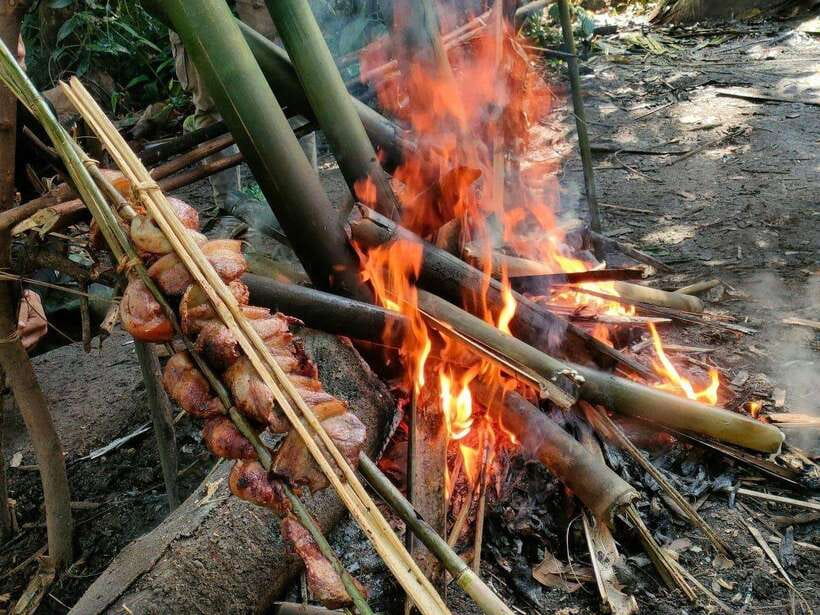
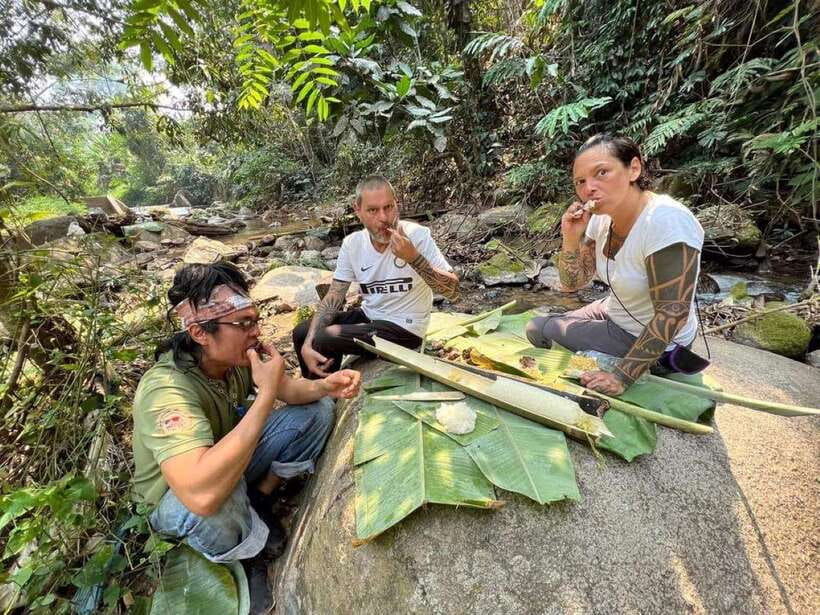
The bamboo cooking session is what makes this outing different from many Chiang Rai treks. Rather than stopping at a restaurant, you learn how to cook traditional Thai food with bamboo sourced from the jungle. You take part in the preparation and then eat what you have made.
The method is simple in principle, but it turns lunch into a practical lesson. Bamboo can serve as a cooking vessel, and the activity includes handmade tools. You get to see how local materials can be used in a useful, low-tech way instead of treating the forest as scenery only.
The meal has received the strongest praise from the available feedback. It was described as delicious, exotic, curious, and satisfying. That fits the appeal: you are not just watching a demonstration. You help prepare food and eat it together in the forest.
Tell the operator about dietary restrictions or special requirements before the tour. The cooking format may make changes easier if arranged in advance, but the information does not promise that every diet can be accommodated. Do not wait until lunchtime to mention allergies or other needs.
The lunch stop also gives your legs a break. After several hours of walking, a seated meal is welcome. Still, this is not a polished restaurant setup. You should expect a simple outdoor meal, handmade equipment, and a practical activity rather than restaurant service.
More cooking classes around Thailand:
- Half-Day Thai Cooking Class at Organic Farm in Chiang Mai
★ 5.0 · 19,087 reviews - Chiang Mai: Cooking Class, Market & Thai Herbs Garden Tour
★ 4.9 · 4,824 reviews - Chiang Mai: Authentic Cooking Class with Market & Farm Visit
★ 4.9 · 4,546 reviews - Thai and Akha Cooking Class in Chiang Mai
★ 5.0 · 4,358 reviews
Waterfall time comes with a condition
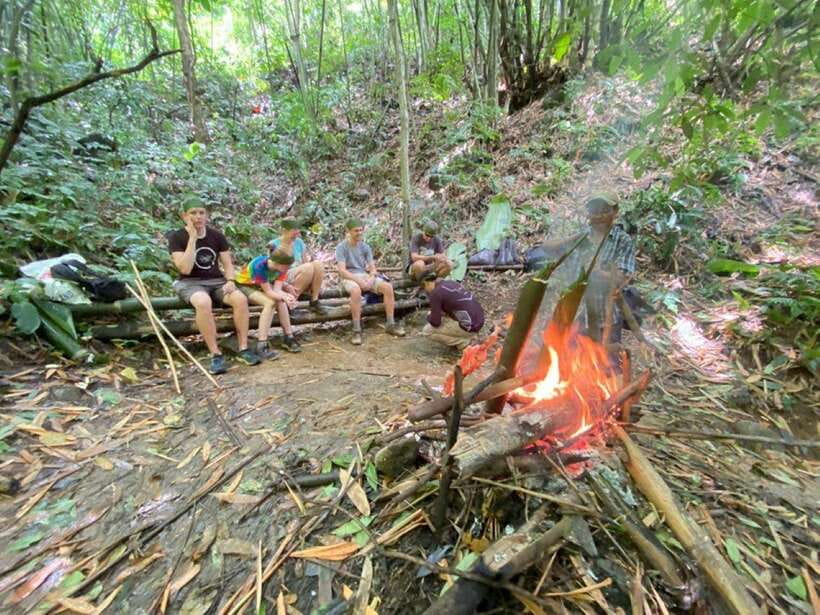
After lunch, the trek continues to what is described as the second largest waterfall in the area. The plan allows time to relax and swim, surrounded by jungle. On a hot day, this could be one of the most refreshing parts of the route.
Pack swimwear and a towel, but keep your expectations flexible. One participant reported that the waterfall stop did not happen on their departure, despite being part of the advertised plan. Conditions on a mountain trail, weather, water levels, or timing may affect the route.
This is also why packing light matters. Carrying a towel and swimsuit for 10 to 12 kilometers is not much fun if you cannot use them. Put them in a small, light daypack and wear quick-drying clothes. Do not bring a heavy beach bag.
The trail around a waterfall may be wet and uneven. If you swim, use care and follow the guide’s instructions. The supplied information does not give details about changing facilities, lockers, or water safety, so do not count on the comforts of a developed swimming area.
Akkha and Lahu villages near the end
The cultural portion continues with visits to Akkha and Lahu villages. By this point, you will have seen several communities in one day, which helps place northern Thailand’s cultural variety alongside its natural setting.
The Akkha and Lahu stops are not separate full-day excursions. They are part of the route, and the time available may depend on walking conditions and the group’s pace. You will gain a general sense of local customs and daily life, but the guide’s explanations and the openness of the community will shape how much you learn.
I like this mix because it prevents the trek from becoming only a nature walk. You are moving through places where people live and work, not just passing through forest. At the same time, you should keep your expectations realistic. This is not a cultural workshop with a guaranteed hands-on activity at every village.
Ending with a hot spring soak
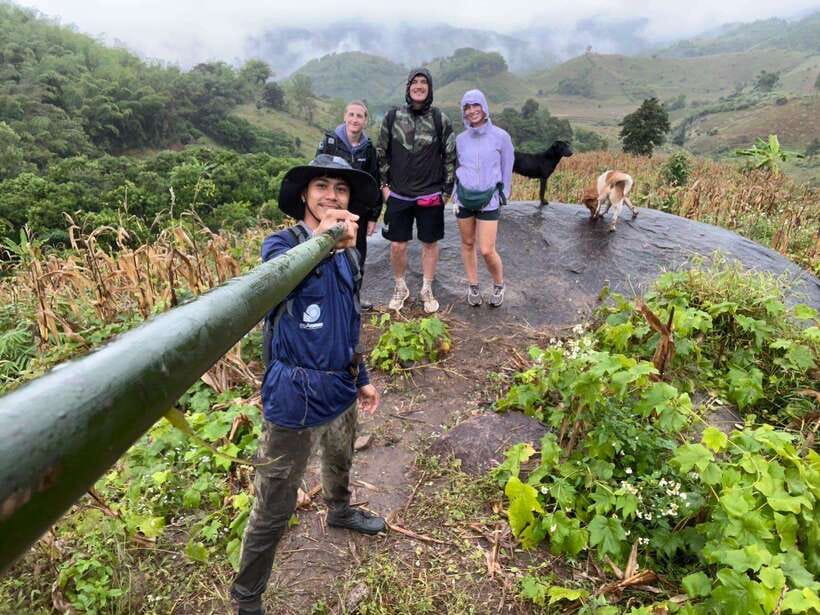
The last major stop is a natural hot spring. After a long day on the trail, warm water sounds exactly right. The hot spring ticket is included, so you do not need to budget an extra entrance fee for this stop.
As with the waterfall, the hot spring may be affected by timing or route changes. One participant said neither the waterfall swim nor the hot spring took place on their outing. If either activity is a major reason for booking, ask about current conditions before departure.
The hot spring works best as a finishing touch, not as the main reason to choose the tour. The heart of the day is the walk and bamboo meal. The hot spring is a welcome bonus that can help you relax before the return to Chiang Rai.
How demanding is 10 to 12 kilometers?

The operator describes approximately 10 to 12 kilometers of walking over five to six hours. That is enough to rule out anyone looking for a light stroll. You should be comfortable walking for most of a day, handling uneven ground, and managing some uphill or slippery sections.
One Spanish participant felt the outing was sold as easier than it really was. The same person warned that it may not suit children, people with physical conditions, or anyone unused to mountain walking. I would take that warning seriously.
Pregnant people should not book this activity. Anyone with knee, ankle, heart, or balance problems should also think carefully, although the supplied information only specifically excludes pregnant women. If you are unsure, ask the operator about the current trail before paying.
Wear hiking shoes or sturdy comfortable shoes. Add sunscreen and insect repellent, since the route passes through jungle and open plantation areas. Carry only what you need, including water, swimwear, a towel, and any personal medication.
What the guides add to the day
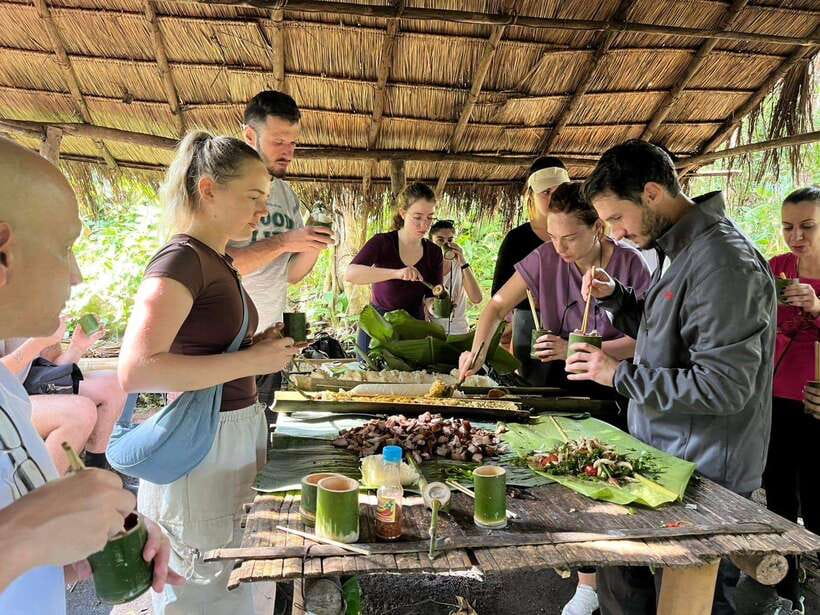
The guide is central to this experience. A local nature guide leads the trail, explains the communities you visit, and helps with the bamboo cooking. The best parts of the day depend less on polished facilities and more on how well the guide manages the pace, terrain, food preparation, and cultural stops.
The available feedback gives the guides high marks for being kind, helpful, and fun. One account also praised a handmade gift created during the trek. That suggests a personal touch, but it should not be treated as a guaranteed inclusion.
Because this is a small group, you should have more opportunity to ask questions and get help on difficult sections. It also means the group’s pace matters. A fast walker may need to slow down, while a slower walker may feel pressure on steeper stretches. Tell the guide early if you need a rest.
Who should book this day?
I would recommend it to you if you want an active day with several different elements: village visits, tea plantations, jungle trails, a hands-on meal, and possible swimming and hot springs. It suits curious visitors who prefer local food and outdoor activity to a bus full of short photo stops.
It is especially good for couples, friends, and solo visitors who enjoy small-group outings. The group limit of 10 keeps the day more personal than a large coach excursion.
I would not choose it if you want a relaxed sightseeing day, guaranteed swimming, or a carefully structured cultural lecture. I would also avoid it if you dislike insects, muddy trails, long walks, or basic outdoor meals.
The language point deserves attention. English is listed, and Spanish is listed as well, but Spanish service may not be available on every departure. Confirm before booking if you need Spanish guidance.
Practical booking advice
Cancellation is free up to 24 hours before the start, and you can reserve now and pay later. The activity is valid for one day, with departure availability shown during booking.
Give the operator your Chiang Rai hotel name and wait in the lobby during the 9:00 to 9:15 pickup window. Bring comfortable or hiking shoes, swimwear, a towel, sunscreen, insect repellent, and drinking water. Water is included, but you should still carry enough for your own comfort during the long walk.
Ask two questions before you commit: Is the waterfall and hot spring route operating on your date, and what exactly is covered by transportation to the trailhead? Those answers will prevent the two biggest surprises.
FAQ
How long is the Chiang Rai trek?
The walking distance is approximately 10 to 12 kilometers, with about five to six hours spent walking.
What time is hotel pickup?
Pickup from hotels in Chiang Rai city is scheduled between 9:00 and 9:15 in the morning. You should wait in the hotel lobby.
Is the bamboo cooking activity included?
Yes. The price includes the bamboo cooking class, the preparation of the food, and eating the meal together.
What languages are available?
The activity lists English and Spanish live tour guides. Confirm Spanish availability before booking, as it may not be offered on every departure.
Is swimming at the waterfall guaranteed?
No. Swimming at the waterfall is part of the planned experience, but conditions may mean the stop is changed or skipped.
Is the hot spring ticket included?
Yes. The hot spring entry ticket is included in the listed price, although the visit can be affected by the day’s route and conditions.
Is this suitable for children or beginners?
The walk is long and includes potentially slippery, physically demanding sections. It is not suitable for pregnant women, and it may not be appropriate for children, people with physical problems, or anyone unused to mountain trails.
Should you book it?
Book this tour if the bamboo lunch and long nature walk appeal to you more than a guaranteed checklist of sights. At $59, it offers good value for a full day, especially with hotel pickup in Chiang Rai city, a guide, food, insurance, water, and the hot spring ticket included.
Skip it if you need an easy walk or if swimming and hot springs are your main goals. The strongest reason to choose this outing is the combination of hands-on bamboo cooking, local communities, and real trail time. Go prepared for a demanding day, and you are more likely to enjoy what this Chiang Rai trip does best.
New cooking classes around Thailand
- Sathon: Hands-on Thai Cooking Class & Market Tour in Bangkok★ 5.0 · 19 reviews
- Railay: Hands-On Thai Cooking Class at Railay Beach★ 4.9 · 30 reviews
- Phuket: Thai Cooking Class with Market Tour★ 5.0 · 2 reviews
- Phuket: Pum Thai Cooking School with Meal★ 5.0 · 3 reviews
- Phuket: Rawai Thai Cooking Class with Local Chef★ 4.8 · 23 reviews
- Phuket foodie tour+ Thai cooking class + Local food tasting★ 5.0 · 4 reviews
- Phuket: Half Day Thai Cooking Experience with Market Tour★ 5.0 · 11 reviews
- Phuket: Authentic Thai Cooking Class★ 4.8 · 145 reviews
Chiang Rai Cooking Classes, side by side.
Chiang Rai: Jungle Adventure-Group Trekking & Bamboo Cooking
Read our review →
Half-Day Thai Cooking Class with organic ingredients
Read our review →
Chiang Rai:Lanna Home Cooking Class at Give Green Farm House
Read our review →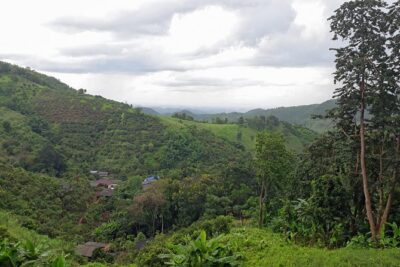
1 Day Trekking Group Tour With Bamboo Cooking / Chiang Rai
Read our review →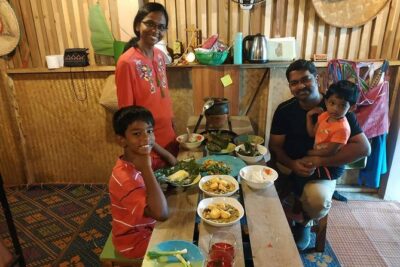
Chiang Rai Private Cooking Class – Cooking With Ann
Read our review →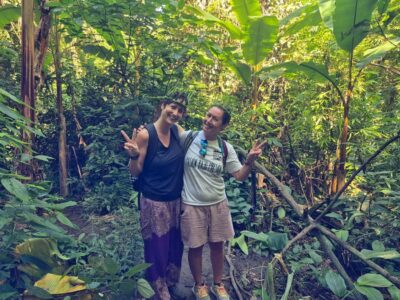
Chiang Rai Jungle Trek & Bamboo Tube Cooking Adventure
Read our review →This kitchen also appears in