
Review · CHIANG MAI
Thai and Akha Cooking Class in Chiang Mai
The unusual treat here is the mix of Thai and Akha cooking. You do not simply stir-fry one dish and leave. You work through appetizers, soup, curry, desserts, and special Akha recipes such as Akha salad, Akha soup, and sapi thuong, a tomato dipping sauce.
I like the small maximum of 12 people, which gives your instructor time to watch your knife work and answer questions. I also like the morning market visit, where you see and sample ingredients before cooking with them. The main consideration is the pace: six hours and close to ten dishes is a lot of food and a long stretch for anyone who prefers a short class.
Key points
- Morning market visit: See, smell, and taste local produce, herbs, spices, and snacks before class.
- Akha food and culture: Learn recipes and ingredients linked to the Akha people, not only familiar Thai standards.
- Individual cooking station: Work hands-on instead of watching from the sidelines.
- A large menu: Prepare two appetizers, soup, curry paste, curry, two desserts, and several Akha-style dishes.
- Strong practical value: Take home a full-color cookbook and learn substitutions such as using cucumber in place of green papaya.
- Easy central transport: Hotel pickup and return are included within 3 kilometers of Chiang Mai’s city area.
What the six-hour Chiang Mai class is really like
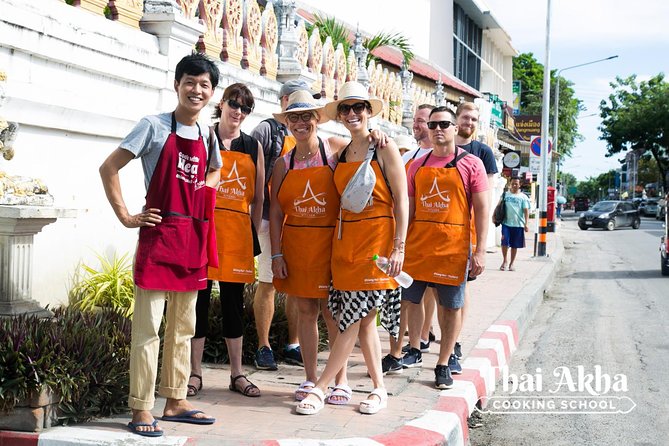
This is a full food day, not a quick demonstration. Your class begins with pickup from a central Chiang Mai hotel, provided your hotel is within 3 kilometers of the city area. The meeting point is Thai Akha Cooking School at 14/10 Soi Rat Chiang Saen 2, in the Hai Ya area.
The morning and afternoon sessions share the same main cooking program. The difference matters: only the morning class includes the local market visit. If seeing daily food shopping and trying ingredients sounds important to you, choose the morning time. If you mainly want the cooking, the afternoon class still includes the full menu and meal.
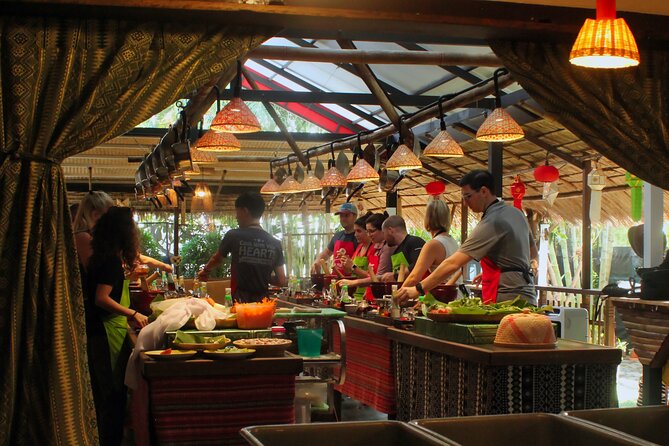
The school limits the group to 12 people and provides each person with an individual station. That setup is more useful than it may sound. You can chop, pound, season, and cook your own food instead of standing behind one busy counter while someone else handles the work.
The class has been led by instructors including On, Niti, Jasmine, Rita, and Ano. Names may vary by session, but the teaching style described across the experience is clear, warm, and playful. You can expect an instructor who explains each step, watches the group closely, and offers practical fixes when your curry is too thick or your seasoning needs adjustment.
More Thai Cooking Classes around Chiang Mai:
- Half-Day Thai Cooking Class at Organic Farm in Chiang Mai
★ 5.0 · 19,087 reviews - Chiang Mai: Cooking Class, Market & Thai Herbs Garden Tour
★ 4.9 · 4,824 reviews - Full Day Thai Cooking at Farm (Chiang Mai)
★ 5.0 · 1,127 reviews
Why the morning market is worth the early start
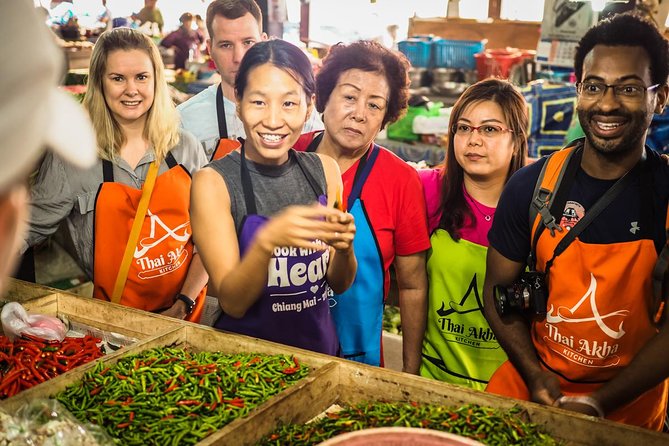
The market visit gives the cooking class a proper beginning. You are not handed a pile of anonymous herbs and told to follow a recipe. You first see the raw materials in the setting where local people buy them.
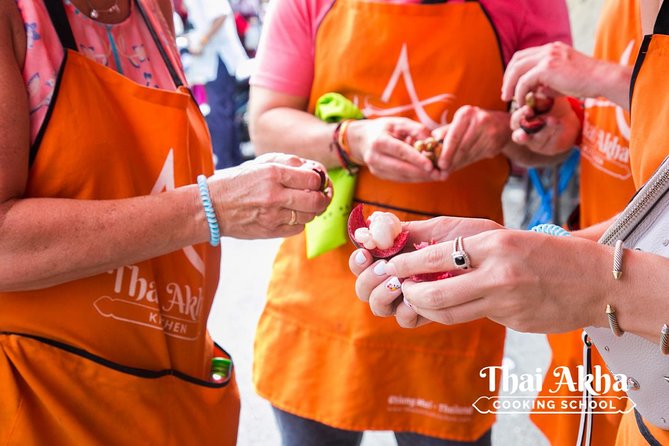
You might examine fresh vegetables, herbs, fruit, spices, and other ingredients used later in class. The market walk also includes chances to taste local foods. That small detail matters because Thai cooking depends heavily on aroma, texture, and freshness. Seeing the ingredients whole makes the later chopping and pounding easier to understand.
The market is also the best part of the class for learning what makes northern Thai food different from the restaurant version you may know at home. Akha cooking brings another layer, with its own dishes and ingredients. Your instructor explains how these foods fit into Akha culture and how some items can be handled in your own kitchen.
The drawback is simple: the market portion belongs only to the morning session. An afternoon booking will not include it. The timing also creates a long day, since the market visit leads directly into several hours of cooking and eating.
Individual stations keep you busy
At the school, the class moves into a bright, clean kitchen with well-stocked workstations. The stations are described as tidy and uncluttered, with strong attention to hygiene. That is welcome in a class involving raw ingredients, curry pastes, sauces, and many different dishes.
You will not make every possible dish entirely on your own, since the class covers a large menu and operates as a group. Still, the format is hands-on. You take part in the main preparation, make choices from several options, and learn the steps needed to repeat the recipes at home.
The instructors keep track of different dishes at different stations. This is one of the practical strengths of the class. The group may be preparing different curries, soups, or stir-fries at the same time, but the teacher and assistants guide everyone through the stages.
Families can also make good use of the format. Children and teenagers have taken part, and the clear demonstrations help younger cooks follow along. The class is not presented as a formal chef course, but it gives you enough structure to feel capable rather than lost.
The menu: Thai standards with an Akha side trip
The amount of food is one of the biggest reasons to book this class. The program includes two appetizers, a soup, curry paste, a curry, two desserts, and several Akha dishes. Depending on the choices made during your session, you may prepare close to ten or even eleven dishes.
The menu often includes a stir-fry as well. You choose from available options for some courses, so not every person has to make precisely the same meal. That gives the class variety and lets you pick dishes you are most likely to cook again.
The Thai portion teaches the basics most people hope to learn in Chiang Mai:
- Preparing a curry paste rather than relying only on a packaged version
- Building a soup with the right balance of herbs and seasoning
- Cooking a stir-fry without losing the texture of the ingredients
- Making appetizers and desserts as part of a complete meal
The Akha portion makes this more than a standard Thai cooking class. You may prepare Akha salad, Akha soup, and sapi thuong, a tomato dipping sauce. The food gives you a direct way to learn about Akha traditions, rather than treating the community as a footnote in a general regional food lesson.
The menu is also designed to build skills in stages. You start with individual ingredients and simple preparations, then work toward dishes with more layers of flavor. That progression helps you understand why Thai and Akha cooking use certain herbs, pastes, sauces, and fresh produce together.
More cooking classes around Chiang Mai:
- Chiang Mai: Authentic Cooking Class with Market & Farm Visit
★ 4.9 · 4,546 reviews - Chiang Mai: Cooking Class with Market and Pickup
★ 4.9 · 1,365 reviews - Chiang Mai: Cooking Class with Organic Farm at Mama Noi
★ 4.9 · 1,151 reviews - Chiang Mai: HALF-DAY COOKING COURSE at a Thai Cooking Farm
★ 4.9 · 705 reviews
The meal at the end is part of the lesson
After the cooking is finished, you sit down and eat what you made. This is not just a reward for surviving the chopping. It lets you taste the combined results and see how the separate dishes work as a meal.
Bring an empty stomach. The quantity is generous, and the day can include many small tastings before the final meal. One of the most useful warnings from the experience is not to eat a full breakfast before a morning class. A light start may be wiser, especially if you want to try market snacks and still enjoy the dishes you prepare.
Coffee is included, specifically Akha Hill Tribe coffee. Alcoholic drinks are available to buy, but they are not part of the price. If you are comparing this with a short class that serves one meal, the large menu here gives you more food and more practice, but it also explains the longer schedule.
The meal also creates a social part of the day. You cook alongside people from different countries and then share the results at the table. If you enjoy meeting people while learning a practical skill, this format adds value. If you prefer quiet, private instruction, the group setting may feel busy even with a maximum of 12.
What you take home besides a full stomach
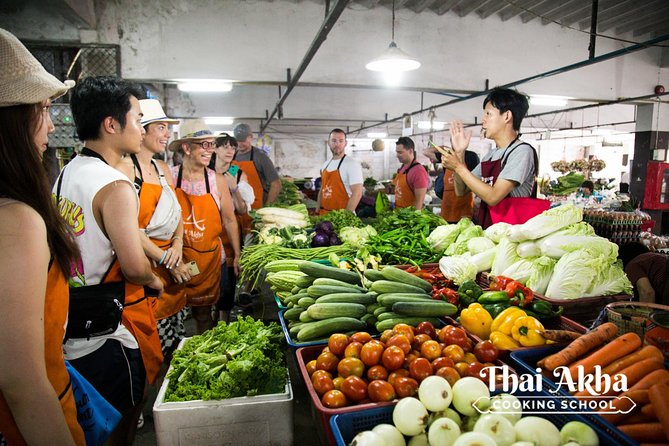
The full-color cookbook is an important inclusion. It gives you the recipes from the class, so the experience does not end when you leave Chiang Mai. You also receive a spice packet, according to the class details provided with the experience.
The strongest home-cooking advice is often the simplest. Instructors explain substitutions that make the food possible outside Thailand. One example is using cucumber instead of green papaya. That kind of tip helps you avoid buying a long list of rare ingredients before you can make a salad.
You also learn techniques rather than only ingredient lists. The instructor explains how to handle curry paste, balance seasoning, and adjust recipes to suit ingredients available at home. These are the details that make a cookbook useful instead of decorative.
Still, keep your expectations sensible. A recipe can list the ingredients, but your results will depend on the produce, curry paste, heat, and fish sauce available where you live. The class gives you a solid starting point, not a guarantee that your first home attempt will taste exactly like lunch in Chiang Mai.
Price, transport, and the value of the day
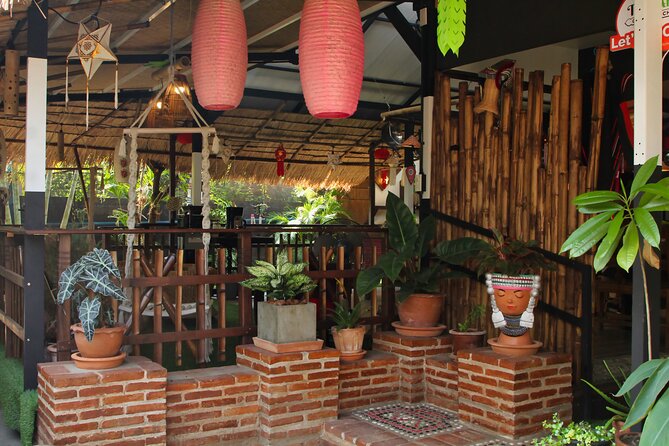
At $42 per person, the class offers a lot for a six-hour program. The price includes pickup and return within the stated central area, the market tour for morning bookings, the cooking station, Akha coffee, the meal, and the cookbook.
The value is strongest if you would otherwise book a market tour, a cooking lesson, and several meals separately. You get cultural context, hands-on instruction, a substantial amount of food, and recipes to take home.
Pickup is convenient, but the boundary matters. Only hotels within 3 kilometers of Chiang Mai’s city area are included. If you stay farther out, confirm how you will reach the meeting point at 14/10 Soi Rat Chiang Saen 2. The activity ends back at the meeting point, with return transport provided for eligible central hotels.
The class is also a good choice for a first or last day in Chiang Mai. It gives you a broad introduction to local food early in your visit. On the final day, the cookbook and spice packet give you a useful way to carry the flavors home.
Who should choose the morning session
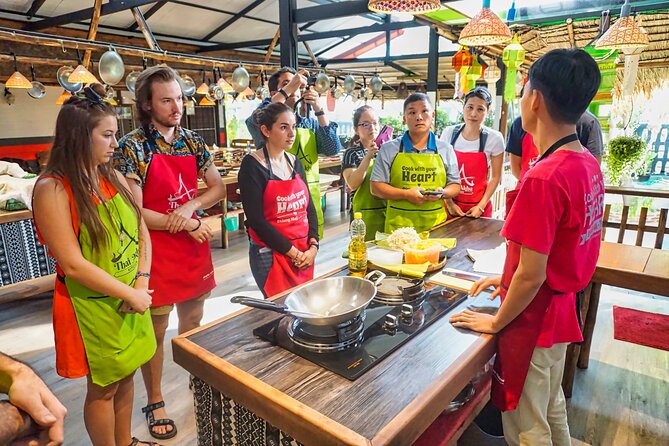
Choose the morning class if you want the most complete version of the experience. The local market visit adds context, tastings, and a clearer sense of how the ingredients look before they reach the kitchen.
The morning option also suits anyone who likes to understand food through shopping. You learn what is sold locally, hear how ingredients are used, and then put that information into practice a short time later.
The tradeoff is the length of the day. Market time followed by a large cooking menu can feel tiring. You should also plan around the six-hour duration rather than treating the class as a spare two-hour activity.
Who may prefer the afternoon class
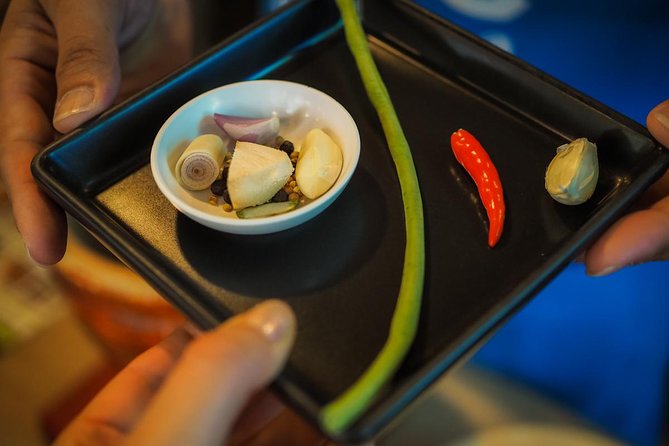
The afternoon session makes sense if your morning is already committed or if you want to avoid the market portion. You still receive the main cooking instruction, the individual station, the Akha dishes, the meal, coffee, and the cookbook.
It may also suit you if you are more interested in cooking than shopping. The missing market visit is the main loss, not the core kitchen program.
At the same time, the afternoon class is not a shorter version. The cooking program still runs about six hours. Book it only if you are ready for a substantial session with many dishes.
Practical details before you book
Confirmation is provided at booking, and mobile tickets are accepted. The class is near public transportation, although pickup is included for eligible central hotels.
Wear something you can cook in comfortably. The class involves active preparation, not simply sitting and watching. Since the program includes many dishes, plan the rest of your day lightly.
Free cancellation is available if you cancel at least 24 hours before the start time. Cancellations or changes made less than 24 hours ahead are not refunded or accepted, and the cut-off follows local Chiang Mai time.
Should you book the Thai and Akha Cooking Class?
Book it if you want a full, hands-on food experience with a real northern Thai and Akha focus. The market visit, individual station, wide menu, Akha coffee, and take-home cookbook make the $42 price easy to justify, especially for anyone who enjoys cooking or wants a practical cultural activity.
I would choose the morning session for the market and tastings. I would skip it only if six hours of food preparation sounds excessive, if you need a private class, or if your hotel falls outside the pickup area and transport is inconvenient. For families, food lovers, and curious cooks, this is one of Chiang Mai’s better ways to turn lunch into a lesson you can use at home.
FAQ
How long does the Thai and Akha cooking class last?
The activity lasts approximately six hours, including the cooking program and meal. The morning session also includes the local market visit.
Is hotel pickup included?
Pickup and drop-off are included for hotels within 3 kilometers of Chiang Mai’s city area. The activity ends back at the meeting point for the class.
Does every session include a market tour?
No. The local market tour is included only with the morning class. Afternoon sessions go directly into the cooking program.
How many people can join the class?
The activity has a maximum of 12 participants. Each person receives an individual cooking station.
What dishes will I prepare?
The menu includes two appetizers, soup, curry paste, curry, two desserts, and Akha-style dishes such as Akha salad, Akha soup, and sapi thuong tomato dipping sauce. The available choices can vary by course.
Is food included?
Yes. You prepare and eat a full meal during the class. Coffee, including Akha Hill Tribe coffee, is included.
Are alcoholic drinks included?
No. Alcoholic drinks are available to purchase separately.
Do I receive recipes after the class?
Yes. You receive a full-color souvenir cookbook with the recipes from the session. A spice packet is also included with the class materials.
New cooking classes around Chiang Mai
- Chiang Mai: Local Northern Thai Cooking Class at Grandma’s★ 5.0 · 33 reviews
- Chiang Mai: Half Day Morning Cooking Class with Market Tour★ 4.9 · 10 reviews
- Chiang Mai: Half Day Cooking Class at Organic Farm★ 4.8 · 96 reviews
- Half-Day Cooking Class with Market Tour★ 5.0 · 163 reviews
- Half-Day Thai Cooking Class on a Local Farm Near Chiang Mai★ 4.9 · 32 reviews
- Full Day Thai Cooking Class in Organic Farm and Market★ 5.0 · 3 reviews
- Chiang Mai: Traditional Thai-Akha Cooking Class& Market Tour★ 5.0 · 25 reviews
- Chiang Mai : Traditional Northern Cooking Class★ 5.0 · 8 reviews
Chiang Mai Cooking Classes, side by side.
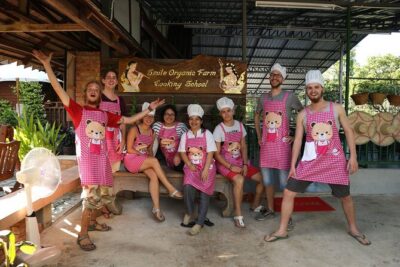
Half-Day Thai Cooking Class at Organic Farm in Chiang Mai
Read our review →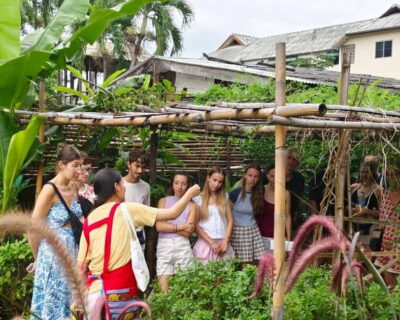
Chiang Mai: Cooking Class, Market & Thai Herbs Garden Tour
Read our review →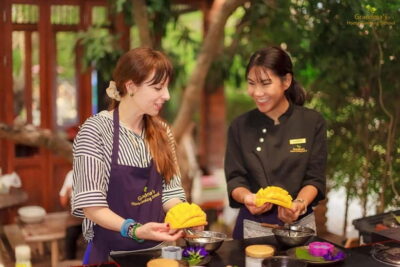
Chiang Mai: Authentic Cooking Class with Market & Farm Visit
Read our review →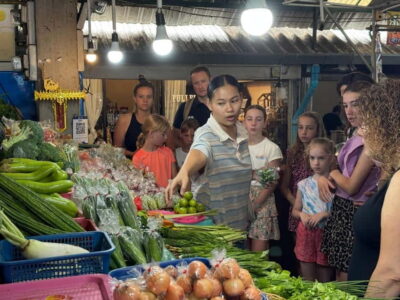
Chiang Mai: Cooking Class with Market and Pickup
Read our review →
Chiang Mai: Cooking Class with Organic Farm at Mama Noi
Read our review →
Chiang Mai: HALF-DAY COOKING COURSE at a Thai Cooking Farm
Read our review →
Chiang Mai: Evening Cooking Class and Local Market Visit
Read our review →This kitchen also appears in