Review · GREECE
Greek Cooking Class with a Local Chef, Wine, & Meal in Drios
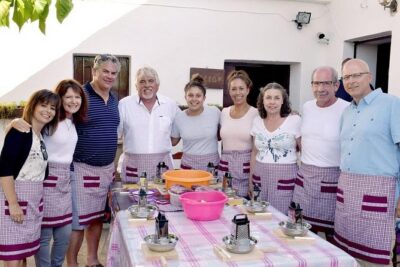
The best part of this Drios cooking class is its family-style format. You do not simply watch a chef prepare a meal while standing behind a counter. You work together on an appetizer, salad, meat dish, fish dish, vegetarian dish, and dessert, then eat the results at one long, social meal. Maria Anousaki leads the experience, with a lively team helping keep the cooking moving.
I like two things in particular: the recipes come from Maria’s grandmother, and the class connects food with Greek hospitality through wine, souma, and dancing. The main consideration is that this is a group event, not a quiet private lesson. You may share stations and tasks with people you have just met, which is part of the fun but may not suit someone seeking detailed one-on-one instruction.
Key points at a glance
- Family recipes from Maria’s grandmother: You learn dishes with a personal connection, not just generic restaurant versions.
- Six-part meal you help prepare: The menu includes an appetizer, salad, meat, fish, vegetarian dish, and dessert.
- Wine, souma, and dancing: Local drinks and a traditional dance turn the class into a cultural evening as well as a cooking lesson.
- Outdoor village setting: The class takes place at Anezina Village in Drios, reached from the main road by following its sign.
- Strong dietary flexibility: Allergies and vegetarian, vegan, and gluten-free needs can be handled when arranged.
- Recipes for home: You receive recipes afterward, with enough material to repeat the experience in your own kitchen.
A Greek cooking class built around togetherness
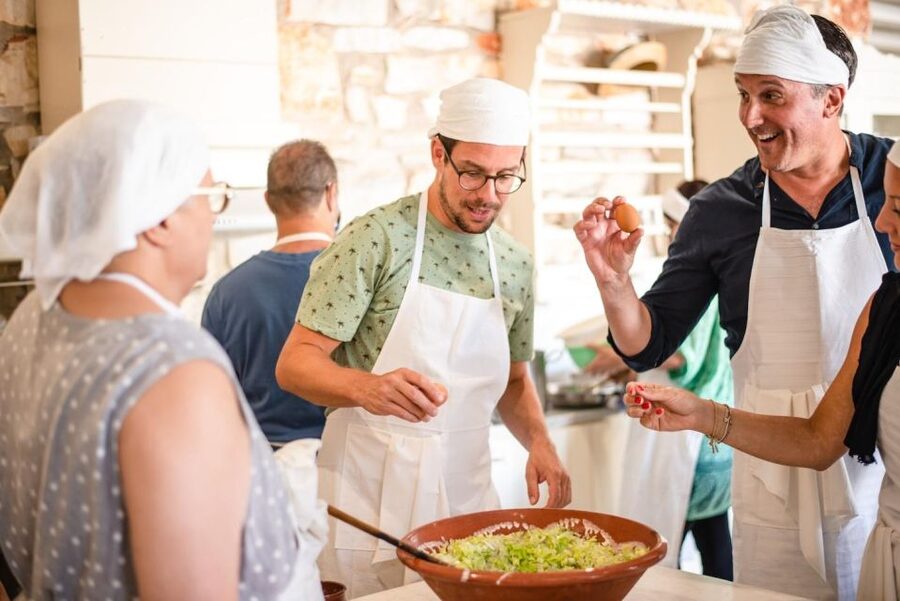
Many cooking classes give each person a small work station and a recipe card. This one takes a different route. You rotate through shared preparation areas and contribute to a meal made by the whole group. One person may chop, another may mix, and someone else may help with a dish that is ready for the next step.
That arrangement makes the experience social from the start. If you arrive alone, you have a natural way to meet people. If you arrive with family or friends, you still get to work alongside people from other places rather than remaining in your own little circle.
The class lasts about three and a half hours, so there is enough time for instruction, cooking, drinks, dancing, and the final meal. It is not a rushed demonstration squeezed between sightseeing stops. You should plan for this to be one of your main activities for the afternoon or evening.
Maria’s role is central. Her teaching style, as described by many participants, combines clear instructions with plenty of energy and humor. Her staff members, including people named Vivian, Panos, Abdul, Theros, and Anna in different sessions, help manage stations and keep everyone involved. The exact team may vary, but you can expect instruction in English and Greek.
More Cooking Classes with Wine Tasting in Greece
- Athens: Classic Cooking Class with Market Visit and Wine
★ 5.0 · 1,101 reviews - Athens: Food Market Visit and Cooking Class with Wine
★ 4.9 · 1,087 reviews - Greek Cuisine Cooking Class in Santorini with Recipes and Wine
★ 5.0 · 969 reviews
Arriving at Anezina Village in Drios
The meeting point is Anezina Village, marked by a sign on the main road through Drios. Once you reach Anezina Hotel & Village, check in with the staff. Transportation is not included, so you need to make your own way there.
This matters because Drios is not the same setting as a central Paros town pickup point. Before booking, look at your own accommodation and allow time to reach the village. The directions are simple once you are on the main road, but you should not assume a transfer will be waiting.
The setting gives the class a local feel. You are not cooking in a formal culinary school designed mainly for tourists. You are meeting a local chef in a village setting, with the class tied to her family and her food traditions. The experience is still organized, but it aims for the warmth of cooking at home.
An outdoor kitchen or open-air preparation area has been praised as part of the setting. That can make the class especially pleasant in Paros, though outdoor cooking also means you should dress for the weather and wear shoes suitable for standing and moving around.
Starting with wine, souma, and the stories behind the food
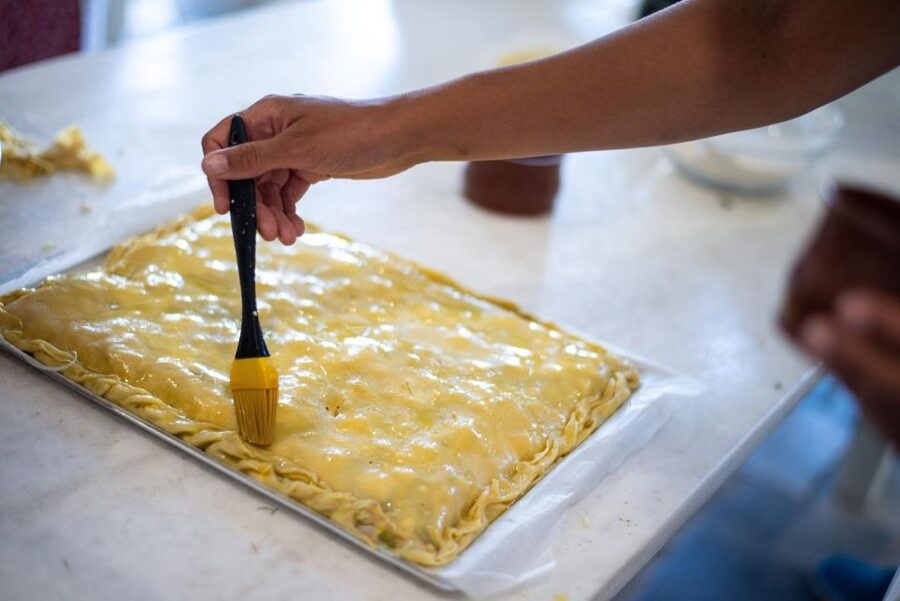
The class begins with a welcome aperitif. You can taste Greek wine and souma, a traditional spirit made from the remnants of the winemaking process. Souma is not simply another glass of wine, so this opening gives you a small introduction to local drinking culture.
This first period also sets the tone for the cooking. Maria explains the background of the dishes and the connection to her family recipes. The value here is not only the food itself. You get context for why these dishes belong in a Greek meal and how recipes passed through a family can carry a sense of place.
The drinks are included, along with more local wine during the meal. I would still pace yourself. Three and a half hours of cooking, dancing, and eating can make an easygoing start turn into more alcohol than you intended, especially in warm weather.
The aperitif also gives you time to meet the group before everyone begins handling ingredients. This is useful if you are traveling solo or if the class is one of your first social activities on Paros.
Preparing six dishes with shared stations
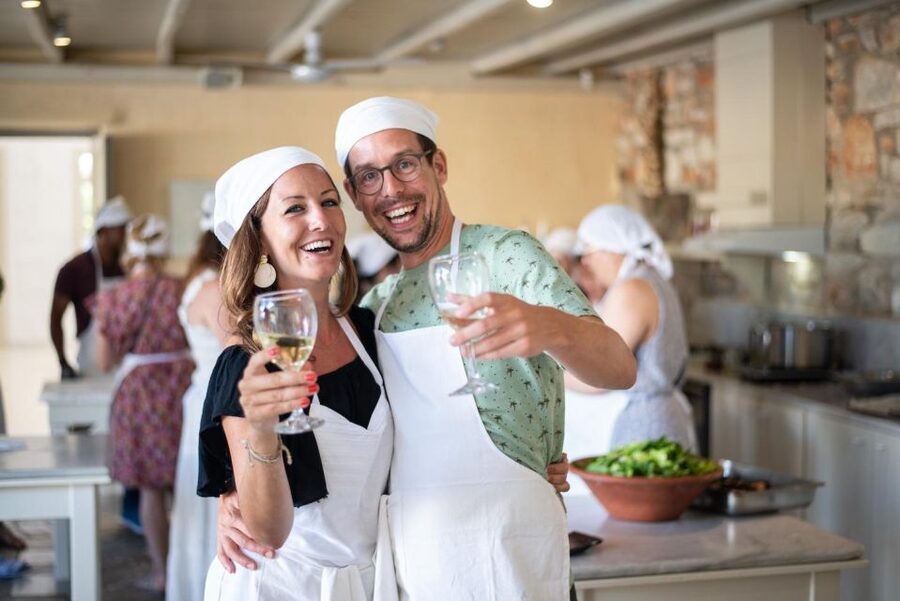
Once the introduction is finished, Maria and the team guide you through the meal step by step. The planned spread includes:
- An appetizer
- A fresh salad
- A meat main dish
- A fish main dish
- A vegetarian main dish
- A sweet dessert
The exact recipes may change, and that is worth noting if you are expecting one fixed menu. One returning participant appreciated getting different recipes on a second visit, so the format can offer variety rather than repeating the same plate every time.
The menu also gives you a broad sample of Greek cooking. You are not spending the whole class on one technically difficult dish. You get a taste of fresh preparation, a vegetarian course, seafood, meat, and something sweet to finish.
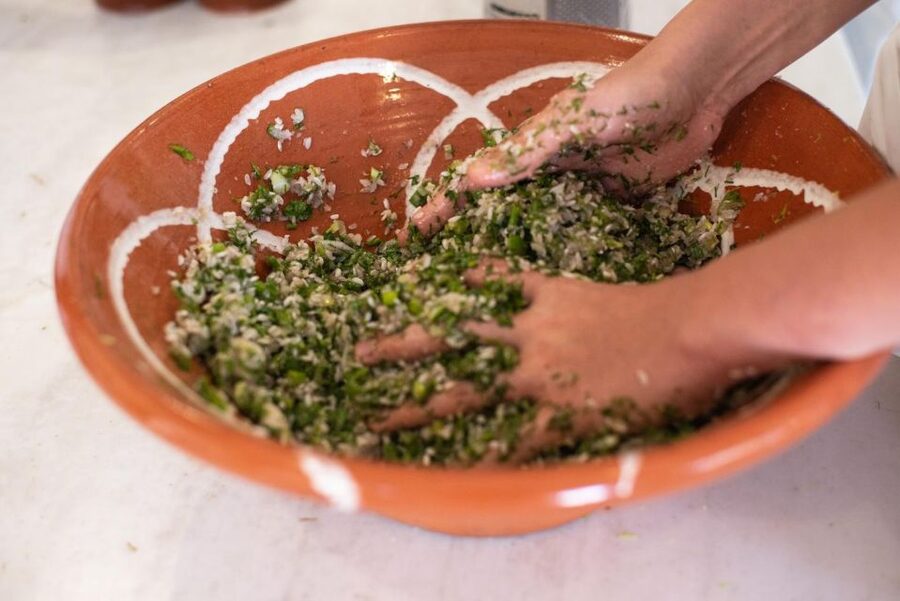
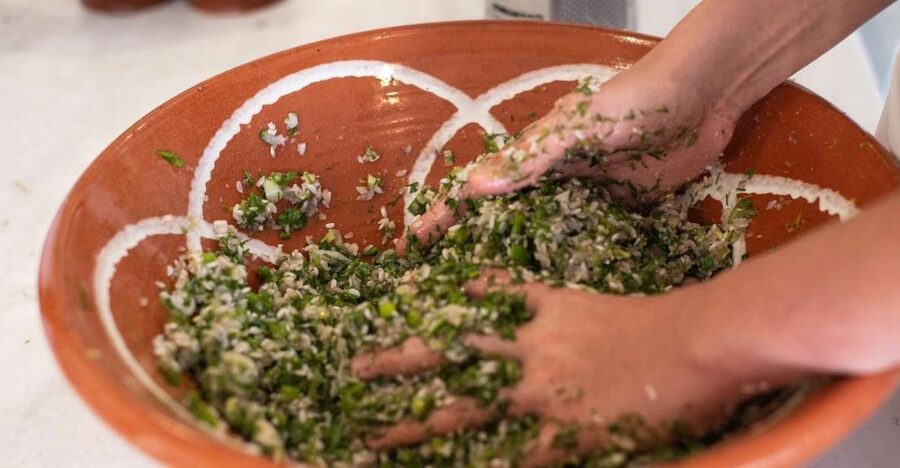
I especially like that the class uses fresh, local ingredients and family recipes. Those two details make the lesson more useful than simply learning how to assemble a familiar Greek salad. You are getting a sense of how a home-style meal is built across several dishes.
Do not expect to cook every item entirely from start to finish by yourself. The group works together, and some dishes require shared attention. That means the class is more collaborative than a private lesson. It also allows Maria and her assistants to keep six dishes moving within the three-and-a-half-hour schedule.
If you want a quiet, highly technical class focused on knife skills or precise professional methods, this may feel loose. If you want to learn through doing, tasting, asking questions, and helping a group meal come together, the format makes good sense.
More Greek Cooking Classes around Greece:
- Greek Cooking Class in Athens Including Rooftop Dinner with Acropolis View
★ 5.0 · 826 reviews - Greek Small-Group Athens Cooking Class & Dinner
★ 5.0 · 574 reviews - The Real Cretan Cooking Experience
★ 5.0 · 528 reviews - Athens: Greek Cooking Class & Dinner on a Rooftop
★ 5.0 · 383 reviews
Greek dancing while the food cooks
At some point, the cooking pauses for a traditional Greek dance lesson. The team teaches the group together, with syrtaki and the familiar spirit of a Greek celebration forming part of the evening.
This is not an optional extra tacked onto the end. Dancing helps fill the waiting time while dishes cook, and it keeps the class from becoming a long stretch of standing around the preparation tables. It also shifts the mood from cooking lesson to shared cultural experience.
You do not need to arrive as a dancer. The activity is presented as a group lesson, so the emphasis is on joining in rather than performing perfectly. If you prefer food-focused instruction and dislike group activities, this is the part most likely to feel outside your comfort zone.
For everyone else, it is a memorable change of pace. You cook with people you just met, move together to Greek music, and then return to the food. That combination explains why the experience feels more like a social evening than a standard class.
Sitting down to eat what you made
After the preparation and dancing, you sit down to enjoy the meal. The food is not a separate restaurant dinner prepared by someone else. It is the result of the work you and the group have done together.
That distinction gives the meal a satisfying rhythm. You have seen ingredients handled, contributed to different dishes, and watched the team bring everything together. The final table becomes the payoff for the class, not just a meal attached to it.
The menu has enough range to work well for mixed groups. Meat eaters, seafood lovers, and vegetarians all have a clear part of the meal. Dietary adjustments can be made for allergies and needs such as vegetarian, vegan, and gluten-free diets, but you should communicate those requirements in advance.
One useful detail is that portions have been generous enough for some people to ask for food to take away. Do not count on leftovers, but the meal is designed as a full dining experience rather than a token tasting.
Local wine continues with the food. The combination of a shared table, family recipes, and the dishes you helped prepare is where the activity delivers most of its value.
How much value do you get for $136?
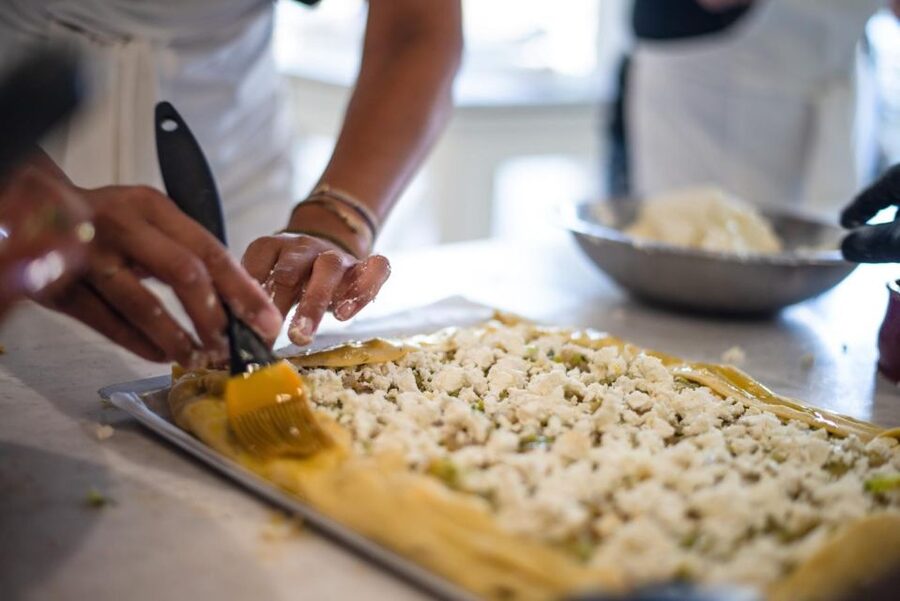
At $136 per person, this is not a cheap meal. You can find less expensive cooking demonstrations and plenty of Greek dinners for less money. The price makes more sense when you count everything included: a three-and-a-half-hour class, a local chef, ingredients, six dishes, the meal, wine, souma, dancing, and recipes to use later.
You are also paying for an organized social experience. The team handles the equipment and ingredients, guides a large cooking process, accommodates dietary needs, and serves the finished meal. If you tried to recreate all of that privately, you would need to buy the food, provide the kitchen, supply the drinks, and organize the instruction yourself.
I would call it good value for someone who wants an evening activity rather than simply a cooking lesson. The price is harder to justify if you are mainly interested in collecting precise culinary techniques or if you do not drink and will not care about the wine and souma.
The included recipes improve the long-term value. You can cook the dishes again at home, and the recipes may include more material than the six preparations completed during the class. That turns the experience into something you can carry beyond Paros.
Who will enjoy this most?
I would recommend the class to couples, families with older children, solo visitors, and small groups of friends who enjoy eating and meeting people. It works particularly well for anyone who wants a break from beaches, archaeological sites, and restaurant meals.
Solo participants should feel comfortable booking. The shared stations and group table give you an easy way to connect with others, and the dancing removes much of the awkwardness that can come with arriving alone.
Food lovers will appreciate the family connection and the range of dishes. You do not need advanced skills. The instructions are designed to be accessible, and the team helps people at different levels take part.
It is less suitable for someone who wants private attention, a silent kitchen, or a strictly timed lesson. It is also worth reconsidering if you cannot stand for a long cooking session or prefer not to join group dancing. The experience is wheelchair accessible, but you should still confirm that the meeting setup meets your personal needs when booking.
Practical details before you reserve
Book this for a day when you can give it your full attention. With the meal, drinks, and dancing, it is not something to squeeze between two tightly scheduled excursions.
Make your dietary needs clear before the class. The kitchen can adjust dishes for vegetarian, vegan, gluten-free, and allergy-related requirements, but early notice gives the team a better chance to prepare properly.
Wear comfortable clothing and shoes for an active cooking session. The activity takes place at Anezina Village in Drios, and you must arrange your own transportation to the meeting point.
English and Greek are offered. The class has a friendly, energetic style, so you can participate even if your cooking vocabulary is limited. The team provides the equipment and ingredients, and the recipes are sent afterward.
You can cancel up to 24 hours before the activity for a full refund, and the reserve-now, pay-later option keeps your plans flexible. Starting times vary, so check availability for the date you want.
Should you book the Drios cooking class?
I would book it if you want one of the more social and personal food experiences on Paros. The strongest reasons are Maria’s family recipes, the shared six-dish meal, the included local drinks, and the chance to learn Greek dancing in the same setting.
I would skip it only if you want a private, technique-heavy lesson or if group participation is not your style. For everyone else, $136 buys far more than dinner. You get an afternoon or evening of cooking, conversation, culture, and recipes you can use long after you leave the island.
FAQ
Where does the Greek cooking class take place?
The class takes place at Anezina Hotel & Village in Drios, Paros. Look for the Anezina Village sign on the main road and check in with the staff when you arrive.
How long does the cooking class last?
The experience lasts approximately three and a half hours, including the welcome drinks, cooking, dancing, and shared meal.
What dishes will I prepare?
You will help prepare an appetizer, a fresh salad, a meat main dish, a fish main dish, a vegetarian main dish, and a dessert. Recipes may vary.
Are drinks included?
Yes. The experience includes an aperitif, local Greek wine, and souma, a traditional liquor made from the remnants of the winemaking process.
Can the menu accommodate dietary needs?
Yes. Changes can be made for food allergies and dietary needs, including vegetarian, vegan, and gluten-free requirements. Provide this information in advance.
Are transportation and recipes included?
Transportation to the meeting point is not included. Recipes are included and sent to you so you can recreate the dishes at home.
New cooking classes around Greece
- Savor Rhodes: 11-Dish Wine Pairing and Cooking Adventure★ 4.4 · 12 reviews
- Santorini: Hands on Cooking Class with a Chef★ 4.7 · 16 reviews
- Santorini: Cooking Class with a Professional incl. Full Meal★ 5.0 · 2 reviews
- Santorini: Greek Cooking Class with Wine Tasting★ 5.0 · 7 reviews
- Santorini: Vineyard and Winery Tour with Cooking Class★ 4.9 · 5 reviews
- Santorini Cooking Class with Wine Tasting & Lunch★ 4.9 · 36 reviews
- Santorini: Cooking Class with a Chef at the Ftelos Brewery★ 4.8 · 33 reviews
- Rhodes: Winery Tour, Tasting and cooking with the Winemaker★ 4.8 · 21 reviews
Greece Cooking Classes, side by side.
Athens: Classic Cooking Class with Market Visit and Wine
Read our review →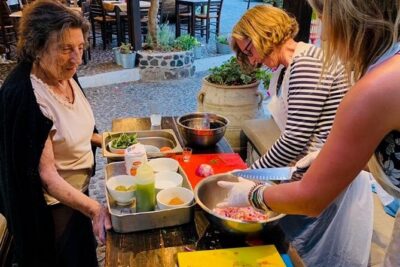
Greek Cuisine Cooking Class in Santorini with Recipes and Wine
Read our review →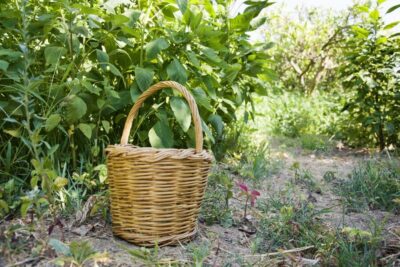
Naxos: Half-Day Cooking Class at Basiliko Family Tavern
Read our review →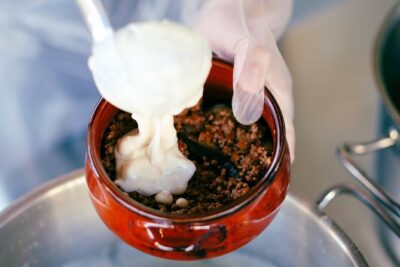
Greek Cooking Class in Athens Including Rooftop Dinner with Acropolis View
Read our review →
Greek Small-Group Athens Cooking Class & Dinner
Read our review →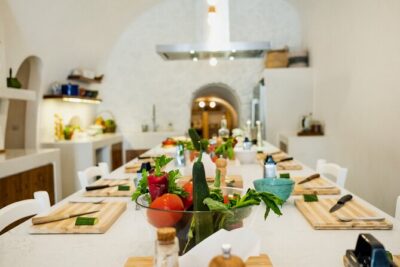
Exclusive Cooking Experience in our Cave Home by Petra Kouzina
Read our review →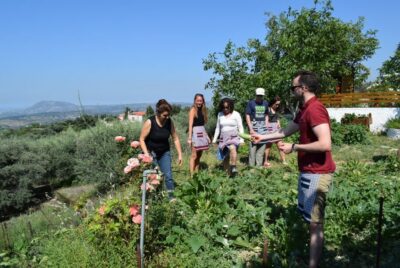
Chania: Authentic Cooking Class in the White Mountains
Read our review →