
Review · CRETE
Chania: Authentic Cooking Class in the White Mountains
The best part of this Chania cooking class happens before anyone turns on a stove. You visit a family home beneath the White Mountains, walk through its garden, meet the people who care for the land, and hear how food, olive oil, animals, and family history fit together. Then you cook dinner and eat it together.
I like the family setting, which feels far more personal than a restaurant kitchen. I also like the mix of food and place: fresh vegetables and herbs, Cretan cheese, local wine, a mountain walk, and perhaps a chance to feed sheep. Guides such as Alex, Yannis, Costa, and Giannis have added plenty of history and humor along the way.
The main point to consider is time. This is a full six-hour outing, and some departures return to Chania after 11 p.m. Pickup is included, but only from specific locations in the Chania region, so check your meeting point before booking.
Key points at a glance
- A family home, not a standard cooking studio: You prepare food in a lived-in Cretan setting and share the finished meal with your hosts and fellow participants.
- Garden-to-table cooking: Fresh vegetables and herbs from the property help explain why Cretan food depends on simple produce and generous olive oil.
- More than a cooking lesson: Expect wine and cheese tasting, a mountain walk, animal feeding, olive-oil stories, and local history.
- Guides make a difference: Alex, Yannis, Costa, Giannis, and other local guides have been praised for clear explanations, humor, and smooth transport.
- Dinner is part of the experience: You help make dishes such as ntakos and tzatziki, then sit down for a larger meal with regional wine.
- Good value for a long afternoon and evening: At $129 per person, the price covers transport, food, drinks, instruction, recipes, photos, and gifts.
Arriving beneath the White Mountains
Your experience begins with pickup in an air-conditioned minivan from an approved location in the Chania region. The ride matters here. You are not simply being delivered to a cooking venue. The guide uses the drive to explain parts of Crete, its food, and its past.
Past guides have included Alex, Yannis, Costa, and Giannis. The exact guide can vary, but the pattern is clear: this person is both driver and storyteller. You can expect commentary during the journey, answers to questions, and help translating the hosts’ cooking instructions when needed.
The destination is a rural property at the base of the White Mountains. The views are a major part of the appeal. Several participants describe looking down toward the bay, dining beneath a walnut tree, or eating outside with the mountains around them. The setting gives the cooking a sense of place that a city-center class cannot match.
This is not a polished resort activity. The attraction is the family home, the old photographs, the farm, the garden, and the feeling of being welcomed into somebody’s daily world. That also means the experience may feel less formal than a professional culinary school. If you want precise chef demonstrations in a purpose-built kitchen, this may not be your ideal class.
More cooking classes around Greece:
- Athens: Classic Cooking Class with Market Visit and Wine
★ 5.0 · 1,101 reviews - Athens: Food Market Visit and Cooking Class with Wine
★ 4.9 · 1,087 reviews - Greek Cuisine Cooking Class in Santorini with Recipes and Wine
★ 5.0 · 969 reviews
A garden lesson before the cooking begins
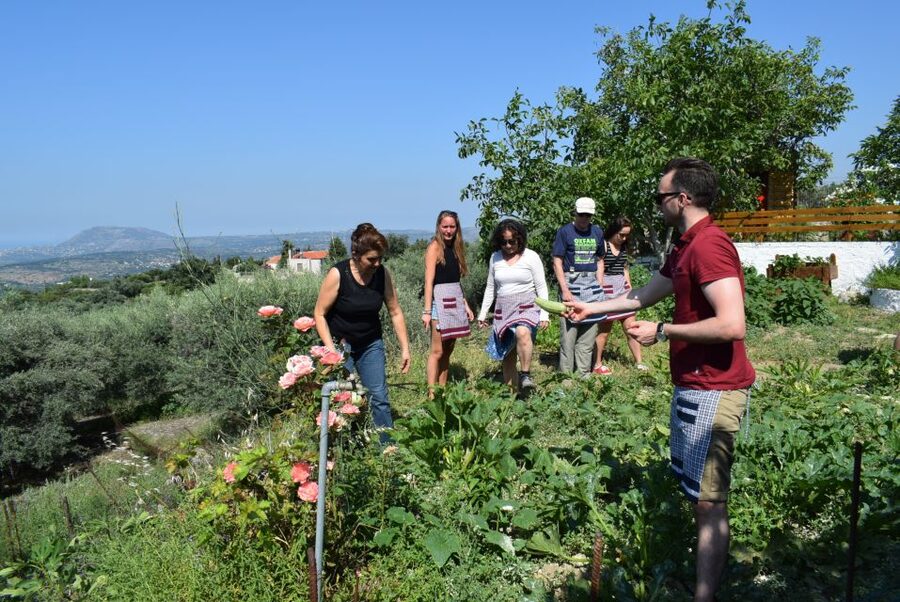
The first useful food lesson is often outside. You stroll through the vegetable garden and look at the herbs and produce used in Cretan cooking. This small step helps you understand the meal before you eat it.
Cretan food can look simple on the plate, but the ingredients do the work. Extra virgin olive oil, ripe vegetables, herbs, local meats, cheese, and wine form the backbone of the meal. Seeing some of those ingredients growing nearby makes the cooking feel practical rather than theatrical.
The garden visit is also a good moment to ask questions. You can learn how herbs are used, why olive oil appears so generously in local dishes, and how food connects to the Cretan way of life. One particularly useful lesson is that healthy Mediterranean cooking does not depend on complicated methods. It depends on good produce, careful preparation, and balance.
You will want comfortable shoes for this part of the outing. Bring sunglasses, and take a jacket even in warm weather. The mountain setting can feel cooler later in the day, especially when the class turns into an evening meal.
Walking to the shepherd’s enclosure
A short mountain walk takes you toward a shepherd’s enclave. This adds a rural and agricultural side to the day that many cooking classes leave out.
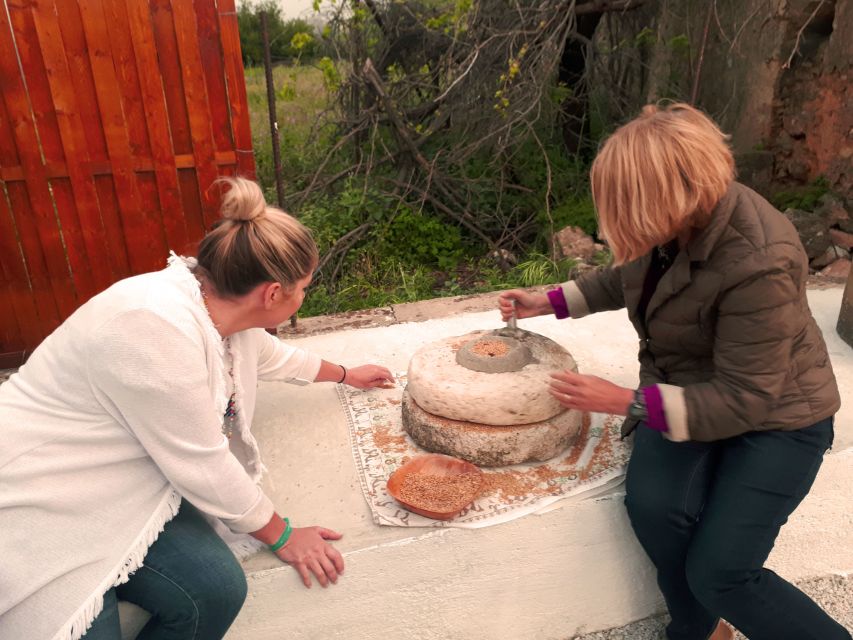
The olive harvest is explained here, including the work and traditions behind one of Crete’s most important ingredients. The guide may also add stories about local customs, family ties to the land, and the history of the area. Some outings have included discussion of wartime events and the way families lived in earlier generations.
Animal encounters are another pleasant surprise. You might feed sheep or goats, and the farm may include fruit trees and other small agricultural features. For children and anyone interested in traditional rural life, this part may be as memorable as the food.
The walk is not described as a difficult hike, but it is still a walk on a rural property. This is another reason to avoid sandals that offer little support. The class works best when you treat it as an outdoor cultural outing with cooking, not as a seated lesson from start to finish.
Cheese, wine, and the first recipes
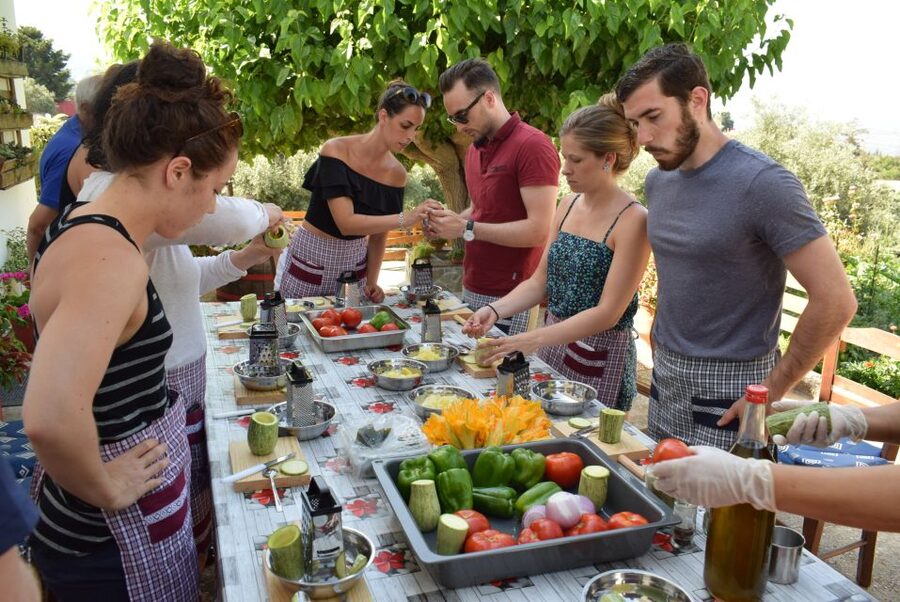
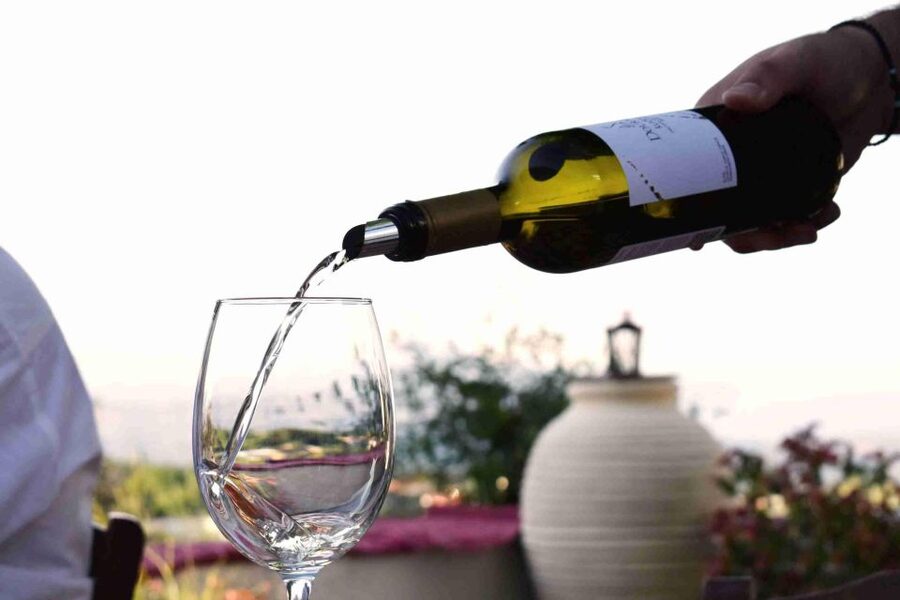
Back at the home, the food portion begins with local cheese and wine tasting. You may also receive a welcome raki, a strong Cretan spirit traditionally served as a gesture of hospitality. The tasting gives you a chance to settle in before the hands-on cooking starts.
The hosts guide you through appetizers such as ntakos and tzatziki. Ntakos is a Cretan-style dish built around a crisp barley rusk, tomato, cheese, olive oil, and seasoning. Tzatziki is familiar to many visitors, but making it with local guidance shows how texture, garlic, herbs, and yogurt are handled in a home kitchen.
The demonstrations are translated into English by the guide when needed. The cooking instructors have included Maria and other members of the hosting family. You are not expected to speak Greek to take part, and solo participants have been made to feel included.
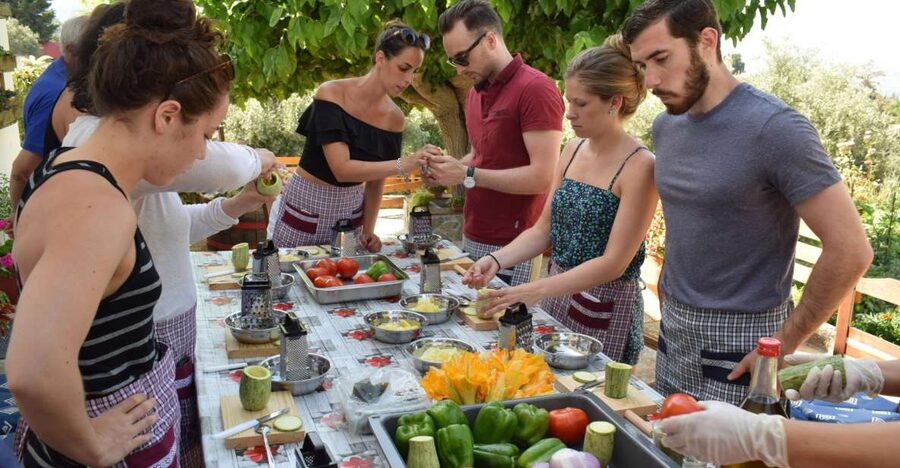
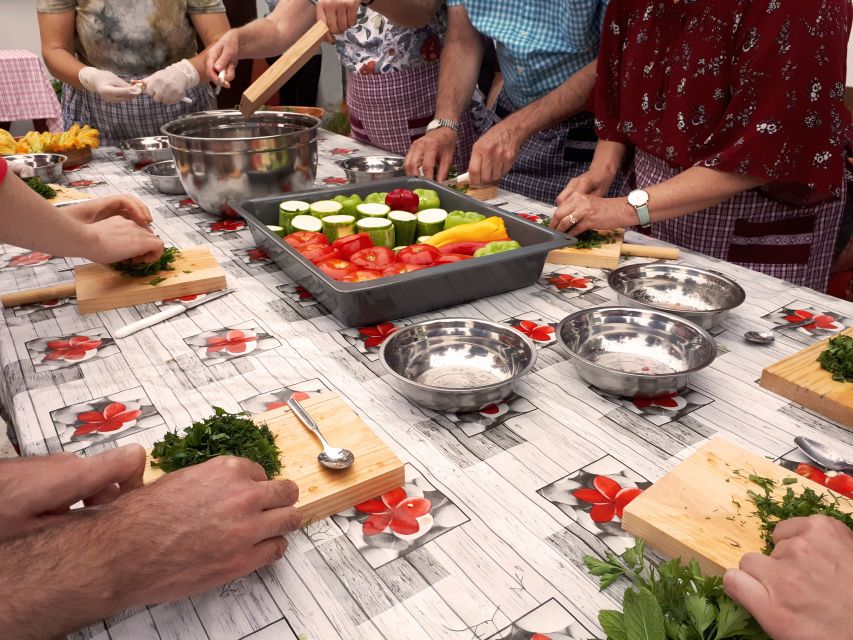
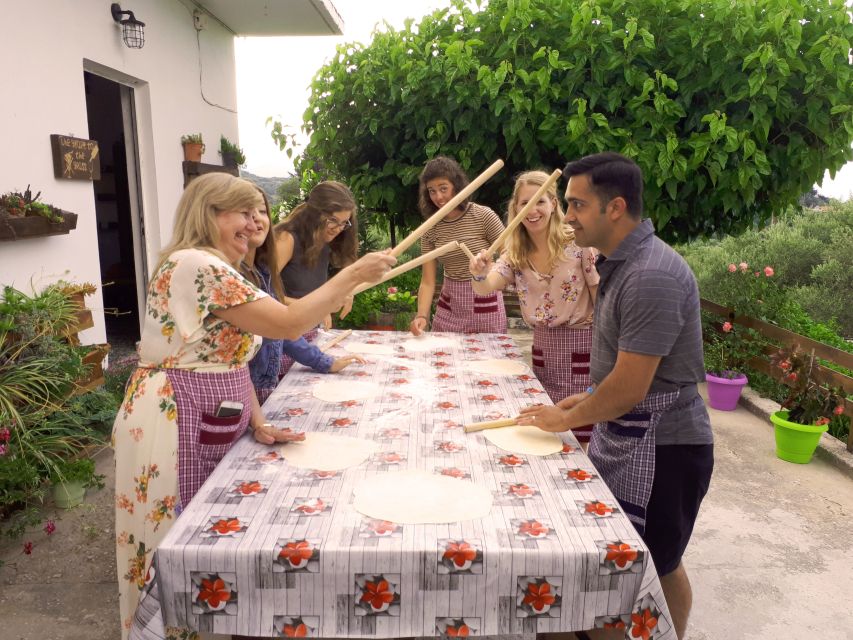
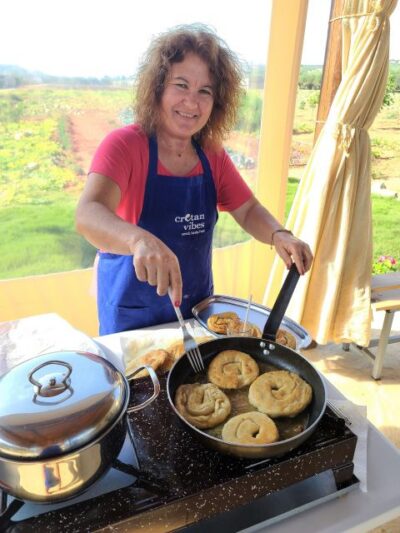
The class is hands-on, though the precise amount of work can depend on the group and the dishes being prepared. You use the provided apron and utensils, and all ingredients are included. The hosts pay attention to cleanliness and organization, which matters when several people are preparing food together.
Do not expect to leave with restaurant-chef credentials. The value is learning recipes you can repeat at home, seeing how much olive oil goes into authentic Cretan food, and understanding the story behind each dish.
Same kitchen, a different dish:
- Naxos: Half-Day Cooking Class at Basiliko Family Tavern
★ 5.0 · 887 reviews - Greek Cooking Class in Athens Including Rooftop Dinner with Acropolis View
★ 5.0 · 826 reviews - Greek Small-Group Athens Cooking Class & Dinner
★ 5.0 · 574 reviews - Exclusive Cooking Experience in our Cave Home by Petra Kouzina
★ 5.0 · 572 reviews
Cooking dinner together
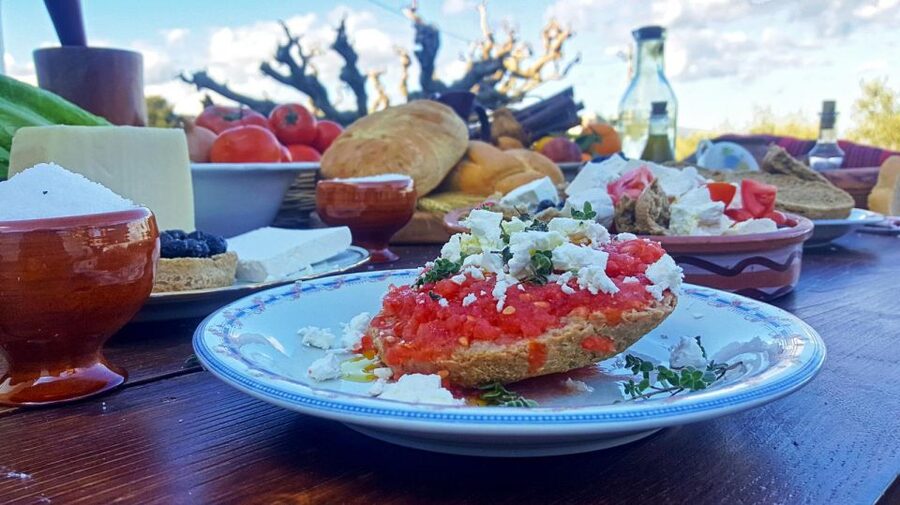
The meal develops in stages. You prepare the appetizers, work with vegetables and herbs, and help make the dishes that will later appear at dinner. The cooking is social, so the pace is relaxed rather than rushed.
A typical meal described in the experience includes Cretan appetizers, cheese, vegetables, a main dish such as slow-cooked pork, wine, and a sweet jar dessert. The exact menu can change with the season and the ingredients available. That variation is part of the appeal. You are eating food connected to the household and the time of year, not following a fixed hotel buffet menu.
I like the way the class turns strangers into a temporary dinner party. Groups can include people from several countries, and the shared tasks make conversation easy. You chop, stir, taste, compare notes, and then sit down together. For solo visitors, this can be a particularly comfortable way to spend an evening without feeling like an observer.
The hosts are central to the mood. The family shares its home, photographs, food traditions, and stories. The result feels closer to visiting distant relatives than attending a commercial demonstration. That is a wonderful quality, but it also means you should come ready for a warm, informal exchange rather than a tightly timed performance.
Dinner with mountain views
The final meal is where the separate parts of the day come together. You eat what you helped prepare, pair it with regional wine, and finish with traditional jar desserts.
The setting can be as important as the menu. Dinner may take place outdoors, with mountain views and a view toward the bay, or under a large tree at the property. Evening light and the quiet of the countryside give the meal a different character from dining in central Chania.
This is also the point when the class feels most like a cultural exchange. You are not just consuming local food. You have met the people who prepared it, heard why the dishes matter, and taken part in the work. The meal has a story attached to it.
The relaxed pace is one of the strongest features, but it explains the late finish. A six-hour activity can stretch into the evening, and some people have returned after 11 p.m. If you have a cruise departure, an early morning tour, or dinner plans in Chania, leave plenty of room in your schedule.
What $129 includes
The $129 price looks higher than a short market visit or a basic two-hour cooking lesson, but the package is much larger. You receive:
- Pickup and drop-off from selected Chania-area locations
- An English-speaking local driver and guide
- Air-conditioned minivan transport
- A small-group cooking class
- All ingredients for dinner
- Apron and cooking utensils
- Wine and food tasting
- The meal you help prepare
- Commemorative gifts
- Recipes and photos sent by email
- Local taxes and liability insurance
For me, the strongest value comes from combining transport, instruction, dinner, drinks, and cultural context in one outing. You do not need to arrange your own ride into the mountains, locate a rural restaurant, or pay separately for a meal and tasting.
The value is less convincing if you only want to learn a few recipes quickly. A shorter city class may suit you better. But if you want a full afternoon and evening that includes food, scenery, local stories, and a family welcome, the price is reasonable.
Group size, timing, and practical details
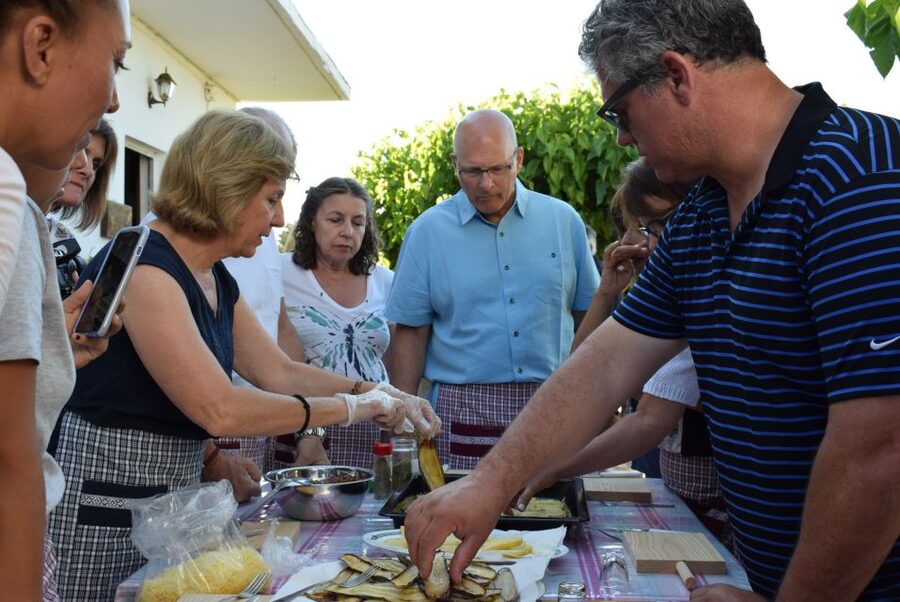
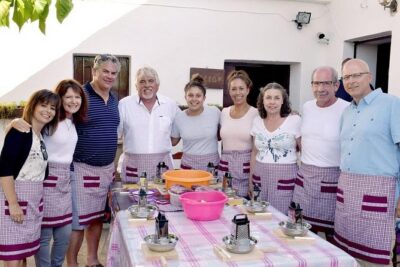
The activity is described as a small-group class, although one outing had around 15 participants. That is still intimate compared with a large coach excursion, but do not assume you will receive a private lesson.
Pickup is available only from specific places within the Chania region. Confirm that your hotel or accommodation is covered, or plan how to reach the meeting point. The included transport is valuable because the rural location is not the sort of place you want to reach by guesswork after dark.
The class is conducted in English. The guide translates when the hosts are more comfortable speaking Greek, so instructions remain accessible. The recipes and photos are sent by email afterward, which gives you a useful record of the dishes and the day.
Free cancellation is available up to 24 hours before the activity for a full refund, and you can reserve now and pay later. Those terms help if your Crete schedule is still shifting.
Bring a water bottle. One participant found that there was not much chance to get water during the early part of the outing. Also bring comfortable shoes, sunglasses, and a jacket. The property is outdoors in places, and the return journey may be late.
Who will enjoy this most
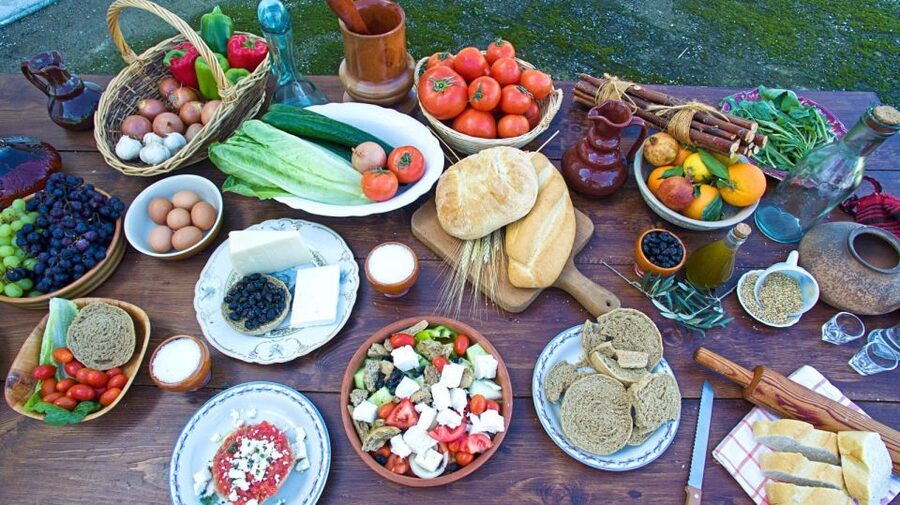
I would choose this class if you want to connect food with rural Crete. It suits couples, solo visitors, families, and friends, especially people who enjoy meeting local hosts rather than moving from one formal attraction to another.
Solo visitors should feel comfortable booking. The shared cooking and dinner create natural conversation, and the guides make an effort to include everyone.
It is also a good choice for people who like variety. In six hours, you may ride through the Chania area, hear history, visit a garden, walk to animals, taste wine and cheese, cook, and eat dinner. That variety keeps the experience from feeling like a single long kitchen lesson.
I would think twice if you dislike late evenings, rural walking, shared meals, or informal group activities. The hosts are welcoming, but the class is not designed around strict personal space or a quick in-and-out schedule. Dietary requirements are not specified in the information available, so ask before booking if this is important to you.
Should you book the White Mountains cooking class?
Yes, if you want one of Chania’s more personal food experiences and have a free afternoon that can run into the evening. The strongest reasons to book are the family home, the mountain setting, the garden ingredients, the sheep and goats, and the guides who add real context to the food.
Book it especially if you are tired of sightseeing that keeps you behind a camera. Here, you handle the ingredients, hear family stories, and sit down with people you met only hours earlier.
Skip it if your priority is a short, highly technical cooking class or a guaranteed early return. For everyone else, $129 buys far more than dinner. It buys a window into how food, land, hospitality, and memory work together in Crete.
FAQ
How long does the cooking class last?
The activity lasts six hours, including transport, the garden and mountain portions, cooking, tasting, and dinner.
What is the price per person?
The price is $129 per person.
Is hotel pickup included?
Pickup and drop-off are included from specific locations within the Chania region. Check that your accommodation is within the listed pickup area.
What language is the class conducted in?
The activity is conducted in English. The guide can translate the hosts’ instructions when needed.
Is transportation provided?
Yes. Transport is provided in an air-conditioned minivan with a local driver and guide.
What food will I prepare?
The cooking may include Cretan dishes such as ntakos and tzatziki, along with other traditional recipes. The meal can also include vegetables, cheese, a main dish, wine, and a jar dessert.
Are wine and cheese included?
Yes. Wine and food tasting are included, including local cheese and regional wine.
Will I meet a local family?
Yes. The cooking takes place at a family home, where the hosts share their property, food traditions, and stories.
What should I bring?
Bring comfortable shoes, sunglasses, a jacket, and a water bottle.
Can I cancel or pay later?
You can cancel up to 24 hours before the activity for a full refund. Reserve now and pay later is also available.
New cooking classes around Greece
- Savor Rhodes: 11-Dish Wine Pairing and Cooking Adventure★ 4.4 · 12 reviews
- Santorini: Cooking Class with a Professional incl. Full Meal★ 5.0 · 2 reviews
- Santorini: Hands on Cooking Class with a Chef★ 4.7 · 16 reviews
- Santorini: Greek Cooking Class with Wine Tasting★ 5.0 · 7 reviews
- Santorini: Vineyard and Winery Tour with Cooking Class★ 4.9 · 5 reviews
- Santorini Cooking Class with Wine Tasting & Lunch★ 4.9 · 36 reviews
- Santorini: Cooking Class with a Chef at the Ftelos Brewery★ 4.8 · 33 reviews
- Rhodes: Winery Tour, Tasting and cooking with the Winemaker★ 4.8 · 21 reviews
Crete Cooking Classes, side by side.
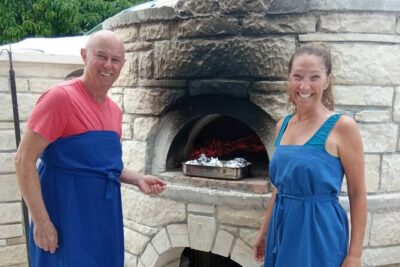
Chania Cooking Class-The Authentic Enjoy traditional Cretan meal
Read our review →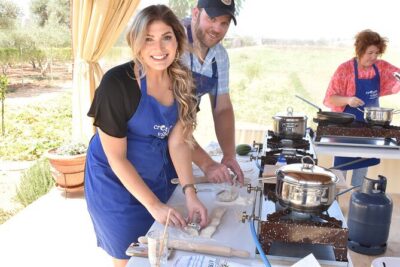
Moires: Cooking Class and Olive Oil Tasting at a Family Farm
Read our review →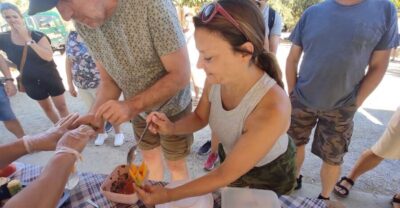
Crete: Sightseeing Day Trip with Cooking Lesson and Lunch
Read our review →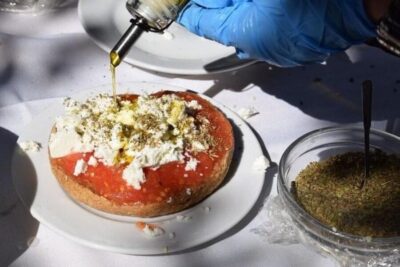
Heraklion: Cretan Cooking Lesson with Lunch in Arolithos
Read our review →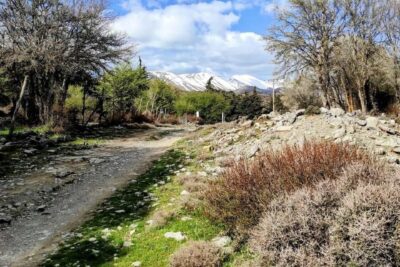
This kitchen also appears in