Review · GREECE
Paros: Greek Cooking Class with Meal and Wine
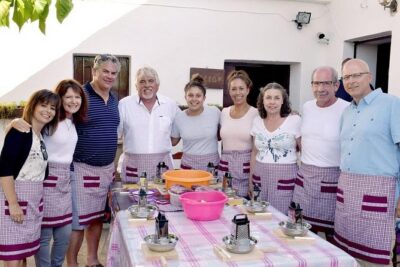
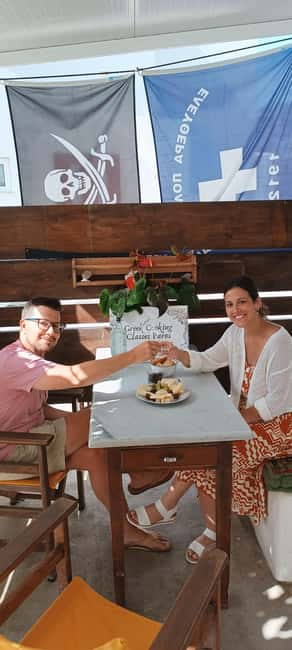
Paros has plenty of fine restaurants, but this four-hour class lets you see what happens before the food reaches the table. At Parea Cuisine, Iro and George guide you through local olive oil, island cheeses, homemade olives, souma, Greek appetizers, and a full traditional meal. You do not just watch. You help prepare the food, hear stories about Parian farming, and sit down to eat what you made.
I like the strong farm-to-table focus, with ingredients tied to local growers and the hosts’ own family production. I also like the warm, home-style setting and Iro’s practical lessons on Greek cooking, nutrition, knife skills, and food traditions. The main consideration is the price, $160 per person, plus your own transport to Parea Cuisine. It is a serious food experience, not a quick demonstration.
Key points
- Start with local tastes: Sample Parian olive oil, island cheeses, homemade olives, and souma before cooking.
- Cook Greek classics: Prepare tzatziki, keftedakia, Greek salad, and one substantial seasonal dish.
- Choose your main course: Options can include stuffed vegetables, moussaka, pasticcio, or the fresh fish of the day.
- Eat generously: The meal includes appetizers, a main course, dessert, and homemade local wine.
- Learn beyond recipes: Iro connects cooking with Greek history, farming, nutrition, and the Mediterranean diet.
- Plan carefully: Classes are by appointment, need at least two participants, and are not suitable for children under 14 or wheelchair users.
A four-hour taste of Paros at Parea Cuisine
This cooking class is held at Parea Cuisine, the traditional restaurant connected with your hosts. The class runs for about four hours, but it is best thought of as a long food experience rather than a tightly timed lesson.
Iro and George bring restaurant experience and teaching experience from a public culinary school for chefs. That matters because the class combines the relaxed feeling of being welcomed into a family kitchen with the structure of people who know how to explain a technique.
You can expect English and Greek instruction. The pace should suit you if you want to take part, ask questions, and understand why the food is prepared in a certain way. It is less suited to someone seeking a quick cooking demonstration followed by a short snack.
The class is available by appointment only, with at least 24 hours’ notice. A minimum of two participants is required. You also need to arrange your own way to Parea Cuisine, since transportation is not included.
More Cooking Classes with Wine Tasting in Greece
- Athens: Classic Cooking Class with Market Visit and Wine
★ 5.0 · 1,101 reviews - Athens: Food Market Visit and Cooking Class with Wine
★ 4.9 · 1,087 reviews - Greek Cuisine Cooking Class in Santorini with Recipes and Wine
★ 5.0 · 969 reviews
Olive oil, island cheese, olives, and souma
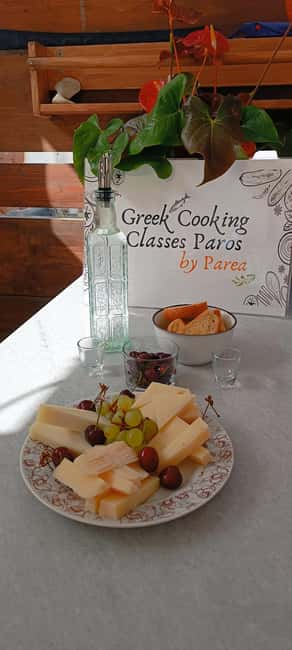
The first part gives you a useful introduction to the ingredients that shape Parian cooking. You begin with an olive oil tasting, then sample several local cheeses, homemade olives, and souma from a local distillery.
This is a smart way to start. Greek cooking often depends on a short list of good ingredients, and tasting them on their own helps you understand what they bring to a finished dish. Olive oil is not just a cooking liquid here. Its aroma, bitterness, and texture affect salads, dips, vegetables, and fish.
The cheese platter features characteristic island cheeses made by a local farming community. The exact selection can vary, but you may encounter firm, aged, or fresh styles. One class included a six-month Gouda, which shows that the food is not limited to the most familiar Greek cheeses.
Souma is a local spirit made from grapes. It is stronger than wine, so take small sips, especially if you are also planning to enjoy wine with the meal. The homemade olives and cheese make this opening generous enough to count as more than a simple introduction.
This part should appeal to anyone interested in local food production. It also gives you a relaxed way to meet the hosts and other participants before the cooking begins.
Tzatziki, keftedakia, and Greek salad
Once the tasting is underway, you move into the hands-on cooking portion. The class includes Greek appetizers such as tzatziki, keftedakia, and traditional Greek salad.
Tzatziki is familiar to many visitors, but making it yourself helps you notice the balance between yogurt, cucumber, garlic, and herbs. You can also pick up small habits that make a difference at home, such as handling wet ingredients and seasoning gradually.
Keftedakia are Greek meatballs, usually shaped and seasoned before cooking. This is a useful lesson because the texture depends on more than the ingredients. Mixing, shaping, and cooking all matter. One class also included zucchini balls, a good example of how the island’s vegetables can become a central part of the meal rather than a side dish.
Greek salad may look simple, but it is a good test of ingredient quality. Tomatoes, peppers, cucumbers, olives, cheese, and olive oil need little decoration when they are fresh. The class uses local produce, and the hosts talk about farming on Paros and the role of seasonal food.
I like this section because you are not pushed straight into complicated recipes. You start with dishes that you can make again at home, then build toward the main course. Iro also folds in knife skills and practical cooking advice, so you leave with more than a list of ingredients.
Choosing a seasonal Parian main course
The main dish is selected from several traditional options. Depending on the day and the available ingredients, you may prepare stuffed tomatoes, peppers, zucchini, or aubergine. Other choices include moussaka, pasticcio, or fresh fish cooked in a traditional style.
The seasonal vegetable option is especially fitting for Paros. Stuffed vegetables take time and care, and they show how Greek home cooking turns ordinary produce into a complete meal. The vegetables, filling, herbs, and olive oil work together in a way that feels tied to the island’s farms.
Moussaka gives you a lesson in layering, seasoning, and timing. Pasticcio offers a different style of Greek comfort food, with pasta and a baked preparation. If fresh fish is available, that choice may suit you best if you want a taste of the day’s catch prepared in a traditional manner.
You may not get to prepare every main course listed. The class involves choosing one traditional meal, so the final dish depends on the seasonal produce and the arrangement for your session. Ask about the planned main course when you book if a particular dish matters to you.
This is also the point where the class becomes a full meal rather than a series of samples. Plan to be hungry. The portions are generous, and the food keeps arriving.
More Greek Cooking Classes around Greece:
- Greek Cooking Class in Athens Including Rooftop Dinner with Acropolis View
★ 5.0 · 826 reviews - Greek Small-Group Athens Cooking Class & Dinner
★ 5.0 · 574 reviews - The Real Cretan Cooking Experience
★ 5.0 · 528 reviews - Athens: Greek Cooking Class & Dinner on a Rooftop
★ 5.0 · 383 reviews
A generous meal with homemade wine
After the preparation, you sit down to eat the food made during the class. The meal includes the appetizers, the main course, dessert, and homemade local wine.
The wine comes from the hosts’ family farm, adding a personal link to the meal. It is not presented as a formal wine-tasting course, so the focus stays on drinking it with the food and enjoying the table.
Dessert is either Greek halva or baklava. Halva offers a simpler, nutty finish, while baklava brings pastry, nuts, and syrup. The exact choice can vary, but both give you a classic ending to a traditional Greek meal.
Several practical points matter here. First, do not eat a large breakfast before the class. You will have cheese, olives, appetizers, a main dish, dessert, and wine. Second, a takeaway container could be useful if the portions prove too much for you. The class is designed around sitting down and sharing food, not leaving with a small tasting plate.
The final meal is also where the social side of the class pays off. You have worked with the people at the table, so the meal feels like a shared reward rather than a restaurant service you simply receive.
What makes the teaching useful
Iro’s teaching covers more than steps in a recipe. She explains the Mediterranean diet, the nutritional role of common ingredients, the farming culture of Paros, and the background of Greek food.
That context gives the dishes a clearer purpose. Olive oil, vegetables, legumes, herbs, cheese, and grains are not random components. They reflect how Greek households cook with what grows nearby and what can be stored or preserved.
The instruction is hands-on. You should expect to help with preparation rather than stand at a distance while a chef does everything. That makes the class more useful if you want to recreate the food at home.
You may also learn small details that do not appear in a standard recipe. Knife handling, ingredient texture, seasoning, and cooking order can shape the final result. These are the parts of a class that stay with you after the holiday.
Iro and George also create a social setting. The class can feel personal, especially when held in the family home, but that may not suit everyone. If you prefer a formal culinary school with individual workstations and a fixed lesson plan, this experience is more informal and communal.
Price, timing, and practical limits
At $160 per person, this is not a budget lunch. The price needs to cover four hours of instruction, the tasting course, several dishes, dessert, local wine, and the meal itself. It also pays for access to hosts with professional cooking and teaching experience.
I consider it good value if you want a substantial food activity and a cultural lesson in one package. A restaurant meal alone would cost less or more depending on what you order, but it would not include the cooking instruction, ingredient tasting, or direct conversation about Parian farming and food traditions.
The value is weaker if you are not very interested in cooking. You will spend a large part of the session preparing food, and the class is not simply an excuse to sit down for a meal. It also may not suit you if you have a packed sightseeing schedule, since four hours is a meaningful part of a day in Paros.
Book with the timing in mind. Classes are by appointment only, need at least 24 hours’ notice, and require at least two participants. You can cancel up to 24 hours ahead for a full refund, and the reserve-now, pay-later option can help keep plans flexible.
Tell the hosts about allergies at least 24 hours before the class. The food includes dairy, gluten, olives, wine, and other ingredients, so advance notice matters.
Who will enjoy this Paros cooking class
I would recommend this class to couples, friends, families with older teenagers, and solo participants who are comfortable joining a shared cooking table. Children under 14 cannot take part, so this is aimed at adults and teens aged 14 and up.
It is especially good for you if you want to understand Paros through its food. The local produce, family wine, island cheese, olive oil, and farming stories give the class a clear sense of place.
Greek food fans will find plenty to enjoy, but you do not need cooking experience. The menu includes accessible dishes, and the class is designed to teach you as you go.
People with food allergies should contact the hosts in advance. Wheelchair users should also know that the activity is listed as unsuitable for wheelchair access.
The class may be a less natural fit for a traveler who wants to keep meals quick, avoid alcohol, or follow a strict sightseeing timetable. You can still ask questions about the menu, but the experience centers on shared food and wine.
Should you book it?
Book this cooking class if you want a generous meal, useful kitchen skills, and a personal look at Parian food culture. I especially like the connection to local farmers and the fact that the hosts use their own family products where possible.
The strongest reason to book is the mix of food and conversation. You taste the ingredients, help prepare familiar Greek dishes, learn why they matter, and then eat them at the same table. That is more memorable than a standard meal out.
Skip it if $160 feels high for a food activity, if four hours is too long, or if you want a formal class with guaranteed access for every mobility level. For everyone else, come hungry, tell the hosts about allergies early, and ask what main dish is planned for your date.
FAQ
Where does the Greek cooking class take place?
The class takes place at Parea Cuisine in Paros.
How long does the cooking class last?
The experience lasts about four hours.
How much does the class cost?
The listed price is $160 per person.
What food and drink are included?
The class includes an olive oil tasting, local cheese, homemade olives, souma, Greek appetizers, a traditional main meal, dessert, and homemade local wine.
Which Greek dishes can I learn to make?
The class includes dishes such as tzatziki, keftedakia, and Greek salad. The main course may be stuffed seasonal vegetables, moussaka, pasticcio, or fresh fish prepared in a traditional style.
Is transportation included?
No. You need to arrange your own transportation to the meeting point at Parea Cuisine.
How many people are needed to book?
At least two participants are required.
Are children allowed to join?
The activity is not suitable for children under 14.
What should I do about food allergies?
Tell the hosts about allergies at least 24 hours before the class.
New cooking classes around Greece
- Savor Rhodes: 11-Dish Wine Pairing and Cooking Adventure★ 4.4 · 12 reviews
- Santorini: Hands on Cooking Class with a Chef★ 4.7 · 16 reviews
- Santorini: Cooking Class with a Professional incl. Full Meal★ 5.0 · 2 reviews
- Santorini: Greek Cooking Class with Wine Tasting★ 5.0 · 7 reviews
- Santorini: Vineyard and Winery Tour with Cooking Class★ 4.9 · 5 reviews
- Santorini Cooking Class with Wine Tasting & Lunch★ 4.9 · 36 reviews
- Santorini: Cooking Class with a Chef at the Ftelos Brewery★ 4.8 · 33 reviews
- Rhodes: Winery Tour, Tasting and cooking with the Winemaker★ 4.8 · 21 reviews
Greece Cooking Classes, side by side.
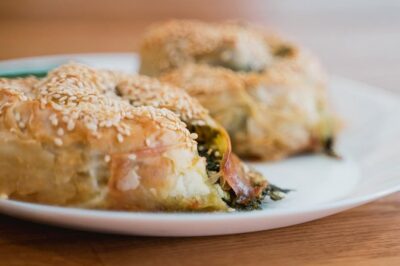
Athens: Classic Cooking Class with Market Visit and Wine
Read our review →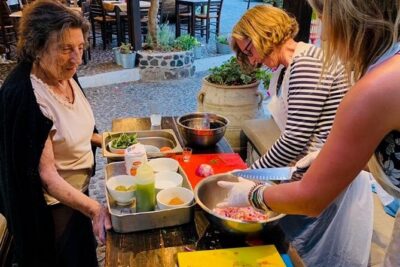
Greek Cuisine Cooking Class in Santorini with Recipes and Wine
Read our review →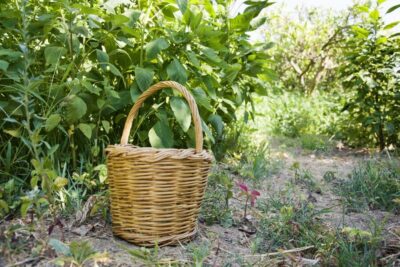
Naxos: Half-Day Cooking Class at Basiliko Family Tavern
Read our review →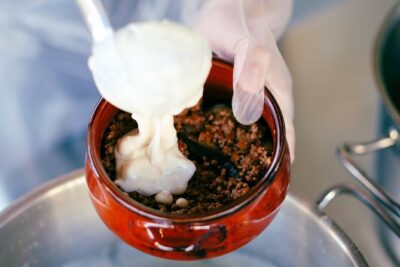
Greek Cooking Class in Athens Including Rooftop Dinner with Acropolis View
Read our review →
Greek Small-Group Athens Cooking Class & Dinner
Read our review →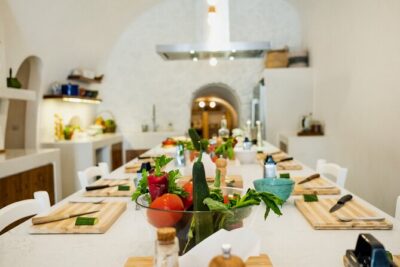
Exclusive Cooking Experience in our Cave Home by Petra Kouzina
Read our review →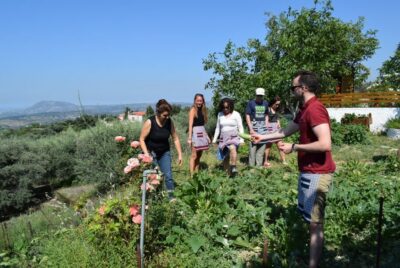
Chania: Authentic Cooking Class in the White Mountains
Read our review →