Review · SAN SEBASTIAN
San Sebastián: Market Tour and Basque Cooking Class English
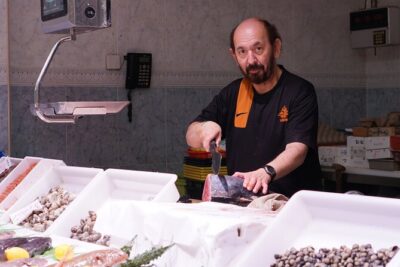
San Sebastián’s best food lesson begins before the cooking. You’ll walk through a local market as it opens, meet vendors, and see why Basque cooks treat a good ingredient with near-religious respect. Then chef-guide Carlos leads a small group of up to 10 into the kitchen for a hands-on meal.
I especially like the market-to-table flow and the way each dish comes with its proper drink: cider with cod omelette, txakoli with hake, and Rioja with ribeye. I also like the friendly size. A class limited to 10 gives you room at the stove and a better chance to ask questions. The main consideration is the $164 price, which is fair only if you value the market visit, instruction, full meal, and drinks together.
Key points
- Start at the market: Meet vendors, learn about local products, and see San Sebastián waking up.
- Cook four Basque dishes: Prepare cod omelette, hake in green sauce, ribeye with piquillo peppers, and burnt Basque cheesecake.
- Taste as you go: Eat each dish soon after it is finished, paired with cider, txakoli, or Rioja.
- Small English-speaking group: The class is limited to 10 people, with instruction from a professional chef. Carlos is named as one of the guides.
- Allow 3.5 hours: This is not a quick demonstration. The market walk, cooking, eating, and conversation all take time.
- Plan for walking and kitchen work: Wear comfortable shoes and cooking-friendly clothes, and tell the provider about allergies or dietary restrictions in advance.
San Sebastián Before Breakfast
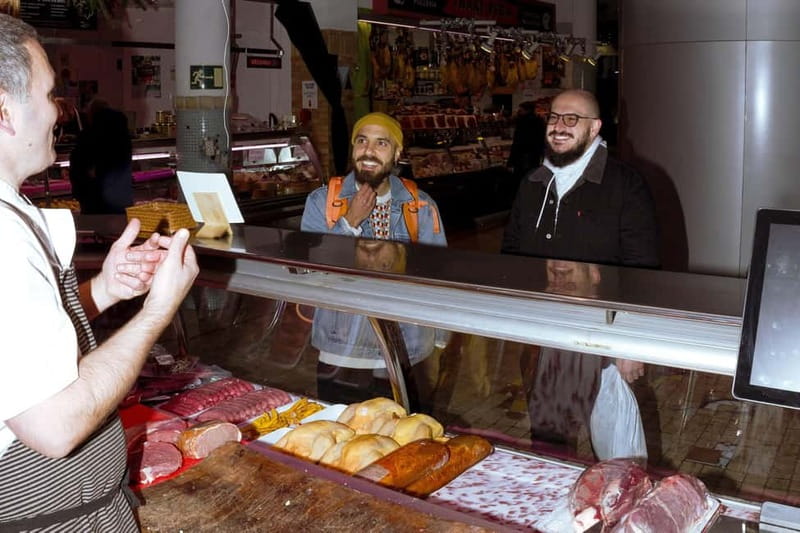
The timing gives this experience its character. Instead of meeting at a restaurant after the day is already underway, you meet outside the tourist office and see San Sebastián at the start of its food day. The market visit is not a decorative extra. It is the first lesson.
Your guide introduces you to the products and the people selling them. You’ll hear vendor stories and learn how Basque cooks select ingredients, rather than simply being handed premeasured items in a classroom. That difference matters. It connects the dishes you later prepare with the people and produce behind them.
The walk also gives you a few city landmarks along the way to the cooking school. The exact route and starting time can vary, so check availability when booking. Bring water, a camera, and shoes that can handle a morning of walking followed by time on your feet in the kitchen.
More Cooking Classes with a Market Tour in Spain
- Barcelona: Paella Cooking Experience & Boqueria Market Tour
★ 4.8 · 3,661 reviews - Barcelona Paella Cooking Class with Market Visit, Tapas & Sangria
★ 5.0 · 2,531 reviews - Paella Cooking Class, Wine Tasting & Central Market in Valencia
★ 5.0 · 1,150 reviews
Why the Market Visit Matters
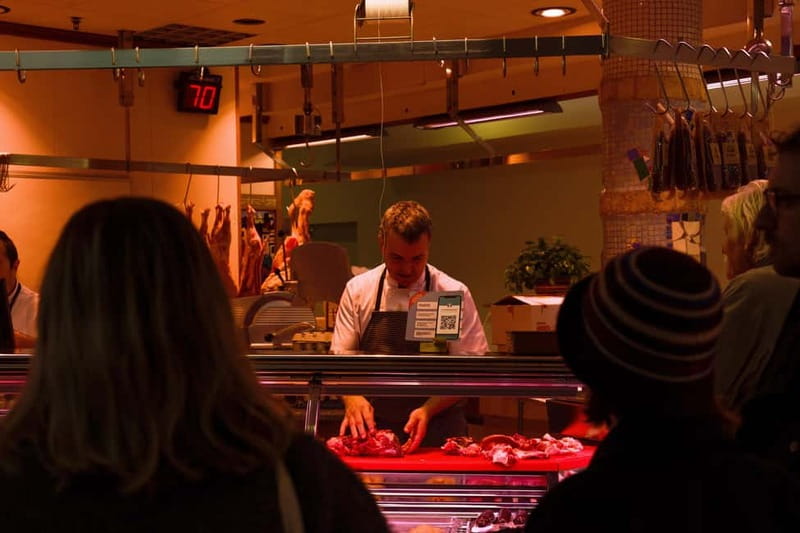
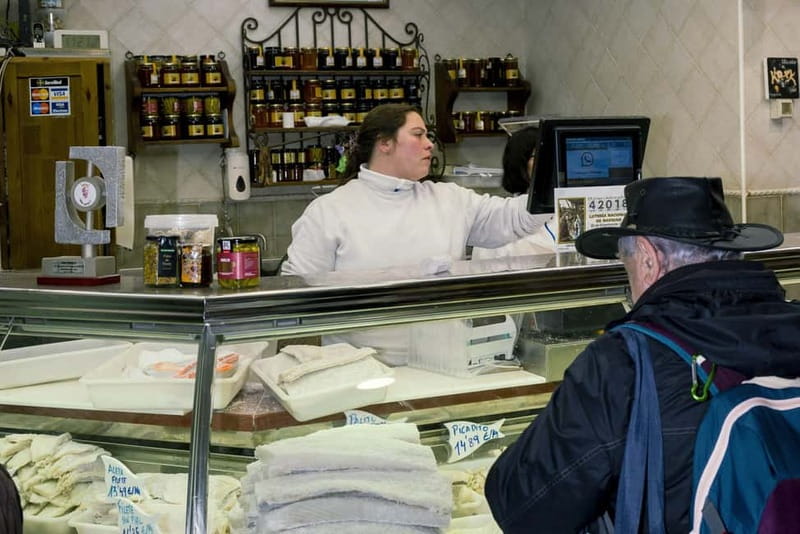
Many cooking classes begin with bowls of ingredients already arranged on a counter. Here, you first see the buying side of Basque cooking. You can ask questions, meet vendors, and learn why freshness and careful selection carry so much weight in this part of Spain.
I like this approach because it gives you a useful way to think about food after the class ends. You are not only copying a recipe. You are learning to look at an ingredient, consider its quality, and understand how a local cook might use it.
The market also adds a human note. The vendors are part of the experience, and the guide helps explain their role. You should take part rather than treat the stop as a quick photo break. The activity specifically encourages engagement with the vendors, and that participation is central to the morning.
There is one practical tradeoff. If you prefer a cooking class that gets straight to the stove, the market portion may feel like a delay. I think it earns its place, but only if you want food culture as well as cooking instruction.
Cooking With Carlos in a Small Group
After the market and city walk, you arrive at the cooking school. The class is taught in English by a professional chef, and Carlos is named as the guide for the experience. He is described as someone who came to San Sebastián from outside the region, then developed a strong connection to its food and culture.
That background can be useful. An outsider who learned to appreciate Basque customs may explain local habits in terms that make sense to visitors. At the same time, the class keeps its focus on doing rather than listening to a long lecture.
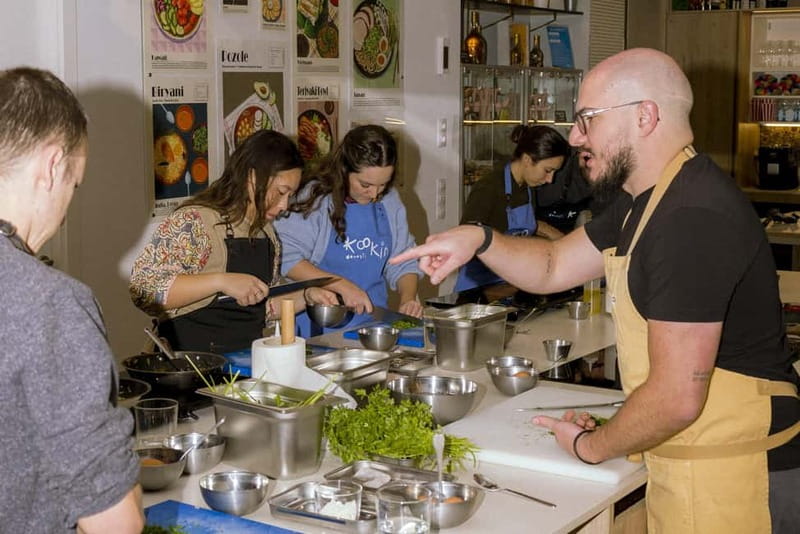
You work in pairs around the stove. With a maximum of 10 participants, the class should feel more personal than a large demonstration. You will share kitchen space, divide tasks, and talk as you cook. This setup is good for solo visitors and couples who want a social meal, though it may mean you have less control over every single part of every dish.
The cooking school itself is described as beautiful and state of the art. That suggests a comfortable setting with proper equipment, but the important point for you is function: the room is built for hands-on cooking, not simply watching a chef work from a distance.
The instruction is designed to be clear and supportive. That makes the class suitable for people with some kitchen confidence and for beginners who want guidance without being made to feel clumsy. You should still expect to stand, move around, and work with other people.
Four Dishes That Show the Basque Table
The menu gives you a broad look at Basque cooking in one sitting. It moves from a simple egg and cod preparation to fish, steak, and dessert. The recipes are described as simple but not simplistic, which is a useful distinction: the techniques are approachable, but the ingredients and timing still matter.
Same kitchen, a different dish:
- Barcelona Interactive Spanish Cooking Experience
★ 4.5 · 2,155 reviews - Spanish Cooking Class Paella Tapas and Sangria in Madrid
★ 5.0 · 1,340 reviews - Paella Cooking Class in Madrid with Bottomless Wine Pairing
★ 5.0 · 985 reviews - Seville: Spanish Cooking Class with Dinner
★ 4.9 · 900 reviews
Cod omelette with local cider
The cod omelette is a gentle start. It shows how a few familiar ingredients can become a dish with a clear regional identity. You prepare it yourself, then eat it hot with local cider.
The pairing is part of the lesson. Cider brings a crisp, lively contrast to the omelette, and tasting the two together helps you understand why the drink belongs at the table. You are not just learning a dish in isolation. You are learning how Basque food is served and enjoyed.
Hake in green sauce with txakoli
Hake in green sauce is an iconic Basque dish and the most clearly regional recipe on the menu. The sauce gives the fish its identity, while txakoli provides the accompanying drink.
This course is especially useful for anyone who wants to take the Basque style home. Fish with a simple sauce can look easy, but timing and restraint matter. The class gives you a chance to see how the dish comes together under a chef’s direction, then taste it immediately rather than waiting through a long restaurant service.
Txakoli is the right kind of introduction to local wine because it is tied closely to the food culture of the region. The pairing is included, so you do not need to order a separate tasting flight.
Ribeye with piquillo peppers and Rioja
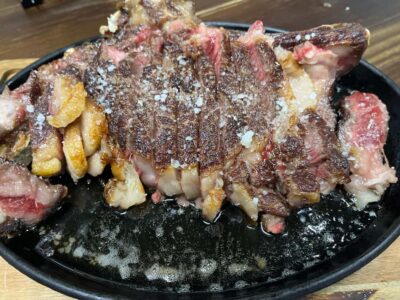
The ribeye course shifts the meal from delicate fish to a hearty main. Piquillo peppers add another Basque ingredient to the plate, while Rioja gives you a familiar Spanish wine pairing.
This part will appeal to meat lovers, though it also affects the value calculation. The price includes a full tasting menu, not a small snack followed by a demonstration. By the time you reach the steak, you are eating a substantial meal with several drinks included.
If you have dietary restrictions, contact the provider before the class. Do not assume the full menu can be changed on the spot.
Burnt Basque cheesecake
You finish with the dessert that has become one of San Sebastián’s most recognizable food exports: burnt Basque cheesecake. Making it yourself gives the meal a proper ending and sends you home with a recipe you can try again.
The dessert also rounds out the class well. You have worked with seafood, eggs, meat, vegetables, wine, cider, and pastry-like techniques in one session. It is a lot of food territory for three and a half hours, but the class is paced around cooking, tasting, and conversation rather than rushing from one task to the next.
The Drink Pairings Are Part of the Lesson
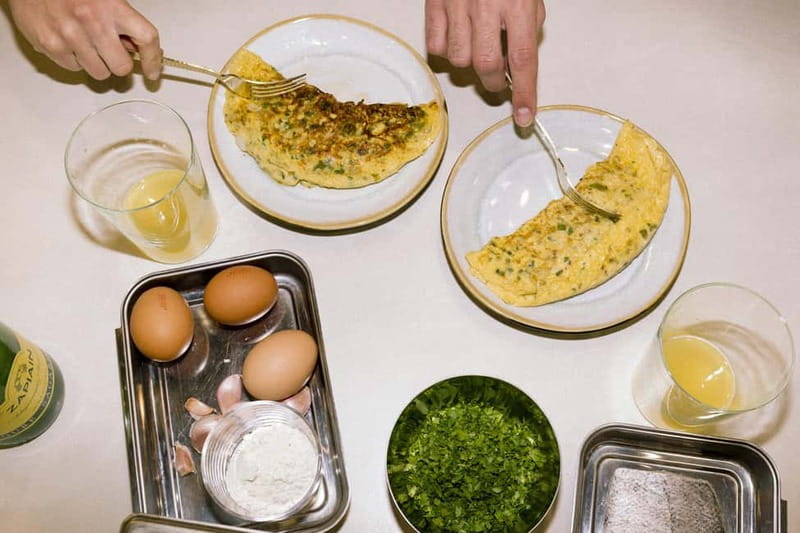
The included drinks are not an afterthought. Local cider accompanies the cod omelette, txakoli is served with the hake, and Rioja goes with the ribeye. These choices show how a Basque meal is built around balance between food and drink.
You taste each dish while it is hot and freshly finished. That detail improves the experience because you can connect the cooking step with the result right away. It also means the class is not simply a recipe workshop. It is a shared meal around the stove.
Additional food and drinks are not included. The included pairings should be enough for the planned menu, but keep that limit in mind if you expect a larger tasting session or want extra wine.
What the Three and a Half Hours Feel Like
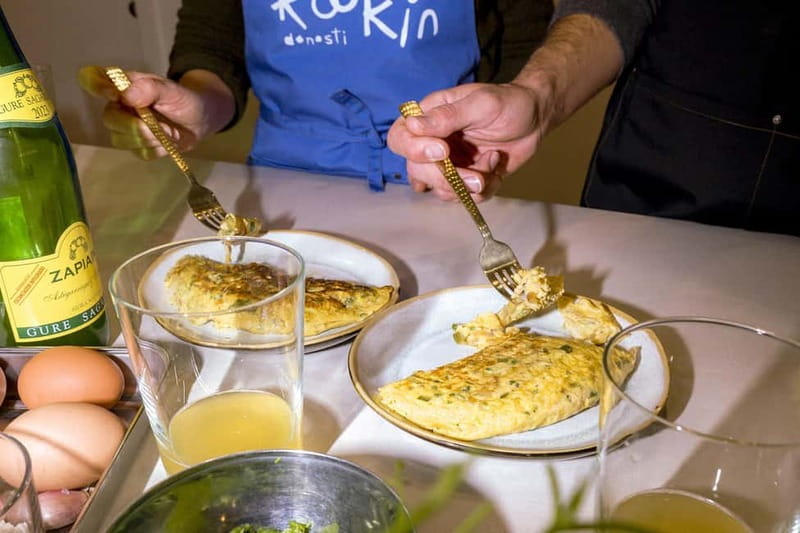
The experience lasts 3.5 hours, including the market visit, walk, cooking, eating, and conversation. That is long enough to feel like a proper morning or early afternoon activity, but not so long that it takes over your whole day.
The time is divided between movement and sitting or standing at the kitchen. You begin outdoors, then shift to practical work, then eat the food you have prepared. The class is likely to feel especially social because the group cooks in pairs and shares stories while working.
The small group is a real advantage here. With no more than 10 participants, you are less likely to be lost at the back of a demonstration. You can ask about ingredients and techniques, and you have a better chance to take an active role.
Still, do not book this expecting a private lesson. You work with a partner and share equipment and tasks. If you want individual attention for every recipe, a private class would be a different type of experience, but this activity is designed around meeting people.
Who Gets the Most From This Class
I would choose this for someone who wants food to explain a place. The market, vendor conversations, local drinks, and regional dishes give you more context than a standard cooking lesson.
It also suits solo visitors. The limited group and pair work make it easier to meet people without having to arrange your own dining companions. Couples and friends should enjoy it too, especially if they like dividing tasks and eating at the end of a shared project.
Beginners should be comfortable joining. The instruction is clear and supportive, and the recipes are approachable. You do not need to arrive as a trained cook.
Food-focused visitors will get the most value if they care about ingredients and local habits, not only the final meal. If you simply want to eat without handling knives, pans, or shared kitchen space, choose a restaurant instead.
The experience is not suitable for people with mobility impairments, according to the activity information. There is also a contradiction in the supplied details: one section says the activity is wheelchair accessible, while another says it is not suitable for wheelchair users. Contact Kookin Donosti SL before booking if accessibility affects your decision, and ask about both the market walk and the cooking school.
Is $164 a Fair Price?
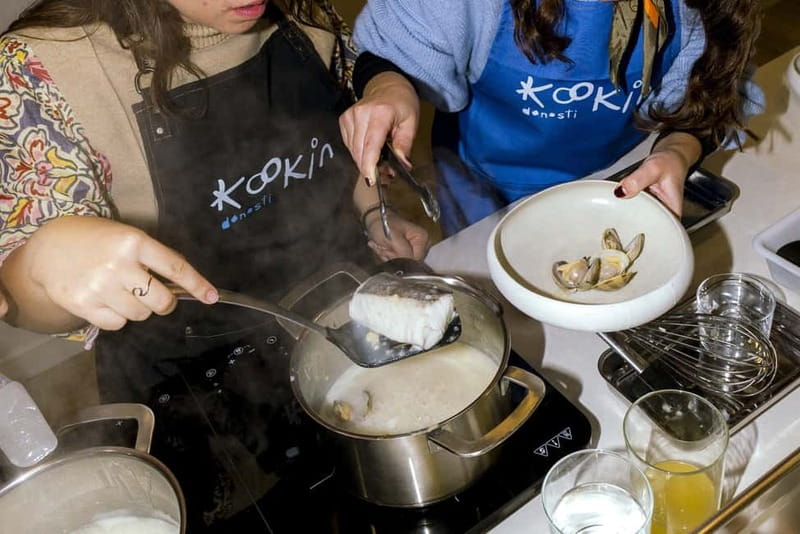
At $164 per person, this is not a bargain cooking demonstration. The price makes more sense when you count the whole package: a guided market visit, a professional chef, all cooking ingredients, four prepared dishes, and three local drink pairings.
You are also paying for the structure. The guide handles the market introduction, the transition to the school, the cooking instruction, and the meal flow. That saves you from arranging separate food stops and gives the morning a clear purpose.
The value is strongest if you would otherwise book both a food tour and a cooking class. It is weaker if you are mainly looking for a cheap meal or a short demonstration. San Sebastián has many ways to eat well, so the extra cost should buy you participation and understanding, not just plates of food.
The small group helps support the price. A limit of 10 participants gives you more access to the chef and a more relaxed pace than a large class. The included alcohol pairings also add value, especially for people who want to try cider and txakoli as part of the meal rather than order them separately.
Practical Details Before You Book
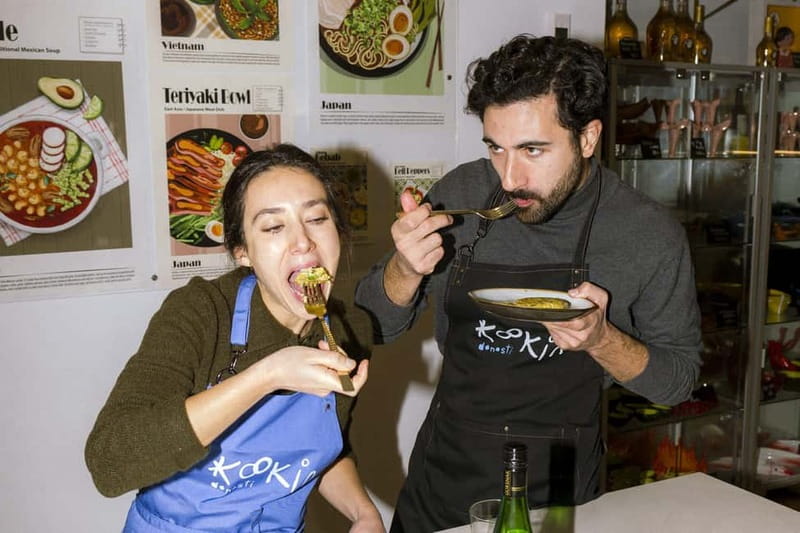
Meet outside the tourist office. Hotel pickup and drop-off are not included, so plan to reach the meeting point on your own.
Wear comfortable walking shoes and clothing suitable for cooking. You will visit the market first, then spend time around the stove. Bring water and a camera, but smoking is not allowed during the activity.
Tell the provider about allergies or dietary restrictions in advance. The menu includes cod, hake, ribeye, peppers, dairy-based cheesecake, cider, txakoli, and Rioja, so early notice matters.
English is the teaching language. The group is limited to 10 participants. Starting times vary, so check the available schedule before you make other plans for the day.
You can cancel up to 24 hours in advance for a full refund, and the reserve-now, pay-later option keeps your plans more flexible. Those policies are useful in San Sebastián, where weather and restaurant plans can shift during a longer trip.
Should You Book It?
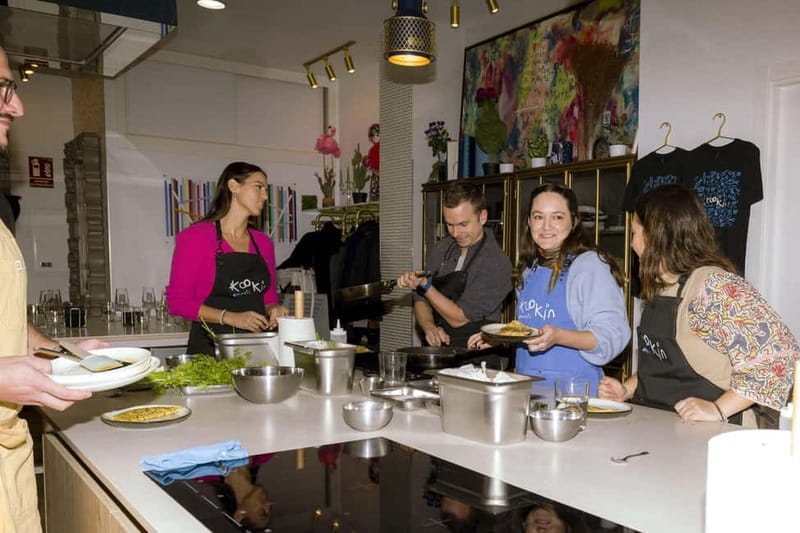
Book this class if you want to understand San Sebastián through its food, not simply eat a few famous dishes. The market visit, vendor contact, small group, clear instruction, and drink pairings give the experience a strong sense of place.
I would be more cautious if you dislike group cooking, need a fully private lesson, or want a quick activity. The $164 price also calls for a clear interest in food. For the right person, though, this is a well-shaped half-day: you shop, cook, eat, drink, and leave with recipes plus a better sense of how Basque cooks think about ingredients.
FAQ
Where does the experience meet?
You meet outside the tourist office in San Sebastián.
How long does the activity last?
The experience lasts 3.5 hours.
What language is the class taught in?
The activity is conducted in English.
How many people can join the group?
The small group is limited to 10 participants.
Which dishes do you prepare?
You prepare cod omelette, hake in green sauce, grilled ribeye with piquillo peppers, and burnt Basque cheesecake.
Which drinks are included?
The included pairings are local cider, txakoli, and Rioja wine.
Is the market visit included?
Yes. The local market visit is part of the experience and includes meeting vendors and learning about the ingredients.
What should you bring and wear?
Bring comfortable walking shoes, a camera, and water. Wear clothing suitable for cooking, and notify the provider in advance about allergies or dietary restrictions.
New cooking classes around Spain
- Seville: Paella-Cooking Experience with Sangria & Full Meal★ 4.9 · 42 reviews
- Seville: Paella Showcooking Experience★ 4.7 · 161 reviews
- Seville: Paella Cooking Class & 30-Min Local Expert Q&A★ 4.8 · 37 reviews
- San Sebastián: Market Tour, Cooking Class, & Meal★ 5.0 · 2 reviews
- Barcelona: Paella Seafood Master Cooking Class with Sangria★ 5.0 · 73 reviews
- Pontevedra: Galician Cooking Class with Chef Instructor★ 4.9 · 3 reviews
- Mojo Workshop Cooking Class in Ancient Canarian Village★ 4.9 · 127 reviews
- Valencia: Traditional Paella Cooking Class and Dinner★ 4.8 · 53 reviews
San Sebastian Cooking Classes, side by side.
Basque Cooking Experience: Market Tour & Hands-On Class English
Read our review →