
Review · VIETNAM
Sapa: Local Hmong Cooking Class
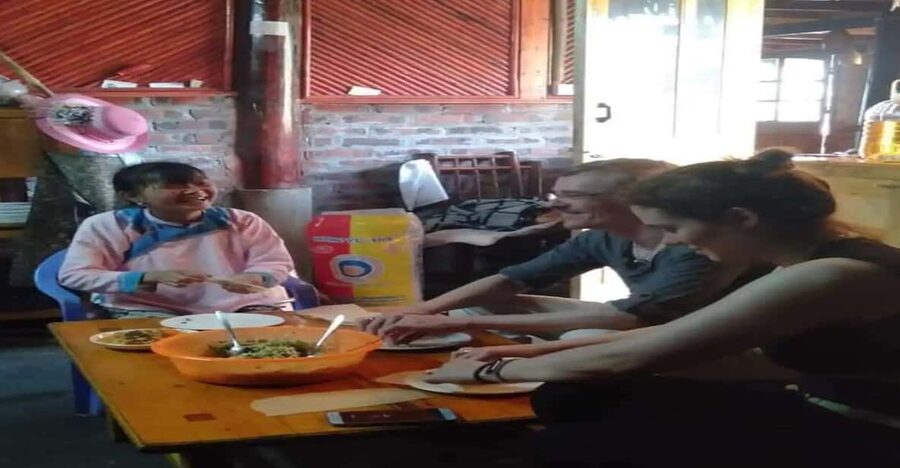
The best part of this Sapa cooking class is its setting: you prepare Hmong food beside the rice terraces of Ta Van, not in a hotel kitchen made to look local. Sung leads the class in English, sharing family traditions, mountain ingredients, and the stories behind each dish. The rice-terrace setting and hands-on cooking give this experience real character.
I like that the $36 price includes a welcome drink, all ingredients and tools, a recipe book, and the meal you prepare. I also like the range of food, from spring rolls and tofu made by the local Dzay community to naturally colored sticky rice. The main consideration is the rural meeting point. You must reach Sapa Tour Indigo Homestay yourself, and signage at the corner of the small road may be easy to miss.
Key points
- Cook beside Ta Van’s rice terraces: The setting adds a strong sense of place to an already practical class.
- Learn from Sung in English: She explains Hmong culture, history, family life, and food traditions during the cooking.
- Prepare a broad local menu: Expect dishes such as spring rolls, bamboo, mushrooms, tofu with tomato, sticky rice, chicken, and pork.
- Use mountain-grown ingredients: Rice, herbs, bamboo, wild forest mushrooms, flowers, and leaves connect the meal to the surrounding area.
- Eat what you prepare: The class ends with a shared local lunch or dinner, rather than a tasting of unrelated dishes.
- Allow extra care for directions: Hotel transfer is not included, and the small road can be hard to identify.
Cooking Hmong food in Ta Van
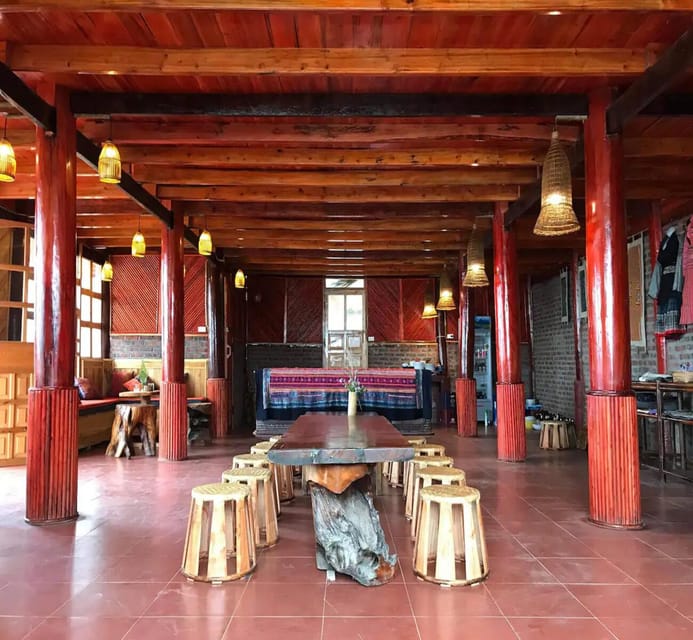
This is a cooking class with a cultural conversation built into it. You are not simply shown a recipe, handed a plate, and sent on your way. Sung explains how local people use ingredients from the mountains, rice terraces, home gardens, and nearby communities. The food becomes a useful way to understand daily life in the Sapa area.
The class lasts 3.5 hours. That is long enough to prepare several dishes without turning the experience into a rushed demonstration. You should expect to work with the ingredients and tools provided, rather than only watch a chef cook.
The menu covers a lot of ground. You may prepare spring rolls, bamboo with herbs and onion leaf, Chinese black mushrooms, tofu with tomato, colored sticky rice, fresh rice, fried chicken, pork, and a simple fruit or vegetable dessert. One published account describes preparing eight dishes, so the exact number and menu may vary. Bamboo and the red and yellow sticky rice depend on availability.
That variation is worth accepting. Local cooking does not always follow a fixed restaurant menu. If a mountain ingredient is unavailable, the class may use something else. You should tell the provider about allergies or food restrictions before arriving.
More cooking classes around Vietnam:
- Hanoi Cooking Class: Culture, Local Market & Meaning CSR Impact
★ 5.0 · 5,147 reviews - 5 Traditional Dishes Hanoi Cooking Class with Market Trip
★ 5.0 · 4,890 reviews - Cooking Class Hoi An:Local Market, Basket Boat, Fishing & Cooking
★ 5.0 · 3,660 reviews
Spring rolls, bamboo, and forest mushrooms
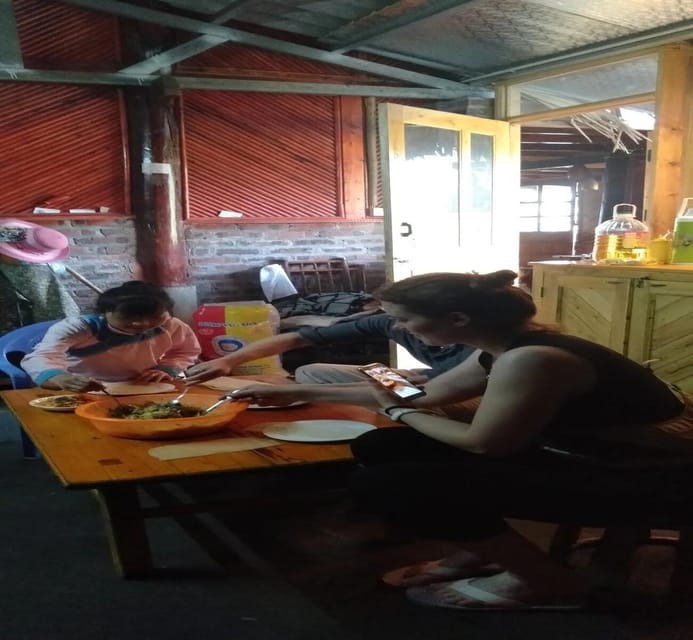
Spring rolls offer a useful first lesson because technique matters. You learn how to prepare the filling and roll the wrappers properly. It is a familiar Vietnamese dish, but making it yourself gives you a better feel for the balance of filling, texture, and seasoning.
Bamboo is more unusual for many visitors. The class covers how to peel and prepare it, then combine it with local fresh herbs and onion leaf. The dish depends on availability, so it should not be treated as guaranteed. Still, this is exactly the kind of ingredient lesson that makes the class worthwhile. You are learning what people in the area cook with, not simply repeating the most famous Vietnamese dishes.
Chinese black mushrooms are described as a wild mushroom that grows in the cool forests around Sapa. The class gives you a chance to see how a local ingredient becomes part of a meal. The information provided does not specify the exact cooking method, so expect an explanation and preparation rather than a fixed recipe you can predict in advance.
These first dishes also show why the class is more useful than a standard restaurant meal. At a restaurant, you taste the finished food. Here, you learn how local ingredients are handled and why they matter.
Tofu made by the Dzay community
The tofu with tomato is one of the more interesting parts of the menu. The local Dzay community is known for making tofu from scratch, and the class gets tofu from them before showing you how to prepare it with a flavorful tomato sauce.
This connects the meal to more than one local community. The class is Hmong-focused, but its ingredients also reflect the wider ethnic mix around Sapa. You get a glimpse of how food and trade link nearby groups.
Tofu is also a good dish for a cooking class because the finished result depends on preparation and seasoning rather than expensive ingredients. You can learn a technique that is practical at home, especially if you enjoy vegetable dishes or want to cook more Vietnamese food after returning home.
Sticky rice colored with mountain plants
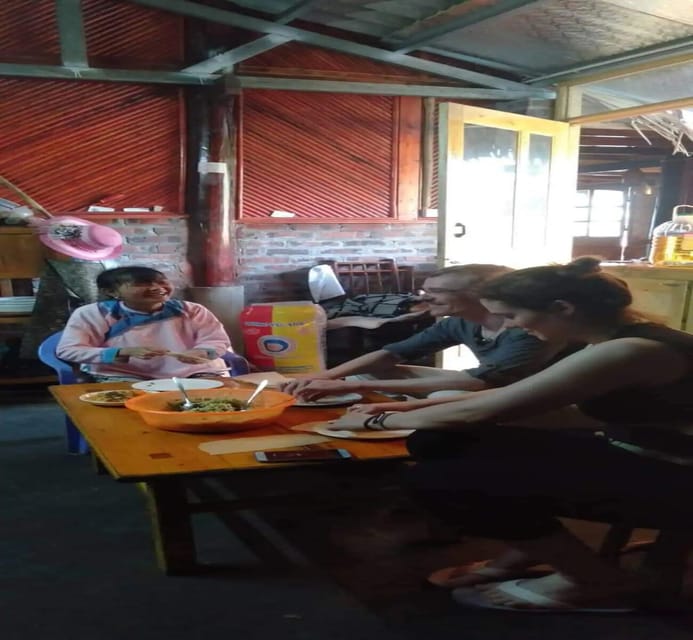
The red and yellow sticky rice adds color, but the important lesson is how that color is made. The class explains how flowers and leaves growing in the mountains are used naturally to tint the rice. Yellow comes from a flower, while red comes from a leaf, subject to availability.
This is a small detail with a larger meaning. Food traditions often preserve local knowledge about plants, harvests, and presentation. You are not just adding artificial color to rice. You are seeing how mountain plants become part of a family meal.
The class also covers fresh rice from local terraces. Sung explains planting, growing, and harvesting, with the surrounding terraces providing a visible connection to the process. The information does not promise a farm visit or a particular harvesting activity, so think of this as a food lesson with views and explanation, not a separate agricultural tour.
Same kitchen, a different dish:
- Hoi An Cooking Class(Market,BasketBoat Crabfishing&Cooking Class)
★ 5.0 · 3,386 reviews - HCM: Mekong Delta Islands Boat & Tuk-Tuk Tour with Tastings
★ 4.8 · 2,285 reviews - From Hoi An: Market Tour, Basket Boat Ride and Cooking Class
★ 4.8 · 2,208 reviews - Cai Be Mekong Delta Tour: Cooking Class, Cycling & Craft Villages
★ 5.0 · 1,881 reviews
Chicken, pork, and the meal at the end
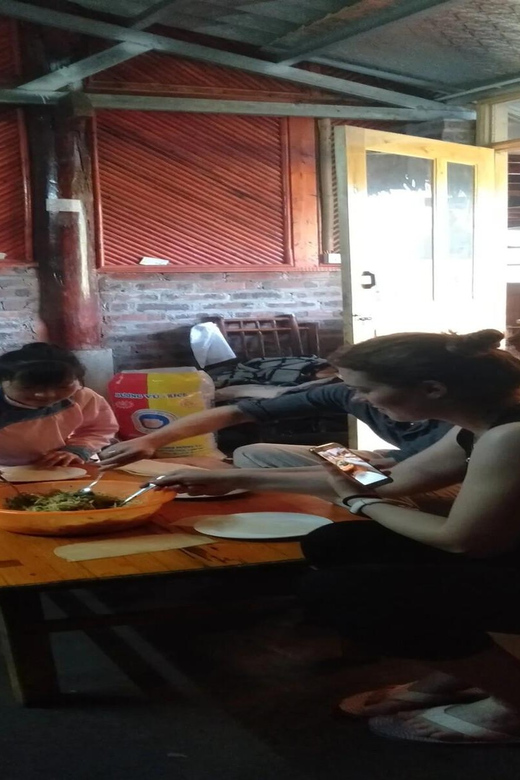
The class includes fried chicken, with seasoning and preparation done before frying. The chickens at the home are free range, according to the activity details. You also learn how pork is prepared in a traditional local way.
These dishes give the class a hearty center. Spring rolls, mushrooms, bamboo, tofu, and sticky rice show the variety of the local table, while chicken and pork provide familiar main dishes. You should expect to eat a substantial lunch or dinner at the end, since a local meal is included.
The final dessert is simple: watermelon or cucumber. That is not a weakness. It fits the style of the meal and keeps the ending fresh after several savory dishes. The precise dessert depends on what is available.
One of the strongest features here is that you share the food you helped prepare. The meal is not an afterthought. It gives you time to taste the results, compare flavors, and connect the cooking steps to the food on the table.
Stories about Hmong family and tradition
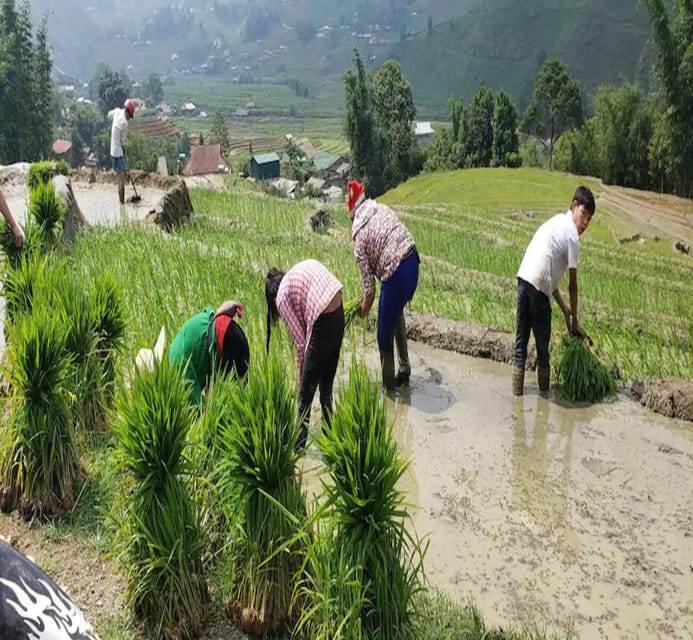
Food is the doorway into the cultural side of this experience. Sung explains Hmong culture, history, family life, and traditions while you cook. The English-language guidance is especially useful because the lessons are not limited to ingredient names or kitchen instructions.
The personal side of the class matters. The activity focuses on food passed from generation to generation, along with the experiences of local people. That makes the cooking feel connected to home life rather than designed only for visitors.
You should keep your expectations realistic. This is a 3.5-hour class, not a full cultural study course. The exact depth of conversation will depend on the pace of the cooking and the questions you ask. Still, the format gives you a natural chance to ask about family recipes, local ingredients, and traditions as each dish takes shape.
I would make a point of asking about the rice terraces, the plants used for coloring rice, and how the tofu arrives from the Dzay community. Those details are likely to tell you more about the region than a quick list of sightseeing facts.
What the $36 price includes
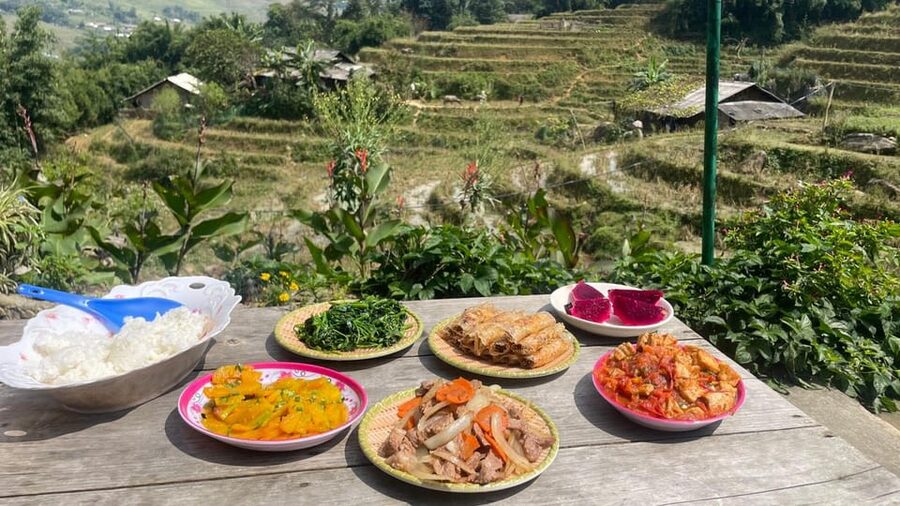
At $36 per person, the class offers solid value if you want both a meal and an activity. The price includes:
- A welcome drink
- All cooking ingredients
- Cooking tools
- A local lunch or dinner
- A recipe book
- An English-speaking guide
The recipe book adds value after the class. You may not reproduce every dish exactly, since some ingredients can be seasonal or hard to find outside northern Vietnam, but it gives you a starting point for trying the food again.
The price does not include hotel transfer, drinks beyond the welcome drink, or other costs not listed. That matters in Sapa because the meeting point is in Ta Van, not at a central hotel pickup location. Plan your route and allow enough time to find Sapa Tour Indigo Homestay.
The activity ends where it starts. There is no included drop-off at your hotel or another part of Sapa. If you are arranging a day around this class, treat the meeting point as both your arrival and departure location.
Finding Sapa Tour Indigo Homestay
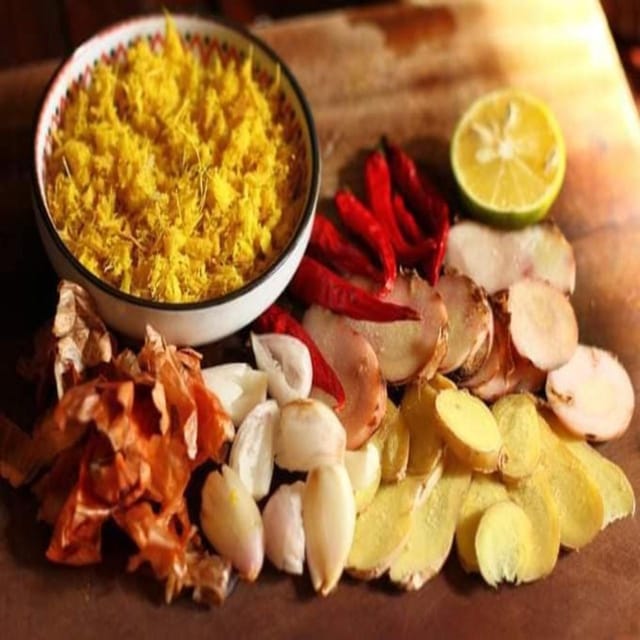
The meeting point is Sapa Tour Indigo Homestay in Ta Van, Sa Pa, Lào Cai. The activity information notes that hotel transfer is not included, so you need to arrange your own way there.
A small road near the meeting point may not have clear signage. I would save the exact meeting point before leaving your accommodation and avoid arriving at the last minute. If you are unsure about directions, contact the provider in advance rather than relying on a quick search after you reach the area.
The setting is part of the appeal, but it also brings practical limits. This is not suitable for wheelchair users, and the rural location may be less convenient than a class in central Sapa. Those who prefer easy hotel access should weigh that carefully against the rice-terrace setting.
Who will enjoy this class most
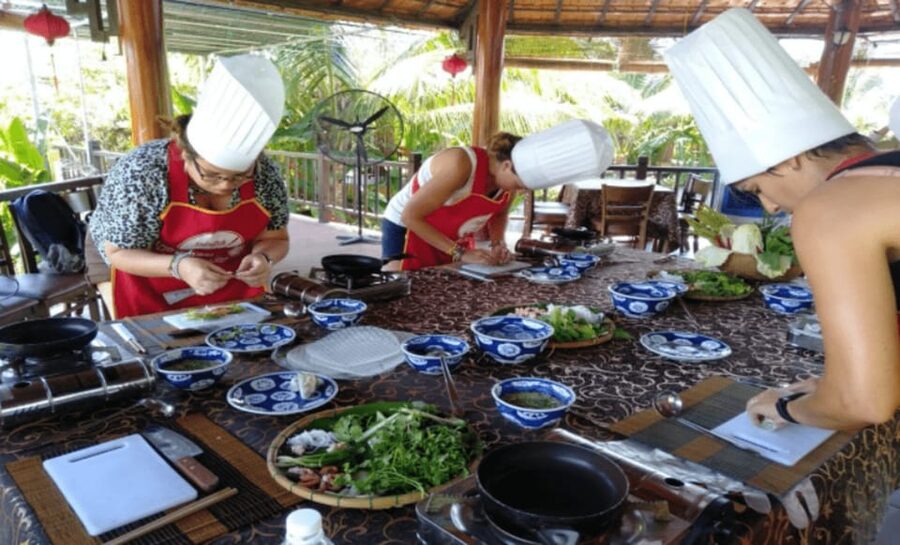
This experience suits you if you like to learn by doing. You will get more from it if you are curious about ingredients, willing to help with preparation, and interested in hearing about local family traditions while you cook.
It is a good choice for people who want a meal with cultural context. The menu includes enough variety to keep the session interesting, and the recipe book gives you something practical to take home.
Families and mixed-age groups may enjoy the hands-on format, though the information provided does not specify a minimum age or child discount. Couples and small groups looking for a slower activity in Ta Van should also find the setting appealing.
I would think twice if you want a short, polished food demonstration with guaranteed menu items and easy transport. The class has a local, flexible feel. Bamboo and colored sticky rice depend on availability, the road signage may be limited, and you must handle your own transport.
Timing, cancellation, and food restrictions
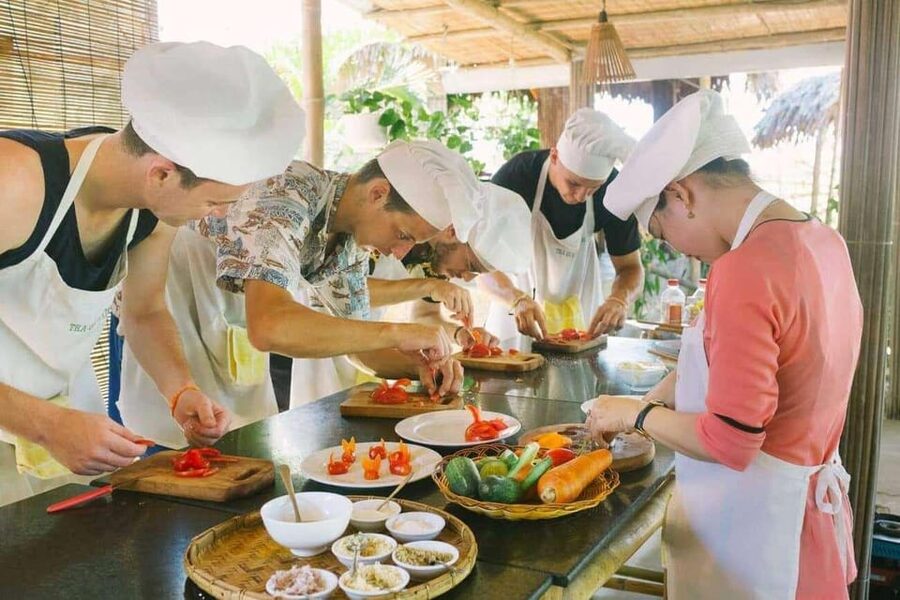
The class runs for 3.5 hours, with starting times shown according to availability. Check the available time before booking, especially if you have a train, bus, hike, or other Sapa activity planned for the same day.
You can cancel up to 24 hours in advance for a full refund. The reserve-now, pay-later option also lets you hold a place without paying immediately, which is useful if your Sapa plans may shift.
Tell the provider about allergies or dietary restrictions ahead of time. The menu includes meat, tofu, mushrooms, herbs, rice, and fresh produce, but the supplied information does not promise vegetarian, vegan, gluten-free, or other specialized adaptations.
Should you book the Hmong cooking class?
Book it if you want a hands-on local meal, an English-speaking guide, and a setting among Ta Van’s rice terraces. The combination of cooking, family stories, Hmong traditions, and ingredients from nearby communities gives the class more substance than a basic recipe lesson.
Skip it if hotel pickup, wheelchair access, or a fixed menu is essential. The small road can be confusing, some dishes depend on availability, and you must arrange your own transport.
For most people who enjoy food and local culture, the $36 price is fair. Sung’s English guidance, the broad menu, the included meal and recipe book, and the chance to cook in a home setting make this one of the more personal food activities around Sapa.
FAQ
Where does the cooking class begin?
The class begins at Sapa Tour Indigo Homestay in Tả Van, Sa Pa, Lào Cai, Vietnam.
How long does the experience last?
The cooking class lasts 3.5 hours. Starting times depend on availability.
Is hotel transportation included?
No. Hotel transfer is not included, and the activity ends back at the meeting point.
What language is the class offered in?
The live guide speaks English.
What food will I prepare?
The menu can include spring rolls, bamboo with herbs and onion leaf, Chinese black mushrooms, tofu with tomato, red and yellow sticky rice, fresh rice, fried chicken, pork, and watermelon or cucumber for dessert. Bamboo and the colored sticky rice depend on availability.
Are food and cooking equipment included?
Yes. The price includes all ingredients, cooking tools, a welcome drink, a local lunch or dinner, and a recipe book. Other drinks are not included.
Can I cancel the booking or pay later?
You can cancel up to 24 hours in advance for a full refund. You can also reserve now and pay later.
New cooking classes around Vietnam
- M.O.M COOKING CLASS★ 4.8 · 6 reviews
- Sapa: Bun Cha Cooking Class★ 4.8 · 6 reviews
- Sapa Cooking Class With Ethnic Minorities Chef In Village★ 5.0 · 2 reviews
- Mama Lan’s Home Cooking Class with 30+ Years of Experience★ 5.0 · 3 reviews
- Private cooking class tour with Master Chef★ 5.0 · 5 reviews
- Ninh Binh Jeep Adventure: Temples, Lotus, Fishing & Cooking★ 4.5 · 5 reviews
- Ninh Binh: Half-Day Cooking Class at a Local Home★ 5.0 · 26 reviews
- Nha Trang: Countryside Private Cooking Class★ 5.0 · 2 reviews
Vietnam Cooking Classes, side by side.
Hanoi Cooking Class: Culture, Local Market & Meaning CSR Impact
Read our review →
5 Traditional Dishes Hanoi Cooking Class with Market Trip
Read our review →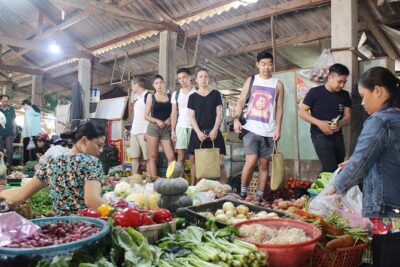
Cooking Class Hoi An:Local Market, Basket Boat, Fishing & Cooking
Read our review →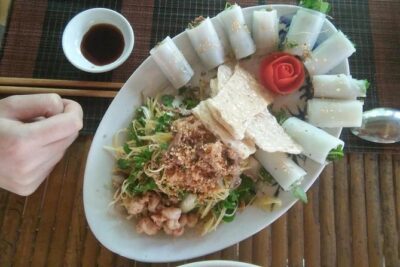
Hoi An Cooking Class(Market,BasketBoat Crabfishing&Cooking Class)
Read our review →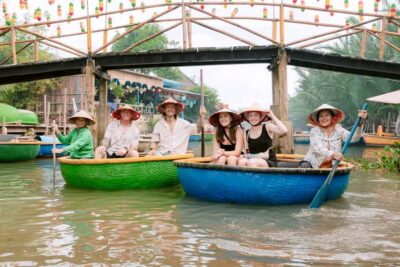
From Hoi An: Market Tour, Basket Boat Ride and Cooking Class
Read our review →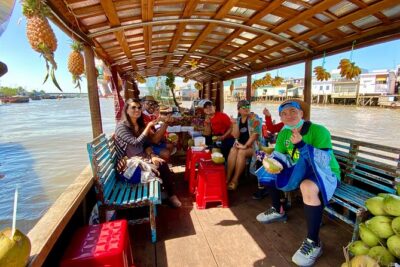
Cai Be Mekong Delta Tour: Cooking Class, Cycling & Craft Villages
Read our review →
Hoi An: Basket Boat with Lantern-Making & Cooking Class Tour
Read our review →
Mekong Delta 4 Islands, TukTuk, Boat, Try Khot Cake Local Cooking
Read our review →This kitchen also appears in