Review · CHIANG MAI
Chiang Mai: Cooking Class with Market and Pickup
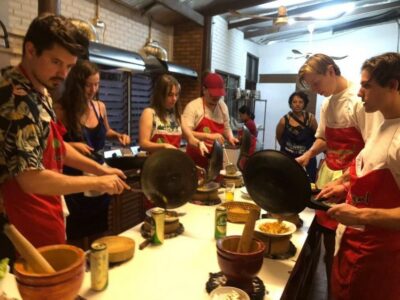
The best part of this Chiang Mai cooking class happens before the first wok hits the heat. You visit a local market, learn how Thai herbs, vegetables, and spices are used, then return to a family-style kitchen where you choose what to cook. Your own wok and cooking station make this a hands-on class, not a demonstration.
I like the personal menu choices and the generous amount of food. I also like the market stop, which gives you a better feel for Thai cooking than a pre-measured classroom ever could. Guides such as Cha-em, New, Wave, and Tu bring plenty of humor to the lessons, and the digital recipe book helps you repeat the dishes at home.
The main consideration is the amount of food and activity packed into three and a half hours. You may cook three or four dishes, so skip a large meal beforehand. The class suits beginners very well, but people hoping for a quiet, slow-paced lesson may find the group energy a little lively.
Key points to know before booking
- Market first, kitchen second: Learn about fresh Thai ingredients before cooking with them.
- Choose your own dishes: You can select from several soups, stir-fries, curries, and other Thai favorites.
- One station per person: Your own wok, utensils, ingredients, and cooking space keep you involved.
- Small groups of up to 10: The format gives the English-speaking instructor room to help with timing and technique.
- A full meal for $25: The price includes pickup, ingredients, instruction, mango sticky rice, and a PDF recipe book.
- Come hungry: Morning and evening classes can leave you very full, especially when you prepare four dishes.
Why the market visit matters
The class begins with pickup from your Chiang Mai hotel. You should wait in the lobby 30 minutes before the scheduled start, since the transfer is part of the plan and the timing depends on collecting the small group.
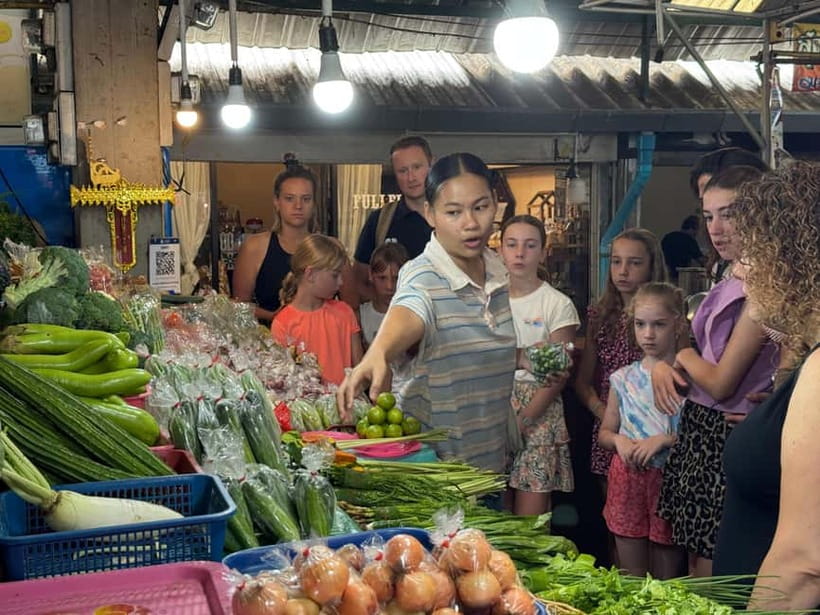
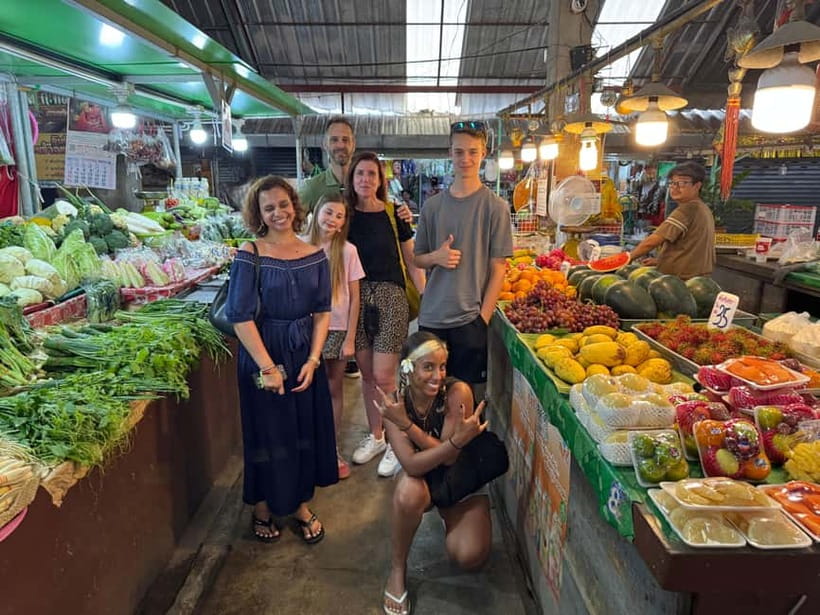
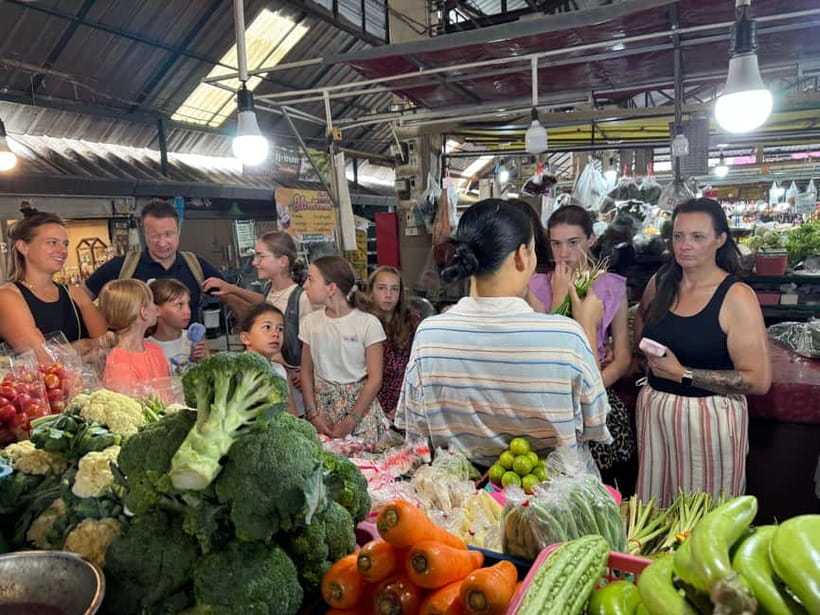
The first stop is a local fresh market. This is not just a quick shopping errand. The instructor introduces Thai herbs, vegetables, and other ingredients used in the dishes you will later prepare. It gives you a useful introduction to the building blocks of northern Thai cooking before you start chopping and frying.
You might see several types of eggplant, a detail that surprised one recent participant. Thai markets often use vegetables that look quite different from the large purple eggplants familiar in many Western kitchens. Seeing the ingredients in their everyday setting helps explain why Thai food has such a broad range of textures, aromas, and flavors.
I especially like this part for people who do not cook much. A market can feel confusing when you do not know the names of the herbs or how they are used. With an English-speaking guide beside you, the produce becomes part of a story rather than a wall of unfamiliar food.
The market also gives the class a local feel. You are not simply following a restaurant recipe from a printed card. You are seeing the raw ingredients first, then using them in the kitchen a short time later. That connection is one of the strongest reasons to choose this class over a standard cooking demonstration.
More Cooking Classes with a Market Tour in Chiang Mai
- Chiang Mai: Cooking Class, Market & Thai Herbs Garden Tour
★ 4.9 · 4,824 reviews - Chiang Mai: Authentic Cooking Class with Market & Farm Visit
★ 4.9 · 4,546 reviews - Chiang Mai: Evening Cooking Class and Local Market Visit
★ 4.9 · 648 reviews
A family-style kitchen with your own wok
After the market visit, you return to Daddy’s Kitchen for a welcome drink and snack. The cooking takes place in a family-home atmosphere, which makes the experience feel more relaxed than a formal culinary school.
Each person receives a cooking station, wok, and utensils. This matters. In many cooking classes, one person chops while the rest of the group watches. Here, you are expected to prepare and cook your own food, with the instructor showing you what to do and stepping in when timing gets tricky.
The setup also works well for couples. You do not have to select the same dishes as your partner, so two people can order different items and share them afterward. One couple used opposite choices to try more of the menu, which is a smart way to get more variety from the class.
Solo participants should fit in easily, too. The group is limited to 10, and the cooking format gives you a natural way to work alongside other people. You still cook your own dishes, but the curry paste and mango sticky rice may involve some shared effort.
The atmosphere depends partly on the instructor assigned to your session. Cha-em is known for a playful sense of humor and clear explanations. New, Wave, Tu, Kimmy, Emy, Toey, Flook, and Poppy have also led sessions, with repeated praise for their energy, patience, and ability to keep the class moving.
That personality is useful, not just entertaining. A good cooking teacher has to manage several burners, different menu choices, and a room full of people working at different speeds. The instructors make the process approachable for beginners while still giving more confident cooks something useful to do.
Choosing your Thai menu
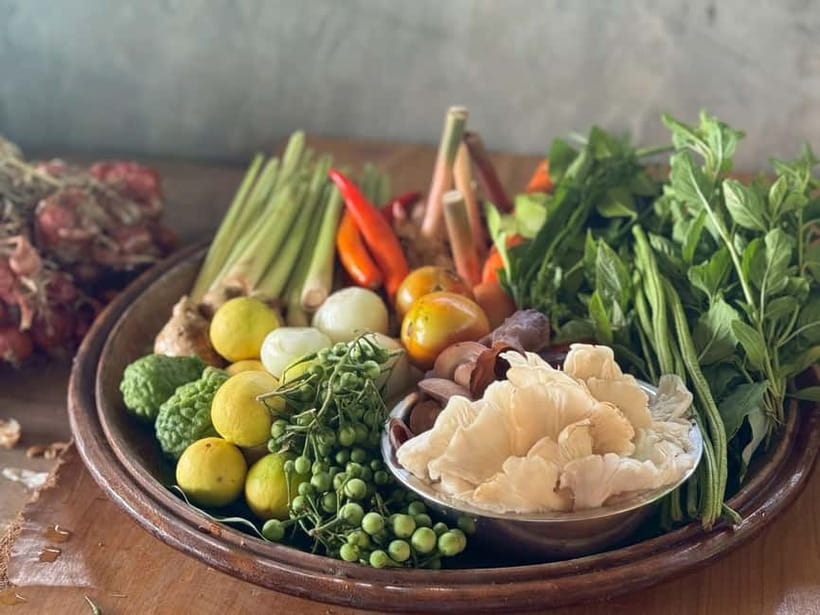
One of the most useful features is the menu choice. You are not locked into one fixed set of dishes. The available options include several soups, stir-fries, curries, and other Thai dishes, with some sessions offering around three soup choices, three stir-fries, and four curries.
The exact choices can vary, but the format lets you shape the meal around your own interests. If you want to practice curry paste, choose a curry. If you prefer a familiar dish, Pad Thai may be available. If you want to try something less familiar, the instructor can guide you through another option.
The menu choice is especially helpful for couples and families with different tastes. One person might cook a mild stir-fry while another tries a curry. You can then compare the results instead of eating the same plate twice.
The cooking is described as suitable for skilled and unskilled cooks. That matches the structure of the class. Ingredients and portions are prepared to keep the session moving, but you still take part in slicing, mixing, seasoning, and cooking.
Do not mistake beginner-friendly for passive. You will need to pay attention to heat, order, and timing. Thai cooking can change quickly in a hot wok, so the instructor’s directions matter. The class is a good place to learn the basic rhythm without facing a long recipe alone at home.
What you are likely to cook
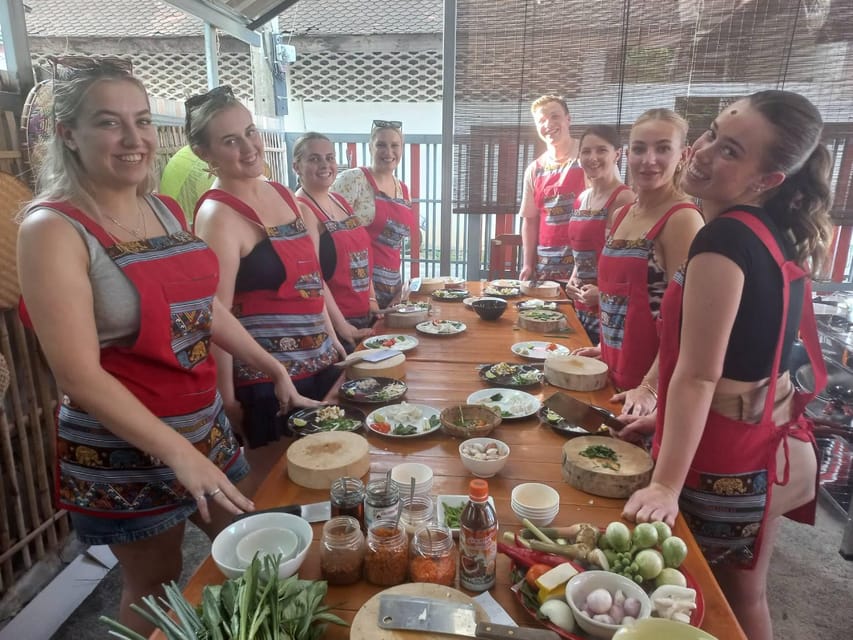
A typical session can include a soup, a stir-fry or main dish, a curry, and mango sticky rice. Some people prepare four dishes, while couples may produce a larger combined selection by choosing different items.
The curry is often the most useful lesson. You may help make the curry paste, learning how herbs and spices become a base rather than simply opening a jar. That gives you a clearer sense of how Thai flavors are built.
Stir-fries are usually more immediate. You add ingredients in sequence, watch the heat, and finish the dish quickly. This is a practical skill you can repeat at home, even if your kitchen does not have a traditional Thai setup.
Soups show another side of Thai cooking. They depend on balance more than long cooking times, so the instructor’s guidance helps you understand how sour, salty, spicy, and sweet notes work together.
Mango sticky rice provides the sweet finish. It is included in the price and is prepared as part of the group experience. Some people may find the dessert less appealing than the savory dishes, especially if they do not enjoy sweet rice, but it is an important Thai classic and rounds out the meal.
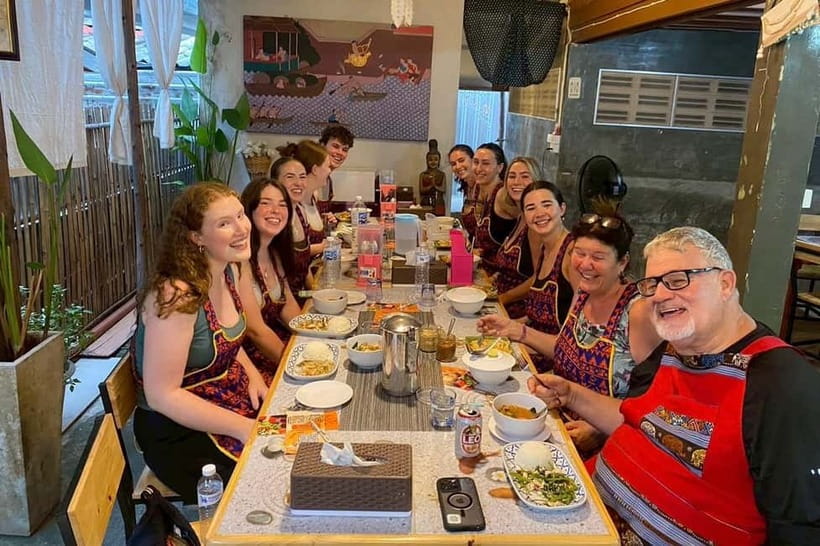
The portions are substantial. Several people who attended morning classes advised skipping breakfast, since the first meal may arrive around 10:30. The same advice works for an evening session: eat lightly beforehand and arrive ready to cook and sample a lot.
More Cooking Classes with a Market Tour in Thailand
- Evening Cooking Class in Organic Farm with Local Market Tour
★ 5.0 · 394 reviews - Half-Day Cooking Class with Market Tour
★ 5.0 · 163 reviews - Chiang Mai: Traditional Thai Cooking Class with Market Tour
★ 4.8 · 137 reviews - Chiang Mai: Morning Cooking Class with Market Visit
★ 4.9 · 81 reviews
How much instruction will you get?
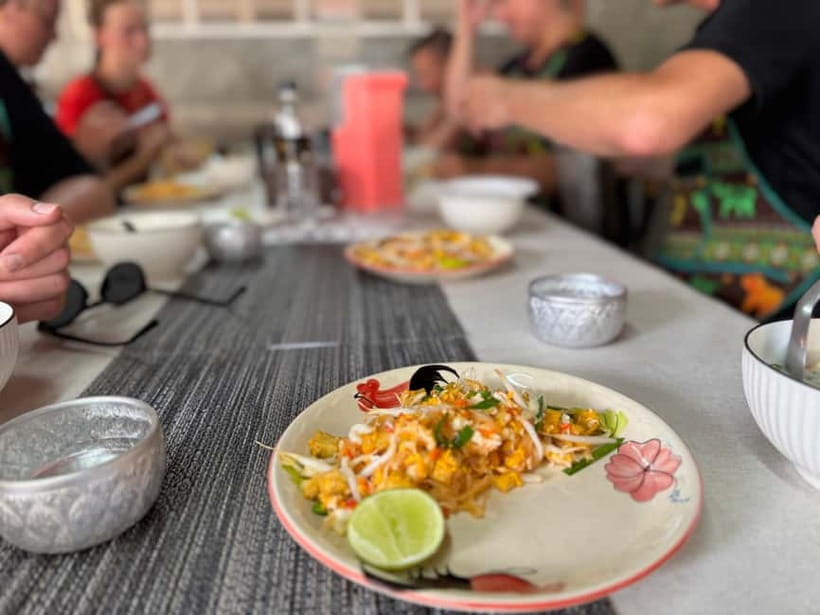
The teaching is hands-on and in English. The instructor demonstrates the process, explains the ingredients, and guides you through the cooking rather than leaving you to follow a recipe alone.
That makes the class a good choice if you are nervous around a wok. The instructors keep an eye on the heat and help with the order of ingredients. You still do the work, but you are not expected to know the technique before arriving.
The humor is part of the appeal. Cha-em, in particular, is often described as funny, warm, and able to make complicated steps feel simple. Other instructors, including New and Kimmy, bring the same lively style. If you enjoy social activities, the jokes and shared meal add plenty to the experience.
The tradeoff is that this is not a private lesson. You will share the kitchen with other participants, and the pace is set for the group. If someone takes longer with a dish, the instructor must keep everyone moving. The limit of 10 helps, but you should still expect a social class rather than one-on-one culinary coaching.
The value of $25
At $25 per person, the class offers a lot for the price. The fee includes hotel pickup and drop-off, the market visit, instruction, ingredients, your station and cooking equipment, mango sticky rice, and a digital recipe e-book.
The food alone makes the price reasonable. You are not preparing one small sample and leaving hungry. Depending on the session and your menu, you may cook three or four dishes, then eat what you have made.
The transportation adds value, especially if you are staying outside the immediate center of Chiang Mai. Pickup removes the need to arrange a taxi to an unfamiliar kitchen, though you must be ready in the hotel lobby 30 minutes before the class starts.
The recipe PDF is a practical extra. It includes the dishes and ingredients, so you have a chance to repeat the class after returning home. Photos from the activities are also provided, giving you a useful record of the market visit and cooking session.
Alcohol is not included. Alcohol and drugs are not allowed as part of the activity, so this is best treated as a food lesson and shared meal rather than a drinks-focused evening.
Choosing the right session

The class lasts 210 minutes, or three and a half hours. That is long enough to visit the market, cook several dishes, and eat without taking the whole day.
A morning session works well if you want your afternoon free, but plan for an early meal. The first food may be served around 10:30, depending on the schedule.
An evening session can double as dinner. This is a sensible choice if you want the cooking to become one of your main meals rather than an extra snack. You will still need to allow time for pickup, the market, cooking, and eating.
The activity is not suitable for children under five or people over 95. It is otherwise designed for a broad range of cooking ability. Teenagers have enjoyed the hands-on format, and beginners have been able to make successful dishes with the instructor’s help.
Who should book this class?
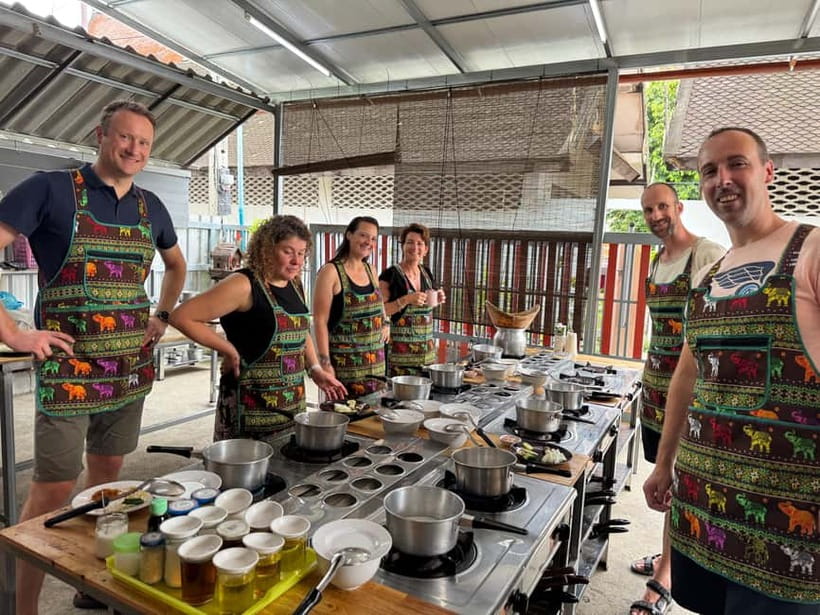
I would recommend it to anyone who wants more than a restaurant meal but does not want a serious culinary course. You get local ingredients, direct instruction, a choice of dishes, and enough food to make the price easy to justify.
It is particularly good for couples who want different dishes, solo visitors who enjoy meeting a small group, and families with older children or teenagers. It also suits people who want to take a useful skill home, since the recipes are sent digitally afterward.
You may want a different activity if you dislike group cooking, have strict dietary requirements that have not been confirmed, or want a quiet private lesson. The available information does not specify a full dietary accommodation policy, so ask before booking if allergies or special food needs matter to you.
Booking details worth knowing
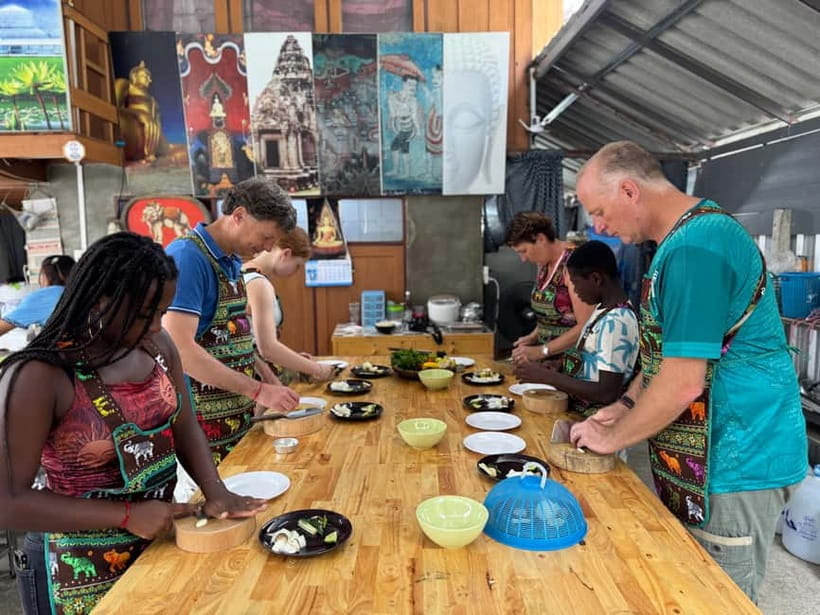
The activity has free cancellation up to 24 hours before the start time, and you can reserve now and pay later. Those terms help if your Chiang Mai schedule is still shifting.
Pickup is included, but wait at your hotel lobby 30 minutes before the class begins. Transport receives a very strong rating, so it should be a useful part of the package rather than an afterthought.
The group size is limited to 10, and instruction is in English. Check the available starting times when choosing between morning and evening, since the menu and pace are tied to the class schedule.
Should you book Chiang Mai Daddy’s Kitchen?
Book it if you want to cook several Thai dishes, learn what the ingredients look like at a local market, and leave with recipes you can use at home. The combination of a small group, individual wok stations, flexible menu choices, pickup, and a full meal is unusually strong for $25.
My main advice is simple: arrive hungry, wear something comfortable for cooking, and choose the evening session if you want the class to serve as dinner. If your ideal cooking lesson is quiet and highly private, this lively family-style format may not suit you. For most visitors who want an active, funny, and useful introduction to Thai food, it is an easy choice.
FAQ
How long does the Chiang Mai cooking class last?
The activity lasts 210 minutes, or three and a half hours. This includes hotel pickup and drop-off, the market visit, cooking instruction, and the meal.
Is hotel pickup included?
Yes. Hotel pickup and drop-off are included. You should wait in your hotel lobby 30 minutes before the class starts.
How many people are in each group?
The class is a small-group activity limited to 10 participants.
Is the cooking class taught in English?
Yes. The instructor language is English.
Do I get my own cooking station?
Yes. Each participant receives an individual cooking station, wok, and cooking utensils.
Can I choose which dishes to cook?
Yes. You can choose from several menu options, including soups, stir-fries, and curries. Couples can select different dishes from each other.
Is food included in the price?
Yes. Ingredients are included, and you eat the dishes you prepare. Mango sticky rice is also included as dessert.
Do I receive the recipes afterward?
Yes. A digital recipe e-book in PDF format is provided. Photos from the activities are also supplied.
Can beginners join the class?
Yes. The class is suitable for skilled cooks and people with no cooking experience. The instruction is hands-on and designed to guide you through each dish.
New cooking classes around Chiang Mai
- Chiang Mai: Local Northern Thai Cooking Class at Grandma’s★ 5.0 · 33 reviews
- Chiang Mai: Half Day Morning Cooking Class with Market Tour★ 4.9 · 10 reviews
- Chiang Mai: Half Day Cooking Class at Organic Farm★ 4.8 · 96 reviews
- Half-Day Cooking Class with Market Tour★ 5.0 · 163 reviews
- Half-Day Thai Cooking Class on a Local Farm Near Chiang Mai★ 4.9 · 32 reviews
- Full Day Thai Cooking Class in Organic Farm and Market★ 5.0 · 3 reviews
- Chiang Mai: Traditional Thai-Akha Cooking Class& Market Tour★ 5.0 · 25 reviews
- Chiang Mai : Traditional Northern Cooking Class★ 5.0 · 8 reviews
Chiang Mai Cooking Classes, side by side.
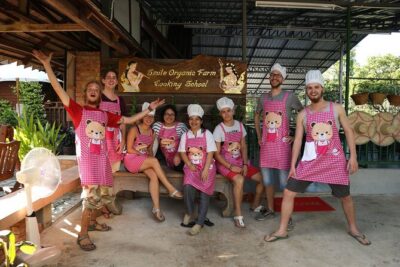
Half-Day Thai Cooking Class at Organic Farm in Chiang Mai
Read our review →
Chiang Mai: Cooking Class, Market & Thai Herbs Garden Tour
Read our review →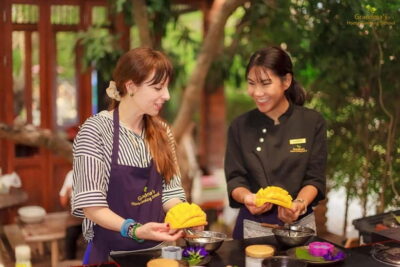
Chiang Mai: Authentic Cooking Class with Market & Farm Visit
Read our review →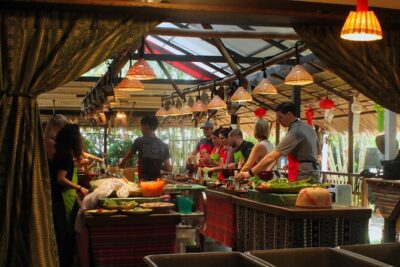

Chiang Mai: Cooking Class with Organic Farm at Mama Noi
Read our review →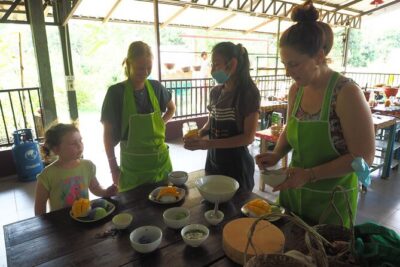
Chiang Mai: HALF-DAY COOKING COURSE at a Thai Cooking Farm
Read our review →