Review · VALENCIA
Valencian paella cooking class, tapas and visit to Ruzafa market.
The best part of this Valencia experience is that paella is not treated as a dish you simply watch someone prepare. You shop for ingredients at Ruzafa Market, make sangria, help with the cooking, and sit down to eat the finished paella with the group. Jose and Ana keep the class social and easygoing, with plenty of guidance along the way.
I like the market visit because it gives the meal a local setting instead of starting in a generic cooking studio. I also like the generous food and drink: tapas come first, followed by paella, salad, dessert, wine, sweet wine, and coffee. The main consideration is the pace. This is a three-and-a-half-hour food-and-drink outing, and the class can include up to 20 people, so it suits social cooks more than anyone seeking a quiet, private lesson.
Key points at a glance
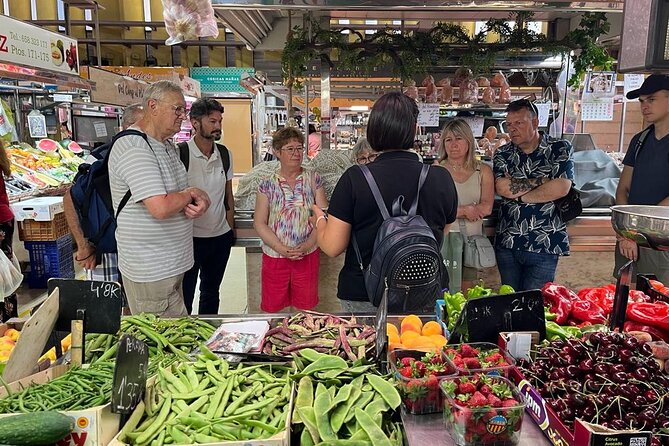
- Ruzafa Market comes first: You shop for fresh paella ingredients while learning about Valencian customs and the roots of the dish.
- The paella is hands-on: You help prepare a traditional chicken-and-rabbit paella rather than simply watching a chef cook.
- Sangria is part of the class: A sangria workshop follows the market visit, with drinks and tapas served before cooking begins.
- Jose and Ana set the tone: Expect clear instruction, humor, and a friendly group atmosphere.
- The meal is substantial: Tapas, paella, tomato salad, wine, fruit, Valencian cake, sweet wine, and coffee are included.
- The meeting point matters: Start at San Valero Parish, not at the cooking kitchen. The group walks about eight minutes to the kitchen afterward.
Why this paella class feels more local
Paella can be an awkward dish for visitors. Many restaurants serve a version of it, but you may never see how the dish fits into Valencian life. This class gives you the missing context before you pick up a spoon or taste a grain of rice.
You meet at the door of San Valero Parish in the L’Eixample area at 11:00 a.m. From there, the group walks together to Mercado de Ruzafa. The first stop is practical: you purchase the fresh products needed for the meal. It is also the point where the guides explain the origins of paella and customs connected with Valencian food.
That order makes sense. You see ingredients before they become lunch, and you get a short orientation to the neighborhood and the dish. The market visit is not a long sightseeing tour, so you should not book this expecting a full food-market lecture. It is a focused introduction tied to the cooking class.
The meeting point can cause confusion if you are not prepared. San Valero Parish is the starting location, while the kitchen is elsewhere. One visitor who arrived late missed the market portion but was still allowed to join the cooking session. You should not count on that flexibility, however. Arrive early enough to find the church and meet the group before it heads inside the market.
More Cooking Classes with a Market Tour in Spain
- Barcelona: Paella Cooking Experience & Boqueria Market Tour
★ 4.8 · 3,661 reviews - Barcelona Paella Cooking Class with Market Visit, Tapas & Sangria
★ 5.0 · 2,531 reviews - Paella Cooking Class, Wine Tasting & Central Market in Valencia
★ 5.0 · 1,150 reviews
Ruzafa Market and the ingredients behind paella
Mercado de Ruzafa gives the class a useful sense of place. Rather than handing you premeasured ingredients in a kitchen, the tour connects the meal to shopping and fresh produce. You learn which products are used and hear about the cultural role of paella as you move through the market.
The cooking focus is traditional Valencian paella with chicken and rabbit. That detail matters. Paella is not one single recipe, and the familiar seafood versions served in many places are not the only expression of the dish. Here, the class centers on the style associated with Valencia’s inland tradition.
You also learn that the paella pan is part of the social ritual. The finished pan becomes a shared meal, not just a plated dish. One useful part of the class is that everyone has a task. The jobs may seem small, such as managing the salt, but they help you understand how the dish comes together.
A playful warning: grinding saffron can be harder than it looks. If you volunteer for that task, you may get more of a workout than expected. These small jobs are exactly what makes the class feel participatory. You are not standing at the back while a chef does all the work.
The drawback is that market conditions and group size can affect how much time you have at each stall. With a maximum of 20 people, the group is manageable but not intimate in the way a private class for four would be. If you prefer personal attention at every step, ask yourself if a social class is the right format.
From the market to the sangria workshop
After the market, the group walks about eight minutes to the kitchen. This is a short, easy connection between the two parts of the experience, but wear comfortable shoes because the outing includes market walking, a neighborhood stroll, standing, and cooking.
At the kitchen, the sangria workshop begins. The guides show you how to prepare the drink, then the class moves into a relaxed round of tapas and refreshments. Sangria, beer, and water are available, and the food starts before the main cooking begins.
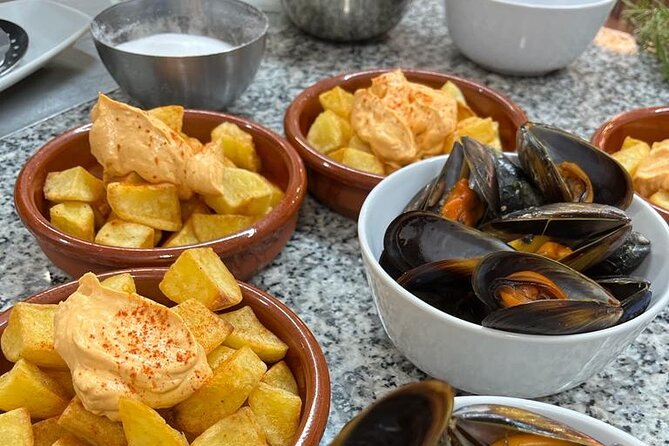
The opening spread includes:
- Patatas bravas with sojanesa
- Serrano ham
- Manchego cheese
- Steamed mussels
- Olives
This is not a token snack. The tapas are meant to be shared while the group gets acquainted and the cooking begins. If you want to arrive hungry for paella, take that seriously. The meal builds from tapas to the main course and then dessert, with wine and other drinks along the way.
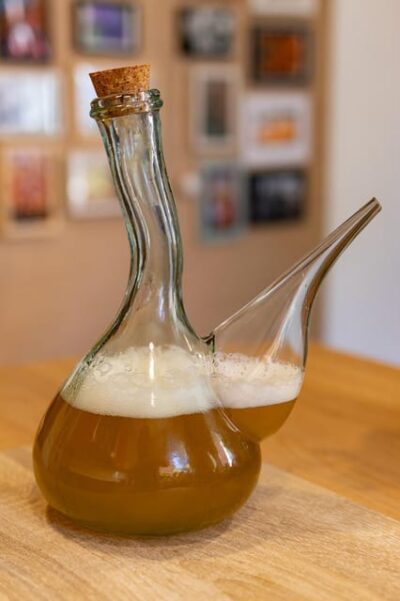
The alcohol can be a major part of the atmosphere. Sangria and wine help people from different countries start talking, and the hosts use humor to keep the room lively. If you drink, pace yourself. The class lasts several hours and includes sangria, beer, wine, and sweet wine. Water is also available, so use it.
Cooking Valencian paella with Jose and Ana
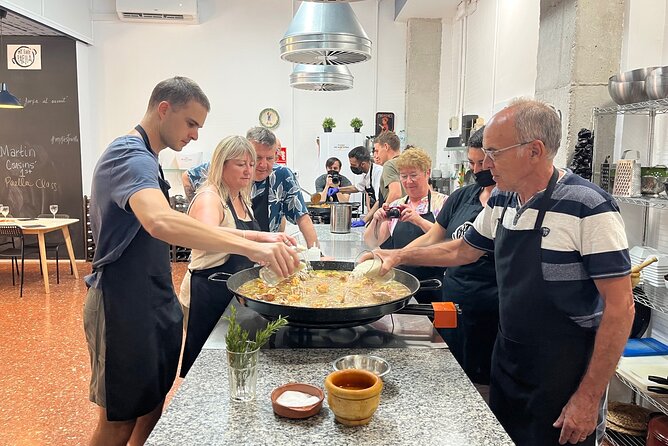
The chef then explains the paella process step by step. The important point is that this is a hands-on class. The instructors prepare some elements and keep the cooking organized, but you take part in the work. You may be asked to handle seasoning, saffron, or other steps that affect the final result.
Jose and Ana are repeatedly singled out for their energy, patience, and sense of humor. Their role is not only to demonstrate technique. They keep the whole group involved and help the class feel like a shared lunch with new acquaintances.
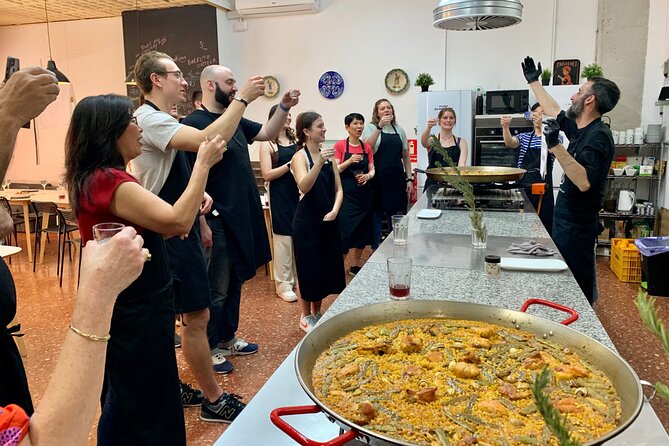
That social side is one of the strongest reasons to choose this experience. You cook in a group, compare your progress, laugh over the inevitable small mistakes, and eventually share the same finished paella. Solo visitors can fit in especially well because the format gives you a natural way to meet people. Couples and families also have enough structure to stay involved rather than splitting into separate conversations.
You should not expect a silent, technical cooking lesson. The atmosphere is casual, and the drink service is generous. If you want exact knife skills, restaurant-level instruction, or a private chef focused only on your own dish, this may feel too lively. If you want to learn the basic method while having lunch and meeting people, the format is a good match.
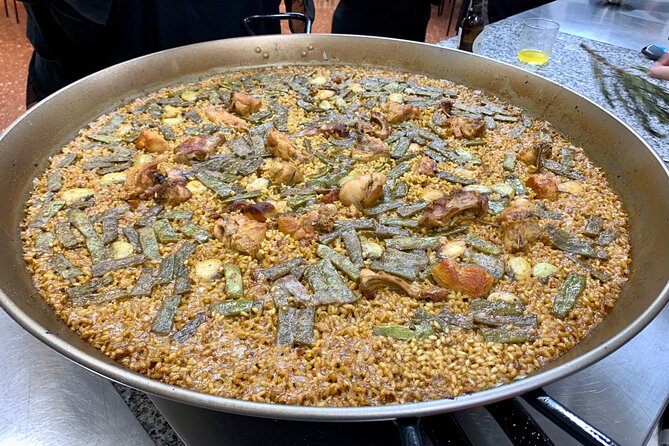
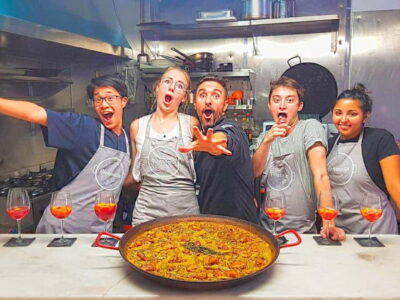
The finished paella is brought out for a group photo before the meal. That small pause is worthwhile. You get to see the result of the group’s work before it disappears onto plates.
More Spanish Cooking Classes around Spain:
- Barcelona Interactive Spanish Cooking Experience
★ 4.5 · 2,155 reviews - Spanish Cooking Class Paella Tapas and Sangria in Madrid
★ 5.0 · 1,340 reviews - Paella Cooking Class in Madrid with Bottomless Wine Pairing
★ 5.0 · 985 reviews - Seville: Spanish Cooking Class with Dinner
★ 4.9 · 900 reviews
What arrives at the table
The main course is Valencian paella with chicken and rabbit, served with a Valencian tomato salad. The salad provides a fresh break from the rice and meat, and it fits the meal better than a random side dish would.
The full menu includes:
- Tapas to begin
- Chicken-and-rabbit Valencian paella
- Valencian tomato salad
- Valencia wines
- Seasonal fruit
- Valencian sponge cake
- Sweet wine
- Coffee
The menu makes the $78.60 price easier to assess. You are paying for a market visit, a guided cultural introduction, a sangria workshop, a cooking lesson, a full lunch, drinks, and several hours of hosting. It is not cheap if you compare it with ordering paella at a neighborhood restaurant. It is reasonable if you value learning the process and having the meal built into the experience.
The food is also the practical payoff. You do not leave with only a recipe and a small taste. You eat a complete meal, and the dessert course gives the class a proper finish. The sweet wine and coffee add a distinctly local touch to the end of lunch.
Recipes are available on the company’s website, so you can try to repeat the dish at home. That makes the class more useful than a one-time demonstration. You take away a cooking method, not a souvenir that sits in a drawer.
The group atmosphere and the real pace of the day
The class lasts about three hours and 30 minutes, beginning at 11:00 a.m. and ending back at the meeting point. Since the market, walk, workshop, cooking, and meal all fit into that window, expect a steady program rather than long stretches of free time.
The maximum group size is 20. That is small enough for a hosted activity but large enough to create a party feel. The group may be multilingual, and the experience is offered in English. A multilingual guide may also operate the activity, so explanations can vary slightly depending on the day.
The class has a strong social rhythm. You begin as strangers at the church, walk together through the market, share tapas and sangria, and then work toward one meal. Food gives everyone an easy subject to talk about. The group format is part of the experience, not a minor detail.
Still, you should choose your seat and participation level with care. If you want to help, volunteer for a cooking task. If you prefer to watch, the instructors will still explain the process, but the best value comes from taking part. The class does not cook everything for you.
Children must be accompanied by an adult. Because the activity includes alcohol and several hours of cooking, families should consider the child’s age and interest before booking. The data provided does not specify a child price or a separate children’s menu.
Who should book this experience
I would recommend this class to anyone who wants a meal with a story attached to it. You get a better understanding of Valencian paella by visiting the market, hearing about local customs, and helping with the preparation.
It is particularly well suited to:
- Solo visitors who want an easy social activity
- Couples who enjoy cooking together
- Friends looking for a relaxed half-day outing
- First-time visitors who want a local food introduction
- Home cooks who would like a recipe they can repeat
It is less suitable for you if you dislike group activities, do not want alcohol around the meal, or want a very quiet and highly technical cooking lesson. The class is also not ideal for anyone with only a short gap in the schedule, since the full experience takes approximately three and a half hours and returns to the original meeting point.
Book ahead if your Valencia dates are fixed. The experience is often reserved about 33 days before the date, and the perfect class time may not remain open close to arrival.
Price, booking, and cancellation details
The cost is $78.60 per person. That price includes the market visit, sangria workshop, tapas, cooking instruction, paella, salad, wine, dessert, sweet wine, coffee, and the return to the meeting point. You should compare it with the cost of a restaurant meal plus a separate cooking lesson, not just with the price of a plate of paella.
Confirmation is provided when you book, and a mobile ticket is available. The experience requires a minimum number of participants. If the minimum is not reached and the activity is canceled, you are offered another date or experience, or a full refund.
Free cancellation is available up to 24 hours before the start time. If you cancel less than 24 hours ahead, the amount paid is not refunded, and changes made inside that window are not accepted. Cutoff times use Valencia’s local time.
Should you book My First Paella?
Yes, if you want a friendly, food-centered introduction to Valencia and you are happy to cook in a social group. The market stop, hands-on tasks, sangria workshop, and generous lunch give the $78.60 price solid value.
I especially like that the experience does not stop at a chef demonstration. You see the ingredients, hear about Valencian customs, help prepare the dish, and eat what the group has made. Jose and Ana add warmth and humor, but the class still teaches a real method you can try at home.
Skip it if you want a private lesson, a seafood-focused paella, or a short activity with little food and drink. For everyone else, arrive at San Valero Parish early, bring an appetite, pace yourself with the sangria, and be ready to take a small cooking job. The best souvenir here is a paella you can make again.
FAQ
Where does the paella class begin?
The meeting point is at the door of Parroquia de San Valero, Carrer del Pare Perera, 6, in Valencia’s L’Eixample area. The start time is 11:00 a.m.
Does the activity visit Ruzafa Market?
Yes. The group visits Mercado de Ruzafa first and buys the fresh products needed for the paella while learning about Valencian customs and the dish.
How long does the experience last?
The experience lasts approximately three hours and 30 minutes. It ends back at the original meeting point.
What kind of paella do you make?
The class prepares traditional Valencian paella with chicken and rabbit.
Are food and drinks included?
Yes. The experience includes tapas, sangria, beer, water, Valencian paella, tomato salad, Valencia wines, seasonal fruit, Valencian cake, sweet wine, and coffee.
Is the cooking hands-on?
Yes. The chef explains the preparation step by step, and participants take part in the cooking rather than only watching.
What is the cancellation policy?
You can cancel up to 24 hours before the start time for a full refund. Cancellations or changes made less than 24 hours before the experience are not accepted for a refund.
New cooking classes around Spain
- Seville: Paella-Cooking Experience with Sangria & Full Meal★ 4.9 · 42 reviews
- Seville: Paella Showcooking Experience★ 4.7 · 161 reviews
- Seville: Paella Cooking Class & 30-Min Local Expert Q&A★ 4.8 · 37 reviews
- San Sebastián: Market Tour, Cooking Class, & Meal★ 5.0 · 2 reviews
- San Sebastián: Market Tour and Basque Cooking Class English★ 5.0 · 5 reviews
- Barcelona: Paella Seafood Master Cooking Class with Sangria★ 5.0 · 73 reviews
- Pontevedra: Galician Cooking Class with Chef Instructor★ 4.9 · 3 reviews
- Mojo Workshop Cooking Class in Ancient Canarian Village★ 4.9 · 127 reviews
Valencia Cooking Classes, side by side.
Paella Cooking Class, Wine Tasting & Central Market in Valencia
Read our review →
Valencia: Paella Cooking Class with Central Market Tour
Read our review →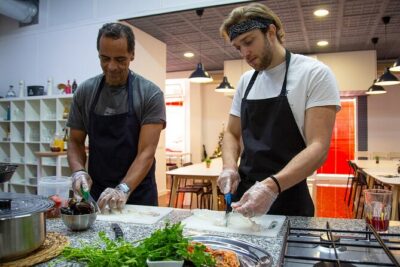
Seafood paella cooking class, tapas and visit to Ruzafa market.
Read our review →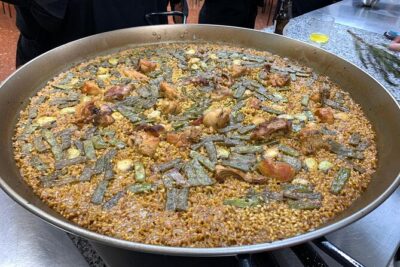
Valencian Paella Cooking Class, Tapas & Sangria – Evening
Read our review →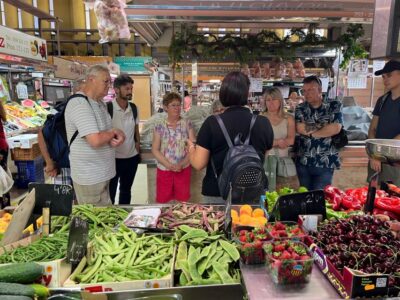
Real Paella Cooking Class – Market Visit & Sangría Workshop
Read our review →
Valencia: Traditional Paella Cooking Class and Dinner
Read our review →