Review · THAILAND
Koh Samui: Thai Cooking Class with Local Market Tour
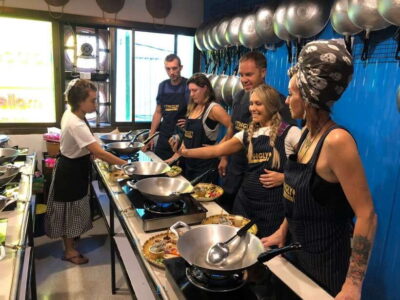
Thai food makes the most sense when you see the ingredients before they reach the wok. This three-hour Koh Samui cooking class starts at a local market, then moves to a home-based kitchen where you cook and eat your own meal under the direction of a Thai teacher such as Jun.
I like the small groups of up to six and the individual work areas. I also like the market stop, since you learn what Thai herbs, vegetables, and spices look like before trying to use them. The main consideration is the price: at $93 per person, this is not a bargain meal, but it includes transportation, ingredients, instruction, and a full hands-on activity.
Key points
- A local market comes first: Spend about 30 minutes seeing the ingredients used in Thai kitchens and learning what is grown on Koh Samui and what is brought in.
- You choose your menu: Pick three dishes from options including Tom Yum, green curry, Pad Thai, Som Tam, Pad Ka Pao, and banana in coconut milk.
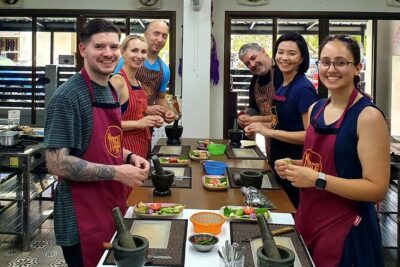
- Small, personal instruction: With no more than six participants and your own work area, you get close help rather than watching a large demonstration.
- A home-based setting: The cooking takes place in a covered garden kitchen beside the teacher’s home, with a chance to see plants grown for the household.
- A meal you actually cook: You eat the dishes while they are fresh, hot, and made with your own hands.
- Useful hotel pickup: Transfers cover Bophut, Choeng Mon, Chaweng, and Chaweng Noi, with some hilltop hotels requiring a nearby meeting point.
Starting with Koh Samui’s local market
The experience begins with hotel pickup and a short transfer to the cooking school or market area. Your exact pickup time is confirmed by email, so check your messages before the day and wait in your hotel lobby at least 10 minutes early.
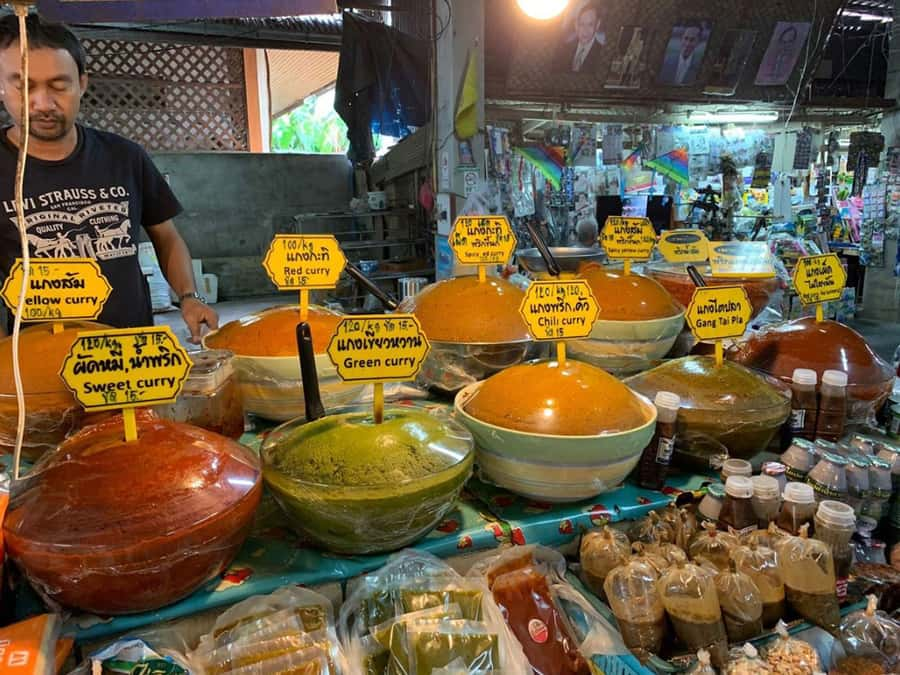
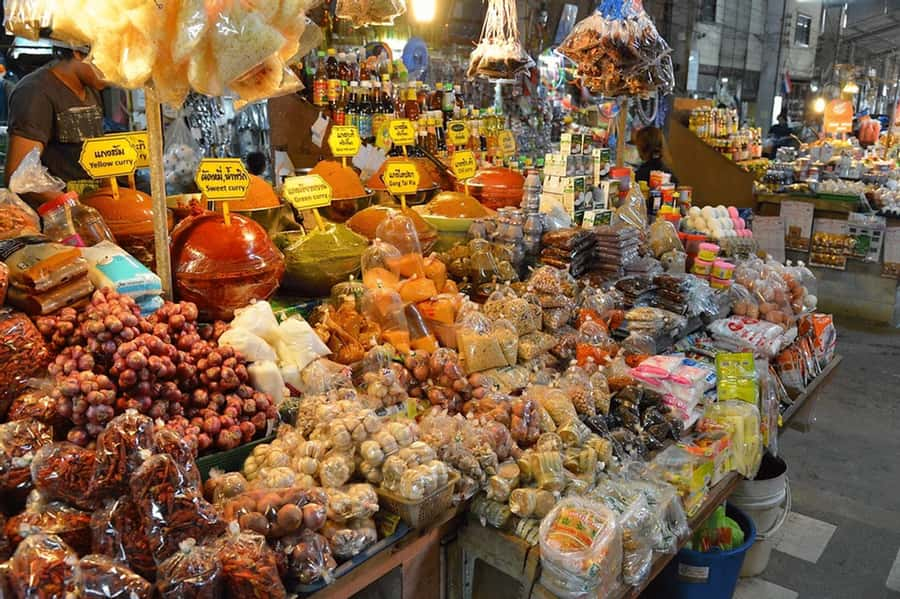
The first real activity is a roughly 30-minute walk through a local market. This is not just a quick shopping stop. Your teacher points out herbs, vegetables, spices, and other produce that will help shape the cooking session.
That context matters. Thai recipes often list ingredients that look unfamiliar when you see them in a supermarket abroad. At the market, you can connect the name with the actual plant, root, leaf, or spice. You also learn which foods are grown on Koh Samui and which need to be imported.
The market is likely to feel busy, warm, and full of strong smells. If you prefer a quiet, polished food tour, this may be more active than expected. For most people, though, the short visit adds a useful local angle that a hotel cooking demonstration cannot provide.
It also gives you a better sense of Thai food culture. You are not simply following a recipe written for tourists. You are looking at the raw materials that local cooks buy and use every day.
More Cooking Classes with a Market Tour in Thailand
- Chiang Mai: Cooking Class, Market & Thai Herbs Garden Tour
★ 4.9 · 4,824 reviews - Chiang Mai: Authentic Cooking Class with Market & Farm Visit
★ 4.9 · 4,546 reviews - Phuket Thai Cooking Class with Market Tour Option
★ 5.0 · 2,665 reviews
Choosing three dishes from a broad Thai menu
Before heading to the market, you choose three dishes to prepare. The menu covers most of the classics people hope to learn in Thailand:
- Spring rolls
- Tom Yum or Tom Kha
- Som Tam or glass noodle salad
- Green, Massaman, or Panang curry
- Pad Thai or Pad Kee Mao
- Fried rice or Pad Ka Pao
- Banana in coconut milk
This choice is one of the strongest parts of the class. You can focus on dishes you already love, or use the opportunity to try something new. A couple might choose Pad Thai, green curry, and banana in coconut milk. A family could spread its choices across noodles, soup, curry, salad, and dessert.
The menu also lets you compare different parts of Thai cooking. Tom Yum teaches you about hot, sour flavors. Coconut milk soups and curries show how creamy ingredients soften heat. Pad Kee Mao brings noodles and spice together, while Som Tam introduces the crisp, sharp flavors of green papaya salad.
There is a small point to clarify. The activity description also refers to preparing four authentic dishes and a dessert, while the menu instructions ask each person to choose three dishes. In practice, the group’s choices can create a larger shared meal, and the exact number of dishes you handle may depend on the group and the class format.
This is not a problem if you arrive ready to share. You are likely to see and taste more than the three items you personally choose, while still having your own part in the preparation.
Cooking in a covered garden kitchen
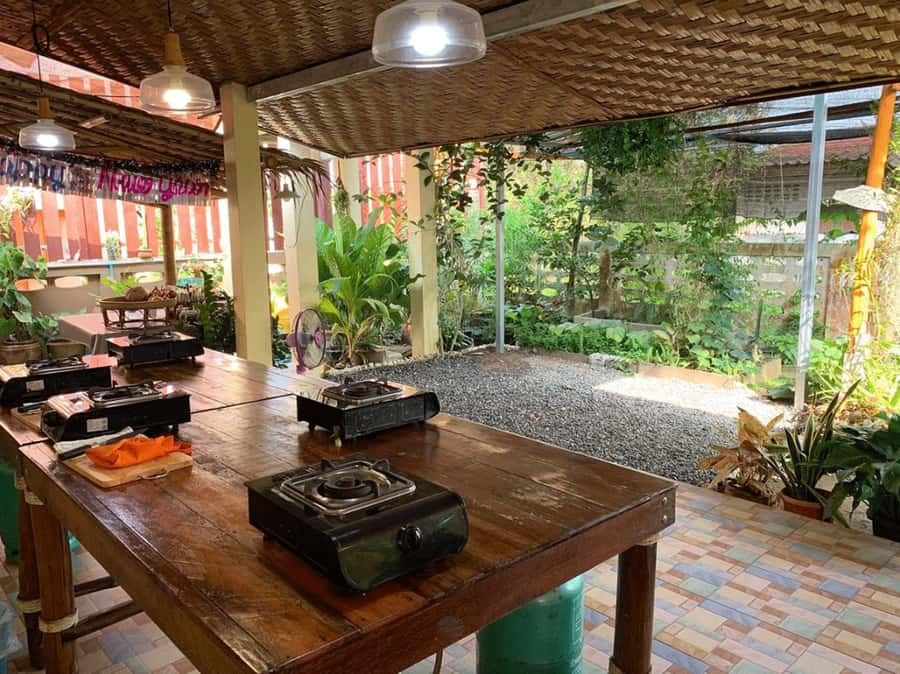
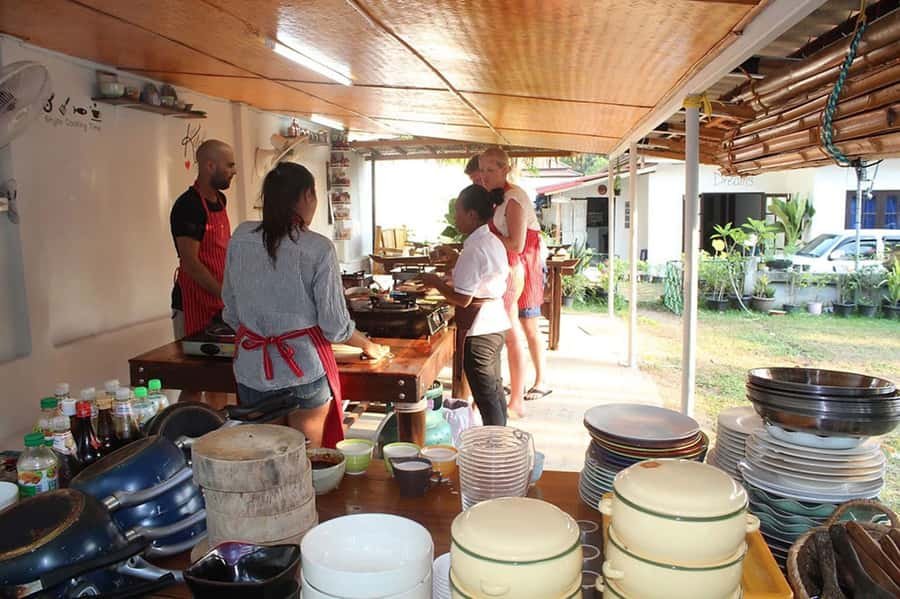
After the market, you return to the cooking school for about two hours of practical work. The kitchen is fully equipped, and each participant has an individual working space. The setting is a covered outdoor area by the teacher’s garden, rather than a hotel ballroom or a large commercial kitchen.
That home-based setting gives the class a more personal feel. You may see some of the ingredients growing nearby, and your teacher can explain how they fit into daily life on Koh Samui. The garden is not the main attraction, but it helps connect the recipes with a real household.
Your teacher leads the class in English and explains the theory before the practical work. That order is useful. You learn what each ingredient does before chopping, mixing, pounding, or stirring it into a finished dish.
Teachers such as Jun are praised for giving clear directions and managing several dishes at once. This matters when one participant is making curry, another is working on noodles, and someone else is preparing a salad. A larger class could turn that into a confusing production line. With a maximum of six people, the pace remains manageable.
The class is also suitable for people who do not cook often. You are not expected to arrive with professional knife skills or a deep knowledge of Thai food. The teacher explains the steps, flavor combinations, and cooking methods as you go.
Learning the flavor balance, not just the recipe
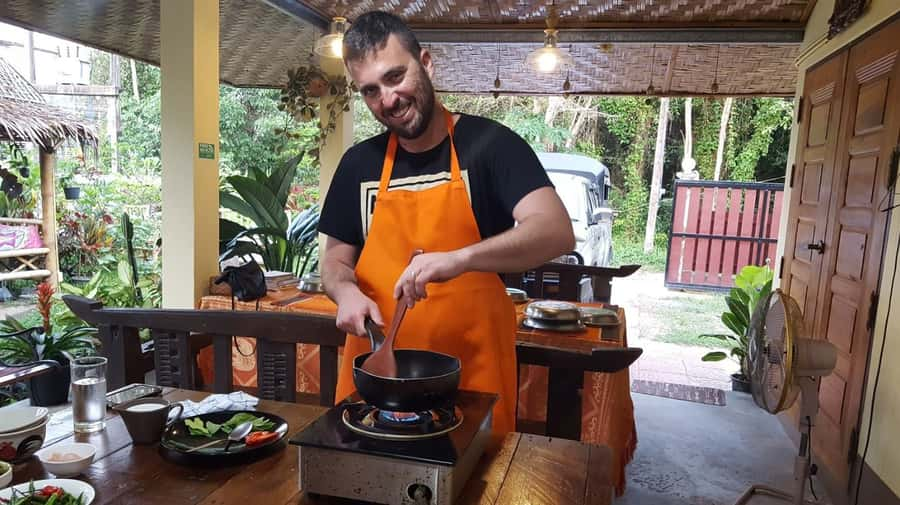
A useful Thai cooking class should teach more than a list of ingredients. The real lesson is balance: hot, sour, salty, sweet, and creamy flavors working together.
The instructor explains the herbs, spices, and vegetables used in the dishes. You also learn practical ways to recreate the food at home. The guidance includes tips about the ingredients and the reasons behind the cooking process, rather than simply telling you to copy each movement.
For example, a curry lesson is valuable because you learn how the paste, coconut milk, and other ingredients work together. A soup lesson helps you understand how sharp sourness and heat are softened into a more rounded bowl. A noodle or stir-fry lesson teaches timing, since ingredients need to meet the heat in the right order.
The dishes are prepared in stages, with the teacher helping participants work at the same time. You may not spend the entire session making one dish from start to finish. Instead, the class builds a shared meal while you complete your own selected recipes.
That approach suits a group with different interests. It also means you should pay attention when another person is making something you did not choose. You may get a useful technique, taste a new dish, or discover a recipe you want to try later.
Food hygiene is another practical strength. The class explains the process clearly and uses an organized cooking setup. If you are cautious about food preparation in a home environment, the covered kitchen and structured instruction should make the experience feel comfortable.
More Thai Cooking Classes around Thailand:
- Half-Day Thai Cooking Class at Organic Farm in Chiang Mai
★ 5.0 · 19,087 reviews - Thai and Akha Cooking Class in Chiang Mai
★ 5.0 · 4,358 reviews - Bangkok: Hands-on Thai Cooking Class and Market Tour
★ 4.9 · 1,614 reviews - Bangkok: Tingly Thai Cooking School Half-Day Cooking Class
★ 4.9 · 1,191 reviews
Eating the food you have prepared
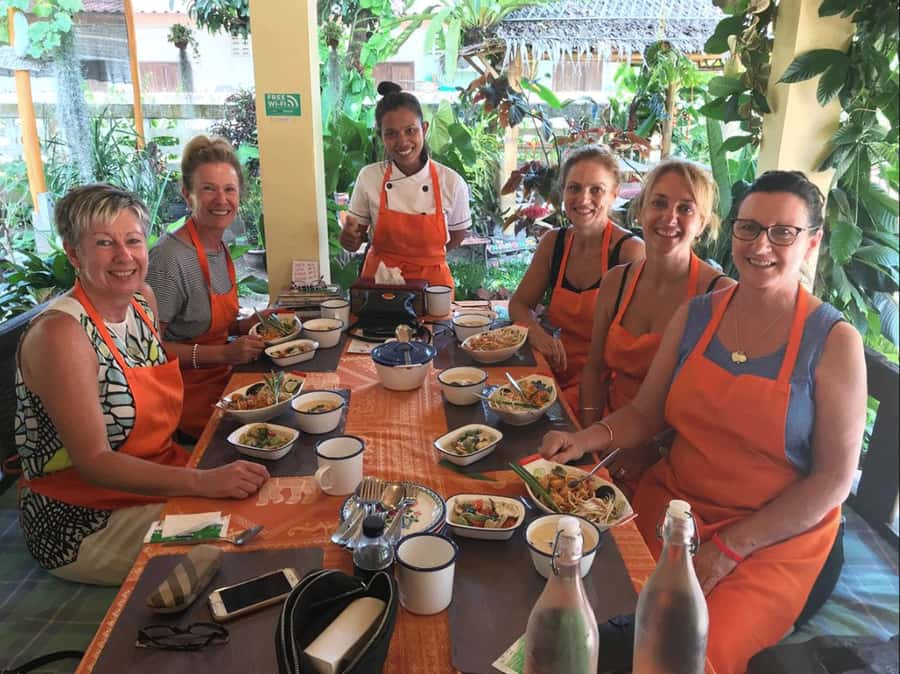
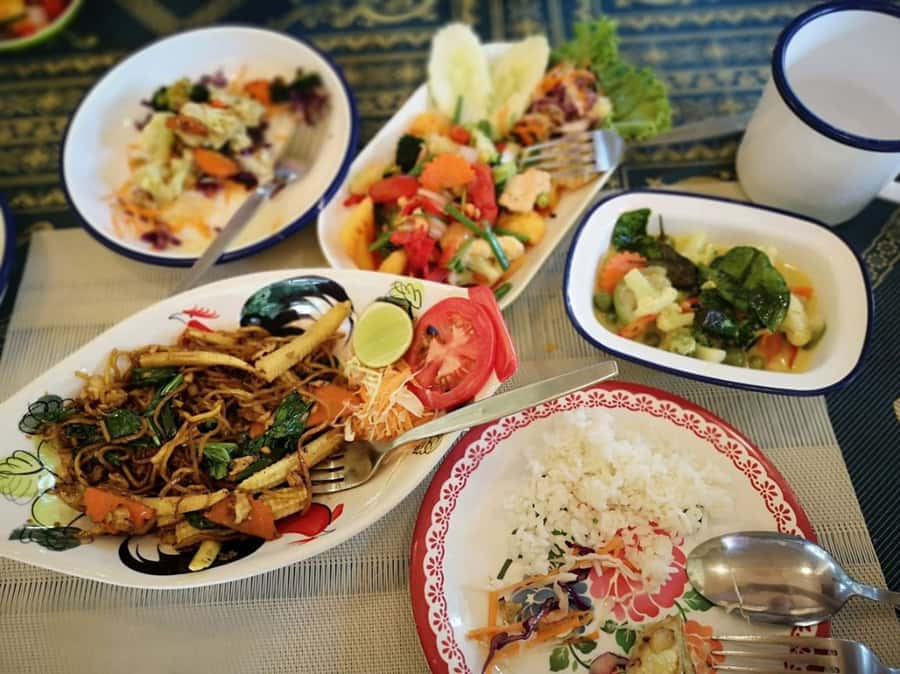
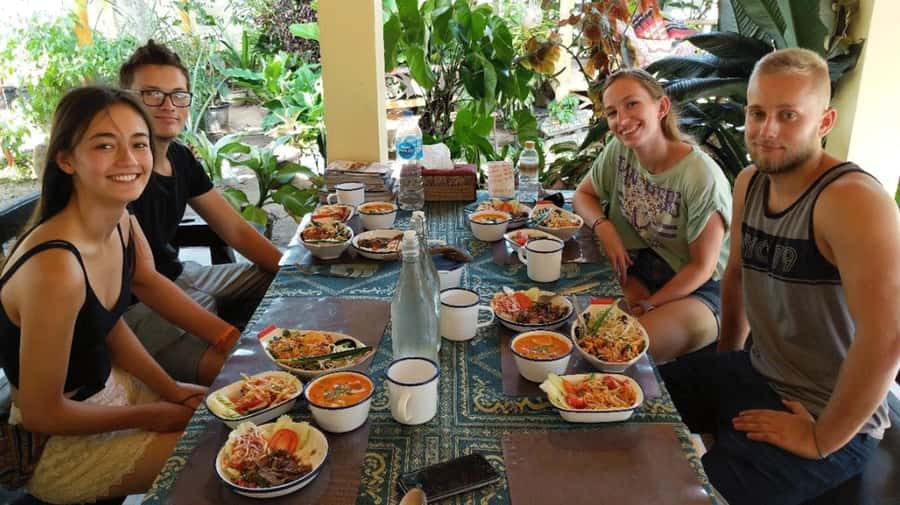
The reward comes at the table. Once the cooking is finished, you eat the meal while it is fresh and warm.
This is more satisfying than a standard restaurant lunch because you know how the food came together. You have selected the dishes, handled the ingredients, and followed the steps. Even a familiar favorite such as Pad Thai tastes different when you have made it yourself.
The shared meal also gives you a chance to sample the group’s choices. One person may select Massaman curry while another chooses Tom Kha. A family of five can create a broad selection, and the group format encourages everyone to try more than one recipe.
Portions and the precise serving style are not specified, so I would book this for the lesson and meal together, rather than expecting a substitute for a long restaurant feast. The main value is participation, not simply the quantity of food.
The dessert option, banana in coconut milk, provides a simple finish after the stronger flavors of curry, soup, or stir-fried noodles. It is also a practical recipe to take home because the ingredients and method are easier to reproduce than some of the more specialized savory dishes.
What the $93 price includes
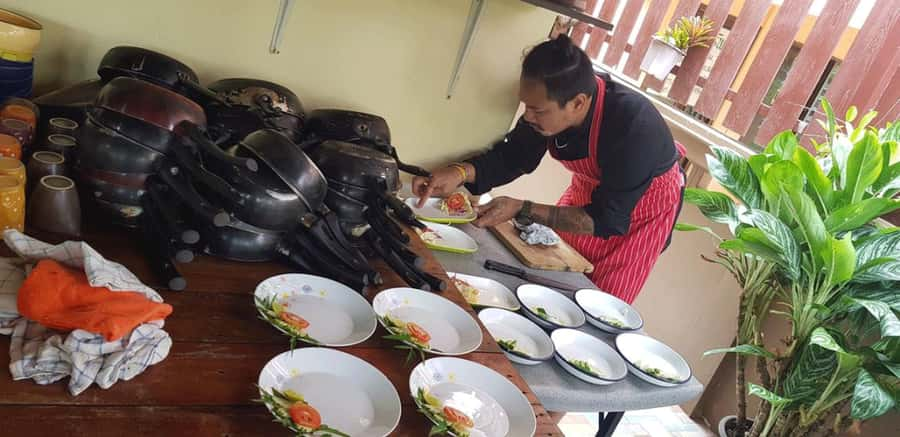
At $93 per person, the class sits above the cost of an ordinary meal in Koh Samui. You are paying for a complete activity rather than just lunch.
The price includes:
- Hotel pickup and return in the listed areas
- A local market visit
- A certified Thai teacher
- Ingredients
- Cooking equipment
- An individual work area
- A small class capped at six participants
- The food you prepare
The transfer adds real value, especially if you are staying in Chaweng, Chaweng Noi, Choeng Mon, or Bophut. You do not need to arrange separate transport to the market or cooking school.
The small group is the other major reason the price can make sense. In a large class, you may spend much of the time watching someone else chop or stir. Here, you have a better chance of receiving direct help and asking questions about the dishes you choose.
I would see this as good value for someone who wants both a cultural activity and a practical skill. It is less attractive if your main goal is the cheapest possible lunch, or if you would rather spend three hours on the beach.
Who should book this class
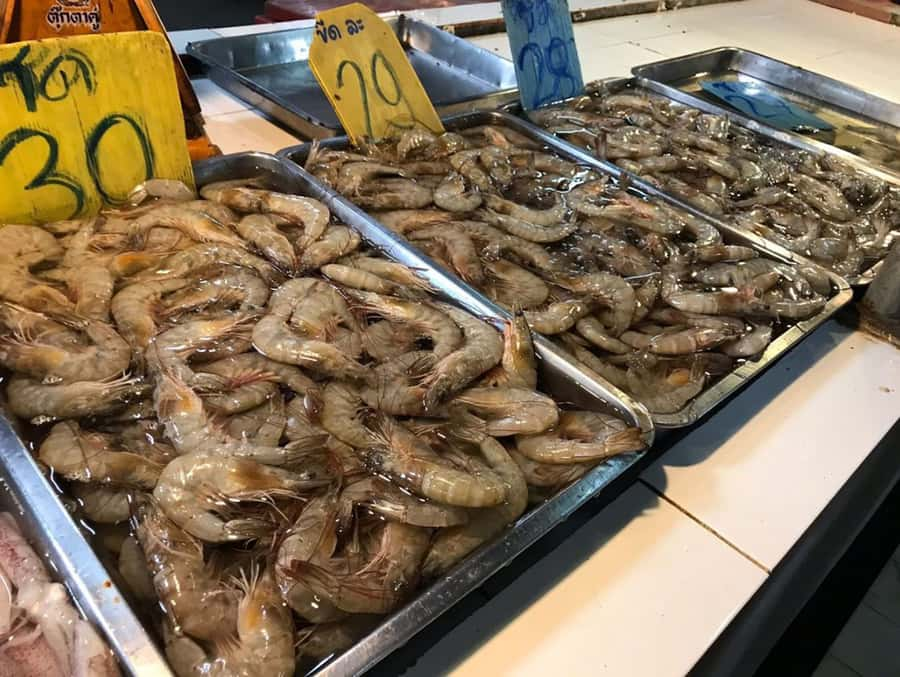
This suits couples who want an activity beyond sightseeing, families looking for something everyone can take part in, and solo visitors who enjoy meeting a small group while learning a useful skill.
It is especially good for food lovers who want to understand Thai ingredients instead of simply ordering from a menu. Beginners should feel comfortable, since the teacher explains the process step by step.
Families should note that the cooking involves heat, knives, and active preparation. The class welcomes families, but children will need normal adult supervision during the practical work.
The experience is also a good choice near the beginning of your Koh Samui stay. After learning about herbs, sauces, soups, and curries, you may recognize more of what you see on restaurant menus for the rest of your holiday.
You should think twice if you dislike shared meals, outdoor-style kitchens, or market visits. The setting is intentionally personal and local, not a polished resort kitchen. That is the attraction for some people and the limitation for others.
Pickup details that can affect your morning
Free pickup is available from hotels in Bophut, Choeng Mon, Chaweng, and Chaweng Noi when they are near the main road. If your hotel is on a hill, you need to go to a nearby hotel or meeting point.
The operator confirms the exact time by email. Check that message carefully and be in the lobby at least 10 minutes before pickup. Arriving more than 10 minutes late can mean missing the transfer after the local partner has left.
The activity lasts three hours, but allow extra time around it for pickup and return. The included transfer is convenient, though the precise travel time will depend on where you stay and the day’s road conditions.
Is this Koh Samui cooking class worth booking?
Book it if you want a hands-on Thai food lesson with a real local market, a small group, and a home-style kitchen. The strongest features are the personal teaching, the choice of three dishes, and the chance to see ingredients in their everyday setting before cooking with them.
At $93, it is best viewed as a combined food tour, cultural visit, cooking lesson, and meal. It is not the right pick for a quick budget lunch, but it offers much more than a demonstration. If you want to return home able to make Thai dishes and understand the ingredients behind them, this is a strong choice.
FAQ
How long does the Koh Samui cooking class last?
The activity lasts three hours. This includes about 30 minutes at a local market and roughly two hours of cooking.
How many people are in the class?
The class is limited to six participants, with individual working spaces for a more personal lesson.
Which dishes can I choose?
Options include spring rolls, Tom Yum, Tom Kha, Som Tam, glass noodle salad, green curry, Massaman curry, Panang curry, Pad Thai, Pad Kee Mao, fried rice, Pad Ka Pao, and banana in coconut milk.
How many dishes do I prepare?
You choose three dishes before the market visit. The class description also refers to preparing four authentic dishes and a dessert, so the total shared menu can vary according to the group’s choices.
Is hotel pickup included?
Yes. Free pickup and return are included from hotels in Bophut, Choeng Mon, Chaweng, and Chaweng Noi near the main road.
What if my hotel is on a hill?
If you are staying on a hill, you need to go to a nearby hotel or meeting point for pickup.
What language is the class taught in?
The live tour guide and cooking instruction are in English.
Is the market visit included?
Yes. The class includes a guided visit of about 30 minutes to a local market before the cooking session.
Can I cancel the booking?
You can cancel up to 24 hours in advance for a full refund. You can also reserve now and pay later, subject to the booking terms.
New cooking classes around Thailand
- Sathon: Hands-on Thai Cooking Class & Market Tour in Bangkok★ 5.0 · 19 reviews
- Railay: Hands-On Thai Cooking Class at Railay Beach★ 4.9 · 30 reviews
- Phuket: Thai Cooking Class with Market Tour★ 5.0 · 2 reviews
- Phuket: Pum Thai Cooking School with Meal★ 5.0 · 3 reviews
- Phuket: Rawai Thai Cooking Class with Local Chef★ 4.8 · 23 reviews
- Phuket foodie tour+ Thai cooking class + Local food tasting★ 5.0 · 4 reviews
- Phuket: Half Day Thai Cooking Experience with Market Tour★ 5.0 · 11 reviews
- Phuket: Authentic Thai Cooking Class★ 4.8 · 145 reviews
Thailand Cooking Classes, side by side.
Half-Day Thai Cooking Class at Organic Farm in Chiang Mai
Read our review →
Chiang Mai: Cooking Class, Market & Thai Herbs Garden Tour
Read our review →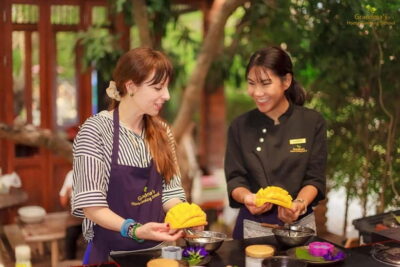
Chiang Mai: Authentic Cooking Class with Market & Farm Visit
Read our review →
Phuket Thai Cooking Class with Market Tour Option
Read our review →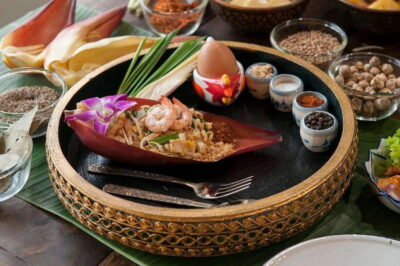
Bangkok: Hands-on Thai Cooking Class and Market Tour
Read our review →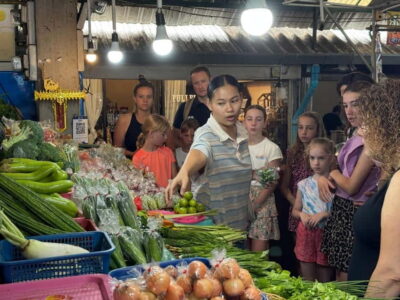
Chiang Mai: Cooking Class with Market and Pickup
Read our review →