Review · SPAIN
Málaga: Paella and Sangria Cooking Class with Market Visit
Málaga’s best cooking classes do more than hand you a recipe. This one starts with Atarazanas Market, where you see and sample the ingredients that give Andalusian cooking its character, then moves into a polished kitchen for paella, gazpacho, and churros. Anaïs adds local food and city context during the market visit.
I like the hands-on format and the useful technique behind the paella, especially if you want to repeat the dish at home. I also like the extras: olive oil tasting, sangria, wine or beer, churros, a take-home apron, and recipes sent the next day.
The main consideration is timing. Sunday and evening sessions do not include the market visit because Atarazanas is closed, so book a weekday or Saturday morning if the market matters to you. At $94, this is a fairly full half-day, but it may feel costly if you mainly want a meal rather than a cooking lesson.
Key points at a glance
- Atarazanas Market comes first on weekday and Saturday mornings: You sample regional food and learn about Málaga’s ingredients before cooking.
- The paella lesson is practical: You learn the method, not just the ingredient list, including how to make a version worth repeating at home.
- The Soho kitchen is clean and contemporary: Sunday and evening groups go straight there instead of visiting the market.
- Your meal includes more than paella: You prepare gazpacho and sangria, then finish with churros and wine or beer.
- Food restrictions can be discussed: The cooking team has accommodated intolerances, but you should provide details when booking.
- You leave with useful souvenirs: The Kulinarea apron comes home with you, and recipes arrive the following day.
From Málaga’s market to the Kulinarea kitchen
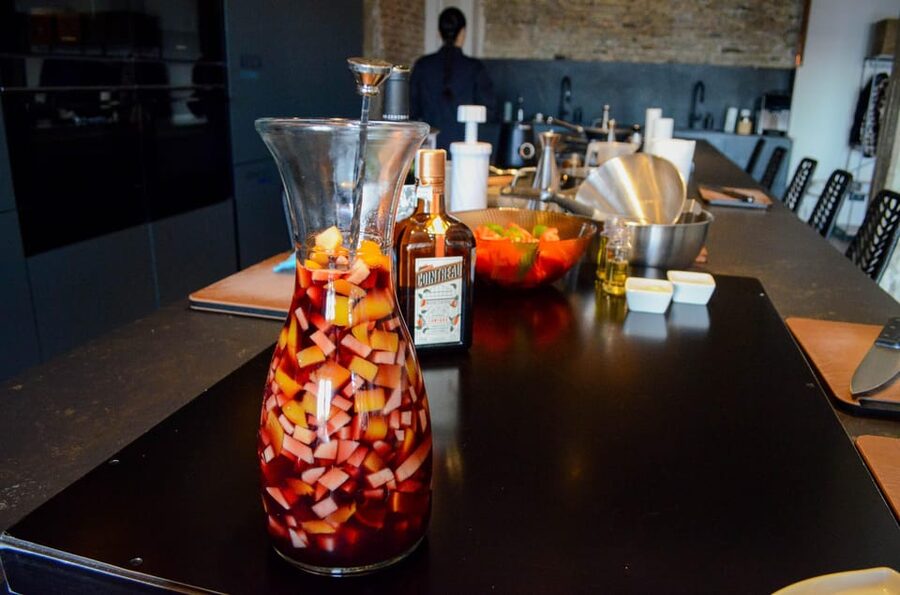
The experience takes place in Málaga’s central area, beginning at Kulinarea, Av Manuel Agustín Heredia 24. The kitchen is in the Soho District, close to Atarazanas Market, so the morning schedule makes good use of both locations rather than wasting time on transport.
On weekday and Saturday mornings, you walk to the market with the guide. This is an important part of the class because paella makes more sense when you see the raw materials first. You can look at the seafood, produce, olive products, and other regional foods before sitting down to cook.
Anaïs leads the market portion and adds facts about Málaga and Spanish food. That extra layer helps you understand what you are buying and eating, rather than treating the market as a quick photo stop. You also get to sample regional delicacies, which makes the visit more than a sightseeing stroll.
Atarazanas is a working food market, not a staged culinary set. The appeal is its direct connection to everyday cooking in Málaga. You see where the ingredients begin, then handle them later in the kitchen. That simple sequence gives the class a clear shape.
There is one scheduling detail worth taking seriously. The market is closed on Sundays and during evening sessions. Those departures head straight to the kitchen, so you still receive the cooking experience and tastings, but you lose the market portion. If you are comparing times, the weekday or Saturday morning option gives you the fullest version of the program.
More Cooking Classes with a Market Tour in Spain
- Barcelona: Paella Cooking Experience & Boqueria Market Tour
★ 4.8 · 3,661 reviews - Barcelona Paella Cooking Class with Market Visit, Tapas & Sangria
★ 5.0 · 2,531 reviews - Paella Cooking Class, Wine Tasting & Central Market in Valencia
★ 5.0 · 1,150 reviews
The olive oil tasting sets the tone
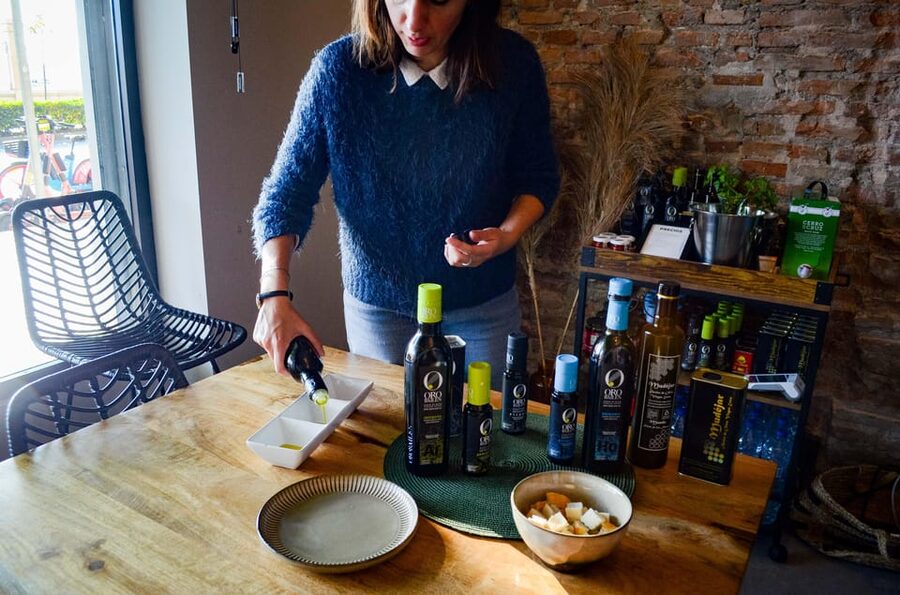
Before you put on your apron, the class begins with extra virgin olive oil tasting and traditional nibbles. This is a smart opening because olive oil is not just a cooking fat in Spain. Its flavor affects bread, salads, sauces, and many simple dishes where there are few ingredients to hide behind.
You taste the oil and pay attention to its small differences. The point is not to turn you into a professional taster. It is to help you notice freshness, fruitiness, and the way local olive varieties can change a dish.
This section also gives the group an easy way to meet one another before the cooking starts. The class attracts people from different countries, and the shared tasting creates conversation without forcing a formal introduction round.
I would especially value this part if you cook at home. A bottle labeled extra virgin olive oil can vary widely in flavor, and tasting before cooking is a useful habit. You begin to understand why a good oil can carry a simple salad or finish a warm dish.
Cooking paella with a method you can repeat
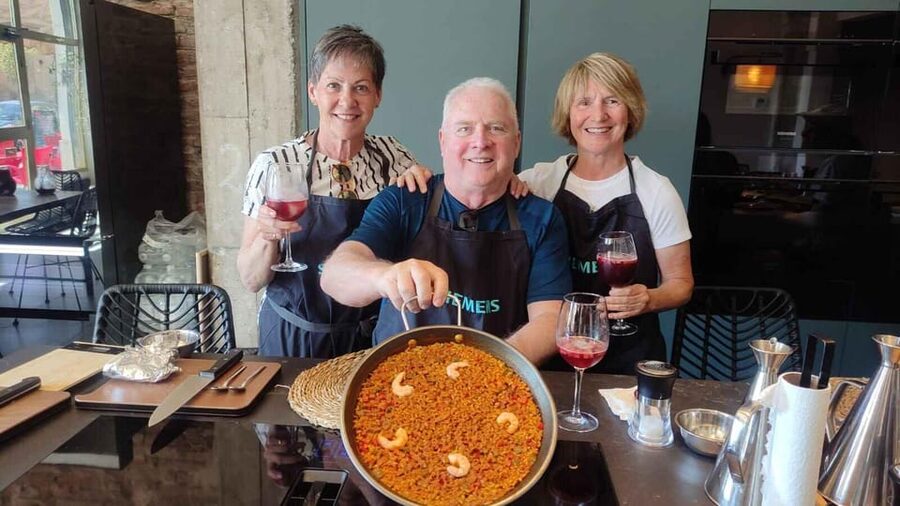
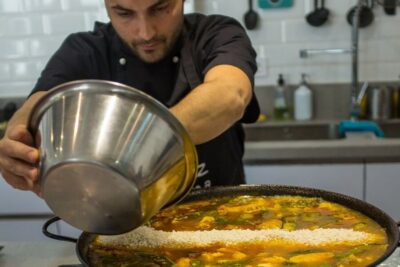
The centerpiece is the paella lesson. You work under the chef’s direction, blending fresh ingredients and traditional spices while learning how the dish comes together. This is not a demonstration where you sit back and watch someone else handle the pan. The class is designed as a hands-on session.
The most useful part is the technique. Paella looks simple from a distance, but the result depends on decisions about ingredients, seasoning, rice, and timing. The instruction focuses on getting the method right, which is more useful than leaving with a recipe that does not explain why the steps matter.
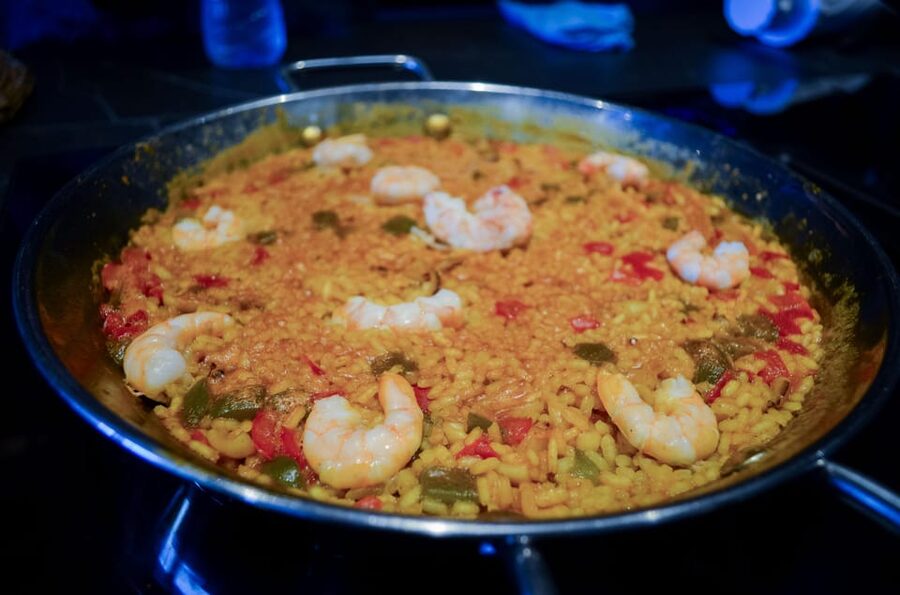
One particularly practical approach is to keep the final dish from becoming too heavy. A seafood-focused version with shrimp and cuttlefish can be easier to repeat at home than a paella packed with several strong proteins. If you want a dish you will cook again, pay close attention to the balance of seafood, rice, stock, and seasoning instead of adding every possible ingredient.
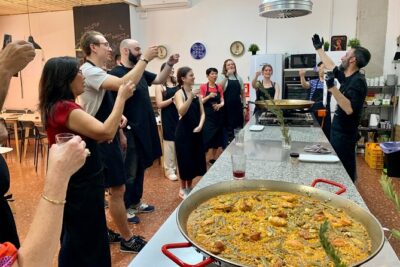
The class also prepares you for the social side of paella. You cook together, share the work, and then eat the result at the same table. The food is the goal, but the process is what makes this different from simply ordering paella at a restaurant.
The class is conducted in English. The cooking team provides guidance as you work and helps when needed. That matters for beginners, since paella can become confusing if you are trying to follow a recipe while also managing heat, ingredients, and timing.
Gazpacho, sangria, and the meal around the paella
Paella gets the headline, but the other dishes make the meal feel complete. You also prepare homemade gazpacho, a cool vegetable soup that suits Málaga’s warm climate and provides a fresh contrast to the hot rice dish.
Gazpacho is a good teaching choice because it shows how Spanish cooking can depend on quality produce, olive oil, and careful seasoning rather than a long list of ingredients. It also gives you a second recipe to take home, one that is generally quicker to prepare than paella.
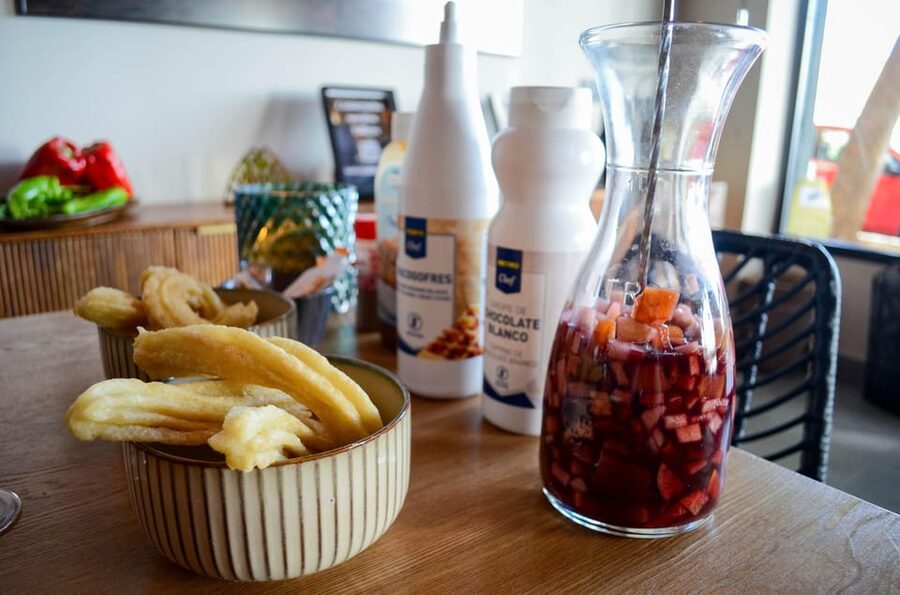
Sangria is made during the class and served as part of the experience. You also receive regional wine or beer with the meal. These drinks are not separate add-ons, so the $94 price includes the full food and drink sequence rather than only the lesson itself.
Churros finish the meal. Ending with something sweet keeps the class from feeling like a single-dish workshop. You prepare and eat a complete Spanish-style lunch, with a cold starter, a main course, drinks, and dessert.
That menu also makes the class a better fit for people with different appetites. If one person in your group is excited about paella and another is more interested in Spanish drinks, olive oil, or sweets, there is enough variety to keep the whole session engaging.
More Spanish Cooking Classes around Spain:
- Barcelona Interactive Spanish Cooking Experience
★ 4.5 · 2,155 reviews - Spanish Cooking Class Paella Tapas and Sangria in Madrid
★ 5.0 · 1,340 reviews - Paella Cooking Class in Madrid with Bottomless Wine Pairing
★ 5.0 · 985 reviews - Seville: Spanish Cooking Class with Dinner
★ 4.9 · 900 reviews
A polished Soho kitchen and a manageable pace
The cooking takes place in a spacious, contemporary kitchen in Málaga’s Soho District. The facilities are described as clean and well kept, which matters when several people are chopping, stirring, tasting, and moving around at once.
The total duration is 3.5 hours. That gives enough time for the market on eligible mornings, the olive oil tasting, cooking, the meal, and conversation without turning the activity into a rushed demonstration. You should plan it as a major half-day outing, not as a quick stop between sightseeing plans.
The class has a social design. You work alongside people from several countries, share food, and have time to talk with the cooking team and the group. That can be a strength for couples and solo bookers who want a shared activity in Málaga.
It can also be a consideration if you prefer a quiet, private lesson. This is a group experience, and the appeal comes partly from cooking together. The available information does not promise a private class, so book it for the communal setting rather than expecting one-on-one instruction.
You receive a Kulinarea apron to take home. It is a small but useful souvenir, especially if you plan to repeat the recipes. The recipes are sent the following day, which is better than trying to copy everything while cooking and eating.
What $94 buys you in Málaga
At $94 per person, the price sits above a simple market walk or a casual lunch. The value comes from the combination of activities packed into the 3.5 hours.
Your fee covers:
- The market visit on weekday and Saturday mornings
- Regional food samples
- Extra virgin olive oil tasting
- Hands-on paella preparation
- Homemade gazpacho
- Sangria
- Wine or beer with the meal
- Churros
- A Kulinarea apron
- Recipes sent the following day
If you priced these as separate stops, the total would quickly add up. More important, you would lose the link between shopping, tasting, cooking, and eating. The class gives you a guided introduction to Spanish food culture, then lets you practice it.
Still, the price is not automatically good value for everyone. If you dislike group cooking, do not drink alcohol, or mainly want to eat paella without making it, a restaurant meal will cost less and take less time. I would pay the $94 when the technique, market access, and complete meal matter to you.
The inclusion of wine or beer, sangria, and churros helps justify the cost for people who want a full social food experience. The apron and recipes add longer-term value, since you can bring the class back into your own kitchen.
Who should book this class
I would recommend it to first-time visitors who want a food activity tied to Málaga rather than a generic cooking workshop. The market visit connects the class to the city, and Anaïs’s explanations add local context before the knives and pans come out.
It is also well suited to couples, families with older children, and small groups of friends. The cooking is active, but the meal and tastings provide plenty of relaxed time. People who like learning by doing will get more from this than those who prefer to watch a chef work.
Home cooks should pay attention to the paella technique. The goal is not only to enjoy lunch that day. You receive instructions that can help you produce a more reliable dish later, especially if you keep the recipe manageable and focus on seafood, rice, and seasoning.
The class may be less suitable for anyone carrying a lot of luggage. Large bags are not allowed, so leave suitcases and bulky belongings at your accommodation or make another plan before arriving.
Food intolerances should be raised ahead of time. The cooking team has taken dietary needs into account, but the provided details do not promise that every restriction can be handled. Give clear information when you reserve rather than waiting until the apron goes on.
Timing, location, and practical planning
Meet at Kulinarea, Av Manuel Agustín Heredia 24. An underground car park called Parking de La Marina is directly in front of the meeting point, which is useful if you are arriving by car.
The language is English. Starting times vary, so check the available schedule before booking. Remember the market rule: weekday and Saturday mornings include the walk to Atarazanas, while Sundays and evenings go directly to the kitchen.
Wear something comfortable for a cooking session and avoid bringing large bags. The class includes food preparation and a meal, so you should not need to carry extra supplies.
The booking terms are flexible. You can cancel up to 24 hours in advance for a full refund, and you can reserve now and pay later. Those options help if your Málaga schedule is still changing.
Should you book the Málaga paella class?
Book it if you want more than a plate of paella. The market, olive oil tasting, cooking instruction, shared meal, drinks, churros, apron, and recipes create a substantial half-day experience. The strongest reason to choose it is the practical paella method, especially if you want to cook the dish at home.
Choose a weekday or Saturday morning if the market is important to you. Pick an evening or Sunday session only if you are happy to skip that part and go straight to the Soho kitchen.
At $94, this is best for people who value instruction and a complete food experience. If that sounds like you, the combination is unusually generous. If you only want a quick meal, spend less at a restaurant and save your time for Málaga’s other sights.
FAQ
How long does the Málaga paella cooking class last?
The experience lasts 3.5 hours.
How much does the cooking class cost?
The listed price is $94 per person.
Is the market visit included in every session?
No. The market visit is offered on weekday and Saturday mornings. Sunday and evening sessions go directly to the kitchen because the market is closed.
Where is the meeting point?
Meet at Kulinarea, Av Manuel Agustín Heredia 24, in Málaga’s Soho District.
What food and drinks are included?
The class includes olive oil tasting, sangria, gazpacho, paella, wine or beer with the meal, and churros.
Is the cooking class taught in English?
Yes. The listed tour language is English.
Do I receive anything to take home?
Yes. You receive a Kulinarea apron, and the recipes are sent the following day.
Can I cancel or pay later?
You can cancel up to 24 hours in advance for a full refund. You can also reserve now and pay later.
New cooking classes around Spain
- Seville: Paella-Cooking Experience with Sangria & Full Meal★ 4.9 · 42 reviews
- Seville: Paella Showcooking Experience★ 4.7 · 161 reviews
- Seville: Paella Cooking Class & 30-Min Local Expert Q&A★ 4.8 · 37 reviews
- San Sebastián: Market Tour, Cooking Class, & Meal★ 5.0 · 2 reviews
- San Sebastián: Market Tour and Basque Cooking Class English★ 5.0 · 5 reviews
- Barcelona: Paella Seafood Master Cooking Class with Sangria★ 5.0 · 73 reviews
- Pontevedra: Galician Cooking Class with Chef Instructor★ 4.9 · 3 reviews
- Mojo Workshop Cooking Class in Ancient Canarian Village★ 4.9 · 127 reviews
Spain Cooking Classes, side by side.
Barcelona: Paella Cooking Experience & Boqueria Market Tour
Read our review →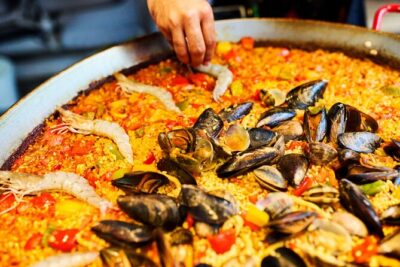
Barcelona Paella Cooking Class with Market Visit, Tapas & Sangria
Read our review →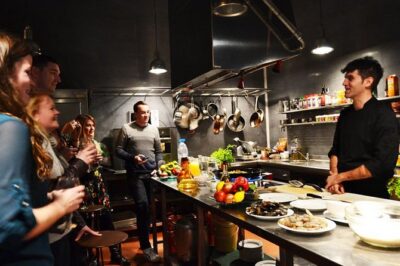
Barcelona Interactive Spanish Cooking Experience
Read our review →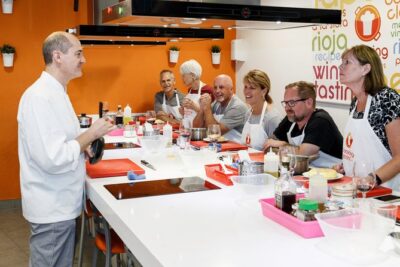
Spanish Cooking Class Paella Tapas and Sangria in Madrid
Read our review →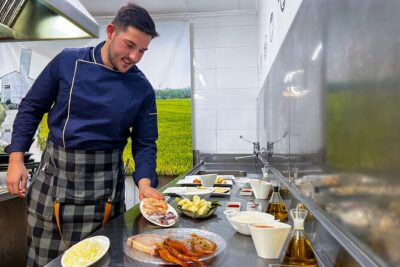
Paella Cooking Class, Wine Tasting & Central Market in Valencia
Read our review →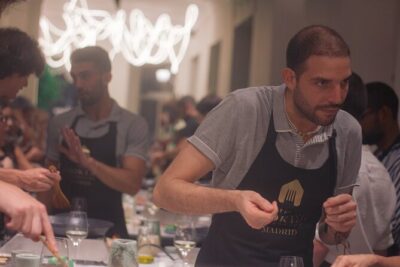
Paella Cooking Class in Madrid with Bottomless Wine Pairing
Read our review →