
Review · SPAIN
Málaga: Spanish Cooking Workshop with Paella and Sangria
Paella is only part of the meal here. In three hours, you help prepare ajoblanco, Málaga’s chilled almond soup, remojón malagueño, a local salad, paella, dessert, and sangria. That gives you a better taste of Andalusia than a class focused on rice alone.
I like the central location, just five minutes from Atarazanas Market, and the fact that you do the work rather than sit and watch. I also like the friendly, practical teaching from Laura, trained at Le Cordon Bleu, and Diego, an Andalusian cuisine specialist. The main consideration is that a minimum of four people is required, so solo visitors should check that the class is running.
Key points at a glance
- Three-hour, hands-on meal: Prepare ajoblanco, paella, remojón malagueño, a surprise dessert, and sangria.
- Two distinct cooking voices: Laura brings Le Cordon Bleu and Michelin-starred restaurant experience, while Diego focuses on Málaga and Andalusian cooking.
- Excellent central address: The kitchen is in Málaga’s historic center, about five minutes from Atarazanas Market.
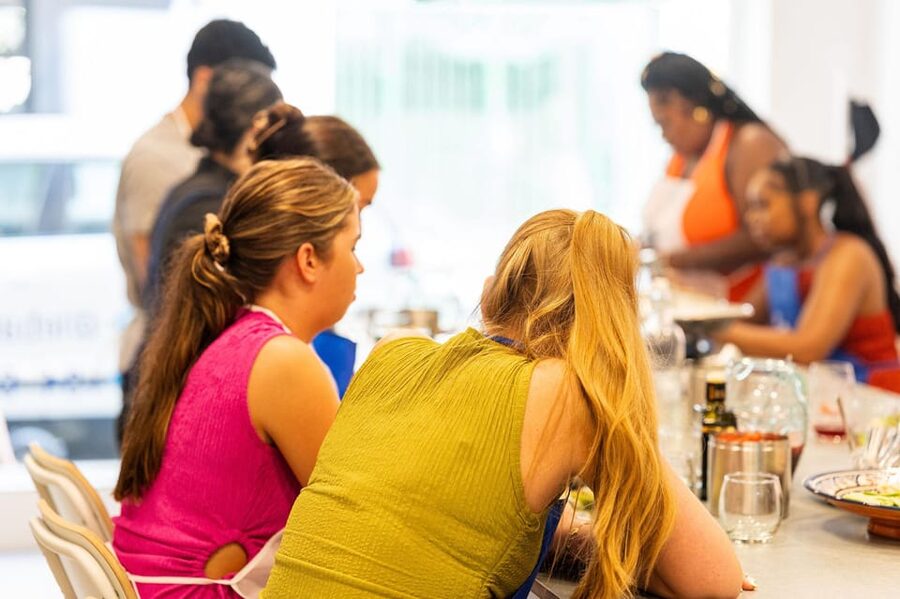
- Small-group feel: Past classes have had around nine or ten people, allowing time for questions and one-to-one help.
- Useful local advice: Expect tips on markets, ingredients, restaurants, bars, and places to visit in Málaga.
- Good flexibility: Vegetarian and vegan adaptations are available with advance notice, and cancellation is free up to 24 hours before the class.
A Málaga cooking class that goes beyond paella
Many Spanish cooking classes build the whole event around paella. This one gives you a wider introduction to southern food, which I consider its biggest strength.
You prepare several dishes from start to finish, then sit down to eat what the group has made. The menu includes ajoblanco, paella, remojón malagueño, a surprise dessert, and sangria. Each dish brings a different idea to the table: almonds and garlic in the soup, fresh local ingredients in the salad, careful rice technique in the paella, and Málaga-style sweetness in dessert.
That range matters. You are not simply learning one famous dish and leaving. You get a small tour of Andalusian cooking in one sitting, with food that connects to Málaga rather than only to Spain in general.
The class runs for three hours, so expect a relaxed cooking-and-meal experience rather than a quick demonstration. The pace gives the chefs room to explain ingredients, answer questions, and talk about the customs behind the recipes.
More Spanish Cooking Classes around Spain:
- Barcelona: Paella Cooking Experience & Boqueria Market Tour
★ 4.8 · 3,661 reviews - Barcelona Paella Cooking Class with Market Visit, Tapas & Sangria
★ 5.0 · 2,531 reviews - Barcelona Interactive Spanish Cooking Experience
★ 4.5 · 2,155 reviews
Meeting Laura and Diego in central Málaga
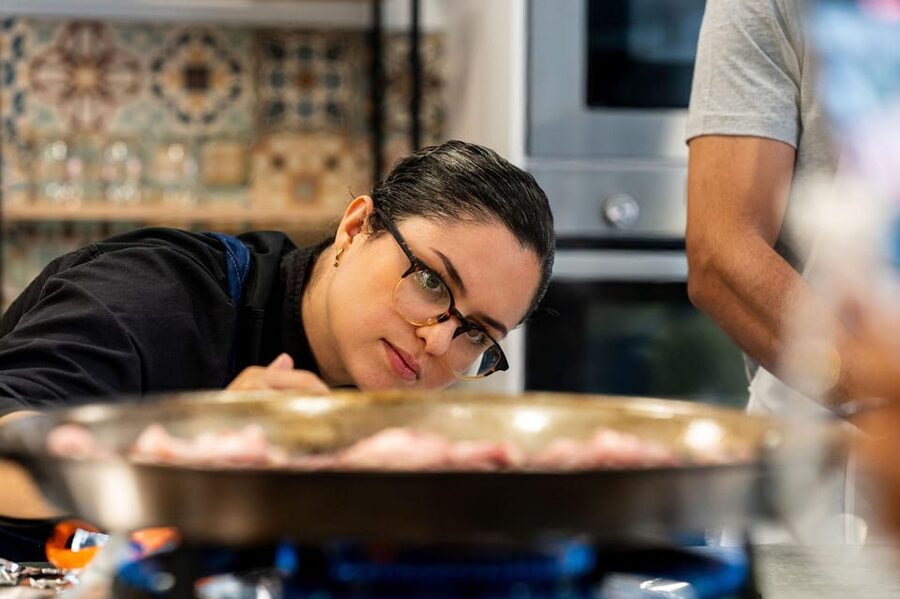
The class is led by Laura and Diego, though the exact chef teaching your session depends on the booking. Laura studied at Le Cordon Bleu in London and has worked in Michelin-starred restaurants. She also trained with a Valencian chef who specializes in paella, giving her a useful connection to the dish’s best-known regional tradition.
Laura’s teaching style focuses on clear explanations, food stories, and practical comparisons. She uses your senses and everyday analogies to explain cooking choices, which can make unfamiliar ingredients easier to understand. She also sends recipes after some classes, a helpful touch if you want to repeat the dishes at home.
Diego was born in Uruguay but grew up and trained in Málaga. He began cooking at age nine and later worked in traditional Andalusian kitchens as well as more exclusive restaurants in the city. His particular strength is Málaga and Andalusian food, especially desserts.
You can expect Diego to add plenty of personality to the lesson. His teaching includes the history of dishes, local customs, and small cooking tricks, with a relaxed style that keeps the class from feeling formal. He also gives practical advice about where to eat and what to visit during your time in Málaga.
Both chefs speak English, and the activity is conducted in English. That makes it a good choice if you want culinary context without constantly translating instructions in your head.
What you actually cook during the three hours
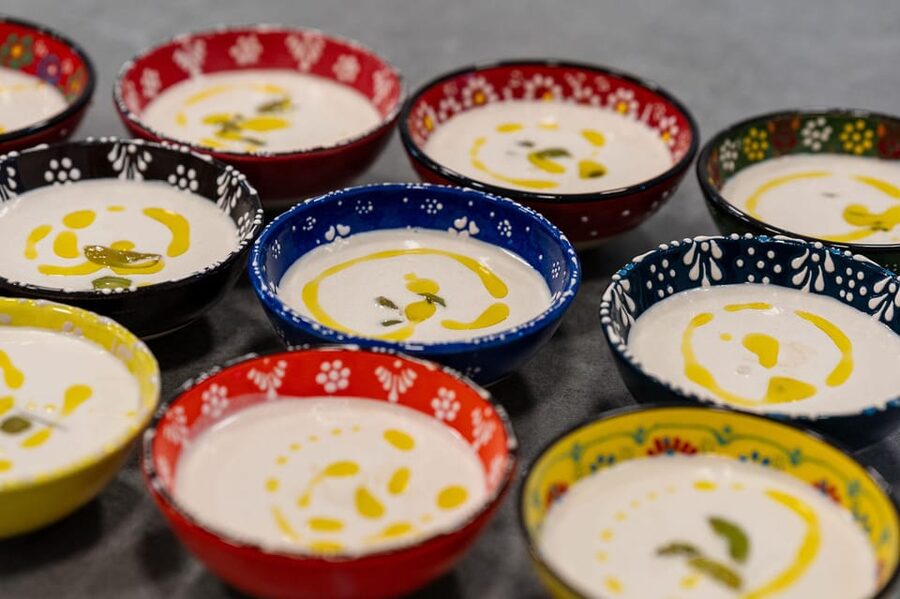
Ajoblanco, Málaga’s almond soup
Ajoblanco is one of the more distinctive dishes on the menu. This cold almond soup is strongly linked with Andalusia and gives you a taste of the region’s long relationship with almonds, garlic, bread, and olive oil.
The dish is especially useful for visitors who want to understand food beyond the familiar tapas list. It is not as internationally famous as paella, yet it says a lot about southern Spanish cooking: simple ingredients, careful balance, and a style suited to warm weather.
Several people have singled out the soup as a favorite part of the meal. I would pay attention here, especially if you are curious about regional food rather than only cooking the dish you already know.
More cooking classes around Spain:
- Spanish Cooking Class Paella Tapas and Sangria in Madrid
★ 5.0 · 1,340 reviews - Paella Cooking Class, Wine Tasting & Central Market in Valencia
★ 5.0 · 1,150 reviews - Paella Cooking Class in Madrid with Bottomless Wine Pairing
★ 5.0 · 985 reviews - Seville: Spanish Cooking Class with Dinner
★ 4.9 · 900 reviews
Remojón malagueño
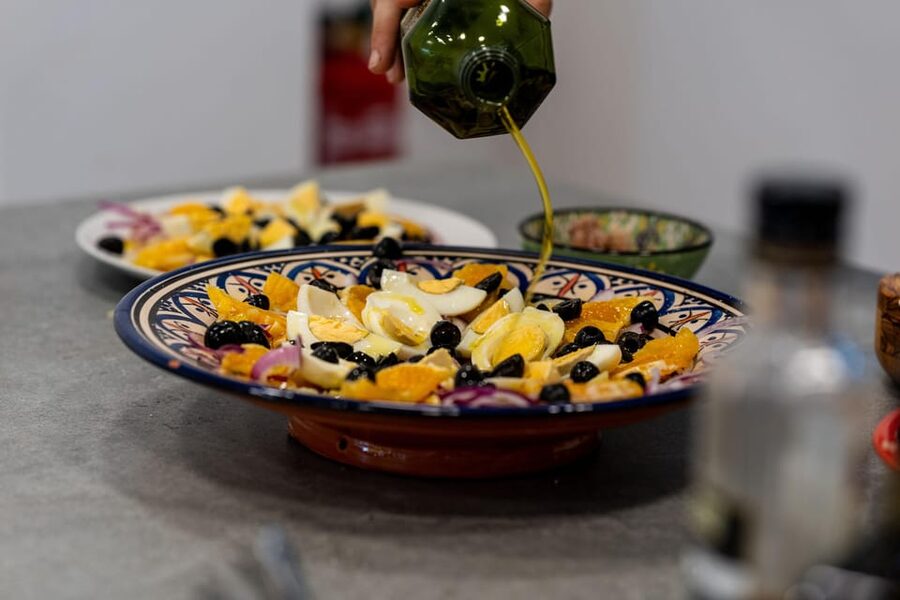
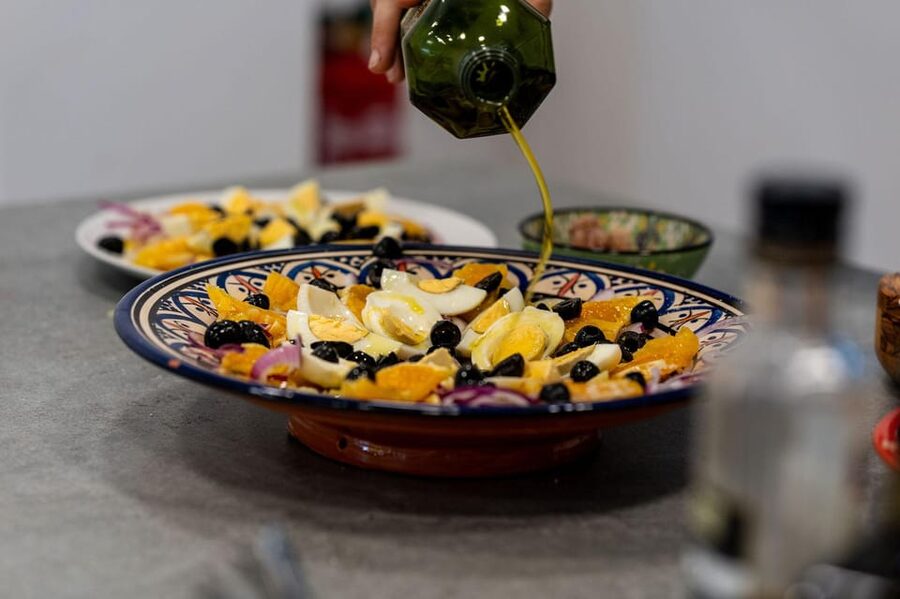
The class also includes remojón malagueño, a typical Málaga salad. This gives the group something fresh and lighter to prepare alongside the rice and soup.
The salad also helps explain that Málaga cooking has its own identity within Andalusia. You are not being handed a generic Spanish menu. The chef connects the dish to local ingredients and traditions, which makes the meal feel more tied to the city.
Paella and the details that make it work
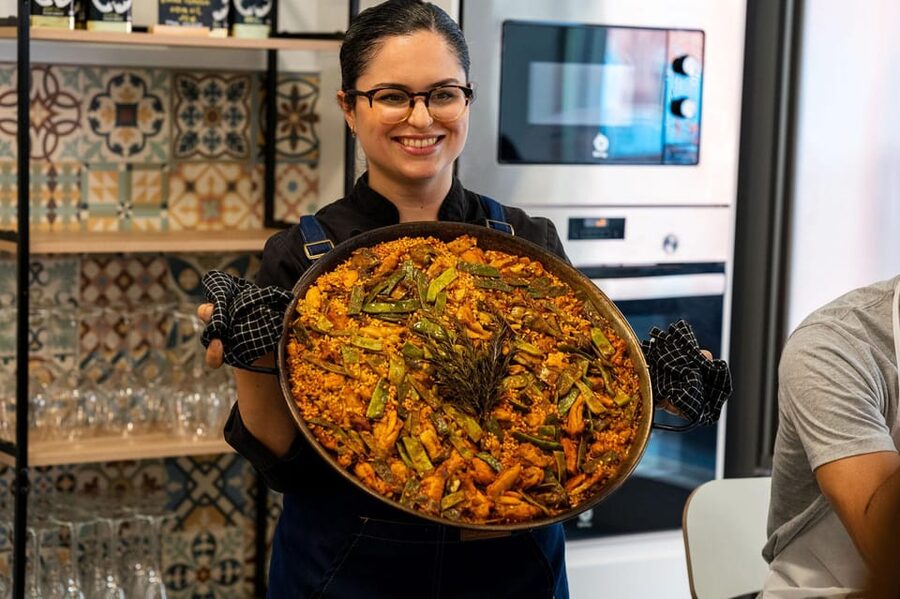
Paella is the main event, and the teaching focuses on the points that can make or break the rice. You learn about the ingredients, the cooking method, and the traditional background of the dish.
The useful part is not just following a recipe. Laura and Diego explain how to judge the rice, how to handle the cooking process, and how to avoid common mistakes. One small point that comes up in the class is getting the rice just right, something many home cooks struggle with after returning from Spain.
The class is participatory, so you help prepare ingredients and cook rather than watching the chef do everything. In some sessions, participants work on their own paella while receiving guidance. That makes the lesson more practical, though it also means you need to be ready to take part.
A cooking class cannot remove every variable from paella. Rice, heat, ingredients, and equipment all matter, and your home kitchen will not be identical to the workshop. Still, the class gives you a much better starting point than copying a recipe without understanding the technique.
Sangria and the surprise dessert
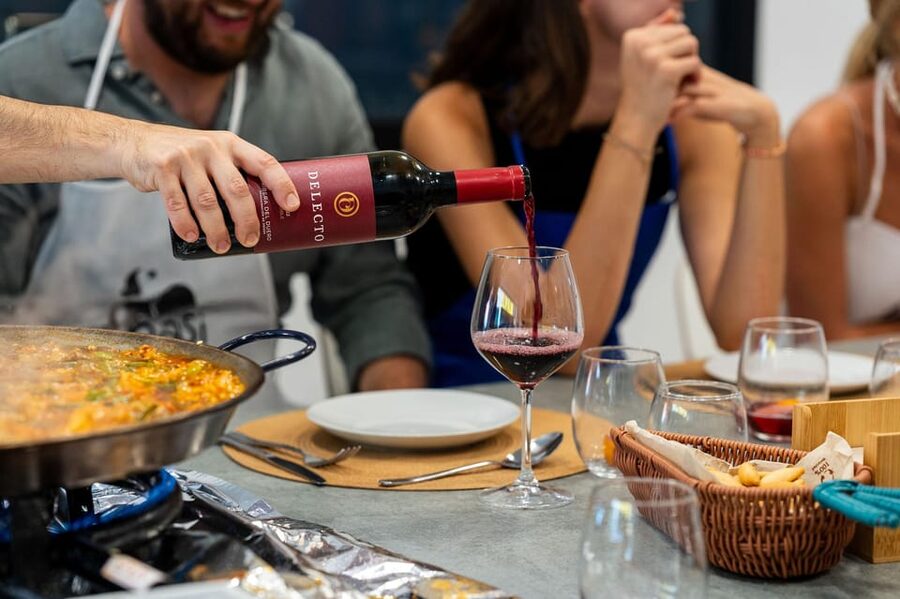
Sangria is prepared as part of the experience and served with the meal. The class includes sangria during the meal, with the stated option of more sangria or two servings depending on your choice.
The drink adds a social element, but keep in mind that alcohol is part of the event and alcohol or drugs are not allowed beyond the arranged serving. If you do not drink, check the adaptation directly before booking.
Dessert is kept as a surprise, so you will not know the exact dish in advance. Diego’s focus on Andalusian desserts makes this more than a filler course. It is another chance to see how local ingredients and regional habits shape the meal.
A modern kitchen near Atarazanas Market
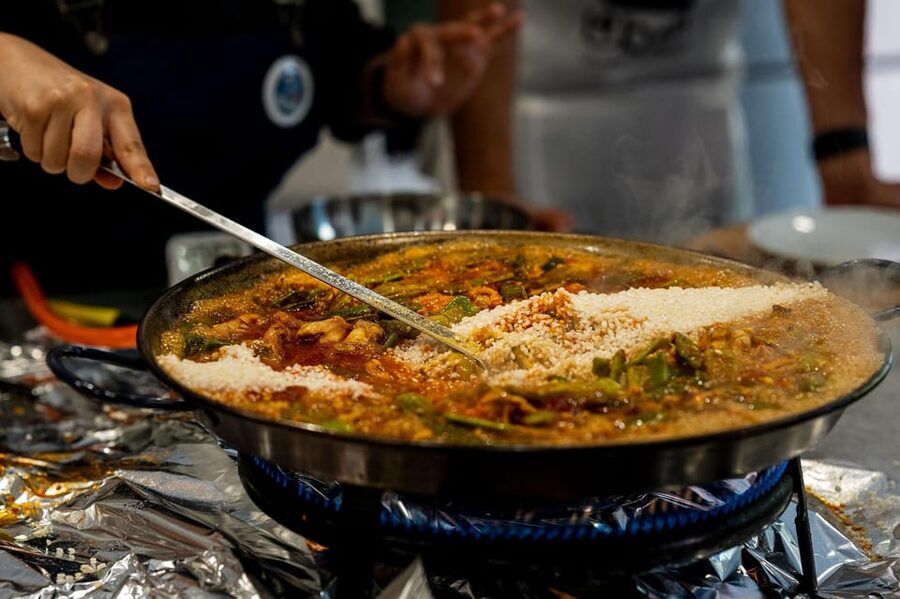
The workshop takes place in a modern, comfortable kitchen in Málaga’s historic center. The location is about five minutes from Atarazanas Market, which is useful both before and after the class.
I like this setting because it connects the cooking lesson with a real food market. You can visit Atarazanas separately and see the kind of produce, seafood, and other ingredients that give Málaga cooking its character. The class itself does not state that the group shops at the market, so treat the nearby market as an easy addition to your day rather than part of the scheduled lesson.
The central address also cuts down on transport planning. You can fit the class around sightseeing in the old center, and it works well on a rainy afternoon when outdoor plans are less appealing. One participant described the class as a welcome break from a wet day in Málaga, which is exactly the kind of practical backup a cooking workshop can provide.
The space is wheelchair accessible. High stools with backs are available, too, which matters if standing at a counter for a long time would be tiring. The class is active, but the seating gives you a way to take part more comfortably.
Small groups make the cooking easier
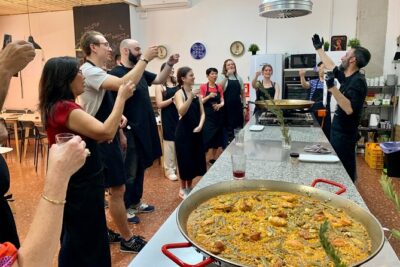
The required minimum is four participants. Past sessions have included around nine or ten people, creating a social but still personal setting.
That size works well for a hands-on class. With too many people, you can end up waiting for a knife, bowl, or turn at the work surface. A group of about ten allows conversation while still giving the chef a chance to help individuals.
You should expect to cook alongside people from several countries. That international mix can add to the meal, since the final table often becomes as much a shared dinner as a lesson. It can also mean different levels of cooking experience, so beginners should not worry about being out of place.
Families, couples, solo visitors who confirm the minimum group, and small friend groups can all fit the format. Children are not specifically discussed in the available details, so families should confirm age suitability before booking.
The value of local advice
The cooking is the main reason to book, but the local guidance adds real value. Laura and Diego recommend markets, shops, restaurants, bars, and places to visit in Málaga.
That advice is most useful early in your stay. If you take the class near the beginning of your visit, you can use the suggestions for later meals and sightseeing. You may also come away with better questions to ask at markets and restaurants, such as which ingredients are local or which dishes are typical of Málaga rather than simply popular with tourists.
The chefs can also explain food traditions beyond the dishes in front of you. You learn about the origins of paella, Andalusian cooking, and local ingredients, along with broader cultural details about the region.
Recipes may be sent after the class, depending on the session. That gives you a way to recreate the meal at home, though you should confirm how recipes are delivered when you book if this is important to you.
Is $78 a fair price?
At $78 per person, this is not the cheapest meal you can buy in Málaga. It is also not simply a restaurant dinner. The price covers three hours of instruction, several dishes, hands-on preparation, sangria, and the social experience of cooking with a chef.
The menu is substantial: soup, salad, paella, dessert, and drinks. You also leave with cooking techniques and, in some cases, recipes and local food recommendations. If you plan to eat at a good restaurant and take a separate paid activity, the class can compare well in total value.
The price makes less sense if you only want to taste paella. A restaurant will be faster and may offer more choice. This class suits you if you want to understand how the dishes are made and value an evening built around food, conversation, and instruction.
Dietary needs are handled for allergies and intolerances, with vegan and vegetarian versions available when arranged ahead of time. Contact the provider before booking rather than waiting until you arrive, since substitutions need planning.
Timing, alcohol, and practical matters
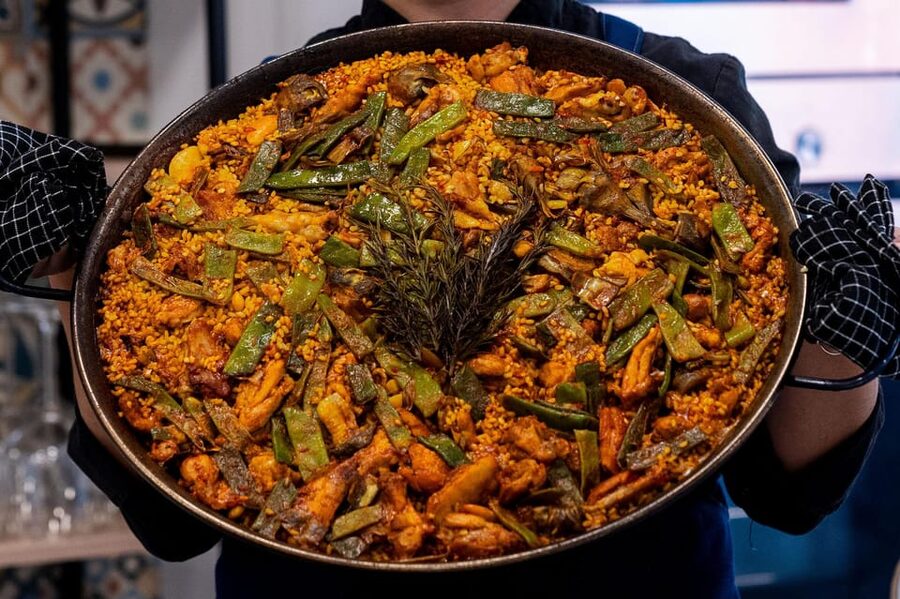
The activity lasts three hours, with start times depending on availability. Plan to stay for the full session, since the meal comes after the cooking and the class is designed as one continuous experience.
English is the listed language, and the live instruction is delivered by the chef. The minimum booking requirement is four participants, so solo visitors should confirm that enough people are enrolled.
Free cancellation is available up to 24 hours in advance for a full refund. You can also reserve now and pay later, which helps if your Málaga schedule is still shifting.
Alcohol and drugs are not allowed as general items at the activity. Sangria is part of the arranged meal, so non-drinkers and anyone with alcohol concerns should ask about alternatives before booking.
Who should book this Málaga cooking workshop?
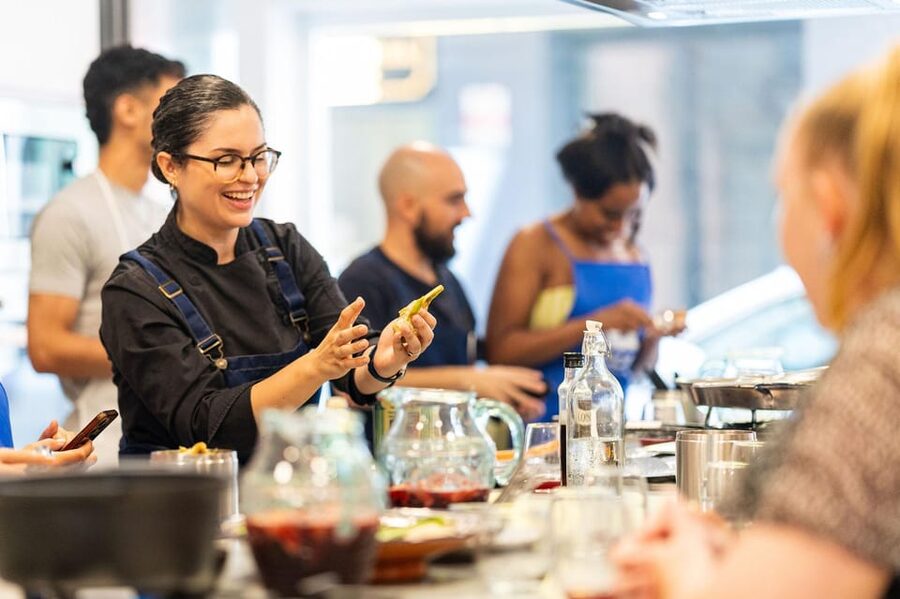
I would choose this class if you want a social activity with real participation rather than a chef demonstration. It is especially suitable for people who enjoy learning by doing, families looking for a shared evening, and couples who want a meal with more structure than a restaurant reservation.
It also suits repeat visitors who have already seen Málaga’s major sights and want a closer look at local food. Ajoblanco and remojón malagueño add more regional depth than a standard paella-only class.
You may want another activity if you dislike group events, have very limited time, or are looking only for a quick cooking lesson. Three hours is a meaningful block of your day, and the social format means you will be cooking and eating with other participants.
Should you book it?
For $78, this is a strong pick if you want to cook a full Spanish meal, learn why Málaga’s food differs from other parts of Spain, and get practical advice for the rest of your stay. The best features are the hands-on format, the local dishes beyond paella, the central kitchen near Atarazanas Market, and the warmth of Laura and Diego’s teaching.
Book it early in your Málaga visit if you want to use the chefs’ restaurant and market suggestions. Arrange dietary needs ahead of time, confirm the minimum group requirement if you are alone, and choose this over a standard dinner when the cooking itself matters as much as the meal.
FAQ
How long does the Málaga cooking workshop last?
The class lasts three hours. Check availability for the possible starting times.
What dishes are included?
You prepare ajoblanco, paella, remojón malagueño, and a surprise dessert. Sangria is also included during the meal.
Is sangria included in the price?
Yes. Sangria is included during the meal, with the stated option of more sangria or two servings depending on your choice.
Who teaches the class?
The class is taught by Laura or Diego. Laura trained at Le Cordon Bleu in London and has worked in Michelin-starred restaurants. Diego specializes in Málaga and Andalusian cuisine.
Is the class taught in English?
Yes. English is the listed language for the live cooking instruction.
Are vegetarian or vegan options available?
Yes. Vegetarian and vegan options are available with advance notice. The kitchen can also adapt the menu for food allergies or intolerances.
Where is the workshop located?
The kitchen is in Málaga’s historic center, about five minutes from Atarazanas Market.
What is the cancellation policy?
You can cancel up to 24 hours in advance for a full refund. Reserve now and pay later is also available.
New cooking classes around Spain
- Seville: Paella-Cooking Experience with Sangria & Full Meal★ 4.9 · 42 reviews
- Seville: Paella Showcooking Experience★ 4.7 · 161 reviews
- Seville: Paella Cooking Class & 30-Min Local Expert Q&A★ 4.8 · 37 reviews
- San Sebastián: Market Tour, Cooking Class, & Meal★ 5.0 · 2 reviews
- San Sebastián: Market Tour and Basque Cooking Class English★ 5.0 · 5 reviews
- Barcelona: Paella Seafood Master Cooking Class with Sangria★ 5.0 · 73 reviews
- Pontevedra: Galician Cooking Class with Chef Instructor★ 4.9 · 3 reviews
- Mojo Workshop Cooking Class in Ancient Canarian Village★ 4.9 · 127 reviews
Spain Cooking Classes, side by side.
Barcelona: Paella Cooking Experience & Boqueria Market Tour
Read our review →
Barcelona Paella Cooking Class with Market Visit, Tapas & Sangria
Read our review →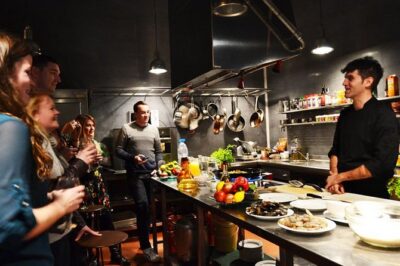
Barcelona Interactive Spanish Cooking Experience
Read our review →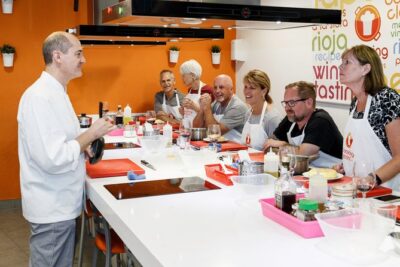
Spanish Cooking Class Paella Tapas and Sangria in Madrid
Read our review →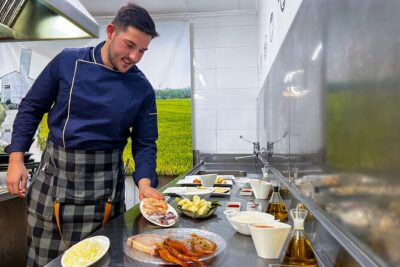
Paella Cooking Class, Wine Tasting & Central Market in Valencia
Read our review →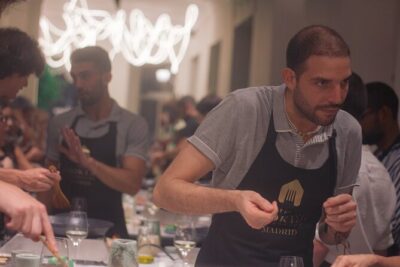
Paella Cooking Class in Madrid with Bottomless Wine Pairing
Read our review →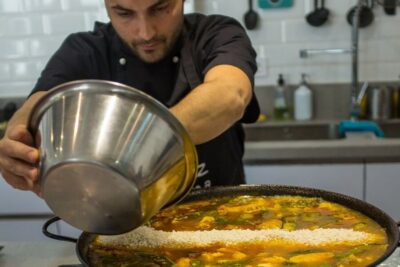
Valencian paella cooking class, tapas and visit to Ruzafa market.
Read our review →This kitchen also appears in