
Review · ITALY
Marsala: Cooking Class at a Local’s Home
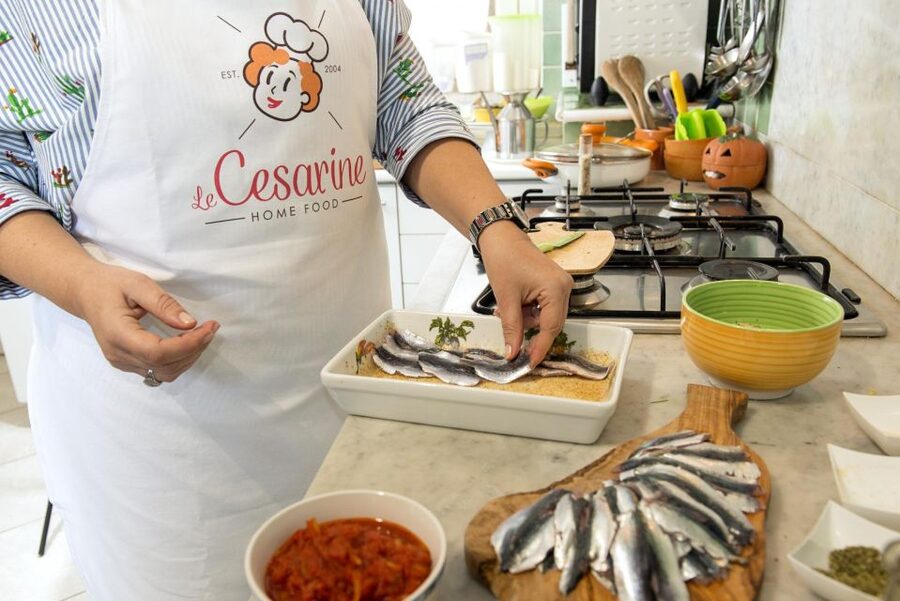
The best part of this Marsala cooking class is the setting: you work inside a local family home, not a school kitchen built for tourists. In one especially personal hosting setup, Gianfranco and his mother guide you through the meal, with vegetables coming straight from their garden and the cooking lesson tied to how food is grown.
I like the private-group format, since you can ask questions and work at your own pace. I also like the full meal: a starter, handmade pasta, and dessert, served with local wine, water, and coffee. The main consideration is that the address stays private until you book, so you will need to plan around the meeting instructions you receive later.
Key points to know before booking
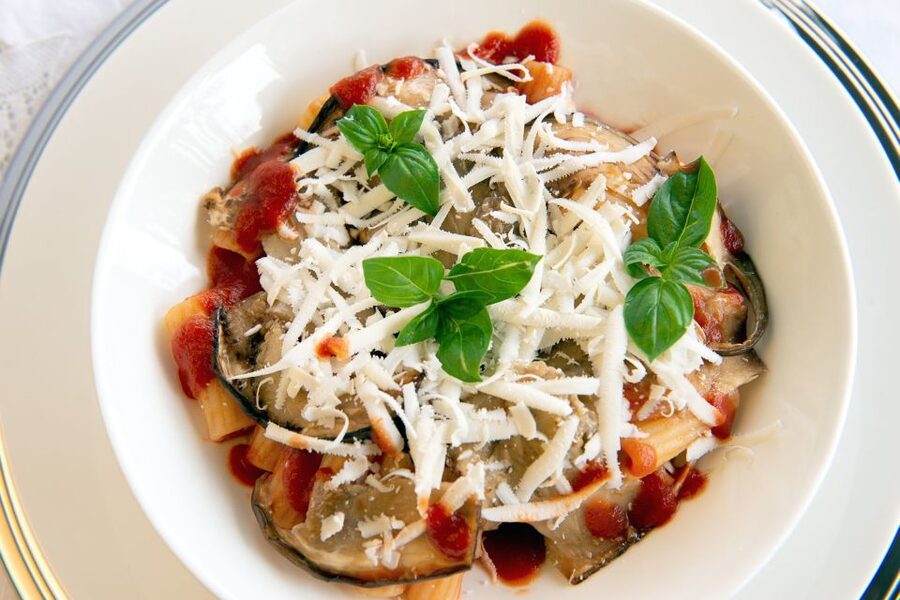
- Three-course Sicilian lesson: Prepare a starter, pasta dish, and dessert, then eat everything you make.
- Family-home setting: The class takes place in a local host’s home rather than a commercial cooking studio.
- Gianfranco and his mother: They are among the hosts, and their class includes produce from their own garden.
- Private group: You get a more personal lesson, with room to ask questions and work directly beside the host.
- Flexible timing: Classes usually begin at 10 AM or 5 PM, with some flexibility for your schedule.
- Dietary requests: Vegetarian, vegan, and gluten-free menus can be arranged if requested in advance.
A cooking class built around a real family meal
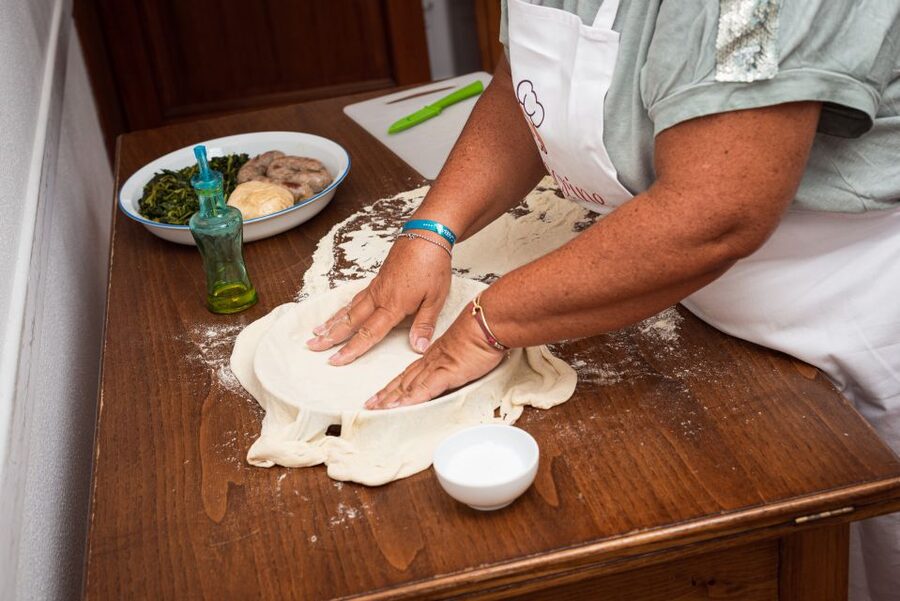
This is not a watch-the-chef-and-take-notes kind of class. You arrive at a local family home, receive your own workstation, and take part in preparing the meal from start to finish.
The class runs for about three hours. That gives you enough time to learn several recipes without turning the afternoon or evening into a full-day project. You will prepare three local dishes: a starter, a pasta course, and a dessert.
The recipes come from family cookbooks and local cooking traditions. That matters because the useful lessons are often the small ones: how to handle dough, when to add an ingredient, how to judge texture, and how to make a simple dish taste right without overcomplicating it.
Your host teaches in English or Italian. Since this is a private group, you can stop the lesson to ask about an ingredient, repeat a technique, or clarify a step. That personal attention is a better fit for a hands-on class than a large group where everyone has to keep pace with the instructor.
The meal is not simply a reward at the end. Tasting what you made is part of the class itself. You can compare the finished dishes with the techniques you used, then sit down with local wine, water, and coffee.
More Home Cooking Classes in Italy
- Pasta Cooking Class: Mastering Nonna’s Recipes
★ 5.0 · 554 reviews - Pastamama, Home Cooking Classes at Grace’s Home
★ 5.0 · 521 reviews - Traditional Home Cooking Experience in Venice
★ 5.0 · 377 reviews
Arriving at a local home in Marsala
The exact address is not published before booking. For privacy, you receive the full host details after reserving, along with instructions for reaching the meeting point.
That arrangement is sensible for a private home, but it adds one practical step to your planning. You should not expect to find a large sign or a formal cooking school entrance. Read the directions carefully and allow enough time to reach the address.
The experience starts and ends at the same meeting point. Transportation is not listed as part of the activity, so you should make your own arrangements to get there and return afterward.
The home setting changes the tone right away. You are not just learning a recipe in a neutral classroom. You are entering the place where the host cooks, stores ingredients, and shares meals with family. That makes the lesson feel more connected to everyday Sicilian life.
The hosting can vary from one local cook to another. One particularly appealing setup is with Gianfranco and his mother, who share both the cooking and the growing of their food. Their approach connects the kitchen to the garden, giving you a better sense of why local ingredients matter before they reach the plate.
From garden vegetables to the kitchen table
The strongest personal touch comes from the host family’s own garden. In Gianfranco and his mother’s class, you may pick vegetables from the garden before working with them in the kitchen.
That detail gives the meal a clear sense of place. You are not simply told that an ingredient is local. You can see where it comes from, handle it, and then use it in the dish you prepare.
The hosts also share their attitude toward growing and serving food. Their message is simple: caring for the land is connected to caring for your body. That idea gives the cooking lesson more purpose without turning it into a lecture.
You should keep one point in mind: the garden-based element comes from a specific host experience, and the exact activities can depend on which local cook is assigned. The confirmed class still includes three dishes and a meal, but the garden visit should be viewed as a possible added feature rather than a guaranteed step for every booking.
Preparing the starter, pasta, and dessert
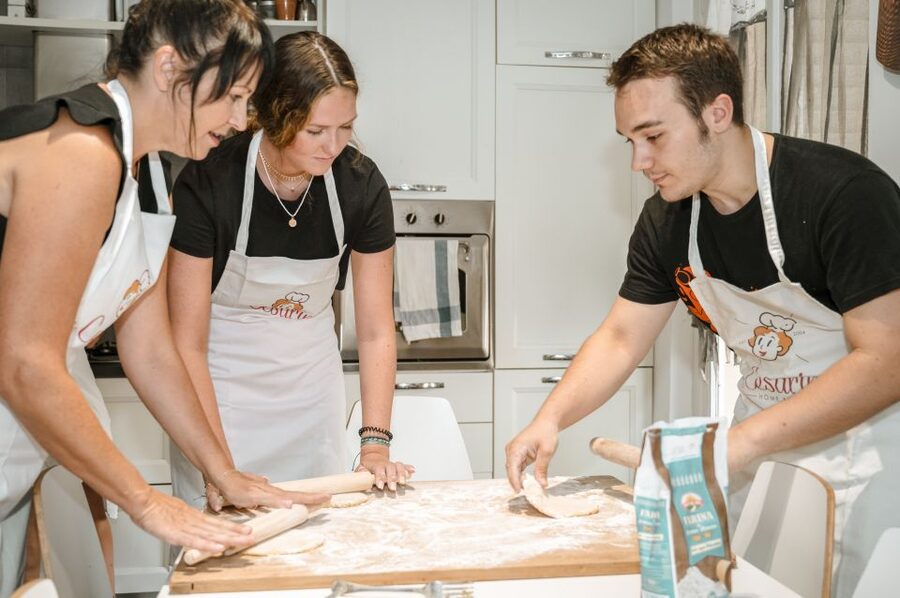
The cooking sequence centers on three familiar parts of an Italian meal. You begin with a starter, continue with pasta, and finish with dessert.
The starter gives you a gentle way into the class. You can learn the host’s approach to seasoning, preparation, and presentation before moving to the more involved pasta course. It is also a useful point to ask about Sicilian ingredients and how they are used at home.
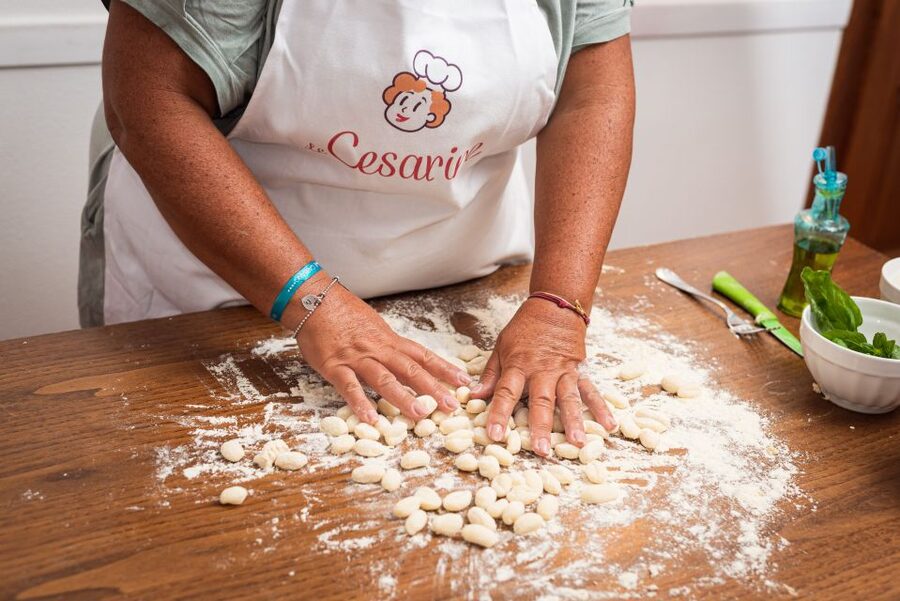
The pasta course is likely to be the most hands-on part of the lesson. You have your own utensils and ingredients, so you are not standing at the side while someone else does the work. You will put the techniques into practice and see how small changes affect the final result.
The dessert rounds out the meal and keeps the class from focusing only on savory cooking. You leave with a broader set of skills rather than a single recipe.
The exact dishes are not specified ahead of time. That can be a benefit if you enjoy discovering what the host chooses, but it may disappoint you if you are booking because you want to learn one particular dish. If a certain recipe matters to you, ask about it when arranging the class.
Same kitchen, a different dish:
- Florence: Pasta Cooking Class with Unlimited Wine
★ 4.9 · 10,285 reviews - 3 in 1 Cooking Class near Navona: Fettuccine, Ravioli & Tiramisu
★ 5.0 · 7,376 reviews - Florence: Pasta & Tiramisu Cooking Class with Unlimited Wine
★ 4.9 · 6,708 reviews - Florence: Pasta Cooking Class with Unlimited Wine
★ 5.0 · 6,413 reviews
Why the private format makes a difference
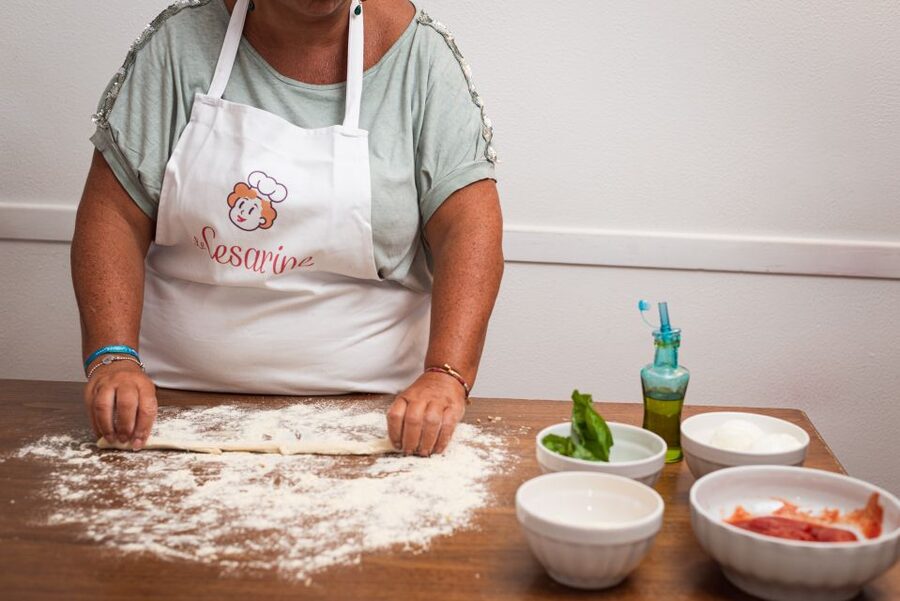
The group is private, which is one of the clearest advantages here. You are not sharing the lesson with a large crowd, and the host can give more direct attention to your work.
For beginners, that makes the class less stressful. You can take your time with the pasta, ask for a demonstration again, or admit that a step did not make sense without holding up a room full of people.
For confident home cooks, the private format lets you ask better questions. You can focus on ingredient choices, family methods, substitutions, and the practical details that rarely appear in a printed recipe.
It also works well for couples, families, or a small group of friends who want a shared activity. The experience is still social, but the conversation is more natural than it would be in a large class.
The class is taught in English and Italian. English support makes it accessible to international visitors, while the Italian setting adds a useful local flavor to the experience.
Sitting down to eat what you prepared
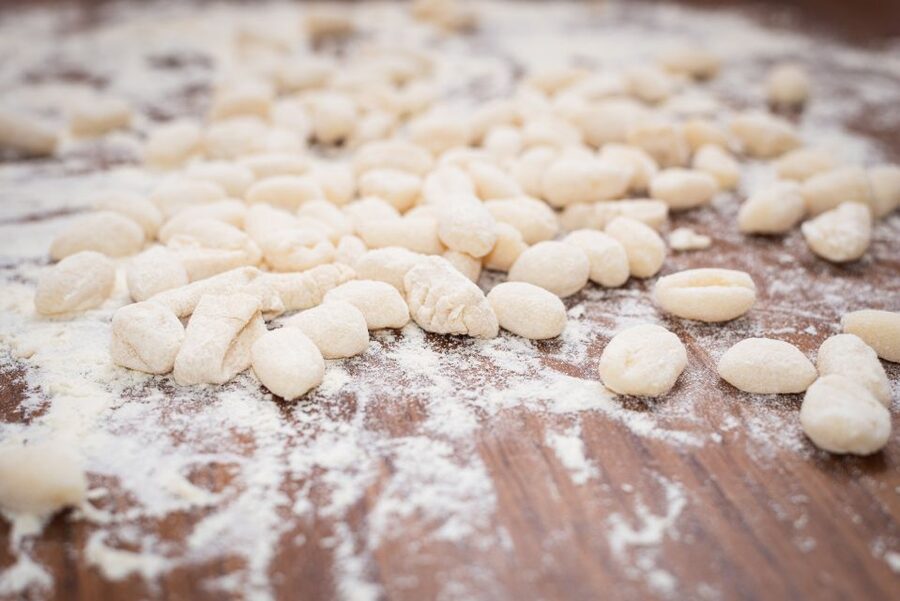
At the end, you taste all three dishes with the host. Local wines are included, along with water and coffee.
This meal is where the class earns much of its value. Instead of leaving with a few samples in a container, you sit down and enjoy the complete result of your work. You also get to see how the host serves the dishes in a home setting.
Wine is included, but the experience is not presented as a formal wine tasting. Think of it as a relaxed pairing with the food you prepared. If you do not drink alcohol, water and coffee are also included, but the available nonalcoholic choices are not described in greater detail.
The hosts’ enthusiasm is another important part of the meal. Gianfranco and his mother are described as passionate about both growing and preparing local products. That passion can make the difference between a basic cooking demonstration and a meal that feels personal.
I would book this for the food and the conversation, not just for a list of recipes. The best memories here are likely to come from working side by side with the family, seeing how they treat their ingredients, and eating together afterward.
Timing, dietary needs, and daily planning
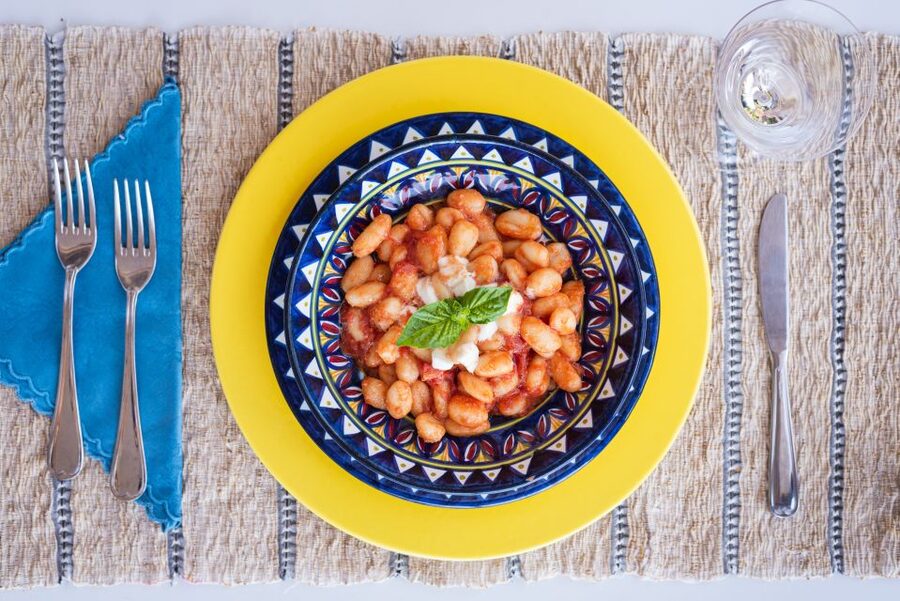
The class usually starts at 10 AM or 5 PM. Those times suit two different travel plans: a morning class can lead into the rest of your day, while an evening class can replace dinner with a meal you helped prepare.
The start time may be flexible based on your travel needs. You should request your preferred time before finalizing your plans, since flexibility is not the same as a guaranteed time.
Allow the full three hours. This is not a quick demonstration, and rushing would work against the hands-on format. If you have a tight connection, a scheduled tour, or a fixed dinner reservation, leave a generous gap around the class.
Vegetarian, vegan, and gluten-free requirements can be catered to upon request. Tell the provider in advance rather than waiting until you arrive. The available substitutions and final menu are not specified, so the earlier you ask, the easier it will be for the host to plan.
Because the class takes place in a private home, you should also share any food allergies clearly before the visit. The supplied information confirms that common dietary needs can be considered, but it does not give details about allergy protocols or kitchen facilities.
Is the $164.26 price good value?
At $164.26 per person, this is not a budget meal or a short kitchen demonstration. The value comes from the complete package: three hours of instruction, three dishes, a private-group setting, local hosts, and drinks served with the food.
You are also paying for access to a family setting that you would not normally find by simply booking a restaurant. The garden connection, when offered by the host, adds another layer that a standard cooking school may not provide.
The price makes the most sense if you want an activity as well as lunch or dinner. You are learning skills, eating a full meal, meeting local people, and spending several hours in a more personal setting.
It may feel expensive if your main goal is simply to eat Sicilian food. A restaurant meal will usually be a simpler way to sample local dishes, but it will not give you the hands-on instruction or the family contact.
The private format is also important when judging the cost. If you are booking alone, the price may require more thought. For a couple or small private group, the personal attention can make the expense easier to justify.
Who should book this Marsala class?
I would recommend it to people who enjoy cooking, food traditions, and conversations with local families. It is especially well suited to anyone who wants to bring home a practical skill rather than another souvenir.
It also fits a first visit to Sicily when you want an activity that connects food to daily life. The host’s own recipes and ingredients give you a different view of the area than a standard sightseeing stop.
Families and couples should find the private format comfortable. It gives everyone a role and keeps the experience focused on sharing the meal.
This may not be the best choice if you want a tightly scripted menu, a professional restaurant kitchen, or a class with a published list of exact recipes. The dishes are described by course rather than by name, and the host may shape the lesson around available local ingredients.
Booking details worth noting
You can cancel up to 24 hours before the activity for a full refund. There is also a reserve-now, pay-later option, which helps if your Marsala plans are still changing.
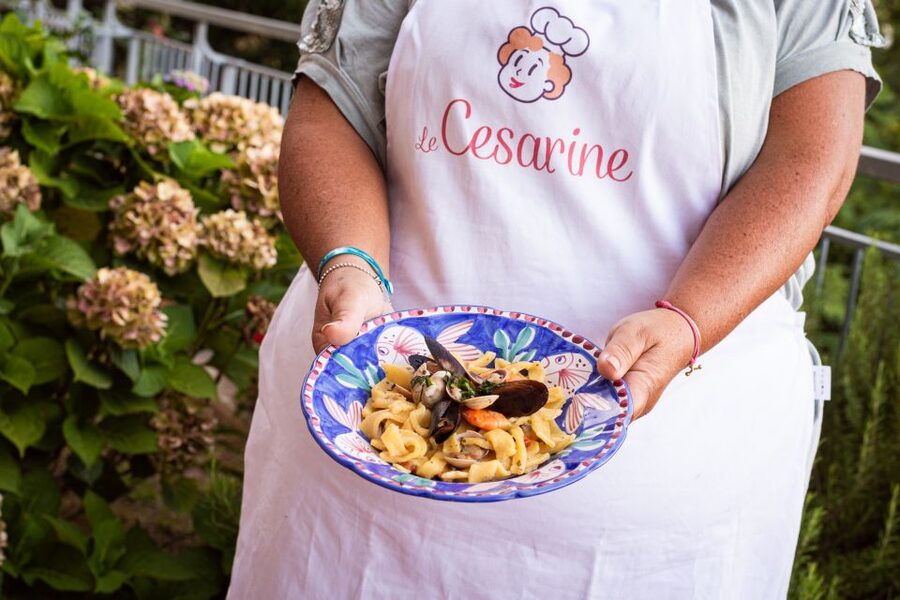
The class is provided by Cesarine, a network that connects visitors with local home cooks. The experience is a private group activity, not a public class with an open roster.
The address arrives only after booking. Keep your confirmation and host instructions handy, especially if you are arranging transport or planning another activity later in the day.
Should you book it?
Book this class if you want a personal food experience built around a real home, family recipes, and cooking with the people who serve the meal. The combination of a starter, pasta, dessert, wine, and private instruction gives you a full three-hour experience rather than a quick taste.
The strongest reason to choose it is the host connection. Gianfranco and his mother, with their garden produce and direct, side-by-side teaching, offer exactly the kind of local contact that is hard to find in a regular restaurant.
Think twice if you need a fixed menu or a formal culinary course. For everyone else, especially couples and small groups who enjoy food and conversation, this is a thoughtful use of time in Marsala and a useful way to carry a little Sicilian cooking home with you.
FAQ
Where does the cooking class take place?
The class takes place in a local family’s home in Marsala. The full address and meeting instructions are provided after booking for privacy reasons.
How long does the experience last?
The cooking class lasts three hours.
What time does the class usually begin?
Classes usually begin at 10 AM or 5 PM. The time may be flexible based on your travel requirements.
What dishes will I prepare?
You will prepare three local dishes: a starter, a pasta course, and a dessert. The specific recipes are not listed in advance.
Are drinks included?
Yes. Water, local wines, and coffee are included.
Is this a private class?
Yes. The activity is offered as a private group experience.
What languages are available?
The class is available in English and Italian.
Can dietary requirements be accommodated?
Vegetarian, vegan, and gluten-free requirements can be accommodated upon request. You should provide this information in advance.
New cooking classes around Italy
- Sestri Levante: Pesto & Cooking Classes, Wine Tasting★ 4.9 · 56 reviews
- Sardinia Cooking Class: Fresh Handmade Pasta★ 5.0 · 53 reviews
- San Gimignano: Tuscan Cooking Class★ 5.0 · 2 reviews
- San Gimignano: Truffle Cooking Class with Wine Tasting★ 5.0 · 5 reviews
- San Gimignano: “Hands in dough” Cooking Class with Lunch★ 5.0 · 6 reviews
- Salento: Authentic Cooking Experience with Fresh Pasta and Local Products★ 5.0 · 8 reviews
- ROME:Hands-On Lasagna & Marsala Tiramisu Cooking Experience”★ 5.0 · 3 reviews
- Rome: Private Wine Tour and Pasta Making Class in a Winery★ 5.0 · 6 reviews
Italy Cooking Classes, side by side.
Florence: Pasta Cooking Class with Unlimited Wine
Read our review →
3 in 1 Cooking Class near Navona: Fettuccine, Ravioli & Tiramisu
Read our review →
Cooking Class and Lunch at a Tuscan Farmhouse with Local Market Tour from Florence
Read our review →
Rome: Pasta Making Class with Wine, Limoncello, and Dessert
Read our review →
Rome Cooking Class: Make Pasta and 3 Spritz Cocktails
Read our review →
Rome: 3-in-1 Fettuccine, Ravioli, and Tiramisu Cooking Class
Read our review →
Rome: Fettuccine Pasta Cooking Class in Rome’s City Center
Read our review →This kitchen also appears in