
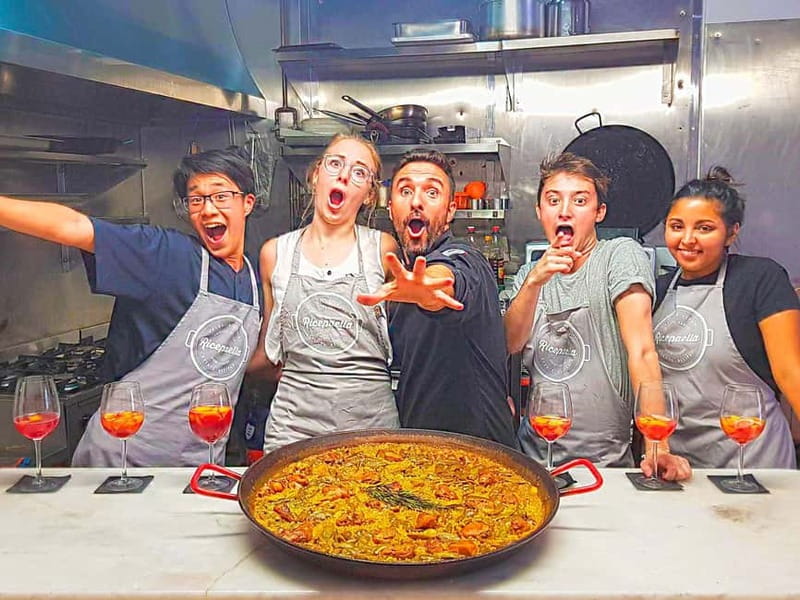
Review · VALENCIA
Valencia: Traditional Paella Cooking Class and Dinner
Valencia’s best cooking lessons get you close to the pan, and this one puts you to work with a local chef, fresh seafood, and the timing that makes paella succeed. You begin with ingredients sourced from the Central Market, prepare a seafood paella, and finish by eating the result with sangria, starters, and dessert. Antonio and Pepe are especially praised for their friendly teaching, while Grego has also led the class.
I like the small group of up to eight, which gives the cooking a friendly, shared-table feel rather than a lecture-room mood. I also like the generous food lineup: Valencian esgarraet, Russian salad, ham croquettes, olives, potatoes, cocoa, cheesecake, and Valencian oranges, not just a plate of rice. The main consideration is time. Two hours moves quickly, so this suits you if you want a lively introduction, not a long professional cooking course.
Key points to know before booking
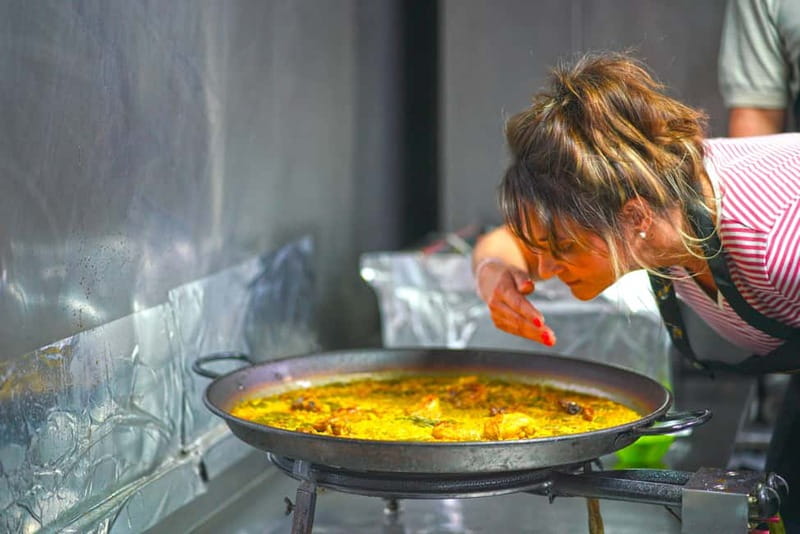
- You cook seafood paella with a local chef, then sit down to eat the dish you helped prepare.
- Antonio, Pepe, and Grego have led the class, with English and Spanish available.
- The group is limited to eight, making it easier to ask questions and take part.
- Starters and drinks are part of the meal, including esgarraet, Russian salad, croquettes, sangria, beer, soft drinks, and water.
- The class explains three paella styles, Valencian, seafood, and mixed, so you learn the food in its local setting.
- The price is $105 per person for two hours, with free cancellation up to 24 hours before the start.
Why paella makes sense in Valencia
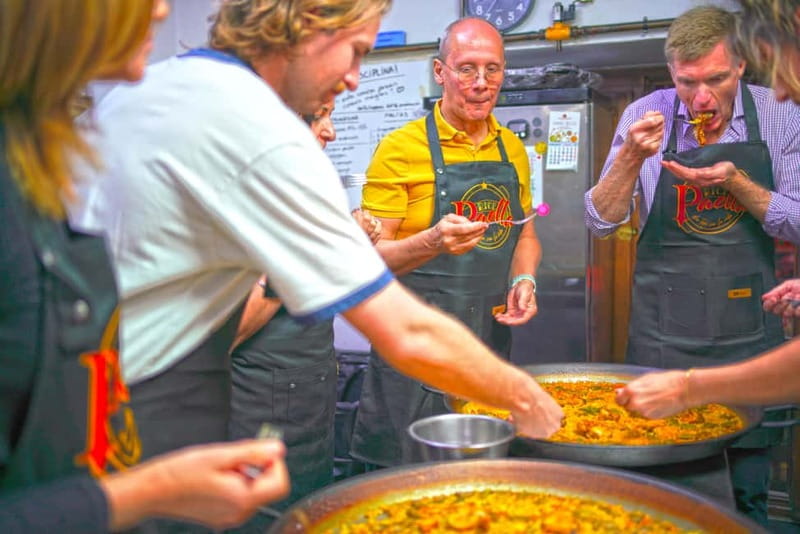
Paella is not simply a Spanish rice dish that happens to be popular in Valencia. It is tied closely to the Valencian region, and the class uses that setting to explain how different versions are made.
You learn the difference between paella Valenciana, seafood paella, and mixed paella. That distinction matters because menus outside Valencia often use the word paella loosely. Here, the focus is seafood, but the lesson places it within the wider Valencian tradition.
I like that the class does not stop at a recipe. The chef explains the history and customs behind the dish while you cook. That gives you a better sense of why the ingredients, order of cooking, and timing matter.
This is also a useful choice if you want more than a restaurant meal. At a restaurant, you taste someone else’s paella. Here, you see the work behind it and pick up methods you can try at home.
More Spanish Cooking Classes around Spain:
- Barcelona: Paella Cooking Experience & Boqueria Market Tour
★ 4.8 · 3,661 reviews - Barcelona Paella Cooking Class with Market Visit, Tapas & Sangria
★ 5.0 · 2,531 reviews - Barcelona Interactive Spanish Cooking Experience
★ 4.5 · 2,155 reviews
Arriving at the Valencian kitchen
The meeting point is at the entrance marked Derecha 2, meaning the local on the right side, number two. Pay close attention to that wording when you arrive, since it is more specific than a broad neighborhood meeting point.
The class takes place in a welcoming Valencian kitchen. It is not presented as a grand sightseeing venue, and that is part of its appeal. The focus is the cooking area, the food, and the people around the table.
Your host or greeter speaks English or Spanish. The class is limited to eight people, so the atmosphere should feel more personal than a large food demonstration. Previous sessions have included couples, families, friends, and small groups of strangers who cooked together and shared the meal afterward.
The two-hour schedule is compact. You do not spend half the evening waiting around, but you also should not expect a slow, highly technical culinary school course. The pace is suited to a holiday evening, especially if you want dinner and an activity in the same booking.
Starting with market ingredients and small bites
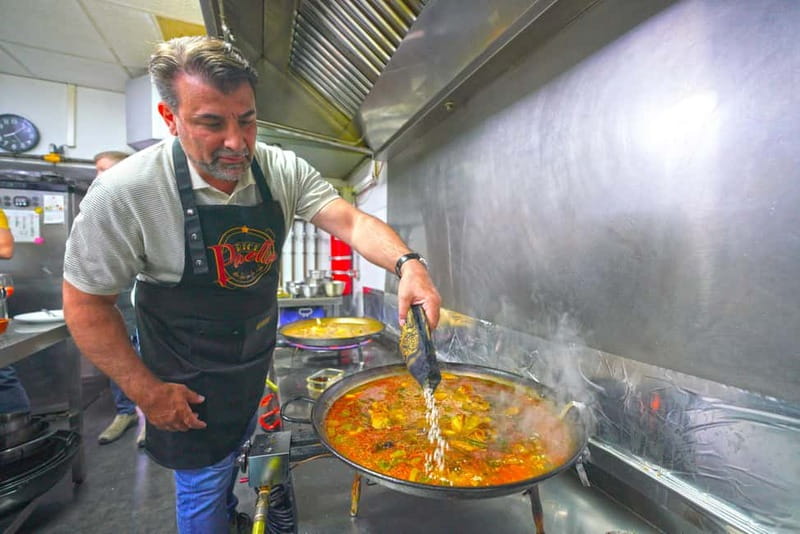
The experience begins with an introduction to fresh local products. The ingredients are sourced daily from Valencia’s Central Market, one of the city’s key food places, so the lesson connects the dish with the produce and seafood sold locally.
You start with snacks that include Valencian cocoa, potatoes, and olives. These are simple foods, but they give you something to eat while the main preparation gets underway.
The early food is useful for another reason: it helps the evening feel like a meal from the beginning. You are not standing hungry beside a cooking station waiting for the paella to finish.
The chef then introduces the ingredients for seafood paella. Expect fish and shellfish from the region, with the emphasis on fresh products and traditional preparation. The exact seafood selection is not specified, so do not book this expecting a particular shellfish or fish unless you confirm it in advance.
Learning the method, not just copying a recipe
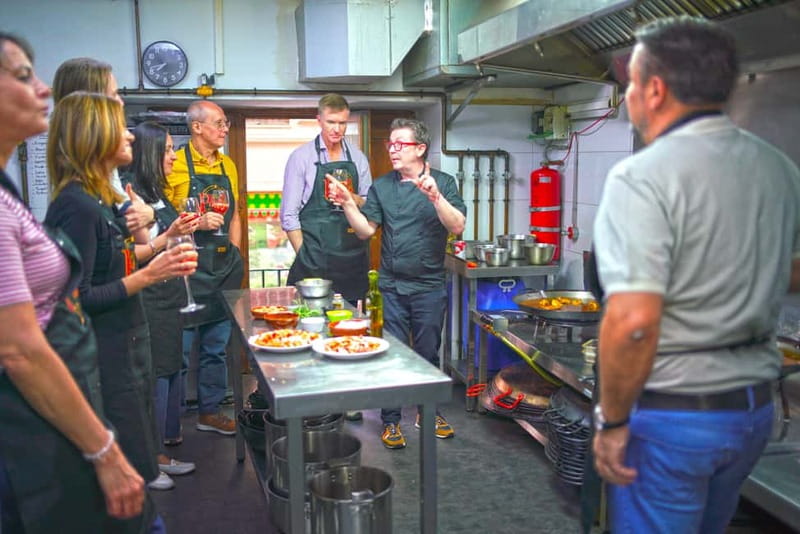
The strongest part of the class is the practical instruction. You take part in preparing the paella, rather than only watching the chef handle the pan.
Antonio is frequently identified as the chef leading this experience, and Pepe has also received warm praise for making people feel comfortable and involved. The teaching style is friendly and clear, with practical tips aimed at helping you repeat the dish at home.
You learn about ingredients, cooking order, and timing. Those details are the heart of paella. Rice can look easy, but the final result depends on how the components come together and when you stop stirring and let the dish cook.
The class also gives you a chance to ask questions as you work. With no more than eight people, you should have a better chance of participating than you would in a large demonstration.
Do not expect each person to prepare a separate individual pan. The activity describes preparing the meal as a group, and past sessions have involved cooking large pans together. That shared approach is part of the social character of the class.
More cooking classes around Spain:
- Spanish Cooking Class Paella Tapas and Sangria in Madrid
★ 5.0 · 1,340 reviews - Paella Cooking Class, Wine Tasting & Central Market in Valencia
★ 5.0 · 1,150 reviews - Paella Cooking Class in Madrid with Bottomless Wine Pairing
★ 5.0 · 985 reviews - Seville: Spanish Cooking Class with Dinner
★ 4.9 · 900 reviews
Sangria, tapas, and the social side of dinner
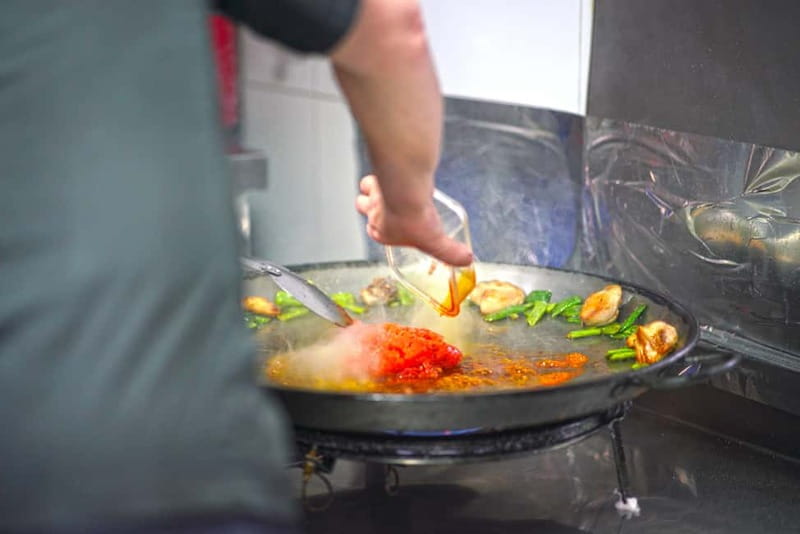
While the paella cooks, you taste Mediterranean starters and prepare or enjoy homemade sangria. Drinks include sangria, beer, soft drinks, and water.
The starter course includes Valencian esgarraet, Russian salad, and a ham croquette. Esgarraet is a Valencian dish typically built around roasted peppers and salted cod, giving you a regional taste before the main course. The menu also includes the familiar comfort of Russian salad and a crisp croquette.
This is where the class becomes more than a demonstration. You have time to sit, eat, talk, and watch the paella develop. Several participants have singled out the relaxed, family-style mood, and that makes sense with a small group sharing food prepared together.
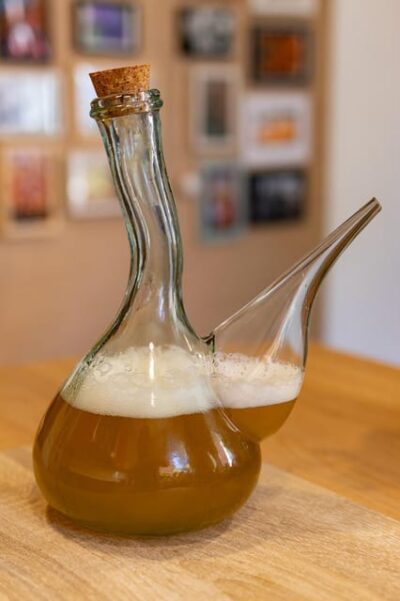
The sangria is homemade, which adds another hands-on touch to the evening. You get to enjoy the drink alongside the food rather than treating it as an optional extra that appears on a separate bill.
If you do not drink alcohol, soft drinks and water are included. The information does not specify how dietary restrictions are handled, so contact the provider before booking if you need vegetarian, seafood-free, gluten-free, or other adjustments.
Eating the paella you helped prepare
The main event comes when the paella is ready. You sit down to eat the seafood paella made during the class, with the chef’s guidance behind the flavor and texture.
This is a satisfying format because the meal has a story. You have handled ingredients, watched the cooking process, and learned why the pan is treated in a certain way. The final dish feels connected to the work that came before it.
Past participants have described finishing both large pans prepared during a session, which suggests that the meal is substantial for many people. Still, the exact amount of food can depend on the group and the day.
Dessert is included. You may receive traditional cheesecake, chocolate cheesecake, or Valencian oranges. Since the options can vary, do not assume you will get one specific dessert.
The menu is notably broad for a two-hour activity. Along with paella, you receive snacks, starters, a drink selection, and dessert. That helps explain the price better than looking only at the cooking time.
Is $105 a fair price?
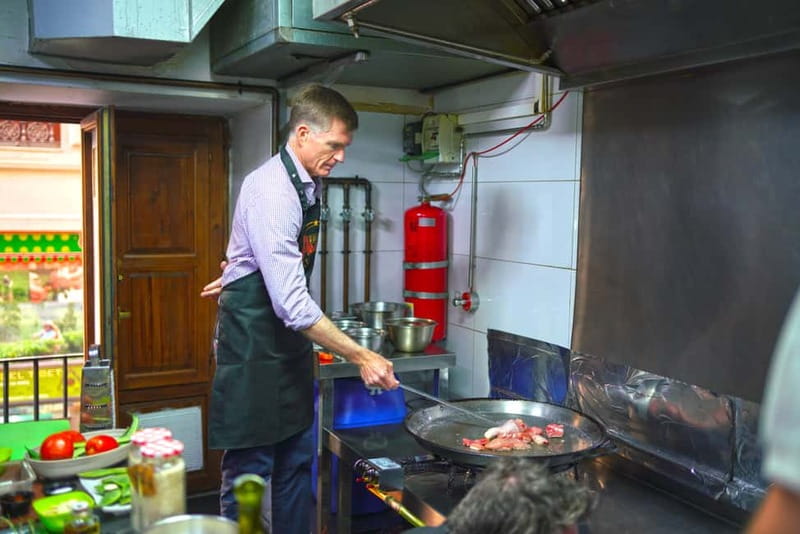
At $105 per person, this is not the cheapest way to eat paella in Valencia. You can find a restaurant meal for less, particularly if you choose a simple dish and skip the class.
The value comes from combining dinner with instruction, drinks, several starters, dessert, and a small-group activity. You are paying for the chef’s time, the ingredients, the kitchen setting, and the chance to learn a dish you can try at home.
I would consider it good value if you want a social evening and enjoy cooking. It is less compelling if your only goal is to eat paella as quickly and cheaply as possible.
The small group helps the price make more sense. A class limited to eight gives you a better chance to participate and ask questions. It also creates a more personal setting than a large cooking demonstration.
The two-hour duration keeps the commitment manageable. You can fit the class into a short Valencia visit, though you should allow extra time around it for finding the meeting point and arriving at the correct entrance.
Who will enjoy this class most
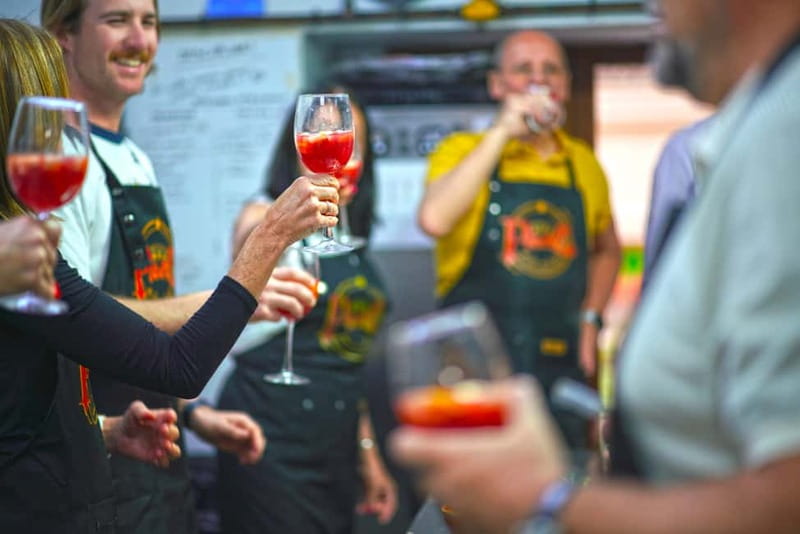
This experience suits first-time visitors who want a food activity linked directly to Valencia. It is also a good fit for couples, families, and friends who prefer doing something together rather than sitting through a standard dinner.
You do not need professional cooking skills. The class is designed around instruction and participation, and the chef guides you through the process.
It is especially useful for anyone who wants to make paella at home. The practical tips from Antonio and Pepe are a major part of the appeal, and several participants have said they left ready to try the dish themselves.
Food-focused visitors will appreciate the regional starters and explanation of Valencian styles. People who prefer a quiet, private meal may find the shared kitchen and group format less appealing.
The class is also a sensible rainy-day or evening activity. It offers food, conversation, and a useful local skill without requiring a long excursion outside Valencia.
What to check before you go
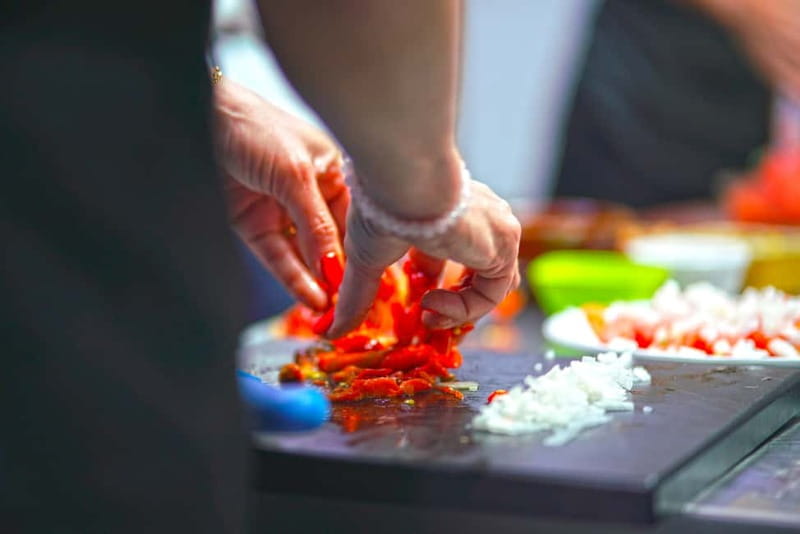
Confirm the starting time when booking, since the activity runs at set times and availability varies. Arrive at the entrance marked Derecha 2, the local on the right side, number two.
The class is offered in English and Spanish. If you have food allergies or dietary needs, ask before booking because the included menu centers on seafood, ham croquettes, and other prepared dishes.
Cancellation is flexible up to 24 hours before the activity for a full refund. You can also reserve now and pay later, which helps if your Valencia schedule is still changing.
The listed provider is Timonfaya Travel Lanzarote, while the activity itself takes place in the Valencian Community. Focus on the stated Valencia meeting instructions when planning your arrival.
Should you book this Valencia paella class?
Book it if you want to understand paella by making it, not just ordering it. The small group, hands-on format, local ingredients, generous meal, and friendly chefs make this a strong choice for a food-centered evening in Valencia.
I would be more cautious if you dislike seafood, need a highly customized menu, or want a long technical cooking lesson. The class moves briskly and follows a set menu.
For most visitors, the best reason to book is the combination of instruction and dinner. You leave with a full meal, a better idea of how Valencian paella differs from other versions, and practical tips you can use in your own kitchen.
FAQ
How long does the paella cooking class last?
The activity lasts two hours.
How much does the experience cost?
The price is $105 per person.
What kind of paella do you prepare?
You prepare a traditional seafood paella using fish and shellfish from the Valencia region. The chef also explains how seafood paella differs from Valencian and mixed paella.
What food and drinks are included?
Included food includes Valencian cocoa, potatoes, olives, Valencian esgarraet, Russian salad, a ham croquette, paella, and a choice of traditional cheesecake, chocolate cheesecake, or Valencian oranges. Drinks include homemade sangria, beer, soft drinks, and water.
How many people are in the group?
The class is limited to eight participants.
Is the class offered in English?
Yes. The host or greeter speaks English or Spanish.
Where is the meeting point?
Meet at the entrance marked Derecha 2, which means the local on the right side, number two.
New cooking classes around Spain
- Seville: Paella-Cooking Experience with Sangria & Full Meal★ 4.9 · 42 reviews
- Seville: Paella Showcooking Experience★ 4.7 · 161 reviews
- Seville: Paella Cooking Class & 30-Min Local Expert Q&A★ 4.8 · 37 reviews
- San Sebastián: Market Tour, Cooking Class, & Meal★ 5.0 · 2 reviews
- San Sebastián: Market Tour and Basque Cooking Class English★ 5.0 · 5 reviews
- Barcelona: Paella Seafood Master Cooking Class with Sangria★ 5.0 · 73 reviews
- Pontevedra: Galician Cooking Class with Chef Instructor★ 4.9 · 3 reviews
- Mojo Workshop Cooking Class in Ancient Canarian Village★ 4.9 · 127 reviews
Valencia Cooking Classes, side by side.
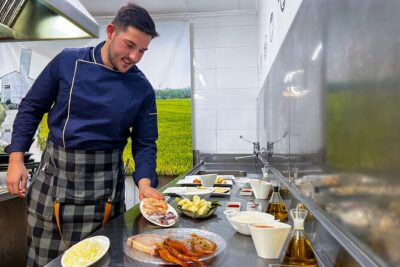
Paella Cooking Class, Wine Tasting & Central Market in Valencia
Read our review →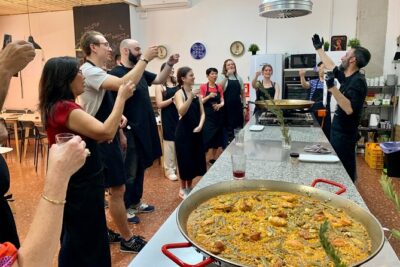
Valencian paella cooking class, tapas and visit to Ruzafa market.
Read our review →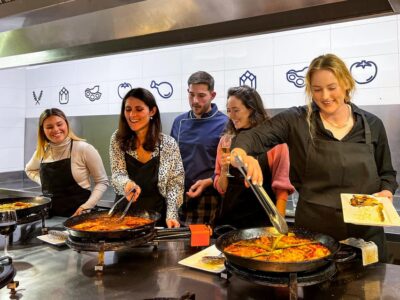
Valencia: Paella Cooking Class with Central Market Tour
Read our review →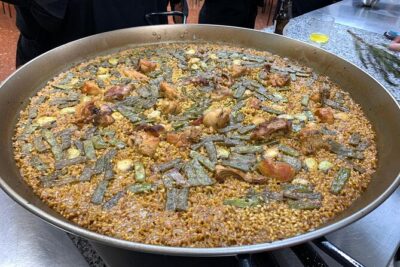
Valencian Paella Cooking Class, Tapas & Sangria – Evening
Read our review →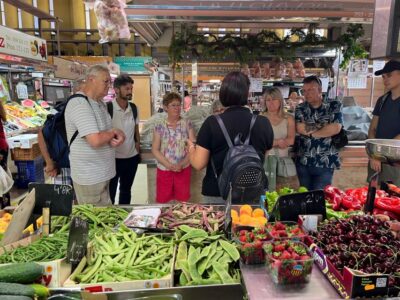
Real Paella Cooking Class – Market Visit & Sangría Workshop
Read our review →
Private Paella & Tapas Cooking Class in a Local Chef’s Home
Read our review →This kitchen also appears in