
Review · ITALY
Otranto: Cooking Class at a Local’s Home
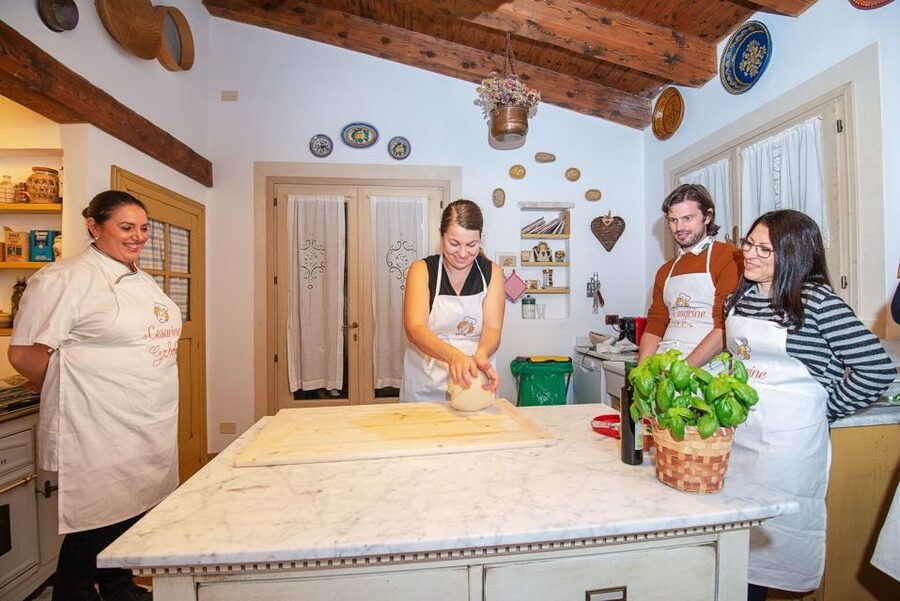
The best part of this Otranto experience is that the kitchen table, not a classroom, becomes your window into Apulian life. You prepare a starter, pasta, and dessert with a certified home cook, then sit down to eat what you made with local wine, water, and coffee.
I like the private group format, which gives you room to ask questions and work at a sensible pace. I also like the family recipe angle. This is not just a demonstration where you watch someone else do all the work. You get a station, utensils, ingredients, and a chance to test your own cooking skills.
The main consideration is the price, $164.26 per person. That is a serious sum for three hours, though it includes instruction, a full three-course tasting, drinks, and a personal home setting. The exact address is provided only after booking, so you will need to plan around the confirmed meeting point.
Key points to know before booking
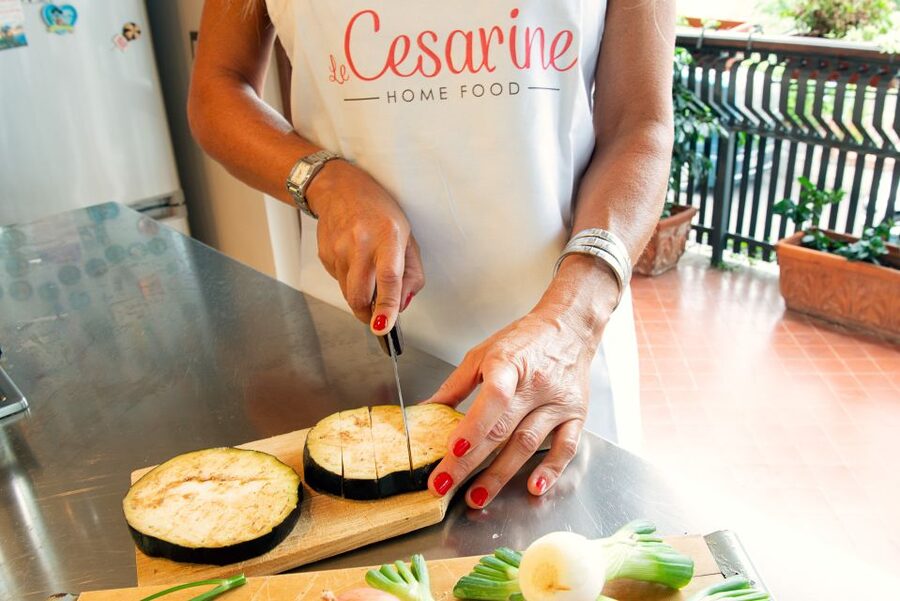
- Three local courses: Prepare a starter, pasta dish, and dessert during one hands-on class.
- A real home setting: The class takes place in a local family’s home rather than a public cooking school.
- Private experience: Your group receives personal attention from a certified home cook.
- Wine with the meal: Taste what you make with local wines, water, and coffee included.
- Flexible scheduling: Classes usually begin around 10:00 AM or 5:00 PM, with some flexibility if requested ahead of time.
- Dietary needs can be arranged: Vegetarian, vegan, gluten-free, and other requirements can be accommodated on request.
Why a home kitchen changes the experience
In a cooking school, you usually learn a recipe. In a local home, you also get a feel for how food fits into everyday Italian life. The setting makes the experience more personal, and the shared meal gives the class a natural finish.
You are not simply seated at a table while a chef performs. The plan is practical: you receive a workstation with the needed tools and ingredients, learn the methods behind three regional recipes, and put those methods to work yourself.
That distinction matters. You can ask why a recipe is handled a certain way, see the small tricks that family cooks rely on, and compare your result with the cook’s example. The class is designed to leave you with skills you can use after your holiday, not just a pleasant meal that disappears once you leave Otranto.
The host is a certified home cook, and instruction is available in Italian and English. The provider, Cesarine, connects visitors with local home cooks, so the personality of the experience will depend on your host. One host highlighted in the feedback is Lidia, whose family welcomed the group into the kitchen and shared homemade limoncello along with the meal. That kind of family touch is possible here, but it should not be treated as a guaranteed part of every booking.
More Home Cooking Classes in Italy
- Pasta Cooking Class: Mastering Nonna’s Recipes
★ 5.0 · 554 reviews - Pastamama, Home Cooking Classes at Grace’s Home
★ 5.0 · 521 reviews - Traditional Home Cooking Experience in Venice
★ 5.0 · 377 reviews
Preparing the starter, pasta, and dessert
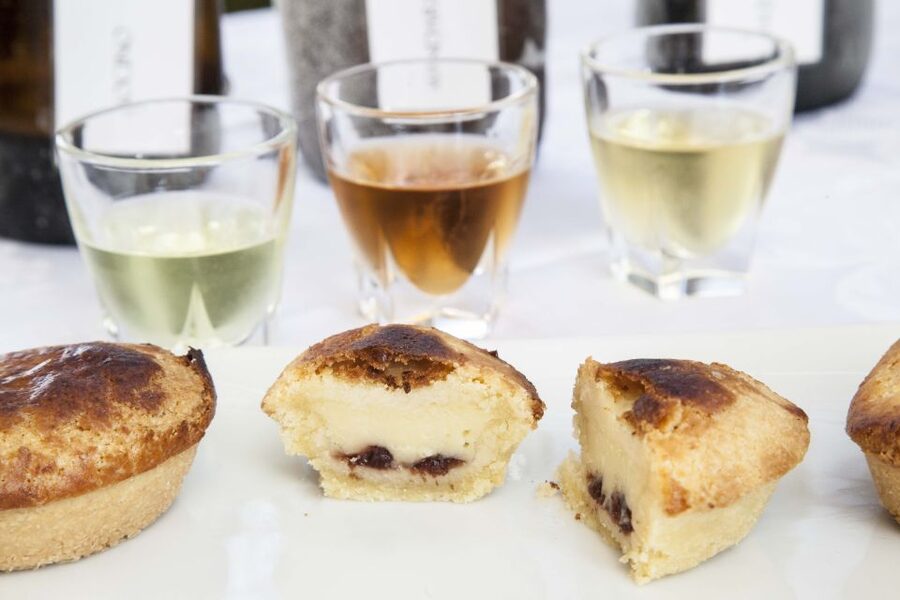
The class covers three local dishes: a starter, a pasta course, and a dessert. The exact recipes are not specified in advance, so the menu may depend on your host and the local ingredients available for the lesson.
That is both a strength and a small uncertainty. If you want to learn one particular dish, ask about the menu before booking. If you enjoy discovering what a local family cooks, the flexible format is part of the appeal.
The starter gets you working without too much pressure. You can learn how the host organizes the ingredients, handles seasoning, and builds the first course. It is a useful warm-up before you move on to pasta, which is usually the most hands-on part of an Italian cooking class.
The pasta course gives the lesson its main focus. You are not only tasting a finished dish. You are learning the process and testing your own technique under the host’s guidance. The cook shares family methods and practical tips, which can be more useful than a formal recipe with rigid measurements.
Dessert provides a relaxed final task before the meal. The feedback about Lidia’s tiramisu was especially strong, with the dish described as the best tasted by that participant. Tiramisu is not promised for every class, but the comment gives you a good sense of the personal, home-style character you may find.
Sitting down to taste what you made
After the preparation comes the part that makes the three-hour format feel complete: you eat the dishes around the table. Local wine, water, and coffee are included, so you do not need to arrange a separate drink stop after the class.
The shared meal is more than a reward for finishing the recipes. It gives you time to talk with the host and enjoy the food at a slower pace. One account described the experience as a warm family moment, with lunch shared alongside Lidia and her family. Another praised the friendly feeling around the kitchen table.
Those details point to the experience’s strongest quality: connection. You are not buying a restaurant meal with a cooking lesson attached. You are being invited into a local home for a meal you helped create.
Homemade limoncello was also part of one family’s welcome. It is not listed as an included beverage, so do not count on it, but it shows how the host’s own traditions can shape the visit. You may get a simple, focused lesson, or you may find that the meal opens into a longer conversation about family recipes and local food.
Morning or afternoon: choosing the right time
The class usually begins at 10:00 AM or 5:00 PM. The morning option leads naturally into lunch, while the afternoon option works well as an early evening activity.
I would choose the morning class if food is one of your main reasons for visiting Puglia and you want plenty of time afterward for a walk around Otranto. The afternoon class may suit you better if you prefer a slower start or want your cooking lesson to become the evening meal.
The provider can be flexible with timing if you make the request in advance. Do not assume that last-minute changes will be possible. Give your preferred time when booking and confirm the final start time with the host.
The activity lasts three hours, which is long enough to prepare and eat three courses without making the day feel swallowed by one appointment. Still, allow extra time around the class. The exact address is shared after booking, and the activity ends back at that same meeting point.
Same kitchen, a different dish:
- Florence: Pasta Cooking Class with Unlimited Wine
★ 4.9 · 10,285 reviews - 3 in 1 Cooking Class near Navona: Fettuccine, Ravioli & Tiramisu
★ 5.0 · 7,376 reviews - Florence: Pasta & Tiramisu Cooking Class with Unlimited Wine
★ 4.9 · 6,708 reviews - Florence: Pasta Cooking Class with Unlimited Wine
★ 5.0 · 6,413 reviews
What the private format means for you
This is a private group experience, not a large class. That makes a real difference in a home kitchen, where space and equipment are more personal than in a commercial school.
You can ask questions without waiting for a guide to circulate through a crowded room. You also have more say in the pace and can tell the provider about dietary requirements before the class.
The private setup is especially useful for families, couples, and small groups with different cooking abilities. A confident cook can ask for extra tips, while a beginner can follow the basic steps without feeling rushed.
There is one practical point to keep in mind: at least one person is required for the activity to operate. The experience is still described as a private group, but the information does not set a maximum group size. Ask for clarification if you are booking for a larger party and want to know exactly how the home setup will work.
Dietary requests and language
The local provider can cater to vegetarian, vegan, gluten-free, and other dietary requirements when told in advance. This is important because the class includes both preparation and tasting. A dietary request is not just a note for the final plate, it can affect the ingredients and cooking steps from the start.
You should provide clear details at booking and use the confirmation contact information if you need to discuss the request further. The cook speaks Italian and English, so you can expect instruction in one of those languages.
The language setup will suit most English-speaking visitors, but recipes can still involve gestures, demonstrations, and hands-on practice. That is helpful in a cooking class because you can watch the technique as well as hear the explanation.
Is $164.26 a fair price?
At $164.26 per person, this is not a bargain meal. You are paying for more than three plates of food, though, and the value depends on how much you want the personal setting.
The price includes a three-hour class, the ingredients and cooking equipment, three local dishes, wine, water, and coffee. It also includes the time and attention of a certified home cook and the chance to eat in a private family home.
Compared with a standard restaurant dinner, the class costs more but gives you an activity and a skill to take home. Compared with a large commercial cooking class, it may offer a more intimate setting and closer contact with the host.
I think the price makes the most sense for people who treat food experiences as a major part of their trip. If you only want a cheap introduction to pasta, there are less expensive ways to eat in Apulia. If you want a personal meal, practical instruction, and the memory of sharing a table with a local family, the cost is easier to justify.
The included wine and coffee help, but I would book this for the cooking and home connection first. Those are the parts that make the experience different. The food and drinks complete it.
The home setting has advantages and limits
A local home can feel more genuine than a polished cooking studio. You see food prepared in a personal space, and you may learn small habits that never appear in a standard tourist class.
The tradeoff is that the exact setup varies by host. You are not booking a fixed restaurant room with a published menu and identical equipment at every session. The address is kept private until after booking, and the host’s home becomes part of the experience.
That means you should be comfortable with a little uncertainty. The menu is not specified, the address arrives later, and the host’s style may shape the pace. In return, you get an experience that is less packaged and more connected to the person teaching you.
I see that as a fair exchange for visitors who value personal contact. If you need a tightly controlled schedule, a guaranteed recipe, or a professional teaching kitchen, this may not be your best choice.
Who will enjoy this class most?
I would recommend this experience to couples, families, and small private groups who want a food activity with conversation built in. It also suits anyone who likes to bring home a skill rather than another souvenir.
It is a good match for curious beginners because the cook supplies the tools, ingredients, and instruction. More experienced cooks can enjoy learning regional methods and family techniques instead of following a generic recipe.
Food-focused visitors will get the most from it, especially if they want to understand the meal as well as eat it. The home setting also suits people who prefer a calm, social activity over a busy sightseeing stop.
I would think twice if you have a tight schedule that cannot absorb a three-hour class, or if you want to know the exact menu before paying. I would also check the timing carefully if you have transport plans around Otranto, since the home address is supplied only after booking.
Booking details worth handling early
You can cancel up to 24 hours before the activity for a full refund. You can also reserve now and pay later, which helps if your Apulia plans are still changing.
The provider generally offers the class at 10:00 AM or 5:00 PM, but advance requests may allow a different time. Use the contact details on your confirmation if you need to discuss the start time, meeting point, or food requirements.
The full address is shared after booking for privacy reasons. Since the class starts and ends at the host’s home, check the meeting information carefully once it arrives and leave enough time to reach the correct location.
Should you book the Otranto home cooking class?
Book it if you want a private, hands-on food experience and value the chance to meet an Italian family more than you value a low price. The strongest reasons are the home setting, the three-course format, the included wine, and the chance to sit down with the food you prepared.
The stories connected with Lidia show the kind of personal welcome that can make this experience memorable, including family conversation, homemade tiramisu, and even limoncello. Those extras are not guaranteed, but the format gives them room to happen.
Skip it if you want a fixed menu, a large professional kitchen, or a quick activity between major sights. At $164.26, it deserves to be a deliberate choice. For food lovers who want to carry a little Apulia home in their cooking skills, it is a strong option.
FAQ
How long does the cooking class last?
The class lasts three hours, including the cooking lesson and tasting of the prepared dishes.
What dishes will I prepare?
You will prepare three local dishes: a starter, a pasta course, and a dessert. The exact recipes are not specified in advance.
Are drinks included?
Yes. The experience includes water, local wines, and coffee.
Where does the class take place?
The class takes place in a local family’s home near Otranto. The exact address is provided after booking for privacy reasons.
Can dietary requirements be accommodated?
Yes. Vegetarian, vegan, gluten-free, and other dietary requirements can be accommodated when requested in advance.
What languages does the instructor speak?
Instruction is available in Italian and English.
New cooking classes around Italy
- Sestri Levante: Pesto & Cooking Classes, Wine Tasting★ 4.9 · 56 reviews
- Sardinia Cooking Class: Fresh Handmade Pasta★ 5.0 · 53 reviews
- San Gimignano: Tuscan Cooking Class★ 5.0 · 2 reviews
- San Gimignano: Truffle Cooking Class with Wine Tasting★ 5.0 · 5 reviews
- San Gimignano: “Hands in dough” Cooking Class with Lunch★ 5.0 · 6 reviews
- Salento: Authentic Cooking Experience with Fresh Pasta and Local Products★ 5.0 · 8 reviews
- ROME:Hands-On Lasagna & Marsala Tiramisu Cooking Experience”★ 5.0 · 3 reviews
- Rome: Private Wine Tour and Pasta Making Class in a Winery★ 5.0 · 6 reviews
Italy Cooking Classes, side by side.
Florence: Pasta Cooking Class with Unlimited Wine
Read our review →
3 in 1 Cooking Class near Navona: Fettuccine, Ravioli & Tiramisu
Read our review →
Cooking Class and Lunch at a Tuscan Farmhouse with Local Market Tour from Florence
Read our review →
Rome: Pasta Making Class with Wine, Limoncello, and Dessert
Read our review →
Rome Cooking Class: Make Pasta and 3 Spritz Cocktails
Read our review →
Rome: 3-in-1 Fettuccine, Ravioli, and Tiramisu Cooking Class
Read our review →
Rome: Fettuccine Pasta Cooking Class in Rome’s City Center
Read our review →This kitchen also appears in