
Review · ITALY
Padua: Cooking Class at a Local’s Home
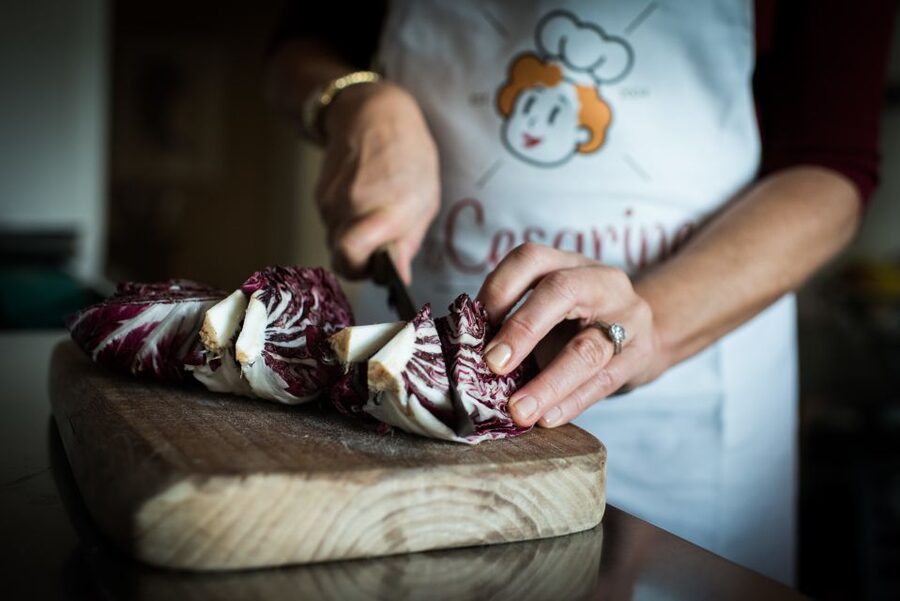
The best part of this Padua experience is that you cook inside a real local home, not in a polished school kitchen. A certified home cook guides you through three Veneto recipes, using family cookbooks and everyday kitchen tools. You then eat what you made with local wine, coffee, and the people who taught you.
I like the small group of no more than eight, which gives you room to ask questions and work at your own station. I also like the full meal: starter, pasta, and dessert, rather than a quick lesson focused on one dish. The main consideration is the price, $164.26 per person, which is a serious outlay for three hours, even with food, drinks, and personal instruction included.
Key points to know before booking
- Cook in a private local home: The exact address arrives after booking to protect the family’s privacy.
- Prepare three courses: The class covers a starter, pasta, and dessert, followed by a sit-down tasting.
- Keep the group small: Participation is limited to eight people, making hands-on help more likely.
- Choose from two usual start times: Classes generally begin at 10 AM or 5 PM, with some flexibility if requested early.
- Eat with regional wine: Water, wine, and coffee are included with the dishes you prepare.
- Ask about dietary needs: Vegetarian, vegan, and gluten-free requests can be accommodated when arranged ahead.
Cooking in a Padua family home
This is a food class with a strong personal side. You are not simply watching a chef prepare a plate while standing behind a counter. You receive ingredients, utensils, and a workstation, then take part in the work yourself.
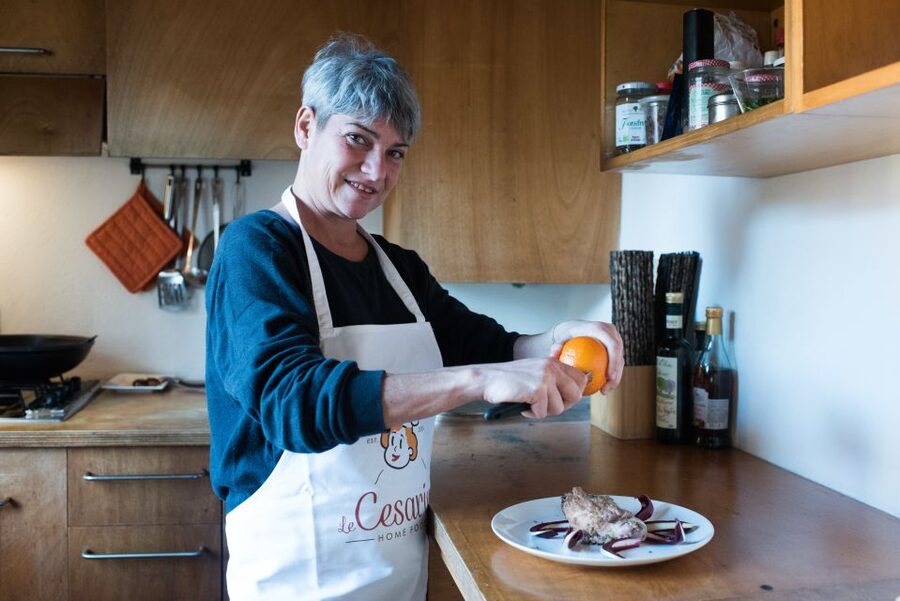
The setting matters. A local family home gives the lesson a more personal feel than a standard commercial kitchen. You can ask how a recipe is handled at home, see the practical rhythm of an Italian meal, and learn small methods that tend to disappear from a printed recipe.
The host is a certified home cook, and instruction is available in Italian or English. That language choice is useful, especially if you want to ask about technique rather than just follow hand signals and demonstrations.
The full address is not provided until after you book. That protects the host’s privacy, though it means you cannot judge the exact neighborhood or walking distance before paying. Once your reservation is made, you receive the meeting point information.
More Home Cooking Classes in Italy
- Pasta Cooking Class: Mastering Nonna’s Recipes
★ 5.0 · 554 reviews - Pastamama, Home Cooking Classes at Grace’s Home
★ 5.0 · 521 reviews - Traditional Home Cooking Experience in Venice
★ 5.0 · 377 reviews
The three-hour meal, from starter to dessert
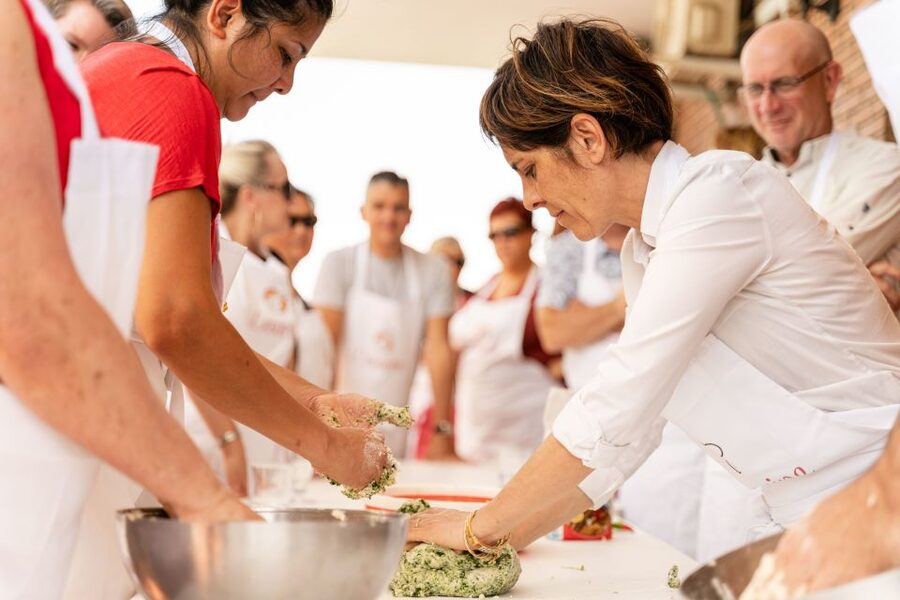
The class usually runs for three hours. That is enough time for a relaxed lesson, though the exact pace will depend on the recipes and the size of your group.
You work through three local dishes:
- A starter
- A pasta course
- A dessert
This structure gives you a useful picture of an Italian meal from beginning to end. A single pasta lesson can be fun, but it tells you only part of the story. Here, you learn how a meal is built, how courses fit together, and how the cooking leads into shared eating.
The recipes come from family cookbooks and regional traditions. Specific dishes are not listed in advance, so you should not book this expecting a named recipe such as risotto or tiramisu. The appeal is learning local preparations chosen by the host, not selecting dishes from a fixed restaurant menu.
You will have the ingredients and utensils needed for the lesson. That makes this a practical class rather than a demonstration. You should expect to chop, mix, shape, season, and take part in the preparation, though the exact tasks will depend on the menu.
Why the small group matters
Eight participants is the maximum. That is still large enough for a social meal, but far more manageable than a cooking class with a dozen or more people.
I like this limit because cooking instruction works best when you can get help at the moment you need it. If a dough feels wrong or a sauce needs adjustment, you can ask the host rather than wait through a long line of other questions.
A small group also suits people who want a real exchange with a local family. You have a better chance to talk during the cooking and meal, rather than being one face in a crowded class. The strongest praise for this experience centers on its atmosphere, the host’s ability to teach, and the personal character of the meeting.
Still, a small group does not guarantee a private class. Other participants may be couples, families, or solo bookers. If you want the host entirely to yourself, confirm the arrangement before booking.
The meal after the lesson
At the end, you eat the dishes you prepared. This is more than a convenient finish. It lets you see how the food works as a complete meal, and it gives you time to talk without stopping every few minutes to measure ingredients.
Wine is included, along with water and coffee. The wine adds a local touch and makes the meal feel like a proper Italian table, while water and coffee keep the drink choices simple and practical.
The meal is also where the value of the experience becomes clearer. You are paying for instruction, ingredients, food, beverages, and time in a local home. If you want only a low-cost meal, a restaurant will be cheaper. If you want to learn and eat in the same three-hour visit, the price has a stronger case.
The alcohol inclusion is worth noting for anyone who does not drink. You can still take part, since water and coffee are provided, but the experience is designed around food and wine together.
Same kitchen, a different dish:
- Florence: Pasta Cooking Class with Unlimited Wine
★ 4.9 · 10,285 reviews - 3 in 1 Cooking Class near Navona: Fettuccine, Ravioli & Tiramisu
★ 5.0 · 7,376 reviews - Florence: Pasta & Tiramisu Cooking Class with Unlimited Wine
★ 4.9 · 6,708 reviews - Florence: Pasta Cooking Class with Unlimited Wine
★ 5.0 · 6,413 reviews
What you can take home from the class
The most useful souvenir here is a set of cooking habits. You leave with methods you can repeat at home, rather than another small object in your luggage.
Because the host shares family recipes and practical tricks, the lesson may help you understand why a dish works, not just what ingredients it contains. That distinction matters. A recipe can tell you quantities, but a cook can show you how a mixture should feel, when to stop working it, or how to correct a small mistake.
The information provided does not promise printed recipes, so do not assume you will receive a formal recipe packet. Bring a phone or small notebook if you want to record the names of dishes, ingredients, or techniques, provided the host is comfortable with that.
The experience is a good fit if you enjoy learning by doing. It is less suitable if you prefer a polished food show where you simply watch and eat.
Morning or afternoon: choosing your time
Classes usually begin at 10 AM or 5 PM.
The morning start works well if you want the activity to become a long lunch and still have the afternoon free in Padua. It also gives you a full day afterward for sightseeing, provided you are comfortable spending part of the morning indoors.
The 5 PM option leads naturally into dinner. That timing can make the meal feel like the main event of the evening, but it also uses the prime dinner hours. If you have another reservation or evening plan, allow for the full three hours.
The hosts may be flexible if you ask in advance. Do not count on a last-minute time change. Make the request before the class, especially if your train, hotel check-in, or other Padua plans depend on it.
Dietary requests and practical planning
Vegetarian, vegan, and gluten-free needs can be handled upon request. You should provide this information before the class rather than waiting until you arrive. The host needs time to plan suitable ingredients and recipes.
The same advice applies to allergies. The supplied information specifically confirms several dietary styles, but it does not promise that every allergy can be accommodated. Give clear details when booking and use the contact information in your confirmation if you need to discuss ingredients.
Wear clothes you can cook in. This is a hands-on lesson, so an outfit you would worry about staining is not ideal. No special equipment is listed as necessary, since utensils and ingredients are supplied.
The activity begins and ends at the same meeting point. Since that point is a private home and the exact address comes after booking, leave enough time to find it once you receive the details. The meeting information is an important part of your planning in Padua.
Is $164.26 a fair price?
At $164.26 per person, this is not a bargain cooking class. The cost makes sense mainly for people who value personal contact and a complete meal, not just instruction.
You are paying for three hours, a certified home cook, three dishes, ingredients, equipment, wine, water, coffee, and a small group capped at eight. You also receive access to a private family setting, which is the part a standard restaurant meal cannot offer.
The value is strongest for couples, food-focused visitors, and anyone who wants an activity that creates a lasting skill. It is weaker for budget-minded diners who would rather spend the money on several meals around Padua.
The high rating of 5 out of 5 from seven ratings supports the idea that the personal atmosphere and teaching are major strengths. One detailed comment praised everything from the atmosphere and the host’s ability to teach to the host’s personality, and said the participant learned a lot. Another short response simply found everything satisfactory. That is a small sample, so I would treat it as encouraging rather than final proof.
Who will enjoy this most?
I would recommend this class to you if food is one of the main reasons you visit Italy. It is especially well suited to people who like meeting local families, asking questions, and taking part rather than watching from the side.
It can also work well for a couple or family seeking a slower activity between sightseeing stops. The three-hour length gives the visit room to breathe, and the meal at the end means you do not need to find dinner immediately afterward if you choose the afternoon session.
Families with children should check the arrangements before booking. The activity is suitable in spirit for people who enjoy cooking, but no specific child age range or child pricing is provided.
I would be more cautious if you have strict timing, a very limited food budget, or a strong preference for knowing the exact menu and address before making a reservation. Those are reasonable concerns, not flaws, but they affect how comfortably this experience fits your plans.
Should you book this Padua cooking class?
Book it if you want a personal food experience and are happy to pay for time, teaching, ingredients, and a shared meal in a local home. The small group, three-course format, included drinks, and flexible language options make it more useful than a quick demonstration.
Skip it if your main goal is simply to eat cheaply, or if you need a fully published menu and confirmed address before committing. For everyone else, this is a practical way to connect with local life and take home cooking skills that last longer than a souvenir.
The best preparation is simple: request your preferred time early, explain dietary needs before arrival, and ask for any details you need through the confirmation contact. Then bring an appetite and be ready to work.
FAQ
Where does the cooking class take place?
The class takes place in a local family’s home in the Padua area of Veneto. The exact address is shared after booking for privacy reasons.
How long does the activity last?
The cooking class lasts three hours.
What time does the class usually begin?
The usual start times are 10 AM and 5 PM. The guides may be flexible if you ask in advance.
What dishes will I prepare?
You will prepare three local dishes: a starter, a pasta course, and a dessert. The specific recipes are not listed in advance.
Is food included?
Yes. You prepare and taste all three dishes during the activity.
Are drinks included?
Yes. Water, wine, and coffee are included.
What languages are available?
The class is offered in Italian and English.
How large is the group?
The group is limited to eight participants.
Can dietary requirements be accommodated?
Vegetarian, vegan, and gluten-free requirements can be accommodated upon request. Share your needs ahead of time so the host can plan accordingly.
New cooking classes around Italy
- Sestri Levante: Pesto & Cooking Classes, Wine Tasting★ 4.9 · 56 reviews
- Sardinia Cooking Class: Fresh Handmade Pasta★ 5.0 · 53 reviews
- San Gimignano: Tuscan Cooking Class★ 5.0 · 2 reviews
- San Gimignano: Truffle Cooking Class with Wine Tasting★ 5.0 · 5 reviews
- San Gimignano: “Hands in dough” Cooking Class with Lunch★ 5.0 · 6 reviews
- Salento: Authentic Cooking Experience with Fresh Pasta and Local Products★ 5.0 · 8 reviews
- ROME:Hands-On Lasagna & Marsala Tiramisu Cooking Experience”★ 5.0 · 3 reviews
- Rome: Private Wine Tour and Pasta Making Class in a Winery★ 5.0 · 6 reviews
Italy Cooking Classes, side by side.
Florence: Pasta Cooking Class with Unlimited Wine
Read our review →
3 in 1 Cooking Class near Navona: Fettuccine, Ravioli & Tiramisu
Read our review →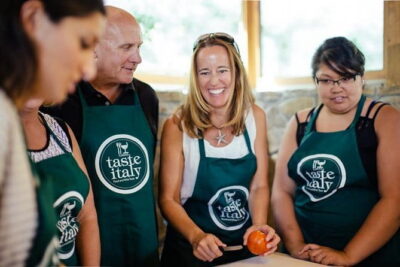
Cooking Class and Lunch at a Tuscan Farmhouse with Local Market Tour from Florence
Read our review →
Rome: Pasta Making Class with Wine, Limoncello, and Dessert
Read our review →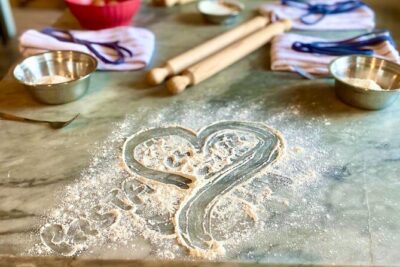

Rome Cooking Class: Make Pasta and 3 Spritz Cocktails
Read our review →
Rome: 3-in-1 Fettuccine, Ravioli, and Tiramisu Cooking Class
Read our review →
Rome: Fettuccine Pasta Cooking Class in Rome’s City Center
Read our review →This kitchen also appears in