
Review · ITALY
Polignano a Mare: Pasta Making Cooking Class with Drink
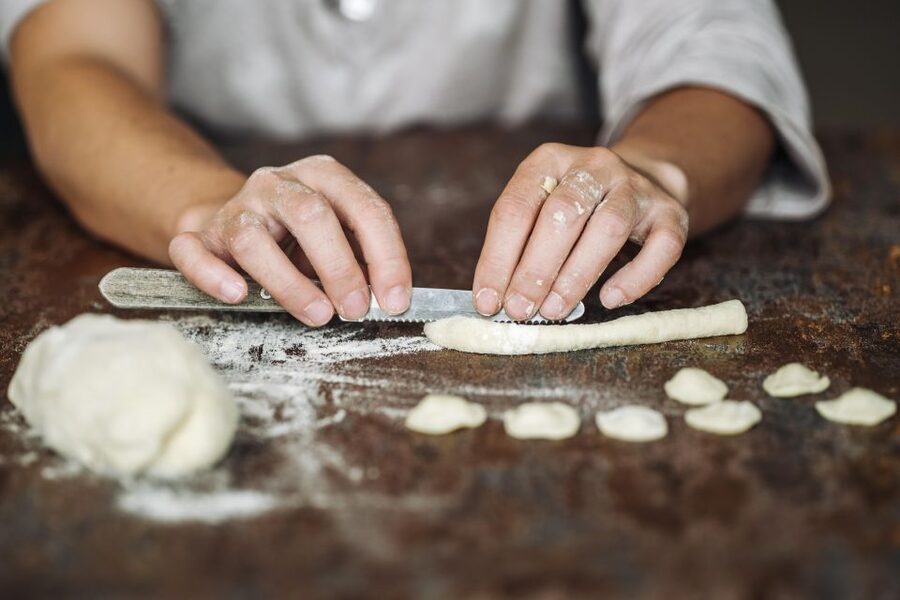
The star of this Polignano a Mare experience is not a grand kitchen or a long menu. It is the simple Apulian skill of turning flour and water into orecchiette and cavatelli, two pasta shapes you can try again at home. A local instructor such as Annamaria or Daniele shows you the hand movements, explains why the shapes matter, and helps correct your technique.
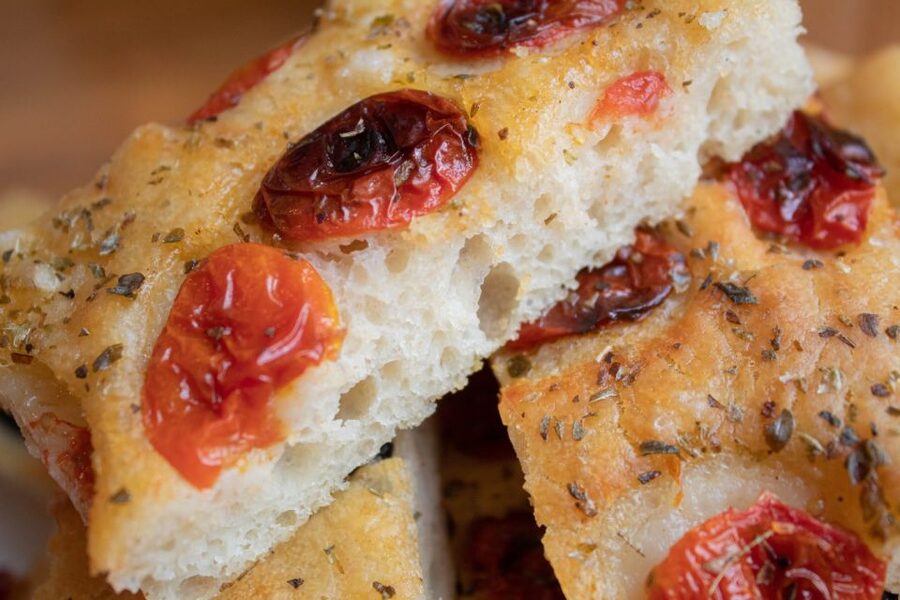
I like the small, friendly format and the fact that you eat the pasta you make, rather than watching it disappear into a restaurant kitchen. I also like the regional welcome: taralli, preserved vegetables, seasonal greens, wine, focaccia, and sometimes a little limoncello. The main consideration is that this is more of a pasta-shaping lesson than a full cooking school. You may watch the dough and sauce preparation rather than make every part yourself.
Key points at a glance
- Two classic shapes: Learn the thumb-and-knife technique for orecchiette and the rolled, hollow form of cavatelli.
- Local instructors: Annamaria and Daniele are frequently scheduled, with English and Italian instruction.
- You eat your work: The finished orecchiette is served with sauce as part of the meal.
- Apulian aperitivo: Expect taralli, preserved vegetables, olives, focaccia, seasonal greens, drinks, and local wine.
- Good for families: Children and teenagers have taken part, with individual help during the shaping.
- Historic-center setting: The class takes place at a typical house at Via S. Vito 20 in Polignano a Mare.
Making Apulian pasta in Polignano’s old town
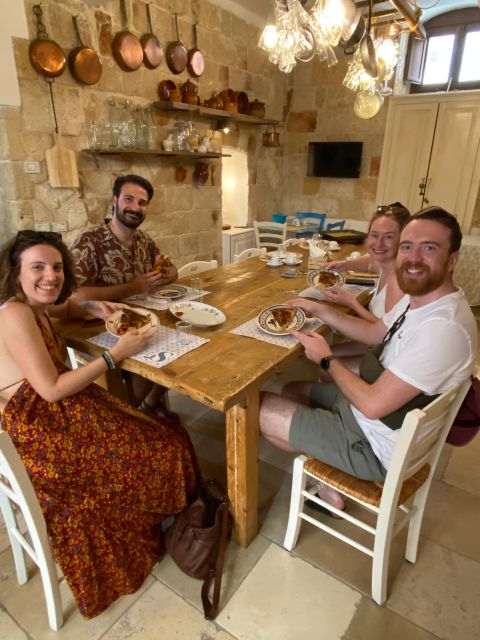
This is a hands-on introduction to one of Puglia’s most recognizable food traditions. You meet Annamaria at a typical house on Via S. Vito 20, in the historic center of Polignano a Mare, then settle in for a two-hour class with a local cook.
The setting matters. You are not being taught a generic Italian pasta recipe in a hotel conference room. The focus is specifically southern Apulian pasta, especially the small ear-shaped orecchiette associated with Puglia and the ridged cavatelli often served with hearty sauces.
The class is led in English or Italian. The instructors change, but Annamaria and Daniele appear often in the teaching. Both are described as patient, lively, and able to explain more than the mechanics of pasta. Expect conversation about Apulian ingredients, Italian food customs, regional traditions, and, at times, local history and everyday life.
That extra conversation is part of the value. You are not only learning how to press a piece of dough with a knife. You are learning why a region famous for wheat, vegetables, olive oil, and simple cooking developed these particular shapes.
More Pasta Making Classes in Italy:
- Florence: Pasta Cooking Class with Unlimited Wine
★ 4.9 · 10,285 reviews - 3 in 1 Cooking Class near Navona: Fettuccine, Ravioli & Tiramisu
★ 5.0 · 7,376 reviews - Florence: Pasta & Tiramisu Cooking Class with Unlimited Wine
★ 4.9 · 6,708 reviews
What you actually do during the two hours
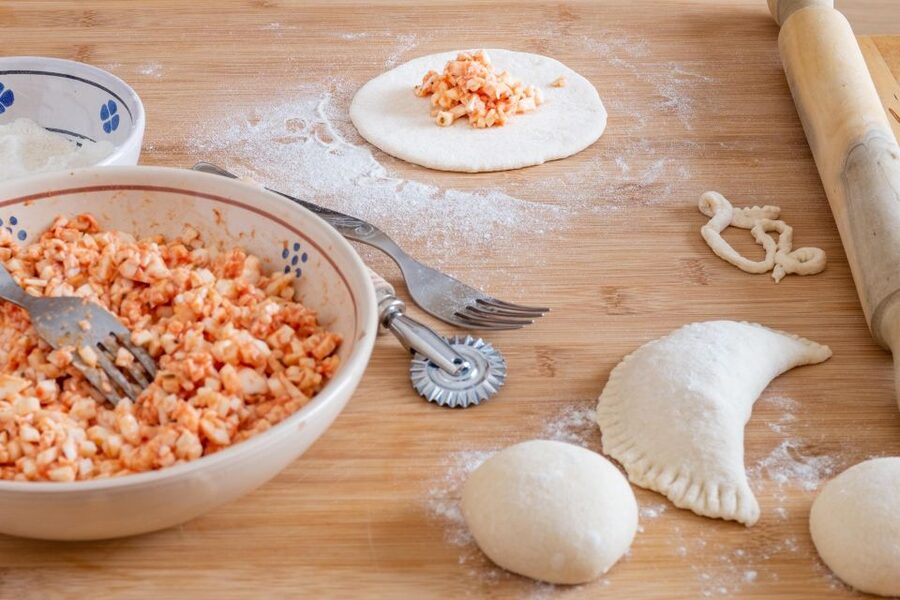
The class begins with an explanation of the pasta-making process. You learn about the dough, the ingredients, and the differences between pasta traditions in southern and northern Italy. The instructor explains the reasons behind common pasta rules instead of simply asking you to follow them by habit.
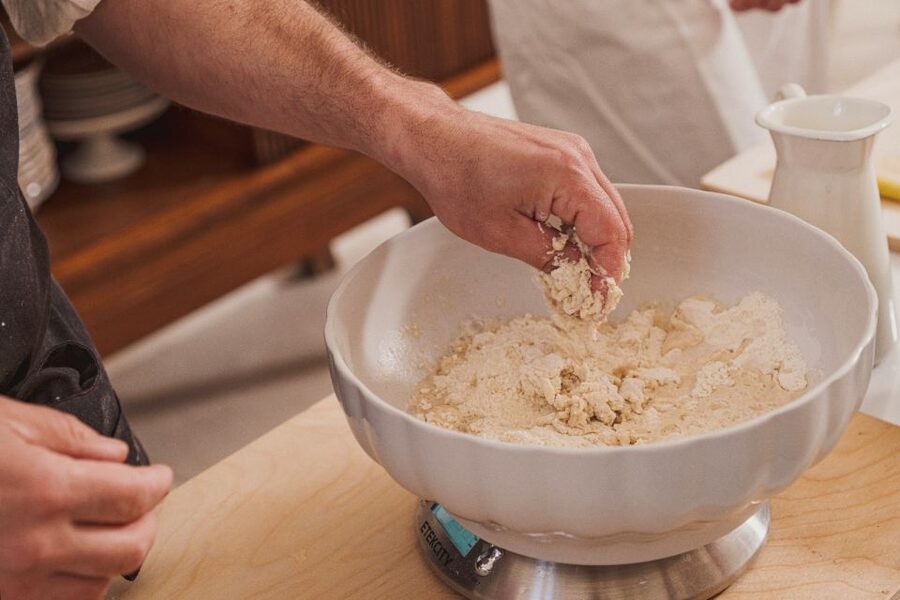
The precise division of work can vary, but the class is not designed for you to prepare every component from scratch. Several participants have found that the instructor demonstrates the dough and sauce, while the main hands-on task is shaping the prepared dough into orecchiette and cavatelli.
That distinction is important. If you want to knead dough, simmer a sauce, and manage every stage of a meal, this may feel limited. If you want to learn the difficult hand technique and enjoy a relaxed social lesson, the format works well.
For orecchiette, you use a knife to cut and shape small pieces of dough, then turn each one inside out over your thumb. The goal is a thin center with a slightly thicker rim. It looks easy when an experienced cook does it. Your first attempts may resemble tiny shells, coins, or accidental pasta fossils. The instructor gives individual corrections, which is especially useful because the shape depends on pressure, speed, and the angle of the knife.
Cavatelli uses a different motion. You roll or press the dough to create a short, hollow shape. Making both forms in one class gives you a better sense of how small changes in hand movement affect the final texture.
The teaching is practical. You can ask questions, watch the technique again, and record parts of the demonstration if you wish. One useful tip for home cooks is to pay attention to the feel of the dough, not just the appearance. The instructors also discuss sauce, cooking, food waste, and ways to repeat the process at home.
The Apulian aperitivo comes before the pasta
While the pasta is being prepared or cooked, the food expands beyond the dough on the table. The aperitivo includes typical Puglian products such as taralli, preserved vegetables, seasonal greens, olives, and focaccia. The exact selection may vary, but the point is to introduce you to the snacks people in the region serve alongside drinks.
Taralli are small, crunchy rings made from dough and baked until crisp. They are a familiar southern Italian nibble, and they go well with wine while you wait for the pasta. Preserved vegetables add sharper, saltier flavors, while greens and olives bring the meal closer to the everyday Apulian table.
This part makes the class feel social rather than rushed. You can talk with the instructor and other people at the table, ask about local ingredients, and enjoy a drink during the lesson.
Wine is included, and several people have particularly liked having red wine throughout the class. Some sessions also include limoncello. The wording for drinks does not promise a formal wine tasting, so I would treat the wine as a pleasant accompaniment rather than a structured lesson in Puglian vineyards.
Eating the pasta you shaped
The best payoff comes when the pasta is cooked and served. Included in the experience is orecchiette with tomato sauce, though the accompanying sauce may vary. Some classes have used pesto, and the instructors also discuss other sauces and cooking methods.
Eating the pasta you made gives the lesson a useful finish. You can see how the shape holds sauce and notice the difference between fresh handmade pasta and dried pasta from a packet. The meal is also generous enough to feel like more than a quick sample, especially when combined with the aperitivo and wine.
Do not expect a restaurant-style tasting menu. The food is meant to be simple, regional, and connected to the skill you just practiced. That is a strength if you want a taste of home cooking. It may be less satisfying if you are expecting several elaborate courses or a lesson in advanced plating.
The final meal also gives you a chance to compare your pasta with the instructor’s. Your orecchiette does not need to be perfectly uniform. In fact, small differences in size and thickness are part of the charm of handmade pasta, though the instructor will help you improve the shape and cooking result.
More cooking classes around Italy:
- Florence: Pasta Cooking Class with Unlimited Wine
★ 5.0 · 6,413 reviews - Cooking Class and Lunch at a Tuscan Farmhouse with Local Market Tour from Florence
★ 5.0 · 4,831 reviews - Rome: Pasta Making Class with Wine, Limoncello, and Dessert
★ 4.9 · 3,177 reviews - Pastamania – Florence Pasta Making Class
★ 5.0 · 3,050 reviews
Why the instructors make a difference
The strongest part of this experience is the teaching. Annamaria is described as warm, patient, and careful about showing the correct way to form orecchiette. She also shares practical advice about pasta, focaccia, sauces, and Apulian recipes.
Daniele brings a slightly different style. He has professional kitchen experience and explains the science behind pasta-making methods across Italy. His approach includes food traditions, ingredient choices, sustainability, and ways to reduce waste. He is also comfortable working with late arrivals and keeping the mood light.
The instructors do not stick only to food. Depending on who leads your class, you may hear about Italian history, politics, social issues, and the wider culture of Puglia. That makes the experience more interesting for adults, while children can still focus on the tactile fun of rolling and shaping pasta.
English ability is listed for the activity, and the available instruction is in English or Italian. The teaching style is conversational, so you should have room to ask questions rather than simply copy a demonstration in silence.
Is the class good for children and families?
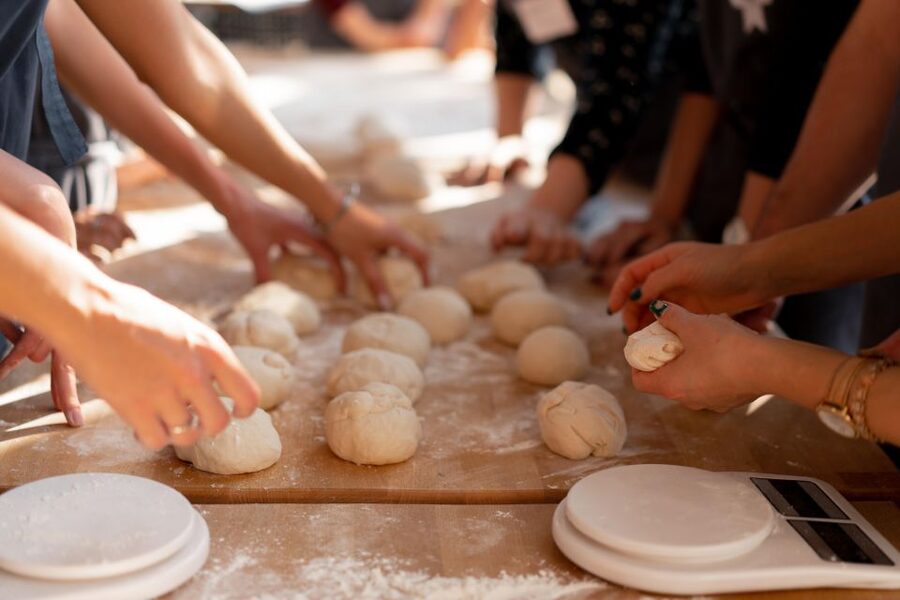
Yes, provided your children can handle a two-hour food activity with periods of watching and listening. Families have taken part with children as young as five and eight, as well as teenagers. The instructors provide help at the table, and the pasta shaping gives children a clear task they can see improving.
For younger children, the class may be more enjoyable if an adult is ready to share the work and keep them engaged during the explanations. The experience is not a nonstop activity session. There is time spent listening to the chef discuss ingredients and technique.
Teenagers may get more from the cultural side, especially if they enjoy cooking or want to learn something they can repeat at home. Adults who have already taken several pasta classes may also appreciate the explanations about why pasta is cooked and shaped in certain ways.
The class is suitable for vegetarians and vegans. Since the included meal is pasta with sauce and the aperitivo centers on vegetables, taralli, greens, and other local products, it is a sensible choice for plant-based diners. You should still communicate dietary needs when booking if you have specific restrictions, since the provided details do not spell out every ingredient in each dish.
What the $77 price gets you
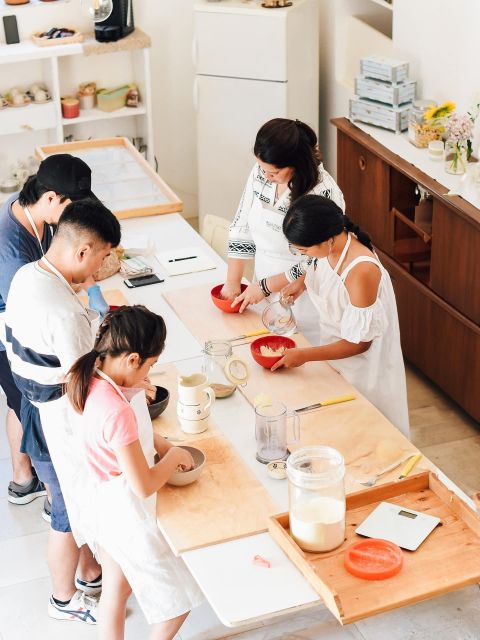
At $77 per person, this is not the cheapest way to eat pasta in Puglia. You are paying for more than the meal, though. The price includes a professional chef, kitchen equipment, hands-on instruction, local product tastings, drinks, wine, and the pasta meal.
The value is strongest if you care about learning a skill and want a social evening in the old town. Individual guidance matters here. Shaping orecchiette properly takes more than watching a short online video, and the instructor can show you what your hands are doing wrong.
The value is weaker if your only goal is dinner. You can find a less expensive meal elsewhere, and this class does not have you prepare every part of the menu. One participant felt the cost was high for the amount of cooking involved, and another hoped to learn more Puglian sauces. Those are fair concerns.
I would compare it with a standard restaurant meal plus a cooking demonstration. The meal alone does not justify the full price, but the combination of instruction, aperitivo, drinks, social time, and a local setting makes the cost reasonable for many visitors.
Timing, meeting point, and practical details
The experience lasts two hours, with starting times depending on availability. The meeting point is Annamaria’s typical house at Via S. Vito 20, 70044 Polignano a Mare BA.
Because the class is in Polignano’s historic center, allow time to find the address and arrive promptly. The location is not a hotel pickup point. Pickup and drop-off are not included, though a transfer can be requested from Monopoli and nearby cities.
The activity is listed as wheelchair accessible. If you need a transfer or have a specific access requirement, request it ahead of time because the available transport and exact arrangements are not detailed.
You can cancel up to 24 hours before the start for a full refund, and the reserve-now, pay-later option gives you some flexibility while your Puglia plans are still changing.
Who should book this experience?
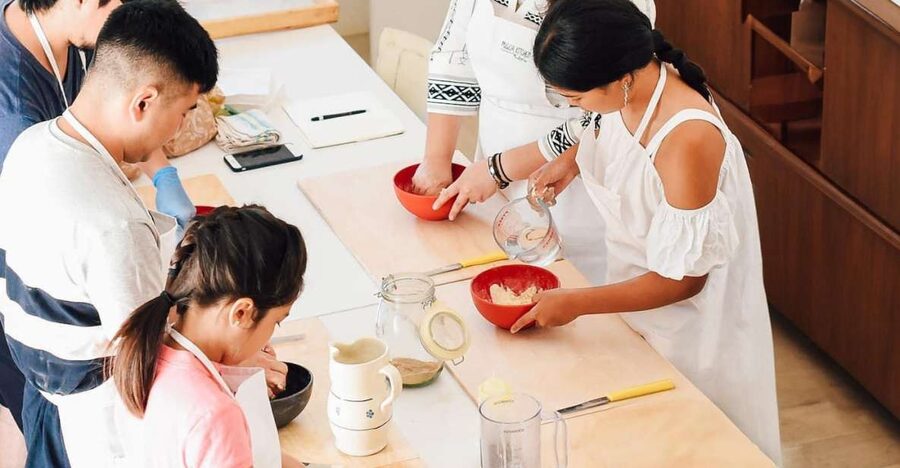
I would choose this class if you want a short, social food activity between sightseeing in Polignano a Mare and dinner. Two hours is enough to learn the basic shapes without taking over an entire day.
It suits first-time pasta makers, couples, families, and people who enjoy meeting others around a table. It is also a good choice if you want the instructor to explain regional food culture rather than hand you a recipe and send you home.
You may want another type of class if your priority is making dough from the first step, preparing several sauces, or cooking a multi-course meal yourself. Ask about the exact format if that level of participation matters to you.
Bring patience, a willingness to make uneven pasta, and an appetite for wine and snacks. If you remember the hand movements and repeat them at home, the experience continues long after your visit to Polignano.
Should you book the Polignano a Mare pasta class?
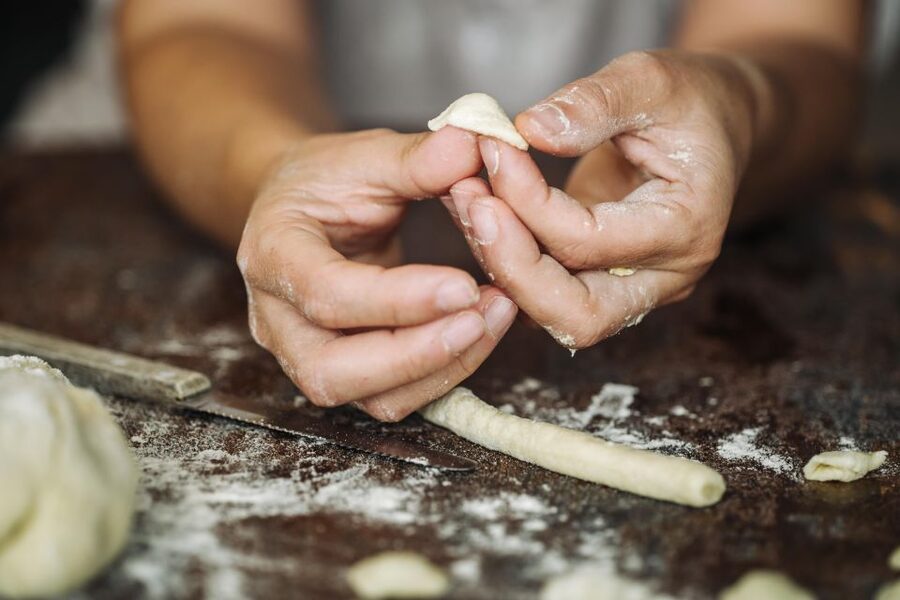
Book it if you want to learn the defining pasta shapes of Puglia, eat what you make, and spend two relaxed hours with a local instructor. The highly praised elements are clear: patient teaching, small-group attention, good English, useful cooking advice, and a warm atmosphere.
The main limitation is also clear: you may shape the pasta without preparing the dough or sauce from scratch. At $77, that makes the class best for people who value guidance, regional context, aperitivo, wine, and the shared meal, not just the volume of cooking.
For a first pasta lesson in Puglia, I think it is a solid choice. You leave with a practical technique, a full stomach, and a better understanding of why orecchiette belongs on the table in southern Italy.
FAQ
Where does the pasta class take place?
The class takes place in a typical house in Polignano a Mare’s historic center at Via S. Vito 20, 70044 Polignano a Mare BA.
How long does the experience last?
The cooking class lasts two hours. Starting times depend on availability.
What pasta shapes will I learn to make?
You will learn to make orecchiette and cavatelli, two traditional Apulian pasta shapes.
Is the pasta class taught in English?
Yes. The activity is offered in English and Italian.
Who teaches the class?
The instructors can include local cooks such as Annamaria and Daniele. The specific instructor may vary.
Is food included?
Yes. The experience includes tastings of local products and orecchiette with tomato sauce. The class also includes an Apulian aperitivo with items such as taralli, preserved vegetables, and seasonal greens.
Are drinks and wine included?
Yes. Drinks and local wine are included. Some sessions may also offer limoncello.
Is the activity suitable for vegetarians and vegans?
Yes. The experience is listed as suitable for vegetarians and vegans.
Is hotel pickup available?
Hotel pickup and drop-off are not included. Optional transfers from Monopoli and nearby cities are available on request.
New cooking classes around Italy
- Sestri Levante: Pesto & Cooking Classes, Wine Tasting★ 4.9 · 56 reviews
- Sardinia Cooking Class: Fresh Handmade Pasta★ 5.0 · 53 reviews
- San Gimignano: Tuscan Cooking Class★ 5.0 · 2 reviews
- San Gimignano: Truffle Cooking Class with Wine Tasting★ 5.0 · 5 reviews
- San Gimignano: “Hands in dough” Cooking Class with Lunch★ 5.0 · 6 reviews
- Salento: Authentic Cooking Experience with Fresh Pasta and Local Products★ 5.0 · 8 reviews
- ROME:Hands-On Lasagna & Marsala Tiramisu Cooking Experience”★ 5.0 · 3 reviews
- Rome: Private Wine Tour and Pasta Making Class in a Winery★ 5.0 · 6 reviews
Italy Cooking Classes, side by side.
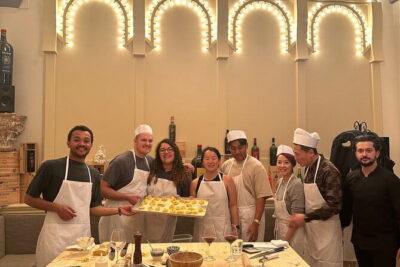
Florence: Pasta Cooking Class with Unlimited Wine
Read our review →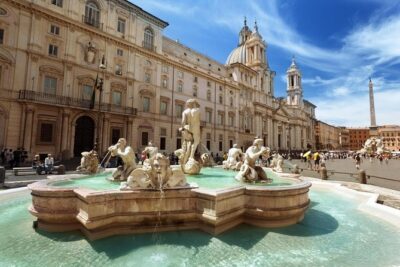
3 in 1 Cooking Class near Navona: Fettuccine, Ravioli & Tiramisu
Read our review →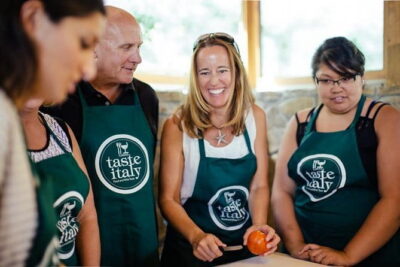
Cooking Class and Lunch at a Tuscan Farmhouse with Local Market Tour from Florence
Read our review →
Rome: Pasta Making Class with Wine, Limoncello, and Dessert
Read our review →
Rome Cooking Class: Make Pasta and 3 Spritz Cocktails
Read our review →
Rome: 3-in-1 Fettuccine, Ravioli, and Tiramisu Cooking Class
Read our review →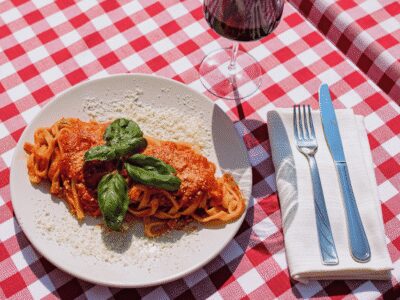
Rome: Fettuccine Pasta Cooking Class in Rome’s City Center
Read our review →This kitchen also appears in