
Review · ITALY
Ragusa: Private Cooking Class at a Local’s Home
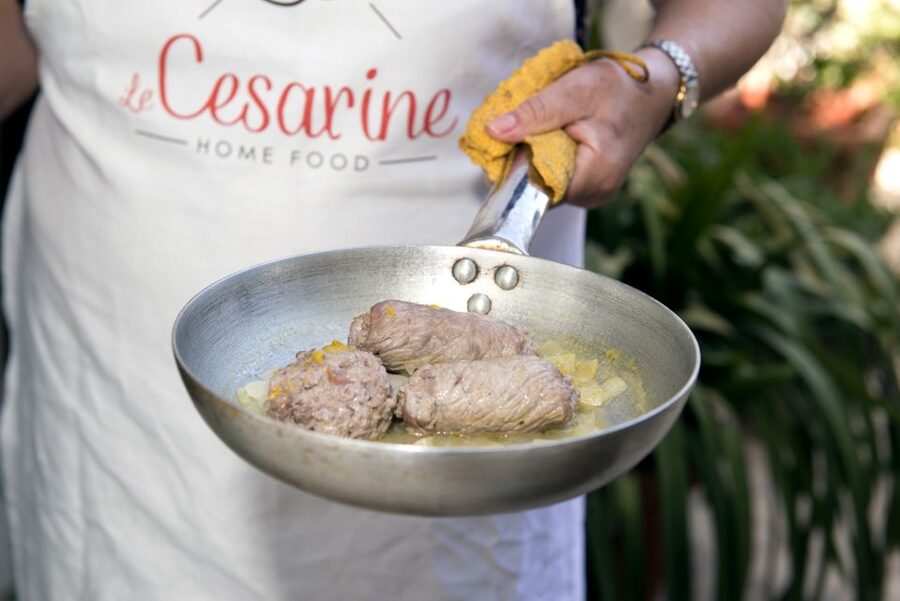
Ragusa’s best cooking lesson may be the one held behind an ordinary front door. You join a local family at home, work through three Sicilian recipes, then sit down to eat the meal you made. I like the private setting and the chance to learn from family cookbooks rather than a restaurant kitchen. I also like that hosts such as Salvina and Angelo can make the experience feel personal, even for families with young children.
The main consideration is the unknown address until after booking. You need to plan around a meeting point that is provided later, and the class usually starts at 10 AM or 5 PM, although the time can be adjusted.
Key points to know before booking
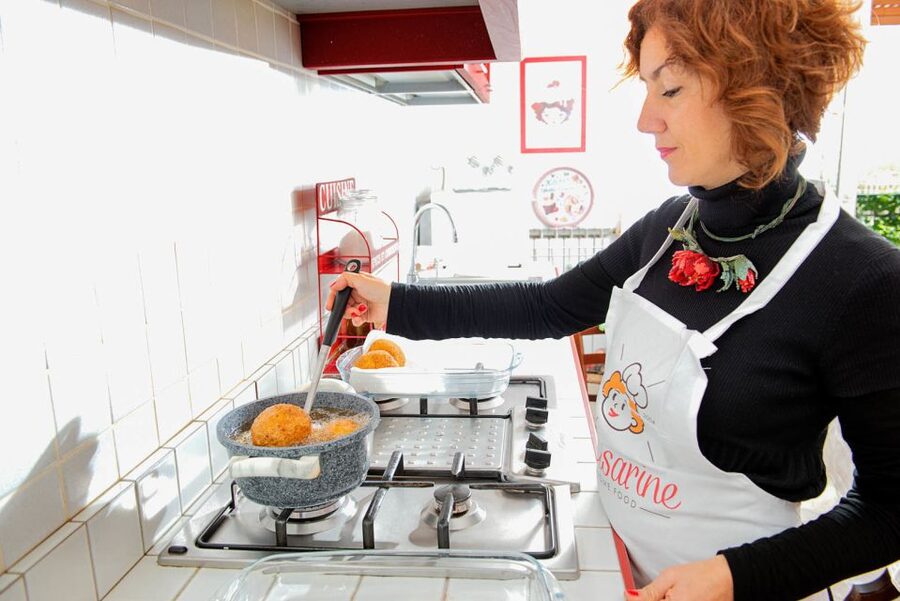
- Three-course hands-on lesson: Prepare a local starter, pasta dish, and dessert at your own workstation.
- Private home setting: Meet your certified home cook at a family residence rather than a commercial cooking school.
- Hosts with a personal touch: Salvina and Angelo are among the hosts associated with especially warm family-style sessions.
- Meal and drinks included: Eat everything you prepare with water, local wine, and coffee.
- Flexible scheduling: The usual start times are 10 AM and 5 PM, with some flexibility for your plans.
- Dietary needs can be discussed: Vegetarian, vegan, and gluten-free requests can be accommodated when arranged in advance.
What the three-hour Ragusa cooking class feels like
This is a small, private experience built around participation. You are not watching a chef perform from across a room. You receive a workstation, utensils, and ingredients, then take part in the preparation of all three dishes.
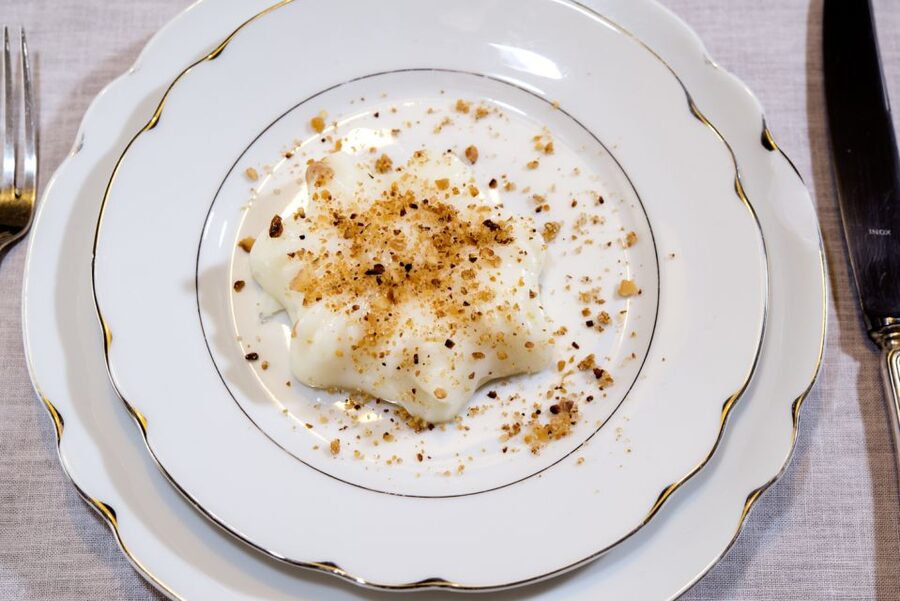
The exact recipes are not fixed in the information provided, which is part of the appeal. Your host teaches three local preparations: a starter, a pasta course, and dessert. The recipes come from family cooking traditions and cookbooks, so you should expect food shaped by the household and the region rather than a standard international menu.
I like this format because it gives the class a clear rhythm. You begin with preparation, move through the main work of making pasta and the other dishes, and finish with a shared meal. Three hours is long enough to learn practical steps without turning the afternoon or evening into an all-day commitment.
The setting also changes the tone. In a school, the focus is often on technique and timing. In a local home, you are also seeing how food fits into family life. The cooking becomes a reason to talk, ask questions, and understand why a particular dish matters to the person teaching it.
More Home Cooking Classes in Italy
- Pasta Cooking Class: Mastering Nonna’s Recipes
★ 5.0 · 554 reviews - Pastamama, Home Cooking Classes at Grace’s Home
★ 5.0 · 521 reviews - Traditional Home Cooking Experience in Venice
★ 5.0 · 377 reviews
Meeting Salvina, Angelo, or another local host
The experience is provided by Cesarine, a network of certified home cooks. Host names are not guaranteed in advance, but Salvina and Angelo are associated with some of the most personal sessions offered in Ragusa.
Their country home has been described as a welcoming place for families, including children. One three-year-old still talked about the couple long afterward, which tells you something useful about the pace and mood of the visit. This is not designed only for serious food enthusiasts. It can work well for parents who want an activity where children have a role instead of simply sitting at a table.
Another especially meaningful possibility is the connection between food and family memory. Salvina has helped a visitor prepare dishes similar to those made by the visitor’s mother. That kind of moment cannot be promised, but it shows what family recipes can offer. A cooking class here may teach you a method, but it may also remind you of your own kitchen and the people who taught you to cook.
You should still keep your expectations practical. A private home experience is personal, but it is not the same as choosing a restaurant menu or booking a formal culinary school. The host’s personality, home, and cooking style will shape the session.
From family cookbook to finished meal
The class focuses on three dishes, with one starter, one pasta course, and one dessert. You will have the tools and ingredients needed at your station, so you can follow the process directly rather than simply taking notes.
The starter gives the lesson an easy beginning. You can get used to the host’s instructions, the workspace, and the pace of the preparation. The pasta course is likely to be the central part of the class because it requires more active work, but the exact recipe is not specified. Your host reveals the small practical steps that family cooks often know by feel: how to handle ingredients, when to adjust a mixture, and how to judge the result.
The dessert completes the meal and gives the class a satisfying finish. Since all three courses are made during the session, you leave with a set of dishes that can form a complete meal at home. You are not just learning one recipe that requires a special occasion.
I would bring questions. Ask why the recipe is made this way, what changes in different seasons, and which steps matter most. The class is private, so you should have room to ask for clarification and repeat a technique instead of worrying about holding up a large group.
The meal at the end is part of the lesson
Once the food is ready, you sit down and eat what you prepared. Water, local wines, and coffee are included, so the meal does not end with an extra drinks bill.
This final table time is important. It lets you taste the results while the process is still fresh. If a dish turned out differently from what you expected, you can ask about it right away. You also get the simple pleasure of sharing food with the person who taught you how to make it.
Wine is included, but the experience is not presented as a wine tasting. The drinks support the meal rather than becoming a separate program. If you do not drink alcohol, water and coffee are included as well, though you should tell the host about any preference.
The food itself is the lasting souvenir. You do not leave with a packaged product or a shop receipt. You leave with recipes, techniques, and a better sense of how to repeat the meal at home. For many people, that has more value than another ceramic or bottle tucked into a suitcase.
More Private Cooking Classes in Italy
- Rome: Pasta Making Class with Tiramisu & Wine PRIVATE OPTION
★ 4.8 · 404 reviews - Private Cooking Class in Rome with Chef Andrea Consoli
★ 5.0 · 150 reviews - Rialto Market Tour & Private Cooking Class in the Heart of Venice
★ 5.0 · 106 reviews - Private Cooking Classes in Rome!
★ 5.0 · 50 reviews
Why the private format matters
A private group gives you more control than a large class. You can ask questions without competing for the instructor’s attention, and the host can respond to your skill level. If you cook often, you can focus on the details behind the recipes. If you are a beginner, you can ask for more help without feeling exposed.
The private format is also useful for couples and families. A family can work together and share the meal at the end, while a couple can treat the class as both a meal and an activity. Children may enjoy the hands-on work, but you should judge that based on your own child’s attention span. The class lasts three hours, and no special children’s program is listed.
There is a tradeoff. A private class usually gives you less chance to meet other food lovers than a public group lesson. If your main goal is socializing with fellow visitors, this may not be the right format. If you value a quiet setting and direct contact with a local family, the private arrangement makes good sense.
Timing, address, and planning your visit
The class usually begins at 10 AM or 5 PM. A morning start leads naturally into lunch, while the evening option becomes a dinner experience. The start time can be flexible based on your travel plans, but you should arrange this before the day of the class.
The host’s full address is shared only after you book, for privacy reasons. You will be contacted with the exact meeting point information. This is sensible for a private residence, but it means you cannot judge the exact location in Ragusa before committing.
The activity begins and ends at the local family’s home. No transportation is listed, so do not assume that a transfer is included. Once you receive the address, check how it fits with your plans and allow enough time to reach the meeting point.
Because this is a home visit, arrive on time. Your host is preparing food, equipment, and space for you. A late arrival could cut into the cooking time more than it would at a large commercial venue.
Dietary requests and what to clarify
Vegetarian, vegan, and gluten-free needs can be catered to upon request. You should provide this information when booking rather than waiting until you arrive. The class centers on shared preparation and eating, so the host needs time to plan suitable ingredients and recipes.
You may also want to mention allergies clearly. The supplied details specifically identify vegetarian, vegan, and gluten-free requests, but they do not list every possible allergy or substitution. Clear advance communication is the best way to avoid confusion.
The exact dishes are not announced in advance. If you have a strong preference or a food you cannot eat, ask what can be prepared before your visit. That gives the host a chance to shape the menu while keeping it tied to local cooking.
Is $164.26 per person a fair price?
At $164.26 per person, this is not a cheap meal. You are paying more than you would for a basic restaurant dinner in Sicily, and the class is only three hours.
The value comes from what is included. You receive private instruction, ingredients, utensils, three dishes, and drinks. You also receive a home visit and direct time with a local cook. If you would otherwise pay for a meal, a cooking activity, and a separate cultural experience, the price becomes easier to justify.
I would book it for the experience rather than for the amount of food. If you only want to eat Sicilian cooking, a restaurant will likely cost less. If you want to learn recipes, participate in the preparation, and share the table with a local family, the price covers several kinds of value at once.
The private format matters here. A lower-priced group class might give you more standard instruction, but this experience gives you personal attention and a home setting. For a couple or family looking for one special food-focused activity in Ragusa, it can be a sensible splurge.
Who will enjoy this most
I would recommend this class to:
- Couples looking for an intimate evening that combines cooking and dinner.
- Families who want children to take part in a local activity.
- Home cooks who care about recipes and practical technique.
- Visitors with family ties to Sicily who may connect with dishes from their own childhood.
- People who prefer local contact over a polished restaurant or formal school.
It may be less suitable if you dislike eating in private homes, need a fixed public meeting point, or want a highly detailed menu before booking. It is also not the best match if you would rather spend the evening sightseeing than committing three hours to food.
The language of instruction is English and Italian. That makes the class accessible to English-speaking visitors, though the level of English may vary by host. The private setup gives you a better chance to clarify instructions as you go.
Booking decision: choose the kitchen, not just the menu
I would book this experience if you want a personal connection to Ragusa and see cooking as a way to understand a place. The strongest reason to choose it is not simply the three recipes. It is the chance to prepare them in a local home, hear family cooking stories, and eat the finished meal with the person who guided you.
Salvina and Angelo are a particularly appealing possibility for families and for anyone drawn to warm, personal hosting. Still, host assignment and exact recipes are not guaranteed, so book with an open mind rather than expecting one specific menu or household.
Choose the 10 AM start for a cooking lunch, or the usual 5 PM start for a dinner setting. Share dietary needs early, confirm the meeting details after booking, and leave enough time to reach the home.
With free cancellation up to 24 hours in advance and a reserve-now, pay-later option, you can keep some flexibility. If the price fits your budget, this is a strong choice for learning something you can carry home long after your Sicilian meal is finished.
FAQ
How long does the cooking class last?
The experience lasts three hours.
What dishes will I prepare?
You will prepare three local dishes: a starter, a pasta course, and a dessert. The exact recipes are not specified in advance.
Are drinks included?
Yes. Water, local wines, and coffee are included.
Where does the class meet?
The class takes place in a local family’s home. The full address and exact meeting point are provided after booking for privacy reasons.
What time does the class begin?
It usually starts at 10 AM or 5 PM. The time can be flexible based on your travel needs.
Can the class accommodate dietary requirements?
Yes. Vegetarian, vegan, and gluten-free requests can be accommodated when requested in advance.
New cooking classes around Italy
- Sestri Levante: Pesto & Cooking Classes, Wine Tasting★ 4.9 · 56 reviews
- Sardinia Cooking Class: Fresh Handmade Pasta★ 5.0 · 53 reviews
- San Gimignano: Tuscan Cooking Class★ 5.0 · 2 reviews
- San Gimignano: Truffle Cooking Class with Wine Tasting★ 5.0 · 5 reviews
- San Gimignano: “Hands in dough” Cooking Class with Lunch★ 5.0 · 6 reviews
- Salento: Authentic Cooking Experience with Fresh Pasta and Local Products★ 5.0 · 8 reviews
- ROME:Hands-On Lasagna & Marsala Tiramisu Cooking Experience”★ 5.0 · 3 reviews
- Rome: Private Wine Tour and Pasta Making Class in a Winery★ 5.0 · 6 reviews
Italy Cooking Classes, side by side.
Florence: Pasta Cooking Class with Unlimited Wine
Read our review →
3 in 1 Cooking Class near Navona: Fettuccine, Ravioli & Tiramisu
Read our review →
Cooking Class and Lunch at a Tuscan Farmhouse with Local Market Tour from Florence
Read our review →
Rome: Pasta Making Class with Wine, Limoncello, and Dessert
Read our review →

Rome Cooking Class: Make Pasta and 3 Spritz Cocktails
Read our review →
Rome: 3-in-1 Fettuccine, Ravioli, and Tiramisu Cooking Class
Read our review →
Rome: Fettuccine Pasta Cooking Class in Rome’s City Center
Read our review →This kitchen also appears in