
Review · ROME
Rome – Cooking Experience in a Roman family in Trastevere
Making pasta in Ilaria Sparla’s home gives you more than a cooking lesson. You work through three shapes of pasta, several sauces, and tiramisu, then eat the results around her family table in Trastevere. It feels personal because the class takes place in a real Roman home, not a large demonstration kitchen.
I especially like the small group limit of eight, which leaves room for questions and hands-on work. I also like the generous menu: appetizers, three pasta dishes, dessert, wine, water, and espresso are included. The main consideration is the $134.81 price, which is a lot for a meal, though it becomes easier to justify when you count the food, instruction, recipes, and three-and-a-half hours of personal hosting.
Key points to know before booking
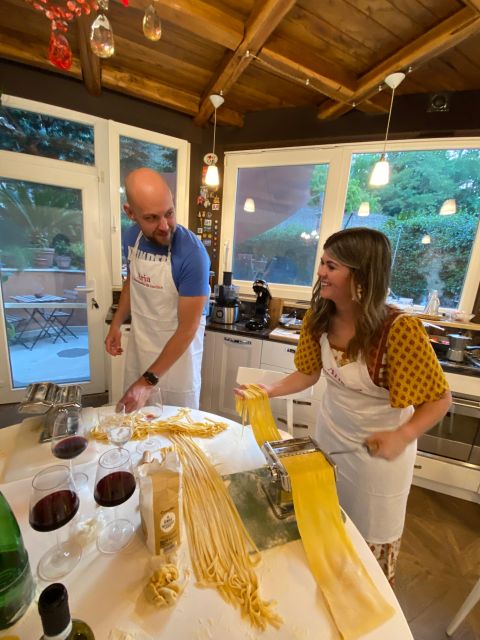
- Three pasta shapes in one class: You make fettuccine, ravioli, and orecchiette from scratch.
- A real family setting: Ilaria teaches in her Trastevere home, with her husband Samuel and their three children nearby.
- A full meal, not just a lesson: Expect aperitivo, pasta, tiramisu, local wine, water, and espresso.
- Traditional family instruction: Ilaria trained at an Italian cooking school and learned from her mother and grandmother.
- Very small group: The maximum is eight people, with English and Italian instruction.
- Recipes go home with you: You can repeat the dishes after your Rome trip, using suggested substitutes when needed.
A Roman cooking class inside Trastevere
The meeting point is Via Garibaldi 39, close to Trastevere’s evening streets and about a 10-minute walk from Campo de’ Fiori. Look for the green door and ring the Sparla intercom. This is a useful detail, since you are entering a private home rather than a marked storefront.
The location gives the class a different rhythm from a standard food tour. You are not moving from one restaurant to another or watching a chef work from the back of a room. You settle in one place, meet Ilaria’s family, and spend the evening cooking and eating together.
Ilaria’s background adds substance to the welcome. She trained at an Italian cooking school, but her first real lessons came from working in her family restaurant from age 15. Her mother and grandmother were chefs, and those family methods now shape the class she teaches to her own children, friends, and visitors.
That family connection matters. You are learning recipes with a personal story behind them, rather than receiving a generic pasta demonstration. At the same time, Ilaria has professional training, so the lesson is not simply a casual home meal. She can explain technique, ingredients, pasta shapes, and sauce pairings in a clear, practical way.
More cooking classes around Rome:
- 3 in 1 Cooking Class near Navona: Fettuccine, Ravioli & Tiramisu
★ 5.0 · 7,376 reviews - Rome: Pasta Making Class with Wine, Limoncello, and Dessert
★ 4.9 · 3,177 reviews - Rome Cooking Class: Make Pasta and 3 Spritz Cocktails
★ 5.0 · 2,937 reviews
The aperitivo starts the evening generously
The class begins with an aperitivo while the cooking gets underway. The spread can include mozzarella, bruschette, sun-dried tomatoes, panzanella, olives, pickled vegetables, and homemade fried vegetables.
This opening is useful for two reasons. First, it gives you something to eat while dough rests and ingredients are prepared. Second, it sets the tone for a long Italian meal. You are not expected to rush straight into rolling pasta on an empty stomach.
The food also reflects the use of fresh products from the local farmers market. The menu can change with the season and market supply, so you should not treat every listed ingredient as fixed. That flexibility is a plus for freshness, though anyone hoping for one exact dish should keep this in mind.
Local wine is included throughout the meal. Water and espresso are also provided. If you do not drink wine, the listing confirms that water is available, but it does not give further details about alternative drinks.
Fettuccine and cacio e pepe teach the basics
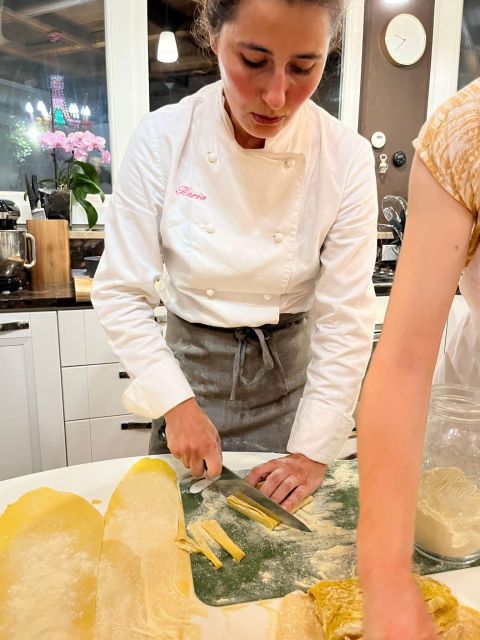
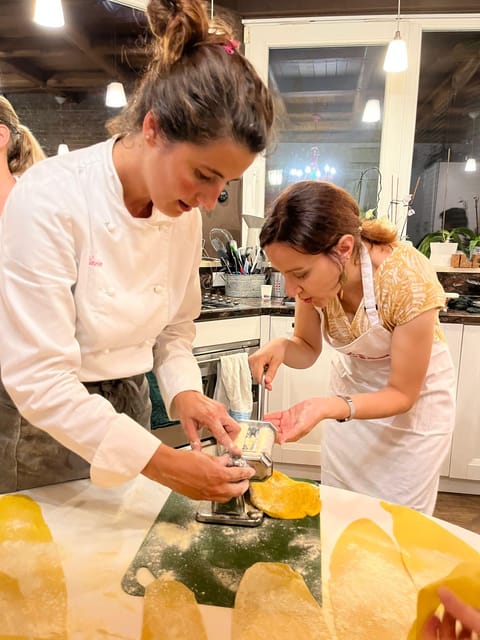
One of the first main projects is fettuccine. You help with the full process, starting with the ingredients and moving through mixing and kneading the dough.
This is where beginners get the most practical value. Ilaria explains the different uses of various flours, and you learn why pasta dough needs the texture it does. You are not simply handed a finished sheet to cut. The point is to understand the steps well enough to repeat them at home.
The fettuccine is served with cacio e pepe, one of Rome’s most famous combinations. It sounds simple, but the sauce depends on getting the cheese, pepper, and pasta water to work together. Ilaria’s guidance is especially useful here because the lesson focuses on how to pair pasta with sauce, not only on shaping the noodles.
For home cooks, this may be the most immediately useful dish of the evening. The ingredients are familiar, and the finished meal does not depend on a complicated shopping list. You also learn possible substitute ingredients for use outside Italy, which helps if your local cheese or flour choices differ.
Ravioli brings a second dough and more detail
Next comes ravioli, with fresh cherry tomato sauce. The class covers another style of dough and shows you how to fill and shape the pasta.
Ravioli takes more care than fettuccine. You need to manage the filling, seal the edges, and avoid trapping too much air. Since you make the pasta yourself, this part gives you a chance to ask questions and correct mistakes as you work.
The tomato sauce keeps the dish fresh and direct. It also gives you a useful comparison with cacio e pepe. One sauce is white, creamy, and dependent on technique with cheese and pasta water. The other is bright and tomato-based. Ilaria uses this contrast to explain how pasta shape and sauce should work together.
The class is designed for people with no previous experience, so you do not need to arrive knowing how to seal ravioli. Experienced cooks may still enjoy the chance to compare Ilaria’s methods with their own. The small group is important here, since a crowded class would make shaping and filling harder to follow.
Same kitchen, a different dish:
- Rome: 3-in-1 Fettuccine, Ravioli, and Tiramisu Cooking Class
★ 4.9 · 2,704 reviews - Rome: Fettuccine Pasta Cooking Class in Rome’s City Center
★ 4.8 · 2,414 reviews - Fettuccine & Tiramisù: Cooking Class with Wine & Limoncello
★ 4.9 · 2,103 reviews - Pasta Cooking Class Near the Colosseum with 3 Spritz Cocktails
★ 5.0 · 1,686 reviews
Orecchiette and Norma sauce add variety
The third pasta is orecchiette, the small ear-shaped pasta associated with southern Italy. It gives the class a different hand technique from both rolled fettuccine and filled ravioli.
You are working with three distinct pasta forms in one session. That variety is one of the strongest reasons to choose this experience instead of a class focused only on one kind of noodle. You get practice with cutting, rolling, filling, and shaping.
Orecchiette is served with Norma sauce. The supplied menu identifies the sauce but does not list every ingredient, and the menu can change with the season. Ilaria may adjust the preparation according to what is available at the market.
That change is worth accepting. Fresh ingredients and family-style cooking rarely follow a rigid restaurant menu. If you have dietary restrictions or need a vegetarian option, contact Ilaria after booking, as requested in the activity details. The provider says dietary needs and restrictions can be accommodated, but you should communicate them in advance.
Tiramisu finishes a very full meal
Dessert is homemade tiramisu, prepared as the pasta sets and the meal comes together. This is a sensible part of the schedule because it gives the dough and sauces time without leaving you waiting.
Tiramisu also keeps the class from feeling like a narrow pasta workshop. You learn a dessert as well as three kinds of pasta and several sauces. By the time you sit down, the meal includes small plates, multiple pastas, dessert, wine, and coffee.
Plan to arrive hungry. The menu is substantial, and the class is built around eating what you prepare. A number of people have found the food so plentiful that finishing everything becomes a challenge. That is a pleasant problem, but it may not suit you if you prefer a short, light cooking lesson.
The family table is the main event
The final part is dinner with Ilaria, Samuel, their children, and the other members of the group. This shared table is what separates the experience from a regular cooking school.
The family setting can make the evening feel warm and informal. The children may be part of the household atmosphere, and cats have also been present during some classes. If you want a polished, quiet restaurant-style meal, this may feel less controlled. If you want a direct look at family life and a chance to talk over food, it is a major advantage.
The small group helps the meal feel social without becoming anonymous. With no more than eight participants, you have a better chance to ask Ilaria about Italian cooking, compare techniques with other people, and speak with her family.
Several special occasions have been celebrated during the class, including a recent marriage and Samuel’s birthday. That does not mean every booking includes a celebration, but it shows how naturally the setting lends itself to conversation and shared milestones.
What makes the instruction useful at home
Ilaria’s teaching goes beyond the recipes on the table. She explains:
- How different flours work in pasta dough
- How to match pasta shapes with sauces
- How to make and handle more than one type of dough
- Which ingredients can be substituted at home
- How to prepare sauces with fresh market products
- How to shape fettuccine, ravioli, and orecchiette
You also receive the recipes to take home. That is a practical benefit, since the real value of a cooking class comes after Rome, when you try the dishes in your own kitchen.
The class suits a wide range of skill levels. Beginners get step-by-step help, while experienced cooks can focus on technique and regional habits. Children are welcome, described as suitable for bambini, though the provided details do not give a minimum age. If you are booking with children, confirm the age policy directly.
Is $134.81 a fair price?
At $134.81 per person, this is not a budget meal. You are paying for more than the ingredients, though. The fee covers three and a half hours, professional instruction, fresh local products, appetizers, three pasta dishes, tiramisu, wine, water, espresso, and the recipes.
The maximum group size of eight improves the value. You are not paying for a large lecture where one chef prepares everything while you watch. You take part in kneading, shaping, and sauce preparation, and you have access to Ilaria for questions.
The family meal also adds something that is hard to price. You are invited into a Roman home in central Trastevere, then sit down with the people who live there. If your main goal is the cheapest possible pasta lesson, this is too expensive. If you want food, instruction, and a personal evening in one booking, the price is easier to defend.
Free cancellation is available up to 24 hours before the start for a full refund. You can also reserve now and pay later, which helps if your Rome schedule is still changing.
Who will enjoy this most?
I would choose this class for you if you want to cook rather than watch, eat a full meal, and meet a local family. It is particularly well suited to couples, families, small friend groups, and solo visitors who enjoy joining a table with other people.
It also works well as an evening activity in Trastevere. The class ends back at Via Garibaldi 39, close to the neighborhood’s restaurants and Piazza Trilussa area. Since the meeting point is near Campo de’ Fiori, it can fit neatly into a day spent in central Rome.
You may want a different option if you dislike communal meals, prefer a fixed menu, or want a quiet professional kitchen with no household activity. The home setting is central to the experience, so it should be part of your decision, not an afterthought.
The activity is listed as HACCP certified for hygiene and food safety in 2024. Instruction is available in Italian and English. The provider also says dietary needs can be addressed, but send the information after booking rather than waiting until the class begins.
Should you book Ilaria’s Trastevere cooking class?
Book it if you want a hands-on Roman food experience with a strong family connection. The best parts are the small group, the number of dishes, Ilaria’s personal training, and the chance to eat with her family after doing the work yourself.
I would be comfortable recommending it to both new cooks and confident home chefs. Just arrive ready for a long, generous meal, accept that seasonal ingredients may change the menu, and contact Ilaria early about vegetarian needs or other restrictions. For many people, the combination of pasta practice and a family dinner will be worth more than a standard restaurant meal.
FAQ
Where does the cooking class meet?
It starts at Via Garibaldi 39 in Rome, in Trastevere. When you arrive, look for the green door and ring the Sparla intercom.
How long does the experience last?
The class lasts three and a half hours. Starting times vary, so check availability when booking.
How many people can join?
The group is limited to a maximum of eight participants.
Who teaches the class?
The instructor is Ilaria Sparla, a professional chef who trained at an Italian cooking school and learned family recipes from her mother and grandmother.
Which pasta shapes will I make?
You will make fettuccine, ravioli, and orecchiette from scratch.
Which sauces are included?
The listed sauces are cacio e pepe for the fettuccine, fresh cherry tomato sauce for the ravioli, and Norma sauce for the orecchiette. The menu may change with the season and market ingredients.
Is tiramisu included?
Yes. You will make or receive homemade tiramisu as part of the pasta and dessert workshop.
Are drinks included?
Yes. Local wine, water, and espresso are included.
Can dietary restrictions be accommodated?
The provider says dietary needs and restrictions can be satisfied. Contact Ilaria after making your reservation, especially if you need the vegetarian option.
Is the class available in English?
Yes. The activity is offered in English and Italian.
Can I cancel the reservation?
You can cancel up to 24 hours in advance for a full refund. The activity also offers reserve now and pay later.
New cooking classes around Rome
- ROME:Hands-On Lasagna & Marsala Tiramisu Cooking Experience”★ 5.0 · 3 reviews
- Rome: Vatican Food Tours, Cooking classes & Free Tours★ 4.9 · 11 reviews
- Rome: Traditional Pasta, Spritz & Tiramisu Cooking Class★ 4.9 · 279 reviews
- Rome: Trastevere Pasta Making Class★ 4.9 · 33 reviews
- Rome: Traditional Pasta and Tiramisu Cooking Class★ 5.0 · 4 reviews
- Rome: Small Group Pasta cooking class near Piazza Navona★ 4.9 · 8 reviews
- Rome: Traditional Cooking Class in the Jewish Ghetto★ 4.9 · 75 reviews
- Rome: “Rooftop Pasta and Cocktails Cooking Class”★ 5.0 · 12 reviews
Rome Cooking Classes, side by side.

3 in 1 Cooking Class near Navona: Fettuccine, Ravioli & Tiramisu
Read our review →
Rome: Pasta Making Class with Wine, Limoncello, and Dessert
Read our review →
Rome Cooking Class: Make Pasta and 3 Spritz Cocktails
Read our review →
Rome: 3-in-1 Fettuccine, Ravioli, and Tiramisu Cooking Class
Read our review →
Rome: Fettuccine Pasta Cooking Class in Rome’s City Center
Read our review →
Fettuccine & Tiramisù: Cooking Class with Wine & Limoncello
Read our review →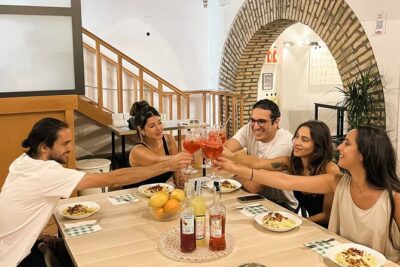
Pasta Cooking Class Near the Colosseum with 3 Spritz Cocktails
Read our review →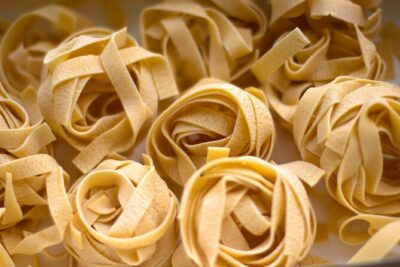
Enjoy Spritz and Pasta Making in Piazza Navona
Read our review →This kitchen also appears in