
Review · ROME
Pasta Cooking Class Near the Colosseum with 3 Spritz Cocktails
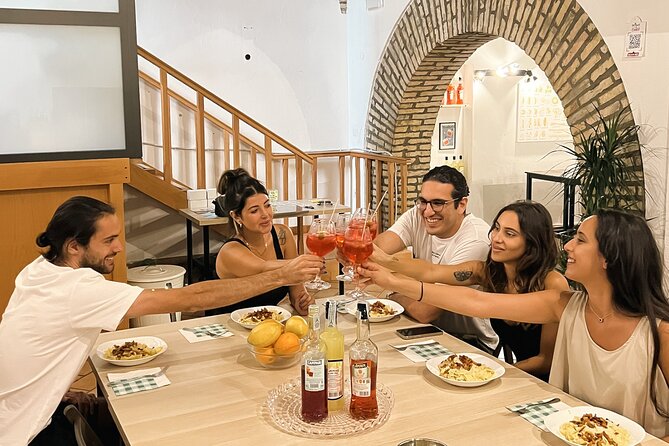
The best part of this Rome class is the pairing of fresh pasta and three spritzes. You mix, knead, roll, slice, and cook your own fettuccine, then sit down to eat it with carbonara or vegetarian cacio e pepe. Along the way, you prepare Aperol, Hugo, and Limoncello spritzes, so the lesson feels as social as it does practical.
I like the small maximum group of 14, which gives the chef room to help with sticky dough and uneven pasta cuts. I also like the relaxed party mood: music, jokes, drinks, and a meal you helped make. The main caution is dietary. There are no gluten-free, vegan, or dairy-free options, and this class may feel light on cooking technique if you want to make the sauce yourself.
Key points to know before booking
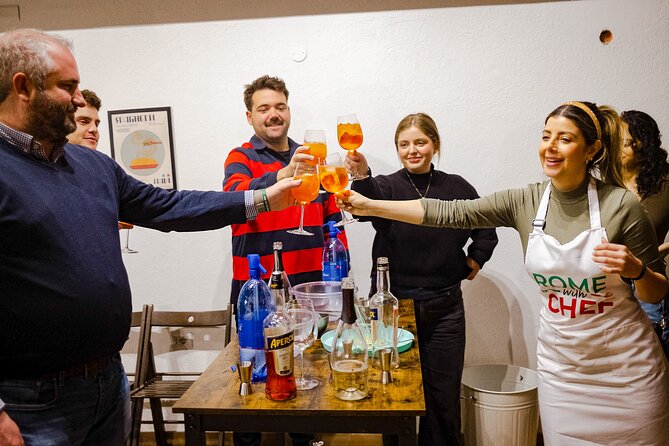
- Three spritzes, not just one: You prepare Aperol, Hugo, and Limoncello versions during the class.
- Fresh fettuccine is the hands-on centerpiece: You mix dough, knead it, roll it, slice it, and cook it.
- Carbonara is the standard dish: Vegetarian participants receive cacio e pepe instead.
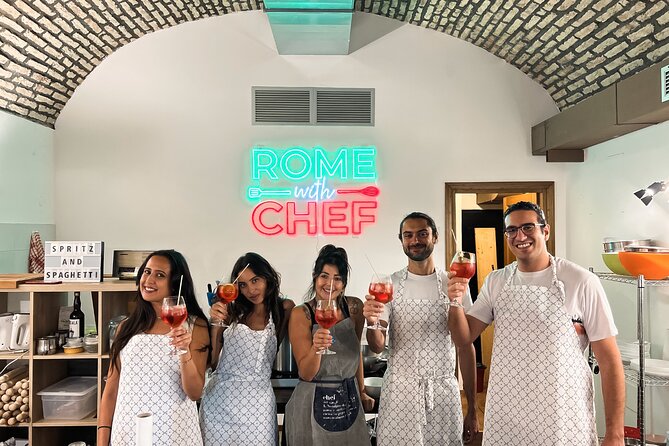
- The mood is social and lively: Music, drinks, group conversation, and a shared meal are part of the appeal.
- The class is capped at 14 people: That is small enough for personal help without making it a private lesson.
- Dietary limits are serious: Gluten-free, vegan, and dairy-free diets cannot be accommodated, and dairy is used.
What this pasta and spritz class is really like

This is not a quiet culinary school lesson where you take notes in silence. It is a friendly Roman evening built around food, drinks, and conversation. The class takes place near the Colosseum, at or close to Via Cesare Balbo 19, and lasts about three hours.
You arrive for an English-language session led by a local chef and a professional mixologist. The exact host can vary. Past sessions have featured Sunny, Jimmy, Benjamin, Sherry, Jennifer, Angela, Bea, Gia, Gustavo, and others. The names change, but the format stays consistent: a host leads the drinks while the chef handles the pasta portion.
The class suits people who want to meet others and do something more active than another museum visit. You will work with your hands, make a few mistakes, and probably leave with flour on your clothes. That is part of the fun, not a problem to avoid.
More Pasta Making Classes in Rome
- 3 in 1 Cooking Class near Navona: Fettuccine, Ravioli & Tiramisu
★ 5.0 · 7,376 reviews - Rome: Pasta Making Class with Wine, Limoncello, and Dessert
★ 4.9 · 3,177 reviews - Rome Cooking Class: Make Pasta and 3 Spritz Cocktails
★ 5.0 · 2,937 reviews
Starting with an Aperol spritz
The first drink is an Aperol spritz. This gives the class an easy start because the drink is familiar, simple to assemble, and strongly tied to the Italian aperitivo tradition.
You are shown how to prepare the drink rather than simply receiving one from the bar. Then you move on to the Hugo spritz while the pasta work begins. The Limoncello spritz comes later, providing a sweeter finish to the drinking portion.
The drinks help break the ice among people who may have arrived as strangers. Several hosts use music and humor to keep the room moving. One session was remembered for a playlist that included Blur, Pulp, Michael Jackson, and George Harrison, so you should expect a casual soundtrack rather than a formal cooking demonstration.
The alcohol is worth considering. Three spritzes over three hours is a substantial amount, especially with an empty stomach or a low tolerance. Water and soft drinks are included, and you should use them. If you are not drinking alcohol, the class may still be enjoyable, but the cocktails are central to its identity rather than a minor extra.
Making fettuccine from flour and eggs
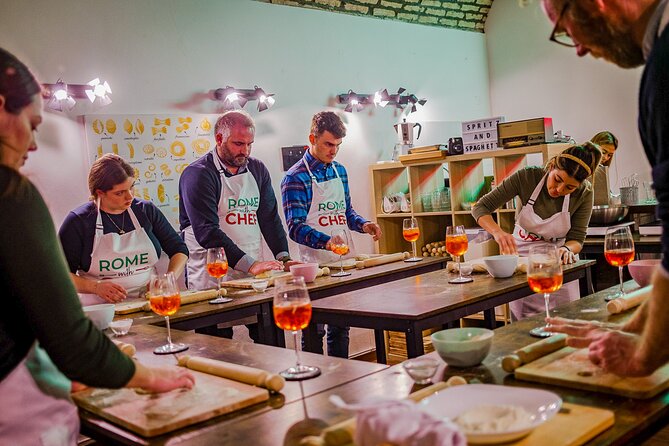
The pasta work is the most useful skill you take home. Under the chef’s direction, you combine locally sourced ingredients, mix the dough, knead it, roll it, and cut it into fettuccine.
This is approachable even if you have never made pasta. The process is tactile and forgiving. You can see quickly how the dough changes as you work it, and the chef can help when it is too dry, too sticky, or uneven.
The small group matters here. A maximum of 14 people is not the same as a private lesson, but it gives the instructor a reasonable chance to watch the tables and offer corrections. Several hosts have been praised for patience, clear instructions, and making first-time pasta makers feel comfortable.
You should not expect every part of the meal to be made from scratch by you. The pasta is the clear hands-on focus. The sauce preparation may be demonstrated or handled by the chef, depending on the session. If your main goal is learning a complete carbonara technique from start to finish, ask about the exact format before booking.
Once the pasta is cut, it is cooked and served as part of the meal. That immediate payoff is a major strength. You are not simply practicing a recipe and then leaving. You sit down and eat the result while the class is still fresh in your mind.
Carbonara or vegetarian cacio e pepe
The standard main course is fresh fettuccine with carbonara. This is a Roman classic built around pasta, egg, cheese, and pork, though the exact preparation details can depend on the chef and class format.
The vegetarian alternative is cacio e pepe. It keeps the Roman character of the meal while removing the meat. If you are vegetarian, make that clear when booking or in advance so the team can plan for you.
The food receives some of the strongest praise because you eat it soon after making it. Fresh pasta has a different texture from dried pasta, and the connection between mixing the dough and tasting the final dish gives the lesson a satisfying shape.
Still, keep your expectations realistic. This is a social pasta workshop, not a full professional training course. One critical account found that the participants made the dough and pasta but did not prepare the sauces themselves. That is an important distinction. You will learn a real pasta-making skill, but the level of sauce instruction may not satisfy someone seeking a detailed technical class.
The menu also does not include a hands-on tiramisu lesson. If you have seen descriptions elsewhere that mention assembling tiramisu, do not assume it is part of this particular three-spritz pasta class. The supplied menu centers on fettuccine, carbonara or cacio e pepe, and drinks.
Same kitchen, a different dish:
- Rome: 3-in-1 Fettuccine, Ravioli, and Tiramisu Cooking Class
★ 4.9 · 2,704 reviews - Rome: Fettuccine Pasta Cooking Class in Rome’s City Center
★ 4.8 · 2,414 reviews - Fettuccine & Tiramisù: Cooking Class with Wine & Limoncello
★ 4.9 · 2,103 reviews - Enjoy Spritz and Pasta Making in Piazza Navona
★ 5.0 · 1,681 reviews
The meal is part of the lesson
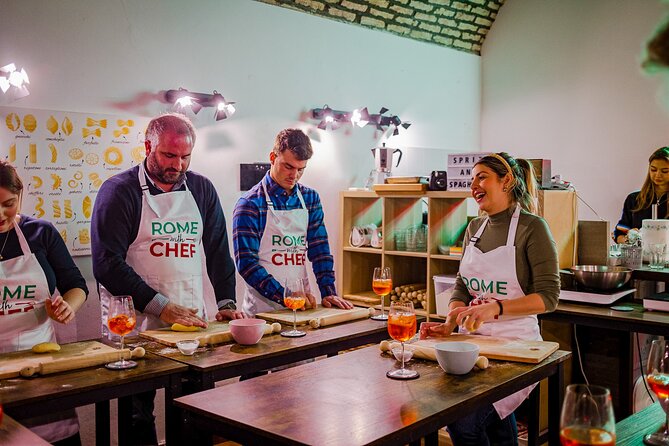
After the cooking, you settle in and eat the pasta you made. This is not a quick tasting. The design is closer to a shared dinner, with time for conversation, drinks, and a chance to enjoy the work.
That makes the class especially good for couples, families, and groups of friends. A family can split the tasks, and teenagers can take part without needing advanced cooking skills. The format has also worked well for birthdays, honeymoons, and holiday trips because it creates a natural reason to talk and celebrate.
I would choose this for an evening when you want a change from churches and museums. It gives you a practical memory of Rome: a local pasta shape, a Roman sauce, and the aperitivo habit that shapes so many Italian evenings.
You also receive recipes in an ebook. That is useful, but treat it as a take-home bonus rather than the main reason to book. If you want to recreate the meal, save the email or download the recipes soon after the class. One participant reported not receiving them, so it is sensible to follow up if the ebook does not arrive.
Why the group size affects the experience
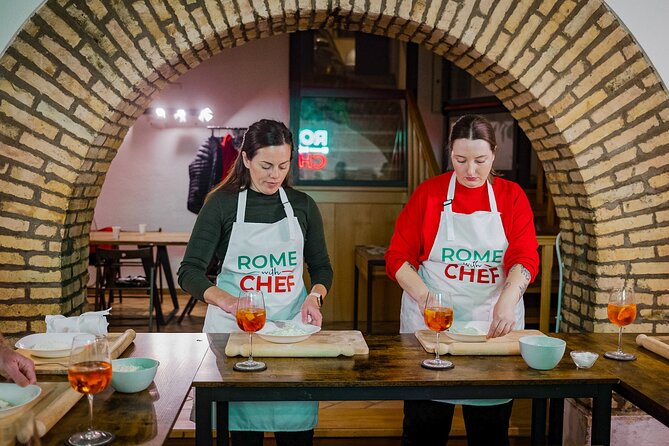
The maximum group size is 14. That number sits in a useful middle ground. You get the energy of a shared class, but the room should not feel like a large tour lecture.
A small group also supports the social side. You can chat while kneading dough, compare pasta shapes, and share the meal at the end. Hosts such as Sunny and Jimmy have been singled out for patience, humor, and the ability to include people from different countries and language backgrounds.
Do not expect the same personal attention you would get from a private chef. Everyone works at roughly the same pace, and busy moments can feel a little crowded around the preparation area. Still, the group limit is a real advantage for beginners who want help without paying private-class prices.
The class is offered in English. That makes the instructions accessible to English-speaking participants, though the room may include people from several countries. The hosts’ job is partly culinary and partly social, keeping the pace clear for everyone.
Price and value near the Colosseum
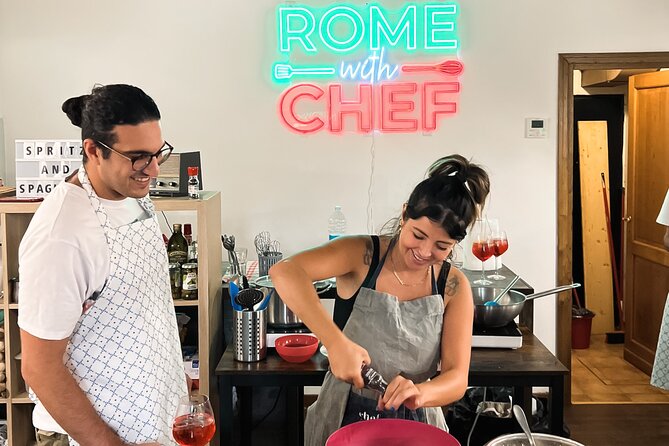
The listed price is $95.53 per person. For Rome, that is not a cheap meal, but it covers more than dinner. You receive a three-hour activity, instruction from a chef and mixologist, three spritzes, pasta, the main dish, unlimited water and soft drinks, and recipes to use at home.
I see the value in the combination. A restaurant meal near the Colosseum can easily cost a substantial amount, but it usually does not give you a skill or a shared activity. This class replaces part of a meal with a cooking lesson and adds a social evening.
The value drops if you are mainly looking for an advanced cooking course. The pasta lesson is practical, but the sauce work may be more demonstration than participation. You are also paying for the atmosphere, the drinks, the host, and the group setting.
Group discounts may be available, which can help if you are booking for a family or a larger party. The activity is often reserved about 44 days ahead on average, so popular dates may fill before a last-minute Rome trip. If you know your travel dates, booking early is sensible.
Location and timing in central Rome
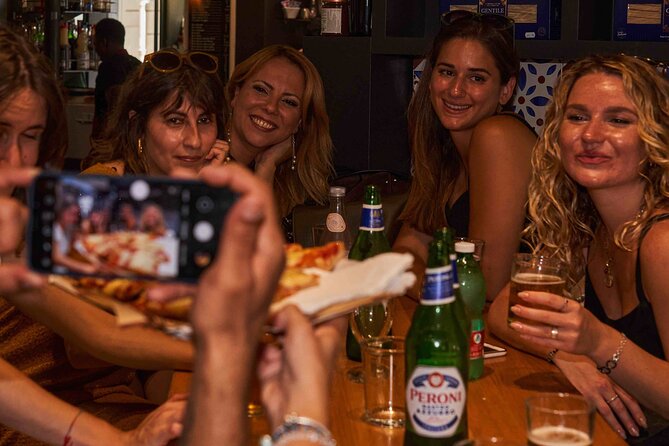
The meeting point is Via Cesare Balbo 19, 00184 Rome, near public transportation and close to the Colosseum area. The exact meeting place may shift slightly on a given day. If that happens, you should be notified in advance, and the alternative locations are about a five-minute walk apart.
Build a little extra time into your arrival. The class is hands-on, and starting late can mean missing the first spritz or the opening instructions. The activity finishes back at the meeting point, so it is easy to plan a nearby dinner, an evening walk, or a return to your accommodation afterward.
The Colosseum reference is useful for planning, but do not expect a sightseeing tour. The class does not include entry to the Colosseum or a guided visit of ancient Rome. You are booking a cooking and cocktail activity in the area, not a monument tour.
Who should book this class
I would recommend it to you if you want an easygoing evening with a clear activity and a meal built in. It works particularly well for:
- Couples who want something more interactive than a restaurant dinner
- Families with teenagers
- Friends celebrating a birthday or special trip
- First-time pasta makers
- People who enjoy spritzes and informal group activities
- Anyone needing a break from churches, ruins, and museums
It is less suitable if you need strict dietary control. The class cannot accommodate coeliac disease, gluten intolerance, vegan diets, or dairy-free diets. Lactose intolerance is also a problem because dairy products are used. If you have another restriction, contact the provider before booking rather than relying on a last-minute adjustment.
You should also skip it if you dislike alcohol, loud social settings, or learning by doing. The class has a party feel. That is exactly why many people enjoy it, but it may not suit someone seeking a calm, formal lesson.
Practical booking advice
Confirmation is provided at booking, and the activity accepts mobile tickets. The cancellation policy is straightforward: cancel at least 24 hours before the local start time for a full refund. Cancellations or changes made within 24 hours are not refunded or accepted.
Wear something comfortable that you do not mind getting dusty with flour. This is practical advice based on the nature of the work, since kneading and cutting pasta can be messy. You should also avoid arriving hungry without drinking water, because the class includes several alcoholic drinks before and during the meal.
If you are booking for a birthday, honeymoon, or family occasion, tell the provider in advance. The hosts have experience creating a warm, celebratory mood, and advance notice gives them a chance to understand your group.
Should you book the pasta and spritz class?
Book it if you want to make fresh pasta, drink classic Italian spritzes, and share a lively evening with a small group near the Colosseum. The strongest reasons are the hands-on fettuccine work, the friendly hosts, the meal you eat afterward, and the chance to take the recipe home.
Do not book it expecting a full menu of dishes, a tiramisu workshop, or detailed sauce training from start to finish. The class is best understood as a social pasta lesson with cocktails, not a rigorous culinary course.
For most visitors, the $95.53 price is fair because it combines food, drinks, instruction, and entertainment for about three hours. If the dietary rules work for you and you like an upbeat group setting, this is a smart way to add a practical Roman memory to your sightseeing schedule.
FAQ
How long does the pasta and spritz class last?
The activity lasts approximately three hours, including the cocktail preparation, pasta-making, cooking, and meal.
Where does the class meet?
The listed meeting point is Via Cesare Balbo 19, 00184 Rome, Italy. The location may vary slightly on some days, but any alternate meeting point is about a five-minute walk away and you should be notified in advance.
What pasta dish will I make?
You will make fresh fettuccine and serve it with carbonara. A vegetarian cacio e pepe option is available.
Which spritz cocktails are included?
The class includes Aperol, Hugo, and Limoncello spritzes. Unlimited water and soft drinks are also included.
Is the class suitable for vegans or people avoiding gluten?
No. The class cannot accommodate vegan diets, gluten-free diets, coeliac disease, or gluten intolerance. Dairy-free and lactose-free requirements also cannot be accommodated because dairy products are used.
How many people can join the class?
The maximum group size is 14 participants.
Can I cancel for a full refund?
Yes. You can receive a full refund if you cancel at least 24 hours before the experience start time. Cancellations or changes made within 24 hours are not refunded or accepted.
New cooking classes around Rome
- ROME:Hands-On Lasagna & Marsala Tiramisu Cooking Experience”★ 5.0 · 3 reviews
- Rome: Vatican Food Tours, Cooking classes & Free Tours★ 4.9 · 11 reviews
- Rome: Traditional Pasta, Spritz & Tiramisu Cooking Class★ 4.9 · 279 reviews
- Rome: Trastevere Pasta Making Class★ 4.9 · 33 reviews
- Rome: Traditional Pasta and Tiramisu Cooking Class★ 5.0 · 4 reviews
- Rome: Small Group Pasta cooking class near Piazza Navona★ 4.9 · 8 reviews
- Rome: Traditional Cooking Class in the Jewish Ghetto★ 4.9 · 75 reviews
- Rome: “Rooftop Pasta and Cocktails Cooking Class”★ 5.0 · 12 reviews
Rome Cooking Classes, side by side.

3 in 1 Cooking Class near Navona: Fettuccine, Ravioli & Tiramisu
Read our review →
Rome: Pasta Making Class with Wine, Limoncello, and Dessert
Read our review →
Rome Cooking Class: Make Pasta and 3 Spritz Cocktails
Read our review →
Rome: 3-in-1 Fettuccine, Ravioli, and Tiramisu Cooking Class
Read our review →
Rome: Fettuccine Pasta Cooking Class in Rome’s City Center
Read our review →
Fettuccine & Tiramisù: Cooking Class with Wine & Limoncello
Read our review →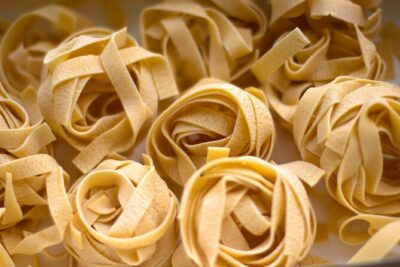
Enjoy Spritz and Pasta Making in Piazza Navona
Read our review →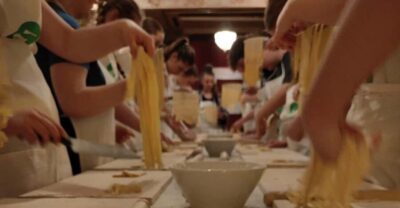
Rome: Pasta & Tiramisu Cooking Class near the Spanish Steps
Read our review →This kitchen also appears in