
Review · ROME
Rome: Enjoy Spritz and Pasta Making in Piazza Navona
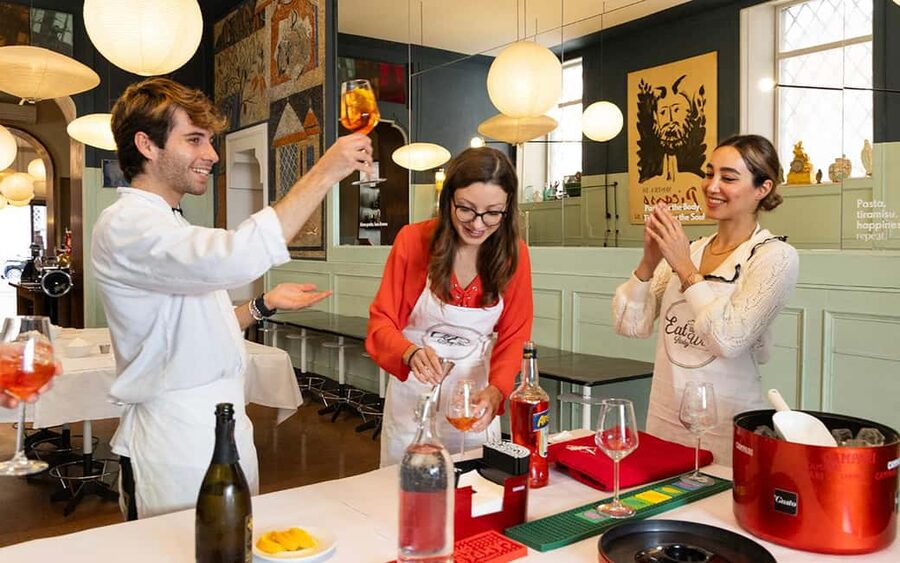
Making pasta by hand is one of Rome’s most satisfying food experiences, especially when you also learn to mix a proper Spritz near Piazza Navona. You shape one dough into Fettuccine and Maltagliati, then sit down to eat what you made with tomato sauce, basil pesto, wine, and dessert.
I like the friendly, practical teaching and the way the class works for beginners, families with older children, and solo visitors. I also like that the full meal is included, rather than leaving you to hunt for dinner afterward. The main thing to consider is that two and a half hours can feel long if you only want a quick cooking demonstration, and alcohol is available only to adults 18 and over.
Key points to know
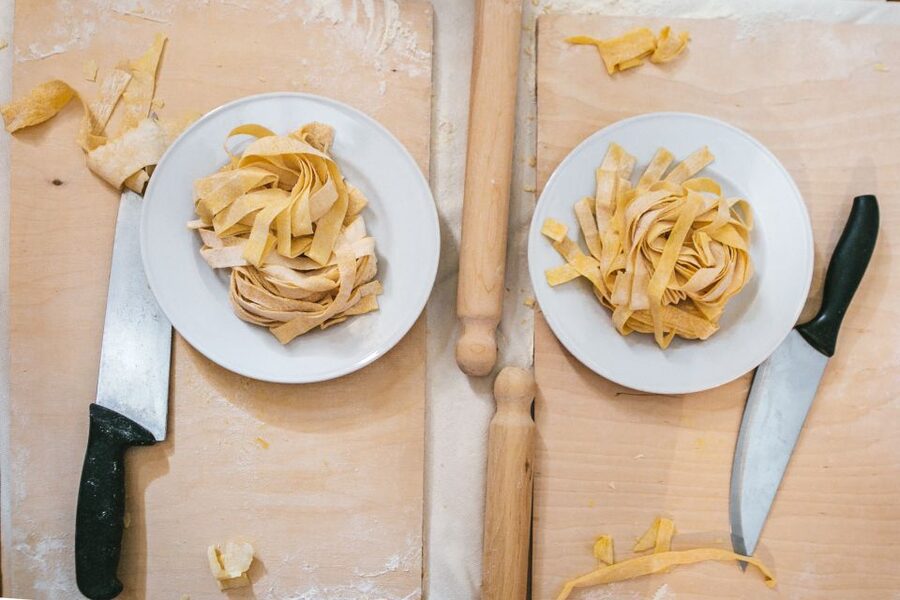
- Make two pasta shapes from one dough: Learn how to turn fresh pasta dough into Fettuccine and Maltagliati.
- Start with a Spritz: The class includes a welcome cocktail and instruction on preparing it.
- Eat the meal you prepared: Your pasta is served with Sugo al Pomodoro and basil pesto, followed by tiramisu.
- English-speaking instruction: Chefs including Maria, Tiziana, Jessica, Jess, Lory, and Agnes have led sessions.
- A social Rome activity: You share the table, meal, wine, and pasta-making with other participants.
- Good value at $88: The price covers the class, welcome drink, bruschetta, two pasta dishes, dessert, wine or a non-alcoholic drink, and Limoncello or coffee.
A pasta class beside Piazza Navona
This experience takes place at Restaurant Gusto, operated by Eat and Walk Italy, just steps from Piazza Navona. That location matters. You can fit the class into an afternoon or evening of sightseeing without spending time crossing Rome, and the piazza gives you an easy place to stroll before or after your meal.
The setting is a restaurant rather than a formal culinary school. That gives the activity a relaxed, social feel. You are there to learn, but also to eat, chat, and enjoy a drink. The class is conducted in English, and the chef works through the process with demonstrations and hands-on help.
Past sessions have been led by several chefs, including Maria, Tiziana, Jessica, Jess, Lory, and Agnes. The names change, but the pattern is consistent: the instructor shows each step, then moves around the table to help. That personal attention is useful because fresh pasta can look simple until the dough starts sticking, tearing, or refusing to roll properly.
You do not need previous kitchen experience. Beginners and children old enough to follow instructions can take part, and the recipe is manageable even if you rarely cook. Children under four are not suitable for the activity, and alcoholic drinks are restricted to participants aged 18 and over.
More Pasta Making Classes in Rome
- 3 in 1 Cooking Class near Navona: Fettuccine, Ravioli & Tiramisu
★ 5.0 · 7,376 reviews - Rome: Pasta Making Class with Wine, Limoncello, and Dessert
★ 4.9 · 3,177 reviews - Rome Cooking Class: Make Pasta and 3 Spritz Cocktails
★ 5.0 · 2,937 reviews
First comes the Spritz
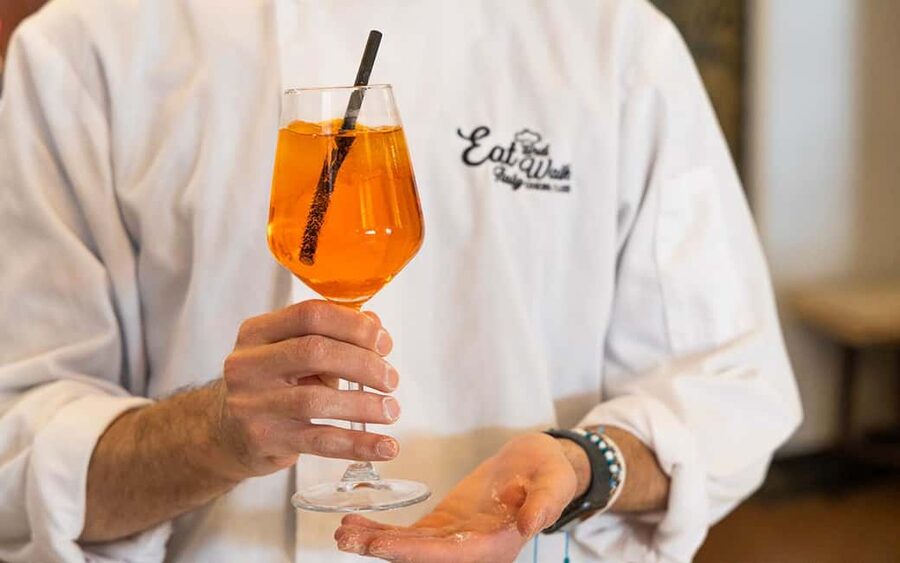
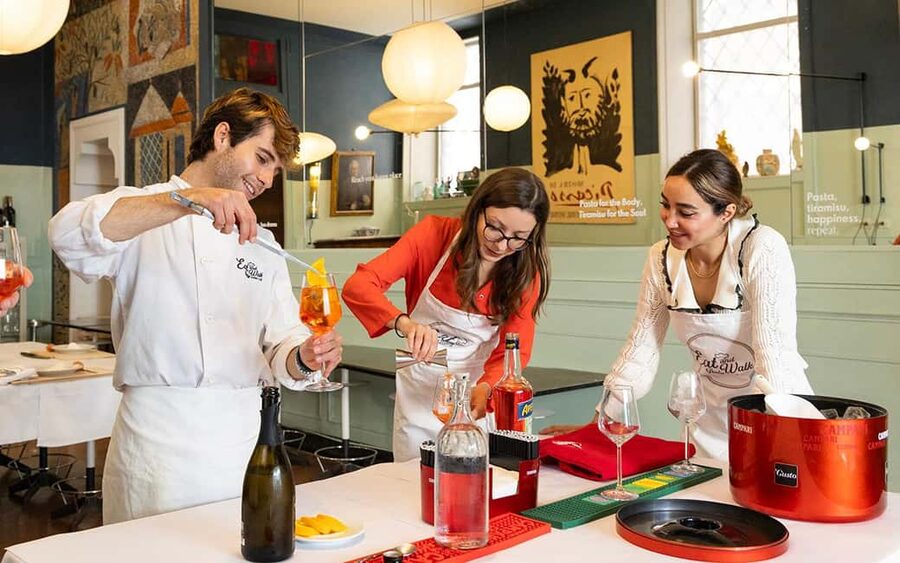
The class begins with a welcome Spritz and a lesson on preparing the cocktail. This is a good opening because it gets everyone talking before the dough appears. You are not simply handed a drink at the door. The idea is to understand how the familiar orange aperitif comes together and to prepare your own version.
The Spritz also sets the pace. This is not a rushed cooking demonstration where you watch a chef work from across the room. You take part from the start, with food and drink woven into the lesson.
If you do not drink alcohol, the meal includes a non-alcoholic beverage instead. The welcome Spritz itself is intended for adults, so families should keep that rule in mind when booking. Water is also included.
The cocktail portion is fairly short compared with the pasta work, but it makes the class feel more like a Roman evening out than a technical baking lesson. I like that balance. You get a useful skill, yet the experience still feels festive.
Rolling dough into Fettuccine and Maltagliati
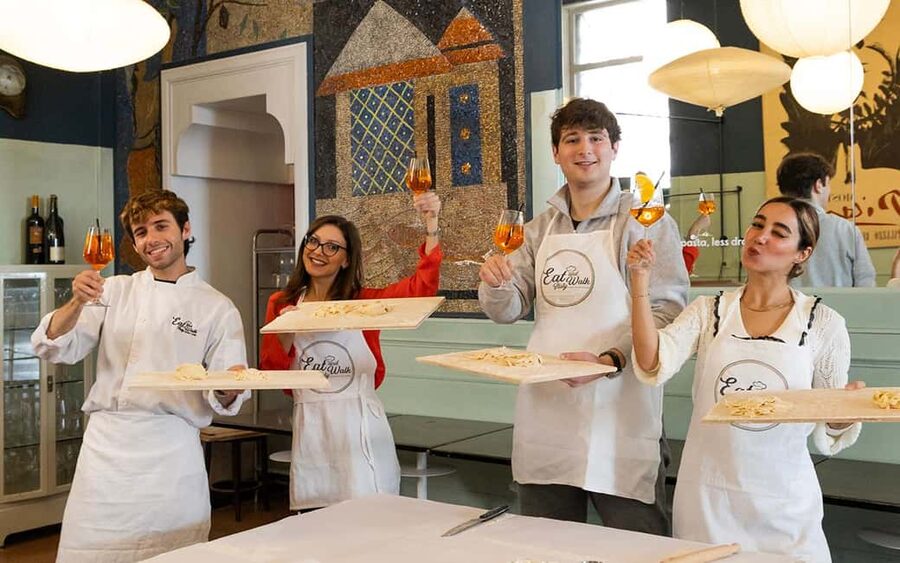
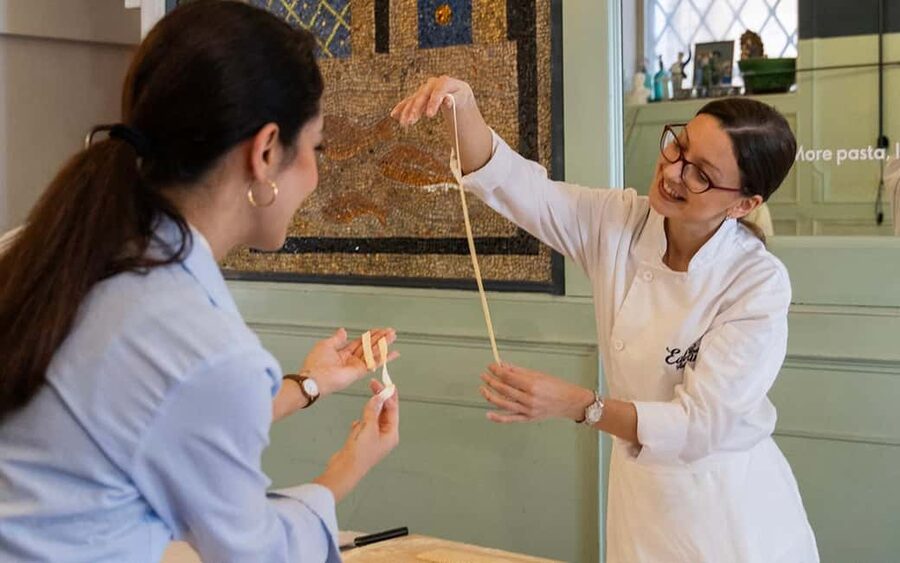
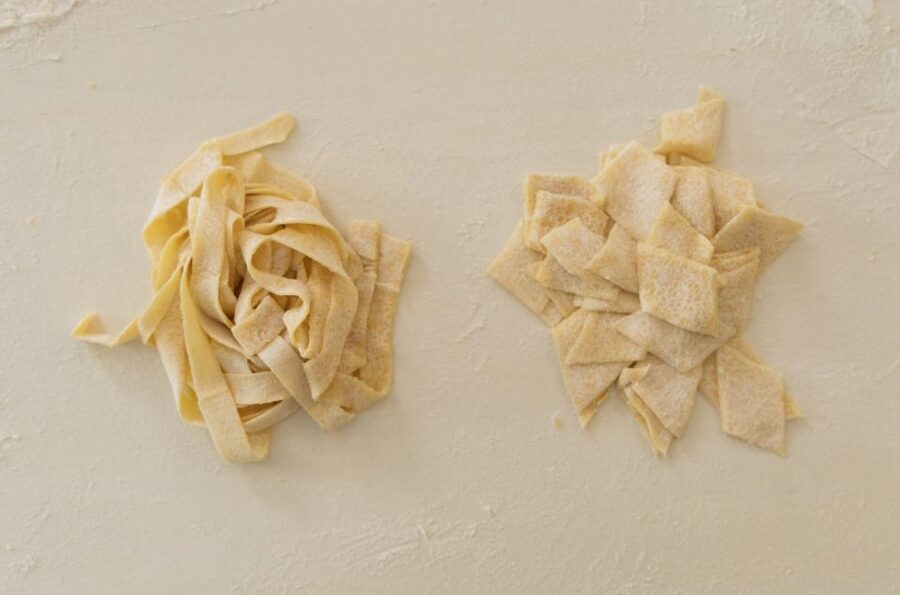
The heart of the class is fresh pasta made from scratch. Under the chef’s direction, you prepare the dough and work it by hand. You then divide or shape it into two different types: Fettuccine and Maltagliati.
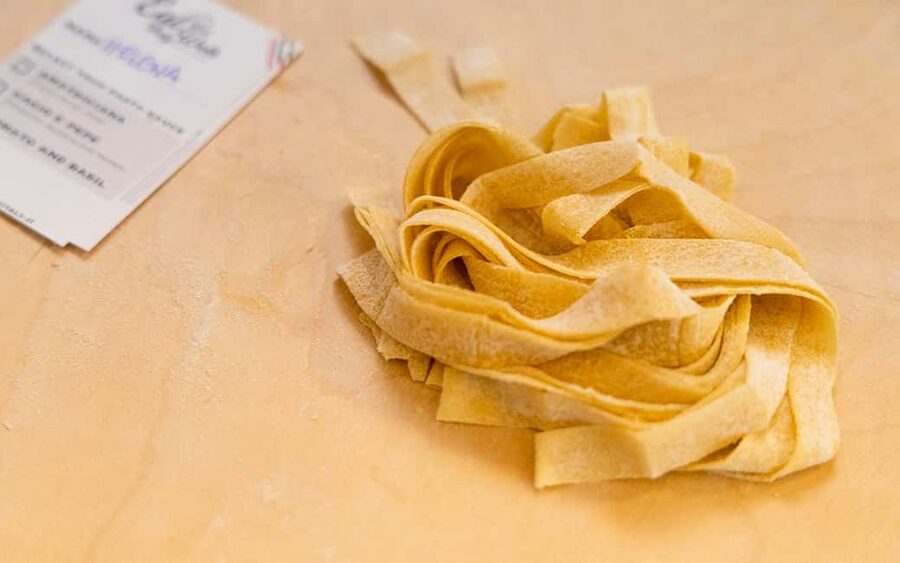
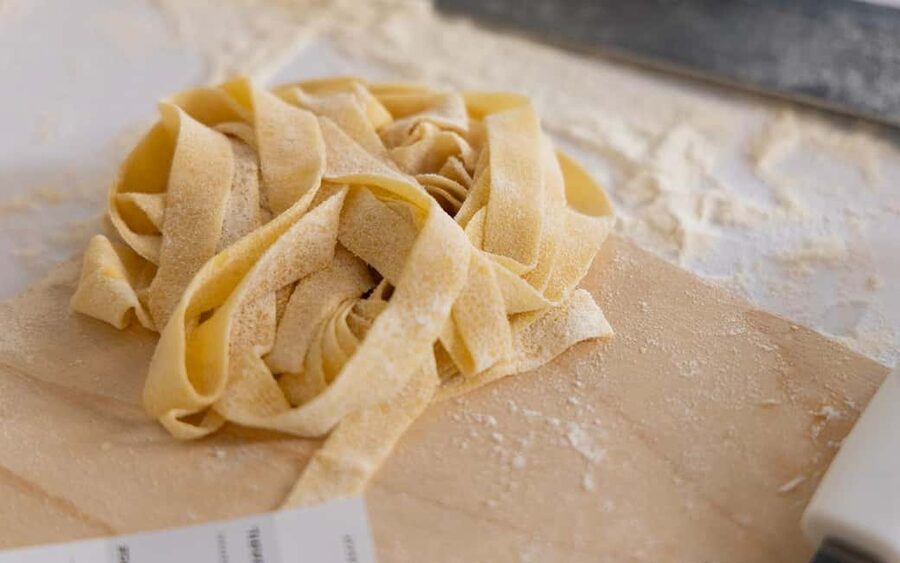
Fettuccine gives you long, familiar ribbons. Maltagliati means roughly badly cut, and the shape is intentionally irregular. That makes it especially friendly for beginners. Your pasta does not need to look machine-made to be right. The uneven pieces are part of the charm.
The chef demonstrates the movements, explains why each step matters, and helps when someone gets stuck. Several participants have found the process easier than expected, but it still takes effort. One useful warning is that pasta-making can make you work up a sweat, especially when you are mixing and handling the dough for the first time.
You should expect flour on your hands and a little trial and error. That is the point. You leave with more than a plate of food because you learn what fresh pasta feels like at each stage. One past participant even received the recipe and photos afterward, though you should confirm what follow-up materials are offered during your own session rather than count on them.
The class works well for mixed groups. Parents can help younger children, couples can work side by side, and solo participants have a natural reason to talk with the people at the table. The chef’s job is not just to explain the recipe, but to keep everyone moving at roughly the same pace.
Bruschetta while your pasta cooks
Once the pasta is shaped, the kitchen cooks it for you. That is a sensible arrangement. Fresh pasta has a short cooking time, and the staff can handle the boiling while you sit down and enjoy the first course.
The included bruschetta consists of toasted bread with tomatoes, basil, and oregano. It is a simple dish, but it gives you something to eat while the pasta is prepared. You also receive a glass of wine or a non-alcoholic drink with the meal.
This pause is one of the social highlights. You have just worked together at the table, and now you can compare shapes, talk about Rome, and settle into dinner. Past classes have included people from several countries, along with couples, families, and solo participants.
The restaurant setting helps here. You are not packed into a classroom and then sent elsewhere to eat. The lesson leads directly into the meal, so the evening feels like one continuous activity.
Same kitchen, a different dish:
- Rome: 3-in-1 Fettuccine, Ravioli, and Tiramisu Cooking Class
★ 4.9 · 2,704 reviews - Rome: Fettuccine Pasta Cooking Class in Rome’s City Center
★ 4.8 · 2,414 reviews - Fettuccine & Tiramisù: Cooking Class with Wine & Limoncello
★ 4.9 · 2,103 reviews - Pasta Cooking Class Near the Colosseum with 3 Spritz Cocktails
★ 5.0 · 1,686 reviews
Two sauces, two pasta dishes
Your homemade Maltagliati is served with basil pesto, while the Fettuccine comes with Sugo al Pomodoro, a classic tomato sauce. Having two shapes and two sauces gives the meal a useful lesson in pairing texture with preparation.
The pesto brings basil and a fresh, savory flavor. The tomato sauce is more direct and familiar, letting the pasta itself do more of the work. You get to taste the difference between handmade pasta and dried pasta without turning the meal into a lecture.
The chef or kitchen staff handles the final cooking and sauce preparation, so do not expect to make every component entirely from scratch. The valuable hands-on part is the dough and shaping. That is also the part most likely to help you cook at home.
A few past sessions have offered different sauce choices, including carbonara or Cacio e Pepe, but the stated menu for this experience is Maltagliati with basil pesto and Fettuccine with tomato sauce. If a particular sauce matters to you, ask at the start rather than assuming alternatives are available.
The meal is generous in the context of a cooking class. You are not paying $88 for a small tasting plate after an hour of watching. You receive two pasta preparations, bruschetta, a drink, dessert, and a final digestif or coffee.
Tiramisu and a final Roman drink
The meal ends with tiramisu and a choice of Limoncello or coffee. The final drink gives you a calm finish after the hands-on work, and it makes the activity function as a complete dinner.
Limoncello is available only to adults, while coffee provides the non-alcoholic option. The experience also includes water, so you do not need to add a separate drink simply to stay refreshed.
This last course is useful when planning your day. If you book the class around dinner time, you can treat it as your evening meal. You may still want a light snack earlier if you tend to eat early, since the class lasts about two and a half hours.
Afterward, you are already in the Piazza Navona area. That makes it easy to continue with an evening walk rather than arrange transport to another part of Rome.
Why the $88 price can make sense
At $88 per person, this is not the cheapest way to eat pasta in Rome. A simple restaurant dinner will cost less, especially if you choose a modest trattoria and skip the activity.
The comparison changes when you count what is included. You receive instruction from a professional chef, a welcome Spritz, bruschetta, your own Fettuccine and Maltagliati, two sauces, wine or a non-alcoholic drink, tiramisu, and Limoncello or coffee. You also get a social evening in a central location rather than only a meal.
I see the strongest value for people who want an activity and dinner at the same time. Couples can turn it into a relaxed date night, families can give children a break from museums, and solo visitors can meet people without having to force conversation at a bar.
The value is weaker if you already have several food tours or cooking classes booked. It is also less attractive if you prefer quiet meals, dislike group activities, or want a highly advanced lesson. This is a friendly introduction to pasta, not professional chef training.
The free cancellation policy allows you to cancel up to 24 hours before the start for a full refund, and you can reserve now while paying later. Check the available start times when choosing a date, since the class lasts long enough to shape the rest of your day.
Who will enjoy this most
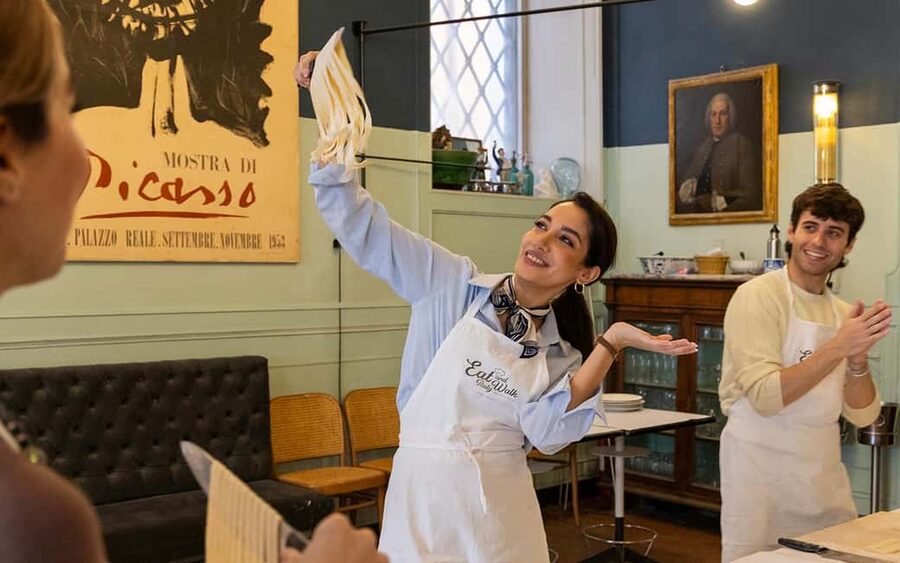
I would recommend this class to first-time pasta makers. The instructions are clear enough for beginners, and the chef can step in when the dough gives you trouble. You do not need to arrive with special skills or equipment.
It is also a strong pick for families with children over four. The process is tactile, the pasta is easy to understand, and eating the finished result gives children a reason to stay involved. Parents should remember that the class includes alcohol for adults, so children will need non-alcoholic options.
Couples and friends get a good mix of shared work and relaxed conversation. Solo participants can fit in comfortably because the table activity gives you an immediate connection with the group.
I would be more cautious about booking it for anyone with limited time in Rome. Two and a half hours is a meaningful block of the day. You should also check the menu if you have strict dietary needs, since the supplied details do not specify vegetarian, vegan, gluten-free, or allergy accommodations.
The activity is wheelchair accessible. Pets are not allowed.
Simple tips for a better class
Arrive ready to use your hands. You will be mixing, shaping, and cutting dough, so this is not the place for a spotless outfit or a formal dinner mindset.
Plan your sightseeing around the class rather than trying to squeeze a major timed attraction into the middle of it. Piazza Navona is close by, so you can visit the area before meeting at Restaurant Gusto and take your evening walk after dessert.
If you are bringing children, explain in advance that they will make the pasta but the kitchen will cook it. That keeps expectations clear and avoids the common disappointment of waiting for a dish to finish.
Ask about the sauce choices when you arrive. The listed meal includes tomato sauce and basil pesto, while some earlier sessions have used other Roman sauces. The kitchen may vary details, and it is better to know before the pasta goes into the pot.
Finally, keep the recipe in mind. The best souvenir here is not a purchased trinket. It is the ability to repeat the meal at home, perhaps with a less-than-perfect first batch and a much better second one.
Should you book this pasta class?
Book it if you want a central Rome activity that combines cooking, dinner, drinks, and conversation. The strongest features are the hands-on pasta work, the cheerful English-speaking instruction, and the fact that your class meal is substantial enough to replace dinner.
I would especially choose it for a family with older children, a couple seeking something different from sightseeing, or a solo visitor who wants a built-in social setting. Chef names vary, but past sessions led by Maria, Tiziana, Jessica, Jess, Lory, and Agnes have followed the same welcoming, beginner-friendly approach.
Skip it if you want an advanced culinary course, a very short activity, or a completely alcohol-free setting with no cocktail focus. For most visitors who like Italian food and want to make a memory they can repeat at home, $88 is a fair price for the amount of food, instruction, and time included.
FAQ
Where does the pasta and Spritz class take place?
The class meets at Restaurant Gusto, operated by Eat and Walk Italy, just steps from Piazza Navona in Rome.
How long does the experience last?
The activity lasts approximately two and a half hours.
What pasta will I make?
You will prepare Fettuccine and Maltagliati pasta from scratch.
Which sauces are included?
Maltagliati is served with basil pesto, and Fettuccine is served with Sugo al Pomodoro, a tomato sauce.
What food and drinks are included?
The experience includes a welcome Spritz, bruschetta, both homemade pasta dishes, tiramisu, water, a glass of wine or non-alcoholic beverage, and Limoncello or coffee.
Is the activity suitable for children?
Children under four are not suitable for the class. Older children can take part, and alcoholic drinks are available only to participants aged 18 and over.
Is the class wheelchair accessible?
Yes, the activity is wheelchair accessible. Pets are not allowed.
New cooking classes around Rome
- ROME:Hands-On Lasagna & Marsala Tiramisu Cooking Experience”★ 5.0 · 3 reviews
- Rome: Vatican Food Tours, Cooking classes & Free Tours★ 4.9 · 11 reviews
- Rome: Traditional Pasta, Spritz & Tiramisu Cooking Class★ 4.9 · 279 reviews
- Rome: Trastevere Pasta Making Class★ 4.9 · 33 reviews
- Rome: Traditional Pasta and Tiramisu Cooking Class★ 5.0 · 4 reviews
- Rome: Small Group Pasta cooking class near Piazza Navona★ 4.9 · 8 reviews
- Rome: Traditional Cooking Class in the Jewish Ghetto★ 4.9 · 75 reviews
- Rome: “Rooftop Pasta and Cocktails Cooking Class”★ 5.0 · 12 reviews
Rome Cooking Classes, side by side.

3 in 1 Cooking Class near Navona: Fettuccine, Ravioli & Tiramisu
Read our review →
Rome: Pasta Making Class with Wine, Limoncello, and Dessert
Read our review →
Rome Cooking Class: Make Pasta and 3 Spritz Cocktails
Read our review →
Rome: 3-in-1 Fettuccine, Ravioli, and Tiramisu Cooking Class
Read our review →
Rome: Fettuccine Pasta Cooking Class in Rome’s City Center
Read our review →
Fettuccine & Tiramisù: Cooking Class with Wine & Limoncello
Read our review →
Pasta Cooking Class Near the Colosseum with 3 Spritz Cocktails
Read our review →
Enjoy Spritz and Pasta Making in Piazza Navona
Read our review →This kitchen also appears in