
Review · ROME
Rome: Gourmet Pizza Cooking Class (SHARED)
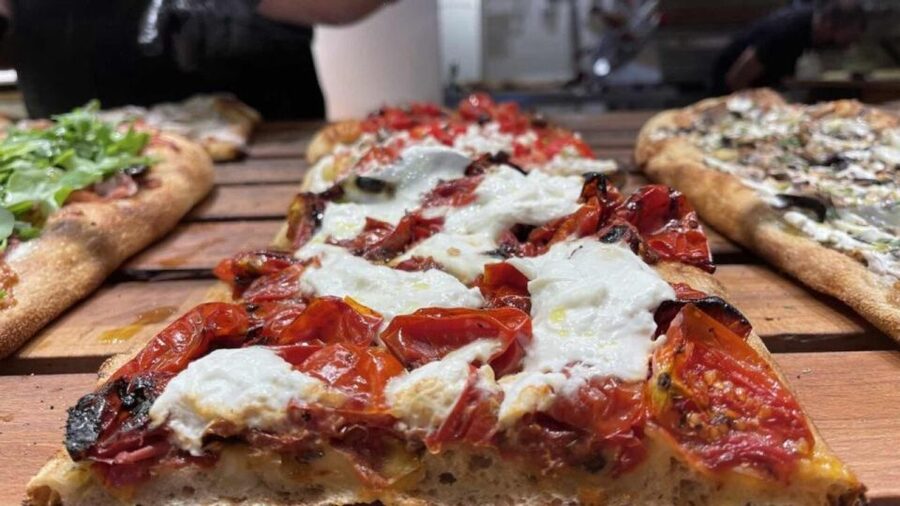
Roman pizza is not Naples pizza in disguise. Here, you learn to make the thin, crisp Roman style, starting with dough and ending with a hot pizza topped with seasonal ingredients. The class opens with drinks and aperitivo snacks, so you get a pleasant taste of Italian food culture before the flour starts flying.
I like the hands-on dough work and the chance to choose toppings rather than watch a chef do everything. I also like the easy location near Piazza Navona and the friendly, family-style mood described by participants. The main drawback is time: 90 minutes goes quickly, so this is a compact lesson, not a full course in Italian baking.
Key points at a glance
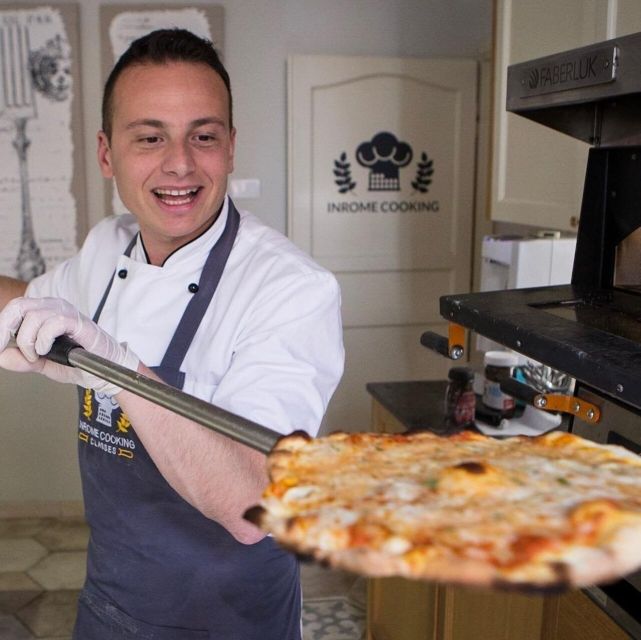
- Roman pizza has its own character: You will make a base that is thinner and crunchier than classic Neapolitan pizza.
- You make the dough yourself: The class focuses on the foundations, not just adding toppings to a prepared crust.
- Aperitivo starts the evening: Welcome drinks and snacks give the class a distinctly Italian opening.
- Seasonal toppings shape the menu: Options can include tomato sauce, mozzarella, prosciutto, zucchini flowers, and black olives.
- Chef Marco shares practical tips: One of the named chefs praised in the feedback is Marco, whose pizza advice was a highlight.
- The location suits a sightseeing day: The meeting point is at Corso del Rinascimento 65, close to Piazza Navona, with the Pantheon also nearby.
Roman pizza begins with the dough
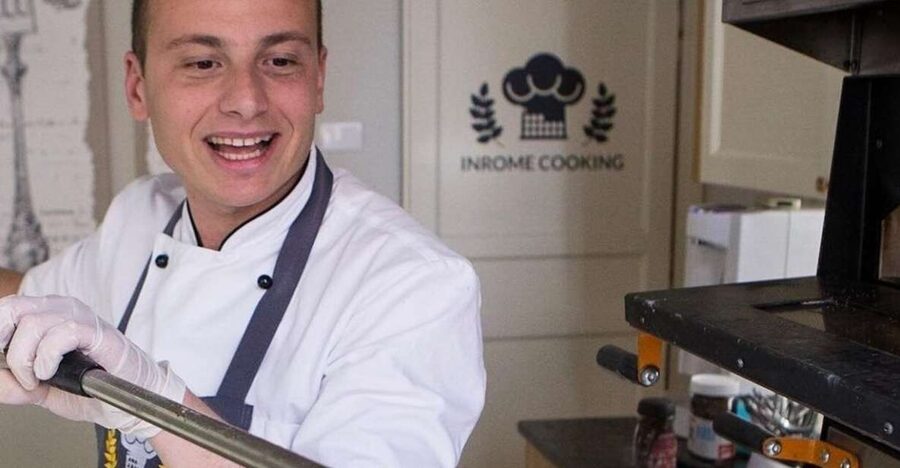
The heart of this class is simple: you make your own dough from scratch. That matters because pizza lessons can sometimes amount to decorating a ready-made base. Here, you work through the part that most affects the finished slice: the balance of dough, sauce, and toppings.
Your English-speaking local chef guides you through the process and shares practical tips along the way. The class is designed for participation, so you should expect to shape and roll your own base rather than stand back and watch a demonstration.
The Roman style gives the lesson a clear focus. Roman pizza is thinner and crunchier than pizza from Naples, which tends to have a softer, more pliable center and a puffier edge. If you have eaten both styles in Italy, this comparison will make sense on the plate. If you have not, it gives you a useful bit of food knowledge to carry into the rest of your trip.
I like that the class teaches a style connected to Rome itself. You are not simply learning a generic pizza recipe in an Italian setting. You are learning why a Roman pizza feels different and how the base affects the whole bite.
More Pizza Making Classes in Rome
- Cooking Class in the Heart of Rome: Pizza and Tiramisu Making
★ 5.0 · 1,330 reviews - Rome: Traditional Pizza Cooking Class near Piazza Navona
★ 4.7 · 1,241 reviews - Rome: Combo Pizza and Pasta Cooking Class with Wine
★ 4.6 · 1,180 reviews
An aperitivo before the flour comes out
The class begins with welcome drinks and snacks inspired by aperitivo, the Italian habit of having a small drink and something to eat before a meal. This opening helps set the tone. You have time to settle in, meet the chef, and get into the spirit of the class before handling the dough.
The food is not presented as a separate full meal. Think of the snacks as a light introduction, followed by the pizza you make yourself. If you arrive very hungry, keep that in mind. The main eating comes later, once your pizza is ready.
The drinks also make this more than a purely technical cooking lesson. You are learning a little about the social side of Italian food, where sharing a drink and a bite can be as important as the recipe itself. Wine is enjoyed with the finished pizza, adding a relaxed close to the session.
Choosing between pizza rosso and pizza bianca
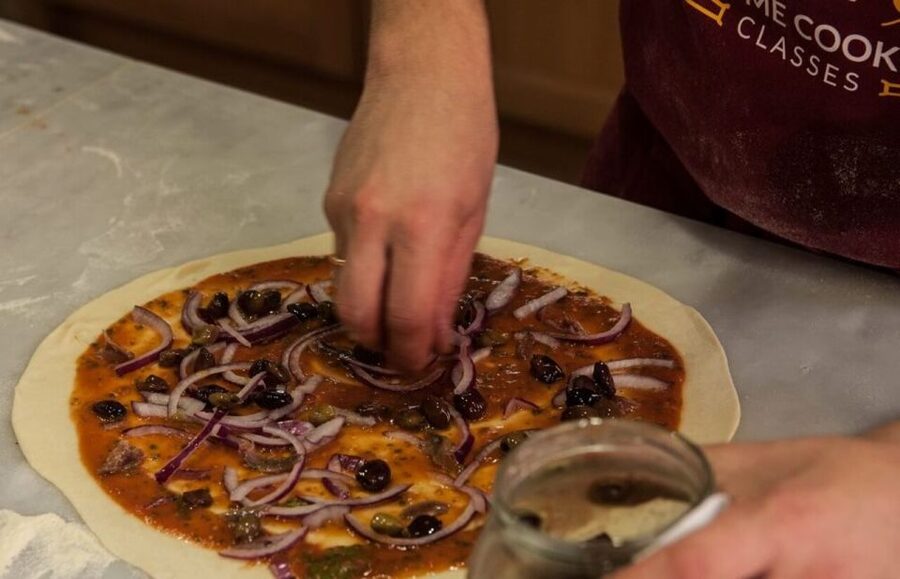
Once your base is ready, you move on to toppings. The class lets you consider two basic Roman choices: pizza rosso with tomato sauce, or pizza bianca without tomato.
Pizza rosso gives you the familiar combination of tomato, mozzarella, and other toppings. Pizza bianca keeps the focus on the dough, cheese, herbs, and whatever fresh ingredients you choose. Neither is presented as the single correct answer. The useful lesson is how different toppings change the balance of the pizza.
The available ingredients change with the season. That can mean mozzarella, prosciutto, black olives, zucchini flowers, or other fresh items selected for the time of year. Seasonal produce is a practical choice here, not just a marketing phrase. Delicate ingredients such as zucchini flowers need careful handling, while salty olives and prosciutto can quickly dominate a pizza if used too heavily.
You get to make decisions about your own pizza. That makes the class more personal than a fixed tasting menu, though it also means your final result depends partly on your choices. The chef is there to guide you, but you still have to decide how much sauce, cheese, and topping is enough.
Local instruction with useful pizza tips
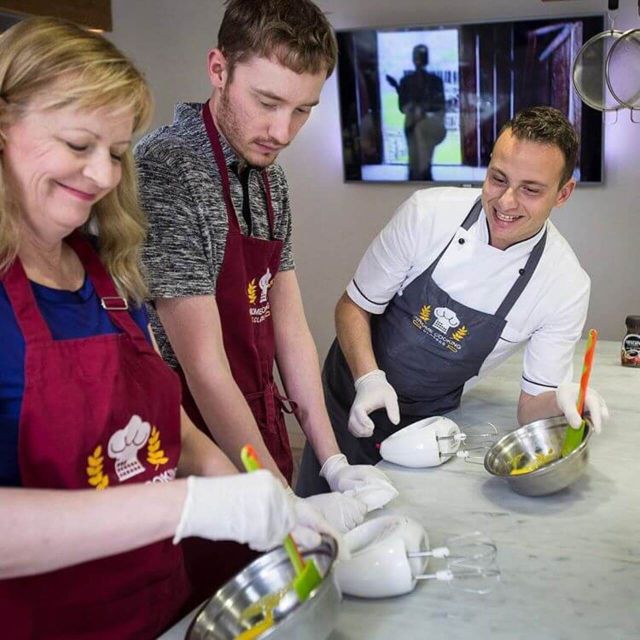
The instructors are professional, local chefs who teach in English. The feedback points especially to Marco, whose tips were singled out as useful and memorable. That is the sort of detail I value in a short cooking class. In 90 minutes, you need a chef who can explain the important points without burying you in theory.
You should expect help with the basics rather than an advanced professional course. The listed focus is dough, rolling, sauce, toppings, and the differences between Roman and Neapolitan pizza. This suits a first-time home cook or anyone who wants to understand Italian pizza better without spending half a day in a kitchen.
The reported mood is relaxed and family-like. That fits the format. You are working with dough, sharing a table or kitchen setting, and eating what you have made soon after. The class is not designed as a formal culinary school session, and that is part of its appeal.
It is worth keeping your expectations in check. The chef cannot give each person unlimited individual attention in a shared class. The format is social, and the experience may be best for you if you enjoy learning alongside other people rather than requiring a private lesson.
Same kitchen, a different dish:
- 3 in 1 Cooking Class near Navona: Fettuccine, Ravioli & Tiramisu
★ 5.0 · 7,376 reviews - Rome: Pasta Making Class with Wine, Limoncello, and Dessert
★ 4.9 · 3,177 reviews - Rome Cooking Class: Make Pasta and 3 Spritz Cocktails
★ 5.0 · 2,937 reviews - Rome: 3-in-1 Fettuccine, Ravioli, and Tiramisu Cooking Class
★ 4.9 · 2,704 reviews
A convenient stop near Piazza Navona
The meeting point is Corso del Rinascimento 65. Ring the doorbell marked InRome Cooking. The school is near Piazza Navona, with another cooking school location described as just a short walk from the Pantheon.
This makes the class easy to pair with central Rome sightseeing. You can visit Piazza Navona before the lesson, then walk to the meeting point. The Pantheon area is also close enough to fit into the same part of your day. No hotel pickup or drop-off is included, so you need to make your own way there.
The central setting is useful, but it also means you should allow time to find the exact doorway. The address is specific, and the instruction to ring the correct bell matters. I would not arrive at the last second, especially if you are coming from another part of Rome by taxi or public transport.
The location also helps this class feel like part of a Rome day rather than a separate excursion. You do not need to give up an entire afternoon. The 90-minute format leaves room for a museum, a piazza walk, or dinner afterward.
Is $93 a fair price for 90 minutes?
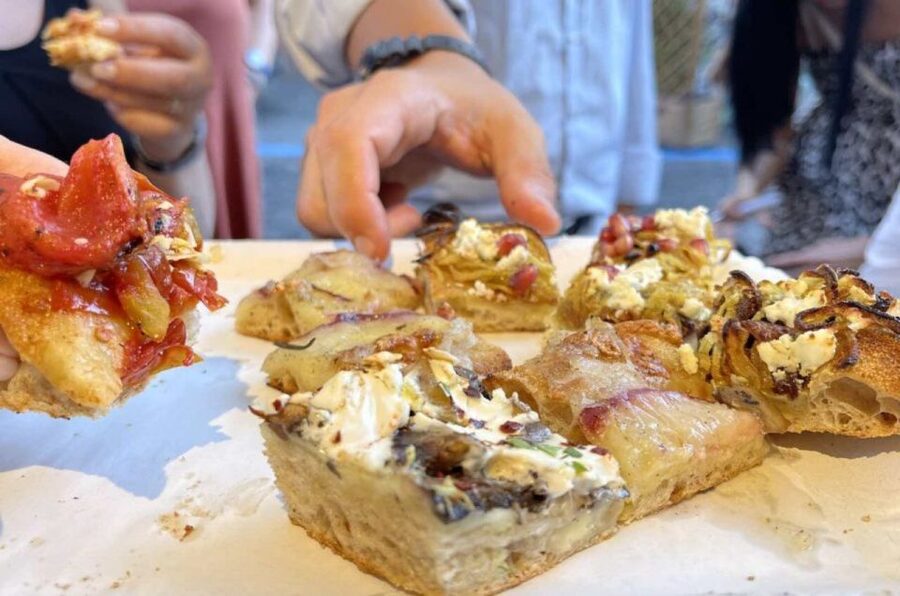
At $93 per person, this is not a cheap meal. You are paying for instruction, ingredients, a shared kitchen experience, welcome drinks and snacks, and the pizza you make during the class. The price makes the most sense if you want an activity rather than simply another restaurant meal.
The value improves for food-focused visitors who will use the cooking advice later. Learning how Roman dough differs from Neapolitan dough, how to balance toppings, and how to work with seasonal ingredients gives you more than a plate of pizza. The lesson can help you understand the pizzas you order elsewhere in Italy.
The shorter duration is both a benefit and a limitation. You can fit it into a busy Rome schedule, and you will not lose half a day. On the other hand, you will not get a long fermentation lesson, a detailed tour of Italian ingredients, or a broad menu of dishes. The class promises a focused pizza session, and the price should be judged on that basis.
The strongest value comes if you are traveling with family or friends and want something you can do together. The shared format adds a social element, though visitors seeking a private chef or highly technical training may find better value elsewhere.
Who will enjoy this class most
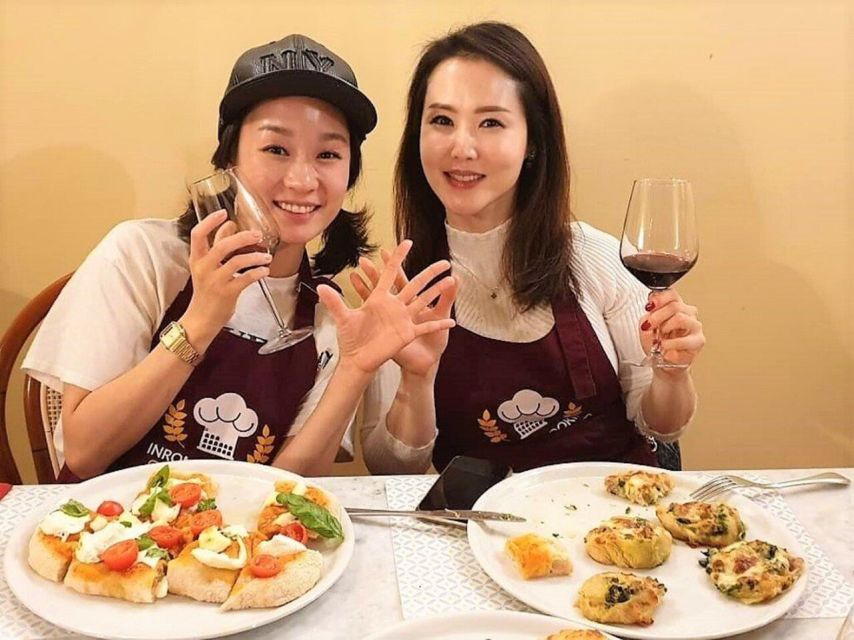
I would recommend it first to food lovers who want to make something with their hands. It also suits couples, families, and friends looking for a break from churches and museums. The combination of aperitivo, cooking, and wine gives you a taste of daily Italian food culture without requiring specialist skills.
It is a good pick for you if:
- You want to learn how Roman pizza differs from Neapolitan pizza.
- You enjoy choosing toppings and shaping your own dough.
- You prefer a short activity that fits into a sightseeing day.
- You like a relaxed, social cooking setting.
- You want instruction in English from local chefs.
- You plan to eat the pizza you make rather than watch a demonstration only.
It is less suitable if you need step-free access or have a mobility impairment, since the activity is specifically listed as unsuitable for people with mobility impairments. It may also disappoint you if you want a private class, a long technical workshop, or a full Italian cooking menu beyond pizza.
What the 90 minutes feel like
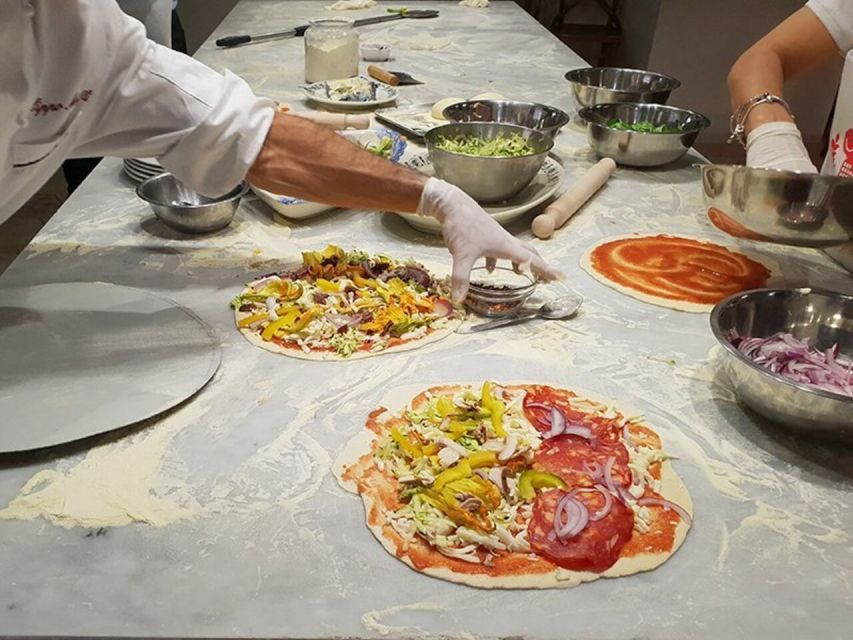
The session has a clear rhythm. First comes the welcome drink and snacks. Then the chef introduces the pizza-making process and explains the Roman style. You make the dough, roll it into a base, choose your sauce and toppings, and finish by eating the pizza with wine.
That sequence keeps the lesson moving. There is no long sightseeing transfer and no hotel pickup to slow things down. The tradeoff is that the class has little spare time. If you want to ask many questions or practice several dough shapes, 90 minutes may feel short.
The final meal is important. You are not just taking home a recipe card. You get to taste how your dough and topping choices worked together. That immediate result helps make the advice memorable, especially when the chef points out what creates a thin, crisp Roman base.
One participant described the atmosphere as very family-like and authentically Italian. That is a useful expectation to bring with you. You are signing up for a friendly kitchen experience, not a polished stage show.
Booking and practical details
The class is shared, and instruction is in English. The listed meeting point is Corso del Rinascimento 65, where you should ring the InRome Cooking bell. Hotel transportation is not included.
The activity lasts 1.5 hours, with starting times based on availability. You can reserve now and pay later, which is helpful if your Rome schedule is still shifting. Cancellation is free up to 24 hours before the class for a full refund.
The activity has a rating of 4.9 from 20 reviews, with especially strong praise for the fun atmosphere, useful pizza-making advice, and good value. The most specific positive detail is the repeated focus on the chef’s instruction, including Marco’s practical tips. That suggests you should pay attention during the dough and topping stages, since the teaching is a major part of what you are paying for.
Should you book the Roman pizza class?
Book it if you want a compact, hands-on food activity near Piazza Navona. The best reasons are the scratch-made dough, the focus on Roman pizza, the seasonal toppings, and the relaxed aperitivo setting. You get a meal, but you also get a lesson in what makes Roman pizza different.
Skip it if you are looking for a private cooking experience, a longer culinary workshop, or an inexpensive way to eat lunch. At $93, the value depends on your interest in the activity itself. For food-focused visitors who want to make pizza, learn useful tips from a local English-speaking chef, and enjoy the result with wine, it is a strong choice for a short Rome itinerary.
FAQ
How long does the Rome pizza cooking class last?
The class lasts 1.5 hours.
Where does the cooking class meet?
Meet at Corso del Rinascimento 65 and ring the doorbell marked InRome Cooking.
Is the class taught in English?
Yes. The instructor language is English.
What will I make during the class?
You will make pizza dough from scratch, shape your own base, and add fresh seasonal toppings. You can choose between pizza rosso with tomato sauce and pizza bianca, along with toppings such as mozzarella, prosciutto, zucchini flowers, or black olives.
Are drinks and snacks included?
Yes. Welcome drinks and aperitivo-style snacks are included, and wine is enjoyed with the pizza you make.
Is hotel pickup included?
No. Hotel pickup and drop-off are not included.
Can I cancel the activity?
Yes. You can cancel up to 24 hours in advance for a full refund. You can also reserve now and pay later.
New cooking classes around Rome
- ROME:Hands-On Lasagna & Marsala Tiramisu Cooking Experience”★ 5.0 · 3 reviews
- Rome: Vatican Food Tours, Cooking classes & Free Tours★ 4.9 · 11 reviews
- Rome: Traditional Pasta, Spritz & Tiramisu Cooking Class★ 4.9 · 279 reviews
- Rome: Trastevere Pasta Making Class★ 4.9 · 33 reviews
- Rome: Traditional Pasta and Tiramisu Cooking Class★ 5.0 · 4 reviews
- Rome: Traditional Cooking Class in the Jewish Ghetto★ 4.9 · 75 reviews
- Rome: Small Group Pasta cooking class near Piazza Navona★ 4.9 · 8 reviews
- Rome: “Rooftop Pasta and Cocktails Cooking Class”★ 5.0 · 12 reviews
Rome Cooking Classes, side by side.

3 in 1 Cooking Class near Navona: Fettuccine, Ravioli & Tiramisu
Read our review →
Rome: Pasta Making Class with Wine, Limoncello, and Dessert
Read our review →
Rome Cooking Class: Make Pasta and 3 Spritz Cocktails
Read our review →
Rome: 3-in-1 Fettuccine, Ravioli, and Tiramisu Cooking Class
Read our review →
Rome: Fettuccine Pasta Cooking Class in Rome’s City Center
Read our review →
Fettuccine & Tiramisù: Cooking Class with Wine & Limoncello
Read our review →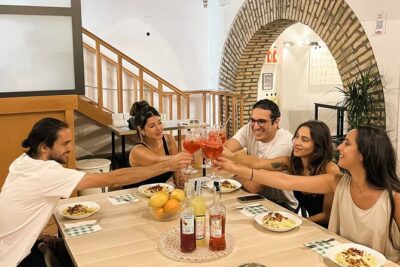
Pasta Cooking Class Near the Colosseum with 3 Spritz Cocktails
Read our review →
Enjoy Spritz and Pasta Making in Piazza Navona
Read our review →This kitchen also appears in