
Review · VIETNAM
Sapa: Bun Cha Cooking Class
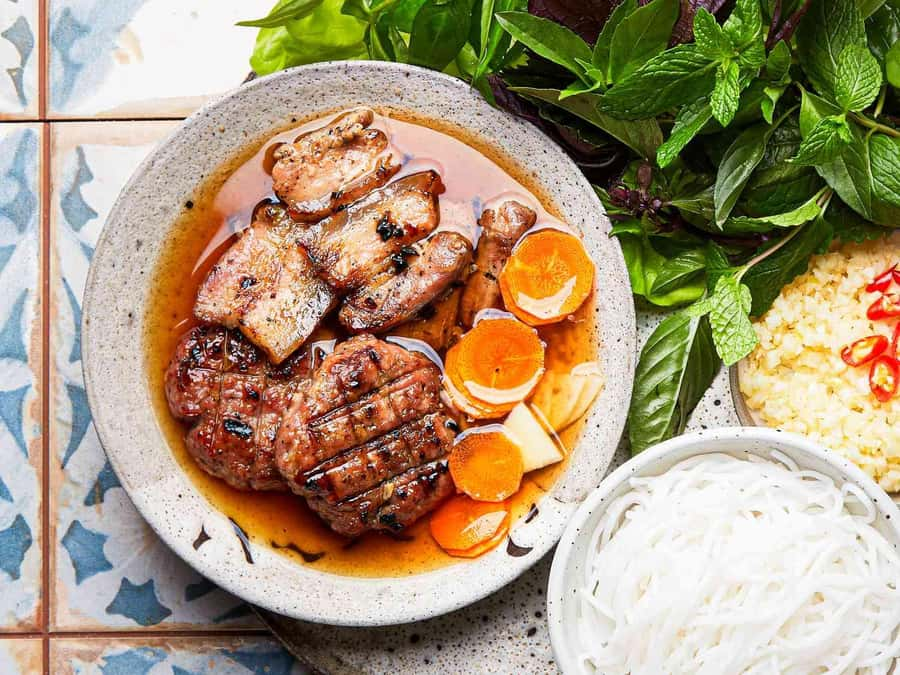
Bún Chả is one of Vietnam’s most satisfying dishes: smoky pork, cool herbs, rice noodles, and a sharp-sweet dipping sauce that brings it all together. This Sapa class lets you work through each part yourself, including the most important step, grilling the pork over charcoal.
I like the small group of up to 10 and the clear, step-by-step help from the chef. I also like that you sit down to eat what you made, rather than simply watching a demonstration. The main limitation is the menu: pork is the central ingredient, so this class is not suitable for vegetarians or anyone who avoids pork.
Key points to know
- Charcoal grilling is the heart of the class, giving you hands-on practice with the pork rather than only preparing cold ingredients.
- You make every major part of Bún Chả, including the marinade, noodles and herbs, and sweet-sour dipping sauce.
- The class lasts about two hours, long enough for cooking and a relaxed meal afterward.
- The group is limited to 10 people, which should allow room for questions and individual guidance.
- Ingredients, tools, and a recipe are included, so you can try the dish again at home.
- The meeting point is 02 Nguyen Chi Thanh in Sapa, and transportation there is not included.
Why Bún Chả Makes a Good Sapa Cooking Class
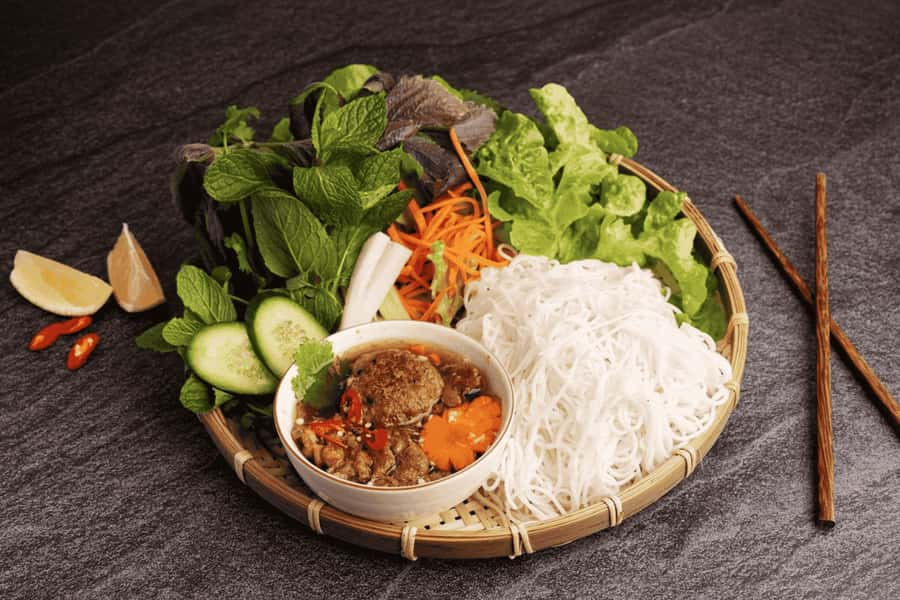
Bún Chả is closely linked with Hanoi, but it makes a useful introduction to Vietnamese food anywhere in the country. The dish is built from simple parts that depend on balance: grilled pork for smoke and savor, rice vermicelli for softness, herbs for freshness, and dipping sauce for sweetness, salt, and sourness.
That balance is what makes this better than a class focused on one complicated recipe. You learn several small skills that apply to other Vietnamese dishes too. You handle a marinade, work with fresh ingredients, manage charcoal heat, and adjust a sauce instead of treating a recipe as a fixed formula.
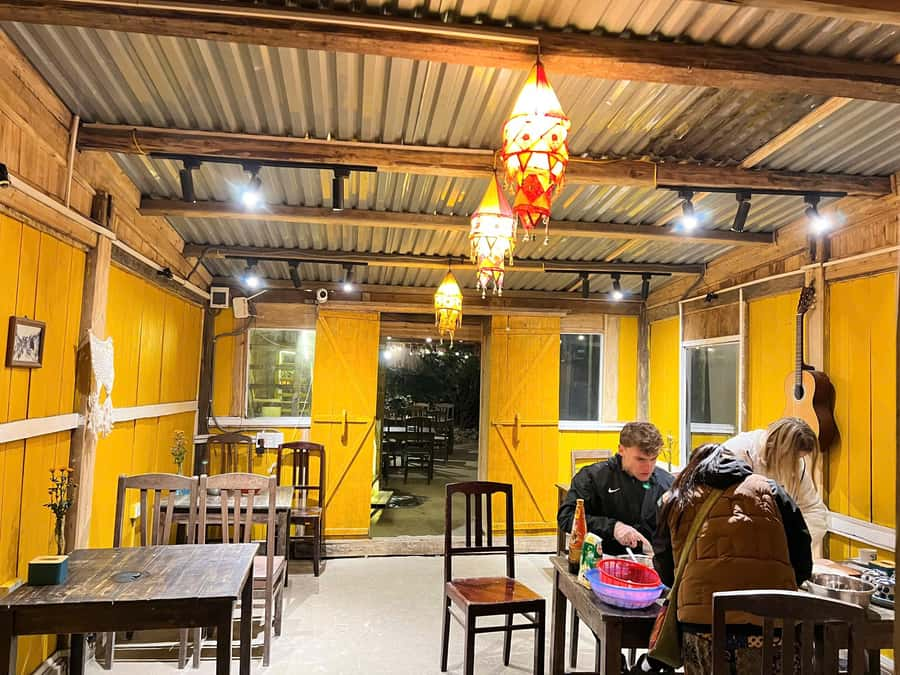
The setting also matters. After cooking, you eat in a warm, home-style environment. That turns the class into a meal as well as a lesson, and it gives you time to taste the result while the steps are still fresh in your mind.
You should expect a practical class rather than a polished restaurant performance. The chef gives clear guidance, shares useful tips, and leads you through the process. If Sissy is teaching your session, you can expect the kind of detailed advice that has made her especially memorable to past participants.
More Vietnamese Cooking Classes around Vietnam:
- Vietnamese Food Cooking Class in Hanoi with Market Experience
★ 5.0 · 778 reviews - Hoi An/Da Nang: Vietnamese Cooking Class with Transportation
★ 4.9 · 297 reviews - Hanoi Cooking Class: Pho/Bun Cha/Banh Xeo…+Free Egg/Salt Coffee
★ 5.0 · 267 reviews
Arriving at 02 Nguyen Chi Thanh
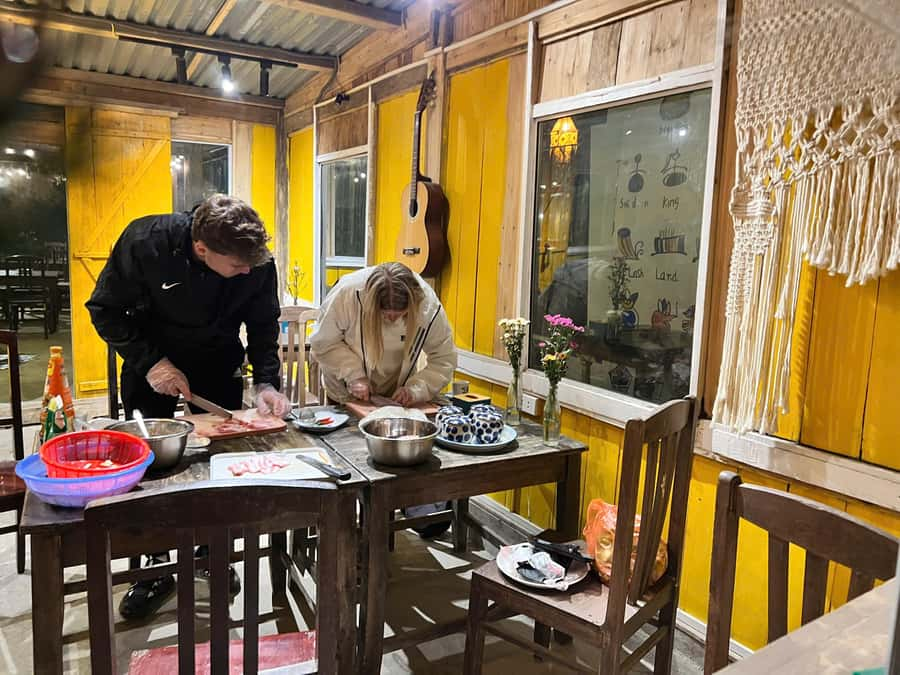
The class begins at the provider’s office at 02 Nguyen Chi Thanh, Sapa, Vietnam. You need to make your own way there because transportation is not included.
That makes the meeting point important when planning your day. Check the location on Google Maps before setting out, and allow enough time to find the office. The activity details do not include hotel pickup, a transfer, or a walking route, so you should not assume that transport is part of the $25 price.
Once you arrive, the chef welcomes you and gives a short introduction to Vietnamese cuisine and the ingredients used in Bún Chả. This opening is useful because it gives the dish some context before you begin chopping, mixing, and grilling. You are not simply handed a bowl and told what it contains.
The class is offered in English and Vietnamese. That is helpful for international participants, though the exact teaching style may depend on the chef leading your session.
The First Steps: Meat, Marinade, and Preparation
The cooking starts with the pork. You are guided through the preparation and marinating process, with the chef explaining how to season the meat before it reaches the charcoal.
This is one of the more useful parts of the class because marinade is where much of the dish’s flavor begins. The chef shares tips designed to help you get the result right, rather than leaving you to guess at every step. You should have the chance to ask questions as you work, especially in a group capped at 10 people.
Bún Chả is not just grilled meat. The noodles, herbs, and sauce are equally important, and the class covers the different parts of the meal. You learn how the ingredients come together on the plate, not only how to cook the pork.
The supplied ingredients and tools are included, so you do not need to bring cooking equipment. A recipe is also provided to take home. That is a real advantage for anyone who wants to repeat the dish after returning from Vietnam, since the recipe gives the experience a life beyond the two-hour session.
Grilling Pork Over Charcoal
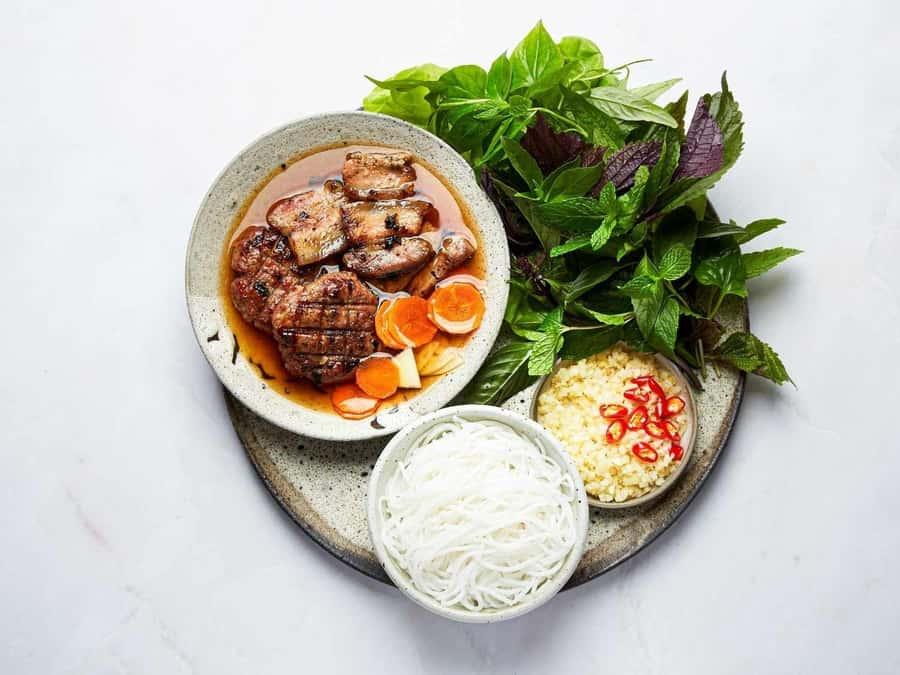
The charcoal grill is the class’s most distinctive feature. You do not merely learn that Bún Chả is grilled. You take part in the grilling itself.
The chef guides you through this stage and shares tips to help you succeed. You will need to pay attention as the pork cooks, since charcoal brings a different feel from a frying pan or oven. The smoky flavor is a key part of Bún Chả, and this is where the dish begins to taste like the food served in Vietnam’s street stalls and casual eateries.
This step can also be the least predictable part of the class. Grilling takes attention, and results may vary slightly depending on how each participant handles the process. That is not a flaw, but it is worth knowing if you expect restaurant-perfect food without any trial and error.
For me, that hands-on element is the point. You learn by doing, and the chef is there to correct small mistakes before they become large ones. A class with only a demonstration would be easier, but it would teach you less.
More cooking classes around Vietnam:
- Hanoi Cooking Class: Culture, Local Market & Meaning CSR Impact
★ 5.0 · 5,147 reviews - 5 Traditional Dishes Hanoi Cooking Class with Market Trip
★ 5.0 · 4,890 reviews - Cooking Class Hoi An:Local Market, Basket Boat, Fishing & Cooking
★ 5.0 · 3,660 reviews - Hoi An Cooking Class(Market,BasketBoat Crabfishing&Cooking Class)
★ 5.0 · 3,386 reviews
Building the Sweet-Sour Dipping Sauce
The dipping sauce is not a minor side dish. It is the part that ties the pork, noodles, and herbs together.
You learn to make the traditional sweet-sour sauce during the class. The chef explains the process and offers tips for getting the balance right. This is useful because the sauce can change the whole character of the meal. Too much sweetness, sourness, or salt can overpower the other ingredients.
The class gives you a chance to taste your own work alongside the finished dish. That helps you understand how the sauce should function rather than memorizing a list of ingredients. You can also keep the recipe and use the method again at home.
The details provided do not specify every ingredient or exact quantity, so you should expect instruction from the chef rather than a preview of the full formula. That is normal for a hands-on class, but it means the value comes partly from paying attention during the demonstration and asking questions.
Rice Vermicelli, Herbs, and the Finished Bowl
Once the pork and sauce are ready, the meal comes together with rice vermicelli and fresh herbs. These ingredients keep the dish from feeling heavy. The noodles provide a plain base, while the herbs bring a fresh note against the smoky pork.
The class covers all the different parts of Bún Chả, not just the meat. That matters because the finished dish depends on how you combine the components. You are learning the structure of a Vietnamese meal, where texture and contrast matter as much as the main protein.
The final meal is made from your own work. You sit down in a cozy, authentic setting and eat what you prepared. This shared meal is a natural ending to the class and gives you a chance to compare the result with the chef’s guidance.
Do not expect a large restaurant-style menu. The included meal is the Bún Chả you cook, and extra food and drinks are not part of the price. If you want additional refreshments, plan to buy them separately.
What the Two-Hour Schedule Means for You
Two hours is a sensible length for this activity. It gives you enough time to hear the introduction, prepare the ingredients, cook the meat, make the sauce, and eat afterward without turning the class into a half-day commitment.
You should still arrive ready to take part from the beginning. The experience is designed as a sequence, and skipping the early preparation would mean missing part of the lesson. The chef’s step-by-step approach is especially helpful if you have no cooking experience.
The group limit of 10 is another practical advantage. This is not a private lesson, but it is small enough to feel more personal than a large demonstration. You should have a reasonable opportunity to follow the chef’s instructions and ask for help.
The exact starting times depend on availability, so check the schedule before booking. The activity details do not specify morning or evening sessions, so you should choose an available time that fits your plans rather than assume a particular slot.
Is $25 a Fair Price?
At $25 per person, the class offers more than a meal. You receive instruction from a local chef, the ingredients, cooking tools, the Bún Chả you prepare, and a recipe to take home.
That is good value if you want an active food experience. A restaurant meal might cost less or more depending on where you eat, but it would not teach you how to marinate the pork, manage charcoal grilling, or make the sauce. Here, part of what you are paying for is the guidance and the chance to make the dish yourself.
The value is weaker if you only want to eat Bún Chả and have little interest in cooking. You will spend about two hours following instructions, preparing ingredients, and taking part in the grilling. A simple meal is quicker.
You should also budget for your own transportation to 02 Nguyen Chi Thanh and any extra food or drinks. Those costs are not included. Even so, the listed price remains reasonable for a small-group class that includes the meal and materials.
Who Will Enjoy This Class Most?
This class suits food lovers who want more than a photo of a local dish. You will get the most from it if you like asking questions, handling ingredients, and learning the reason behind each step.
It is also a good pick for first-time cooks. No prior experience is required, and the chef guides you through the recipe from start to finish. You do not need to arrive with specialist skills.
The class works well for couples, friends, and solo participants who enjoy small-group activities. With no more than 10 people, it should be easier to follow along and meet others without the activity becoming crowded.
You should choose another class if you are vegetarian or do not eat pork. Pork is the main ingredient, and it cannot be replaced in this workshop. The available information does not promise a vegetarian version.
Practical Booking Details for Sapa
The activity offers free cancellation up to 24 hours before the scheduled start time for a full refund. It also has a reserve-now, pay-later option, which helps if your Sapa plans may change.
You will meet at the office rather than being collected from your hotel. Search for Local Guide Sapa at 02 Nguyen Chi Thanh on Google Maps, and confirm the meeting details when you book.
The class is taught in English and Vietnamese. The group type is small, with a maximum of 10 participants. The chef provides the ingredients, cooking tools, and recipe, while you handle your own transport and any purchases beyond the included meal.
The overall rating is 4.8 from six verified bookings, with the strongest praise focused on the fun, clear instruction and the chance to learn every part of Bún Chả. One particularly useful detail is that the class goes beyond the pork to cover the sauce and other components, which is exactly what makes the session more useful than a basic cooking demonstration.
Should You Book the Bún Chả Class?
Book it if you want a hands-on introduction to Vietnamese food and like the idea of eating a meal you prepared yourself. The charcoal grilling, sweet-sour sauce, small group, and take-home recipe give the $25 price solid value.
Skip it if you are vegetarian, avoid pork, or would rather spend your time sightseeing than cooking. You also need to arrange your own way to the Sapa meeting point.
For most food-focused visitors, this is a practical, manageable class with a clear payoff: you learn a well-loved Vietnamese dish, eat it in a home-style setting, and leave with a recipe you can try again.
FAQ
Where does the Bún Chả cooking class meet?
The class meets at the Local Guide Sapa office at 02 Nguyen Chi Thanh, Sapa, Vietnam. You can search for the location directly on Google Maps.
How long does the cooking class last?
The class lasts approximately two hours, including the cooking instruction and the meal afterward.
How much does the class cost?
The price is $25 per person.
Is transportation to the class included?
No. Transportation to the venue is not included, so you need to make your own way to the meeting point.
Is the class suitable for vegetarians?
No. Pork is the main ingredient in Bún Chả, and it cannot be replaced in this workshop.
Do I need previous cooking experience?
No. Previous cooking experience is not required. The chef provides step-by-step guidance throughout the class.
What is included in the activity?
The activity includes the Bún Chả cooking class, guidance from a local chef, all ingredients, cooking tools, the meal you prepare, and a recipe to take home.
What languages are available, and how large is the group?
The class is available in English and Vietnamese, with a maximum group size of 10 participants.
New cooking classes around Vietnam
- M.O.M COOKING CLASS★ 4.8 · 6 reviews
- Sapa Cooking Class With Ethnic Minorities Chef In Village★ 5.0 · 2 reviews
- Sapa: Local Hmong Cooking Class★ 5.0 · 6 reviews
- Mama Lan’s Home Cooking Class with 30+ Years of Experience★ 5.0 · 3 reviews
- Private cooking class tour with Master Chef★ 5.0 · 5 reviews
- Ninh Binh Jeep Adventure: Temples, Lotus, Fishing & Cooking★ 4.5 · 5 reviews
- Ninh Binh: Half-Day Cooking Class at a Local Home★ 5.0 · 26 reviews
- Nha Trang: Countryside Private Cooking Class★ 5.0 · 2 reviews
Vietnam Cooking Classes, side by side.
Hanoi Cooking Class: Culture, Local Market & Meaning CSR Impact
Read our review →
5 Traditional Dishes Hanoi Cooking Class with Market Trip
Read our review →
Cooking Class Hoi An:Local Market, Basket Boat, Fishing & Cooking
Read our review →
Hoi An Cooking Class(Market,BasketBoat Crabfishing&Cooking Class)
Read our review →
From Hoi An: Market Tour, Basket Boat Ride and Cooking Class
Read our review →
Cai Be Mekong Delta Tour: Cooking Class, Cycling & Craft Villages
Read our review →
Hoi An: Basket Boat with Lantern-Making & Cooking Class Tour
Read our review →
Mekong Delta 4 Islands, TukTuk, Boat, Try Khot Cake Local Cooking
Read our review →This kitchen also appears in