
Review · VIETNAM
Sapa Cooking Class With Ethnic Minorities Chef In Village
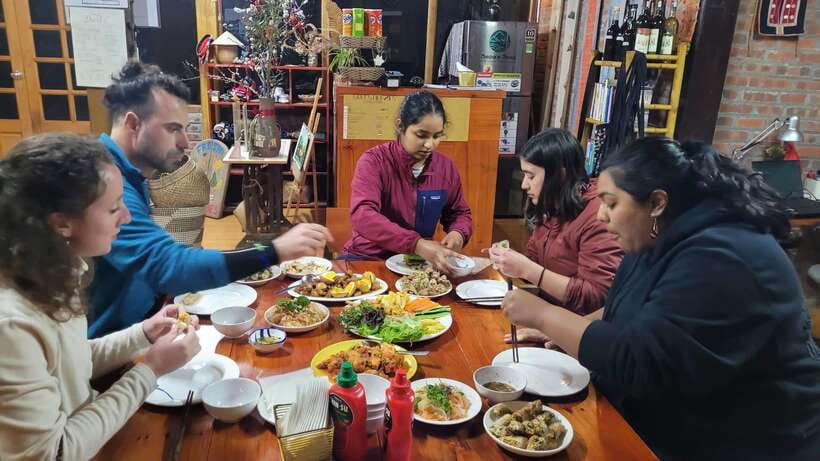
Sapa’s best food lesson begins before you reach the kitchen. You shop for ingredients at a local market, then bring them to a class led by a local ethnic minority chef. That simple setup gives you a useful look at how Northern Vietnamese cooking starts, long before the chopping board.
I like the full from-market-to-meal format, and I like that the class includes transport from your accommodation, kitchen tools, ingredients, and an English-speaking chef. The main consideration is that this is not a good choice for anyone with back problems, and outdoor conditions may be less comfortable in poor weather.
Key points to know
- Market shopping comes first: You select fresh ingredients with a guide before cooking.
- A local chef leads the class: The English-speaking instructor is from an ethnic minority community.
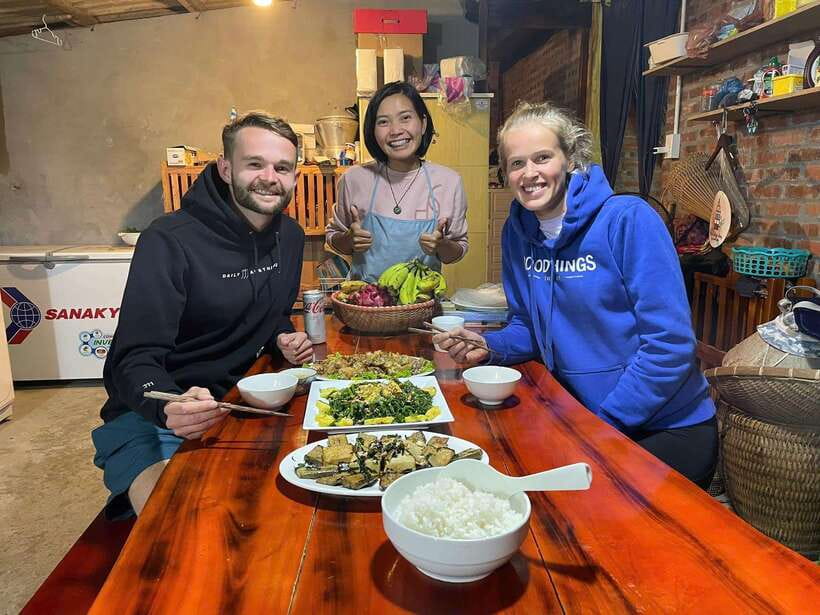
- You cook from start to finish: Preparation, cooking, and the final meal are all part of the experience.
- Seasonal tea is included: A free tea gives you a local drink to enjoy with the food.
- Transport is arranged: Pick-up and drop-off are provided by motorbike or car, depending on group size.
- The price is $45 per person: That covers the chef, ingredients, equipment, transport, and the class itself.
Starting with a Sapa market visit
The market stop gives this cooking class its strongest sense of place. Instead of arriving at a prepared kitchen with ingredients already measured, you begin by seeing what is fresh and choosing what will go into your meal.
A guide helps you shop at a local market. You can expect this part to focus on selecting ingredients for the dishes you will prepare later, rather than browsing only as a sightseeing stop. That matters because Vietnamese cooking depends heavily on fresh produce, herbs, seasonings, and careful balance.
I like this approach for two reasons. First, it connects the meal to daily life in Northern Vietnam. Second, it gives you a better idea of how cooks make decisions. You are not simply told that a dish contains certain ingredients. You see those ingredients in their market setting, then handle them yourself in the kitchen.
The supplied information does not name the market, set a fixed shopping time, or list the exact dishes. That means you should avoid arriving with a firm menu in mind. The recipes and ingredients may reflect what is available during your visit, particularly since the class includes seasonal tea and market shopping.
You should also dress for a short outdoor activity. Comfortable clothes, sunscreen, water, and insect repellent are sensible choices. A camera is welcome, but keep your attention on the market and on respecting local customs. Smoking, littering, and touching plants are not allowed.
More cooking classes around Vietnam:
- Hanoi Cooking Class: Culture, Local Market & Meaning CSR Impact
★ 5.0 · 5,147 reviews - 5 Traditional Dishes Hanoi Cooking Class with Market Trip
★ 5.0 · 4,890 reviews - Cooking Class Hoi An:Local Market, Basket Boat, Fishing & Cooking
★ 5.0 · 3,660 reviews
Meeting the ethnic minority chef
The cooking lesson is led in English by a local ethnic minority chef. That is more than a language convenience. It gives the class a direct link to the people and food traditions of the Sapa area.
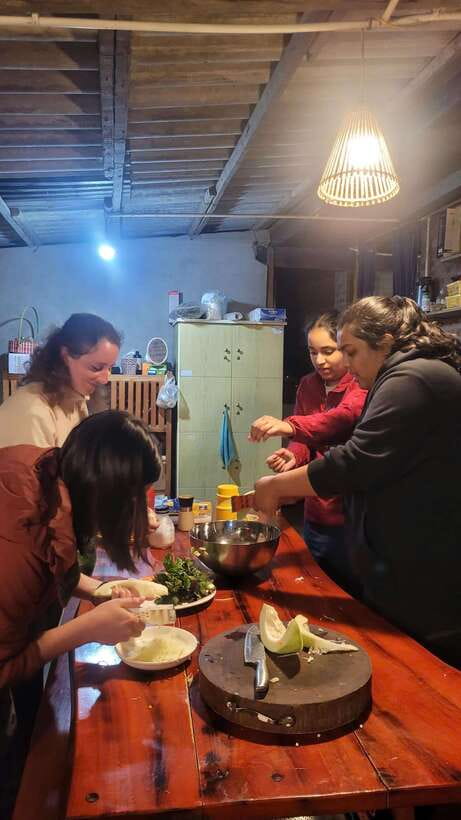
The chef’s role is practical. You learn traditional Northern Vietnamese recipes, identify key ingredients, and prepare the dishes step by step. The class is designed for participation, so you should expect to work rather than simply watch a demonstration.
This is useful if you want cooking skills you can repeat at home. You are shown the process from A to Z, including shopping, preparing, and cooking. The experience does not stop at a tasting plate, and the recipes are intended to be taken home and shared with family or friends.
The term traditional can cover a lot of ground, so keep your expectations sensible. The exact recipes are not specified, and no fixed menu is provided in the details. You may find that the class changes with ingredients, season, and the chef’s cooking traditions. That flexibility is part of the appeal, but it also means you cannot judge the experience by a particular dish alone.
Working through the class from A to Z
Once the ingredients are selected, you move into the cooking portion. The kitchen, cooking tools, and ingredients are included, so you do not need to bring equipment or shop independently.
The class covers the practical chain of making a meal:
- Choosing fresh ingredients
- Preparing the ingredients
- Learning traditional Northern Vietnamese recipes
- Cooking the dishes with the chef
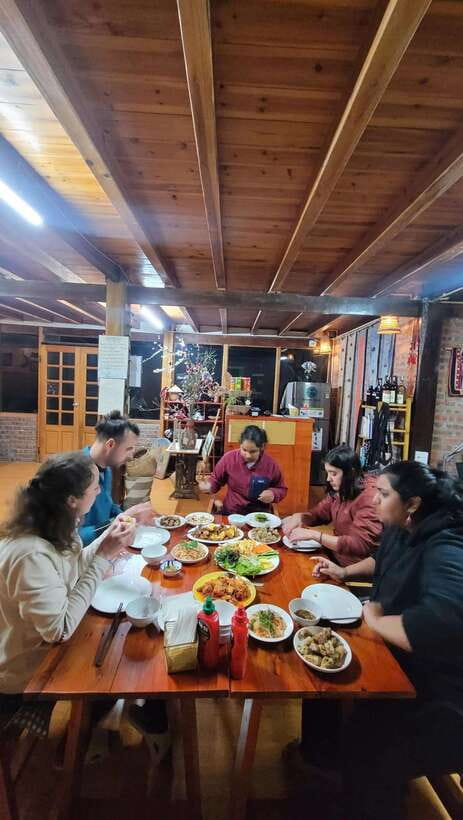
- Enjoying the finished food
- Taking the recipes home for later use
This format suits you if you learn by doing. You can ask questions in English, watch the chef’s methods, and then repeat the techniques yourself. It is also a good way to understand how several ingredients work together instead of treating Vietnamese cuisine as a list of unfamiliar items.
Do not expect a professional culinary school. The purpose is cultural learning and home cooking, not formal certification or advanced kitchen training. You are there to understand the food, enjoy the process, and gain recipes that you can attempt again.
The hands-on nature can make the class more rewarding than a standard meal, but it may also require patience. Cooking involves preparation and repetition. If you want a quick activity with little participation, this may feel too involved. If you enjoy being part of the meal’s creation, it is a better match.
Why Northern Vietnamese recipes matter
Northern Vietnamese food is shaped by local produce, family cooking, and regional habits. The class gives you a way to approach that food through basic ingredients and preparation rather than through a restaurant menu alone.
You learn about the essential ingredients and flavors used in authentic Vietnamese cooking. The exact ingredients are not listed, so I would not promise a particular level of spice or a specific type of meat or vegetable. Still, the market visit should help you see what the chef considers important for the day’s recipes.
This is where the experience can teach more than a recipe card. You begin to notice how much cooking depends on freshness, texture, and balance. Even if you do not recreate every dish perfectly at home, you leave with a better sense of how the meal was built.
The ethnic minority chef also adds a local viewpoint. Sapa is not only a mountain base for scenic outings. It is home to communities with their own food customs and ingredients. A class led by a local chef gives you a more personal connection to that part of the region.
Same kitchen, a different dish:
- Hoi An Cooking Class(Market,BasketBoat Crabfishing&Cooking Class)
★ 5.0 · 3,386 reviews - HCM: Mekong Delta Islands Boat & Tuk-Tuk Tour with Tastings
★ 4.8 · 2,285 reviews - From Hoi An: Market Tour, Basket Boat Ride and Cooking Class
★ 4.8 · 2,208 reviews - Cai Be Mekong Delta Tour: Cooking Class, Cycling & Craft Villages
★ 5.0 · 1,881 reviews
Eating the meal with seasonal tea
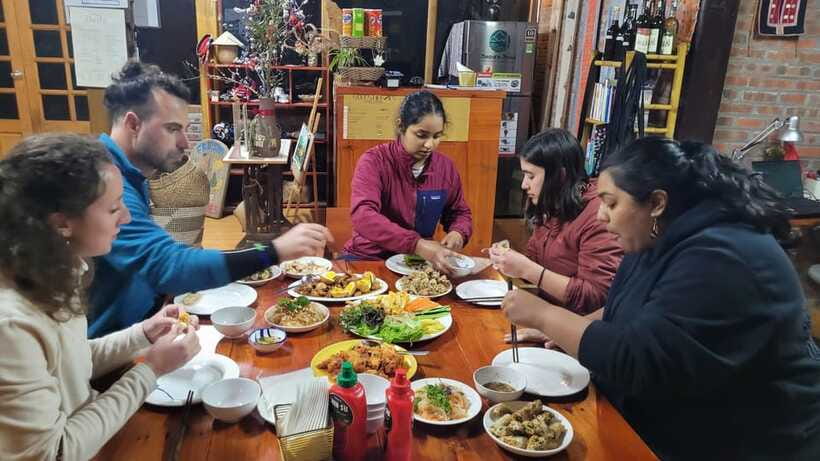
After the preparation and cooking, you enjoy the food you have made. A free seasonal tea is included, adding a simple local touch to the meal.
Tea works well here because it gives you time to slow down after the practical work. You can enjoy the dishes, consider what you learned, and ask any final questions while the experience is still fresh.
The word seasonal is important. The tea may vary according to availability, so do not expect a fixed type or flavor. That uncertainty is not a problem, but it is worth knowing if you prefer a tightly planned menu.
I also like the fact that the meal is connected to your own work. You are not just handed a plate. You have helped select the ingredients and prepare the food, which makes the final tasting more meaningful.
Transport by motorbike or car
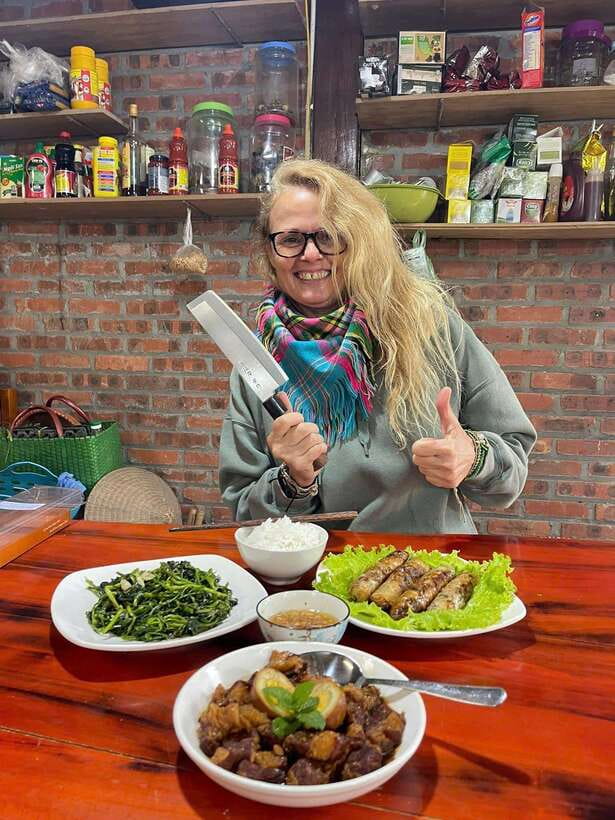
Pick-up and drop-off at your accommodation are included. Transport is provided by motorbike or car, depending on the size of your group.
That saves you from finding the cooking location on your own, which is useful in Sapa if you are unfamiliar with the area. It also makes the class easier to fit into a day of sightseeing.
The motorbike option is worth considering carefully. The information specifically says the experience is not suitable for people with back problems. You should also be prepared for changing weather and wear clothes that are comfortable for outdoor activity.
The details do not provide a journey length, exact pick-up time, or group-size limit. Confirm those points when booking if they affect your schedule. The listed transport arrangement is convenient, but it does not tell you how long the ride will take or how much time you will spend at the market and kitchen.
What the $45 price includes
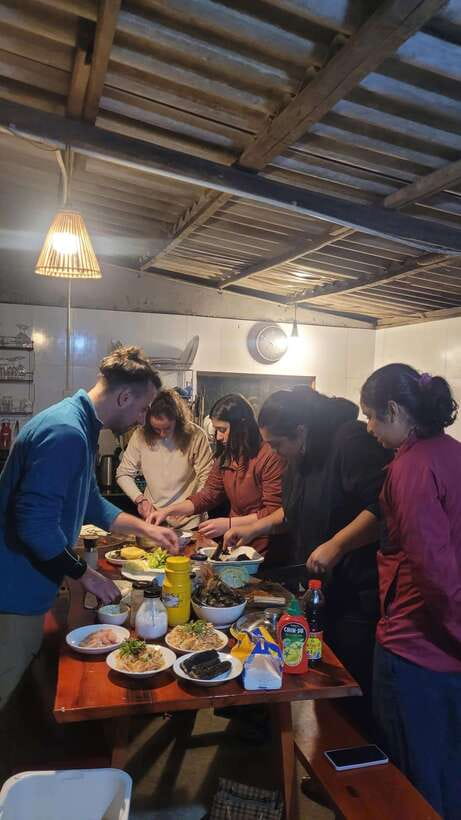
At $45 per person, the cost covers more than a cooking demonstration. You receive:
- Pick-up and drop-off by motorbike or car
- An English-speaking chef
- Kitchen access
- Cooking tools
- Cooking ingredients
- Market shopping with a guide
- The meal you prepare
- Seasonal tea
That is a fair value if you want a single activity combining food, local contact, transport, and practical instruction. You would otherwise need to arrange transport, buy ingredients, locate a kitchen, and find an English-speaking instructor separately.
The price is less compelling if you mainly want to eat Northern Vietnamese food. A restaurant meal would be simpler and likely require less time and effort. The reason to pay for this class is the process: shopping, preparation, cooking, and learning from a local chef.
Tips are not included. Carry a little cash if you want to thank the chef or guide, but tipping is optional unless local arrangements tell you otherwise.
Who will enjoy this Sapa cooking class
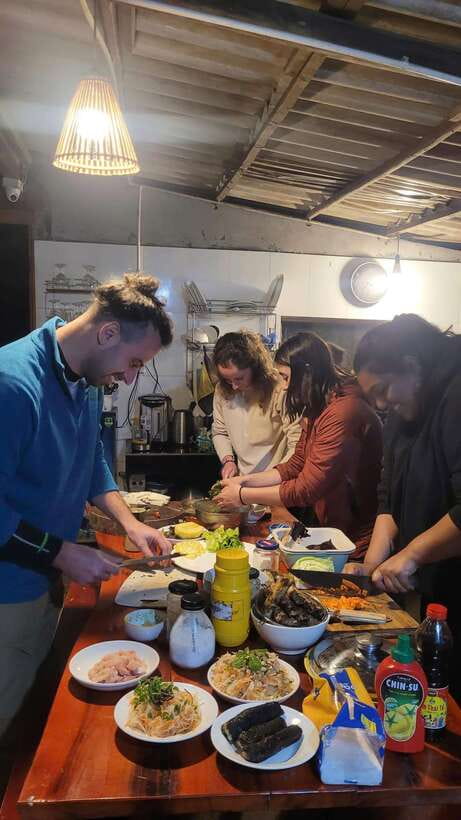
I would recommend this experience to you if you:
- Like learning through hands-on activities
- Want a closer look at local food traditions
- Enjoy market visits and fresh ingredients
- Prefer small cultural experiences to a standard restaurant meal
- Want recipes to try at home
- Are comfortable with outdoor conditions and practical work
It is also a good choice for couples, families with suitable older children, and friends who want an activity they can share. Cooking together naturally gives you something to do and discuss, rather than relying on a guide to fill the entire time.
You may want to choose another activity if you have back problems, dislike motorbike transport, or want a fully indoor experience. The class also may not suit you if you need a fixed menu or a detailed professional cooking curriculum.
The information includes a warning that the experience is not suitable for people prone to seasickness. Sapa is inland, so that warning may relate to the transport or the provider’s general safety guidance. If motion sensitivity is a concern, ask about the motorbike or car arrangement before confirming.
Weather, clothing, and local manners
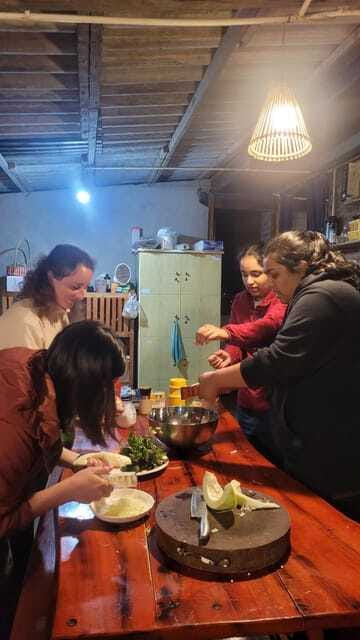
Sapa weather can change, and the activity includes time outdoors at the market and during transport. Wear comfortable clothes that allow easy movement, and bring water, sunscreen, and insect repellent.
A camera is useful for recording the market, cooking process, and surrounding views, but ask before photographing people. Respect local customs and traditions, especially during market visits and when meeting the chef.
The rules are straightforward: no smoking, no littering, and no touching plants. These are easy requests, and following them helps keep the experience pleasant for the local community.
You do not need to bring cooking tools or ingredients. Those are supplied. Your part is to arrive ready to participate and to manage your personal comfort in changing outdoor conditions.
Booking, cancellation, and planning advice
You can reserve the experience and pay later, which helps if your Sapa plans are still shifting. Cancellation is allowed up to 24 hours in advance for a full refund.
The activity is offered in English. Since the exact dishes, market, timetable, and transport duration are not provided, ask those questions before booking if you have dietary restrictions, a tight schedule, or strong menu preferences. The available details do not confirm whether special diets can be accommodated, so do not assume they can.
Plan enough flexibility around the class. Market shopping, food preparation, cooking, and eating all form part of the experience. It is not simply a short lesson followed by a quick snack.
Should you book this Sapa cooking class?
Book it if you want food to be your way into local culture. The strongest features are the market shopping, the ethnic minority chef, the hands-on preparation, and the included transport. You get a complete experience rather than a cooking demonstration alone.
At $45 per person, the class offers good value for someone who wants instruction, ingredients, equipment, a meal, tea, and local contact in one outing. I would be more cautious if you have back problems, dislike outdoor conditions, or need an exact menu and timetable.
The experience has a perfect published rating based on two ratings, but that is a small sample. I would treat it as an encouraging sign rather than final proof. If the format suits you, the class is a practical and personal addition to a Sapa visit.
FAQ
What is included in the Sapa cooking class?
The price includes pick-up and drop-off at your accommodation by motorbike or car, kitchen access, cooking tools, cooking ingredients, and an English-speaking chef.
Who teaches the cooking class?
A local ethnic minority chef leads the class in English.
Do I shop for ingredients during the experience?
Yes. You visit a local market with a guide and select fresh ingredients for the dishes you will prepare.
Will I cook the food myself?
Yes. The class is hands-on and covers shopping, preparing, and cooking the dishes from start to finish.
Is tea included?
Yes. A free seasonal tea is included with the experience.
What should I bring?
Bring a camera, sunscreen, water, comfortable clothes, and insect repellent. You should also be ready for changing weather.
Is the experience suitable for everyone?
The activity is not suitable for people with back problems or people prone to seasickness. Smoking, littering, and touching plants are not allowed.
New cooking classes around Vietnam
- M.O.M COOKING CLASS★ 4.8 · 6 reviews
- Sapa: Bun Cha Cooking Class★ 4.8 · 6 reviews
- Sapa: Local Hmong Cooking Class★ 5.0 · 6 reviews
- Mama Lan’s Home Cooking Class with 30+ Years of Experience★ 5.0 · 3 reviews
- Private cooking class tour with Master Chef★ 5.0 · 5 reviews
- Ninh Binh Jeep Adventure: Temples, Lotus, Fishing & Cooking★ 4.5 · 5 reviews
- Ninh Binh: Half-Day Cooking Class at a Local Home★ 5.0 · 26 reviews
- Nha Trang: Countryside Private Cooking Class★ 5.0 · 2 reviews
Vietnam Cooking Classes, side by side.
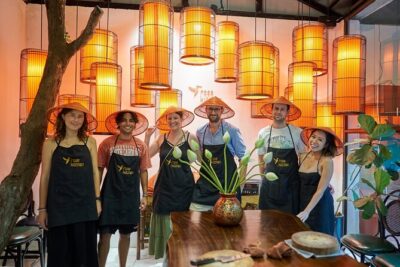
Hanoi Cooking Class: Culture, Local Market & Meaning CSR Impact
Read our review →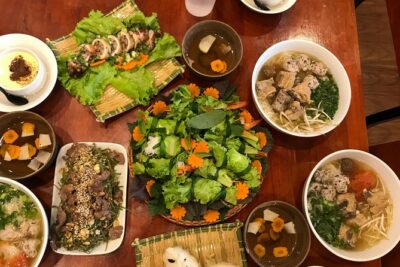
5 Traditional Dishes Hanoi Cooking Class with Market Trip
Read our review →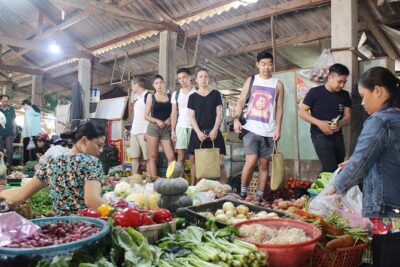
Cooking Class Hoi An:Local Market, Basket Boat, Fishing & Cooking
Read our review →
Hoi An Cooking Class(Market,BasketBoat Crabfishing&Cooking Class)
Read our review →
From Hoi An: Market Tour, Basket Boat Ride and Cooking Class
Read our review →
Cai Be Mekong Delta Tour: Cooking Class, Cycling & Craft Villages
Read our review →
Hoi An: Basket Boat with Lantern-Making & Cooking Class Tour
Read our review →
Mekong Delta 4 Islands, TukTuk, Boat, Try Khot Cake Local Cooking
Read our review →This kitchen also appears in