Review · ROME
Testaccio: Home Cooking Cacio e Pepe, Amatriciana, Carbonara
Rome’s most useful cooking lesson may be the one that teaches you three sauces you can actually make at home. In Testaccio, Milvia and Andrea guide you through fresh pasta, Cacio e Pepe, Amatriciana, and Carbonara, then sit down with you for the meal. I like the home-kitchen setting and the fact that the class focuses on Roman staples rather than showy restaurant tricks.
I also like the small group of no more than 10, which gives the lesson a personal feel without making the price feel like a private class. The main consideration is the setting: this is a real home, not a polished cooking school, and dogs and cats are present. That matters if you have a serious animal allergy.
Key points at a glance
- Three Roman classics: Make Cacio e Pepe, Amatriciana, and Carbonara, then eat all three as separate pasta courses.
- A real Testaccio home: Milvia and Andrea welcome you into their kitchen, where the evening feels more like cooking with family than attending a formal class.
- Fresh pasta from scratch: Learn how flour, eggs, or water become the base for handmade pasta.
- Wine, dessert, and coffee included: The meal continues with local wine, a homemade dessert, and Italian coffee.
- Recipes to take home: Keep the notes and use the techniques after your Rome trip.
- Flexible food options: Vegetarian, vegan, and gluten-free versions can be arranged, but serious dog and cat allergies are a concern.
Why Testaccio is the right neighborhood for a pasta lesson
Testaccio is a strong match for a food-focused experience. It is known as one of Rome’s most authentic foodie neighborhoods, and the class puts you in a residential home rather than a tourist restaurant or a large teaching kitchen.
The meeting point is Via Galvani, 4, Building C, Buzz 11, in Rome’s 00153 postal district. You will need to make your own way there. Hotel pickup and local transport tickets are not included, so leave enough time to reach Testaccio and find the correct building entrance.
That practical detail matters. This is not a drop-in activity beside a major sight. Plan it as part of your Testaccio day, or allow time to arrive without rushing from another part of Rome. The class lasts 3.5 hours, so it takes up a substantial part of an afternoon or evening.
More Home Cooking Classes in Italy
- Kitchen of Mamma: Pasta Cooking Class with market visit in Rome
★ 5.0 · 140 reviews - Home Cooking in Testaccio: Cacio e Pepe, Amatriciana, Carbonara
★ 5.0 · 91 reviews - Rome : Cooking Class in a Real Roman Home in Trastevere
★ 5.0 · 47 reviews
Starting with pasta made by hand
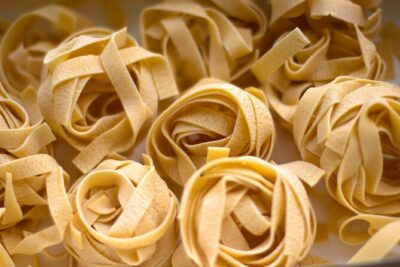
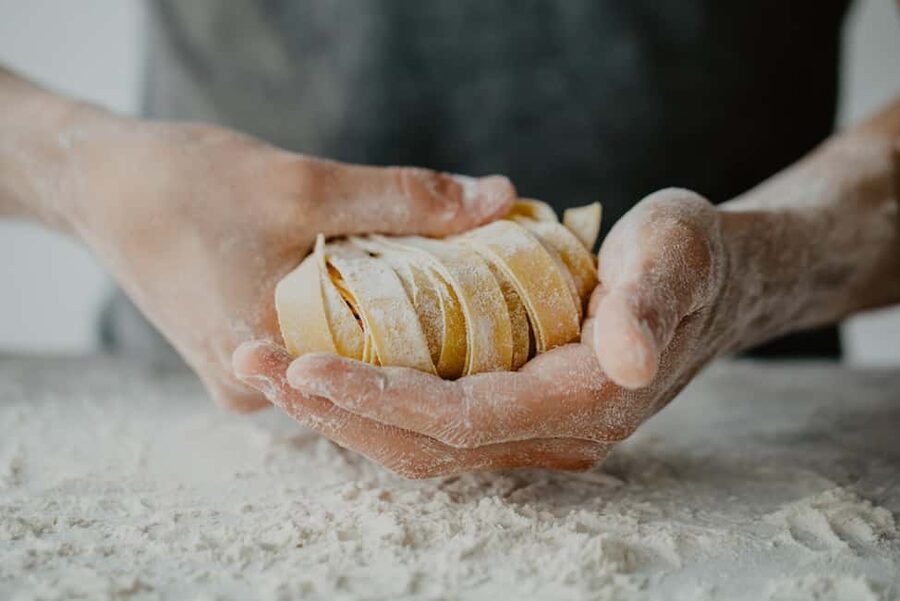
The class begins with fresh pasta from scratch. You work with simple ingredients, such as flour, eggs, or water, and learn how they come together into a workable dough. The point is not just to watch someone make pasta while you stand nearby. You take part in the process.
That hands-on start is especially useful if fresh pasta feels intimidating. The instruction breaks the task into clear steps, including the small choices that affect the final texture. One participant described the lesson as easy to follow and not overwhelming, which is exactly what you want from a first pasta class.
You should expect a practical lesson rather than a professional chef’s training course. The goal is to give you skills you can repeat in your own kitchen. The recipe notes help, but pay close attention to the explanations during the class. Pasta technique is easier to remember when you have felt the dough change under your hands.
The hosts have also been praised for their patience. That makes this a good pick for mixed groups, where one person loves cooking and another is simply curious. You do not need to arrive with advanced kitchen skills.
Three sauces, three different Roman lessons
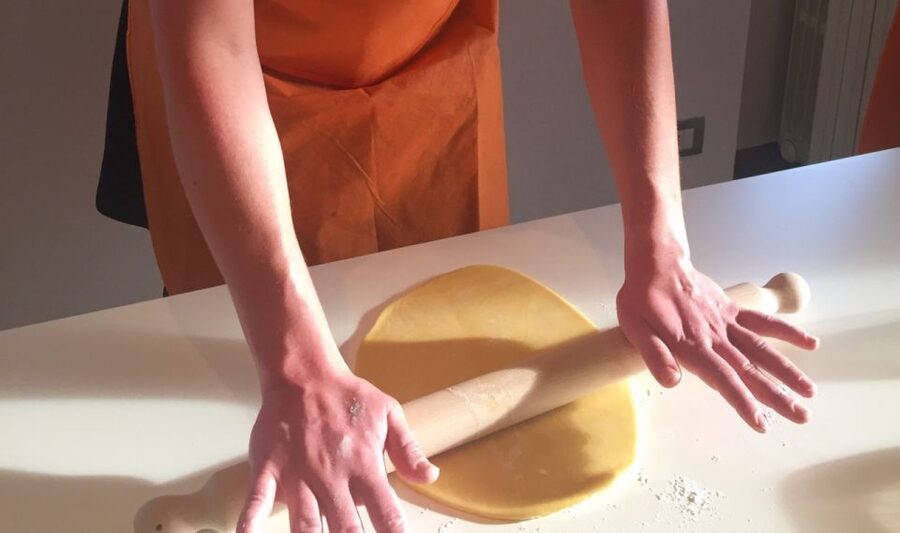
The main focus is the Roman pasta trio. Each sauce uses a short list of ingredients, but each asks you to handle them differently.
Cacio e Pepe
Cacio e Pepe looks simple because it is simple. Cheese, pepper, pasta, and cooking water must come together without turning into a clumpy mess. The lesson helps you understand why the pasta water matters and how the sauce reaches its smooth texture.
This is a valuable dish to learn in Rome because it shows how much Italian cooking depends on timing and technique, not a long ingredient list. At home, it can become a fast meal, but only if you understand the process.
More Home Cooking Classes in Rome
- Rome: Market and Cooking Class at a Local’s Home
★ 4.0 · 3 reviews
Amatriciana
Amatriciana brings a stronger tomato profile and a different balance of flavors. It is traditionally linked with central Italian cooking and is one of the sauces that helps define Roman restaurant menus.
Making it as part of a three-sauce lesson lets you compare it directly with Cacio e Pepe. You begin to see how the same pasta base can support very different results. The class does not treat Roman cuisine as one single flavor; it shows the range within a small group of familiar dishes.
Carbonara
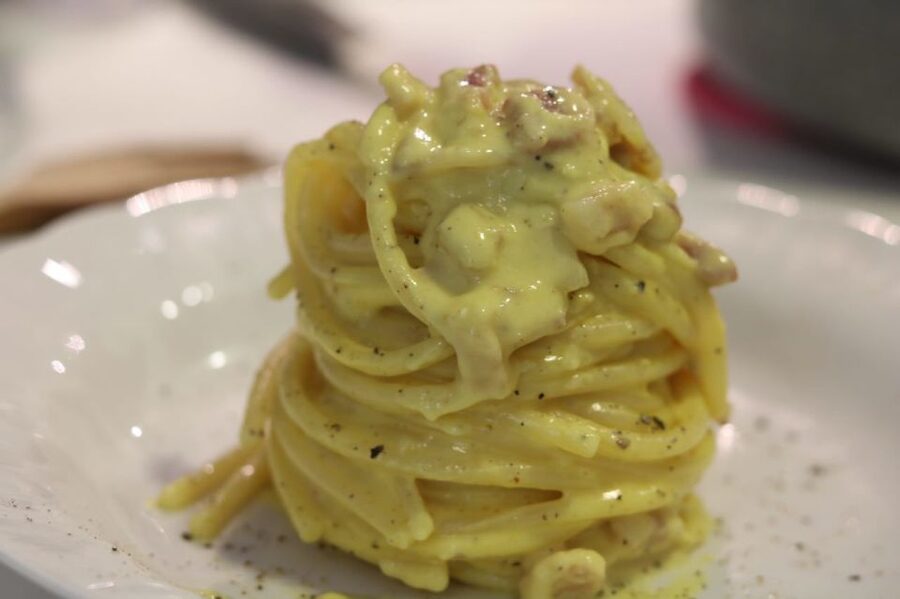
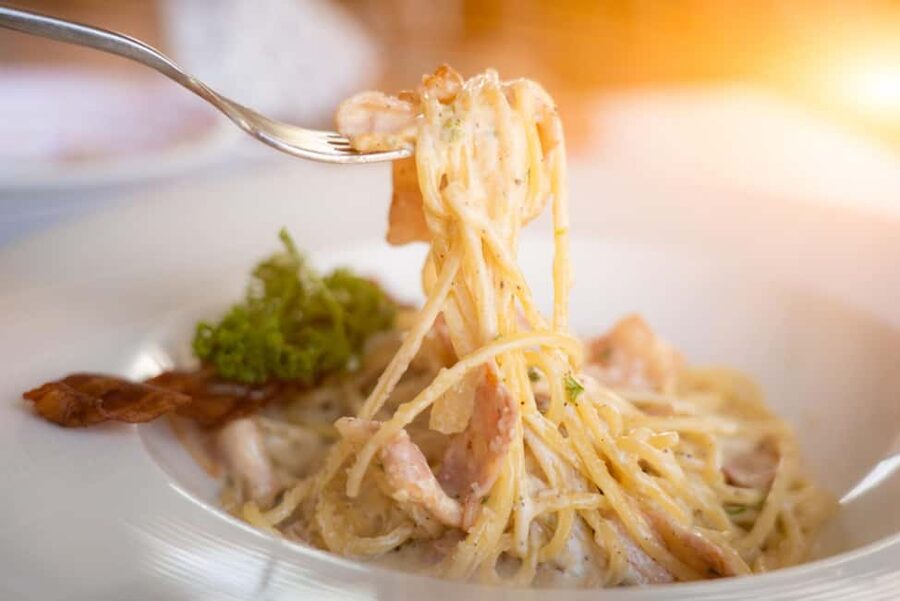
Carbonara is another dish that rewards careful handling. Eggs, cheese, and the heat of the pasta must be balanced so the sauce becomes creamy rather than scrambled.
This is the sort of recipe many people think they know until they try it at home. Learning the method in person is useful because the host can explain the reason behind each step. That practical cause-and-effect teaching was one of the most praised parts of the experience.
The three sauces are served as three pasta courses. That makes the meal generous, but you should also recognize that this is a lot of food. Pace yourself early, especially if you are planning dinner afterward.
The meal feels like a visit to an Italian family home
Once the cooking is finished, you sit down and eat what you made. This shared meal is a major part of the experience, not an afterthought.
Milvia and Andrea are the hosts named most often in the experience, and the setting is their home. The kitchen and dining area have been described as cozy and family-like, with the feel of cooking alongside grandparents. That atmosphere is central to the appeal. You are not simply buying a plate of pasta. You are sharing the food in the same place where it was prepared.
Conversation is part of the evening, too. The hosts have shared stories about their work and travels, and the meal gives the class a natural social rhythm. You cook, pause, taste, ask questions, and then continue over wine and coffee.
A dog is also part of the household. Some people will see that as a bonus, and the dog has become a memorable part of the welcome. If you have a serious allergy to dogs or cats, however, this experience is not recommended. A menu adjustment cannot solve an animal-allergy problem in a private home.
Dessert, wine, and coffee round out the evening
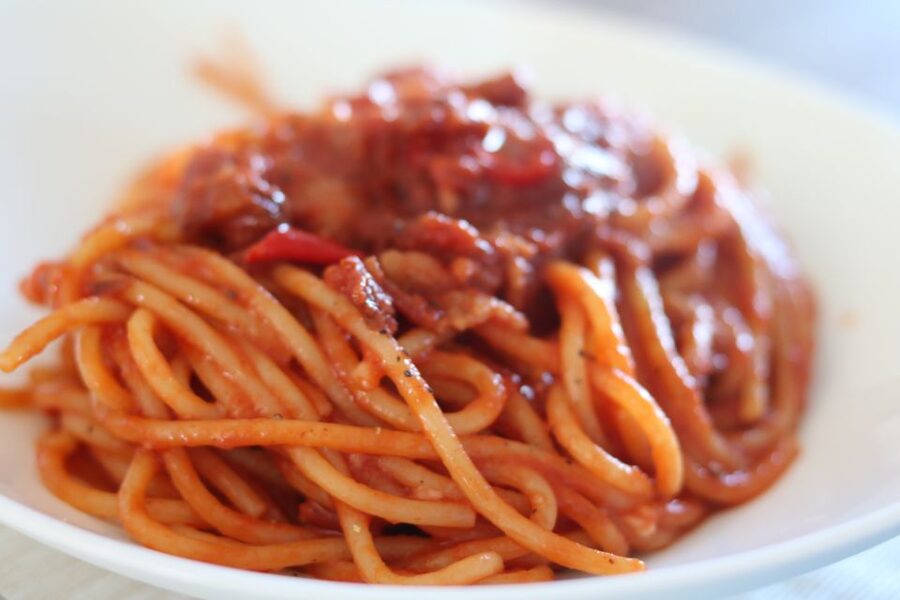
The included meal goes beyond the three pasta courses. You also receive a homemade dessert and Italian coffee, with wine served during the meal. The exact dessert may vary, but past menus have included homemade sweet treats such as chocolate rum balls.
Wine is included without a stated limit, which adds value to the long meal format. Coffee closes the experience in the usual Italian fashion. These details matter because the class is priced as a full evening of food and hospitality, not just a short lesson.
You should still treat the wine service sensibly. Three pasta courses, dessert, and wine make this a full experience, and the three-and-a-half-hour duration gives you time to enjoy it rather than rush through each dish.
Is $105 a fair price?
The price is $105 per person. That is more than a quick pasta demonstration, but the comparison is not quite fair if you count only the cooking lesson.
Your price covers the pasta class, recipe notes, three pasta courses, dessert, wine, and drinks. It also buys a small-group setting capped at 10 people and a meal hosted in a private Roman home. You are paying for instruction and dinner, but also for time with the hosts and the chance to ask questions as you cook.
I see the value most clearly for someone who wants a lasting skill. If you make Cacio e Pepe or Carbonara successfully at home after the trip, the class has a longer life than a restaurant meal. It is also a good use of money if you value personal contact and food culture more than checking off another major sight.
The price may feel high if you mainly want to eat Roman pasta. A trattoria meal will cost less, and this class requires three and a half hours. Book it for the cooking and the shared home setting, not simply for the food.
Who will enjoy this class most?
I would recommend it to couples, friends, solo visitors who enjoy meeting people, and families with older children who can take part in kitchen work. It also suits anyone who has tried making pasta before but wants clearer instruction on sauces and texture.
You do not need to be an experienced cook. The class has been described as patient, clear, and manageable for beginners. At the same time, people who already make pasta can still learn useful details about the Roman sauces.
It is less suitable for anyone who wants a quick activity, a formal culinary-school environment, or a completely private lesson. With up to 10 participants, the group remains small, but it is still a shared class. You should also avoid it if you have a serious allergy to dogs or cats.
Vegetarians and vegans can be accommodated with traditional Roman recipes, and gluten-free options are available for people with celiac disease. Contact the provider before booking so the kitchen can prepare properly.
Timing, language, and practical planning
The activity lasts 3.5 hours, and starting times depend on availability. The instructor language is English and Italian. That makes the class suitable for English-speaking visitors, while Italian speakers can take part in the hosts’ native language.
Because transport is not included, plan your route to Via Galvani, 4, Building C, Buzz 11. The address includes a building designation and buzzer detail, so keep the full meeting information with you rather than relying on memory.
The activity offers free cancellation up to 24 hours in advance and a reserve-now, pay-later option. Those policies are useful when your Rome schedule is still changing, but you should confirm the exact booking terms at the time you reserve.
What makes this more than a standard cooking class?
The strongest feature is the combination of instruction and hospitality. A restaurant chef can show you how to prepare a sauce, but a home host can also explain how the dish fits into ordinary Roman life.
The reviews repeatedly praise the warmth of Milvia and Andrea, the comfortable home setting, and the way the meal creates conversation. One participant even described the class as the highlight of a Rome trip. That is high praise, but it makes sense for visitors who want a personal evening rather than another scheduled attraction.
The recipes are another lasting benefit. You leave with notes for the dishes you made, giving you a way to recreate the meal at home. You can use the recipes as a souvenir that does not sit on a shelf.
Should you book the Testaccio pasta experience?
Book this if you want to cook, eat, and talk in a Roman home. The three sauces give the class a clear focus, while the wine, dessert, and coffee turn it into a complete evening. The small group and patient teaching should suit beginners, and the recipe notes give you something useful to take home.
Skip it if you have a serious animal allergy, dislike group activities, or want the lowest-cost way to eat pasta in Rome. For everyone else, $105 is a reasonable price for three hours of instruction, a full meal, and the personal welcome that is hard to find in a conventional restaurant.
FAQ
Where does the pasta cooking class take place?
The class takes place at Via Galvani, 4, 00153 Roma RM, Italy, Building C, Buzz 11, in the Testaccio area of Rome.
How long does the experience last?
The activity lasts 3.5 hours.
What pasta sauces will I learn to make?
You will learn to prepare Cacio e Pepe, Amatriciana, and Carbonara.
Is the pasta made from scratch?
Yes. The class begins with fresh pasta made from basic ingredients such as flour, eggs, or water.
What food and drinks are included?
The experience includes three pasta courses, homemade dessert, wine, coffee, and other drinks.
Are recipe notes provided?
Yes. You receive notes for the traditional Roman recipes prepared during the class.
Can vegetarian or vegan diets be accommodated?
Yes. The menu can be adapted for vegetarian and vegan guests using traditional Roman recipes.
Can the class accommodate gluten-free guests?
Yes. Gluten-free options are available for people with celiac disease. Arrange this in advance.
Is the experience suitable for people with animal allergies?
No. It is not recommended for people with serious allergies to dogs or cats, since the class takes place in a private home with animals.
More Pasta Making Classes in Rome
- 3 in 1 Cooking Class near Navona: Fettuccine, Ravioli & Tiramisu
★ 5.0 · 7,376 reviews - Rome: Pasta Making Class with Wine, Limoncello, and Dessert
★ 4.9 · 3,177 reviews - Rome Cooking Class: Make Pasta and 3 Spritz Cocktails
★ 5.0 · 2,937 reviews - Rome: 3-in-1 Fettuccine, Ravioli, and Tiramisu Cooking Class
★ 4.9 · 2,704 reviews
New cooking classes around Rome
- ROME:Hands-On Lasagna & Marsala Tiramisu Cooking Experience”★ 5.0 · 3 reviews
- Rome: Vatican Food Tours, Cooking classes & Free Tours★ 4.9 · 11 reviews
- Rome: Trastevere Pasta Making Class★ 4.9 · 33 reviews
- Rome: Traditional Pasta, Spritz & Tiramisu Cooking Class★ 4.9 · 279 reviews
- Rome: Traditional Pasta and Tiramisu Cooking Class★ 5.0 · 4 reviews
- Rome: Small Group Pasta cooking class near Piazza Navona★ 4.9 · 8 reviews
- Rome: Traditional Cooking Class in the Jewish Ghetto★ 4.9 · 75 reviews
- Rome: “Rooftop Pasta and Cocktails Cooking Class”★ 5.0 · 12 reviews
Rome Cooking Classes, side by side.
3 in 1 Cooking Class near Navona: Fettuccine, Ravioli & Tiramisu
Read our review →
Rome: Pasta Making Class with Wine, Limoncello, and Dessert
Read our review →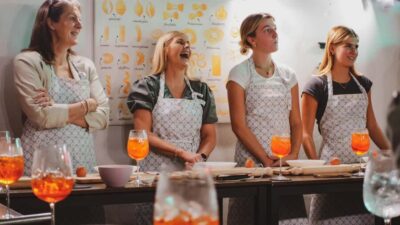
Rome Cooking Class: Make Pasta and 3 Spritz Cocktails
Read our review →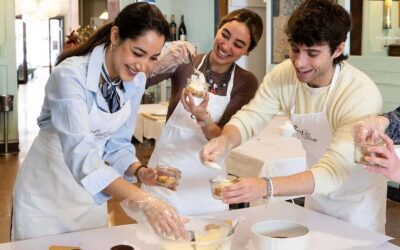
Rome: 3-in-1 Fettuccine, Ravioli, and Tiramisu Cooking Class
Read our review →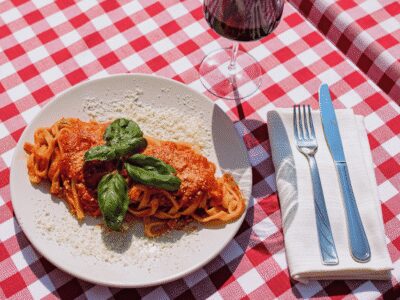
Rome: Fettuccine Pasta Cooking Class in Rome’s City Center
Read our review →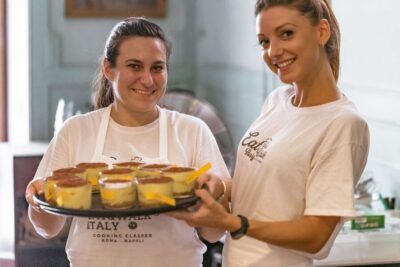
Fettuccine & Tiramisù: Cooking Class with Wine & Limoncello
Read our review →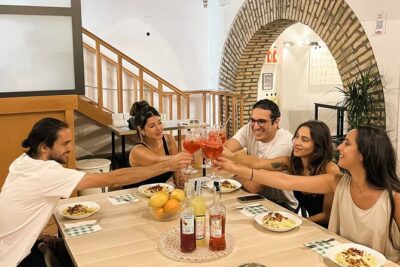
Pasta Cooking Class Near the Colosseum with 3 Spritz Cocktails
Read our review →