
Review · AREZZO
Personal Chef – Cooking class at your villa
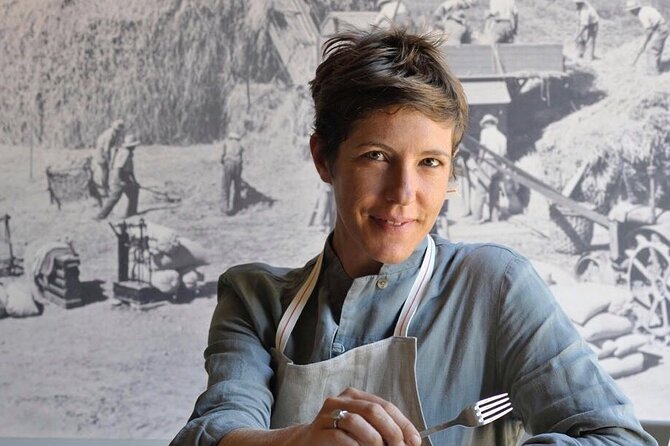
Three kinds of pasta, three sauces, and tiramisu make this more than a quick pasta lesson. Chef Asia Chirdo teaches you to shape ravioli, tagliatelle, and spaghetti alla chitarra, then turns your work into a full Tuscan meal. I especially like the practical recipe booklet sent afterward and the relaxed private format, where your own group sets the pace.
I also like that Asia brings the class to your accommodation when arrangements are made in advance. The main thing to check is the location: the experience is associated with Arezzo, but the meeting point shown is in Pienza, in the Province of Siena, so confirm the exact address before booking or planning your drive.
Key points to know before booking
- Three pasta shapes in one class: Learn ravioli, tagliatelle, and spaghetti alla chitarra rather than repeating one basic recipe.
- A full meal follows the lesson: Your pasta is paired with seasonal sauces, followed by homemade tiramisu.
- Chef Asia teaches with context: She explains the food’s history, culture, and cooking principles while keeping the class accessible to first-time pasta makers.
- The class can come to your villa: Asia may shop, arrive early, prepare the menu, and set the table for a private chef evening.
- Useful take-home material: You receive a digital booklet with the recipes prepared during the class.
- Best for private groups: Only your group participates, with past groups ranging from couples to three-generation families.
Three pasta shapes, not one rushed demonstration
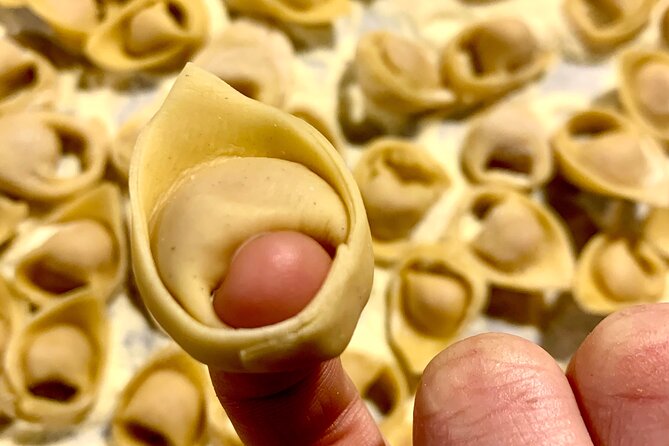
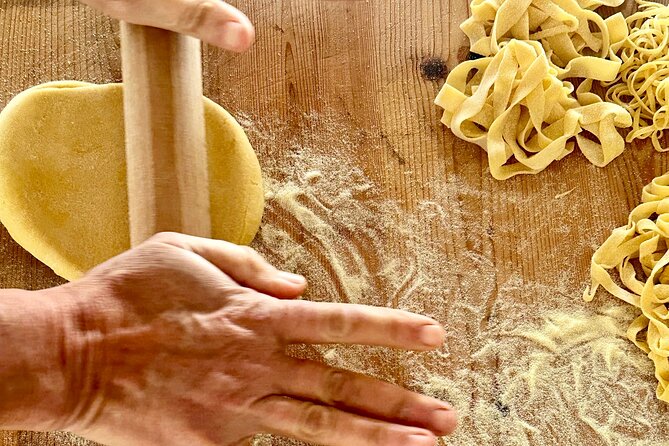
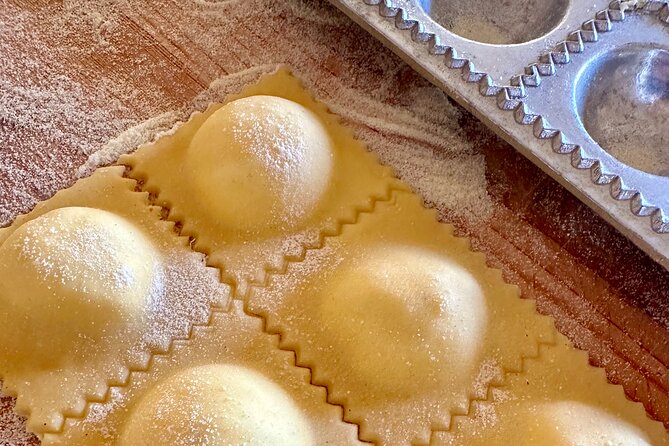
The heart of the experience is a hands-on pasta class lasting about three hours. You begin with an introduction to the session, then work through three different formats: ravioli, tagliatelle, and spaghetti alla chitarra.
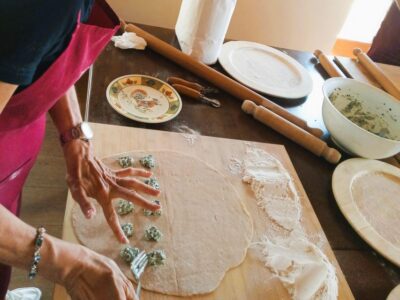
That variety matters. Ravioli teaches you about filling, sealing, and handling delicate pasta. Tagliatelle gives you the classic long ribbon shape used in many Tuscan meals. Spaghetti alla chitarra adds a different technique and texture, using the traditional chitarra style to cut the dough into square-edged strands.
You are not simply watching Asia cook at the front of a room. The format is designed for you to work with the dough and build confidence as the class progresses. That makes it a good choice if you are new to fresh pasta but still want to learn skills you can use at home.
The pacing also suits a private group. A couple can take its time, while a family group can divide the work among several people. The available information does not specify a maximum group size, but the activity is private, so you do not share the class with unrelated participants.
More cooking classes around Italy:
- Florence: Pasta Cooking Class with Unlimited Wine
★ 4.9 · 10,285 reviews - 3 in 1 Cooking Class near Navona: Fettuccine, Ravioli & Tiramisu
★ 5.0 · 7,376 reviews - Florence: Pasta & Tiramisu Cooking Class with Unlimited Wine
★ 4.9 · 6,708 reviews
Why Asia’s teaching style matters
Asia’s role is more than that of a recipe reader. She brings in the science, history, and culture behind the food, helping you understand why the dough behaves as it does and how traditional dishes fit into Italian cooking.
That extra context gives the class more staying power. You are less likely to leave with a collection of steps you cannot remember and more likely to understand the basic logic behind the recipes. Past participants have also found her patient with first-time cooks and children, which is useful if your group includes different ages or skill levels.
Her teaching has a warm, conversational side as well. During the meal, she shares stories and helps turn the class into a social afternoon rather than a silent kitchen exercise. If you want a formal professional cooking school with strict timing, this may feel relaxed. If you want to cook, eat, and talk with a local chef, that relaxed approach is part of the appeal.
The class is offered in English. That makes the instructions accessible to English-speaking visitors, though you should still explain any food allergies or dietary needs clearly before the session.
The sauces make the pasta feel like a meal
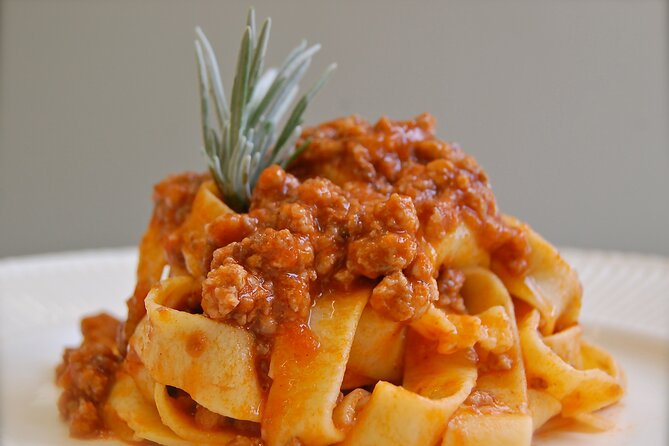
A fresh pasta lesson can be satisfying but incomplete if the sauce is treated as an afterthought. Here, the pasta is paired with three sauces based on seasonal ingredients, so the final meal gives you a clearer sense of how the shapes are used at the table.
The sample menu gives you a good idea of the style:
- Homemade tagliatelle with Tuscan ragout, Asia’s local take on the familiar Bolognese-style meat sauce
- Homemade ravioli filled with ricotta and spinach, served with brown butter and sage
- Spaghetti alla chitarra with basil pesto, pine nuts, Parmigiano, and local pecorino
- Tiramisu for dessert
This menu covers several different flavors and techniques. The ragout shows how a robust sauce works with broad ribbons. Brown butter and sage keep the ravioli simple enough for the filling to remain the focus. Pesto brings a fresh, herbal contrast, while pecorino adds a distinctly Tuscan touch.
The menu is seasonal, so the exact ingredients may vary. That is a positive if you want food connected to the time of year, but it means you should not assume every dish will be identical to the sample. Ask about the final menu when you arrange the class or chef service.
Sitting down to eat what you made
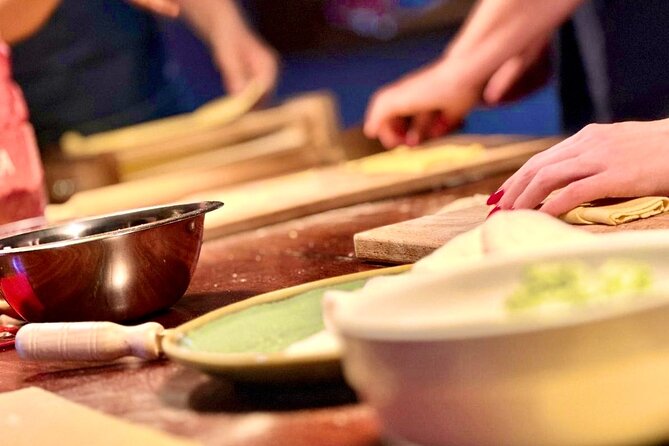
After the hands-on work, you sit at the table and eat the results. This transition is important: you get to see how pasta changes once cooked and paired with a proper sauce, rather than packing away your dough and leaving.
Tiramisu completes the meal. It is homemade, not a token sweet added at the end, and the cooking class includes it as part of the expected menu. The result is a full Italian meal with a clear beginning, middle, and finish.
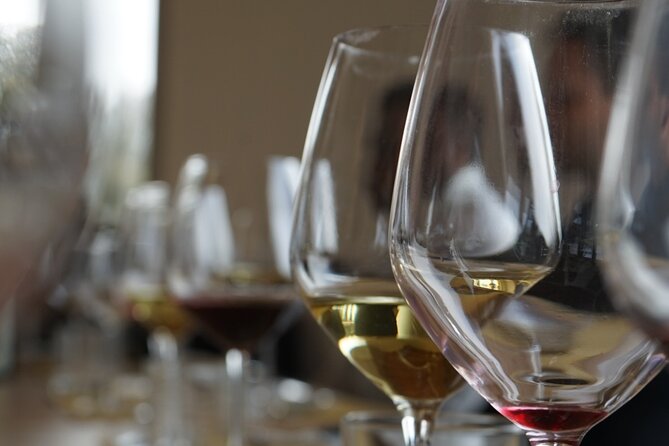
Some arrangements have also included an aperitivo and wine, and one family group enjoyed Asia’s own Tuttomio wine with the food. These extras are not stated as guaranteed parts of every booking, so treat them as possible additions or menu details to confirm in advance.
A practical benefit is that there may be leftovers, especially for a larger group. One group of four had enough food to enjoy during the rest of the week. That is not something you should count on for every class, but it shows that the portions can be generous when the experience is held at a villa.
Same kitchen, a different dish:
- Florence: Pasta Cooking Class with Unlimited Wine
★ 5.0 · 6,413 reviews - Cooking Class and Lunch at a Tuscan Farmhouse with Local Market Tour from Florence
★ 5.0 · 4,831 reviews - Rome: Pasta Making Class with Wine, Limoncello, and Dessert
★ 4.9 · 3,177 reviews - Pastamania – Florence Pasta Making Class
★ 5.0 · 3,050 reviews
Bringing the cooking class to your villa
The mobile format is one of the strongest reasons to choose this experience. Instead of finding a kitchen school or arranging transport to a separate venue, you may be able to have Asia come to your property in the Val d’Orcia area.
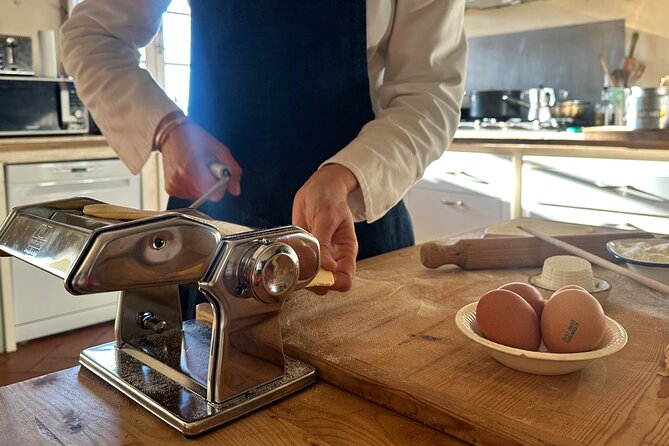
For the personal chef service, you first choose a menu from proposals sent by Asia. She then shops from trusted local producers, arrives at the property ahead of time, prepares the dishes, and sets the table. You can spend time with your companions while she cooks.
This is a different experience from the pasta class, although the two can work well together. The class is active and instructional. The personal chef service is designed for you to relax and let someone else handle the meal.
If you are booking the chef service, discuss the menu, timing, number of diners, and dietary needs before arrival. One group included a pescatarian and a person following a gluten-free diet, and Asia prepared suitable alternatives, including gluten-free dough. Another group had a nut allergy, and she checked ingredients carefully and adjusted recipes.
Those examples suggest thoughtful handling of special diets, but you should still provide full details before confirming. Do not rely on making changes at the last minute.
A private format that works for families
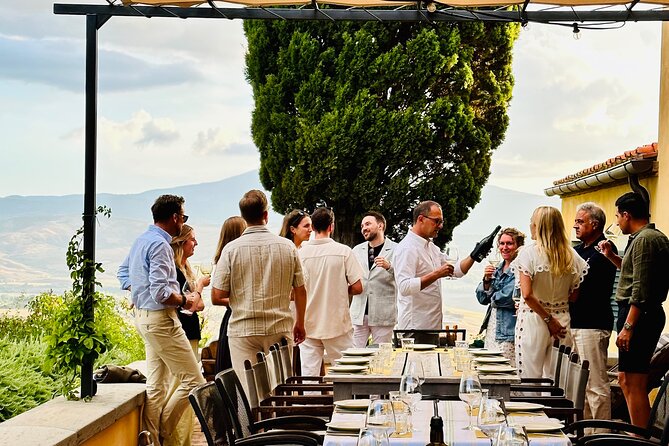
Because only your group participates, this suits families, couples, and friends staying together. You do not need to worry about strangers moving at a different pace or dominating the kitchen.
Families with children may find the session especially workable. Asia has taught groups spanning three generations and is described as patient with children. Older family members can take part at the table, while younger cooks can help with shaping and cutting the dough.
The format also creates a shared memory without requiring every person to be a serious cook. You might have one person who loves kitchen work and another who mainly wants to eat. Both can find a place in the afternoon.
Large groups should clarify the practical details before booking. The published information confirms that the activity is private, but it does not give a fixed group limit or specify how many workstations are available.
What the $180.72 price means
At $180.72 per person, this is not a bargain pasta lesson. The value depends on what you are booking.
For the cooking class, the price covers about three and a half hours, instruction in three pasta shapes, sauces, a full meal, tiramisu, and a digital recipe booklet. You are also paying for a private class rather than a shared group session. For a couple or small group that wants personal attention, the cost can make sense.
The personal chef service has a different value calculation. It includes menu planning, shopping, preparation, table setup, and cooking at your accommodation. It can replace the time and effort of arranging a special dinner for your group, though you should confirm exactly how the quoted price applies to the chef service and menu.
I would compare this with the cost of a restaurant meal for your group, then add the value of instruction and the convenience of not leaving your villa. If you mainly want an inexpensive way to learn one pasta recipe, the price will feel high. If you want an entire private food experience tied to your stay in Tuscany, it is easier to justify.
Timing, location, and planning details
The activity lasts approximately three hours and 30 minutes, although the cooking portion itself is described as about three hours. Plan on giving the afternoon or evening enough room so you are not rushing to another appointment.
The listed meeting information points to Pienza in the Province of Siena, while the broader experience information identifies Arezzo and Val d’Orcia. These places cover a wide area, so you should confirm the exact meeting point or villa address directly before booking. The unusual location code shown for the start point also makes a written address especially important.
The activity ends back at the meeting point. If Asia is coming to your property, that means your accommodation may serve as both the start and end point, but confirm this arrangement in advance.
A mobile ticket is provided, and confirmation is issued at booking. The experience is offered in English. You can cancel for a full refund up to 24 hours before the local start time. Changes or cancellations inside that 24-hour window are not accepted for a refund.
Booking well ahead is sensible. The activity is booked an average of 72 days in advance, which suggests that popular dates can fill before a Tuscany trip is fully planned.
What makes this more than a standard pasta class
The best part is the combination of instruction, food, and place. You learn a skill, eat the finished meal, and do it in the setting where you are staying rather than in a generic classroom.
The recipe booklet helps the experience continue after you return home. It is much easier to recreate a dish when the instructions come from the exact class you attended. Asia has also shared photos from some sessions, allowing participants to focus on cooking instead of constantly reaching for a phone.
The class can also become a useful starting point for local advice. Asia has offered recommendations for the surrounding area, which may help you shape the rest of your stay in Val d’Orcia. That is a welcome extra, but the main reason to book remains the food and the private teaching.
The strongest praise centers on three things: Asia’s patience, the quality of the food, and the way she makes beginners feel capable. Those points matter more than fancy equipment or a long list of dishes. You are paying for a chef who can teach clearly and then turn the work into a meal worth sitting down for.
Who should book this experience
I would choose this for:
- Couples who want a private food activity during a Tuscany stay
- Families with children or several generations
- Friends staying together in a villa
- First-time pasta makers who want patient instruction
- Anyone interested in taking home recipes they can actually repeat
- Groups that want a chef to prepare a custom meal at their accommodation
I would think twice if your schedule is tight, your accommodation is far from Pienza, or you want a short demonstration rather than several hours of hands-on work. The price also makes less sense for someone who only wants a simple lunch.
Should you book Chef Asia’s pasta class?
Yes, if you want an active, personal Tuscan food experience rather than another restaurant meal. The three pasta shapes give the class real substance, the sauces and tiramisu turn it into a complete meal, and the private setting keeps it comfortable for families and mixed-skill groups.
Before paying, confirm the exact location, the final menu, the number of participants, and any extras such as wine or an aperitivo. If those details fit your plans, the combination of practical skills, a villa-based setting, and Asia’s patient teaching makes this one of the more useful food experiences to add to a Val d’Orcia itinerary.
FAQ
Where does the cooking class take place?
The experience is associated with Arezzo and Val d’Orcia, while the stated meeting point is in Pienza, Province of Siena. Confirm the exact address before booking.
How long does the experience last?
The total experience lasts approximately three hours and 30 minutes. The cooking class itself is described as lasting about three hours.
Which pasta shapes will I learn to make?
You will learn to make ravioli, tagliatelle, and spaghetti alla chitarra.
What food is included?
The class includes three pasta preparations with seasonal sauces and homemade tiramisu. The sample menu includes Tuscan ragout, ricotta and spinach ravioli with brown butter and sage, and spaghetti alla chitarra with basil pesto, pine nuts, Parmigiano, and local pecorino.
Is the experience private?
Yes. Only your group participates in the activity.
Can I cancel for a full refund?
Yes. You can cancel at least 24 hours before the local start time for a full refund. Cancellations or changes made less than 24 hours before the start are not accepted for a refund.
New cooking classes around Italy
- Sestri Levante: Pesto & Cooking Classes, Wine Tasting★ 4.9 · 56 reviews
- Sardinia Cooking Class: Fresh Handmade Pasta★ 5.0 · 53 reviews
- San Gimignano: Tuscan Cooking Class★ 5.0 · 2 reviews
- San Gimignano: Truffle Cooking Class with Wine Tasting★ 5.0 · 5 reviews
- San Gimignano: “Hands in dough” Cooking Class with Lunch★ 5.0 · 6 reviews
- Salento: Authentic Cooking Experience with Fresh Pasta and Local Products★ 5.0 · 8 reviews
- ROME:Hands-On Lasagna & Marsala Tiramisu Cooking Experience”★ 5.0 · 3 reviews
- Rome: Private Wine Tour and Pasta Making Class in a Winery★ 5.0 · 6 reviews
Arezzo Cooking Classes, side by side.
Hands-On Cooking Class in an Exclusive Kitchen in Cortona
Read our review →
Exclusive Cooking Lessons in Tuscany with a Professional Chef
Read our review →
Colorful Pasta Tagliatelle and Ravioli Cooking Class near Arezzo
Read our review →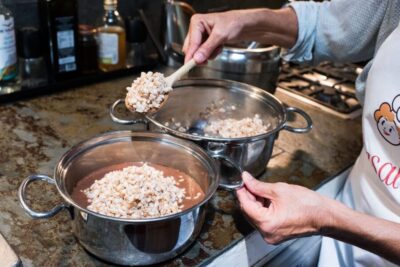
Arezzo: pasta e tiramisù cooking class organic Tuscan farm
Read our review →This kitchen also appears in