
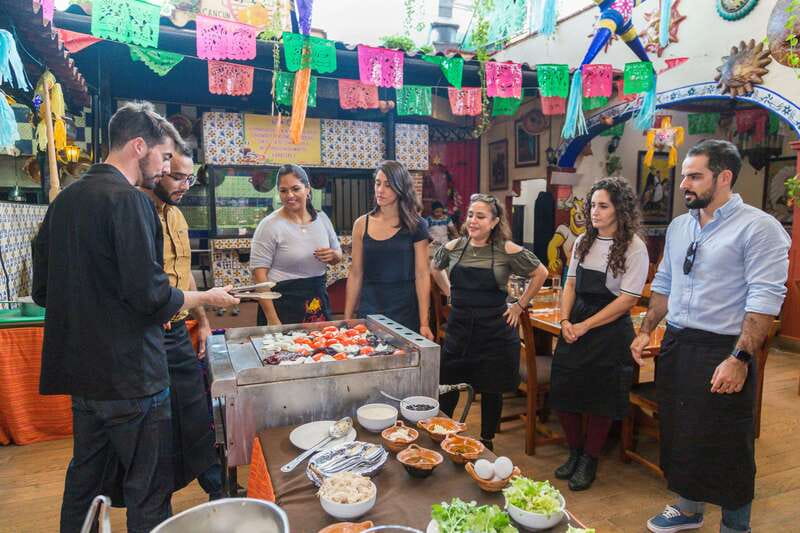
Review · MEXICO
Cancún: Cooking Class and Optional Local Market Tour
The best part of this Cancún experience happens away from the resort strip: you start with Mexican ingredients at a local market, then use them in a working restaurant kitchen. I like the hands-on tortilla making and the chance to use a molcajete, comal, and clay pots rather than simply watching a chef. I also like that the food is adjusted for vegetarians and spice preferences.
The main thing to consider is that this is a friendly, practical class rather than advanced chef training. The dough may be prepared ahead of time, and the restaurant can get hot in June because it relies on fans instead of air-conditioning. The market add-on makes the outing more complete, but it also raises the time and transport commitment.
Key points to know before booking
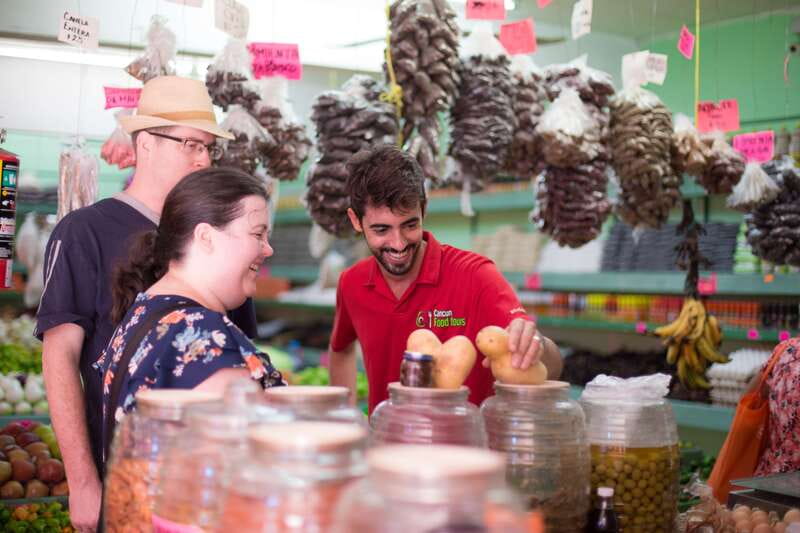
- Market first, kitchen second: The optional market visit lets you see produce, meat, seafood, herbs, and fresh tortillas before cooking with similar ingredients.
- Tortillas are part of the lesson: You press masa by hand and learn the basic process, though dough preparation may not always be taught from scratch.
- Four-course Mexican meal: Expect dishes such as guacamole, enchiladas, quesadillas, sopes, tacos, tostadas, rice pudding, and a secret dessert, depending on the session.
- Guides set the tone: Diego, Nassim, G, Sasha, Alex, and other guides have led sessions, with strong praise for their patience and clear explanations.
- Good for vegetarians: Vegetarian and vegan choices are available with advance notice, and dishes can be adjusted for spice preferences.
- Bring cool, comfortable clothes: Sleeveless shirts are not allowed, and the kitchen may feel warm in hot weather.
What this Cancún cooking class is really like
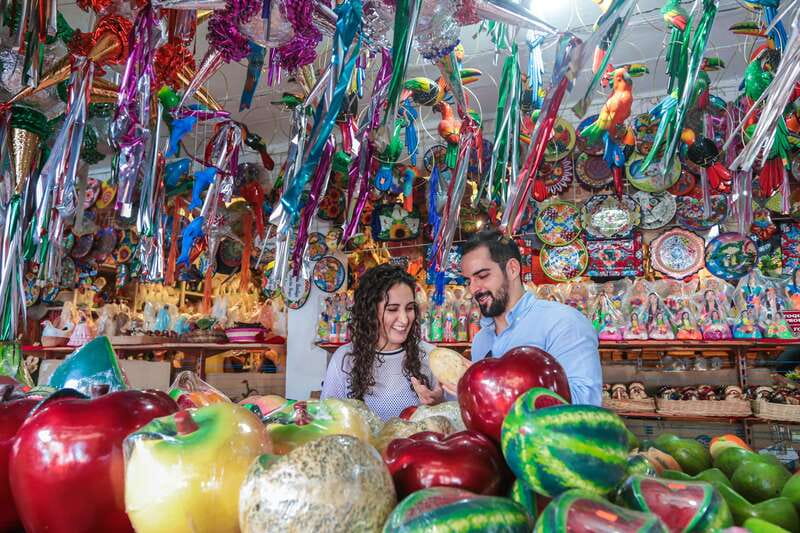
For $78 per person and about four hours, this is a food lesson, market visit, and full meal rolled into one. The base class takes place at a Mexican restaurant in Cancún that has been open for more than 40 years. You meet the guide at the venue, where a red polo shirt and red banner make the meeting point easy to spot.
The class includes ingredients, utensils, snacks, bottled water, coffee, tea, one margarita, and a four-course meal. That matters when you compare the price with a simple restaurant meal. You are not paying only for lunch. You are paying for instruction, preparation, the use of traditional equipment, and the chance to repeat several dishes at home.
The optional hotel transfer adds a local market visit before the class. If you are staying in Cancún, pickup and drop-off can be arranged from a hotel or bed-and-breakfast. Playa del Carmen pickup may depend on availability and can cost extra, so check that before booking.
The activity has a 4.5 rating from 127 bookings, and the strongest pattern is clear: people praise the guides, the food, the friendly pace, and the chance to cook rather than sit and watch. The weaker points are also useful. Some people want more advanced technique, and one class did not provide the masa recipe after the session.
More Cooking Classes with a Market Tour in Mexico
- Puerto Vallarta Cooking Class Experience with Market Tour
★ 5.0 · 698 reviews - Mexican Cooking Class with Food Market Visit in Mexico City
★ 5.0 · 506 reviews - Flavors of Oaxaca: Cooking Class with No Set Menu and Local Market Tour
★ 4.5 · 333 reviews
Choosing between the class and the market add-on
If you only want to cook, meet at the restaurant and keep the outing simple. The class itself lasts about three hours within the four-hour activity window. You receive refreshments, fruit, water, coffee, or tea when you arrive, then move into the cooking lesson.
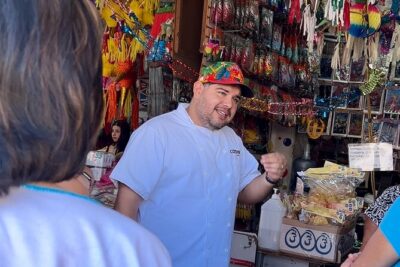
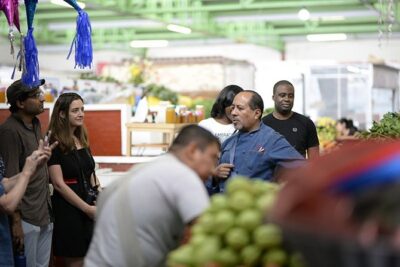
I would choose the market option if this is your first visit to Cancún or if you want to see more than the hotel zone. The market gives the food a setting and a source. Instead of hearing that Mexican cooking uses fresh herbs, vegetables, meat, and seafood, you see those ingredients arranged for sale and learn how the chef judges freshness.
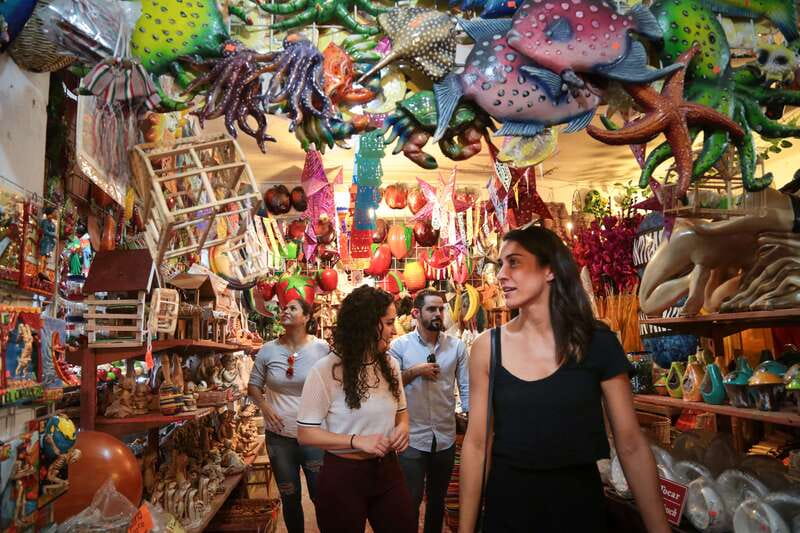
The market is also useful for practical shopping. Your guide can help you choose ingredients for the dishes you will later prepare. The visit may include a tortilla shop, where you can see tortillas made with a large machine and buy fresh ones.
You also get some free time at the market. Prices can be lower than in the tourist areas, but you should still decide what you want to buy before wandering too far from the group. The market portion is not only a shopping stop. It offers a glimpse of everyday food buying in Cancún, with smells, colors, and sections devoted to different products.
The tradeoff is transport time and a longer day. If your hotel is far from the meeting point, the transfer may take a larger share of the outing. If you miss the pickup, the guide can wait five minutes, and you can make your own way to the group by taxi or car.
Cooking in a 40-year-old Mexican restaurant
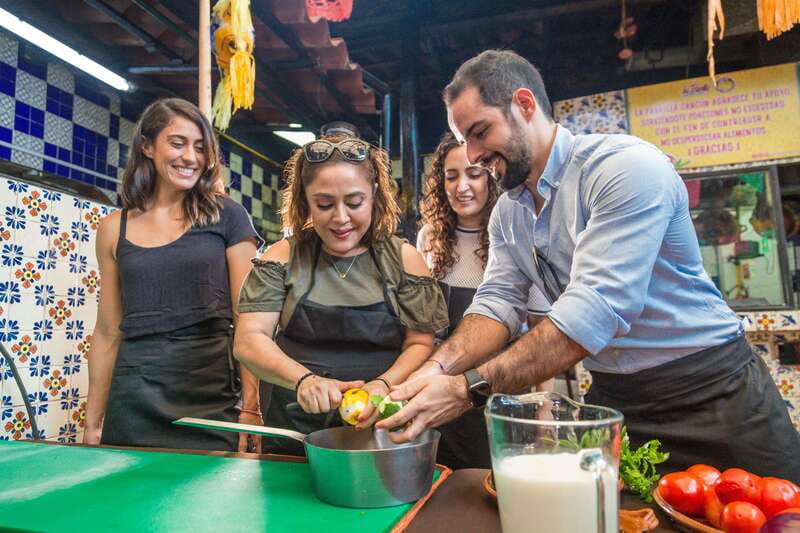
The venue gives the class more character than a purpose-built demonstration room. It is a long-running Mexican restaurant with a homelike feel, clean washrooms, and a working kitchen atmosphere.
Do not expect a polished cooking studio with every modern comfort. One family found the room hot in June, since it had fans but no air-conditioning. Children aged three and six had trouble staying engaged for the entire session. If you are bringing young children, think of this as an adult-oriented food lesson with some tasks suitable for kids, not as a dedicated children’s program.
The class uses tools that explain Mexican cooking better than a stack of slides:
- A molcajete, the traditional stone mortar, for grinding and mixing.
- A comal, the flat griddle used for tortillas and other foods.
- Clay pots for cooking in an older, more traditional style.
- A tortilla press for shaping masa into rounds.
These tools help you understand why texture and heat matter. A tortilla is not just a flat piece of bread. The masa must be shaped evenly, placed on the hot surface, and cooked until it develops the right feel.
The guides also explain where the dishes come from and how the ingredients work together. Diego has been praised for taking time with each ingredient and explaining the reason behind each step. Nassim has been described as patient and clear, especially when answering questions. G and Alex have led market and cooking sessions together, while Sasha and Alex have also received praise for keeping the group comfortable and involved.
Guide assignments can change, but the useful thing is the teaching style. You are likely to have a chef who talks through the process, answers questions, and adjusts the work for the group rather than rushing through a fixed performance.
The dishes you may prepare
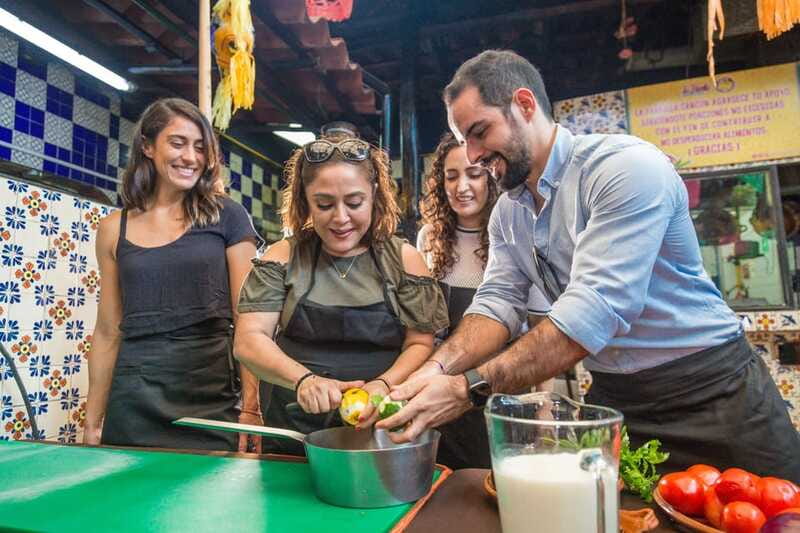
The exact menu can vary, but the repeated group of dishes includes guacamole, enchiladas, quesadillas, sopes, tacos, tostadas, pico de gallo, rice pudding, and a secret dessert. The meal is presented as four courses, though some sessions include five separate preparations.
Guacamole is one of the class highlights. The lesson focuses on the simple balance of avocado, fresh ingredients, acidity, and seasoning. You may adjust the spice level to suit your group. Several people especially liked the guacamole, and one described it as among the best they had tasted.
Enchiladas give you a fuller lesson because you may prepare the red sauce, handle the tortillas, and assemble the dish. The sauce can be adjusted for heat. This is one of the more useful recipes to take home, provided you receive the full instructions.
Quesadillas are easy to understand but still show how Mexican cooks use tortillas, cheese, and heat. One person found the cheese too mild and did not care for the enchiladas, so do not expect every dish to match your taste. That is part of the value of a cooking class: you can ask how to change seasoning, cheese, or spice when you make the food yourself.
Sopes offer something less familiar. You shape a thicker masa base, cook it, and add toppings. If you have mostly eaten tacos and burritos, this gives you a different sense of what masa can do.
Pico de gallo, tacos, and tostadas may also appear. The menu is broad enough to give you several ways to use tortillas, sauces, vegetables, and toppings. A dessert such as rice pudding may finish the meal, while the advertised secret dessert keeps one element undisclosed until the session.
Same kitchen, a different dish:
- Cabo San Lucas Mexican Cooking Class Experience and Local Markets
★ 5.0 · 915 reviews - Mexican Cooking from Scratch in a Local Home in Tulum
★ 5.0 · 585 reviews - Authentic Mexican Legacy Cooking Class in Cabo San Lucas
★ 5.0 · 530 reviews - Authentic Mayan Cooking Class in Cozumel
★ 5.0 · 344 reviews
Making tortillas at home
The tortilla lesson is one of the best reasons to book this class. You work with masa, press your own tortillas, and cook them on the comal. It is a simple process, but it gives you a skill you can repeat in your own kitchen.
Here is the important limitation: the masa dough may be prepared before you arrive. One person wanted the dough recipe because good tortillas can be hard to find in England and had not received it several days after asking. If making masa from the beginning is your main goal, contact the provider before booking and ask exactly what the class covers.
You can still learn a lot from pressing and cooking the tortillas. You will see how thin to make them, how to handle the press, and how the comal changes the texture. At the market, you may also see tortillas produced by a large machine and buy fresh ones for comparison.
The lesson works well for home cooks because it connects the finished food with a clear physical process. You leave knowing more than a list of ingredients. You understand that the tortilla is the base of enchiladas, quesadillas, tacos, tostadas, and sopes.
The margarita and the meal afterward
One margarita is included, and the drink receives unusually strong praise. You prepare or receive an original version as part of the session, then enjoy it with the meal.
This is not an open bar. Tell the provider about alcohol restrictions before the activity. If you do not drink, the class can still work for you, but confirm what nonalcoholic alternative is available.
The meal is a real benefit. After chopping, mixing, shaping, and cooking, you sit down to eat what the group prepared. This makes the experience feel less like a demonstration and more like a shared lunch with a lesson attached.
Portions and exact presentation can vary, but you should expect to leave fed. Snacks, fruit, bottled water, coffee, and tea are also included. Bring comfortable shoes, since you will be standing and working in the kitchen.
Vegetarian, vegan, and spice-friendly cooking
This is a good choice if your group has mixed diets. Vegetarian participants have prepared enchiladas, quesadillas, guacamole, and other dishes without difficulty. Guides have also adjusted recipes for vegetarian needs during family sessions.
Vegan choices are available on request. Give notice before the class rather than waiting until you arrive. The same applies to allergies and alcohol restrictions.
Spice control is another plus. The red sauce and guacamole can be adjusted to your preference, so you do not have to treat heat as a test of courage. If you enjoy fiery food, you can ask for more. If you prefer mild flavors, say so early.
The class is especially useful for people who want to understand Mexican food without relying on meat. The ingredients, sauces, tortillas, and fresh toppings provide enough work for a satisfying session.
Is $78 good value in Cancún?
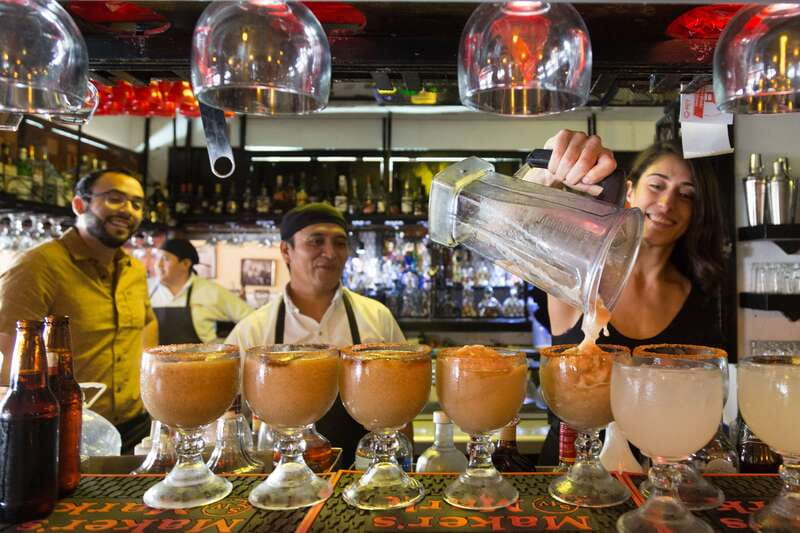
At $78 per person, the class is not the cheapest meal activity in Cancún. It becomes better value when you count the included meal, one margarita, ingredients, equipment, instruction, snacks, and drinks.
The market and transport option adds more practical value if you need hotel pickup or want to see a local market. It also removes the need to arrange a taxi to the restaurant. For a couple or family, that convenience may justify the extra cost.
The value is weaker if you want advanced culinary training. One person felt the class did not teach enough technique for the price, and the prepared masa was a specific disappointment. The lesson is aimed at beginners and confident home cooks who want a friendly introduction, not professionals seeking knife skills, sauce theory, or advanced plating.
I would compare it with the cost of a good meal plus a separate market visit. If you would already pay for lunch and a guided local outing, the package makes sense. If you mainly want to eat Mexican food, a restaurant will cost less and require less time.
Who will enjoy this most
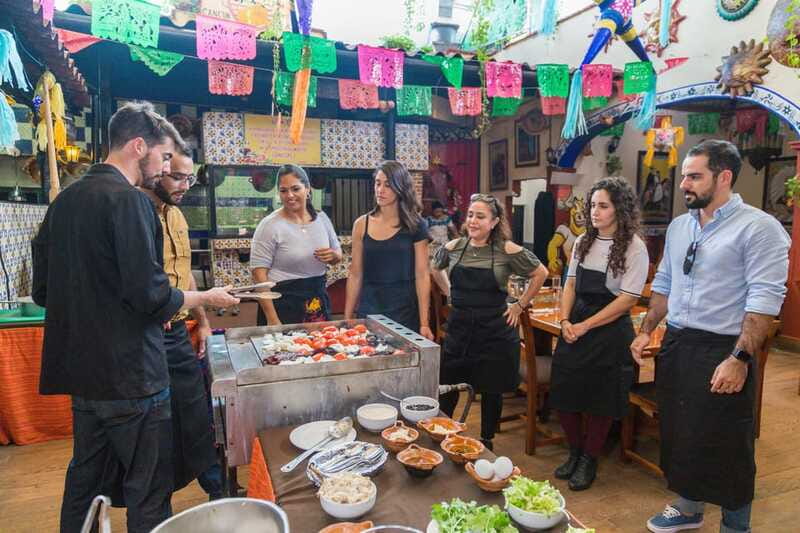
I would recommend it to couples, families with older children, first-time visitors to Cancún, and anyone who likes to bring home a usable skill. It also suits a group with different comfort levels in the kitchen because the guides can give simple tasks while explaining the bigger picture.
It is a good rainy-day or non-beach activity, though the kitchen may be warm. It gives you a break from resort dining and helps you see Cancún through ingredients rather than beaches and nightlife.
I would be more cautious if you dislike group activities, have serious mobility limits, or want a quiet meal with no hands-on work. The experience involves standing, chopping, mixing, and moving around a kitchen. Comfortable shoes are important.
Families should consider the children’s ages. A child who likes helping with tortillas or guacamole may have fun. Very young children may lose interest during the longer explanations.
Practical details that make the day easier
The class is offered in English and Spanish. The meeting point uses a red polo shirt and red banner, so finding the guide should be straightforward.
Hotel pickup is optional. The guide waits five minutes at the hotel, so be ready in the lobby. If you miss the vehicle, you can reach the group by taxi or car, but that costs you time and money.
Wear comfortable shoes and avoid sleeveless shirts. Weapons, sharp objects, alcohol, and drugs are not allowed. Tell the provider about allergies, dietary needs, vegan preferences, or alcohol restrictions before the day.
The activity can be canceled up to 24 hours ahead for a full refund, and you can reserve now and pay later. Starting times depend on availability, so check the schedule before arranging another excursion on the same day.
Should you book this Cancún cooking class?
Book it if you want an active food experience with a local market, a proper meal, and recipes you can try at home. The strongest features are the friendly guides, the tortilla work, the fresh ingredients, the adaptable menu, and the use of traditional Mexican tools.
Choose the market add-on if you want the fuller outing. It gives you more context and lets you see where the ingredients come from. Skip it if you already have transport and only want the cooking lesson.
Do not book it expecting culinary school. The class is best for beginners, and the masa lesson may stop short of making the dough from raw ingredients. Ask about the recipes in advance, especially if tortillas are the main reason you are going.
For most people, $78 is fair for four hours of instruction, food, drinks, and a margarita. I would put it on the short list for a Cancún day away from the resort, particularly for vegetarians, couples, and families with older children.
FAQ
How long does the Cancún cooking class last?
The activity lasts four hours. About three hours are devoted to the cooking lesson, with the optional market visit taking place before the class when selected.
What food will I prepare?
The menu can include guacamole, enchiladas, quesadillas, sopes, tacos, tostadas, pico de gallo, rice pudding, and a secret dessert. The exact selection may vary.
Is the local market visit included?
The market visit is included when you select the optional transportation add-on. That option also includes hotel pickup and drop-off in Cancún, subject to the stated conditions.
Are vegetarian or vegan options available?
Vegetarian dishes are available, and vegan options can be arranged on request. Tell the provider about dietary needs before the activity.
Is transportation included from my hotel?
Hotel pickup and drop-off are optional add-ons. Pickup is offered from Cancún hotels or bed-and-breakfasts, while Playa del Carmen service may depend on availability and extra costs.
What languages are offered?
The cooking class is offered in English and Spanish.
What should I bring and wear?
Bring comfortable shoes and avoid sleeveless shirts. Weapons, sharp objects, alcohol, and drugs are not allowed. Tell the provider in advance about dietary or alcohol restrictions.
New cooking classes around Mexico
- San Miguel de Allende: Mexican Cooking Class | Mole & Salsas★ 4.8 · 7 reviews
- San José del Cabo:Cooking Class +Margaritas & Mezcal tasting★ 4.8 · 12 reviews
- Puerto Escondido: Mexican Cooking Class, enjoy mexican food★ 5.0 · 9 reviews
- Playa del Carmen: Isa’s Authentic Mexican Cooking Class★ 4.9 · 18 reviews
- Playa del Carmen: Mexican Cooking Class★ 5.0 · 16 reviews
- PDC Traditional Mexican Cooking Experience★ 5.0 · 6 reviews
- Oaxaca: Traditional Oaxacan Cooking Class with Market Visit★ 4.9 · 80 reviews
- Oaxaca: Vegetarian Cooking Class★ 4.8 · 139 reviews
Mexico Cooking Classes, side by side.
Cabo San Lucas Mexican Cooking Class Experience and Local Markets
Read our review →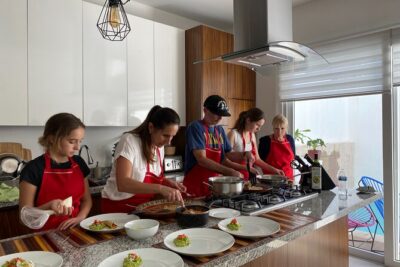
Puerto Vallarta Cooking Class Experience with Market Tour
Read our review →
Mexican Cooking from Scratch in a Local Home in Tulum
Read our review →
Mexican Cooking Class with Food Market Visit in Mexico City
Read our review →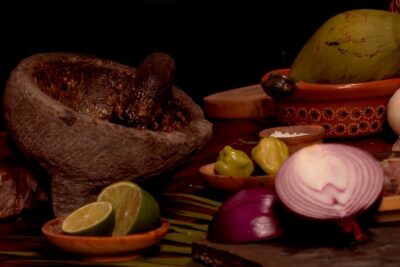
Flavors of Oaxaca: Cooking Class with No Set Menu and Local Market Tour
Read our review →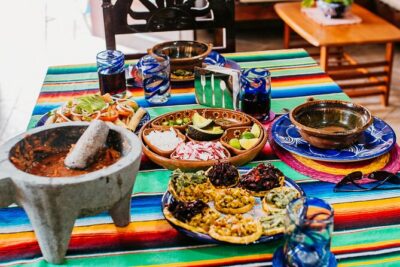
This kitchen also appears in