Review · OAXACA CITY
Flavors of Oaxaca: Cooking Class with No Set Menu and Local Market Tour
Oaxaca’s best food lesson may begin before you touch a knife. This four-and-a-half-hour experience starts at a local market, where Oscar or Emily introduces you to the greens, chiles, spices, corn, and other ingredients that shape Oaxacan cooking. Back at Casa Crespo, you help prep, grind, fry, season, and eat the results.
I like the market-to-table format, and I like that the menu is chosen by the group rather than fixed in advance. Vegetarian and other dietary needs can be handled, too. The main caution is that this is partly a cooking class and partly a social lunch. With a full group, staff may handle some of the actual cooking, and a few people have found the pace rushed or the portions small.
Key points at a glance
- Market first, kitchen second: Learn about local produce and ingredients before cooking with them.
- No fixed menu: The group helps decide what to prepare, with dishes varying from mole and tamales to tacos, soup, ceviche, and dessert.
- Active participation: Expect to dice, peel, grind, fry, season, and make tortillas rather than simply watch.
- Oscar is the main guide: He leads many sessions in English, while Emily and translators have also guided some groups.
- Drinks are part of the experience: Depending on the session, you may have a margarita, mezcal, iced tea, or agua fresca.
- A social meal: You finish by eating together at Casa Crespo, though the instructor may not always remain at the table.
A market walk that gives the food a place
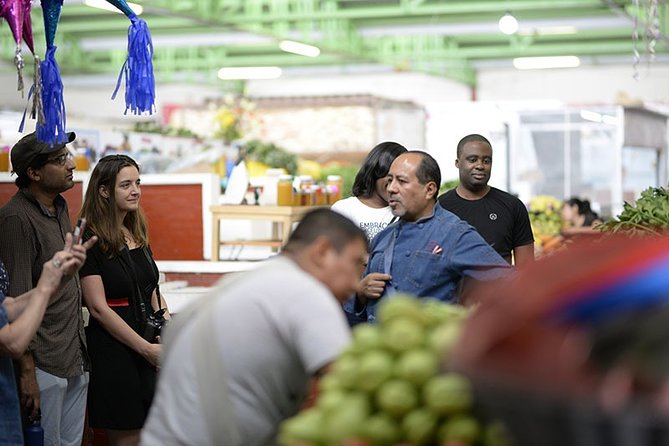
Meet at Casa Crespo, at Reforma 808 in central Oaxaca, at 10:00 a.m. The class begins with a walk to a local market, a useful choice because Oaxacan food makes more sense when you see its ingredients in their everyday setting.
Oscar explains the greens, fruits, plants, spices, and seasonings used in local cooking. One especially interesting point is the distinction between market sellers who bring produce from their own farms and sellers who buy from wholesalers. That small detail gives you a better sense of how food reaches the kitchen and why certain ingredients taste and look different from one stall to the next.
The market visit is not just shopping for supplies. It is your first lesson in the building blocks of the meal. Corn may be taken for grinding into masa, which later becomes tortillas. You may also see ingredients that are familiar by name but less familiar in their fresh form.
I like this start because it breaks up the four-and-a-half-hour session. You are not stuck at a counter for the whole morning, and the walk gives context before the cooking begins. The market has also been described as a place with few other foreign visitors, which can make the stop feel more connected to daily life than a staged food demonstration.
There are two practical points to keep in mind. The walk takes place in Oaxaca’s heat, and one group wished water had been offered before and after the market visit. Bring your own water and wear comfortable shoes. This is a walking tour in addition to a kitchen class.
More Cooking Classes with a Market Tour in Mexico
- Puerto Vallarta Cooking Class Experience with Market Tour
★ 5.0 · 698 reviews - Mexican Cooking Class with Food Market Visit in Mexico City
★ 5.0 · 506 reviews - Taste of the Yucatan: Merida Cooking Class and Market Visit
★ 5.0 · 291 reviews
The menu changes with the group
The experience has no set menu, so you should not book it expecting one guaranteed dish beyond the sample of mole negro. The final choices are shaped by the group, often through a majority vote. That gives the class a fresh feel, but it also means you cannot count on cooking one particular recipe.
The possible spread can be substantial. Across different sessions, people have prepared mole, tamales, al pastor tacos, shrimp soup, ceviche, marinated pork, tortillas, squash-blossom soup, and desserts such as chocolate ice cream or corn ice cream. One menu included several of these dishes in the same session, along with a margarita, mezcal, and agua fresca.
That variety is one of the strongest parts of the experience. You get to see how a meal moves from starter to main course to dessert, rather than learning a single recipe in isolation. It also gives you a broad taste of Oaxaca in one sitting.
The tradeoff is depth. If you want to make one dish from raw ingredients all the way to the plate, this may not satisfy you. A full class has several dishes moving at once, so staff may chop, cook, or prepare parts of the meal to keep everything on schedule. One person estimated that the class involved roughly 45 percent hands-on cooking. That is not a criticism of the format so much as a warning about what you are buying.
Think of it as a shared Oaxacan cooking workshop, not a private chef apprenticeship.
You will actually work in the kitchen
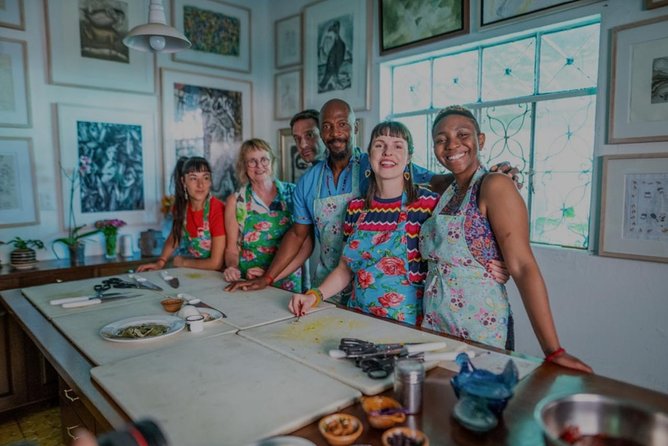
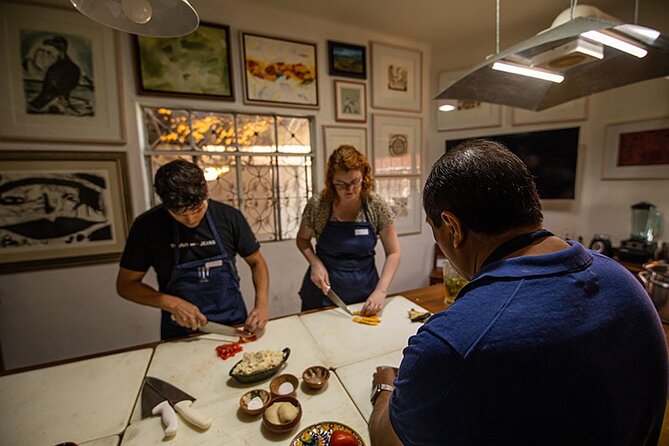
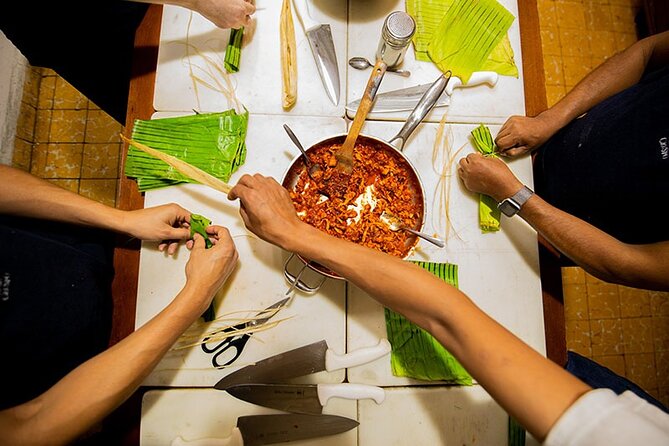
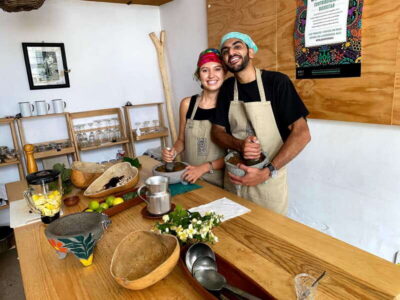
The class asks you to participate. You may dice vegetables, peel seeds, grind ingredients, fry, season, and help make tortillas. The emphasis is on doing the work, not sitting behind a counter while an instructor performs every step.
That matters because ingredients such as chiles, masa, seeds, and spices are easier to understand when your hands are involved. You notice the texture of a tortilla dough. You see how a sauce changes as it is ground and cooked. You learn that a complicated dish is often built from many small jobs rather than one dramatic trick.
The staff helps with setup and cleanup, so the session can keep moving. You are not expected to wash dishes, which is a welcome detail after a long cooking period. At the same time, the staff’s help is why some dishes may feel partly prepared for you. The kitchen has to feed the entire group, not just teach one person.
Oscar has led many sessions and is often described as a clear, friendly instructor who makes sure people take part. Emily has also guided groups, sometimes with as many as 17 people in the room, even though the stated maximum is 15. English and Spanish are available depending on the group’s preference, and one session used a guide and translator together.
The quality of the teaching can vary by group and guide. Most of the information points to organized instruction, good explanations, and a warm working atmosphere. One session, however, felt overly scripted and rushed, with the instructor speaking too quickly and not responding well to questions. If you need frequent explanations or prefer a slow, highly personal lesson, say so early and ask for clarification when needed.
Mole is only the beginning
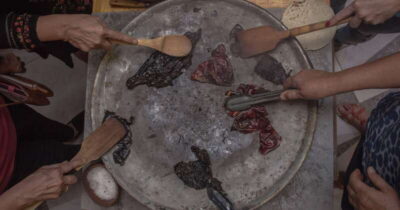
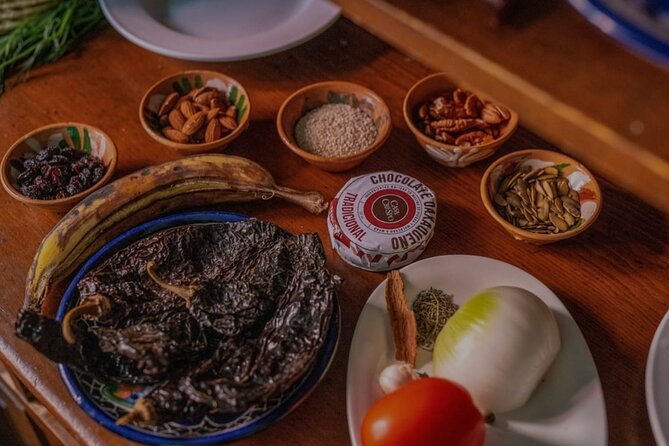
Mole negro is the sample main dish, and it is a fitting choice for a class in Oaxaca. It gives you a chance to work with several seasonings and stages of preparation. But the changing menu may lead you far beyond mole.
You might prepare a soup with squash blossoms, make shrimp soup, shape tortillas, or season pork for tacos. Vegetarian and pescatarian options have been handled well, and special dietary restrictions can be accommodated. Tell the operator about your needs when booking so the group can plan around them.
The range of dishes makes the class useful for curious eaters who want a broad introduction. It is less useful if you have come with one narrow goal, such as mastering mole from start to finish. The menu vote is part of the fun, but it also means you surrender some control.
Recipes are another point to clarify. Some participants were told recipes would be sent afterward, while at least one person had not received them several days later. Do not treat the recipe follow-up as guaranteed. Take notes, ask questions during the class, and photograph the written steps if the instructor allows it.
Same kitchen, a different dish:
- Cabo San Lucas Mexican Cooking Class Experience and Local Markets
★ 5.0 · 915 reviews - Mexican Cooking from Scratch in a Local Home in Tulum
★ 5.0 · 585 reviews - Authentic Mexican Legacy Cooking Class in Cabo San Lucas
★ 5.0 · 530 reviews - Authentic Mayan Cooking Class in Cozumel
★ 5.0 · 344 reviews
Drinks and lunch make this a social experience
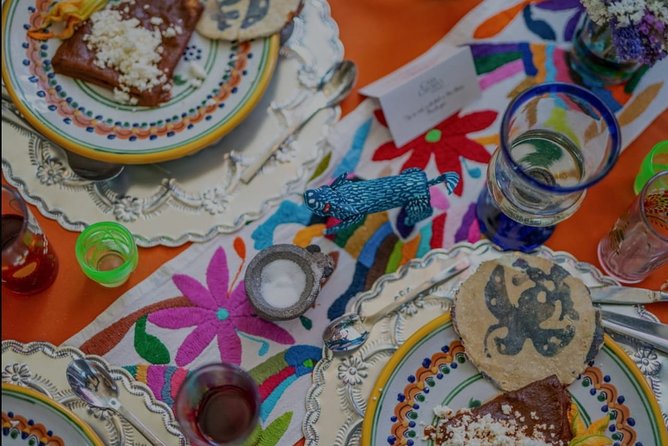
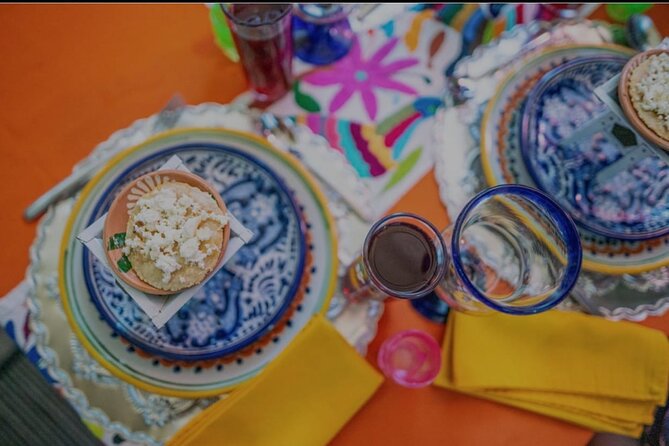
Complimentary drinks are part of the appeal. Depending on the menu and session, you may have a margarita, mezcal, iced tea, or agua fresca. In one class, the group made its own margarita before sitting down to eat.
Drink service may not always appear at the exact moment you want it. One person wished something had been offered during the cooking and received a drink after asking. Bring water, especially for the walk to and from the market.
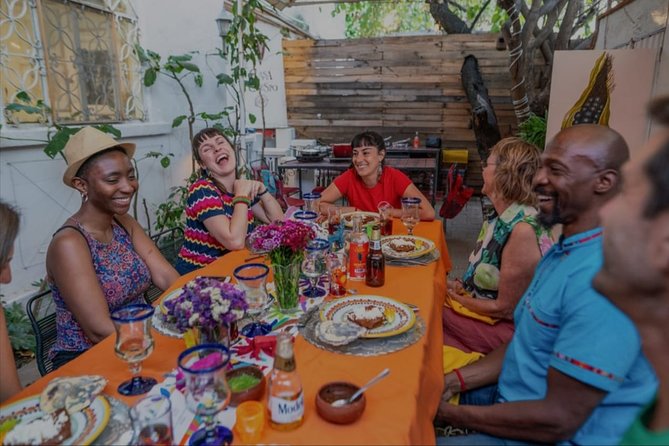
The meal is served at Casa Crespo, where the group sits together and eats what it prepared. This is a friendly way to meet people from different countries, and the shared table adds a social side that a private lesson would not have.
Still, the meal portion has two possible drawbacks. A few people felt the servings were small after the amount of food prepared, while another person said there was so much food they were still full later. Portions can depend on the number of people, the menu, and how the dishes are divided.
The instructor may not sit through the meal. Oscar has sometimes left soon after cooking, and one person wished he had stayed to explain how the dishes were traditionally eaten. If you want a long discussion over lunch, this may feel brief. If you mainly want to taste the food and chat with the group, it works well.
Is the four-and-a-half-hour schedule realistic?
The advertised duration is about 4 hours and 30 minutes, starting at 10:00 a.m. and ending back at Casa Crespo. Some sessions have taken closer to the full time, while one person reported finishing in about three and a half hours, including the meal.
The schedule usually works because it divides the experience into a market visit, preparation, cooking, and lunch. The change of setting helps keep the morning lively. It also means the class is not four and a half straight hours of cooking.
A large group can change the feel of the day. The stated maximum is 15 people, and smaller groups of five or six have allowed more personal attention. With 12 or more people, it can become harder to hear every instruction and get your hands on each stage of every dish.
If you can choose your date, a smaller group is worth favoring. You may get more direct time with Oscar or another instructor, more room at the work surface, and a better chance to ask questions. But even with a larger group, you will still have jobs to do and a meal to share.
What the $75 price buys you
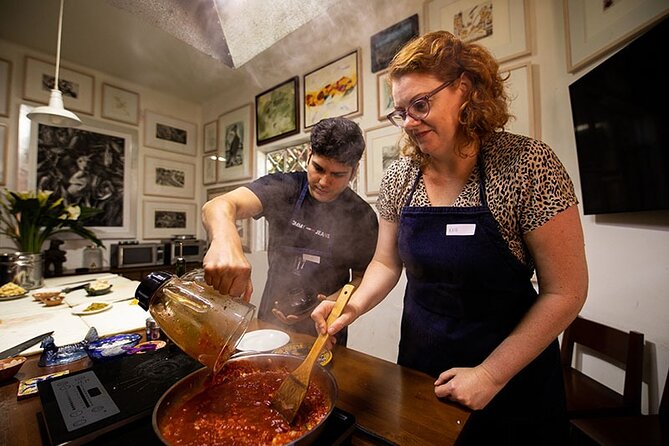
At $75 per person, this is a fair value if you want a half-day food and culture activity rather than a narrowly focused cooking lesson. You are paying for the market walk, instruction, ingredients, kitchen help, drinks, and lunch. The chance to sample several dishes also adds value.
The price is less compelling if your main goal is intensive technique. Since staff may prepare some components and the group may move quickly, a longer and more expensive private or small-group class could suit you better. You would be paying for more hands-on time instead of a broad menu.
I see the experience as a good middle ground. It offers more substance than a restaurant meal and more food context than a basic market stroll. It does not promise the slow, detailed work of making every dish alone.
The strong overall rating and 90 percent recommendation fit that middle ground. Most sessions seem to deliver a well-organized morning, tasty food, and a friendly group setting. The lower ratings point to the exact risks: rushed instruction, uneven communication, small portions, a larger group, or a guide who leaves before lunch is finished.
Who should book this class?
I would recommend it to you if you like to eat widely, work with your hands, and meet other people at the table. It suits couples, friends, solo visitors, and families with older children who can manage a long morning. It is especially useful early in an Oaxaca visit, since the market and ingredient lesson can shape what you order for the rest of your stay.
Vegetarians, pescatarians, and people with special dietary needs should ask about arrangements before the class. The kitchen has provided alternatives, but the menu is chosen by the group, so clear communication matters.
I would hesitate if you want a quiet, private lesson or a precise recipe class. I would also think twice if you dislike group decisions, cannot tolerate a brisk pace, or need guaranteed recipe materials afterward.
The activity is non-refundable and cannot be changed for any reason, so book only when your plans are firm. Service animals are allowed, and the meeting point is near public transportation. The activity is offered in English or Spanish, depending on the group.
Should you book Flavors of Oaxaca?
Book it if you want a lively introduction to Oaxacan food, with a market visit, hands-on preparation, drinks, and a shared meal for $75. The best version of this experience is a small group with an engaged guide such as Oscar or Emily. That combination gives you useful market context, plenty of jobs in the kitchen, and a broad taste of local cooking.
Skip it if your definition of a cooking class means making one complete dish from raw ingredients without staff taking over. For everyone else, this is a practical and enjoyable way to connect the market, the kitchen, and the table in one morning. Bring water, expect a changing menu, and ask questions early. You will get more from the class if you treat it as a collaborative meal-making session rather than a formal culinary course.
FAQ
Where does the experience begin?
It begins at Casa Crespo, Reforma 808, Ruta Independencia, Centro, Oaxaca de Juárez, at 10:00 a.m.
Where does the experience end?
The activity ends back at the Casa Crespo meeting point.
How long does the class last?
The advertised duration is approximately 4 hours and 30 minutes, though one session finished in about three and a half hours.
Is there a fixed menu?
No. The menu is chosen with group input, so dishes can vary. Mole negro is listed as a sample main, but other sessions have included tamales, tacos, ceviche, soups, tortillas, pork, and dessert.
Is the class available in English?
Yes. Classes can be conducted in English or Spanish, depending on the group’s preference.
Can dietary restrictions be accommodated?
Yes. Vegetarian choices and dishes for special dietary restrictions can be prepared. Share your needs when booking.
How many people can join?
The stated maximum is 15 people. Some sessions have had only five or six participants, while larger groups can make the class feel less personal.
Is the activity refundable if I cancel?
No. The experience is non-refundable and cannot be changed for any reason.
New cooking classes around Mexico
- San Miguel de Allende: Mexican Cooking Class | Mole & Salsas★ 4.8 · 7 reviews
- San José del Cabo:Cooking Class +Margaritas & Mezcal tasting★ 4.8 · 12 reviews
- Puerto Escondido: Mexican Cooking Class, enjoy mexican food★ 5.0 · 9 reviews
- Playa del Carmen: Isa’s Authentic Mexican Cooking Class★ 4.9 · 18 reviews
- Playa del Carmen: Mexican Cooking Class★ 5.0 · 16 reviews
- PDC Traditional Mexican Cooking Experience★ 5.0 · 6 reviews
- Oaxaca: Traditional Oaxacan Cooking Class with Market Visit★ 4.9 · 80 reviews
- Oaxaca: Vegetarian Cooking Class★ 4.8 · 139 reviews
Oaxaca City Cooking Classes, side by side.
Traditional Oaxaqueña Cooking with Grandma’s Recipes
Read our review →
The Real Traditional Oaxaca culinary Cooking experience
Read our review →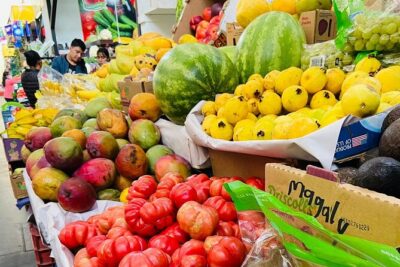
Oaxaca: Traditional Oaxacan Cooking Class with Market Visit
Read our review →
Oaxaca de Juarez: Traditional Oaxacan Cooking Class
Read our review →
Oaxaca: 10 Mexican Salsas Cooking Class with Taco Tasting
Read our review →