
Review · VIETNAM
Can Tho: Authentic Mekong Delta – Real Local Life Tour.
The best part of this Can Tho tour is its close look at ordinary Mekong life. You move by wooden boat through quiet canals, walk a local village, cook with a family, and visit a real floating house. Anh, also called Sophia, is especially praised for her humor and clear explanations, though guide assignment can vary.
I like the small-group feel and the chance to see how water and farmland shape daily routines. I also like the flexible timing: you can choose a morning or afternoon departure instead of forcing yourself out before sunrise. The main consideration is heat, especially in the afternoon, and the tour information is not fully consistent about including Cai Rang Floating Market, so confirm your exact route before booking.
Key points to know before you book
- Quiet canals instead of a standard sightseeing loop: The boat route moves beyond the busiest parts of Can Tho and shows river transport, fishing, trade, and riverside homes.
- A real family cooking stop: You help prepare mini Vietnamese savory pancakes, known as bánh khọt, using a traditional home-style method.
- A genuine floating house visit: You see how a family lives directly on the river and adapts to water levels, weather, and changing river conditions.
- Morning or afternoon departure: The afternoon option is easier on your schedule, but you should bring extra water, a hat, and sunscreen.
- A strong guide-led experience: Sophia, Cory, Clara, Sunny, Khoi, and other guides are praised for good English, humor, patience, and useful explanations.
- Good value at $36: The price covers the boat, guide, village and garden visits, cooking activity, fruit, tea, entrance costs, and bottled water.
What makes this Can Tho tour different
Many Mekong Delta excursions follow a familiar pattern: early departure, floating market, a few busy stops, and a return to town. This experience aims at something quieter. Its main subject is not a landmark. It is the way people in the delta work, cook, travel, grow food, and live with the river.
That difference matters if you have already seen plenty of staged village stops or souvenir shops. Here, the plan centers on local homes, gardens, and working waterways. You are not simply looking at the Mekong from a boat. You are given context for what you see.
The tour lasts about 270 minutes, or roughly four and a half hours, although some morning outings described by the operator have lasted closer to five or six hours. Group size can be private or small. That small scale is important: it makes it easier to ask questions, talk with the guide, and avoid the slow shuffle of a large boat group.
The price is $36 per person. For Can Tho, that is a fair price for a half-day outing that includes a boat cruise, an English-speaking guide, a village walk, garden visits, a home cooking activity, fruit and tea, a floating house visit, entrance fees, and bottled water. It is particularly good value if you want more than a quick boat ride to a single attraction.
More aprons waiting around Vietnam:
- Hanoi Cooking Class: Culture, Local Market & Meaning CSR Impact
★ 5.0 · 5,147 reviews - 5 Traditional Dishes Hanoi Cooking Class with Market Trip
★ 5.0 · 4,890 reviews - Cooking Class Hoi An:Local Market, Basket Boat, Fishing & Cooking
★ 5.0 · 3,660 reviews
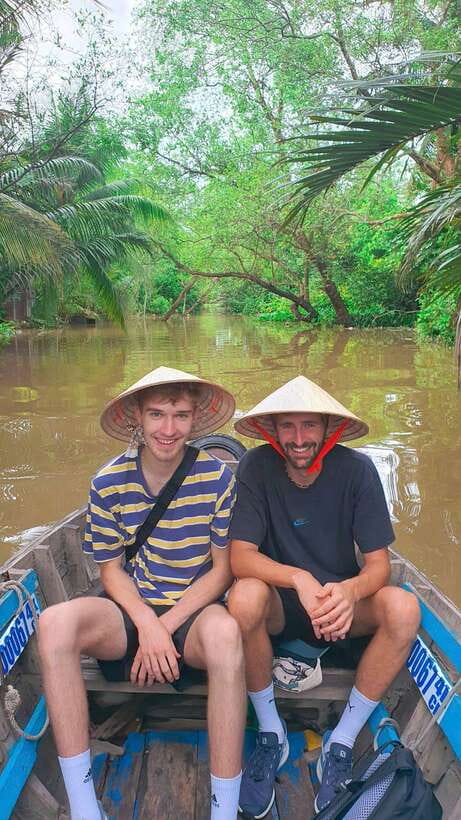
Setting out by wooden boat on the Mekong
The boat section begins on the Mekong River before turning into smaller canals. The exact meeting point depends on the selected option, and group tours do not include hotel pickup. You need to reach the meeting point yourself and provide a working WhatsApp number so the guide can contact you.
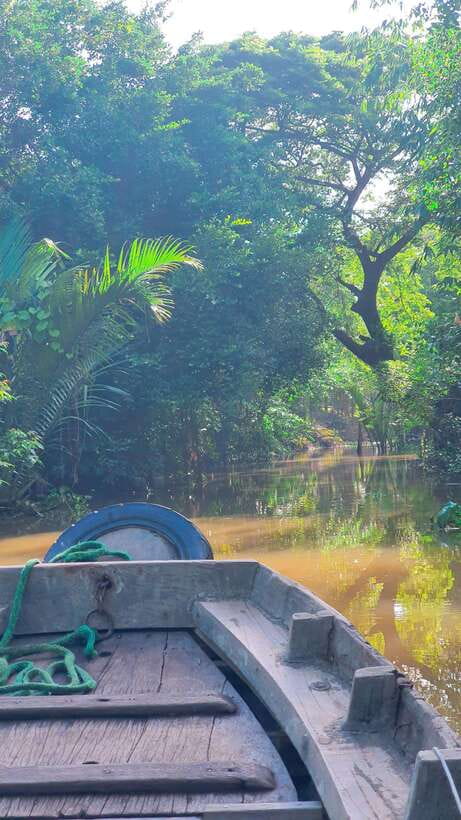
The traditional wooden boat gives you a low, open view of the water. You can watch river traffic, homes, vegetation, and working boats at close range. Your guide explains how people use the river for transport, fishing, trade, and everyday errands.
This is one of the stronger parts of the outing because the water is not just scenery. It is part of the local economy. A family home, a small boat, or a riverside garden makes more sense once you understand how much daily life depends on water access.
The quieter canals are the real prize. They offer a slower pace and a better chance to observe without the constant movement of a major tourist route. You might see local boats going about their business, but the point is not to stage an encounter or arrange a performance. The guide interprets what is happening and helps you understand the setting.
Low water can affect the boat route. One morning group found that shallow conditions limited part of its canal journey, and the guide adjusted the plan with a fruit garden visit and cooking activity. That is worth keeping in mind. River tours depend on weather and water levels, so the route may change slightly.
Walking through a village and its fruit gardens
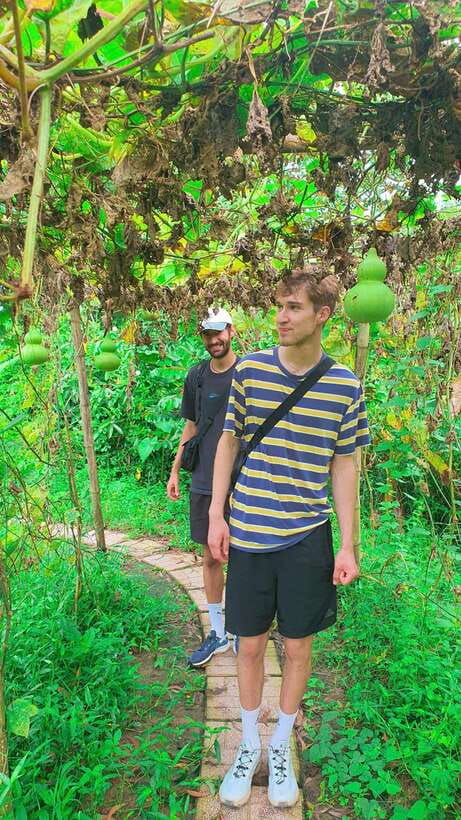
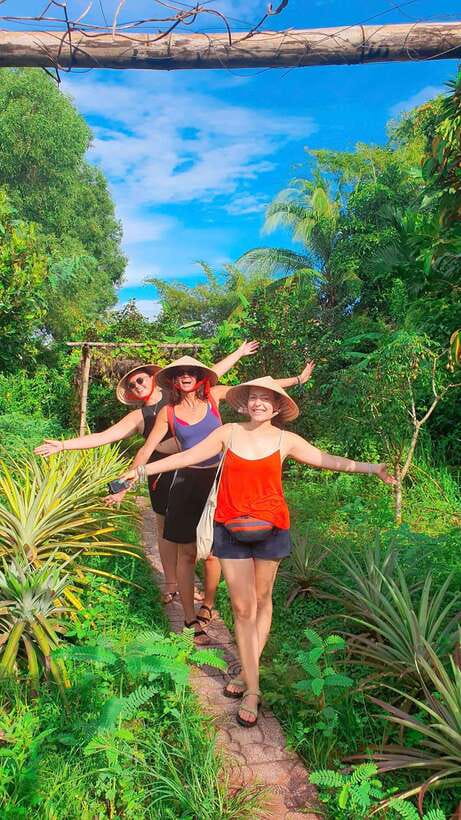
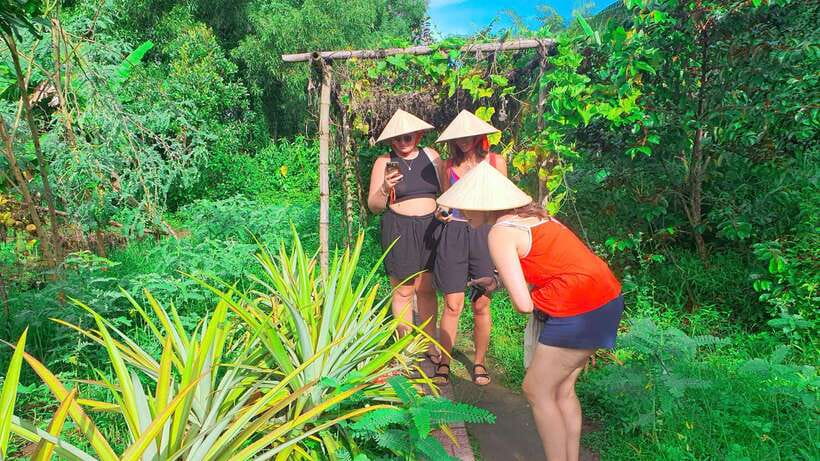
After the boat ride, you leave the water and walk through a non-touristic village. This gives the tour a useful change of rhythm. You are no longer watching local life from a boat. You are moving through the spaces where people grow food, live, and manage their households.
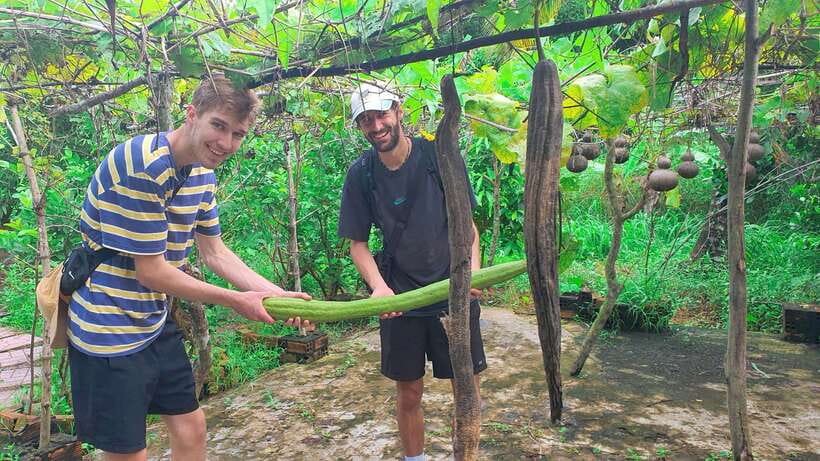
The garden visit focuses on seasonal crops and simple growing methods. You learn how fruit and other produce support families in the delta, and how land-based farming works alongside river activity. The guide can also explain how ingredients are prepared and eaten in Vietnam.
The village walk is not a grand sightseeing stop. That is exactly why it can be worthwhile. You will not find a polished attraction built around a photo opportunity. Instead, you see paths, gardens, houses, and ordinary surroundings. You should be respectful, avoid intrusive photography, and follow the guide’s advice around private homes.
This section suits anyone who wants to understand the connection between agriculture and river life. It also gives you a break from the boat, which is helpful if you prefer a tour with several different activities instead of hours spent sitting on the water.
Making bánh khọt with a local family
The cooking activity takes place with a local family. You help prepare small Vietnamese savory pancakes, commonly called bánh khọt, with fresh ingredients linked to the garden and local kitchen.
This is not presented as a formal cooking school with a long recipe lesson. It is more of a practical home visit. You see how the food is made, take part in the process, and eat what you prepare. That makes it more personal than a demonstration where you simply watch someone else cook.
The traditional clay stove is a memorable detail from the experience. It shows how everyday cooking can rely on simple equipment rather than a modern kitchen setup. If you enjoy food, this may be one of the most rewarding stops because it connects ingredients, cooking methods, family life, and local hospitality in one place.
Food can also be a useful bridge between cultures. Guides such as Cory have offered local food suggestions and discussed the cooking habits of different countries with the group. If you have dietary needs, tell the guide early. Sophia has helped groups manage food requests, but the tour data does not promise a specific dietary menu.
Same kitchen, a different dish:
- Hoi An Cooking Class(Market,BasketBoat Crabfishing&Cooking Class)
★ 5.0 · 3,386 reviews - HCM: Mekong Delta Islands Boat & Tuk-Tuk Tour with Tastings
★ 4.8 · 2,285 reviews - From Hoi An: Market Tour, Basket Boat Ride and Cooking Class
★ 4.8 · 2,208 reviews - Cai Be Mekong Delta Tour: Cooking Class, Cycling & Craft Villages
★ 5.0 · 1,881 reviews
Fruit, green tea, and stories in the garden hut
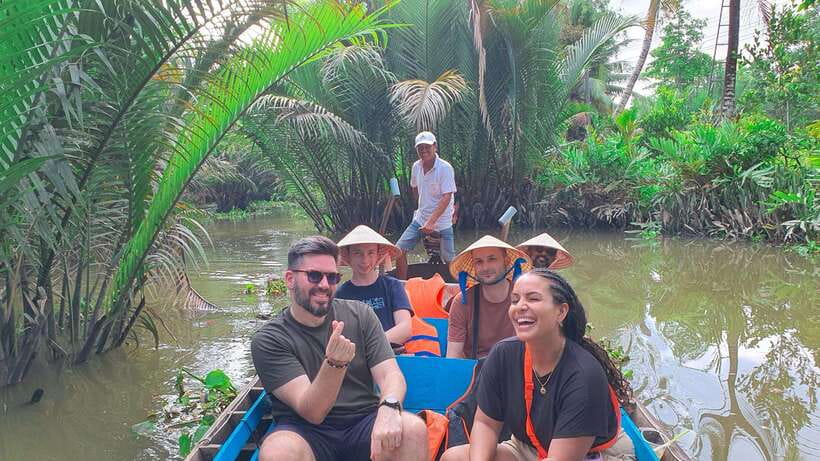
After cooking, you sit in a traditional garden hut for seasonal tropical fruit and green tea. This is the quietest part of the tour, and it gives you time to slow down rather than rushing from one stop to the next.
The fruit selection changes with the season. You may taste several kinds, and the guide explains how local people eat or prepare them. The tea and fruit are simple, but they make sense in this setting. You are sitting in a family garden, hearing about customs and daily routines, rather than eating in a restaurant built for tour groups.
I like this pause because it leaves room for conversation. Guides praised across the outings, including Sophia, Clara, Cory, and Sunny, are known for answering questions and sharing personal stories about Can Tho. The quality of the stop depends heavily on the guide’s ability to explain and on your willingness to ask questions.
Entering a real floating house
The final major stop is a visit to a floating house where a family lives directly on the river. This is more revealing than a quick look at a boat loaded with produce because it shows how a home must respond to changing water levels, weather, and river conditions.
You get a closer sense of the practical side of water-based living. The visit is also a reminder that the Mekong is not an outdoor attraction separated from local life. It is home, workplace, transport route, and food source all at once.
The visit should be approached with care. You are entering someone’s living space, so listen to your guide and ask before taking photographs. The experience works best when you treat it as a personal encounter, not a backdrop for a series of quick pictures.
One particularly useful detail is the contrast between land and water. The village walk shows how families use gardens and crops. The floating house shows how another family organizes life around the river. Together, these stops explain the delta better than a market visit alone.
The Cai Rang Floating Market question
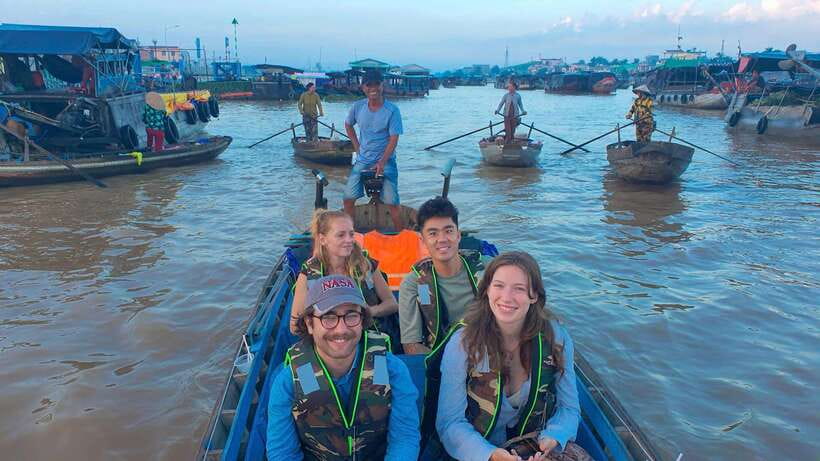
There is an important planning issue here. The main description says this tour avoids floating markets and focuses on quieter local life. Yet the detailed schedule names Cai Rang Floating Market, and several morning experiences included a market visit, noodle soup breakfast, coffee, and boat-based trading.
That means the exact itinerary may depend on the selected departure, booking option, or current operating plan. The morning route appears more likely to include Cai Rang, while the advertised afternoon experience is framed around villages, gardens, canals, cooking, and the floating house.
If Cai Rang is your main goal, this may be useful, but you should confirm it before paying. If you specifically want to avoid the market, ask for the local-life route and verify that the afternoon plan does not include it. This small inconsistency is the biggest point to clear up.
The market itself is not necessarily a problem. Several outings describe it as a working place where people buy and sell produce rather than a row of souvenir stalls. Still, it is a busier, more familiar Can Tho experience than the village and floating-house visits.
Morning or afternoon: which departure works better?

Choose the morning if you want cooler conditions and the possibility of Cai Rang Floating Market. Some morning groups ate noodle soup and drank coffee on or near the water, then continued to the canals, gardens, cooking stop, and floating home. A morning start can mean a fuller schedule, but it may also require an early meeting time.
Choose the afternoon if you dislike early starts or want a slower outing focused on quiet canals and local homes. The tradeoff is heat. The Mekong Delta sun can be strong in the afternoon, so wear light clothing and bring a hat, sunscreen, and extra water.
The supplied information gives both 7:00 AM and 1:00 PM as possible departure times, while another description says 8:00 AM or 1:00 PM. Check the exact start time when you choose your option. Do not assume the morning departure is always the same.
The boat ride is open to the weather, and conditions on the river can change. Bring a camera, but protect it from splashes and strong sun. Alcohol and drugs are not allowed.
How the guides shape the experience
This is a guide-led tour, and the guide makes a major difference. Sophia, also called Anh, receives repeated praise for her humor, warmth, strong English, and ability to explain local customs. Cory is described as friendly, chatty, and particularly good at discussing food and river culture.
Clara is praised for clear English and personal explanations. Sunny is described as organized, funny, and attentive to the group. Khoi is noted for bringing energy to an early start, while other guides, including Thuy and Mai Tươi, have also led well-received outings.
You cannot necessarily request a specific guide, but you can ask when booking. If Sophia or another named guide is important to you, do not treat that as guaranteed. The broader point is that this tour depends on conversation and interpretation, so guide quality matters more here than on a simple transfer or sightseeing cruise.
Who should book this experience?
I would choose this tour if you want to see how Can Tho communities live rather than collect the area’s most famous sights. It suits couples, families, solo visitors, and small groups who enjoy asking questions, tasting local food, and spending time in ordinary settings.
It is also a good choice if you dislike large boats and crowded stops. Small groups can feel more relaxed, and some outings had only three to six people. A private option is available if you want pickup and more control over the pace.
I would think twice if you want a polished attraction with constant activity, extensive shopping, or a guaranteed Cai Rang itinerary. The local stops are intentionally simple, and the boat route can change with water levels and weather. Pregnant women and people with altitude sickness are listed as unsuitable for this activity.
Hotel pickup is included only with the private tour. The group option has no pickup, so allow time to reach the meeting point at Ninh Kiều or Chợ An Bình, depending on the arrangement. Free cancellation is available up to 24 hours before the tour, and you can reserve now and pay later.
Should you book the Authentic Mekong Delta Local Life Tour?
Book it if your idea of the Mekong Delta includes a family kitchen, a garden path, a quiet canal, and a real floating home. At $36, the mix of transport, food, guide service, and local visits offers solid value, especially in a small group.
Before booking, settle two details: the exact departure time and whether Cai Rang Floating Market is included. Then bring water, sun protection, and an open but respectful attitude. If you want a calm, human-scale look at Can Tho, this is a strong choice.
FAQ
How long does the Can Tho local life tour last?
The stated duration is 270 minutes, or about four and a half hours. Some morning schedules described by the operator have lasted around five to six hours, so confirm the timing for your selected option.
Does the tour visit Cai Rang Floating Market?
The information is mixed. The main description focuses on avoiding floating markets, but the detailed schedule and several morning routes include Cai Rang. Confirm the exact itinerary before booking.
Is hotel pickup included?
Pickup is included for private tours only. The group tour does not include pickup, and you need to go to the arranged meeting point.
What food is included?
You prepare mini Vietnamese savory pancakes called bánh khọt with a local family. The tour also includes seasonal tropical fruit and green tea. Some morning routes include noodle soup and coffee, but confirm whether those are part of your chosen option.
Can I choose a morning or afternoon departure?
Yes. The experience is offered in the morning or afternoon. Listed times include 7:00 AM or 8:00 AM for morning departures and 1:00 PM for the afternoon option, so check the exact time when booking.
What should I bring?
Bring a hat, sunscreen, water, comfortable light clothing, and a camera. Extra drinking water is especially useful for an afternoon departure.
Can the itinerary change?
Yes. The route may be adjusted because of weather or river conditions. Low water levels can limit parts of the canal cruise, and the guide may rearrange stops while keeping the main local-life activities.
New cooking classes around Vietnam
- M.O.M COOKING CLASS★ 4.8 · 6 reviews
- Sapa: Bun Cha Cooking Class★ 4.8 · 6 reviews
- Sapa Cooking Class With Ethnic Minorities Chef In Village★ 5.0 · 2 reviews
- Sapa: Local Hmong Cooking Class★ 5.0 · 6 reviews
- Mama Lan’s Home Cooking Class with 30+ Years of Experience★ 5.0 · 3 reviews
- Private cooking class tour with Master Chef★ 5.0 · 5 reviews
- Ninh Binh Jeep Adventure: Temples, Lotus, Fishing & Cooking★ 4.5 · 5 reviews
- Ninh Binh: Half-Day Cooking Class at a Local Home★ 5.0 · 26 reviews
Vietnam Cooking Classes, side by side.
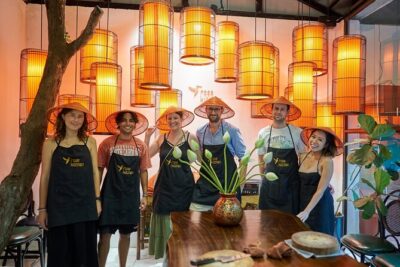
Hanoi Cooking Class: Culture, Local Market & Meaning CSR Impact
Read our review →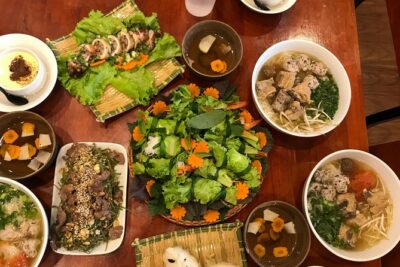
5 Traditional Dishes Hanoi Cooking Class with Market Trip
Read our review →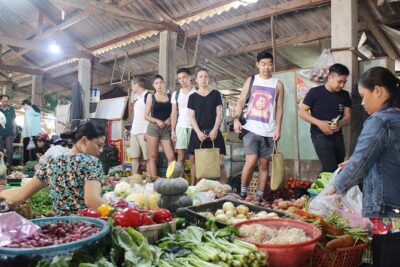
Cooking Class Hoi An:Local Market, Basket Boat, Fishing & Cooking
Read our review →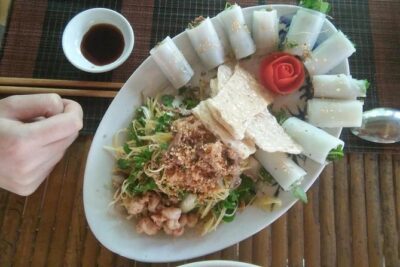
Hoi An Cooking Class(Market,BasketBoat Crabfishing&Cooking Class)
Read our review →
From Hoi An: Market Tour, Basket Boat Ride and Cooking Class
Read our review →
Cai Be Mekong Delta Tour: Cooking Class, Cycling & Craft Villages
Read our review →
Hoi An: Basket Boat with Lantern-Making & Cooking Class Tour
Read our review →
Mekong Delta 4 Islands, TukTuk, Boat, Try Khot Cake Local Cooking
Read our review →This kitchen also appears in