Review · HANOI
Hanoi Maya Kitchen: Traditional Cooking Class & Market Tour
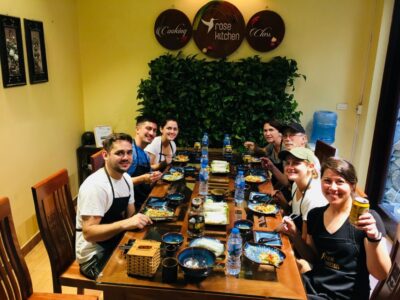
The best part of this Hanoi cooking class happens before you reach the kitchen. You visit a local market, choose fresh ingredients, and learn what Vietnamese cooks actually look for rather than simply watching a chef prepare a set menu. Then you make five Vietnamese specialties, including fried spring rolls and egg coffee.
I like the practical mix of market shopping and hands-on work. I also like that the meal is made by you, not handed over after a demonstration. Instructors named Iris, Ruby, and Aurora have each led sessions, and the teaching includes local food tips, recipes, and, on some days, even singing.
The main consideration is the meeting-point information. One section gives 38 P. Bat Su as the start, while another names the Crossing Vietnam Tour office at 47 Hang Bong. Confirm the exact address before setting out. The four-hour class is also food-heavy, so skip a large breakfast.
Key things to know before booking
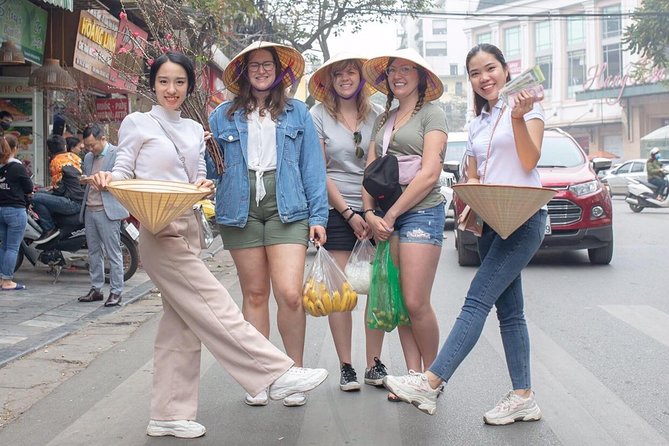
- A local market comes first: Shop for ingredients at Yen Thai Market, also identified as Hang Da Market in the stop details.
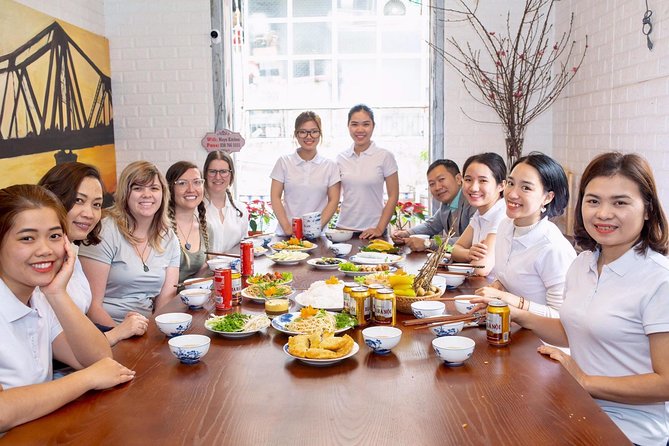
- You make the full meal: The menu includes papaya salad, fried spring rolls, pho rolls, mixed pho, egg coffee, and seasonal fruit.
- The class is practical: Spring rolls require you to shape and roll them yourself, with the instructor guiding each step.
- The group can reach 15 people: That is small enough for a social class, though individual attention may vary at full capacity.
- The price is $30 per person: Food, instruction, a drink, recipes, and local wine tasting are included.
- The class ends where it begins: Pick-up and drop-off are not included, and the activity returns to the meeting point.
Why this Hanoi cooking class works well
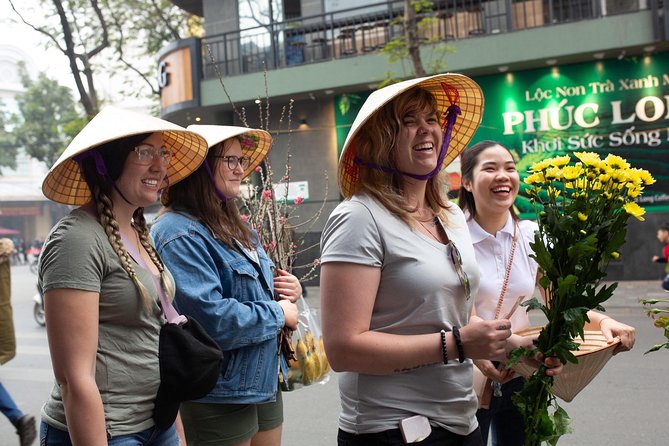
Many food classes in Hanoi begin at a kitchen and treat the ingredients as finished props. This one starts with a market visit, which gives you useful context before you cook. You see the produce, herbs, noodles, and other ingredients in their everyday setting, then learn how they fit into familiar Vietnamese dishes.
That market stop matters because Vietnamese food depends on balance and freshness. The menu uses sweet, sour, salty, crisp, soft, fresh, and fried elements in one meal. Papaya salad brings the sour-sweet side. Spring rolls add a hot, crisp bite. Pho rolls and mixed pho show how rice noodles can be served in different forms.
I also like the scale of the menu. You are not making just one dish and watching the instructor handle the rest. The class covers four main preparations plus egg coffee, followed by dessert. That gives you a useful range of techniques to take home, even if you do not recreate every dish.
The trade-off is time. Four hours gives the class room for shopping, preparation, cooking, and eating, but the session will feel busy if you want a leisurely market stroll. You are there to learn and cook, not to spend half the morning browsing every stall.
More Cooking Classes with a Market Tour in Hanoi
- Hanoi Cooking Class: Culture, Local Market & Meaning CSR Impact
★ 5.0 · 5,147 reviews - 5 Traditional Dishes Hanoi Cooking Class with Market Trip
★ 5.0 · 4,890 reviews - Vietnamese Food Cooking Class in Hanoi with Market Experience
★ 5.0 · 778 reviews
The market visit: a look at everyday ingredients
The activity starts with a welcome at the office, followed by a walk to a nearby local market. The information supplied for the experience names Yen Thai Market in the detailed plan and Hang Da Market in the stop listing. Since the addresses differ, check the final instructions so you know which route to follow.
The market is not just a shopping errand. The instructor helps you identify ingredients and explains possible substitutes. That is especially useful if you plan to cook Vietnamese food at home, since some ingredients can be hard to find outside Vietnam.
You can also get a better feel for local food habits here than you would from a restaurant menu. The class is designed to show you what goes into the dishes before you sit down to eat them. I consider that a real strength for first-time visitors who want food culture without committing to a formal food tour.
Keep your expectations sensible. This is a short market visit connected to a cooking class, not a dedicated market photography tour. The focus is on buying food and understanding ingredients. Wear comfortable shoes, and allow time to walk from the meeting point to the market and kitchen.
Four Vietnamese dishes, four different techniques
After the market, you head to the kitchen for guided preparation. The instructor demonstrates each dish and then helps you work through it. The class is described as step by step, which should suit beginners who prefer clear direction over being left to guess.
Fried spring rolls
The first major dish is nem ran, or fried spring rolls. The preparation involves shaping and rolling the filling, so your hands matter as much as the recipe. The stated goal is to make even, attractive rolls, which turns a familiar restaurant dish into a small practical lesson in control and presentation.
This is likely to be the most hands-on part of the class. You may need a few attempts before the rolls look tidy, but that is part of the point. The class treats spring rolls as a dish for holidays and shared gatherings, giving the recipe a social context rather than presenting it as a simple fried snack.
The final result is served as part of your meal. If you enjoy learning by doing, this section should be one of the most rewarding parts of the morning or afternoon.
More Cooking Classes with a Market Tour in Vietnam
- Hanoi: 5 Local Dishes Cooking Class with Meal & Market Visit
★ 5.0 · 420 reviews - Hanoi Cooking Class and Market Tour in Ancient House
★ 5.0 · 379 reviews - Rose Kitchen Hanoi: Market, Cooking & Culture Tour + Free PickUp
★ 5.0 · 342 reviews - Hanoi: Cooking Class in a Local Villa with Market Tour
★ 4.9 · 320 reviews
Papaya salad
Next comes nom du du, or papaya salad. The class highlights the dish’s sour and sweet flavors, a useful introduction to the balance that shapes much Vietnamese cooking.
This is a good contrast with the spring rolls. Instead of rolling and frying, you work with fresh ingredients and a bright dressing. The result helps keep the final meal from feeling too heavy, especially when eaten alongside fried food and noodles.
The exact level of heat and seasoning is not specified, so ask the instructor if you want guidance on how to adjust the flavor. The included recipe should help you repeat the dish later.
Pho rolls
Pho cuon, or pho rolls, use pho-style rice noodles in a form that is different from the soup most visitors know. The class gives you a chance to handle the noodles and build a fresh roll rather than simply receiving a bowl at a restaurant.
This dish adds another texture to the meal. It also shows how Vietnamese cooks use familiar ingredients in more than one way. If you enjoy fresh rolls but want something different from the usual spring-roll lesson, this is a useful addition.
Mixed pho
The fourth main dish is pho tron, or mixed pho. Unlike soup-based pho, this preparation is served mixed rather than in broth. It broadens the lesson beyond the single version of pho most people first encounter in Hanoi.
Together, pho rolls and mixed pho make the menu feel more varied. You get a fresh noodle preparation and a mixed noodle dish, alongside the crisp spring rolls and raw papaya salad. The class does not center on making traditional pho broth, so book it for variety rather than for a deep lesson in soup stock.
Egg coffee and the meal at the end
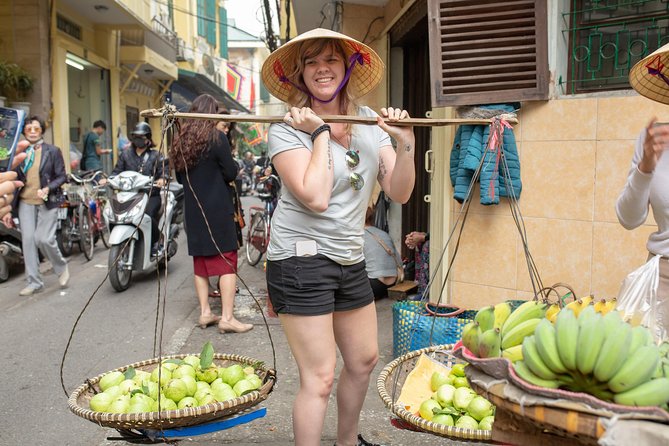
The final specialty is ca phe trung, or Vietnamese egg coffee. This is a key reason to choose this particular class if you have already tried Hanoi’s famous noodle dishes and want a drink-based food lesson as well.
You make the coffee as part of the class, then serve it with the meal. Egg coffee adds a sweet, creamy finish and gives you another recipe to remember from Hanoi. The menu also includes seasonal fruit for dessert, plus one drink such as water, tea, or coffee.
Local wine tasting is included too. The supplied details do not specify the style or amount, so treat it as a small tasting rather than a separate wine event. If you do not drink alcohol, the class already includes nonalcoholic drink choices, but confirm your preference with the instructor.
The meal is a genuine part of the value here. You eat the dishes you prepared, rather than finishing with a token sample. The portions can be generous, so plan accordingly. One session produced enough food for a family of four, and takeaway containers were available when the group could not finish everything. Availability of containers may vary, but the class clearly aims to serve a full meal.
The instructors and the feel of the class
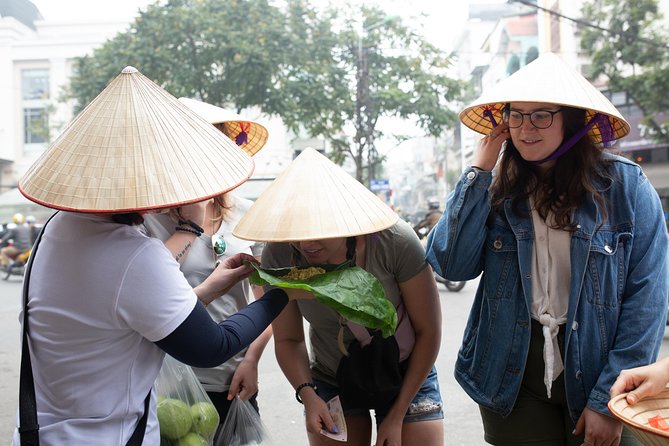
The teaching style is meant to be friendly and practical. English-speaking instructors lead the class, and the names Iris, Ruby, and Aurora are associated with sessions of this experience. You may receive different teaching depending on the date, so do not book expecting one specific instructor unless the operator confirms it.
Iris is associated with market shopping, step-by-step cooking, and stories about Vietnam. Ruby is associated with clear teaching, local restaurant suggestions, and helping participants make several dishes. Aurora’s sessions have included local stories and singing. These touches suggest that the class can feel personal rather than strictly procedural, though the mood will depend on the instructor and group.
The maximum group size is 15 people. That is a reasonable limit for a social kitchen class, but it is not a private lesson. At full capacity, you may share work surfaces and wait briefly for assistance. If you want constant one-to-one attention, ask about the group size for your chosen date.
The class works especially well for couples, families, and solo visitors who enjoy meeting other people over food. Children may enjoy the rolling and mixing, though the supplied information does not give an age policy. Use your judgment and ask the operator about suitability for younger children.
What the $30 price includes
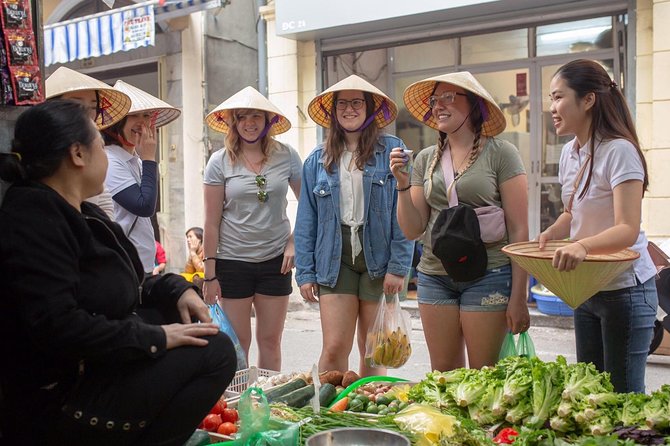
At $30 per person, the price is strong if you value a full meal and several activities in one booking. You get the market visit, ingredient shopping, English-language instruction, all menu items, seasonal fruit, one drink, local wine tasting, and a cooking recipe.
The price also includes ingredients for dishes that would cost more to order separately in a restaurant. You are paying for food, but also for the explanation behind it and the chance to practice the preparation yourself.
Transport is not included. There is no pick-up or drop-off service, so you need to reach the meeting point independently. The activity ends back at that same meeting point. It is near public transportation, which helps, but you should still allow extra time in Hanoi’s Old Quarter.
The address needs special attention. The stated start point is 38 P. Bat Su, Hang Bo, Hoan Kiem, Hanoi, while the meeting-point note names the Crossing Vietnam Tour office at 47 Hang Bong Street. These are not the same address. Check your confirmation carefully and contact the operator if the location is unclear.
Who should book this experience
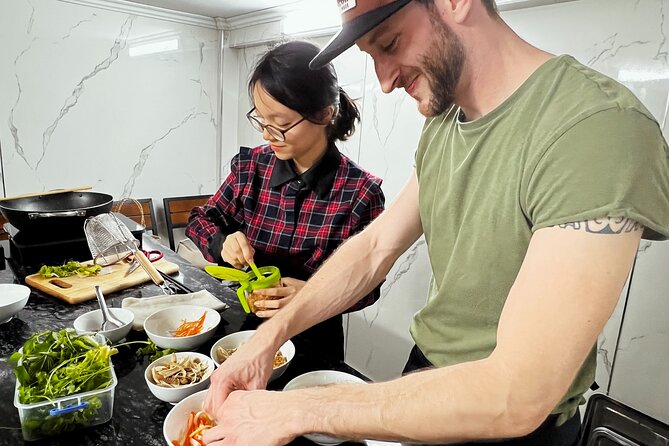
I would choose this class if you want more than a meal and less than a formal culinary school. It is a good fit if you like markets, hands-on work, and a generous lunch or dinner afterward.
It also suits first-time visitors who want a simple introduction to several Vietnamese flavors. You can learn how sour and sweet papaya salad differs from fried spring rolls, how pho noodles work outside soup, and how egg coffee is prepared.
Families may appreciate the clear sequence and the chance to eat together afterward. Couples and solo visitors can expect a social setting, with the group size capped at 15. Food-minded visitors will get the most from the market explanations and recipe handout.
I would hesitate only if your main goal is to learn traditional pho broth. This class makes mixed pho and pho rolls, but the program does not describe a long stock-making lesson. I would also reconsider if you have a tight schedule, since the activity lasts about four hours and includes walking, cooking, and a full meal.
Free cancellation is available when you cancel at least 24 hours before the start time. Inside that window, the payment is not refunded and changes are not accepted. Service animals are allowed, and the activity is near public transportation.
Should you book the Maya Kitchen class?
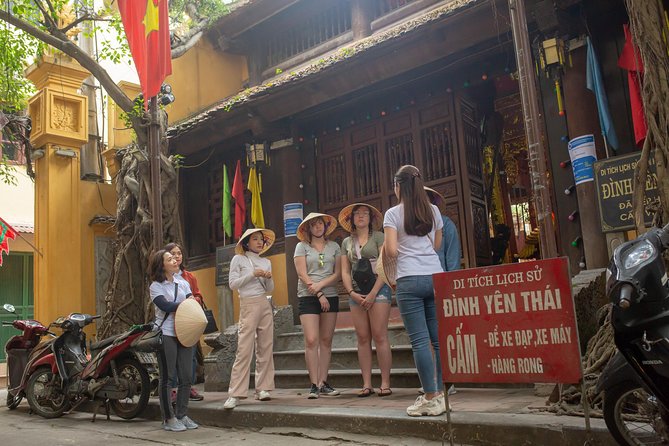
Book it if you want a practical, good-value food experience in Hanoi’s Old Quarter. The market visit gives the class a local setting, while the kitchen session lets you make a full spread instead of watching a demonstration. Fried spring rolls, papaya salad, pho rolls, mixed pho, egg coffee, fruit, and a drink make $30 a fair price for four hours.
Go in hungry, but not after a heavy breakfast. Confirm the meeting address, expect a group class rather than private instruction, and remember that the focus is broad Vietnamese cooking rather than a single deep lesson on pho. For most visitors who want to cook, eat, and take a few useful recipes home, this is an easy experience to recommend.
FAQ
How long does the cooking class and market tour last?
The experience lasts approximately four hours.
How much does the experience cost?
The price is $30 per person.
What dishes will I make?
You will make papaya salad, fried spring rolls, pho rolls, mixed pho, and Vietnamese egg coffee. Seasonal fruit is served for dessert.
Is the market visit included?
Yes. The experience includes a local market tour and food buying before the cooking class.
Which market does the tour visit?
The detailed plan names Yen Thai Market, while the stop information identifies Hang Da Market. Confirm the exact market and meeting instructions before the experience.
Is food included?
Yes. The menu items, seasonal fruit, and one drink are included. Local wine tasting and a cooking recipe are also included.
Is transportation included?
No. Pick-up and drop-off are not included. The activity ends back at the meeting point.
Where does the experience start?
The stated start point is 38 P. Bat Su, Hang Bo, Hoan Kiem, Hanoi. Another meeting note names the Crossing Vietnam Tour office at 47 Hang Bong Street, so confirm the correct address before you go.
Can I cancel for a full refund?
Yes, if you cancel at least 24 hours before the experience start time. Cancellations or changes made within 24 hours are not accepted for a refund.
New cooking classes around Hanoi
- Hanoi: Vegan Vietnamese Cooking Class in a Local Villa★ 5.0 · 42 reviews
- Hanoi: Vietnamese Cooking Class- Market Tour with Local Chef★ 5.0 · 2 reviews
- Hanoi Vegan Cooking Class: A Vietnamese Culinary Adventure★ 4.8 · 5 reviews
- Hanoi: Maya Traditional Cooking Class & Market Tour★ 4.9 · 243 reviews
- Hanoi’s Culinary: Authentic Cooking Class and Local Market★ 4.8 · 5 reviews
- Hanoi Food Adventure: Vietnamese Market Tour & Cooking Class★ 4.8 · 5 reviews
- Hanoi: Village Farm Tour and Cooking Class with Lunch★ 5.0 · 7 reviews
- Hanoi: Old Quarter Market Tour and Cooking Class with Meal★ 4.8 · 192 reviews
Hanoi Cooking Classes, side by side.
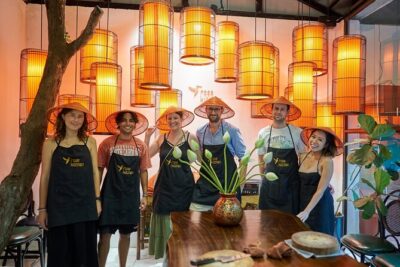
Hanoi Cooking Class: Culture, Local Market & Meaning CSR Impact
Read our review →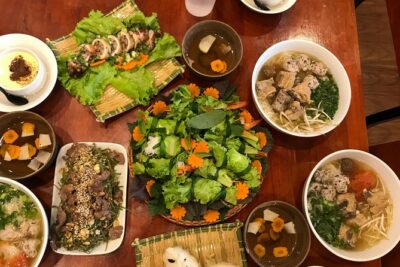
5 Traditional Dishes Hanoi Cooking Class with Market Trip
Read our review →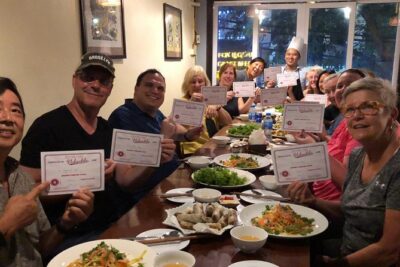
Vietnamese Food Cooking Class in Hanoi with Market Experience
Read our review →
Hanoi: Handcrafted Wood Carving Workshop with Local Artisan
Read our review →
Hanoi: 5 Local Dishes Cooking Class with Meal & Market Visit
Read our review →
Hanoi Cooking Class and Market Tour in Ancient House
Read our review →
Rose Kitchen Hanoi: Market, Cooking & Culture Tour + Free PickUp
Read our review →